Why Roof Sheathing Stays Wet
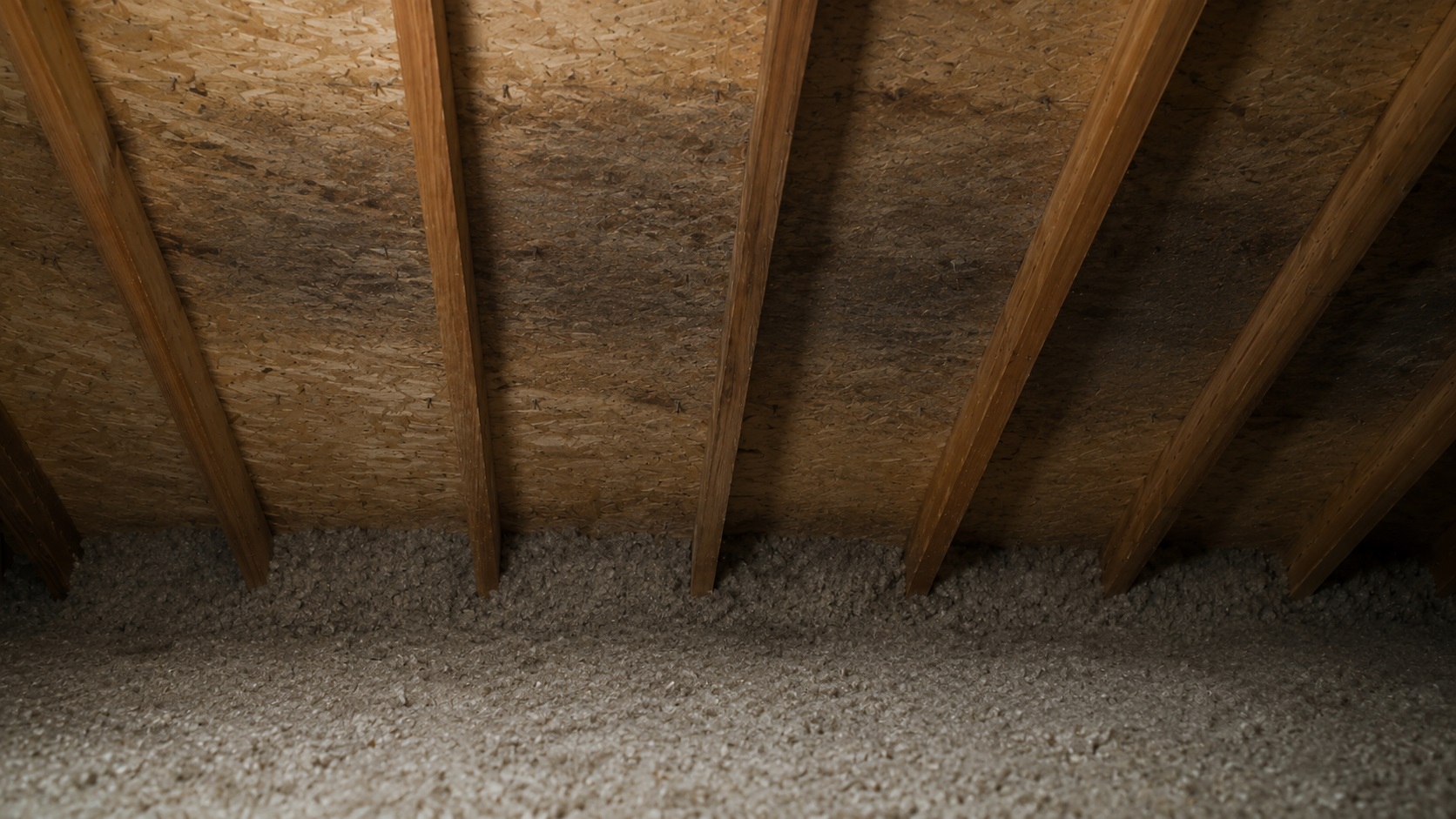
Roof sheathing stays wet when moisture keeps entering the attic faster than the wood can dry. The usual causes are poor attic ventilation, blocked soffit intake, air leakage from living spaces, high indoor humidity, uneven insulation, or exhaust ducts releasing damp air into the attic. Occasional dampness can dry out, but roof decking that remains wet day after day means the attic’s drying conditions are failing.
Many homeowners first notice this issue after seeing visible warning signs such as droplets, frost, or darkened wood surfaces. If you have already observed those conditions, reviewing the patterns described in Signs of Condensation on Roof Sheathing can help confirm whether moisture buildup is present. This article focuses on the next step—understanding why roof sheathing continues to stay wet instead of drying naturally.
The key question is not only whether the sheathing is wet, but why it is being rewetted. A roof leak, attic condensation, blocked ventilation path, or exhaust duct failure can all leave damp roof decking, but each one requires a different correction.
If wet areas appear after rain, follow roof penetrations, or show clear staining from above, a roof leak should be ruled out. If moisture appears during cold weather, shows as frost or droplets on the underside of the decking, or appears across broad attic areas, condensation is more likely.
For a broader look at roof material failures, ventilation problems, and moisture-driven roof damage, see Most Common Roofing Material Failures.
How Roof Sheathing Normally Dries
Roof sheathing dries when moving air carries moisture away, attic humidity stays low enough to absorb vapor, and the wood surface warms enough for evaporation. When any of those conditions fails, moisture can remain in or on the decking long after the original wetting event.
The Role of Airflow in Removing Moisture
Airflow keeps roof sheathing dry by replacing damp attic air with drier outside air. Without that exchange, moisture lingers near cold decking long enough to condense or remain absorbed in the wood.
Proper airflow typically follows this pattern:
- Cool air enters through soffit vents
- Air moves upward through the attic
- Warm, humid air exits through ridge or roof vents
- Fresh air replaces humid air continuously
If this airflow pattern is interrupted, moisture remains trapped and drying slows significantly. Many persistent moisture problems originate from airflow disruptions similar to those outlined in Signs of Poor Attic Ventilation.
The Role of Temperature in Moisture Release
Temperature differences also influence how quickly roof sheathing dries. Warm air holds more moisture than cold air, which means temperature changes affect evaporation rates. When attic temperatures remain cold for extended periods, drying slows and moisture remains inside the wood.
Cold roof surfaces increase condensation risk and extend drying time. This explains why condensation problems often worsen during winter months or prolonged cold weather.
Most Common Reasons Roof Sheathing Stays Wet
Persistent moisture usually results from one or more underlying causes working together. Identifying these causes helps homeowners understand why moisture returns even after temporary drying.
Poor or Blocked Attic Ventilation Prevents Moisture Removal
Poor ventilation is one of the most common reasons roof sheathing stays wet. Even when vents are present, moisture can remain trapped if the intake, exhaust, or pathway between them is blocked.
Common ventilation and airflow problems include:
- Soffit vents covered by insulation
- Missing, undersized, or blocked ridge vents
- No clear air channel from the eaves to the upper attic
- Stored items or insulation restricting air movement
- Uneven airflow that leaves some roof bays damp while others stay dry
When air cannot move from the soffit area to the exhaust vents, humid attic air lingers against cold roof decking and condensation continues to return.
Adding more roof vents without sealing air leaks or correcting moisture sources may not solve the problem, because ventilation cannot keep up with a constant supply of humid indoor air.
The U.S. Department of Energy notes that attic ventilation is an important factor in controlling moisture in roof sheathing and roof structural members, which is why blocked or unbalanced attic airflow should not be ignored.
High Indoor Humidity Levels Feeding Moisture Into the Attic
Humidity inside the home directly affects attic moisture levels. Warm indoor air naturally rises and carries moisture upward. If humidity levels remain high, more moisture enters the attic and increases condensation risk.
Common household sources of excess humidity include:
- Frequent hot showers without proper ventilation
- Cooking activities that release steam
- Indoor drying of clothes
- Large humidifiers operating continuously
- Unvented appliances producing moisture
When humidity levels exceed normal ranges, even properly ventilated attics may struggle to remove moisture quickly enough.
A simple indoor hygrometer can help confirm whether the home is feeding excess moisture into the attic. If indoor humidity remains high during cold weather, roof sheathing has a greater chance of staying damp even when the attic has some ventilation.
Air Leakage From Living Spaces Into the Attic
Air leakage from living areas into the attic is another major reason roof sheathing stays wet. Even small openings in ceilings allow warm, humid air to escape upward. Once this air reaches the colder attic environment, it condenses on roof decking surfaces.
Common air leakage points include:
- Gaps around ceiling light fixtures
- Openings around attic hatches
- Spaces around wiring and plumbing penetrations
- Cracks along drywall seams
- Unsealed ceiling penetrations
These openings may seem minor, but they allow continuous moisture movement into the attic. Over time, this steady supply of humid air creates repeated condensation cycles that keep roof sheathing wet.
If moisture patterns appear directly above living areas such as bathrooms or kitchens, the problem may be related to hidden air leakage rather than external roof damage. Inspection techniques described in How to Detect Roof Condensation Problems can help confirm these conditions.
Inadequate or Uneven Insulation Coverage
Insulation does not stop moisture by itself, but uneven insulation allows heat loss from the living space into the attic. That heat loss can warm some roof areas, leave other areas cold, and create uneven condensation patterns on the underside of the sheathing.
Common insulation-related problems include:
- Missing insulation sections
- Settled insulation reducing thickness
- Uneven installation creating cold spots
- Compressed insulation losing effectiveness
- Thermal bridging through exposed framing
These conditions create localized cold zones where condensation forms more frequently. Once moisture begins accumulating, drying becomes difficult without correcting insulation deficiencies.
Exhaust Vent Failures Releasing Moisture Into the Attic
Bathroom, kitchen, and dryer exhaust systems should discharge outdoors, not into the attic. When a duct is disconnected, crushed, leaking, or terminated inside the attic, it can dump concentrated moisture directly against roof framing and sheathing.
Common exhaust vent problems include:
- Disconnected vent ducts
- Vents terminating inside the attic
- Crushed or blocked vent lines
- Improper sealing at vent connections
- Leaking joints releasing humid air
These failures introduce large volumes of moisture into confined attic spaces. In many homes, repeated condensation near vent lines is one of the clearest indicators of exhaust-related moisture problems.
Why Moisture Keeps Returning After Drying
Some homeowners attempt to dry roof sheathing by increasing ventilation temporarily or allowing warm weather to evaporate moisture. While this may reduce surface dampness temporarily, moisture often returns when underlying conditions remain unchanged.
Hidden Humidity Cycles Continue to Feed Moisture
Humidity cycles often occur daily or seasonally. Warm indoor air rises overnight, condensation forms during colder periods, and surfaces appear dry again later in the day. This repeated cycle gradually increases internal moisture content even when surfaces appear dry.
Typical cycle behavior includes:
- Moisture forming overnight during colder temperatures
- Frost developing on cold surfaces
- Water melting during daytime warming
- Moisture partially evaporating but not fully leaving the wood
These cycles explain why condensation problems frequently return despite temporary drying efforts.
Incomplete Drying Leaves Moisture Inside the Wood
Roof decking can feel dry on the surface while still holding moisture below the surface. If cold weather, high humidity, or weak airflow returns before the wood fully dries, the next condensation cycle starts before the previous one has fully ended.
This is why repeated light condensation can become more damaging than one short moisture event that dries completely.
Cold Weather Reintroduces Condensation Conditions
Seasonal weather patterns strongly influence moisture behavior. During colder months, roof surfaces cool rapidly while indoor humidity remains high. This creates ideal conditions for condensation to return.
Signs of seasonal recurrence include:
- Moisture appearing each winter
- Frost forming during cold nights
- Damp wood returning after warm seasons
- Repeated staining cycles year after year
When seasonal patterns repeat, it usually indicates that ventilation or insulation conditions require adjustment.
Why Some Roof Areas Stay Wetter Than Others
Wet roof sheathing does not always appear evenly across the attic. One roof bay may stay damp while another dries normally because airflow, temperature, insulation, or moisture entry points vary from one section to another. The pattern of wetness often gives clues about the cause.
- Wet sheathing near bathrooms or kitchens may point to air leakage or exhaust duct problems.
- Wet sheathing near eaves may point to blocked soffit intake or missing ventilation baffles.
- Wet sheathing near valleys or complex roof sections may point to restricted airflow.
- Wet sheathing after rain may point to a roof leak rather than attic condensation.
- Wet sheathing mainly during cold weather usually points to condensation, humidity, or air leakage.
Roof Geometry That Restricts Air Movement
Some roof designs naturally restrict airflow. Complex roof shapes can create enclosed spaces where air becomes trapped and humidity accumulates.
Common geometry-related challenges include:
- Multiple roof valleys
- Cathedral ceiling sections
- Long, narrow attic spaces
- Attic corners with limited ventilation access
These configurations may require careful airflow management to prevent moisture buildup.
Vapor Control and Air Leakage Problems
Vapor control problems can contribute to wet roof sheathing, but air leakage is usually the bigger concern. Warm, humid air moving through ceiling gaps carries far more moisture into an attic than vapor diffusion through intact materials.
Problems related to vapor barriers include:
- Missing vapor barriers
- Improper placement on the wrong side of insulation
- Gaps allowing moisture movement
- Damaged or deteriorated materials
These conditions increase the likelihood of repeated condensation cycles.
Why Mold Keeps Coming Back on Roof Sheathing
Mold returning on roof sheathing usually means the wood is still being rewetted. Cleaning visible growth may improve the surface temporarily, but it does not correct the attic condition that keeps the sheathing damp. For broader cleanup and prevention guidance, see How to Remove Mold Permanently.
Moisture Levels Remain High Enough to Support Growth
On roof sheathing, recurring mold usually appears where wood stays damp through repeated condensation cycles, exhaust leaks, or blocked airflow. The pattern matters because mold that returns in the same roof bay often points to a moisture source that has not been corrected.
Conditions that allow mold recurrence include:
- Persistent humidity levels
- Repeated condensation cycles
- Limited airflow preventing drying
- Damp insulation retaining moisture
When these conditions persist, mold growth becomes increasingly difficult to control.
When Wet Roof Sheathing Needs Professional Evaluation
Professional evaluation is wise when wet roof sheathing keeps returning after basic ventilation, humidity, or exhaust duct issues have been checked. Persistent moisture can indicate hidden air leakage, roof leaks, blocked ventilation paths, insulation defects, or damaged decking.
Call a roofer, insulation contractor, or moisture specialist if you notice:
- Wet areas spreading across multiple roof panels
- Mold returning after cleaning
- Soft, spongy, warped, or separating roof decking
- Rusting fasteners or staining that suggests long-term wetting
- Moisture that returns after ventilation improvements
- Dampness that appears after rain as well as during cold weather
These signs suggest the problem may be more than simple surface condensation and should be evaluated before roof materials weaken further.
Frequently Asked Questions About Roof Sheathing That Stays Wet
Why does roof sheathing look dry and then get wet again?
Roof sheathing can look dry during warmer parts of the day and become wet again when attic temperatures drop. If humid air is still entering the attic or ventilation is weak, condensation can reform on the underside of the decking overnight.
How can I tell if wet roof sheathing is from condensation or a roof leak?
Wet sheathing that appears after rain, follows a roof penetration, or leaves a defined stain from above may indicate a roof leak. Wet sheathing that appears during cold weather, forms droplets or frost on the underside of the decking, or affects broad attic areas is more likely related to condensation.
Can ventilation alone fix wet roof sheathing?
Ventilation plays a major role in drying, but it may not solve the problem by itself. Insulation gaps, air leakage, and indoor humidity levels also affect condensation behavior.
Does insulation cause roof condensation?
Insulation does not directly cause condensation, but missing or uneven insulation can create temperature differences that increase condensation risk. Air sealing, insulation coverage, and ventilation all affect whether roof sheathing dries properly.
Why does moisture return every winter?
Cold weather increases condensation risk because cold roof surfaces encourage moisture formation. If humidity levels remain high indoors, condensation often returns seasonally.
Does recurring mold on roof sheathing mean the wood is still wet?
Recurring mold usually means the sheathing is still being exposed to moisture. The surface may dry temporarily, but repeated condensation, air leakage, or exhaust duct moisture can keep the wood damp enough for mold to return.
Conclusion
Roof sheathing stays wet when moisture keeps entering the attic or when the attic cannot dry the wood fast enough. The most common causes are poor ventilation, blocked intake paths, air leakage from living spaces, high indoor humidity, uneven insulation, and exhaust ducts releasing moisture into the attic.
The lasting fix is not simply drying the surface. The source of moisture and the failed drying condition both need to be corrected so the roof decking can dry fully and stay dry through future weather cycles.