
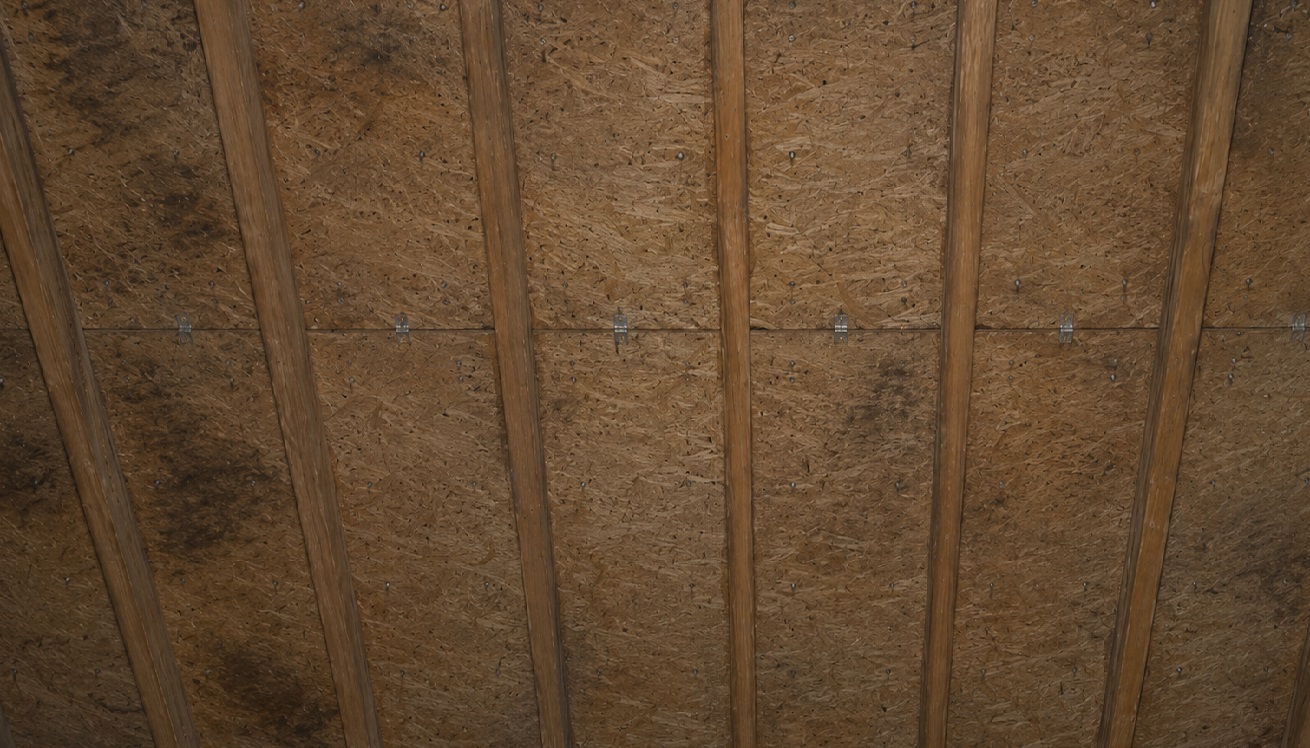
Why Roof Rafters Stay Wet
Roof rafters stay wet when moisture enters the attic, forms on cold framing surfaces, or becomes trapped in the wood faster than the attic can dry. The most common causes are condensation, blocked ventilation, warm indoor air leaks, high humidity, insulation problems, or small roof leaks that do not drip into the living space.
The pattern of wetness usually points to the cause. Widespread damp rafters often suggest condensation or airflow failure, while one repeated wet spot after rain points more strongly to a roof leak. Damp rafter ends near the eaves often suggest blocked soffit airflow or insulation pushed too far into the roof edge.
If you are seeing visible mold or discoloration along framing members, it may help to review Signs of Mold Growth in Roof Framing, which explains how mold develops when moisture remains present. Understanding the cause of wet rafters is the first step toward preventing those conditions from worsening.
For a broader look at roof defects that allow moisture into framing, see common roofing material failures.
What Wet Roof Rafters Usually Mean
Wet rafters mean the attic has a moisture source, a drying failure, or both. The problem may come from outside the roof system, from indoor air leaking upward, or from condensation forming inside the attic during temperature changes.
The important question is not only whether the wood is wet, but whether the moisture is widespread, localized, seasonal, or returning after each rain. That pattern helps separate condensation problems from hidden roof leaks.
Most Common Reasons Roof Rafters Stay Wet
The cause is usually easier to narrow down by looking at the moisture pattern. Widespread dampness points toward condensation, ventilation, or humidity. Repeated wetting in the same spot after rain points toward a leak. Dampness near the lower rafter ends often points toward blocked soffit airflow or insulation problems.
Condensation From Poor Ventilation
Condensation is one of the most common causes of wet rafters, especially during colder seasons. This occurs when warm indoor air rises into the attic and contacts cooler roof surfaces.
When warm, moisture-filled air cools rapidly, water droplets or frost can form on rafters, roof decking, and exposed nail tips. This usually creates a broader moisture pattern across multiple framing members rather than one isolated wet spot.
Common signs of condensation-related wet rafters include:
- Water droplets forming during cold mornings
- Damp rafters without visible roof leaks
- Moisture concentrated near ridge areas
- Frost buildup during winter conditions
- Wet wood that dries partially during warmer hours
Condensation problems usually result from airflow imbalance rather than direct water intrusion. When ventilation pathways are restricted, humid air remains trapped inside the attic and condenses repeatedly.
If condensation patterns appear consistently, identifying moisture accumulation points becomes critical. Techniques for locating these areas are discussed in How to Detect Moisture in Roof Framing, which outlines inspection strategies for finding hidden moisture pathways.
Warm Indoor Air Entering the Attic
Air leakage from living spaces into attic areas introduces large amounts of humidity into roof framing environments. This is particularly common in homes where ceiling penetrations allow warm air to escape.
Typical leakage pathways include:
- Attic access hatches
- Light fixtures and ceiling boxes
- Bathroom exhaust fan openings
- Electrical wiring penetrations
- Plumbing pipe openings
This is different from a roof leak because the moisture source is the living space, not the roofing material. Bathroom fans, recessed lights, attic hatches, and plumbing penetrations can all move humid indoor air into the attic where it condenses on cold framing.
Blocked or Restricted Soffit Ventilation
Soffit vents play a critical role in keeping roof framing dry. These vents allow fresh air to enter the attic and push moist air out through higher exhaust vents. When soffit airflow is blocked, moisture remains trapped inside the attic, allowing rafters to stay wet for extended periods.
Typical causes of blocked soffit ventilation include:
- Insulation packed tightly into soffit openings
- Collapsed or missing ventilation baffles
- Debris or dust buildup inside vent openings
- Improper installation of insulation materials
- Structural modifications that restrict airflow
A simple clue is location: soffit problems usually show up first near the eaves, where rafter tails, roof decking edges, or insulation surfaces feel damp before the upper attic does.
When soffit airflow is blocked, moisture accumulates near the lower edges of rafters and slowly spreads upward. This often results in damp rafter ends and moisture concentrated near exterior walls.
If moisture appears primarily near the lower ends of rafters, ventilation restrictions should be investigated as a likely contributing factor.
Hidden Roof Leaks That Go Undetected
Not all roof leaks produce visible drips. Small leaks often soak into wood gradually and evaporate before reaching interior ceilings. These slow leaks may keep rafters damp without creating obvious water damage inside living spaces.
Hidden leaks commonly originate from:
- Damaged flashing around roof penetrations
- Worn or cracked roofing materials
- Loose fasteners or exposed nail heads
- Minor shingle displacement
- Deteriorated sealants around vents or chimneys
These leaks often create localized wet spots rather than widespread moisture patterns. Moisture may appear in the same location after rainfall but disappear during dry weather.
If moisture returns consistently after rain events, a leak source should be considered even when dripping water is not visible. For roof-source inspection steps, see how to find roof leaks before mold forms.
Improper Insulation Placement
Insulation placement has a direct effect on attic airflow and moisture movement. When insulation blocks ventilation channels or traps humid air against roof framing, moisture remains in contact with rafters longer than expected.
Common insulation-related problems include:
- Insulation pressed tightly against roof decking
- Blocked airflow between rafters
- Insulation covering soffit openings
- Improperly installed insulation baffles
- Uneven insulation distribution creating cold spots
Insulation problems usually keep rafters wet by blocking airflow, creating cold spots, or holding humid air against framing surfaces.
High Indoor Humidity Levels
Indoor humidity levels strongly influence attic moisture behavior. Even when ventilation systems function correctly, excessive indoor humidity can overwhelm the attic’s ability to dry.
Major contributors to high indoor humidity include:
- Bathrooms without proper exhaust ventilation
- Kitchens lacking outdoor venting
- Dryers venting into attic spaces
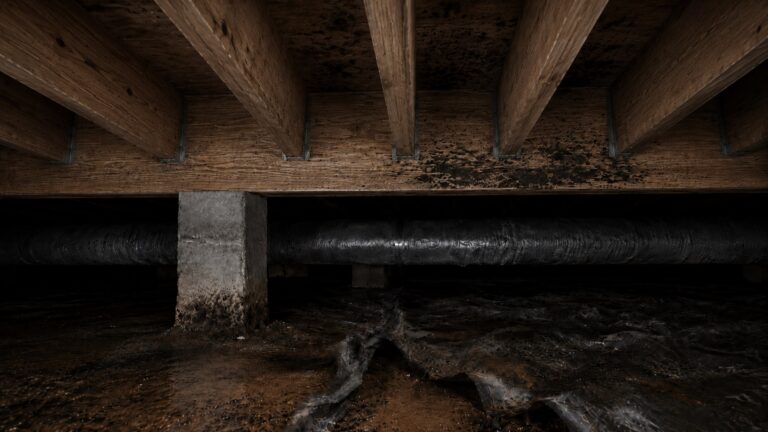
- Unsealed crawl spaces releasing moisture
- Basements producing excess humidity
When indoor humidity remains elevated, moisture-laden air continuously enters attic spaces. This creates repeated condensation cycles that keep rafters wet for long periods.
In many homes, indoor humidity problems are overlooked because moisture remains hidden inside attic areas rather than appearing inside living spaces.
Seasonal Conditions That Keep Rafters Wet
Weather patterns play a major role in attic moisture behavior. Many homeowners notice wet rafters during specific seasons, particularly winter or periods of rapid temperature change.
Winter Condensation Cycles
Winter creates ideal conditions for condensation inside attics. Cold outdoor temperatures cool roof surfaces, while indoor heating increases humidity levels inside the home.
This temperature difference causes:
- Warm indoor air to rise into attic spaces
- Rapid cooling of humid air
- Condensation forming on rafters and nails
- Frost buildup during extreme cold conditions
- Melting frost that keeps wood wet during warmer hours
Repeated freeze-thaw cycles can keep rafters wet even when no rainfall occurs.
Heavy Rain Periods
Extended periods of rainfall can expose weaknesses in roofing systems. Even small defects allow moisture to enter repeatedly during storms.
During heavy rain cycles, rafters may remain wet due to:
- Repeated minor water intrusion
- Delayed drying between rainfall events
- Accumulated moisture from multiple storms
- Reduced airflow during humid conditions
Moisture that accumulates during storms may remain trapped in framing materials long after rainfall ends.
Rapid Temperature Changes
Sudden temperature shifts increase the likelihood of condensation inside attic spaces. When warm and cold air cycles rapidly, moisture repeatedly forms and evaporates.
This repeated cycle can make rafters feel damp even when the roof itself is not leaking.
If mold has already developed due to persistent moisture, reviewing Signs of Mold Growth in Roof Framing can help confirm whether visible contamination has begun.
Why Roof Rafters Sometimes Stay Wet Without Visible Leaks
Finding wet rafters without a visible roof leak can be confusing. Hidden leaks are possible, but many persistent rafter moisture problems come from condensation, indoor air leaks, or airflow failures rather than direct rain intrusion.
This distinction matters because a condensation problem may require air sealing, ventilation correction, or humidity control rather than roof replacement.
Condensation Can Mimic Leak Symptoms
Condensation forms when warm, moisture-laden air contacts cooler surfaces. In attic spaces, rafters often become cooler than surrounding air during cold weather. This temperature difference causes water vapor to turn into liquid moisture.
Unlike leaks, condensation may:
- Form evenly across multiple rafters
- Appear during cold mornings
- Dry partially during warmer afternoons
- Reappear daily during temperature swings
- Leave widespread damp patterns rather than isolated spots
This repeating cycle can keep rafters damp for weeks or months without any actual roof damage.
Moisture Can Become Trapped Inside Wood Fibers
Even when the surface of a rafter appears dry, moisture may remain inside the wood. Structural wood absorbs moisture slowly, and once saturated, it releases moisture gradually over time.
This internal moisture retention causes:
- Long drying times after exposure
- Repeated dampness even during dry weather
- Persistent humidity inside enclosed spaces
If internal moisture remains present, rafters may stay damp long after the original moisture event has passed.
Airflow Failures Prevent Proper Drying
Drying requires moving air. Without consistent airflow, moisture remains trapped in attic spaces and continues to affect structural wood.
Airflow failures commonly result from:
- Blocked ventilation pathways
- Improper vent placement
- Insufficient attic intake airflow
- Obstructed exhaust vents
- Accumulated debris in ventilation systems
When airflow stops, moisture cannot escape efficiently. This creates damp conditions that allow rafters to remain wet for extended periods.
What the Wetness Pattern Reveals About the Cause
Intermittent Wetness
Rafters that become damp during cold mornings and dry later in the day usually point toward condensation. This pattern is common when indoor air leaks, high humidity, or restricted attic ventilation are present.
Repeated Wetness After Rain
Rafters that become wet in the same area after each rain event usually point toward a roof leak, flashing defect, exposed fastener, or moisture path from a roof penetration.
Damp Rafter Ends Near the Eaves
Moisture concentrated near the lower rafter ends often points toward blocked soffits, missing baffles, or insulation that prevents intake air from moving along the underside of the roof deck.
Dark Staining or Mold With Ongoing Dampness
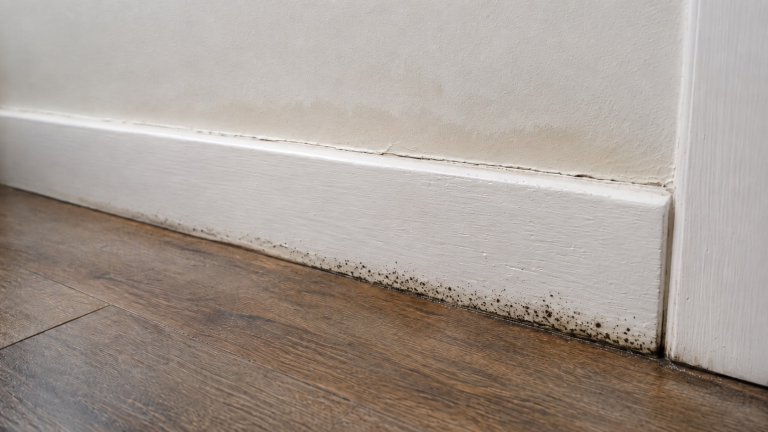
If damp rafters also show staining, mold-like growth, softening, or recurring odor, the moisture problem has likely been active long enough to require closer inspection. For mold-specific warning signs, see signs of mold growth in roof framing.
When Wet Rafters Point to a Larger Roof Problem
Wet rafters become more serious when the moisture is not seasonal, returns after each rain, spreads across more framing, or appears with soft wood, distortion, dark staining, or persistent attic odor. Those signs suggest the problem is no longer just occasional condensation.
For deeper warning signs, see signs of long-term roof moisture damage.
When to Seek Professional Help for Wet Roof Rafters
Professional evaluation is recommended when wet rafters keep returning after basic ventilation checks, appear in the same place after rain, spread across multiple framing members, or appear with mold-like growth, soft wood, sagging, twisting, or strong musty odor.
Do not rely on surface dryness alone if the same rafters keep becoming damp. Wood, insulation, and roof decking can hold moisture below the surface after the visible area appears dry.
If the problem has continued after multiple repair attempts, see how to fix persistent structural roof moisture problems for the repair-readiness side of the issue.
Preventing Roof Rafters From Staying Wet
Preventing wet rafters starts with correcting the source of moisture, not just increasing airflow. In many homes, the fix involves a combination of roof leak repair, attic air sealing, clear soffit intake, balanced exhaust ventilation, and indoor humidity control.
- Keep soffit vents open and use baffles where insulation reaches the eaves.
- Seal attic hatches, ceiling penetrations, recessed lights, and plumbing gaps that leak warm indoor air upward.
- Make sure bathroom fans and dryers vent outdoors, not into the attic.
- Watch whether dampness returns after rain or only during cold temperature swings.
- Recheck the same rafters after repairs to confirm the wetting pattern has stopped.
For a fuller prevention strategy, see how to prevent structural moisture in roof systems.
Frequently Asked Questions About Why Roof Rafters Stay Wet
Why are roof rafters wet in winter?
Roof rafters are often wet in winter because warm indoor air leaks into the attic and condenses on cold framing, roof decking, or nail tips. This usually creates a broader damp pattern rather than one isolated wet spot.
Can rafters stay wet without roof leaks?
Yes. Condensation, blocked soffit airflow, poor attic ventilation, high indoor humidity, or air leaks from the living space can keep rafters wet even when the roof covering is not leaking.
Why are only the lower ends of my rafters wet?
Wet lower rafter ends often point to blocked soffit vents, missing baffles, or insulation packed too tightly at the eaves. The lower roof edge may stay damp because intake air cannot move through the attic properly.
Why does the same rafter get wet after every rain?
A repeated wet spot after rain is more suspicious for a hidden roof leak, flashing defect, exposed fastener, or moisture path from a roof penetration than for general attic condensation.
Should wet rafters dry on their own?
Rafters may dry after a one-time moisture event if airflow is good and the source has stopped. If the same wood stays damp for days or keeps getting wet again, the attic has an unresolved moisture source or drying failure.
Key Takeaways
- Wet roof rafters always indicate an ongoing moisture problem.
- Condensation is one of the most common causes of damp rafters.
- Widespread dampness usually points toward condensation, ventilation failure, or high indoor humidity.
- One repeated wet spot after rain is more suspicious for a hidden roof leak.
- Damp rafter ends near the eaves often suggest blocked soffit airflow or insulation problems.
- Surface dryness does not always mean the wood, insulation, or roof decking has fully dried.
- Correcting wet rafters requires fixing the moisture source, not just drying the visible wood.
One Comment
Comments are closed.