Signs of Mold Growth on Basement Walls
The most common signs of mold growth on basement walls are irregular dark or greenish patches, fuzzy or powdery surface growth, musty odors, peeling paint, damp wall areas, and stains that return after cleaning. Mold often appears first near the floor-wall joint, in corners, around cracks, behind stored items, or near basement windows where moisture collects.
Basement wall mold usually means moisture is still active somewhere in the wall system. The source may be seepage, condensation, high humidity, poor airflow, or hidden dampness behind finished wall materials.
This guide explains how mold on basement walls usually looks, where it appears first, how to tell it apart from dirt or efflorescence, and when the signs point to a larger moisture problem.
For a complete overview of safe cleanup methods and long-term prevention strategies, review how to remove mold permanently, which explains how removal, drying, and moisture control work together.
What Mold on Basement Walls Usually Looks Like
Mold on basement walls rarely appears all at once. Instead, it develops gradually as moisture accumulates on or inside wall surfaces. The appearance can vary depending on wall material, humidity levels, and how long moisture has been present.
Many homeowners expect mold to always look black and fuzzy, but mold colonies come in a wide range of colors and textures. Some early-stage mold can look like harmless staining or dirt until it begins spreading.
Common Colors of Mold on Basement Walls
Mold growth may appear in several different colors, including:
- Black: One of the most recognizable forms, often appearing in clusters or blotches.
- Green: Frequently seen on painted or drywall-covered basement walls.
- Gray: Common on concrete or masonry surfaces.
- Brown: Often mistaken for dirt or rust-like staining.
- White: May appear powdery and is sometimes confused with mineral deposits.
Color alone does not show how serious the problem is. Spread, recurrence, odor, and moisture conditions matter more than color.
Typical Mold Growth Patterns
Unlike surface stains or dirt, mold tends to grow in irregular patterns that expand over time. These patterns often follow moisture pathways inside the wall system.
You may notice mold forming:
- In clusters or patchy areas
- Along cracks or seams
- In horizontal lines near the floor
- Around corners where airflow is limited
- Behind stored items or shelving
If mold growth appears in repeating areas, especially after cleaning, it often indicates that moisture is still entering the wall. This frequently occurs in homes experiencing wall seepage during storms or snowmelt.
When mold follows cracks, seams, or a horizontal line near the floor, the pattern often points to moisture movement through the basement wall rather than a random surface stain.
Texture Changes That Suggest Mold Growth
Another reliable indicator of mold growth is a change in wall texture. Mold often creates a surface that feels or looks different from surrounding areas.
Texture-related warning signs include:
- Fuzzy or velvety surface growth
- Slimy patches in damp areas
- Raised spots or uneven surfaces
- Peeling or blistering paint layers
- Softened drywall near the wall base
These texture changes often appear before large visible colonies develop. In finished basements, the earliest signs may occur behind wall coverings or near baseboards.
If mold is accompanied by damp wall conditions, it may also indicate hidden moisture intrusion. In those situations, performing an inspection using techniques described in how to detect basement wall leaks can help confirm whether moisture is still active.
Musty Odors Near Basement Walls
One of the earliest and most overlooked signs of mold growth is odor. Mold produces microbial gases that create a distinct musty smell, often described as earthy or damp.
Typical odor characteristics include:
- A persistent musty smell in enclosed basement areas
- Stronger odors after rain or humid weather
- Odor concentrated near stored items or corners
- A noticeable smell when entering the basement after it has been closed
If the smell becomes stronger during wet weather, it may indicate moisture entering through foundation walls, especially when exterior drainage problems allow soil moisture to stay against the basement wall.
Ignoring the moisture conditions behind persistent basement odors can allow mold growth to spread into hidden areas. Even when visible mold is minimal, odor alone can signal underlying damp materials or hidden moisture that require attention.
Common Signs of Mold Growth on Basement Walls
While mold can vary in appearance, there are consistent warning signs that indicate active growth on basement walls. Recognizing these signs early helps prevent larger structural moisture problems and more extensive contamination.
Dark Stains That Continue to Spread
One of the most noticeable signs of mold is staining that gradually expands over time. Unlike dirt or old water marks, mold-related stains tend to grow outward, often forming irregular edges or branching patterns.
You may notice:
- Dark patches increasing in size over weeks or months
- New spots forming near existing ones
- Stains reappearing after cleaning
These patterns typically indicate that moisture is still present inside the wall system. When staining continues to expand, it often means water intrusion or humidity buildup has not been resolved.
Recurring Mold in the Same Location
If mold returns to the same section of wall after cleaning, it is almost always a sign of an ongoing moisture source. Surface cleaning may temporarily remove visible growth, but mold will come back if conditions remain favorable.
This commonly happens when:
- Water is seeping through the foundation wall
- Humidity levels remain high in the basement
- Condensation forms repeatedly on cool surfaces
In these situations, cleaning alone is not a long-term solution. The underlying moisture behavior must be addressed, often through drying and moisture control strategies such as those outlined in how to dry basement walls after water intrusion.
Mold Growth Concentrated Near the Floor
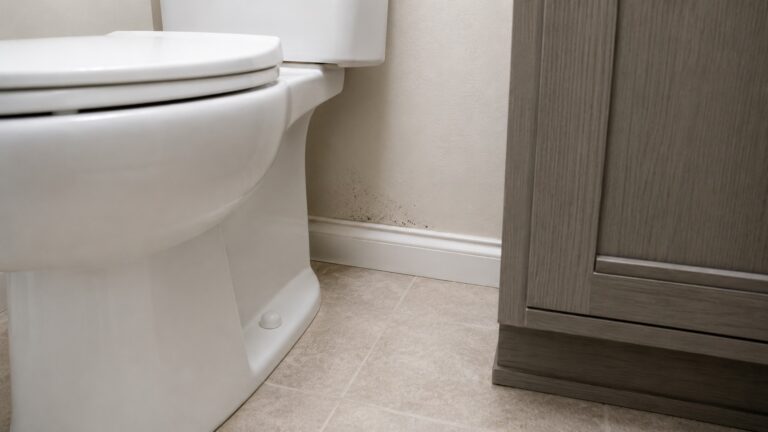
Mold frequently appears along the lower portion of basement walls. This area is especially vulnerable because it is closest to moisture entry points and tends to stay damp longer than upper wall sections.
Signs in this zone include:
- Horizontal mold lines along the base of the wall
- Darkened or damp concrete near the floor
- Growth spreading outward from the floor-wall joint
This pattern is strongly associated with seepage or soil moisture pushing inward near the base of the wall. If you see mold concentrated in this area, it often connects to broader moisture issues discussed in why basement walls leak during rain.
Peeling Paint or Bubbling Coatings
Paint failure on basement walls is another common indicator of mold-friendly conditions. When moisture builds behind painted surfaces, it weakens the bond between the paint and the wall.
Typical warning signs include:
- Peeling or flaking paint
- Bubbling or blistering areas
- Discoloration beneath the paint layer
While peeling paint does not always mean mold is present, it often signals moisture intrusion. When combined with odor or staining, it increases the likelihood that mold is developing beneath the surface.
Soft or Deteriorating Wall Materials
In finished basements, mold growth may not be immediately visible. Instead, the first signs appear as changes in the condition of wall materials.
Warning signs include:
- Soft drywall near the base of the wall
- Warped or bulging wall sections
- Baseboards pulling away from the wall
These symptoms often indicate hidden moisture accumulation behind the wall surface. In many cases, mold is already present inside the wall cavity even if it cannot be seen.
If structural materials are affected, the situation may go beyond simple cleaning and require further evaluation. In these cases, reviewing guidance on how to fix persistent basement wall leak problems can help determine the next steps.
Musty Odor That Persists Even After Cleaning
If the musty smell returns soon after cleaning, the problem is usually not just surface residue. Mold may still be present behind walls, near baseboards, under flooring, or inside porous materials that stayed damp.
Persistent odor is especially concerning when:
- The smell becomes stronger near one wall
- The odor returns after rain
- Cleaning visible stains does not remove the smell
This often indicates that moisture or mold remains in a hidden area.
Where Mold Usually Appears on Basement Walls First
Basement mold rarely appears randomly. It usually starts in areas where moisture collects, airflow is limited, or wall materials remain damp for long periods.
Along the Floor-Wall Joint
The floor-wall joint is one of the most common areas for mold growth. This joint often receives moisture from seepage, condensation, or capillary movement through concrete and masonry.
Warning signs include:
- Dark staining where the wall meets the floor
- Mold following a horizontal line
- Dampness that returns after rain
If mold keeps returning at this joint, the wall may still be receiving moisture from soil pressure, poor drainage, or a damp foundation assembly.
In Corners and Poorly Ventilated Areas
Corners often have limited airflow, especially in basements with stored items, shelving, or finished wall systems. When damp air remains trapped, mold can begin growing on cool surfaces.
Signs include:
- Dark spots in wall corners
- Musty odor concentrated in one corner
- Condensation or dampness in the same area
Mold in corners may be caused by poor air movement, condensation, or hidden moisture behind the wall assembly.
Behind Stored Items and Furniture
Basement walls behind storage boxes, shelves, or furniture are especially vulnerable to mold. These items block airflow and can trap moisture against the wall surface.
Look behind:
- Cardboard boxes
- Wood shelving
- Stored furniture
- Plastic bins pressed against walls
Mold in these areas may appear before it becomes visible in open wall sections.
Move stored items several inches away from basement walls, especially cardboard boxes, fabric furniture, and wood shelving. If mold appears only behind stored items, blocked airflow and trapped humidity may be part of the problem.
Near Basement Windows or Exterior Openings
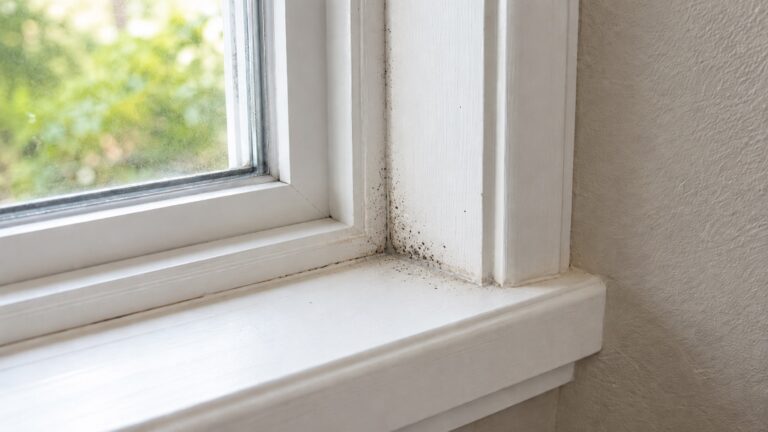
Basement windows, window wells, and exterior penetrations can allow moisture to collect around nearby wall surfaces. Mold in these areas often appears after rain or during humid seasons.
Signs include:
- Mold near window frames
- Staining below basement windows
- Condensation on nearby wall surfaces
If mold appears below or beside basement windows, check for condensation, poor drainage around window wells, or gaps that allow moisture into the wall area.
Around Cracks, Seams, or Foundation Openings
Cracks and seams provide pathways for water movement. Mold that follows these lines often indicates moisture entering through a specific defect.
Look for:
- Mold forming along visible cracks
- Staining that follows a linear path
- Dampness localized to specific sections of the wall
When mold follows a crack or seam, it usually indicates a focused moisture entry point rather than general humidity. In these cases, identifying and repairing the source is essential to prevent continued growth.
How to Tell Mold from Stains, Dirt, and Efflorescence
Not every mark on a basement wall is mold. Misidentifying surface changes can lead to unnecessary concern or incorrect treatment. Understanding the differences between mold and other common wall conditions helps ensure the right response.
Mold vs. Efflorescence
Efflorescence is one of the most commonly confused substances. It appears when water moves through concrete or masonry and leaves behind mineral deposits as it evaporates.
Key differences:
- Efflorescence: Dry, powdery, white residue that brushes off easily
- Mold: May appear fuzzy or slimy and often has a musty smell
Efflorescence does not grow or spread like mold. However, its presence still indicates moisture movement, which can eventually support mold growth if conditions persist.
A simple clue is behavior: efflorescence usually brushes off as a dry mineral powder, while mold is more likely to smear, cling to the surface, smell musty, or return in damp areas.
Mold vs. Dirt or Surface Staining
Dirt and general staining tend to have more uniform patterns and do not expand over time. Mold, on the other hand, develops irregular shapes and gradually spreads.
Indicators of mold instead of dirt include:
- Changing size or shape over time
- Irregular or patchy growth patterns
- Presence of odor
If a stain appears static and odorless, it may not be mold. However, if it changes or returns after cleaning, mold becomes more likely.
Mold vs. Paint Failure
Paint peeling or bubbling can occur due to moisture without mold being present. However, when paint failure is combined with staining or odor, mold may be developing beneath the surface.
Signs that suggest mold under paint include:
- Dark spots appearing through the paint
- Soft or damp wall surfaces beneath peeling areas
- Recurring paint damage in the same location
In these cases, removing the paint layer may reveal hidden mold growth that requires proper cleaning and moisture correction.
Why Mold on Basement Walls Usually Means Moisture Is Still Active
Mold on basement walls is usually a symptom, not the root problem. Even a small patch can point to damp concrete, condensation, seepage, or hidden moisture behind finished materials.
Moisture Movement Through Basement Walls
Basement walls can receive moisture from surrounding soil, poor drainage, condensation, or small wall openings. When that moisture remains active, mold may keep appearing in the same areas.
- Soil pressure: Saturated soil can push moisture against foundation walls
- Capillary action: Moisture is drawn through tiny pores in concrete and masonry
- Crack infiltration: Water enters through small structural openings
Even when walls appear dry on the surface, internal moisture can remain trapped and create ideal conditions for mold growth.
If your basement walls frequently feel damp or show recurring signs of moisture, it may be related to the underlying causes explained in why basement walls stay wet.
Condensation on Cool Basement Surfaces
Not all mold growth comes from water leaks. In many homes, mold develops because of condensation forming on cool basement walls.
This happens when:
- Warm indoor air carries humidity
- The air contacts cooler basement wall surfaces
- Water condenses on the wall
Condensation is especially common during humid seasons or when ventilation is poor. Over time, repeated condensation creates a damp environment that supports mold growth, even without visible leaks.
If indoor humidity remains high, you may also notice broader issues described in signs of high indoor humidity problems.
Hidden Moisture Behind Wall Surfaces
In finished basements, mold often develops behind drywall, paneling, or insulation. This hidden moisture can go unnoticed until visible signs appear on the surface.
Indicators of hidden moisture include:
- Musty odors without visible mold
- Soft or warped wall sections
- Discoloration near baseboards
When mold is suspected behind finished surfaces, surface cleaning is not enough. The wall assembly may need to be opened and dried properly.
Why Mold Returns After Cleaning
One of the most frustrating situations homeowners face is mold that keeps coming back. This happens when the underlying moisture source has not been resolved.
Common reasons mold returns include:
- Moisture still entering through the foundation
- High indoor humidity levels
- Incomplete drying after a water event
- Blocked airflow behind stored items
To prevent recurrence, both the mold and the moisture conditions must be addressed. Drying methods outlined in how to dry basement walls after water intrusion are often necessary after identifying the source.
Early Warning Signs Before Mold Becomes Obvious
Mold is not always visible at first. Basement walls often show warning signs before obvious mold colonies appear.
Persistent Dampness
A basement wall that remains damp for long periods creates conditions where mold can develop. Dampness may be visible or only noticeable through texture, odor, or discoloration.
Watch for walls that:
- Feel cool and damp
- Darken after rain
- Stay humid even with ventilation
Persistent dampness should be investigated before visible mold develops.
Condensation on Walls or Nearby Surfaces
Condensation is another early warning sign. When water droplets repeatedly form on basement walls, pipes, or nearby surfaces, mold-friendly conditions may already exist.
Look for:
- Moisture beads on painted walls
- Damp surfaces during humid weather
- Water droplets near exterior-facing walls
If condensation appears repeatedly, basement humidity and airflow should be evaluated.
Discoloration That Changes Over Time
Minor discoloration may seem harmless at first. However, stains that change color, expand, or darken can indicate early mold growth.
Warning patterns include:
- Small dots becoming larger patches
- Light stains turning darker
- New stains forming in damp locations
Tracking whether a stain changes over time is one of the simplest ways to determine whether it may be active mold rather than an old mark.
When Mold Signs Indicate a Bigger Basement Moisture Problem
Some mold growth is limited to surface humidity issues. Other signs indicate a deeper basement moisture problem that may require repair, waterproofing, or professional evaluation.
Mold Appears After Rain
If mold becomes more noticeable after rain, snowmelt, or wet weather, moisture is likely entering from outside. This may be caused by poor grading, clogged gutters, saturated soil, or foundation wall seepage.
This pattern should not be ignored, especially if it repeats during storms.
Mold Spreads Across Multiple Wall Sections
Mold spreading across several basement wall sections may indicate a larger humidity or seepage problem. Instead of one isolated spot, the basement may have widespread moisture conditions.
This can happen when:
- Basement humidity remains high
- Multiple walls receive moisture from soil
- Airflow is poor throughout the basement
Widespread mold growth usually requires a whole-basement moisture assessment rather than spot cleaning alone.
Mold Is Accompanied by Wall Damage
Mold combined with wall damage is more serious than surface staining. It may indicate long-term moisture exposure that has weakened wall materials.
Concerning signs include:
- Crumbling masonry
- Soft drywall
- Separated paint layers
- Warped paneling
- Damaged baseboards
These conditions suggest long-term moisture exposure. Addressing these issues may involve repairs beyond basic cleaning.
For guidance on when repairs become necessary, see how to fix persistent basement wall leak problems, which explains when professional solutions are required.
Health and Air Quality Considerations
Basement wall mold can affect indoor air quality when growth is widespread, hidden behind finished walls, or located near return air paths, stairwells, or stored porous materials.
Potential concerns include:
- Increased allergy symptoms
- Respiratory irritation
- Persistent musty odors throughout the home
While small amounts of mold may not cause noticeable issues for all occupants, larger or hidden growth can contribute to ongoing air quality problems.
What to Check Before Cleaning Mold on Basement Walls
Before attempting to clean mold from basement walls, it’s important to confirm whether the underlying moisture source has been identified. Cleaning without addressing moisture will almost always lead to recurrence.
Do not scrape, sand, or aggressively disturb moldy wall materials if the growth is widespread, the wall is still wet, or mold may be behind finished surfaces. Disturbing mold without containment can spread particles into the basement air.
Confirm Whether the Wall Is Still Damp
Start by checking the wall for active moisture.
- Look for darkened concrete, damp drywall, or wet paint edges
- Check the same area after rain, snowmelt, or humid weather
- Use a hygrometer for basement humidity and a moisture meter for finished wall materials when available
If the wall remains damp, the moisture source must be resolved before cleaning will be effective.
Look for Signs of Active Water Entry
Identify whether water is entering through the wall.
- Staining near cracks or seams
- Moisture concentrated in specific areas
- Dampness near windows or floor joints
These signs may indicate a leak or seepage issue that requires further inspection.
Evaluate Basement Humidity Levels
Even without visible leaks, high humidity can support mold growth.
- Check for condensation on walls or pipes
- Notice if the air feels damp or heavy
- Monitor humidity levels with a hygrometer
If humidity is high, improving ventilation or using a dehumidifier may be necessary to prevent mold from returning.
When to Call a Professional
Call a professional when the signs suggest hidden moisture, widespread growth, structural damage, or repeated mold return. These situations usually require more than surface cleaning.
Situations That Require Professional Help
- Mold covers a large wall area or appears in several separate locations
- Growth returns repeatedly after cleaning
- Walls stay damp after rain, snowmelt, or dehumidifier use
- Drywall, baseboards, framing, mortar, or concrete are deteriorating
- Mold is suspected behind finished walls or insulation
- The basement has sewage, floodwater, or contaminated-water exposure
Professionals can identify hidden moisture sources, assess structural conditions, and recommend appropriate repair or waterproofing solutions.
Frequently Asked Questions About Signs of Mold Growth on Basement Walls
Is black staining on basement walls always mold?
No. Black staining may be mold, but it can also be dirt, water staining, or mineral deposits. Mold typically spreads over time and may have a musty odor.
Can mold grow on concrete basement walls?
Yes. While concrete itself does not feed mold, dust, organic particles, and surface coatings provide enough nutrients for mold to grow.
Is white growth on basement walls mold or efflorescence?
White powdery residue is often efflorescence, which is a mineral deposit. Mold tends to have texture and may produce an odor.
Does mold on basement walls mean there is a leak?
Not always. Mold can form from condensation or high humidity, especially on cool basement walls. However, mold that appears after rain, follows cracks, returns after cleaning, or stays near the floor-wall joint often points to seepage or another active moisture source.
Should I paint over mold on basement walls?
No. Painting over mold traps moisture and can worsen the problem. Mold should be removed and the moisture source corrected before any repainting.
Conclusion
Mold growth on basement walls should be treated as a moisture warning, not just a surface stain. The most important clues are where it appears, whether it spreads, whether it smells musty, and whether it returns after cleaning.
If the wall is still damp, the mold keeps coming back, or finished materials are soft or deteriorating, identify the moisture source before attempting cosmetic repairs.
Key Takeaways
- Mold on basement walls often appears as irregular patches, stains, or textured growth
- Musty odors can be an early indicator of hidden mold or ongoing basement moisture
- Mold commonly forms near floor joints, corners, and behind stored items
- Recurring mold usually means the wall, air, or nearby materials are still staying damp
- Efflorescence and dirt can be mistaken for mold but behave differently
- Cleaning mold without fixing moisture problems leads to recurrence
- Professional help may be needed for widespread or persistent mold issues