How to Fix Persistent Basement Flooding Problems
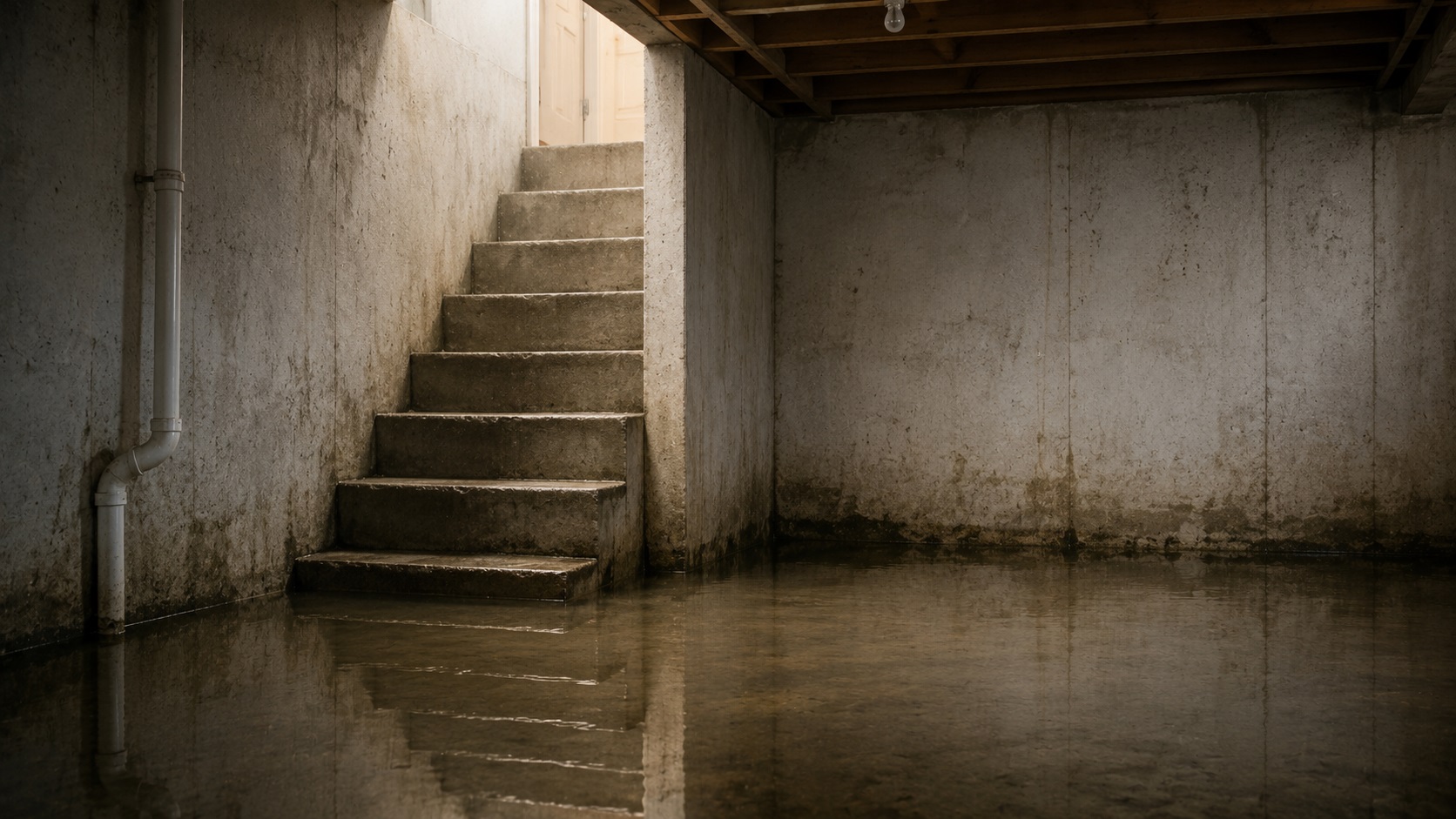
Persistent basement flooding is one of the most difficult problems a homeowner can face because it rarely has a single cause. Instead, it usually results from multiple overlapping issues such as groundwater pressure, drainage failures, or sump pump system limitations. This is why flooding often returns even after cleanup or minor repairs.
The key to permanently fixing basement flooding is not just removing water after it appears, but identifying and correcting the system failure that allows water to enter in the first place. Without addressing the root cause, flooding will continue to return under similar conditions, especially during heavy rain or snowmelt.
This guide explains how to trace recurring basement flooding to the failed part of the system, decide which repair should come first, and avoid spending money on fixes that only remove water after the real problem has already returned.
For broader structural moisture patterns beyond basement flooding, see Structural Moisture Problems in Homes.
Why Basement Flooding Keeps Happening
Recurring basement flooding usually means one or more parts of the home’s water-control system are undersized, blocked, damaged, or missing entirely.
When soil around a home becomes saturated, water builds pressure against foundation walls and floors. This pressure forces water toward any available weak points in the structure. If drainage systems or sump pumps cannot manage this pressure, water eventually enters the basement.
Cleanup only removes the symptom. If the soil keeps sending water toward the foundation, the drain system cannot move it away, or the pump cannot discharge it fast enough, the basement can flood again during the next heavy rain.
In some cases, sump pump performance plays a major role in this cycle. Related system failures are also explained in Why Basement Sump Pumps Fail, which helps identify mechanical and operational weaknesses that contribute to flooding.
How to Identify the True Source of Basement Flooding
To permanently fix basement flooding, you first need to identify where the water is actually coming from. In many homes, what appears as “basement flooding” is actually the result of multiple water entry points working together rather than a single visible leak.
Water can enter a basement through groundwater pressure, surface drainage issues, sump pump limitations, or structural weaknesses in the foundation. Each of these behaves differently, and misidentifying the source often leads to repeated failures after repair attempts.
Start by noting when the flooding happens, where the water appears first, whether the sump pump runs during the event, and whether water is also collecting outside near the foundation. These clues usually point to the failed part of the system faster than guessing at random repairs.
What to Fix First Based on the Flooding Pattern
| Flooding Pattern | Likely Problem Area | What to Check First |
|---|---|---|
| Water appears after long, steady rain | Groundwater pressure or drainage overload | Wall-floor joints, floor cracks, sump pit water level, exterior grading |
| Water appears near one wall after storms | Exterior drainage or foundation entry point | Downspouts, gutters, grading, wall cracks, window wells |
| Sump pump runs constantly but water still rises | Pump capacity, discharge restriction, or drain system overload | Pump size, discharge line, check valve, sump pit inflow rate |
| Flooding happens during power outages | No backup protection | Battery backup, water-powered backup, alarm, backup pump condition |
| Water enters through cracks or pipe openings | Structural entry points | Foundation cracks, utility penetrations, floor-wall joint, exterior pressure |
Groundwater Pressure Around the Foundation
One of the most common causes of persistent flooding is hydrostatic pressure. When soil becomes saturated after heavy rain, water builds pressure against basement walls and floor slabs. This pressure forces water through even small cracks or porous concrete surfaces.
Typical signs include:
- Water appearing after prolonged rain
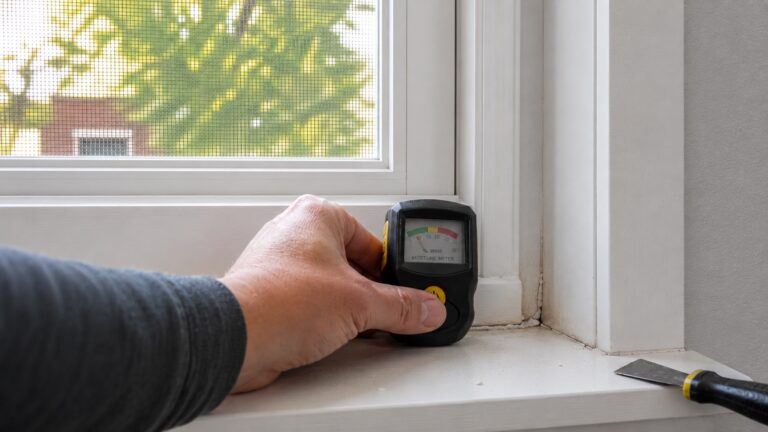
- Dampness along wall-floor joints
- Water rising from floor cracks or low spots instead of dripping from above
- Seepage without visible plumbing leaks
Surface Drainage Problems
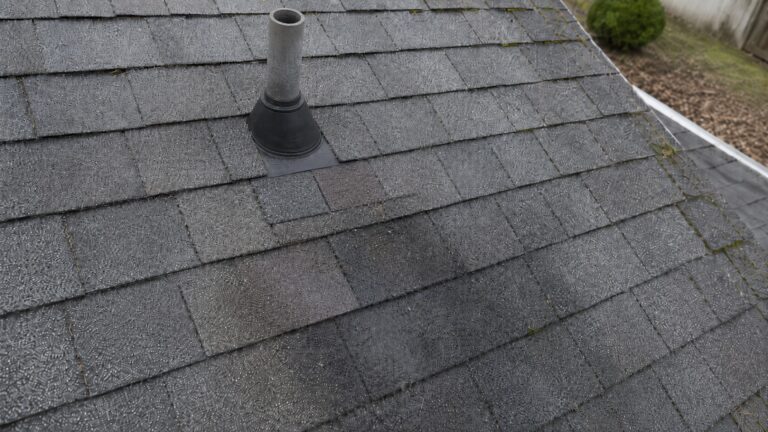
If water is not properly directed away from the home, it can accumulate near the foundation and increase pressure on basement walls. Over time, this leads to repeated water intrusion.
Common drainage issues include:
- Gutters overflowing or clogged
- Downspouts releasing water too close to the foundation
- Improper grading that slopes toward the house
Sump Pump System Limitations
Even when a sump pump is present, flooding can still happen if the pump is undersized, the pit fills faster than the pump can empty it, the discharge line is blocked, or the system has no backup during power loss.
In some cases, the pump may operate continuously but still fail to keep up with incoming water. These issues are closely related to the failure patterns described in Signs Your Basement Sump Pump Is Not Working.
Structural Entry Points
Water can also bypass drainage and pumping systems entirely by entering through structural weaknesses in the foundation. These entry points often worsen over time if not properly addressed.
Common entry points include:
- Foundation wall cracks
- Floor-wall joint separation
- Pipe or utility penetrations
Common Causes of Recurring Basement Flooding
Once the entry point is understood, the next step is identifying why that entry point keeps being overwhelmed. The repair priority depends on whether the main failure is outside drainage, groundwater pressure, pump capacity, backup protection, or foundation openings.
Even if a patch, pump repair, or cleanup stops water for a short time, flooding often returns when the pressure source, drainage path, or pump limitation is still present.
1. Sump Pump Overload or Insufficient Capacity
A sump pump can only remove water at a fixed rate. During heavy rain or rapid groundwater rise, water may enter the basement faster than the pump can discharge it.
When this happens, the system appears to be working, but water levels still rise. Over time, this leads to overflow and repeated flooding events, especially in homes with high water tables or poor exterior drainage.
2. Lack of Backup Protection
Many flooding problems occur during power outages or mechanical failures when the primary sump pump stops working completely. Without a backup system, there is no secondary protection to continue water removal.
This creates a critical vulnerability during storms, which is why backup systems are often recommended in high-risk homes. The importance of redundancy is explained in Why Sump Pump Backup Systems Are Important.
3. Drainage System Inefficiencies
If exterior drainage systems are not functioning properly, water accumulates near the foundation and increases pressure against basement walls. Even a strong sump pump cannot fully compensate for continuous water buildup around the structure.
Common drainage inefficiencies include poor grading, clogged gutters, and short downspout discharge distances.
4. Partial or Incomplete Repairs
Many homeowners attempt surface-level fixes such as sealing visible cracks or removing water after it appears. While these actions may temporarily reduce symptoms, they do not address deeper system failures.
As a result, water continues to enter the basement through other pathways, leading to recurring flooding over time.
Why Sump Pumps Alone May Not Solve the Problem
One of the most common misconceptions is that installing or upgrading a sump pump alone will permanently solve basement flooding. While sump pumps are essential, they are only one part of a larger water management system.
A sump pump does not prevent water from entering the basement. Instead, it removes water after it has already entered through soil pressure, drainage failures, or structural entry points.
If water inflow exceeds pump capacity—or if the pump fails entirely—flooding will still occur. This is why sump pump performance must be evaluated alongside drainage and structural conditions, not in isolation.
In systems where pumps are aging or unreliable, replacement may also become necessary, as discussed in Signs Your Sump Pump Needs Replacement.
Safety note: If standing water is near electrical outlets, appliances, a service panel, sewage, or contaminated floodwater, do not enter the area until it has been evaluated safely. Persistent flooding is a repair problem, but active floodwater can also be an electrical, sanitation, and structural hazard.
Long-Term Solutions to Stop Basement Flooding
Fixing persistent basement flooding usually requires a layered repair plan: reduce the water reaching the foundation, improve the path that collects and moves water away, and make sure the sump system can keep working during heavy inflow or power failure.
Improve Exterior Water Management
One of the most effective long-term strategies is controlling water before it reaches the foundation. Reducing water accumulation around the home lowers pressure on basement walls and reduces the load on interior drainage systems.
- Extend downspouts so roof water discharges well away from the foundation
- Correct grading that sends surface water back toward basement walls
- Keep gutters clean so roof runoff does not overflow beside the foundation
- Check low spots near patios, walkways, window wells, and basement stairs where water can collect
Strengthen Basement Water Removal Systems
If a sump pump is part of the system, it must be properly sized, maintained, and capable of handling peak water inflow. In high-risk homes, redundancy becomes critical to prevent system failure during storms.
Maintenance and reliability concepts such as those in How to Maintain Basement Sump Pumps help ensure consistent performance over time.
Address Structural Water Entry Points
Cracks in foundation walls, floor-wall joints, or pipe penetrations can allow water to bypass drainage systems entirely. A lasting repair may require sealing penetrations, repairing cracks, improving interior drainage, or addressing exterior pressure rather than simply applying surface patching to the visible leak.
When Professional Help Is Necessary
Professional evaluation is usually needed when flooding returns after gutter, grading, and sump pump improvements; when water rises through the slab or wall-floor joint; when cracks are widening; when the pump runs constantly but water still rises; or when flooding involves sewage, contaminated water, or electrical hazards.
Persistent moisture can also lead to secondary problems such as mold growth, especially in environments where water has already caused repeated saturation. These risks are closely related to issues described in Signs of Mold Growth Caused by Sump Pump Failures.
Conclusion
Persistent basement flooding is usually a system problem, not a cleanup problem. The right fix depends on where the water starts, how it reaches the basement, whether the sump system can remove it fast enough, and whether structural entry points are still open.
Start with the source: roof runoff, grading, foundation pressure, sump pump performance, and visible entry points. Once the failed part of the system is identified, repairs can be prioritized in the right order instead of repeating temporary fixes after every storm.
Key Takeaways
- Persistent flooding should be traced by when water appears, where it appears first, and whether the sump system keeps up
- Sump pumps remove water after entry; they do not stop groundwater pressure, poor grading, or foundation seepage by themselves
- Exterior drainage, grading, gutters, and downspouts should be checked before assuming the basement system is the only problem
- Recurring flooding after patching usually means the source or pressure problem was not corrected
- Professional help is important when water rises through the slab, the pump cannot keep up, cracks worsen, or floodwater creates safety hazards