
Signs of Moisture Problems in HVAC Systems
Heating and cooling systems are designed to remove moisture from indoor air, especially during air conditioning cycles. But when something inside the system stops working correctly, that same equipment can begin creating moisture problems instead of controlling them. These issues often develop slowly, and many homeowners don’t recognize the warning signs until visible damage begins to appear.
If you suspect moisture may be coming from your HVAC system, it’s important to recognize early symptoms before damage spreads into ceilings, walls, insulation, or ductwork. This guide explains the most common signs of moisture problems in HVAC systems, what those signs usually mean, and when further inspection becomes necessary.
If you’re trying to locate moisture elsewhere in your home as well, this guide pairs naturally with how to find hidden moisture in different areas of your home, which explains how moisture behaves across different structures.
What Moisture Problems in HVAC Systems Usually Look Like
Moisture problems in HVAC systems usually show up as changes in humidity, odor, condensation, drainage, or nearby building materials. A cooling system naturally produces condensation, but that water should drain safely away from the unit. When it does not, the first clues often appear around vents, ducts, ceilings, air handler closets, or rooms that suddenly feel damp.
Moisture Problems Often Begin With Small Changes
One of the earliest indicators of an HVAC moisture issue is a change in how indoor air feels. Many homeowners describe this stage as a slight increase in humidity or a subtle damp feeling that wasn’t present before.
At this stage, symptoms may include:
- Indoor air feeling slightly sticky or humid
- Rooms taking longer to cool than usual
- Air feeling heavier during cooling cycles
- Occasional condensation forming near vents
- Mild musty smells when the system turns on
These symptoms often appear before stains, wet drywall, or visible duct moisture develop.
Moisture Behavior Often Follows HVAC Operation Cycles
Unlike plumbing leaks, HVAC moisture problems often appear only while the system is running. This can make detection confusing because symptoms may disappear when the system shuts off.
For example, you may notice:
- A musty odor that appears when cooling begins
- Condensation forming only during long cooling cycles
- Water sounds or dripping during operation
- Humidity rising after the system runs for extended periods
These cycle-based symptoms often point toward condensation management issues inside the system rather than external water leaks.
HVAC Moisture Problems Frequently Spread Beyond the Unit
One important characteristic of HVAC-related moisture problems is that the visible symptoms often appear away from the system itself. Moisture generated inside ducts or air handlers can travel through airflow pathways before becoming visible.
This is why homeowners sometimes notice symptoms in unexpected locations, such as:
- Ceiling stains near air vents
- Damp insulation in attic spaces
- Water marks on nearby walls
- Soft drywall near duct runs
- Moisture forming around register openings
In many cases, these symptoms resemble roof leaks, plumbing leaks, or general humidity problems. If the source is unclear, how to find hidden moisture in different areas of your home explains how moisture signs differ by location.
Moisture Problems Often Progress in Stages
HVAC moisture signs often become more serious in stages:
Early Stage:
- Occasional musty odor
- Minor humidity changes
- Small amounts of condensation
Intermediate Stage:
- Visible stains near vents or ceilings
- Persistent damp air
- Recurring condensation problems
Advanced Stage:
- Structural moisture damage
- Wet insulation or duct surfaces
- Possible mold development conditions
Early-stage symptoms are often the easiest and least expensive to correct. Waiting until advanced-stage symptoms appear usually increases repair complexity and cost.
Humidity Changes Are Often the First Reliable Warning
Many homeowners expect water to be the first visible sign of a problem. In reality, humidity changes often appear earlier and provide a valuable early warning.
You might notice:
- Windows fogging more frequently than before
- Indoor surfaces feeling damp to the touch
- Rooms feeling uncomfortable despite normal thermostat settings
- Condensation forming in unexpected locations
These symptoms can be caused by outdoor humidity, poor ventilation, oversized equipment, weak airflow, or drainage problems. When they persist indoors or appear mostly while the system runs, why HVAC systems develop moisture problems can help explain what may be driving the change.
Common Signs Your HVAC System May Have a Moisture Problem
Once moisture begins building up inside an HVAC system, the warning signs become more noticeable and consistent. These symptoms often appear in multiple areas of the home at the same time, especially around vents, ducts, and the indoor air handler.
Recognizing these signs early can help you confirm that moisture is not just a temporary issue, but something that may require inspection or correction.
Musty or Damp Smells When the System Runs
One of the most common and reliable signs of HVAC moisture problems is a musty smell that appears when the system turns on. This odor is typically caused by damp surfaces inside the system, such as coils, insulation, or duct interiors.
Key characteristics of HVAC-related odors include:
- The smell is strongest when the system first starts
- The odor comes directly from air vents
- The smell fades when the system shuts off
- The odor becomes stronger during humid weather
This type of smell does not always mean visible mold is present. In many cases, it indicates moisture accumulation that has not yet progressed into visible growth. However, if the odor becomes persistent, it may begin overlapping with conditions described in signs of mold growth in HVAC systems.
Condensation Around Air Vents or Registers
Visible condensation near vents is another strong indicator of HVAC moisture imbalance. This often appears as water droplets, damp metal surfaces, or moisture forming around the edges of registers.
Common patterns include:
- Water droplets forming on vent covers
- Damp drywall around ceiling or wall registers
- Condensation appearing during long cooling cycles
- Moisture that disappears after the system shuts off
While small amounts of condensation can occur occasionally, repeated or heavy condensation usually indicates deeper issues with airflow, humidity control, or insulation. If condensation is the main concern, you may also want to review signs of HVAC condensation problems for more targeted symptoms.
A single brief episode during very humid weather is less concerning than condensation that returns often, affects the same vent repeatedly, or leaves staining around the register.
Water Stains Near Vents, Ceilings, or Walls
Water stains are one of the clearest visual signs that moisture has been present for an extended period. These stains often appear as yellow, brown, or darkened patches on ceilings or walls near HVAC components.
Typical locations include:
- Ceilings below attic ductwork
- Walls near supply vents
- Areas around air handler closets
- Drywall near return vents
These stains can be confused with roof leaks or plumbing issues. However, when they align with HVAC components or airflow pathways, they often point to moisture being generated or transported by the system itself.
Dripping Water or Pooling Near the Indoor Unit
Active water near the HVAC unit is a strong indication that condensation is not being properly drained. This is most commonly seen around the air handler or furnace area.
Signs include:
- Water pooling on the floor near the unit
- Dripping sounds during operation
- A full or overflowing drain pan
- Damp flooring or nearby materials
Safety note: If water is pooling near electrical components, shut the system off at the thermostat and avoid touching wet equipment until it can be inspected safely.
These symptoms often indicate issues such as clogged drain lines, improper drainage slope, or condensate system failure. At this stage, further inspection becomes important, which is covered in how to detect moisture inside HVAC systems.
Rust or Corrosion on HVAC Components
Rust is a long-term indicator of repeated moisture exposure. While some minor corrosion may occur over time, visible rust on key components suggests that moisture has been present beyond normal operating levels.
Common areas where rust appears include:
- Drain pans
- Metal duct connections
- Fasteners and mounting brackets
- Exterior surfaces of the air handler
Rust often develops slowly, making it an important clue that moisture issues may have been present for an extended period without being noticed.
Unexplained Indoor Humidity Problems
Air conditioning systems should remove some moisture during normal cooling cycles. If the home feels humid even while the system is cooling, the issue may involve weak airflow, poor dehumidification, drainage trouble, duct leakage, or another moisture source being pulled into the return side.
Homeowners may notice:
- Indoor air feeling sticky or damp
- Rooms staying humid even when cooled
- Humidity differences between rooms
- Persistent discomfort despite normal thermostat settings
These symptoms are often blamed on outdoor weather. However, when humidity stays high indoors while the system is cooling, it may indicate poor moisture removal, weak airflow, duct leakage, drainage trouble, or moisture being pulled into the return side from a damp area of the home.
Damp or Clumped Dust Around Vents
Dust buildup around vents can also reveal hidden moisture problems. In dry conditions, dust tends to remain loose and powdery. When moisture is present, dust can clump together or stick to surfaces.
Look for:
- Dust sticking to vent edges
- Clumped debris inside registers
- Darkened or damp dust patterns
- Residue forming around airflow openings
This type of buildup can point to damp airflow or condensation near the register, especially when it appears with musty odor or vent staining.
Uneven Conditions Between Rooms
Moisture problems inside HVAC systems don’t always affect the entire home evenly. In many cases, certain rooms show stronger symptoms depending on duct layout, airflow patterns, and insulation conditions.
You may notice:
- One room feeling significantly more humid than others
- Condensation appearing in specific areas only
- Musty odors limited to certain vents
- Localized dampness near particular ducts
These uneven patterns can help identify where moisture is building up within the system. For more localized symptoms, especially within duct systems, see signs of moisture in HVAC ducts.
Soft or Damp Surfaces Near HVAC Components
In more advanced stages, moisture problems can begin affecting surrounding building materials. This may include drywall, wood framing, insulation, or flooring near HVAC components.
Signs to watch for:
- Drywall that feels soft near vents or ducts
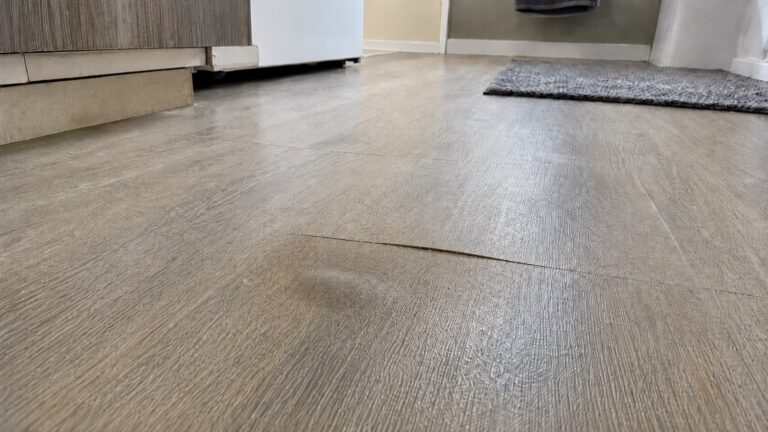
- Baseboards swelling near HVAC areas
- Damp insulation in attic or basement spaces
- Warping or discoloration in nearby materials
These symptoms indicate that moisture is no longer confined to the HVAC system and may be spreading into the structure of the home.
Where HVAC Moisture Problems Usually Show Up
HVAC moisture signs often appear where air, ducts, temperature differences, and building materials meet. Check the unit first, but also look at vents, duct runs, attic insulation, returns, and rooms that feel damp or smell musty when the system runs.
Air Handler Closets and Mechanical Rooms
The air handler is one of the most common locations for moisture problems because it is where condensation is actively produced. If drainage or airflow is disrupted, moisture can accumulate quickly in this area.
Typical warning signs include:
- Damp or musty smell inside the HVAC closet
- Water stains or discoloration on nearby walls
- Rust forming on the unit or surrounding hardware
- Moisture collecting on the floor near the system
Because this area is often enclosed, moisture problems may go unnoticed until odors or visible damage appear.
Ceiling Vents and Registers
Ceiling vents are one of the most common places homeowners notice visible signs of HVAC moisture problems. These areas are especially vulnerable when ductwork runs through attics or unconditioned spaces.
Look for:
- Yellow or brown staining around vent openings
- Peeling or bubbling paint near registers
- Condensation forming on or around vent covers
- Soft drywall near vent edges
These signs often result from condensation forming inside ducts or around vent connections, especially when insulation or airflow conditions are not balanced.
Attic Ductwork and Insulation
HVAC ducts in attics are vulnerable because hot, humid attic air can meet cooler duct surfaces during cooling cycles. Pay close attention to duct seams, low spots, damaged insulation, and ceiling areas directly below the duct run.
Common symptoms include:
- Damp or compacted insulation around ducts
- Darkened or wet spots on duct exteriors
- Musty odors in attic spaces
- Moisture dripping from duct connections
These problems often remain hidden until they begin affecting ceilings or indoor air quality. If duct-specific issues are suspected, you can explore signs of moisture in HVAC ducts for more focused indicators.
Basements and Crawl Spaces
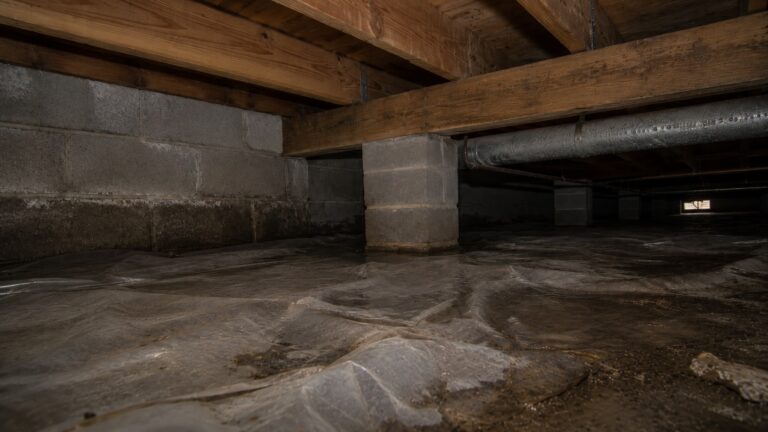
In homes with HVAC systems located in basements or crawl spaces, moisture problems can develop due to naturally higher humidity levels in these environments. Poor drainage or airflow can make these areas particularly vulnerable.
Signs to watch for:
- Damp air or musty smells near ductwork
- Condensation forming on exposed ducts
- Wet or sagging insulation around HVAC components
- Moisture collecting on floors or surfaces nearby
Because these spaces are often less frequently inspected, moisture problems may develop for extended periods before being discovered.
Wall Cavities and Hidden Duct Runs
HVAC ductwork often runs behind walls, ceilings, and floors. When moisture builds up inside these concealed areas, symptoms may only appear once damage has progressed.
Indicators of hidden moisture include:
- Unexplained wall discoloration
- Soft or weakening drywall in isolated areas
- Localized musty smells with no visible source
- Cold or damp spots along walls where ducts run
These hidden signs often require closer inspection to confirm whether the HVAC system is the source of moisture.
Areas Around Return Vents
Return vents pull air back into the HVAC system, and they can also draw in moisture from damp areas of the home. If moisture is present in the return airflow, it can circulate throughout the system.
Watch for:
- Dust buildup that appears damp or sticky
- Musty odors near return vents
- Darkened or discolored vent covers
- Air that feels humid when pulled into the vent
These symptoms may indicate that moisture is entering the system through return pathways rather than being generated internally.
Rooms With Uneven Cooling or Humidity
Some rooms may show stronger moisture-related symptoms than others, depending on airflow patterns, duct layout, and insulation quality. These differences can help pinpoint where problems are developing.
You may notice:
- One room consistently feeling more humid
- Condensation appearing only in certain areas
- Musty smells limited to specific vents
- Temperature differences combined with damp air
Uneven conditions often suggest that moisture is being carried through specific sections of ductwork rather than affecting the entire system equally.
Why HVAC Moisture Problems Are Often Misdiagnosed
HVAC moisture symptoms are easy to misread because they often appear away from the equipment. A ceiling stain may look like a roof leak, and a musty odor may seem like general humidity even when the pattern follows cooling cycles, duct runs, or vent locations.
If you’re unsure whether moisture is coming from HVAC systems or another source, reviewing how to find hidden moisture in different areas of your home can help clarify how different types of moisture problems appear and spread.
When HVAC Moisture May Lead to Mold Risk
Moisture inside HVAC systems does not automatically mean mold is present, but persistent dampness can create mold-friendly conditions on coils, insulation, drain pans, duct liners, or nearby building materials.
Risk increases when moisture remains in the system for extended periods. This commonly occurs when condensation is not draining properly, airflow is restricted, or humidity levels remain elevated.
Warning signs that moisture may be progressing toward mold-related conditions include:
- Persistent musty odors that do not fade after the system shuts off
- Smells that spread to multiple rooms through vents
- Damp insulation or materials that remain wet over time
- Recurring humidity issues even after weather changes
If these symptoms are present, it may indicate that moisture has been present long enough to support growth conditions. For more specific mold-related indicators, see signs of mold growth in HVAC systems.
When to Inspect Further or Call a Professional
Some HVAC moisture symptoms can be monitored temporarily, but others require prompt inspection to prevent further damage. Knowing when to take the next step is an important part of managing moisture effectively.
Situations That Warrant Closer Inspection
- Repeated condensation forming around vents or ducts
- Musty odors that appear regularly during system operation
- Visible water stains near HVAC components
- Unexplained increases in indoor humidity
These signs suggest that moisture is not being properly controlled and may require a closer look at airflow, drainage, or system performance.
When Professional Help Becomes Necessary
- Water pooling near the HVAC unit or electrical components
- Persistent dampness in ceilings, walls, insulation, or duct areas
- Strong or worsening odors coming from multiple vents
- Evidence of soft drywall, staining, wet insulation, or structural moisture damage
At this stage, the issue may extend beyond simple maintenance and involve deeper system or structural concerns. A professional can assess components such as condensate drainage, coil condition, airflow balance, and duct integrity.
If you’re preparing to investigate further, how to inspect HVAC systems for moisture damage outlines what to look for during a structured inspection.
How to Keep HVAC Moisture Problems From Getting Worse
While this article focuses on symptoms, a few basic steps can help keep early moisture signs from getting worse:
- Replacing air filters regularly to maintain proper airflow
- Keeping vents and returns unobstructed
- Monitoring humidity levels inside the home
- Checking for visible condensation around vents and ducts
- Paying attention to changes in odor or airflow behavior
These steps do not replace proper diagnosis, but they can help slow the progression of moisture problems while you determine the next course of action. For long-term strategies, see how to prevent moisture build-up in HVAC systems.
Frequently Asked Questions About Signs of Moisture Problems in HVAC Systems
Is condensation on HVAC vents normal?
Small amounts of condensation can occur occasionally, especially in humid conditions. However, repeated or heavy condensation is not normal and usually indicates issues with airflow, insulation, or humidity control.
Why does my HVAC system smell musty when it turns on?
This is often caused by moisture accumulating inside the system, particularly on coils, insulation, or duct surfaces. The odor may appear when air first begins circulating and fade after the system shuts off.
Can HVAC moisture problems cause mold?
Yes, prolonged moisture inside HVAC systems can create conditions where mold may develop. While moisture alone does not confirm mold, it significantly increases the risk if not addressed.
Does high indoor humidity always mean the HVAC system is failing?
Not always. High indoor humidity can come from outdoor weather, crawl spaces, basements, poor ventilation, oversized equipment, or normal household moisture sources. It becomes more suspicious as an HVAC issue when humidity rises during cooling cycles, affects certain vents or rooms, or appears with musty odors, condensation, or water near the unit.
When should I be concerned about HVAC moisture problems?
You should be concerned when symptoms become consistent, spread to multiple areas, or begin affecting building materials. Early signs like occasional odors may be manageable, but ongoing moisture should not be ignored.
Conclusion
Moisture problems in HVAC systems usually show up through patterns: musty odors when the system starts, condensation near vents, unexplained humidity, water near the unit, stains below ductwork, or damp materials around HVAC components. One symptom may have another explanation, but repeated symptoms that follow HVAC operation should be taken seriously.
If the signs are mild, start by watching when they appear and where they are strongest. If moisture is active, spreading, affecting building materials, or appearing near electrical components, stop guessing and have the system inspected before the damage moves farther into ducts, ceilings, insulation, or walls.
Key Takeaways
- HVAC systems can create or reveal moisture problems when drainage, airflow, duct insulation, or humidity control is disrupted
- Early signs include musty odors, slight humidity changes, and occasional condensation
- More advanced signs include water stains, damp materials, and structural moisture damage
- Symptoms often appear near vents, ducts, and HVAC components, but can spread throughout the home
- Early recognition and timely inspection can prevent more serious problems from developing

4 Comments
Comments are closed.