
Can Mold Cause Breathing Problems?
Mold can cause or worsen breathing problems in some people, especially people with asthma, mold allergies, chronic lung conditions, weakened immune systems, or sensitivity to damp indoor air. Possible breathing-related symptoms include coughing, wheezing, throat irritation, chest tightness, shortness of breath, or asthma flare-ups.
However, breathing problems should never be blamed on mold automatically. Many other issues can cause similar symptoms, including asthma, colds, respiratory infections, seasonal allergies, dust, pet dander, smoke, cleaning chemicals, poor ventilation, dry air, and other medical conditions. Serious breathing symptoms should be treated as a medical issue first, even if mold is present in the home.
The strongest clue is usually the pattern. Mold becomes more suspicious when breathing symptoms get worse in damp, musty, moldy, or poorly ventilated areas and improve when you leave those spaces. For the broader health context, see Common Symptoms of Mold Exposure in Homes and the Mold Exposure and Indoor Air Quality: Complete Home Guide.
Can Mold Cause Breathing Problems?
Yes, mold may cause or worsen breathing problems in some people. Mold can produce allergens and irritants that affect the nose, throat, lungs, and airways. In sensitive people, this may lead to coughing, wheezing, congestion, throat irritation, or breathing discomfort. In people with asthma, mold exposure may trigger or worsen asthma symptoms.
Public health guidance generally treats mold as a possible trigger for irritation, allergic reactions, and asthma-related symptoms, not as a simple one-cause explanation for every breathing complaint.
The risk is usually higher when mold is growing indoors because of dampness, leaks, flooding, condensation, or poor ventilation. Mold does not grow without moisture, so a breathing concern in a moldy home should also be treated as a moisture-control concern. A musty smell, visible mold, damp drywall, wet carpet, humid basement, or moldy HVAC area can all point to a building condition that may be affecting indoor air.
Still, mold is not the only possible explanation. A person can have breathing symptoms from non-mold triggers even if mold is visible nearby, and another person may live in a moldy home with few obvious symptoms. The goal is to recognize when the home environment may be contributing without using a wall stain as a medical diagnosis.
If breathing symptoms are severe, sudden, worsening, or associated with chest pain, blue lips, confusion, fainting, or a serious asthma attack, seek emergency medical help. Do not wait for a mold inspection when breathing is the urgent issue.
What Breathing Problems Can Mold Exposure Cause or Worsen?
Mold-related breathing symptoms usually involve irritation, allergy-like reactions, or asthma sensitivity. The most relevant symptoms include coughing, wheezing, chest tightness, shortness of breath, throat irritation, and asthma flare-ups. Symptoms may be mild for one person and more serious for someone with asthma, allergies, or an existing lung condition.
Coughing
Coughing is one of the most common breathing complaints people connect with mold exposure. A cough may be dry, irritated, recurring, or worse in certain rooms. It may appear with nasal congestion, postnasal drip, throat irritation, or a musty smell in the home.
Mold is more likely to be involved when coughing follows an indoor pattern. For example, a person may cough more in a damp basement, a bedroom with musty odor, a bathroom with recurring mold, or a room where the HVAC air smells stale or moldy. The cough may improve after leaving the area and return after coming back.
Coughing can also come from colds, flu, allergies, asthma, smoke, dust, reflux, dry air, or respiratory infections. If coughing is persistent, worsening, painful, associated with fever, or paired with shortness of breath, it should be evaluated medically. For a deeper look at cough patterns, see Can Mold Cause Persistent Coughing?.
Wheezing
Wheezing is a whistling or tight sound during breathing. It can happen when the airways narrow or become irritated. Mold may trigger wheezing in some people, especially those with asthma, mold allergies, or sensitive airways.
Wheezing is more concerning than mild nasal irritation because it involves the lower airways. If wheezing appears in a damp or moldy room, mold may be one possible trigger, but the symptom itself deserves medical attention. This is especially true if wheezing is new, recurring, worsening, or paired with shortness of breath or chest tightness.
People with asthma should be especially cautious around damp or moldy indoor spaces. For the asthma-specific angle, see Can Mold Cause Asthma Symptoms?.
Shortness of breath or chest tightness
Shortness of breath and chest tightness can be serious symptoms. Mold may worsen breathing comfort in sensitive people, but these symptoms should not be self-diagnosed as mold exposure. They can also come from asthma, infections, heart problems, anxiety, smoke exposure, chemical irritation, poor ventilation, or other medical conditions.
If shortness of breath is mild and only occurs in a musty room, the home environment may be contributing. If it is severe, sudden, worsening, or paired with chest pain, blue lips, confusion, fainting, or a feeling that you cannot get enough air, seek emergency medical help.
Throat irritation and airway discomfort
Throat irritation can also happen in damp or moldy indoor environments. A person may feel a scratchy throat, burning sensation, frequent throat clearing, hoarseness, or irritation that gets worse in a musty room. This may happen alongside coughing, congestion, postnasal drip, or eye irritation.
Throat symptoms can also come from dry air, smoke, reflux, cleaning chemicals, fragrance sprays, viral illness, allergies, or dust. Mold becomes more suspicious when throat irritation appears with moisture clues such as visible mold, damp drywall, condensation, high humidity, or a musty smell.
Sometimes breathing discomfort is actually connected to nasal or sinus irritation. A blocked nose, postnasal drip, and sinus pressure can make breathing feel more difficult even if the lungs are not the main source of the problem. For that related issue, see Can Mold Cause Sinus Problems?.
Why Mold Can Affect Breathing in Some People
Mold does not affect every person the same way. Risk depends on sensitivity, allergies, asthma, immune health, respiratory health, exposure level, and how much dampness or mold is present in the home.
Mold allergens and irritants
Mold can release particles and substances that may irritate the respiratory system or trigger allergy-like reactions in some people. When these particles are inhaled, sensitive individuals may react with congestion, sneezing, throat irritation, coughing, wheezing, or asthma symptoms.
This does not mean every visible mold spot will cause breathing problems for every person. It means indoor mold should be taken seriously because it can affect air quality, especially when growth is widespread, disturbed, hidden in porous materials, or connected to ongoing moisture.
Damp indoor air and poor ventilation
Breathing problems in a moldy home may also be connected to the damp indoor environment around the mold. High humidity, poor ventilation, wet materials, musty odors, dust, and stagnant air can all make indoor air feel heavier or more irritating.
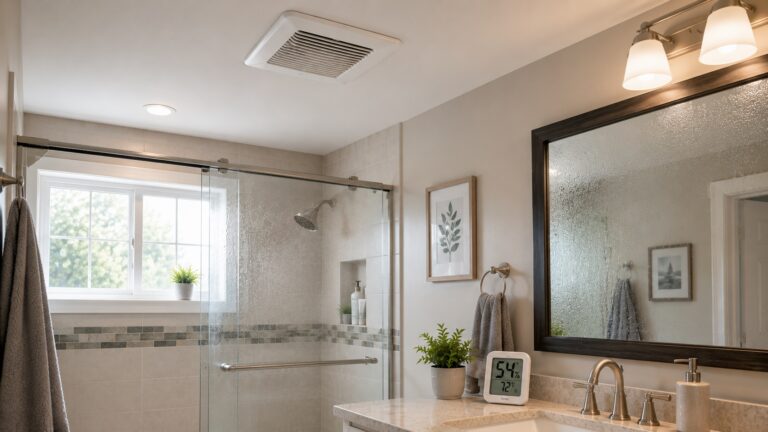
This is common in bathrooms without strong exhaust fans, basements with damp walls, crawl-space-connected rooms, laundry areas, and bedrooms with condensation on windows or exterior walls. Mold may be part of the issue, but the underlying problem is often moisture that has not been controlled.
Long-term improvement depends on fixing damp conditions, not only cleaning visible spots.
Asthma, allergies, and chronic lung conditions
People with asthma, mold allergies, or chronic lung conditions may be more vulnerable to mold-related breathing symptoms. For these individuals, a damp or moldy room may trigger coughing, wheezing, chest tightness, or shortness of breath more quickly than it would in someone without respiratory sensitivity.
People with weakened immune systems or certain chronic lung diseases may also face higher risk from mold exposure and should be more cautious around damp or moldy materials. If someone in the home has a known respiratory condition, do not wait for the mold problem to become severe before taking action.
Signs Your Breathing Problems May Be Connected to Mold Indoors
The most useful clue is a repeatable pattern. Mold is more likely to be involved when breathing symptoms line up with dampness, musty odor, visible growth, water damage, or poor ventilation. The pattern does not prove mold is the cause, but it does justify a closer look at the home.
Symptoms get worse in one room
If coughing, wheezing, throat irritation, or breathing discomfort gets worse in one room, inspect that room carefully. Bedrooms, basements, bathrooms, laundry rooms, closets, and rooms with exterior walls are common problem areas.
Look for moisture clues such as:
- Musty odor
- Visible mold on walls, ceilings, trim, vents, or windows
- Condensation on windows or cold surfaces
- Water stains on ceilings, walls, floors, or baseboards
- Soft drywall, swollen trim, bubbling paint, or warped flooring
- Damp carpet or musty closets
- Past leaks that were never fully dried
If symptoms appear in one room but there are no obvious moisture clues, other indoor triggers may still be involved. Dust, bedding, pets, fragrances, smoke, and poor ventilation can also affect breathing.
A simple first check is to compare the room with a similar room in the home: odor, humidity, window condensation, visible dust, HVAC airflow, bedding, carpet, exterior-wall dampness, and recent leak history. The comparison will not diagnose the symptom, but it can help identify whether one room has a stronger indoor-air or moisture clue than the others.
Symptoms worsen when the HVAC system runs
Breathing symptoms that get worse when the heating or cooling system runs may point to an HVAC-related air quality problem. This does not automatically mean mold is inside the system, but it does mean the system may be spreading dust, odors, allergens, damp air, or particles from a contaminated area.
Musty supply air, damp ductwork, clogged condensate drains, dirty coils, wet filters, or moisture near the indoor HVAC unit can all contribute to poor indoor air. If coughing or wheezing starts after the system turns on, check the filter, condensate pan, drain line, nearby water stains, and return-air area. Consider professional evaluation if mold, moisture, or musty supply air is suspected.
Symptoms improve when you leave the home
If breathing symptoms improve when you leave the home and return when you come back, the indoor environment may be contributing. This pattern is especially important when symptoms are strongest in damp, musty, or poorly ventilated areas.
For broader pattern recognition, see How to Tell If Mold Is Making You Sick. On this page, the key point is narrower: breathing symptoms tied to specific indoor spaces deserve both medical and home-environment attention.
Symptoms began after water damage
Breathing symptoms that begin after water damage should be taken seriously. A roof leak, plumbing leak, appliance leak, basement seepage, crawl space moisture problem, or flood can leave materials damp behind the surface. Mold may grow when porous materials stay wet, especially drywall, insulation, carpet padding, cabinets, subfloors, ceiling materials, and wood framing.
A room may look dry on the surface while moisture remains hidden behind trim, under flooring, inside walls, or above ceilings. If coughing, wheezing, throat irritation, or chest tightness starts after a leak and the area still smells musty, the home may need a moisture inspection rather than another round of surface cleaning.
Mold Breathing Problems vs Other Common Causes
Breathing problems in a home can come from many causes besides mold. Mold is one possible indoor trigger, but it should not be the only thing considered. This is especially important because some breathing problems are medical conditions, not building problems alone.
Common non-mold causes of breathing symptoms include:
- Asthma
- Colds, flu, bronchitis, or other respiratory infections
- Seasonal allergies
- Dust mites
- Pet dander
- Smoke or vaping residue
- Strong fragrances or cleaning chemicals
- Dry indoor air
- Poor ventilation
- Outdoor air pollution entering the home
- Carbon monoxide or combustion-related hazards
- Underlying heart or lung conditions
A mold-related breathing pattern usually has environmental clues. The symptoms may worsen in a damp room, near visible mold, around musty odor, after the HVAC system runs, or after water damage. A cold or respiratory infection may come with fever, body aches, sore throat, or a clear illness pattern. Allergies may follow seasonal exposure or pet and dust patterns. Asthma may flare from many triggers, including mold, but also exercise, cold air, smoke, infections, and allergens.
If the symptoms feel like allergies or a respiratory infection, compare the broader pattern with Mold Allergy Symptoms vs Cold Symptoms. The goal is not to self-diagnose, but to avoid assuming every cough or wheeze is caused by the visible mold spot in the room.
Carbon monoxide deserves special caution. If several people in the home develop headaches, dizziness, nausea, weakness, confusion, chest discomfort, or breathing symptoms at the same time, leave the home and seek emergency help. Carbon monoxide cannot be seen or smelled, and it should never be confused with a mold problem.
Can Hidden Mold Cause Breathing Problems?
Hidden mold may contribute to breathing problems in some homes, especially when mold is growing behind damp materials or in areas connected to the air people breathe. But hidden mold should not be assumed from breathing symptoms alone. The concern becomes stronger when breathing symptoms line up with musty odor, moisture damage, past leaks, visible staining, condensation, or symptoms that worsen in one area of the home.
Possible hidden mold locations include:
- Behind drywall after roof or plumbing leaks
- Under carpet padding after flooding or appliance leaks
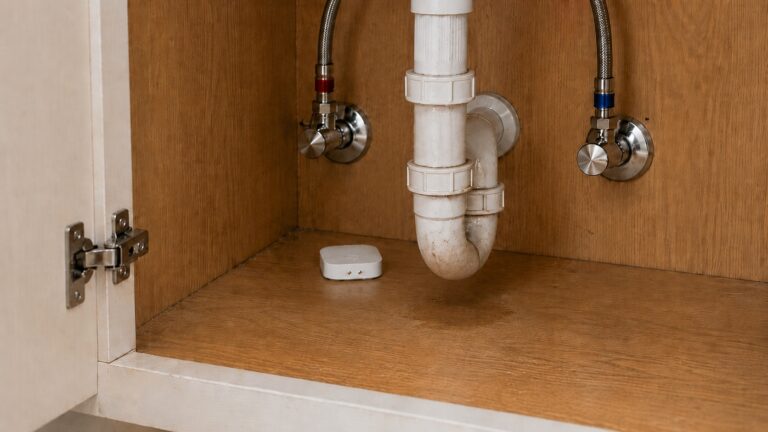
- Inside sink cabinets with slow leaks
- Behind baseboards or trim near damp walls
- In attics below roof leaks or ventilation problems
- In crawl spaces with exposed soil, standing water, or poor vapor control
- Near HVAC coils, drain pans, filters, or damp ductwork
- Behind bathroom walls or around shower and tub areas
HVAC and crawl space issues are especially important because they can affect air movement through the home. A damp crawl space may contribute musty air to living areas. A damp HVAC system may spread odors or particles when the system runs. This does not mean every musty vent proves mold, but it does mean the air pathway should be inspected.
If hidden mold is suspected, do not start tearing open walls without a plan. Disturbing moldy materials can spread debris and make breathing symptoms worse. Start with visible inspection, moisture tracking, odor location, and review of known leak history. If the source is unclear, widespread, or connected to respiratory symptoms, professional inspection may be safer.
What to Do If You Think Mold Is Affecting Your Breathing
If you think mold is affecting your breathing, respond in two directions at the same time: protect the person and investigate the home. Breathing symptoms deserve medical caution, while mold problems require moisture correction. One does not replace the other.
Reduce exposure to the suspected area
If breathing symptoms are worse in a certain room, limit time in that room until the source is understood. Avoid sleeping in a musty bedroom, using a room with active water damage, or spending long periods in a damp basement if symptoms worsen there.
Do not run fans across moldy materials, dry-sweep moldy debris, sand moldy surfaces, or tear out contaminated materials casually. These actions can disturb particles and make indoor air worse. If mold is widespread, growing on porous materials, or affecting someone with asthma, chronic lung disease, immune system concerns, or worsening breathing symptoms, professional remediation may be safer.
Get medical guidance for breathing symptoms
If coughing, wheezing, shortness of breath, or chest tightness is persistent or recurring, speak with a healthcare professional. This is especially important for people with asthma, chronic lung conditions, immune system concerns, children, and older adults.
A doctor can help evaluate whether symptoms are related to asthma, allergies, infection, sinus problems, another respiratory condition, or an environmental trigger. Mold may be part of the discussion, but symptoms should still be evaluated medically.
Find and fix the moisture source
Mold problems usually return when the moisture source remains. Check for roof leaks, plumbing leaks, damp basements, crawl space water, window condensation, bathroom ventilation problems, HVAC drain issues, and wet building materials. For a broader prevention and repair framework, see How to Find, Fix, and Prevent Moisture Problems in Homes.
The right fix depends on the source. A bathroom may need better exhaust ventilation. A basement may need water intrusion control or humidity management. A crawl space may need drainage, vapor control, or dehumidification. An HVAC system may need cleaning, drain correction, or moisture repair. Cleaning visible mold without correcting moisture is rarely a lasting solution.
Consider testing or professional inspection when needed
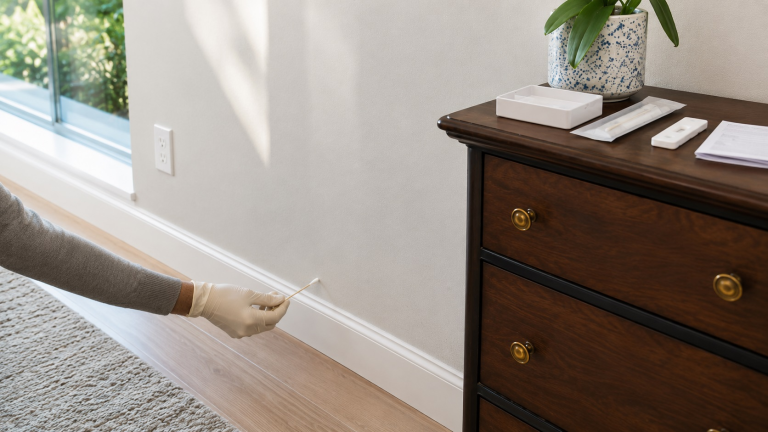
Mold testing is not always the first step. If mold and moisture are visible, the priority is usually to correct the moisture source and handle affected materials safely. Testing may be more useful when there is musty odor without visible mold, suspected hidden mold, rental documentation needs, or uncertainty about whether mold is present.
If you are comparing homeowner testing options, Best Mold Test Kits for Homeowners can help with product research. However, a mold test kit cannot diagnose breathing symptoms or replace medical care. It can only help investigate the home environment.
When Breathing Problems Need Immediate Medical Attention
Breathing problems should never be treated as only a home-maintenance issue. Mold may be one possible trigger, but serious breathing symptoms need medical attention first. This is especially important when symptoms are sudden, severe, worsening, or affecting someone with asthma, chronic lung disease, immune system concerns, or another health risk.
Seek immediate medical help if someone has:
- Severe shortness of breath
- Chest pain or pressure
- Blue lips, gray or pale skin, or signs of low oxygen
- Confusion, fainting, or extreme weakness
- A severe asthma attack
- Wheezing that does not improve or keeps returning
- Breathing symptoms with fever or serious illness
- Breathing trouble in a child, older adult, or medically vulnerable person
If multiple people in the home develop headaches, dizziness, nausea, confusion, weakness, chest discomfort, or breathing symptoms at the same time, leave the home and seek emergency help. Carbon monoxide and combustion-related problems can be life-threatening and should not be mistaken for mold exposure.
FAQ About Mold and Breathing Problems
Can black mold cause breathing problems?
Black mold may contribute to breathing problems in some people, but the color of the mold does not prove what symptoms it is causing. Any indoor mold growth should be taken seriously because it means moisture is present. Breathing symptoms are more concerning when they happen with musty odor, dampness, visible mold, coughing, wheezing, or asthma flare-ups.
Can mold make it hard to breathe?
Mold may make breathing feel harder for sensitive people, especially those with asthma, mold allergies, chronic lung conditions, or irritation from damp indoor air. However, shortness of breath can also come from many medical causes. If breathing is difficult, severe, sudden, or worsening, seek medical help.
Can mold cause wheezing?
Mold may trigger wheezing in some people, especially people with asthma or sensitive airways. Wheezing should be taken seriously because it involves the lower airways. If wheezing is new, recurring, severe, or paired with shortness of breath or chest tightness, medical evaluation is important.
Can hidden mold cause breathing symptoms?
Hidden mold may contribute to breathing symptoms when it affects indoor air quality, especially if there is musty odor, past water damage, damp materials, or symptoms that worsen in one part of the home. Hidden mold can occur behind walls, under flooring, in cabinets, in crawl spaces, in attics, or near HVAC equipment.
Why do I cough or wheeze in one room?
Coughing or wheezing in one room may point to a local indoor-air problem. Possible causes include mold, dampness, dust, pet dander, poor ventilation, fragrances, smoke, cleaning chemicals, or HVAC issues. If the room has a musty smell, visible mold, condensation, stains, or past water damage, inspect it for moisture problems.
Should I test for mold if I have breathing problems?
Testing may help if there is musty odor, suspected hidden mold, unclear moisture history, or a documentation need. But if visible mold and moisture are already present, correcting the moisture source and handling affected materials safely is usually more important than testing. A mold test can help investigate the home, but it cannot diagnose breathing symptoms.
Final Guidance
Mold can cause or worsen breathing problems in some people, but the most useful clue is the pattern. Symptoms become more suspicious when they worsen in damp, musty, moldy, or poorly ventilated areas; appear when the HVAC system runs; begin after water damage; or improve when you leave the home.
Do not treat serious, sudden, or worsening breathing problems as a mold-diagnosis project. Protect the person first, seek medical guidance when needed, and then address the home conditions that allow mold to grow. Long-term improvement depends on fixing the moisture source and improving the indoor air conditions that made mold possible.


2 Comments
Comments are closed.