
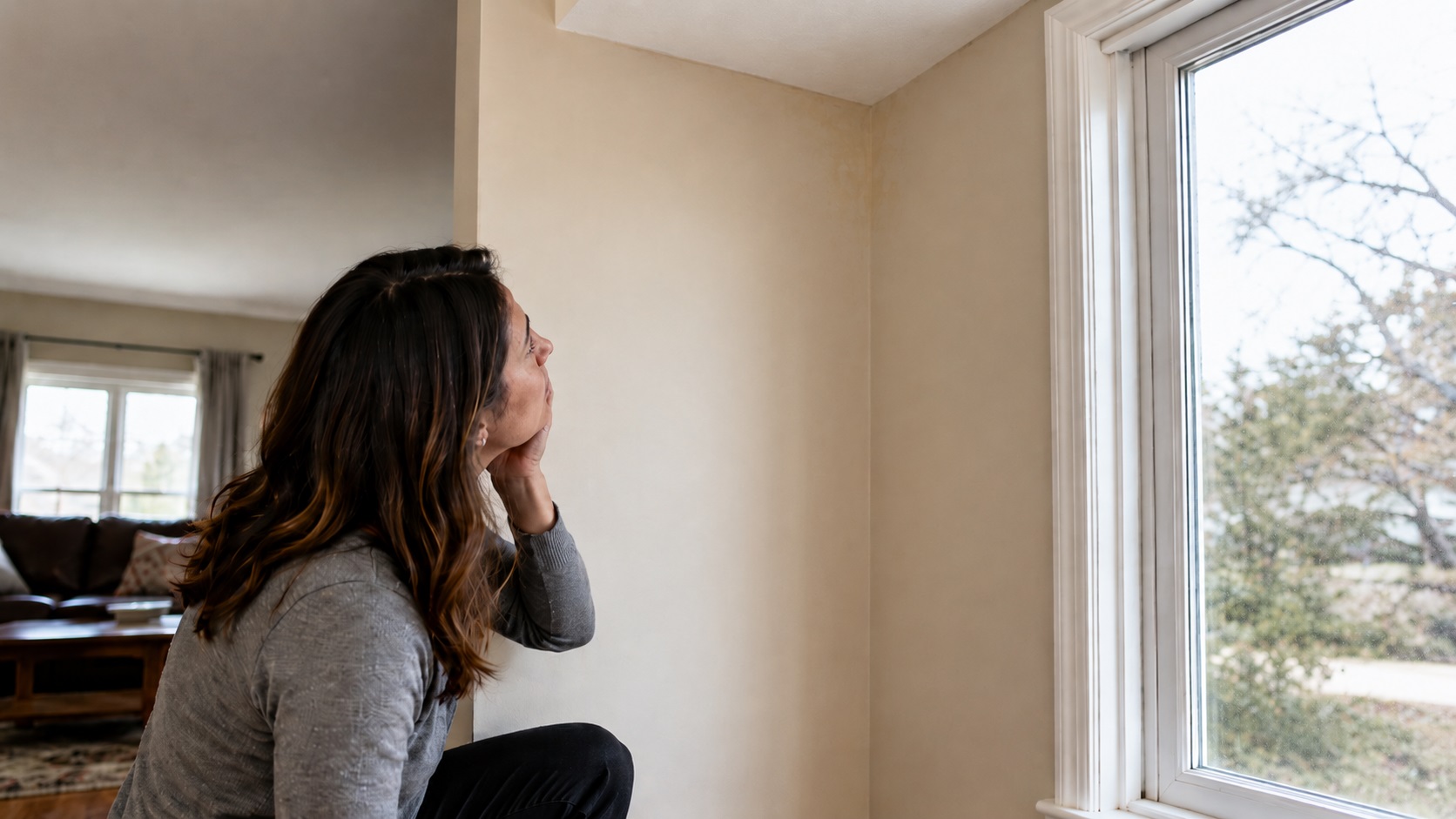
Signs of Ceiling Water Damage: Early Warning Signs Every Homeowner Should Recognize
The most common signs of ceiling water damage are yellow or brown stains, expanding rings, dark spots, bubbling or peeling paint, sagging drywall, soft ceiling areas, cracks near seams, damp spots, dripping water, and stains that return after rain or plumbing use.
These warning signs usually mean moisture is entering from a roof leak, plumbing leak, condensation problem, upstairs bathroom, attic moisture issue, or another hidden source. Even a small ceiling stain should be watched closely if it grows, darkens, feels soft, or reappears after drying.
This guide focuses on visible ceiling symptoms, not full drying or repair steps. For a broader room-by-room inspection approach, see how to find hidden moisture in different areas of your home.
Water Stains on Ceiling Surfaces
Water stains are one of the earliest and most recognizable signs of ceiling water damage. These stains often appear as discolored patches that gradually expand with continued moisture exposure.
Even small stains may indicate hidden water entry from above.
Yellow or Brown Ceiling Stains
Ceiling stains caused by water damage typically appear as yellow, tan, or brown discoloration. These colors develop as moisture carries minerals and debris through ceiling materials.
Common characteristics include:
- Yellowish discoloration appearing suddenly
- Brown or rust-colored patches forming over time
- Uneven color patterns across ceiling surfaces
- Darkening stains after rainfall or plumbing use
- Localized spots near ceiling seams
Color changes usually indicate that moisture has been absorbed into ceiling materials.
Expanding Ring Patterns
Water stains often develop visible ring patterns as moisture spreads outward from a central source. These rings expand gradually as additional water enters the same location.
Typical ring-pattern indicators include:
- Concentric rings forming around stain centers
- Light outer rings surrounding darker inner areas
- Stains growing larger over time
- Multiple ring layers indicating repeated moisture exposure
Ring patterns usually signal ongoing water intrusion rather than isolated moisture exposure.
Ceiling Discoloration and Dark Spots
Discoloration may appear even before full stains develop. Changes in ceiling color often indicate early moisture accumulation inside ceiling materials.
These visual changes are frequently subtle but become more noticeable with repeated exposure.
Uneven Color Changes
Uneven ceiling coloration can signal hidden moisture beneath painted surfaces. Moisture trapped inside materials may alter the appearance of paint or drywall finishes.
Look for:
- Faded or washed-out ceiling areas
- Uneven color transitions across surfaces
- Patches that appear darker than surrounding areas
- Subtle shading differences near joints
Color inconsistencies often appear before visible water stains form.
Localized Dark Areas
Dark spots forming in isolated ceiling sections frequently indicate moisture intrusion concentrated in a specific area.
Common warning signs include:
- Small dark patches appearing suddenly
- Areas that remain darker after drying
- Spots forming near fixtures or seams
- Darkened sections expanding over time
Localized darkening often reflects repeated exposure to moisture.
Sagging or Drooping Ceiling Sections
Sagging ceilings are one of the more serious signs of ceiling water damage. This symptom indicates that moisture has weakened ceiling materials or structural supports.
Even slight drooping can signal significant internal damage.
Early Sagging Warning Signs
Minor sagging often begins gradually and may be difficult to notice without careful inspection. Early identification helps prevent further structural deterioration.
Watch for:
- Subtle downward curves in ceiling surfaces
- Slight unevenness across ceiling panels
- Changes in ceiling alignment
- Small dips forming near stains
Early sagging usually indicates that materials have absorbed excess moisture.
Severe Structural Sagging
More advanced sagging suggests significant water accumulation inside ceiling materials. This condition increases the risk of structural failure.
Severe sagging indicators include:
- Large visible drooping areas
- Bulging ceiling sections
- Noticeable deformation across wide surfaces
- Ceilings appearing unstable or uneven
Severe sagging often indicates long-term moisture exposure.
Bubbling or Peeling Ceiling Paint
Paint damage is another common sign of ceiling water damage. When moisture becomes trapped beneath painted surfaces, it weakens adhesion and causes visible changes in the paint layer. These symptoms often appear before more serious structural damage develops.
Paint problems typically indicate that moisture has accumulated beneath the surface and continues affecting ceiling materials.
Paint Blistering Patterns
Blistering occurs when trapped moisture pushes paint outward, forming raised bubbles across the ceiling surface. These bubbles may start small but expand as moisture levels increase.
Typical blistering signs include:
- Small raised paint bubbles forming in clusters
- Rounded blister shapes across flat surfaces
- Bubbles appearing near existing stains
- Raised areas that feel hollow underneath
Blistering often indicates ongoing moisture trapped beneath the painted layer.
Paint Separation From Surface
When moisture weakens the bond between paint and drywall, paint may begin separating from the surface. This separation typically creates peeling or flaking sections.
Look for:
- Paint curling away from ceiling surfaces
- Flaking paint falling from overhead areas
- Exposed drywall beneath peeling paint
- Loose paint layers forming irregular edges
Paint separation usually indicates prolonged moisture exposure.
Cracks Forming in Ceiling Materials
Cracking is another structural warning sign that ceiling materials have been weakened by moisture. Water exposure can cause drywall to expand, contract, or lose strength, leading to visible cracking patterns.
These cracks may appear gradually or suddenly depending on the amount of moisture present.
Hairline Cracks
Hairline cracks are thin fractures that often form during early moisture exposure. Although small, these cracks indicate changes in material stability.
Common hairline crack indicators include:
- Thin straight lines forming across ceiling panels
- Cracks appearing near seams or joints
- Fine lines extending outward from stains
- Small cracks increasing in length over time
Hairline cracks often represent the early stages of material stress caused by moisture.
Expanding Structural Cracks
Larger cracks signal more advanced ceiling damage. These cracks often widen over time as materials continue weakening.
Watch for:
- Wide cracks forming along seams
- Irregular fracture patterns across surfaces
- Cracks accompanied by sagging areas
- Sections of ceiling separating along joints
Expanding cracks typically indicate progressive moisture-related deterioration.
Soft or Spongy Ceiling Areas
Softness in ceiling materials often indicates that moisture has penetrated deeply into drywall or plaster. This condition usually develops after prolonged exposure to water.
Do not press hard on a ceiling that is stained, sagging, or visibly wet. A light touch may reveal softness, but heavy pressure can break weakened drywall or release trapped water.
Soft areas may appear stable at first but can weaken rapidly over time.
Texture Changes
Texture changes can reveal moisture damage before major deformation appears. Ceiling surfaces may feel different when water has weakened underlying materials.
Signs include:
- Spongy ceiling sections
- Soft drywall beneath painted surfaces
- Areas that flex slightly under pressure
- Surface texture that feels loose or unstable
Texture changes usually indicate deeper moisture absorption.
Weak or Crumbling Surface Material
When moisture exposure continues, ceiling materials may begin crumbling or breaking apart. This indicates significant deterioration.
Warning signs include:
- Powdery drywall texture
- Crumbling plaster or drywall edges
- Surface material breaking apart easily
- Ceiling areas that no longer feel solid
Crumbling material suggests advanced water damage.
Dripping Water or Damp Ceiling Spots

Active moisture is one of the clearest signs of ceiling water damage. When water begins dripping or damp spots remain visible for extended periods, it usually indicates ongoing water entry from above.
Safety warning: Do not touch wet ceiling areas near light fixtures, ceiling fans, smoke detectors, or electrical wiring. If water is dripping near anything electrical, turn off power to that area if it is safe to do so and call a qualified professional before inspecting further.
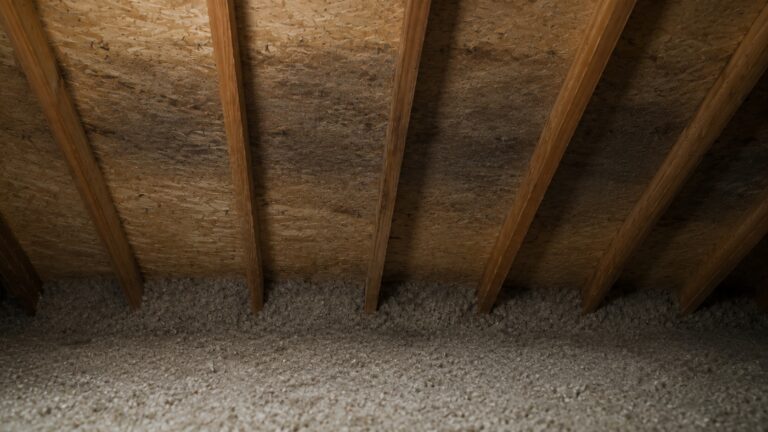
These symptoms often suggest an active leak that needs prompt investigation. If the ceiling stain appears after storms, attic moisture or roof leakage may be involved; in that case, the inspection process in how to find roof leaks before mold forms is a more specific next step.
Active Dripping
Dripping water from a ceiling is a serious warning sign. It usually means that water has accumulated enough to pass through ceiling materials.
Signs include:
- Water droplets forming on ceiling surfaces
- Dripping from light fixtures or seams
- Wet spots that reappear after wiping
- Moisture appearing during rainfall or plumbing use
Active dripping requires immediate attention because it confirms ongoing water movement.
Persistent Damp Spots
Damp ceiling spots may remain even after visible dripping stops. These areas often indicate moisture trapped inside ceiling materials.
Common indicators include:
- Ceiling areas that feel damp to the touch
- Cold or clammy ceiling surfaces
- Moist spots that return repeatedly
- Dampness near existing stains
Persistent dampness usually indicates moisture trapped inside the ceiling system.
Ceiling Damage Near Fixtures or Seams
Ceiling damage often appears around fixtures, seams, and joints because these areas create openings or weak points where water becomes visible first.
Damage near fixtures should be inspected carefully because moisture can affect surrounding materials.
Damage Around Light Fixtures
Water stains or discoloration around light fixtures may indicate water traveling through ceiling cavities before exiting at fixture openings.
Look for:
- Stains surrounding ceiling lights
- Moisture near fixture openings
- Rust-colored marks around fixture trim
- Paint damage radiating from fixtures
Fixture-area damage often means water is moving through ceiling cavities before becoming visible below.
Damage Along Ceiling Seams
Ceiling seams and joints often reveal water damage early because moisture can collect along material edges. These areas may show stains, cracks, or separation.
Common signs include:
- Stains following seam lines
- Cracking along drywall joints
- Paint peeling near seams
- Joint tape loosening or separating
Seam damage frequently indicates moisture spreading across ceiling materials.
Musty Odors Near Ceiling Areas
Odors can appear before visible ceiling damage becomes severe. A musty smell near a ceiling may indicate hidden moisture inside materials or enclosed spaces above the ceiling.
Odor alone does not confirm ceiling water damage, but it becomes more concerning when combined with stains, dampness, or paint changes.
Localized Musty Smells
Localized musty odors near a ceiling section often point to moisture trapped above finished surfaces.
Warning signs include:
- Musty smell strongest near one ceiling area
- Odor increasing after rain
- Musty smell near attic access points
- Odor combined with visible stains
Musty odors often suggest moisture is lingering above the visible ceiling surface.
Odor Combined With Visible Damage
When musty odors appear alongside stains, dark spots, or soft materials, the chance of hidden water damage increases significantly.
Concerning combinations include:
- Musty smell with brown ceiling stains
- Odor near sagging ceiling sections
- Smell that worsens after moisture events
- Odor in rooms directly below bathrooms or attics
Odor combined with visible ceiling symptoms often indicates hidden moisture accumulation.
Structural Warning Signs in Ceilings
Structural warning signs appear when ceiling materials have absorbed enough moisture to lose strength. These symptoms should not be ignored because they may indicate unsafe conditions.
Bulging Ceiling Sections
Bulging occurs when water accumulates behind ceiling materials and pushes the surface outward. This often signals trapped moisture above the visible ceiling surface.
Warning signs include:
- Rounded bulges in drywall or plaster
- Swollen ceiling sections
- Surface areas that appear pushed downward
- Bulges near stains or damp spots
Bulging typically signals trapped moisture that has not yet drained or dried.
Ceiling Separation at Seams
Separation at seams occurs when ceiling materials shift or weaken due to moisture exposure. This symptom often develops after repeated wetting and drying cycles.
Watch for:
- Gaps forming along ceiling seams
- Edges separating between panels
- Visible cracks along joint lines
- Uneven alignment across ceiling sections
Seam separation usually indicates ongoing structural weakening caused by moisture.
Signs That Ceiling Water Damage Is Getting Worse
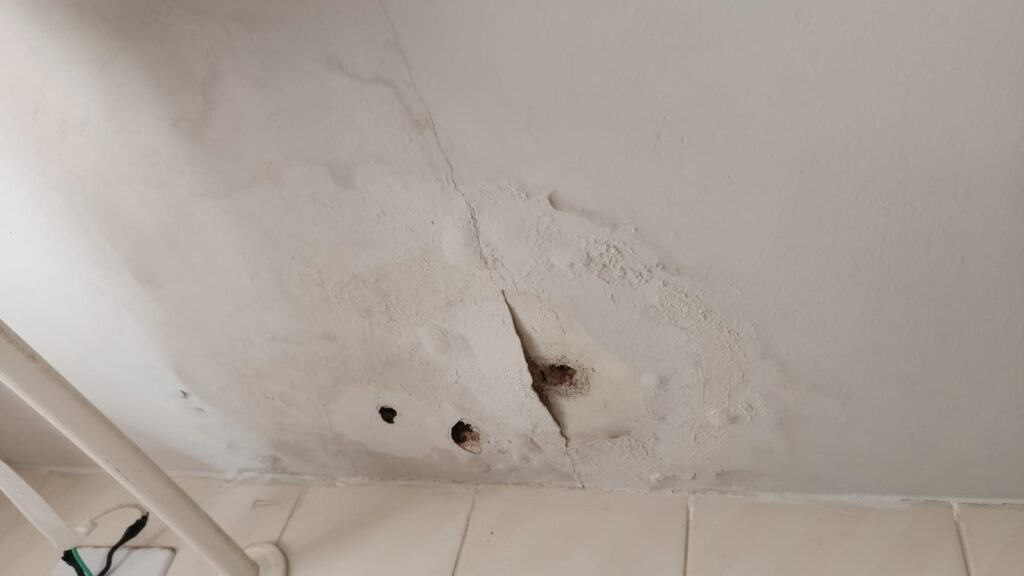
Some ceiling symptoms indicate that water damage is progressing beyond early stages. Recognizing worsening conditions helps prevent structural collapse or widespread mold contamination.
Expanding Moisture Areas
Moisture that spreads across larger ceiling areas often signals increasing water intrusion. This expansion usually occurs when leaks remain unresolved.
Typical worsening signs include:
- Stains growing larger over time
- New stains appearing near existing damage
- Moisture spreading across ceiling surfaces
- Discoloration extending into surrounding areas
Expanding moisture areas typically indicate repeated water entry.
Repeated Staining After Rain
Repeated staining following rainfall strongly suggests ongoing leak activity. These recurring symptoms often signal conditions that support mold growth.
Persistent moisture exposure can also create hidden ceiling-cavity risks. If recurring stains are accompanied by musty odor, dark speckling, or symptoms that return after drying, compare the pattern with signs of mold inside ceiling cavities.
Frequently Asked Questions About Ceiling Water Damage
What causes ceiling water damage?
Ceiling water damage is commonly caused by roof leaks, plumbing leaks, condensation buildup, or moisture entering from nearby structural components. In many homes, repeated rainfall or hidden plumbing issues allow moisture to accumulate above ceiling materials.
Can ceiling water damage spread to other areas?
Yes. Moisture entering ceiling materials often travels along framing members and spreads into nearby walls or insulation. Over time, this movement can create additional moisture problems in surrounding structures.
How quickly can ceiling water damage become serious?
Ceiling water damage can worsen quickly when moisture remains present. Repeated wetting cycles weaken drywall, plaster, and structural supports, increasing the risk of sagging or collapse.
Is ceiling discoloration always caused by water damage?
Not always. Some discoloration may result from age, smoke exposure, or minor staining. However, discoloration that grows larger, darkens, or appears after rainfall is often linked to moisture intrusion.
Can ceiling water damage lead to mold growth?
Yes. Persistent moisture inside ceiling materials creates conditions that support mold development. When moisture remains trapped above drywall, mold may begin inside enclosed spaces before it is visible from the room below. If odor, recurring stains, or hidden growth is suspected, compare the symptoms with signs of mold inside ceiling cavities.
What to Do When Ceiling Water Damage Signs Appear
Ceiling water damage should be taken seriously when stains grow, paint bubbles, drywall softens, seams separate, or damp spots return after rain or plumbing use. These patterns usually mean moisture is still present or the source has not been corrected.
The safest next step is to determine whether the moisture is active, avoid painting over the area too soon, and investigate the source before ceiling materials weaken further.
Key Takeaways
- Water stains are among the earliest signs of ceiling water damage.
- Discoloration and dark spots often indicate early moisture buildup.
- Sagging ceilings suggest structural weakening from prolonged water exposure.
- Bubbling or peeling paint frequently signals trapped moisture beneath the surface.
- Recurring damp spots usually indicate an ongoing leak source.
- Expanding stains and bulging surfaces suggest worsening damage conditions.
- Persistent moisture inside ceiling materials can create hidden ceiling-cavity risks.

One Comment
Comments are closed.