
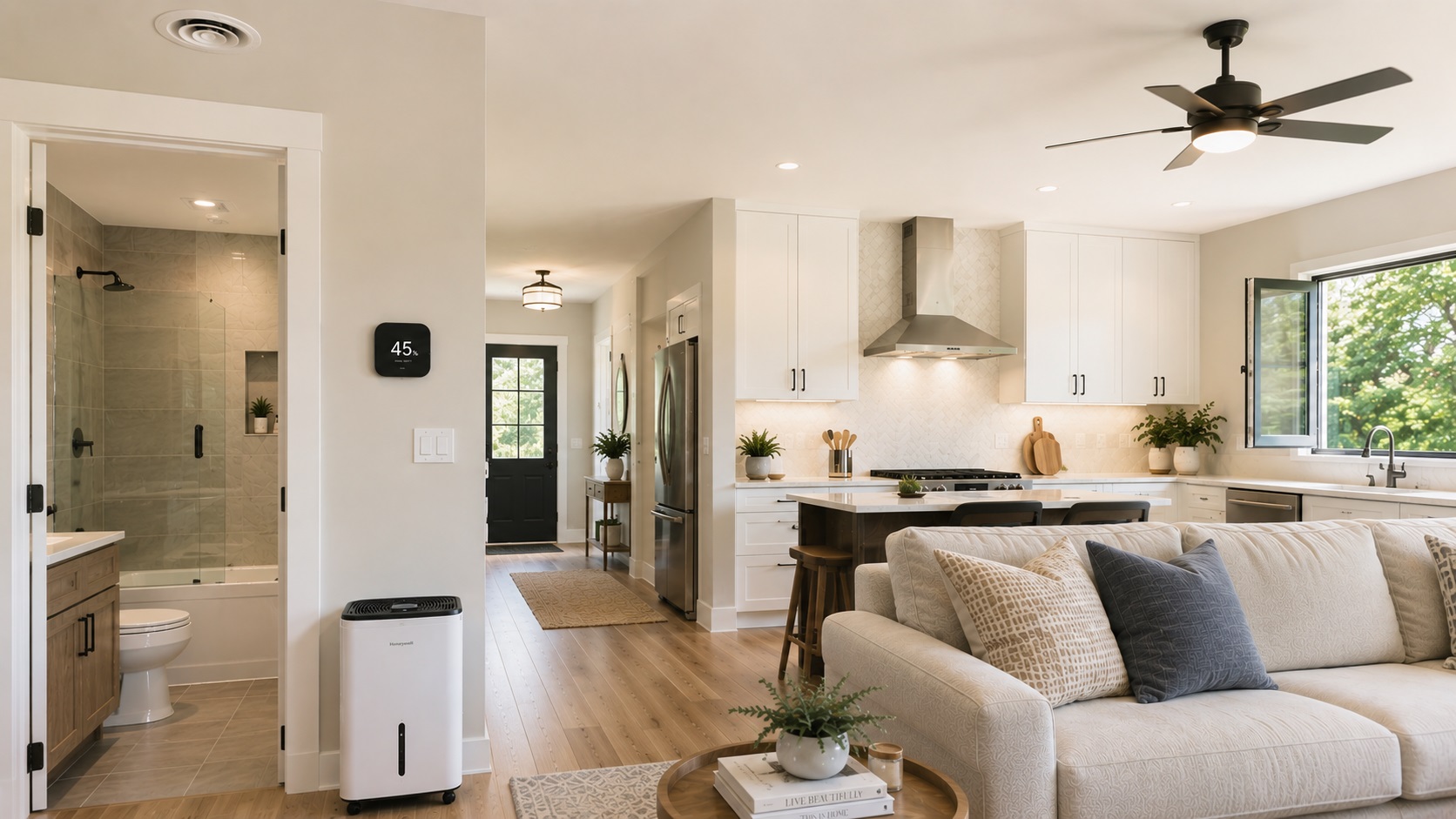
How to Reduce Humidity in a House (Practical Whole-Home Strategies)
To reduce humidity in a house, start by measuring indoor relative humidity, removing moisture at the source, improving bathroom and kitchen ventilation, using a properly sized dehumidifier where needed, and changing daily habits that add moisture to the air. The goal is to keep indoor humidity low enough to prevent condensation, musty odors, damp materials, and mold-friendly conditions.
High humidity often comes from showers, cooking, laundry, indoor drying, poor ventilation, humid outdoor air, or hidden moisture sources. When indoor moisture remains elevated for long periods, walls, ceilings, insulation, flooring, and enclosed areas may stay damp longer than they should.
Because humidity control starts with accurate measurement, homeowners should also review how to test indoor humidity levels so they can confirm whether their home is staying within a safer range.
This guide explains practical whole-home strategies for reducing humidity, including source control, ventilation, dehumidifiers, seasonal adjustments, and long-term monitoring.
Why High Humidity Develops Inside Homes
Indoor humidity increases when moisture enters the air faster than it can be removed. This imbalance can occur gradually, especially when daily activities add moisture while airflow remains limited. Many homes experience humidity buildup even without visible leaks.
Most humidity problems come from a combination of moisture-producing habits, outdoor conditions, and ventilation limits.
The Balance Between Moisture Production and Removal
Every home generates moisture daily. Activities such as showering, cooking, washing dishes, and breathing all release water vapor into the air. When moisture removal systems cannot keep up with production, humidity levels rise.
This balance depends on several factors:
- How much moisture is produced each day
- How effectively moisture is removed through ventilation
- Outdoor weather conditions
- Airflow throughout the home
- The size of the living space
Homes with limited ventilation or high moisture production often experience persistent humidity problems.
A simple first step is to place a hygrometer in the most humid rooms, check readings at the same times each day, and compare the numbers before and after showers, cooking, laundry, and dehumidifier use. This shows whether humidity is coming from daily habits, poor ventilation, outdoor air, or a possible hidden moisture source.
How Modern Homes Can Trap Humidity
Many newer homes are designed to be energy efficient. While improved sealing reduces energy loss, it can also trap moisture indoors when ventilation systems are insufficient.
Common humidity risks in tightly sealed homes include:
- Reduced natural airflow
- Limited fresh air exchange
- Moisture accumulation from daily activities
- Slower drying of surfaces and materials
Without adequate airflow, humidity may remain elevated for long periods, increasing the likelihood of condensation and hidden moisture problems.
When humidity remains high for extended periods, moisture can begin affecting structural areas such as wall cavities. Understanding how this process develops can help prevent more serious damage, especially in areas vulnerable to condensation inside walls. If wall condensation is suspected, reviewing how humidity and ventilation influence condensation inside wall cavities provides additional insight into structural moisture risks.
Measure Humidity Before Choosing a Fix
Reducing humidity begins with knowing how much moisture is present in the air. Many homeowners attempt to estimate humidity based on comfort alone, but humidity levels cannot be reliably judged without measurement.
Relative humidity (RH) measures the amount of moisture in the air compared to the maximum amount the air can hold at a specific temperature. Tracking relative humidity helps identify when moisture levels exceed safe limits.
Recommended Indoor Humidity Levels
Maintaining proper humidity levels reduces condensation risk and supports healthier indoor conditions.
- 30%–40% relative humidity during cold weather
- 35%–50% relative humidity during moderate seasons
- 40%–50% relative humidity in humid climates
Humidity levels consistently above 50% increase the likelihood of moisture-related problems, especially near cool surfaces. Levels above 60% significantly increase mold risk and should be corrected rather than ignored.
Why Humidity Monitoring Matters
Humidity levels often fluctuate throughout the day. Monitoring these changes helps identify patterns and determine when corrective actions are needed.
Regular humidity monitoring helps homeowners:
- Detect early signs of moisture buildup
- Identify moisture sources affecting indoor air
- Confirm whether ventilation is working effectively
- Track the success of humidity reduction strategies
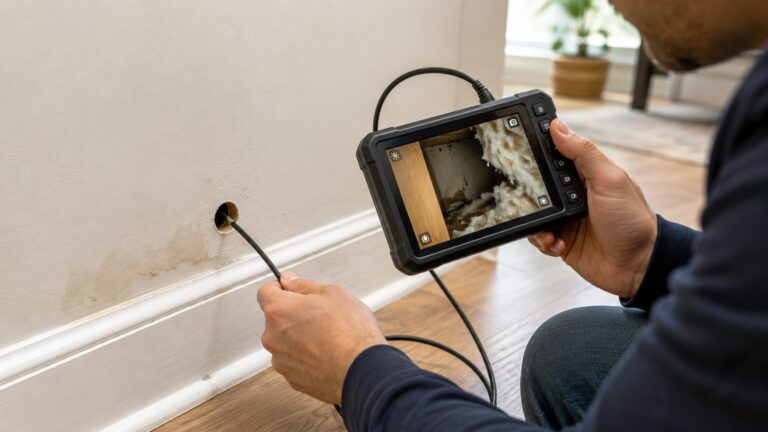
Homes experiencing persistent humidity may also show early signs of hidden moisture damage. When symptoms appear, reviewing how hidden moisture inside walls develops and presents warning signs can help determine whether humidity problems have already begun affecting structural materials.
Common Sources of Indoor Moisture That Raise Humidity
To reduce humidity effectively, homeowners must identify where moisture is coming from. Most indoor humidity problems are not caused by unusual conditions — they result from everyday activities that release moisture into the air. When these sources operate without proper ventilation or removal, humidity gradually builds throughout the home.
Understanding these moisture sources helps homeowners target the areas that contribute most to elevated humidity levels.
Bathroom Moisture From Showers and Baths
Bathrooms are one of the largest contributors to indoor humidity. Hot showers release steam that quickly spreads into surrounding rooms if not removed properly. Even after visible steam disappears, humidity remains suspended in the air.
Bathroom-related humidity sources include:
- Long hot showers
- Baths filled with hot water
- Infrequent use of exhaust fans
- Fans turned off too quickly after showering
- Bathroom doors left open during humid conditions
Moisture from bathrooms often migrates into nearby walls and ceilings if ventilation is inadequate. Over time, this moisture can affect surrounding materials and contribute to hidden condensation risks.
Kitchen Moisture From Cooking Activities
Cooking releases moisture into the air through steam and boiling liquids. Kitchens that lack ventilation allow this moisture to spread throughout the home, raising humidity levels in nearby rooms.
Kitchen-related humidity sources include:
- Boiling water for extended periods
- Cooking without using range hoods
- Running dishwashers without ventilation
- Washing dishes with hot water
- Cooking in enclosed spaces with limited airflow
Moisture generated during cooking often spreads quickly, especially when airflow patterns allow humidity to circulate freely into living areas.
Laundry and Indoor Clothes Drying
Laundry activities can release significant moisture into indoor air, particularly when clothes are dried indoors without proper ventilation.
Common laundry-related humidity sources include:
- Drying clothes indoors on racks
- Using dryers without proper venting
- Operating dryers in enclosed spaces
- Ironing clothes in poorly ventilated rooms
Indoor clothes drying is one of the fastest ways to increase humidity levels, especially during cold seasons when windows remain closed.
Human Activity and Occupancy
Every person inside a home contributes moisture to the air through breathing and daily activity. While this moisture is usually modest, it becomes significant in households with multiple occupants.
Moisture from occupancy increases when:
- Multiple people share enclosed spaces
- Ventilation is limited during colder months
- Rooms remain closed for extended periods
- Air circulation is restricted
Over time, accumulated moisture from occupancy contributes to rising humidity levels, especially in tightly sealed homes.
Indoor Plants, Aquariums, and Decorative Water Features
Indoor plants and aquariums release moisture into the surrounding air through evaporation and transpiration. While small numbers of plants rarely cause problems, large collections can significantly influence indoor humidity.
Moisture contributions from these sources include:
- Evaporation from plant soil
- Water released from plant leaves
- Open aquarium surfaces
- Decorative fountains or water features
These sources may not seem significant individually, but combined with other moisture-producing activities, they contribute to sustained humidity buildup.
Practical Ways to Reduce Humidity in a House
Reducing humidity requires consistent removal of moisture and reduction of humidity-producing conditions. Most successful humidity reduction strategies combine ventilation, mechanical removal, and behavioral adjustments.
Use Exhaust Fans Consistently
Exhaust fans remove humid air directly from high-moisture areas. When used correctly, they prevent moisture from spreading into surrounding spaces.
Best practices for exhaust fan use include:
- Running bathroom fans during showers
- Keeping fans running for at least 15–20 minutes after showers, baths, or heavy cooking
- Using kitchen range hoods while cooking
- Ensuring fans vent outdoors, not into attics
Consistent use of exhaust systems prevents moisture accumulation in critical areas.
Improve Airflow Throughout the Home
Airflow helps distribute moisture and prevents stagnant air pockets where humidity accumulates. Poor airflow allows moisture to linger in enclosed areas, increasing humidity levels over time.
Helpful airflow improvements include:
- Keeping interior doors open when possible
- Allowing air circulation between rooms
- Avoiding blocking supply and return vents
- Maintaining clear airflow pathways
Airflow alone does not remove moisture, but it helps prevent stagnant pockets where condensation and mold risk are more likely.
Reduce Indoor Moisture Production
Reducing moisture production lowers the overall humidity load inside a home. Even small adjustments to daily routines can reduce moisture accumulation.
Practical moisture-reduction habits include:
- Taking shorter showers
- Using lids while cooking
- Drying clothes outdoors when possible
- Limiting humidifier use
- Covering aquariums when practical
Lower moisture production reduces the strain on ventilation and humidity control systems.
When humidity levels remain high despite routine adjustments, the home may need mechanical dehumidification, better ventilation, or investigation for hidden moisture sources.
Using Ventilation to Lower Humidity Throughout a House
Ventilation plays one of the most important roles in controlling humidity inside a home. While moisture is constantly generated indoors, ventilation removes humid air before it can accumulate. Without reliable ventilation, humidity levels tend to rise gradually until condensation and moisture problems begin appearing.
Effective ventilation targets moisture at its source and prevents humidity from spreading into surrounding areas.
Bathroom Ventilation Strategies
Bathrooms create large amounts of humidity in short periods of time. Without proper ventilation, moisture from showers spreads into hallways, bedrooms, and nearby wall cavities.
Effective bathroom ventilation practices include:
- Running exhaust fans before humidity builds
- Keeping fans running during showers
- Allowing fans to operate for at least 15–20 minutes after bathing
- Ensuring bathroom fans vent directly outdoors
- Replacing weak or aging exhaust fans when airflow decreases
Consistent bathroom ventilation prevents localized humidity buildup that can eventually affect surrounding structural materials.
Kitchen Ventilation Methods
Kitchens produce moisture throughout daily cooking activities. Steam from boiling water and cooking processes can raise humidity quickly if not removed.
Kitchen humidity control practices include:
- Using range hoods whenever cooking generates steam
- Operating ventilation fans during dishwashing
- Opening windows when outdoor humidity conditions allow
- Keeping airflow pathways clear around cooking areas
Kitchen ventilation helps prevent moisture from circulating through living spaces and accumulating in walls and ceilings.
Whole-Home Mechanical Ventilation Systems
Some homes require additional ventilation beyond bathroom and kitchen fans. Mechanical ventilation systems provide continuous air exchange that stabilizes indoor humidity levels.
Common whole-home ventilation systems include:
- Heat recovery ventilators (HRVs)
- Energy recovery ventilators (ERVs)
- Continuous exhaust ventilation systems
- Balanced ventilation systems
These systems help maintain consistent humidity levels in tightly sealed homes where natural airflow is limited.
Using Dehumidifiers Effectively
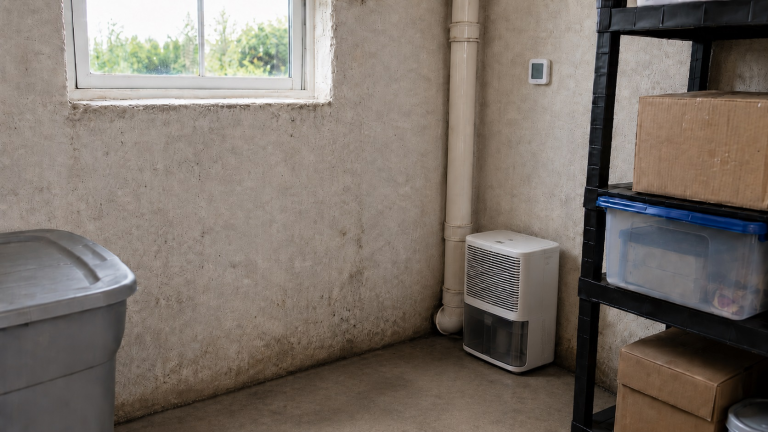
Dehumidifiers remove moisture directly from indoor air. They are particularly helpful in environments where ventilation alone cannot reduce humidity to safe levels.
Dehumidifiers are commonly used in:
- Basements
- Bathrooms with limited ventilation
- Laundry rooms
- Homes in humid climates
- Rooms prone to condensation
When properly sized and operated, dehumidifiers can significantly reduce humidity levels and improve overall indoor comfort.
Use a Dehumidifier That Matches the Moisture Load
Dehumidifier performance depends on matching the unit to the room size and moisture load. If a unit runs constantly but humidity stays high, the space may need a larger unit, better air circulation, continuous drainage, or investigation for an ongoing moisture source.
Factors that influence sizing include:
- Room or basement square footage
- Moisture levels present in the space
- Air circulation patterns
- Outdoor climate conditions
Homes experiencing persistent humidity should use a hygrometer to confirm whether ventilation and dehumidifier use are actually lowering moisture levels. For more detail, see how to test indoor humidity levels before adjusting your humidity-control strategy.
Placement and Operation Considerations
Proper placement improves dehumidifier performance and helps maintain stable humidity levels.
Best placement practices include:
- Positioning units in central areas of moisture-prone rooms
- Allowing clearance around air intake and exhaust vents
- Keeping doors and windows closed while units operate
- Regularly emptying water reservoirs or using continuous drainage
Correct operation ensures steady humidity reduction without overloading equipment.
Passive Ways to Lower Indoor Moisture Production
Passive moisture reduction strategies lower the amount of water vapor added to indoor air, reducing the load on exhaust fans, HVAC systems, and dehumidifiers.
Adjust Daily Habits That Produce Moisture
Helpful adjustments include:
- Using lids while cooking
- Shortening shower durations
- Drying clothes outdoors when weather allows
- Turning off humidifiers when humidity rises
- Reducing the number of moisture-producing activities occurring simultaneously
These changes reduce overall moisture generation and help stabilize indoor humidity.
Improve Natural Airflow Where Possible
Natural airflow supports moisture removal when outdoor conditions are favorable. However, airflow strategies must consider local climate conditions.
Natural airflow methods include:
- Opening windows during dry outdoor conditions
- Allowing cross-ventilation between rooms
- Maintaining unobstructed pathways between indoor spaces
In humid climates, natural ventilation must be used carefully, since outdoor air may introduce additional moisture.
Seasonal Strategies for Managing Indoor Humidity
Indoor humidity levels change throughout the year. Seasonal adjustments help maintain stable moisture conditions and prevent sudden humidity spikes that lead to condensation and mold growth.
Understanding how temperature and outdoor moisture levels interact with indoor air helps homeowners apply the right strategy at the right time.
Winter Humidity Control
During cold weather, windows remain closed and ventilation decreases. Indoor moisture accumulates more easily, especially when heating systems run continuously.
Winter humidity control strategies include:
- Running bathroom fans consistently
- Monitoring humidity levels daily
- Using dehumidifiers in moisture-prone rooms
- Reducing indoor drying of clothes
- Managing humidifier use carefully
Cold surfaces such as windows and exterior walls are more likely to collect condensation during winter. Maintaining humidity within recommended levels helps reduce moisture buildup on these surfaces.
Summer Humidity Management
In warm and humid climates, outdoor air introduces moisture into the home. Even when air conditioning cools indoor spaces, humidity may remain elevated.
Summer humidity control strategies include:
- Using air conditioning consistently
- Operating dehumidifiers when humidity rises
- Keeping windows closed during humid weather
- Monitoring humidity in basements and lower levels
- Inspecting areas where warm air enters the home
Managing humidity during humid seasons prevents moisture from accumulating in structural materials and reduces the risk of mold growth in hidden spaces.
Long-Term Maintenance Practices That Support Humidity Control
Humidity reduction requires consistent monitoring and maintenance. Even effective systems lose efficiency over time without regular inspection and upkeep.
Inspect Ventilation Systems Regularly
Ventilation systems must operate efficiently to maintain proper humidity levels. Dust buildup, mechanical wear, and blocked vents reduce airflow and limit moisture removal.
Recommended maintenance steps include:
- Cleaning ventilation grilles and ducts
- Inspecting bathroom and kitchen exhaust fans
- Verifying outdoor vent connections remain clear
- Checking airflow strength periodically with a tissue test at the fan grille or by having weak fans evaluated
Maintaining ventilation ensures consistent humidity removal throughout the home.
Monitor Humidity Trends Over Time
Humidity problems often develop gradually. Monitoring long-term patterns helps identify early changes before visible damage occurs.
Helpful monitoring practices include:
- Recording humidity levels regularly
- Checking moisture-prone areas periodically
- Observing seasonal humidity fluctuations
- Adjusting strategies based on measured conditions
Tracking humidity trends supports proactive moisture management and prevents recurring humidity issues.
Inspect Areas Vulnerable to Moisture Accumulation
Certain areas within a home are more likely to experience elevated humidity. Regular inspection helps detect early warning signs before damage spreads.
Common inspection areas include:
- Basements and crawl spaces
- Bathrooms and laundry rooms
- Kitchen cabinets and wall surfaces
- Windows and exterior walls
- Closets and enclosed storage areas
Early detection allows homeowners to correct humidity problems before they affect structural materials or indoor air quality.
When to Seek Professional Help for Humidity Problems
Some humidity issues persist despite routine improvements. When humidity remains elevated or signs of moisture damage appear, professional evaluation may be necessary.
Professional assistance may be needed when:
- Humidity levels remain above 60% consistently
- Condensation appears daily on multiple surfaces
- Musty odors persist throughout the home
- Mold appears repeatedly in the same areas
- Structural moisture damage, soft materials, recurring stains, or damp insulation becomes visible
If humidity problems follow flooding, sewage backup, roof leaks, plumbing leaks, or wet electrical areas, stop routine cleanup and address the source and safety risk first. Dehumidifiers can help dry air, but they do not make contaminated water damage, hidden wet materials, or electrical hazards safe.
Professionals may perform detailed inspections to identify hidden moisture sources and recommend targeted solutions that address underlying humidity problems.
Key Takeaways for Reducing Humidity in a House
- Indoor humidity increases when moisture production exceeds removal.
- Bathrooms, kitchens, and laundry areas are common moisture sources.
- Consistent ventilation removes moisture before it spreads.
- Dehumidifiers provide effective mechanical moisture removal.
- Daily habits strongly influence indoor humidity levels.
- Seasonal adjustments help maintain stable humidity conditions.
- Regular monitoring prevents long-term moisture damage.
Frequently Asked Questions About Reducing Humidity in a House
What humidity level is considered too high inside a house?
Indoor humidity levels above 50% increase the likelihood of condensation and moisture-related problems. Levels above 60% significantly raise the risk of mold growth and structural moisture damage.
Can opening windows reduce humidity?
Opening windows can reduce humidity when outdoor air is dry. However, in humid climates, opening windows may increase indoor humidity by introducing additional moisture into the home.
Do fans remove humidity from the air?
Fans move air but do not remove moisture. Ventilation systems and dehumidifiers remove humidity by exchanging or extracting moist air.
How long does it take to reduce humidity inside a house?
The time required depends on moisture levels, ventilation effectiveness, and the size of the space. In many cases, humidity improvements can be observed within hours to days after corrective measures are applied.
Do all homes need a dehumidifier?
Not every home requires a dehumidifier. Homes in humid climates or areas with limited ventilation benefit most from mechanical moisture removal systems.
One Comment
Comments are closed.