
15 Signs of High Humidity in a House (How to Recognize Moisture Problems Early)
High humidity in a house often shows up before homeowners know what is causing it. Sticky air, musty rooms, fogged windows, slow-drying towels, damp closets, and swelling wood trim are all warning signs that indoor moisture may be staying too high for too long.
The problem is that high humidity does not always look dramatic at first. Many homeowners notice small clues long before they see visible mold or water damage. A bathroom mirror that stays foggy, a bedroom that feels damp, or a closet with a musty odor can all point to excess indoor moisture.
This guide focuses on the signs of high humidity in a house, not full testing or repair methods. If you already see these warning signs, the next step is usually to confirm the problem with proper humidity monitoring. For a more measurement-focused guide, see how to test indoor humidity levels.
High humidity is also closely connected to mold prevention. Moisture does not have to come from a major leak to create a problem. When indoor air stays damp, surfaces can remain moist long enough for mildew, odors, and mold-friendly conditions to develop. If visible mold is already present, treat that as a separate cleanup issue after identifying the moisture source.
Why High Indoor Humidity Matters
Humidity is the amount of moisture in the air. Inside a home, that moisture can come from showers, cooking, laundry, damp basements, poor ventilation, crawl spaces, plumbing leaks, wet building materials, or outdoor air entering the house. Some humidity is normal, but excess humidity becomes a problem when moisture lingers instead of drying out.
When indoor humidity stays too high, moisture can settle onto cooler surfaces such as windows, exterior walls, ceilings, closets, cabinets, and poorly ventilated rooms. Over time, that moisture can create conditions where paint softens, wood swells, odors develop, dust mites thrive, and mold becomes more likely.
High humidity is different from a sudden water leak. A leak usually creates a clear source of liquid water. Humidity problems are often slower and more widespread. Instead of one obvious wet spot, you may notice a pattern of damp air, recurring condensation, musty smells, and rooms that feel uncomfortable even when the temperature seems normal.
Early recognition matters because humidity damage usually builds slowly. Once the signs are confirmed, the next step is to correct the moisture sources with a guide such as how to reduce humidity in a house.
Common Signs of High Humidity in a House
The most common signs of high humidity show up on surfaces, in how the air feels, and in how slowly materials dry after normal household activity.
1. Condensation on Windows
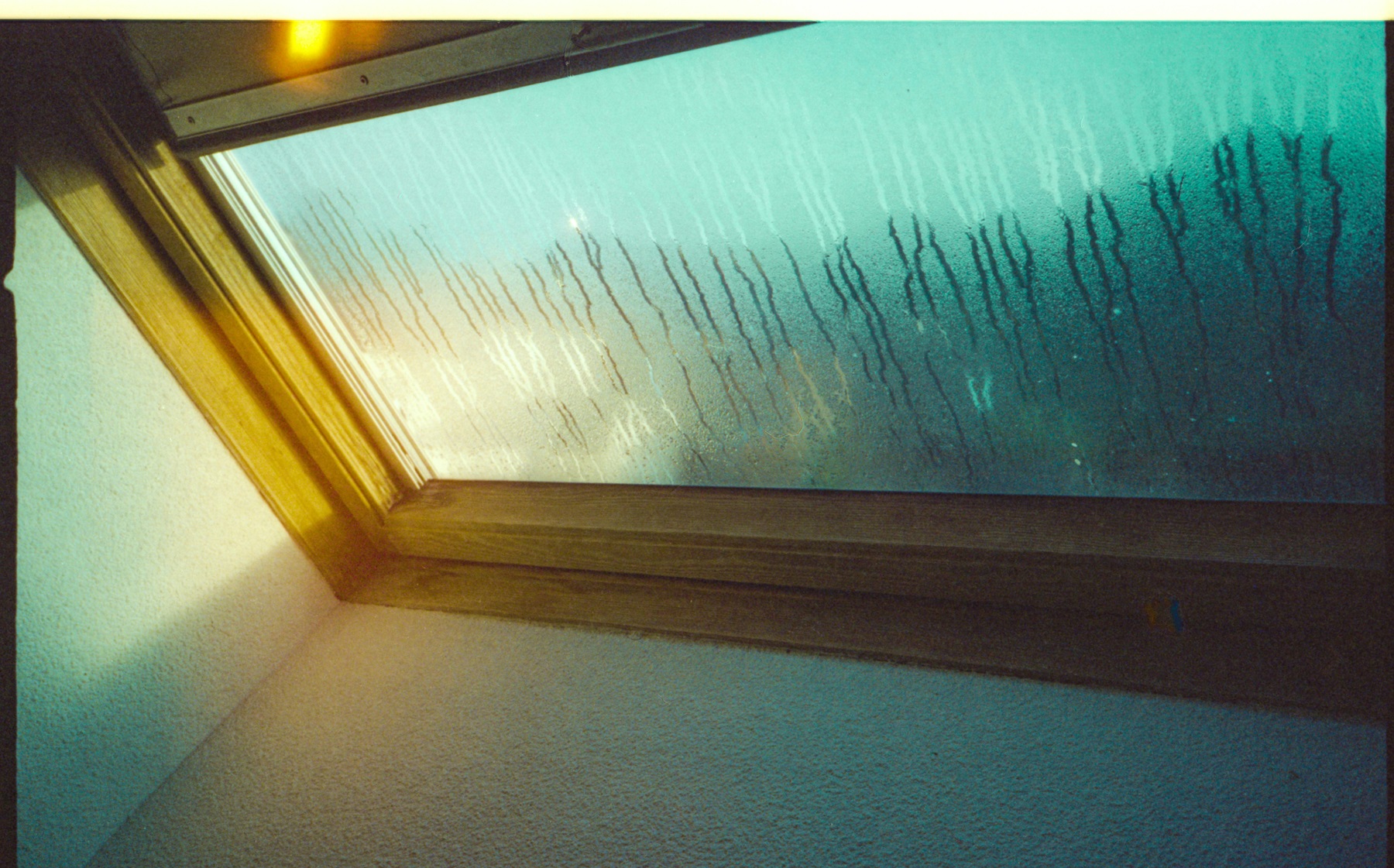
Condensation on windows is one of the clearest signs that indoor humidity may be too high. It usually appears as fog, droplets, or wet streaks on the inside surface of the glass. This happens when warm, moist indoor air meets a cooler window surface and moisture condenses into liquid water.
Occasional light condensation during cold weather may not mean the entire house has a serious humidity problem. But recurring condensation, water pooling on window sills, or fogged glass in multiple rooms can be a warning sign that indoor moisture is staying elevated.
Pay close attention if condensation appears every morning, returns soon after wiping it away, or causes paint, caulk, drywall, or wood trim around the window to soften or discolor. At that point, humidity is no longer just a comfort issue. It may be feeding moisture damage around the window area.
2. A Sticky or Heavy Feeling in the Air
High humidity often makes the air feel heavy, sticky, or uncomfortable even when the room temperature is not extremely hot. This happens because humid air slows the evaporation of sweat and moisture from skin, fabrics, and surfaces.
A room with high humidity may feel warmer than the thermostat suggests. You may notice that bedding feels slightly damp, clothing feels heavy, or the air feels unpleasant after cooking, showering, or using the laundry area.
This symptom is especially common in bathrooms, kitchens, basements, laundry rooms, and poorly ventilated bedrooms. If the air feels damp for hours after normal activity, the home may not be removing moisture effectively.
3. Musty Odors
A musty smell is one of the most important warning signs of excess indoor moisture. The odor may be strongest in closets, basements, bathrooms, under sinks, behind furniture, or in rooms with poor airflow.
Musty odors do not always mean visible mold is present, but they often indicate that moisture is lingering somewhere. The smell can come from damp materials, mildew, wet dust, moist carpet, or hidden areas that are not drying properly.
If a room smells musty after being closed up, after rain, or during humid weather, that pattern is important. It suggests the odor is not just stale air. It may be connected to moisture conditions that need closer attention.
Additional Visible Signs of High Indoor Humidity
Some humidity problems become visible on surfaces throughout the home. These signs usually appear slowly and may be dismissed at first, but they often reflect moisture building up inside materials or lingering in the air long enough to affect finishes and structural components.
4. Peeling Paint or Bubbling Wallpaper
Peeling paint and bubbling wallpaper are common visual indicators of excess indoor humidity. When moisture levels stay elevated, water vapor can collect behind painted surfaces or wallpaper, weakening the adhesive bond that keeps finishes attached to drywall or plaster.
You may first notice small bubbles forming under wallpaper seams or paint that looks uneven or blistered. Over time, the affected area may begin to peel, curl, or flake away from the wall. While occasional peeling may happen due to poor installation, recurring problems in multiple rooms often point to elevated humidity levels.
Bathrooms and kitchens are especially vulnerable because these areas produce frequent moisture. If peeling occurs outside those rooms—such as in bedrooms or hallways—it can be an important signal that humidity is spreading throughout the house rather than staying localized.
5. Water Stains Without an Obvious Leak
Water stains that appear without a visible leak can sometimes be linked to persistent humidity rather than direct water intrusion. These stains may look faint at first and often appear on ceilings, upper walls, or around cooler surfaces where moisture collects.
Unlike a plumbing leak, humidity-related stains may develop slowly and appear as irregular patches rather than sharp, concentrated wet spots. They may also fade and reappear over time as humidity rises and falls.
Do not assume humidity is always the cause. New or repeated stains should be checked carefully because hidden leaks can coexist with high indoor humidity.
6. Moisture on Walls, Ceilings, or Surfaces
In severe humidity conditions, moisture may become visible on painted walls, ceilings, mirrors, or tile surfaces. This can appear as damp patches, glossy moisture films, or droplets forming in areas where warm air meets cooler materials.
Ceiling corners, exterior walls, and poorly ventilated areas often show these symptoms first. Bathrooms with weak ventilation systems may remain damp long after showers end, and kitchens may accumulate moisture during cooking.
If surfaces feel slightly wet without a spill or leak, indoor air may be carrying more moisture than the home can release. This increases mold risk if the dampness continues.
Physical and Sensory Signs That Humidity Is Too High
Not all humidity symptoms are visible. Some are experienced through touch, smell, or daily comfort changes. These sensory signs are often the earliest clues that indoor air contains too much moisture.
7. Damp or Slow-Drying Fabrics
Clothing, towels, bedding, and upholstery may feel damp or take longer than usual to dry when indoor humidity levels are high. This happens because moisture evaporates more slowly in humid air.
You might notice towels staying wet longer after use, laundry drying slowly indoors, or carpets feeling slightly damp even without spills. Rugs placed over concrete floors or in basements are especially prone to holding moisture.
When fabrics repeatedly stay damp, they can develop odors, encourage mildew growth, and create an uncomfortable indoor environment. These patterns often reflect indoor air that is holding excessive moisture.
8. Persistent Bathroom or Kitchen Dampness
Bathrooms and kitchens naturally produce moisture, but that moisture should dissipate within a reasonable time. If mirrors remain fogged long after showers, cabinets stay damp, or moisture lingers for hours, humidity levels may be staying too high.
Pay attention to how quickly rooms dry after everyday activities. A properly ventilated bathroom should begin clearing moisture shortly after a shower ends. If moisture stays trapped inside the room, ventilation or humidity control may be insufficient.
Repeated dampness in moisture-heavy areas increases mold risk, especially on grout, caulk lines, and painted surfaces.
9. Increased Allergy-Like or Respiratory Discomfort
High humidity can influence indoor air quality by supporting dust mites, mildew, and mold growth. Even before visible mold appears, elevated moisture levels may create conditions that irritate sensitive individuals.
Some people notice more allergy-like symptoms, coughing, or throat irritation in rooms that also feel damp or musty. These symptoms do not prove a humidity problem by themselves, but they can support a larger pattern that includes musty odors, damp surfaces, or visible condensation.
If respiratory discomfort worsens in certain areas of the home, investigate moisture conditions carefully. Indoor air quality and humidity levels are closely connected.
Structural Warning Signs That Humidity Is Affecting Materials
Over time, persistent humidity can begin affecting structural materials and finishes. These signs usually develop gradually and often indicate that moisture exposure has been occurring for an extended period.
10. Warping or Swelling Wood Trim
Wood trim, baseboards, door frames, and cabinets are sensitive to moisture. When humidity remains elevated, wood absorbs moisture from the air and expands slightly. This expansion can lead to visible warping, swelling, or uneven edges.
You may notice trim pulling away from walls, joints opening at corners, or surfaces becoming slightly distorted. In severe cases, wood components may remain permanently altered even after humidity improves.
Warping is not always caused by leaks. Persistent high humidity alone can change wood dimensions enough to affect appearance and performance. Monitoring these changes helps identify long-term moisture exposure.
11. Doors or Cabinets That Stick or Swell
Doors and cabinet panels that suddenly begin sticking may be reacting to increased humidity. Wood absorbs moisture from the air, causing panels to swell and expand slightly.
This symptom often appears seasonally, especially during humid weather. Interior doors may rub against frames, cabinet doors may become harder to close, or drawers may feel tighter than usual.
While occasional swelling during humid months is normal, persistent sticking across multiple seasons may signal indoor moisture levels that remain elevated for extended periods.
12. Persistent Mold or Mildew Growth on Surfaces
Recurring mildew on grout, tile, window frames, or painted surfaces often signals sustained humidity conditions. Even after cleaning, mildew may return if the environment remains damp.
This cycle of cleaning followed by regrowth suggests the surface is still staying damp enough for mildew or mold to return.
Repeated surface growth usually means humidity control is needed, not just cleaning.
Signs That Humidity Is Becoming a Serious Problem
Some humidity symptoms are mild and temporary. Others signal that moisture levels are staying elevated long enough to affect materials, indoor air quality, and mold risk. When multiple warning signs appear together or persist for weeks, the problem deserves closer attention.
13. Recurring Condensation in Multiple Rooms
Occasional condensation in one area may be normal, especially during cold weather or after hot showers. But recurring condensation in multiple rooms usually indicates a whole-house humidity imbalance rather than a single localized issue.
For example, if condensation appears on bedroom windows, living room glass, and basement surfaces at the same time, the indoor air itself may be holding excessive moisture. This situation is more likely to lead to mold growth on cooler surfaces, particularly along exterior walls and corners.
If this pattern continues, confirming the humidity level becomes important. You can learn where and how to measure conditions properly in how to test indoor humidity levels.
14. Mold or Mildew Appearing in New Locations
When mold or mildew begins appearing in areas where it was not previously present, humidity may be spreading moisture conditions throughout the home. Mold often starts in damp locations such as bathrooms, but high humidity can allow growth to appear in closets, bedrooms, or along window frames.
New growth patterns may indicate that indoor moisture levels are staying high across multiple rooms. Even small patches of mildew can signal conditions that will keep supporting growth unless humidity is controlled.
15. Persistent Dampness in Closets or Storage Areas
Closets, storage rooms, and enclosed spaces are often among the first areas to show humidity problems. These spaces typically have limited airflow, allowing moisture to accumulate and remain trapped.
Signs may include musty smells, damp clothing, mildew on stored items, or visible condensation along walls and ceilings. If items stored in closed areas repeatedly feel damp, humidity levels may be staying elevated throughout the home.
Closet humidity issues are especially common in homes with limited ventilation or in rooms located along exterior walls. Addressing airflow and moisture sources in these areas often prevents larger problems from developing elsewhere.
Common Misunderstandings About High Humidity
Humidity problems are easy to dismiss because the early signs can look minor. These common misunderstandings often delay action until materials begin to show damage.
Condensation Is Not Always Harmless
Many people assume condensation on windows is simply a normal winter occurrence. While occasional condensation may be expected in cold weather, persistent condensation that returns daily often signals humidity that is staying too high indoors.
Repeated moisture on window frames can eventually soften wood, damage paint, and create conditions where mold develops. Ignoring this symptom allows moisture damage to accumulate slowly.
Humidity Problems Are Not Limited to Bathrooms
Bathrooms produce large amounts of moisture, but high humidity can spread throughout the entire house. Bedrooms, closets, living areas, and basements can all experience elevated humidity if airflow is poor or moisture sources remain uncontrolled.
If symptoms appear outside typical moisture-heavy areas, it is important to consider whole-house humidity patterns rather than focusing only on individual rooms.
Warm Homes Can Still Have High Humidity
Temperature and humidity are different environmental conditions. A house can feel warm and still contain excessive moisture. Heating indoor air does not remove humidity—it simply changes how the air feels.
This misunderstanding often leads homeowners to overlook humidity problems during winter months, when condensation and moisture accumulation can still occur indoors.
When High Humidity Signs Mean You Should Take Action
Seeing one minor symptom occasionally does not always mean there is a serious humidity problem. However, patterns matter. If multiple signs appear together, or if symptoms repeat frequently, indoor humidity may be staying elevated long enough to create risk.
Consider taking action if you notice:
- Recurring condensation on windows or walls
- Musty odors that return after cleaning or airing out rooms
- Damp fabrics or materials that do not dry normally
- Warping wood trim or swelling doors
- Mold or mildew that reappears after cleaning
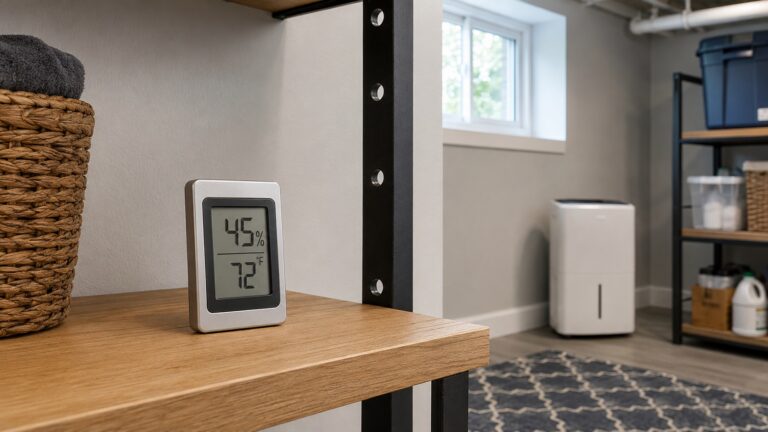
At this point, confirmation becomes important. Measuring indoor humidity levels helps determine whether moisture conditions are safe or require correction. The next logical step is learning where and how to measure indoor humidity accurately.
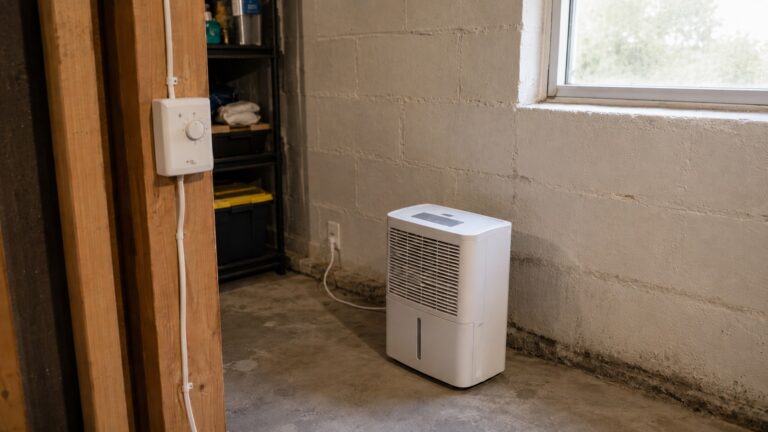
If humidity levels are confirmed to be too high, targeted solutions may include improving airflow, controlling moisture sources, and using equipment designed to manage indoor humidity. You can explore detailed reduction methods in how to reduce humidity in a house.
Preparing for Professional Evaluation When Needed
In some cases, high humidity symptoms may point to deeper moisture issues within the structure. These situations usually involve recurring patterns that continue even after basic changes such as ventilation adjustments or moisture reduction efforts.
Consider contacting a professional if:
- Mold continues returning after cleaning
- Moisture stains appear without clear sources
- Structural materials show swelling or deterioration
- Humidity symptoms worsen over time instead of improving
- Multiple rooms show moisture-related damage
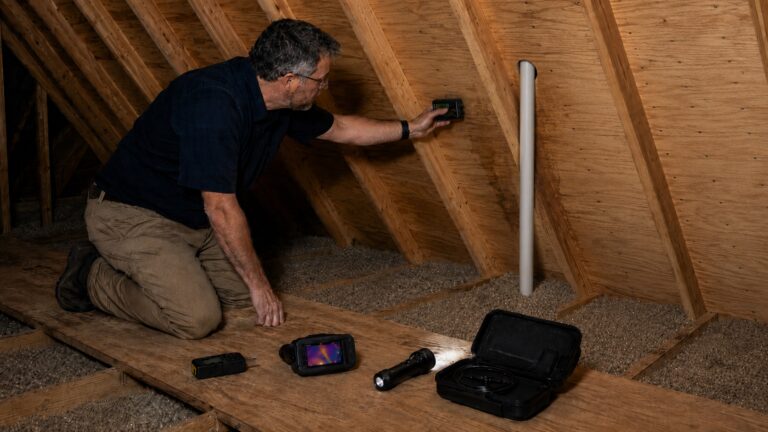
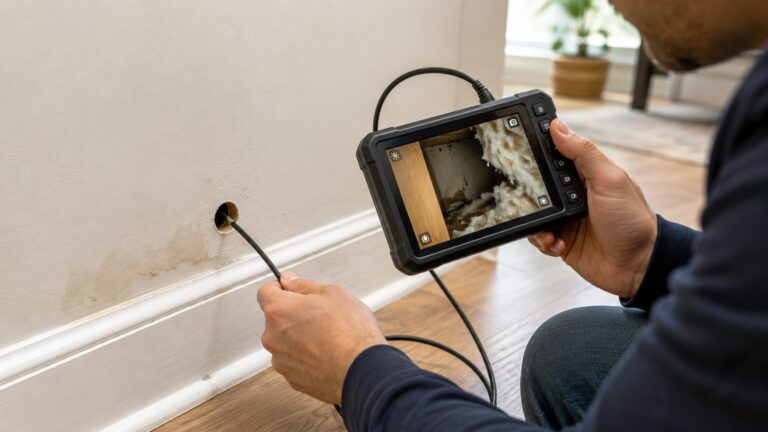
Professional inspectors can evaluate hidden moisture sources such as wall cavities, crawl spaces, ventilation systems, and building envelopes. These inspections help identify underlying causes that may not be visible during routine observation.
FAQ: Signs of High Humidity in a House
What humidity level is considered too high in a house?
Indoor humidity is generally considered too high when it stays above safe comfort ranges for extended periods. While symptoms can appear at different levels depending on the home, recurring condensation, musty smells, and damp materials usually indicate humidity levels that need attention.
Can high humidity damage walls or furniture?
Yes. Persistent humidity can soften paint, weaken adhesives, swell wood, and contribute to mold growth. Over time, this can lead to visible damage such as peeling paint, warped trim, or deteriorating finishes.
Why does my house feel sticky even with air conditioning?
Air conditioning systems remove some moisture, but they may not remove enough humidity if airflow is limited, moisture sources are strong, or equipment is undersized. Sticky air often signals that moisture levels remain elevated indoors.
Does condensation always mean humidity is too high?
Not always. Occasional condensation may occur during certain weather conditions. However, repeated condensation that appears daily or in multiple rooms often indicates indoor humidity that needs closer attention.
How quickly can mold form in humid conditions?
Mold growth can begin when moisture remains on surfaces long enough to support microbial activity. Repeated damp conditions increase the likelihood of growth, especially in areas with limited airflow or persistent humidity.
Key Takeaways
- High humidity often begins with subtle signs such as condensation, musty odors, or sticky air.
- Recurring symptoms across multiple rooms usually indicate a larger humidity problem.
- Wood swelling, peeling paint, and persistent mildew signal longer-term moisture exposure.
- Closets, bathrooms, and poorly ventilated spaces are common early problem areas.
- Confirming humidity levels and responding early helps prevent mold and structural damage.
What to Do After You Notice High Humidity Signs
If you notice recurring condensation, musty odors, sticky air, slow-drying fabrics, swelling wood, or mildew in new places, treat those signs as a pattern rather than isolated annoyances. The next step is to confirm indoor humidity with accurate measurements, then address the moisture sources before finishes, wood materials, or hidden areas stay damp long enough for damage or mold growth.
4 Comments
Comments are closed.