
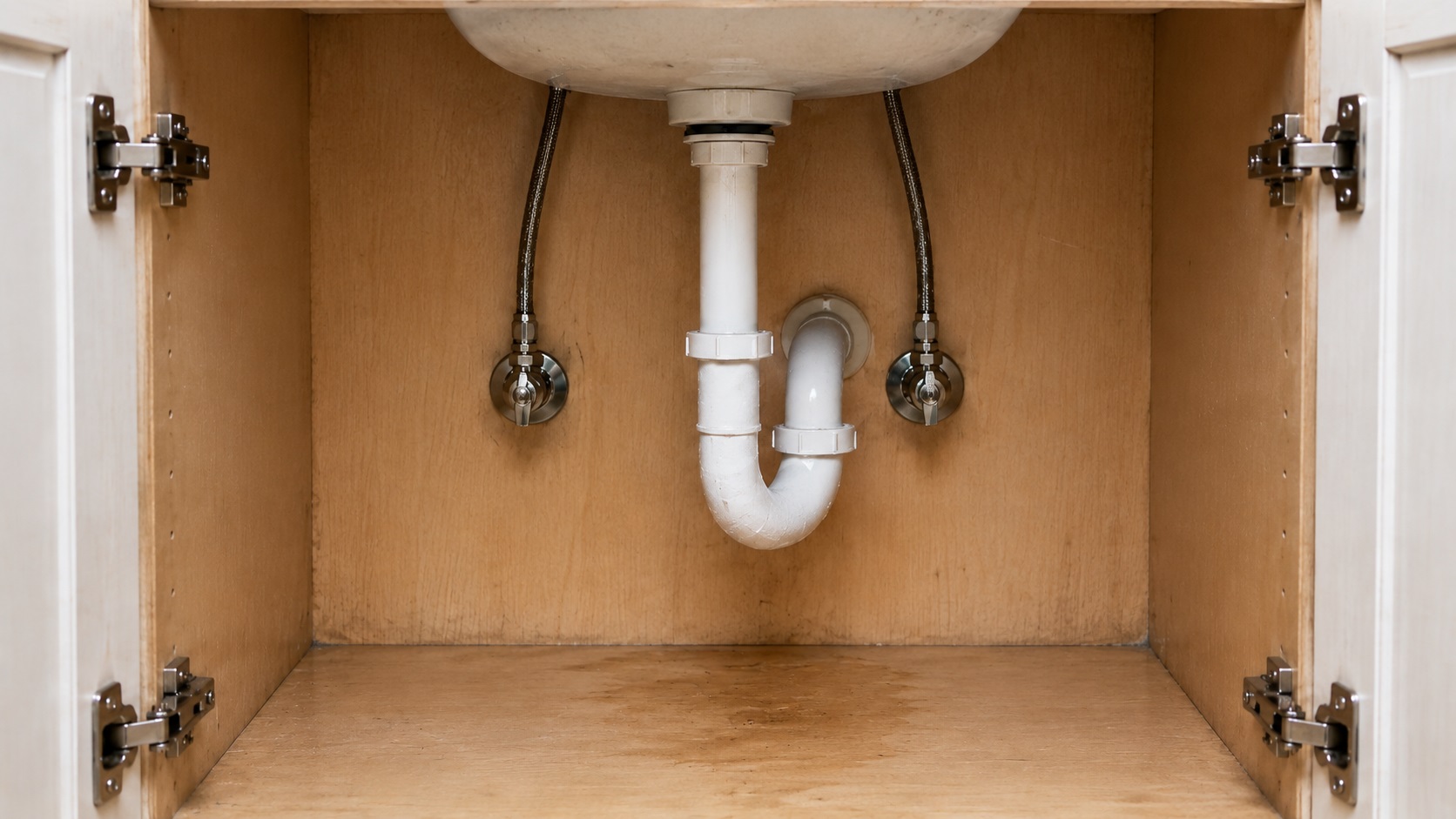
Signs of Water Damage Under Sink Cabinets (How to Spot Hidden Cabinet Moisture Early)
The most common signs of water damage under sink cabinets are musty odors, damp shelf liners, water stains, swelling, peeling laminate, soft cabinet floors, rusted hardware, and discoloration around pipe openings. These symptoms often appear before the leak or moisture source is obvious.
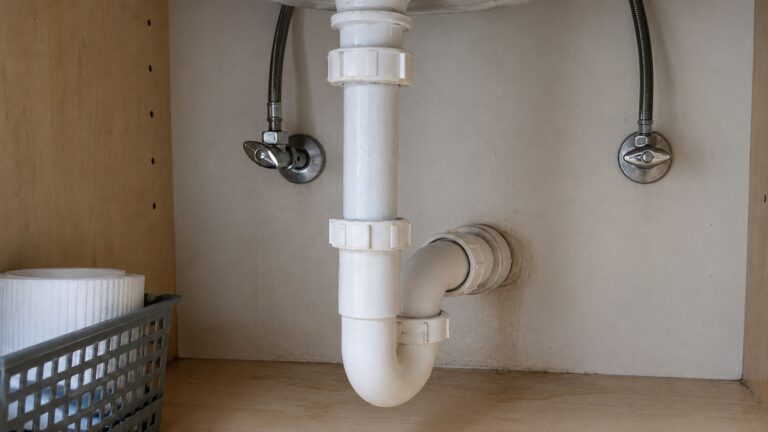
Under-sink cabinets hide supply lines, drain connections, shutoff valves, and pipe penetrations in a small enclosed space. When even a slow drip continues unnoticed, cabinet bases and back panels can absorb moisture, weaken, and support mold growth.
Because under-sink damage often starts with a slow plumbing leak, it also helps to understand how plumbing leaks cause structural damage when moisture spreads from cabinets into flooring, walls, or subfloor materials.
This guide explains the most common signs of water damage under sink cabinets so you can recognize problems early and understand how moisture damage develops over time.
Why Water Damage Under Sink Cabinets Is Common
Sink cabinets contain plumbing components that operate under regular water pressure. Even minor imperfections, loose fittings, or slow drips can release moisture into the cabinet space. Because these areas are enclosed, moisture often remains trapped rather than evaporating.
Unlike open spaces in a home, cabinet interiors receive limited airflow. This restricted environment allows damp surfaces to remain wet longer, increasing the chance of material swelling, staining, and mold formation.
Cabinet materials also play a role. Many cabinets are constructed from particleboard or MDF, which absorb moisture quickly. Once these materials absorb water, they expand and lose structural strength, creating lasting damage even after the surface dries.
That is why small under-sink stains, odors, or texture changes should be treated as early warning signs rather than cosmetic issues.
Early Signs of Water Damage Under Sink Cabinets
Early cabinet moisture signs are often subtle, especially when stored items hide the cabinet floor and back panel.
Musty or Unusual Odors
One of the earliest indicators of moisture exposure is a musty smell inside the cabinet. This odor develops when materials remain damp long enough to support microbial growth.
At first, the smell may only appear when the cabinet door is opened. Over time, persistent odors may cling to stored items or linger even after the cabinet is closed.
Slight Discoloration or Water Marks
Early moisture exposure often appears as faint discoloration on cabinet surfaces. These marks may show as light staining on the cabinet base or back panel.
Water marks sometimes appear uneven or patchy. They may be easy to overlook, especially if the cabinet interior is dark or cluttered with stored items.
Damp or Warped Shelf Liners
Many cabinets include shelf liners that provide a smooth surface for storage. These liners frequently reveal early moisture problems because they trap water beneath them.
If liners feel damp, wrinkle, or appear uneven, moisture exposure may already be occurring beneath the surface.
Lift the liner and check the cabinet base underneath. A dry-looking liner can hide staining, swelling, or soft particleboard below it.
Slight Swelling Along Cabinet Edges
Wood-based materials expand when exposed to water. Early swelling often appears along edges or seams where moisture collects.
This swelling may feel rough or uneven when touched. Even small changes in texture can indicate that water absorption has begun.
Visible Signs of Cabinet Water Damage
As moisture exposure continues, cabinet damage becomes more noticeable. These visible symptoms usually indicate that water has remained present long enough to affect materials directly.
Water Stains on Cabinet Surfaces
Water stains are among the most recognizable signs of cabinet damage. These stains typically appear as darkened or discolored patches on the cabinet base or walls.
Stains may spread outward from plumbing areas or corners where water accumulates. Repeated exposure often creates layered stain patterns.
Peeling or Bubbling Cabinet Finishes
Moisture trapped beneath laminated surfaces can cause finishes to peel, bubble, or lift. This happens when water weakens the adhesive holding surface layers in place.
Peeling laminate is a strong indication that moisture exposure has continued beyond early stages.
Swollen or Buckled Cabinet Floors
The base panel of a cabinet is typically the first structural component affected by water. Swelling or buckling often appears as raised sections or uneven surfaces.
These distortions may interfere with how items sit on the cabinet floor and often worsen with continued exposure.
Visible Corner Damage
Cabinet corners collect moisture due to limited airflow and natural water movement patterns. Visible damage in corners may appear as dark staining, softened material, or surface breakdown.
Because corners retain moisture longer, damage here often signals ongoing exposure rather than a temporary spill.
Advanced Signs of Structural Cabinet Damage
When water exposure continues over time, cabinet materials begin to lose structural strength. These advanced signs indicate that moisture has remained present long enough to weaken the cabinet itself rather than just affecting surface appearance.
Soft or Spongy Cabinet Base
A soft or spongy cabinet base is one of the clearest indicators of long-term moisture exposure. When pressed lightly, damaged areas may feel flexible or sink slightly under pressure.
This condition occurs because wood-based materials break down after repeated exposure to water. If sections of the cabinet base feel weak or compress easily, structural damage is likely already present.
Do not cover a soft cabinet base with a new liner or mat until the moisture source has been identified. Covering damaged material can trap moisture and hide worsening decay.
Sagging or Collapsing Cabinet Floor
Severe water damage can cause the cabinet floor to sag or collapse entirely. This happens when the base panel absorbs enough moisture to lose its ability to support weight.
Stored items may appear uneven, tilt toward the center, or sink into the cabinet base. In extreme cases, the material may crack or break apart.
Separation Along Seams and Joints
Cabinet panels are joined together using adhesives and fasteners. Water exposure weakens these connections, causing seams to separate or lift.
Visible gaps along joints or corners suggest that moisture has affected the internal structure of the cabinet materials.
Warped Cabinet Doors or Frames
Moisture trapped inside cabinets can spread beyond the base and affect doors or framing components. Warped doors may become difficult to close properly or appear misaligned.
This distortion often signals prolonged humidity exposure rather than short-term moisture contact.
Signs of Mold Growth Under Sink Cabinets
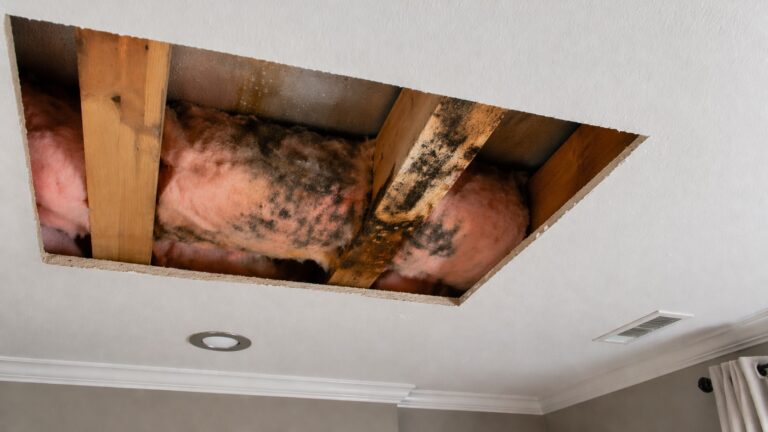
Moist environments inside cabinets can support mold growth when surfaces stay damp for extended periods. Mold may begin forming on wood, liners, or stored materials if the moisture source is not corrected.
If mold signs appear, moisture has likely been present for some time. This article focuses on recognizing the warning signs, not mold removal or cabinet drying.
Black, Green, or White Surface Spots
Mold commonly appears as dark or discolored spots on cabinet surfaces. These spots may vary in color depending on moisture conditions and surface materials.
Early mold growth may appear as small clusters, while more advanced growth spreads across larger areas.
Fuzzy or Powdery Surface Texture
Some mold colonies develop visible textures that appear fuzzy or powdery. This texture indicates active growth rather than simple staining.
Touching affected areas may leave residue on fingers or disturb loose particles.
Persistent Musty Odor
A strong musty smell inside the cabinet often signals microbial growth. Unlike temporary odors caused by spills, mold-related smells tend to linger even after cleaning visible moisture.
Persistent odors suggest ongoing dampness rather than isolated exposure.
Indirect Warning Signs You Should Not Ignore
Water damage under sink cabinets sometimes reveals itself through indirect clues. These signs may appear before obvious cabinet damage develops.
Rusted Metal Items or Hardware
Metal components react quickly to moisture exposure. Rusted hinges, screws, or stored metal items often indicate sustained humidity inside the cabinet.
Even small rust spots suggest that moisture has been present longer than expected.
Damp or Warped Stored Items
Stored cleaning supplies, containers, or packaging materials may absorb moisture before cabinet surfaces show visible damage.
If items inside the cabinet feel damp or appear warped, the surrounding environment likely contains elevated moisture.
Recurring Moisture Beneath Stored Objects
Water that repeatedly collects under stored items suggests an ongoing moisture source rather than a one-time spill.
Persistent dampness in the same location is often an early signal of hidden plumbing issues.
Discoloration Around Pipe Entry Points
Pipes entering through cabinet walls or floors create openings where moisture can accumulate. Discoloration around these areas often signals repeated exposure to water.
These marks may appear circular or extend outward from the pipe opening.
When Cabinet Water Damage Indicates a Larger Problem
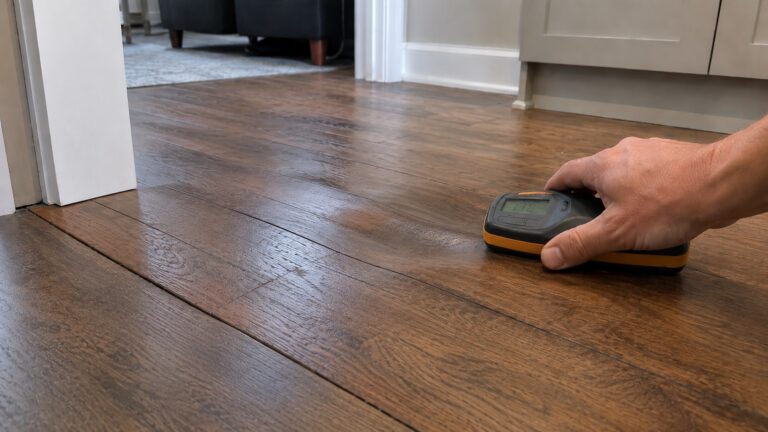
Water damage under sink cabinets rarely remains isolated. Over time, moisture can spread into surrounding materials such as flooring, subflooring, or adjacent walls.
If multiple warning signs appear together, the issue may involve more than just cabinet materials. Identifying the underlying source becomes important when damage continues to progress.
If symptoms suggest ongoing moisture exposure, the next step is identifying whether a supply line, drain connection, shutoff valve, disposal, or pipe opening may be contributing to the problem. For source-checking guidance, review how to detect slow plumbing leaks.
If the cabinet base is soft, crumbling, moldy, or sagging, stop storing items in the cabinet until the source is checked. Ongoing moisture may also affect the flooring, wall cavity, or subfloor around the sink.
FAQ: Signs of Water Damage Under Sink Cabinets
What is the first sign of water damage under a sink cabinet?
The earliest sign is often a musty smell, damp shelf liner, or faint discoloration on the cabinet base. These subtle changes usually appear before visible swelling or structural damage develops.
How can I tell if cabinet swelling is caused by water damage?
Water-related swelling usually appears uneven and affects edges or seams where moisture collects. The surface may feel rough or raised, and the material may appear distorted compared to undamaged areas.
Can water damage under a sink spread to nearby areas?
Yes. Moisture can move beyond the cabinet into surrounding materials such as floors, walls, and subflooring. Damage that spreads outside the cabinet often indicates prolonged moisture exposure.
Is a musty smell under the sink always a sign of water damage?
A musty smell frequently signals moisture exposure, especially when it persists over time. While temporary odors may occur after cleaning or spills, lingering smells often suggest ongoing damp conditions.
Do small water stains under the sink matter?
Even small stains can indicate repeated moisture exposure. Minor discoloration often develops early in the damage process and may worsen if moisture continues to accumulate.
What to Do When Under-Sink Cabinet Damage Keeps Getting Worse
Recognizing the signs of water damage under sink cabinets early helps prevent small moisture issues from turning into major structural problems. Subtle symptoms such as odors, discoloration, and swelling often appear long before visible structural damage develops.
The strongest warning pattern is a combination of odor, staining, swelling, soft material, and repeated dampness in the same area.
If cabinet damage continues to progress or appears in multiple areas, moisture may have moved beyond the cabinet base. Check nearby flooring, wall surfaces, and pipe openings before assuming the problem is only cosmetic.
Key Takeaways
- Musty odors and faint discoloration are often the earliest warning signs of cabinet moisture.
- Swelling, bubbling finishes, and soft cabinet floors indicate ongoing water exposure.
- Mold growth and structural distortion suggest long-term moisture damage.
- Indirect signs such as rusted hardware or damp stored items often reveal hidden problems.
- Multiple symptoms appearing together usually signal persistent moisture exposure.
For the larger plumbing-related moisture pattern, see how small plumbing leaks can cause structural damage in cabinets, flooring, walls, and framing over time.
One Comment
Comments are closed.