How to Prevent Mold Behind Baseboards
Mold behind baseboards usually starts when moisture collects at the lowest part of the wall and dries slowly behind trim. Prevention depends on keeping flooring edges dry, fixing small leaks quickly, controlling humidity, improving airflow, and checking vulnerable baseboard areas before hidden mold has time to develop.
To prevent mold behind baseboards, keep the floor-wall junction dry, control indoor humidity, maintain airflow near trim, dry water events quickly, and avoid sealing damp areas before confirming they are dry. These same habits also support broader recurring moisture damage prevention throughout the home.
If mold has already been suspected or confirmed, reviewing signs of mold behind baseboards can help determine whether prevention steps alone are sufficient or whether further evaluation is necessary. Prevention works best when moisture problems are addressed early.
Why Baseboards Are Vulnerable to Mold Growth
Baseboards sit at the lowest part of interior walls, making them naturally vulnerable to moisture accumulation. Water moving through wall materials tends to follow gravity, settling along the bottom edges of walls where trim is installed. Once moisture reaches this area, limited airflow and concealed surfaces create conditions that allow mold to develop.
Understanding why baseboards are vulnerable helps clarify which prevention steps matter most.
- Gravity-driven moisture movement: Water traveling through wall materials collects near the floor level.
- Restricted airflow: Trim blocks natural air circulation along the wall edge.
- Material absorption: Wood trim and drywall edges absorb moisture easily.
- Hidden spaces: Moisture trapped behind trim dries more slowly than exposed surfaces.
These conditions explain why mold can develop behind baseboards before obvious wall mold appears. For the physical reasons these areas stay damp, see why baseboards trap moisture.
Preventing mold begins with removing moisture before it can stay trapped behind trim.
Control Moisture at the Floor-Wall Junction
The floor-wall junction is one of the most critical areas to monitor when preventing mold behind baseboards. Moisture accumulation in this area often begins with small, unnoticed events that gradually create conditions suitable for mold growth.
Effective prevention requires minimizing moisture exposure and responding quickly when dampness appears.
Address Minor Leaks Immediately
Small leaks often go unnoticed because they produce only minimal water exposure at first. Over time, repeated minor leaks can create enough moisture to support mold growth behind trim.
Common sources of minor leaks include:
- Plumbing connections near walls
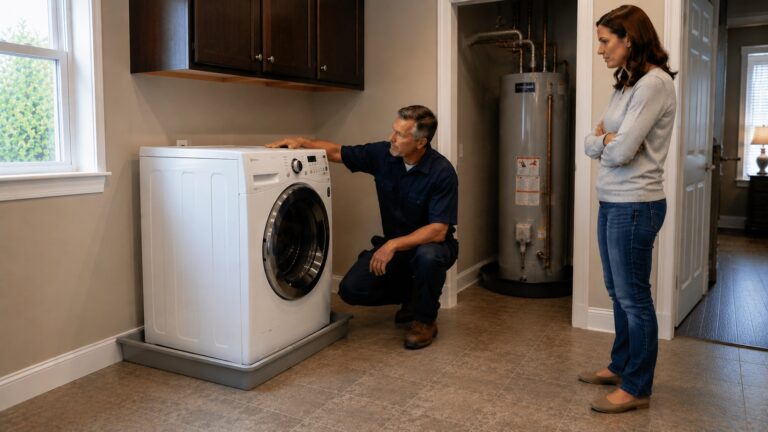
- Appliance hoses and fittings
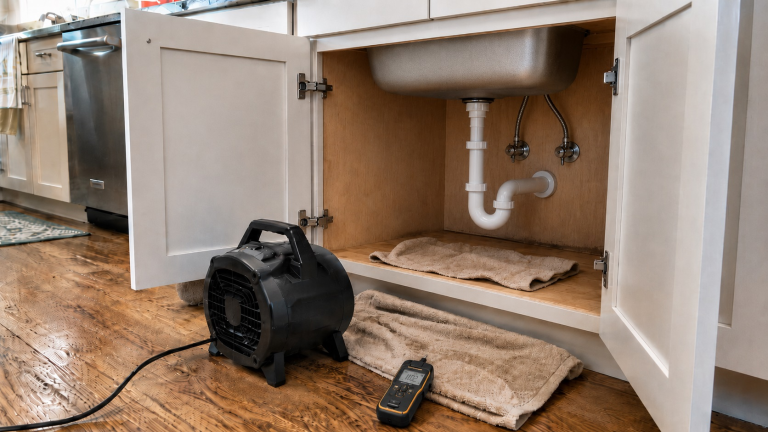
- Water supply lines behind sinks
- Condensation from nearby fixtures
Even small amounts of water reaching the baseboard area can lead to hidden moisture accumulation. If moisture has been detected previously, reviewing how to detect moisture behind baseboards helps confirm whether hidden dampness remains present.
Rapid response to leaks significantly reduces the likelihood of mold developing behind trim.
Keep Flooring Edges Dry
Moisture along flooring edges often migrates into the baseboard area, especially when floors remain damp for extended periods. Water left standing near trim can seep beneath the baseboard and into drywall edges.
Preventative habits include:
- Wipe spills before water reaches the wall edge
- Dry the gap where flooring meets the baseboard after mopping
- Use less water when cleaning near trim
- Check corners, appliance edges, and exterior walls for lingering dampness
These simple habits play a major role in preventing moisture infiltration behind baseboards.
Prevent Condensation Buildup
Condensation forms when warm indoor air contacts cooler surfaces, especially along exterior walls. When condensation collects near baseboards, it can slowly introduce moisture into hidden spaces.
Preventing condensation includes:
- Maintaining stable indoor temperatures
- Reducing excessive humidity
- Improving airflow along exterior walls
- Monitoring cold wall surfaces during seasonal changes
Repeated condensation cycles are a common cause of hidden mold growth behind baseboards, particularly in colder climates or poorly ventilated spaces.
Maintain Proper Indoor Humidity Levels
Indoor humidity plays a major role in mold prevention because elevated moisture levels allow surfaces to remain damp for extended periods. When humidity remains too high, moisture accumulates not only on visible surfaces but also inside concealed areas such as behind baseboards.
For baseboards, the main goal is to prevent condensation and slow drying along the lower wall edge.
Maintain Ideal Indoor Humidity Levels
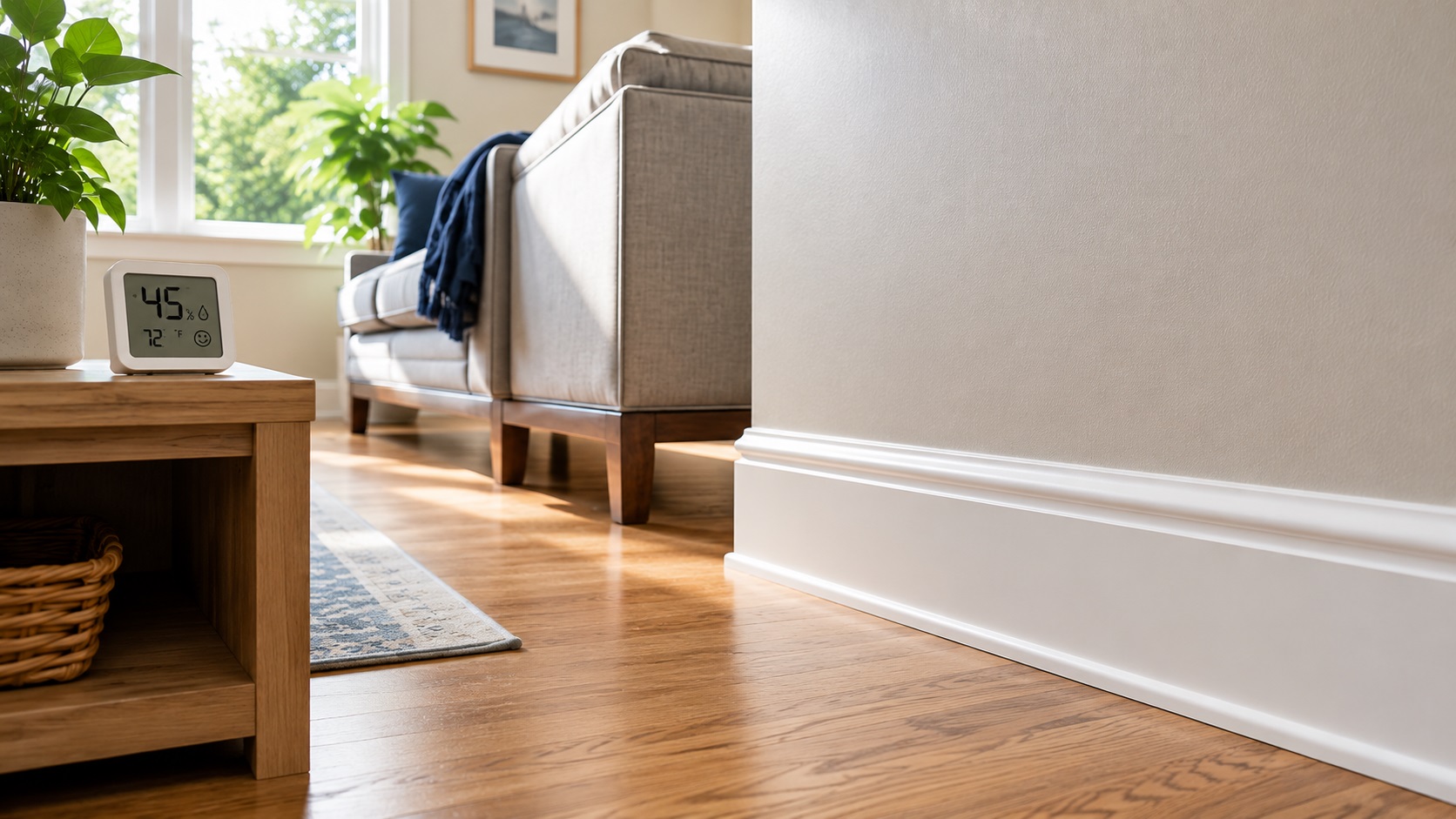
Most homes benefit from maintaining indoor humidity between 30% and 50%. This range reduces condensation risk while maintaining comfortable indoor conditions.
Humidity levels above this range increase mold risk by:
- Slowing drying time of building materials
- Encouraging condensation formation
- Allowing moisture to accumulate in concealed areas
- Supporting microbial growth conditions
Monitoring humidity regularly helps prevent unnoticed moisture buildup.
Use Ventilation to Reduce Moisture
Proper ventilation removes humid air and replaces it with drier air, reducing the likelihood of moisture accumulation near baseboards. Ventilation is especially important in rooms where water exposure occurs frequently.
Areas requiring strong ventilation include:
- Bathrooms
- Kitchens
- Laundry rooms
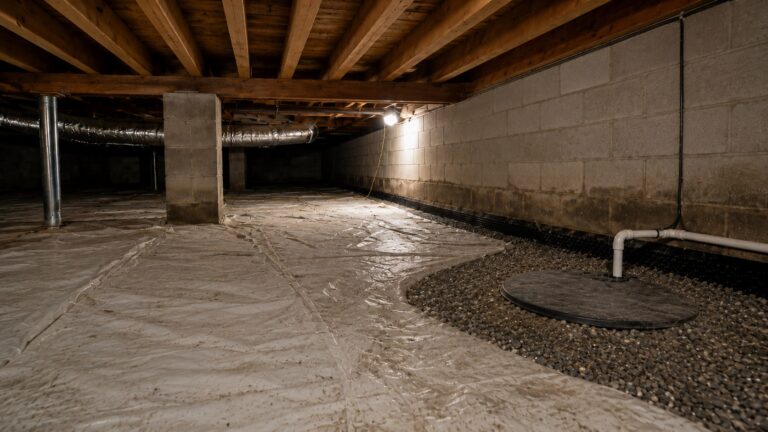
- Basements
Vent humid rooms long enough for mirrors, walls, and floor edges to dry instead of stopping the fan as soon as the activity ends.
Seal and Protect Baseboard Edges
Sealing baseboard edges is one of the most effective ways to reduce moisture intrusion into hidden spaces behind trim. Even small gaps along the top or bottom of baseboards can allow water vapor or liquid moisture to enter wall materials. Proper sealing slows moisture migration and reduces the likelihood of mold growth developing behind concealed surfaces.
Protective sealing should only be done after the area is dry. Caulking over damp trim or wet drywall can trap moisture behind the baseboard and make mold more likely.
Seal Gaps Along the Top Edge
The upper edge of the baseboard often contains small gaps where trim meets drywall. These gaps allow moisture-laden air to enter behind the trim, particularly in high-humidity environments.
Effective sealing strategies include:
- Apply paintable flexible caulk only after the trim and wall are dry
- Seal visible gaps where the top of the baseboard meets drywall
- Re-caulk cracked or separated seams before humid air can enter
- Watch sealed areas for stains, swelling, or recurring dampness
Routine inspection of these seams helps prevent unnoticed moisture intrusion over time.
Protect Baseboards With Moisture-Resistant Finishes
Baseboards exposed to frequent moisture benefit from protective coatings that resist absorption. Painted or sealed surfaces slow water penetration and reduce the amount of moisture reaching vulnerable materials.
Protective finishing strategies include:
- Using durable paint designed for moisture-prone areas
- Applying multiple coats to improve surface resistance
- Inspecting painted trim for peeling or cracking
- Touching up damaged areas promptly
Maintaining protective finishes helps preserve trim durability and reduces mold risk.
Monitor Bottom Edge Contact Points
The lower edge of baseboards rests directly against flooring materials, making it a frequent entry point for moisture. When flooring edges remain damp, moisture can migrate upward into trim materials.
Preventative steps include:
- Inspecting baseboard edges after cleaning or spills
- Maintaining dry flooring surfaces
- Addressing recurring moisture patterns quickly
- Monitoring areas near exterior walls
Regular monitoring helps identify moisture patterns before mold begins forming behind trim.
Improve Airflow Near Baseboards
Air circulation plays an important role in drying surfaces and preventing moisture buildup. Poor airflow allows damp conditions to persist longer, increasing the likelihood of mold growth behind concealed materials.
Focus airflow on hidden, low-air-movement areas such as corners, exterior walls, and spaces behind furniture.
Maintain Clearance Around Furniture
Furniture placed tightly against walls restricts airflow along baseboards. When air cannot circulate freely, moisture becomes trapped behind furniture and along hidden wall surfaces.
Preventative positioning includes:
- Leaving small gaps between furniture and walls
- Avoiding full wall-to-wall furniture placement
- Allowing airflow near exterior wall surfaces
- Monitoring concealed areas behind large furniture
Improved airflow behind furniture reduces the likelihood of hidden moisture conditions developing.
Use Circulation to Support Drying
Air movement helps moisture evaporate more quickly from surfaces. Rooms with poor circulation often experience slower drying times, especially near the floor-wall junction.
Airflow-supporting strategies include:
- Using fans during humid conditions
- Opening interior doors to promote air movement
- Maintaining consistent ventilation patterns
- Monitoring stagnant air zones
Consistent airflow helps prevent moisture from remaining trapped behind baseboards.
Monitor Exterior Wall Conditions
Exterior walls frequently experience temperature differences that encourage condensation formation. When these surfaces remain cool relative to indoor air, moisture may form along baseboard areas.
Preventative steps include:
- Observing condensation patterns during seasonal changes
- Improving insulation where temperature differences occur
- Maintaining stable indoor temperatures
- Monitoring wall surfaces during extreme weather
Reducing temperature-driven condensation lowers the risk of hidden mold formation.
Prevent Mold After Water Damage Events
Water damage events significantly increase the likelihood of mold growth behind baseboards if moisture is not addressed properly. Even when visible surfaces appear dry, hidden materials may still contain residual moisture.
Preventative action following water exposure is one of the most important steps in avoiding future mold problems.
Dry Materials Quickly After Exposure
Rapid drying reduces the time mold has to establish itself. Materials that remain damp for extended periods provide ideal conditions for mold growth behind trim.
Drying strategies include:
- Removing visible water immediately
- Increasing airflow during drying
- Monitoring moisture levels during recovery
- Inspecting trim and adjacent materials carefully
For detailed recovery guidance after water exposure, reviewing how to dry baseboards after water damage explains safe drying practices that support mold prevention.
Inspect Previously Wet Areas Regularly
Areas affected by previous leaks or flooding remain vulnerable to recurring moisture problems. Continued inspection helps identify early signs before mold develops.
Recommended inspection practices include:
- Checking trim surfaces for discoloration
- Monitoring for recurring odors
- Observing changes after seasonal humidity shifts
- Watching for returning moisture patterns
Routine monitoring improves early detection and prevents unnoticed mold growth.
Long-Term Baseboard Maintenance
Long-term prevention depends on scheduled inspection, not just one-time drying or sealing. Even clean-looking baseboards can become vulnerable when small leaks, humidity changes, or repeated cleaning moisture affect the same lower wall area over time.
Inspect Baseboards During Routine Cleaning
Routine cleaning is a good time to check the baseboard line because stains, swelling, and damp spots are easier to notice when dust and debris are removed.
Look for:
- Dark lines or stains where the baseboard meets the floor
- Peeling paint, soft trim, or swollen baseboard edges
- Dampness that returns after mopping or cleaning
- Musty odors near corners, exterior walls, or furniture-covered areas
Maintain Consistent Indoor Climate Conditions
Temperature swings matter most near exterior walls, where cooler surfaces can collect condensation along the baseboard line.
Climate-control strategies include:
- Avoid large indoor temperature swings during cold or humid seasons
- Watch exterior-wall baseboards during seasonal changes
- Increase ventilation when rooms feel damp or stuffy
- Use a hygrometer if condensation or musty odors return
Monitor Areas With a History of Moisture
Previously wet areas should become priority inspection zones because baseboards can look normal while the wall edge behind them dries slowly.
Priority monitoring areas include:
- Rooms with past leaks
- Exterior walls exposed to weather conditions
- Areas near plumbing fixtures
- Locations previously affected by flooding
Check these areas after storms, plumbing use, mopping, or seasonal humidity changes.
Daily Habits That Keep Baseboards Dry
Daily prevention is mostly about limiting moisture spikes before they reach the baseboard line. Use ventilation during wet activities, keep exterior water away from walls, and respond quickly when odors, stains, or dampness appear near trim.
Control Moisture-Producing Activities
Cooking, bathing, laundry, and wet cleaning can all raise moisture levels near lower wall areas when humid air is not vented outdoors.
Helpful moisture-control habits include:
- Run bathroom and kitchen exhaust fans during moisture-producing activities
- Avoid drying wet towels, rugs, or laundry against walls
- Dry floor edges after mopping instead of letting them air-dry against trim
- Use a dehumidifier or ventilation when rooms stay damp
Keep Exterior Moisture Away From Walls
Exterior water problems can show up indoors at the baseboard line when rain, drainage issues, or wall leaks wet the lower edge of the wall.
Preventative outdoor measures include:
- Keep gutters, downspouts, and grading moving water away from walls
- Check exterior walls near rooms where baseboards repeatedly feel damp
- Look for rain-related stains, swelling, or musty odors along lower walls
- Correct drainage problems before sealing or repainting interior trim
Respond Quickly to Unusual Odors or Dampness
Unexpected odors or damp surfaces often signal developing moisture problems. Early response helps prevent mold formation behind baseboards before growth spreads.
Warning signs requiring attention include:
- New musty smells near floor level
- Damp surfaces appearing unexpectedly
- Recurring stains along trim
- Changes in wall or flooring appearance
If these signs appear, reviewing signs of moisture behind wall trim helps confirm whether hidden moisture may be present.
When Prevention Alone May Not Be Enough
Prevention is not enough when the same baseboard area keeps getting damp, stained, musty, or moldy after normal drying and humidity control. In that situation, the moisture source must be found before more sealing, painting, or cleaning is done.
Recurring Moisture Despite Preventive Steps
Moisture that returns after cleaning, drying, or ventilation usually points to an active source rather than a simple housekeeping issue.
Watch for:
- Moisture returning to the same location
- Recurring stains despite maintenance
- Ongoing damp conditions near trim
- Signs of moisture spreading to new areas
Recurring moisture patterns should not be ignored because they often lead to hidden mold development.
Persistent Mold After Preventive Changes
If mold appears after humidity control, drying, and airflow improvements, assume moisture is still reaching the area until proven otherwise.
Situations requiring further evaluation include:
- Mold returning after cleaning or sealing
- Musty odors continuing over time
- Visible mold spreading along walls
- Ongoing dampness near baseboards
When moisture persists beyond normal preventive measures, how to fix persistent moisture behind baseboards explains when deeper corrective action or professional evaluation may be necessary.
Common Mistakes That Lead to Mold Behind Baseboards
Most baseboard mold prevention mistakes come from treating the visible trim while ignoring the moisture source. Small water events, sealed-in dampness, blocked airflow, and uncontrolled humidity can all allow mold to develop behind otherwise clean-looking baseboards.
Ignoring Small Moisture Events
Many mold problems begin with minor moisture events that appear insignificant at first. Small spills, condensation buildup, or brief leaks may not seem serious, but repeated exposure allows moisture to accumulate behind trim.
Common overlooked moisture events include:
- Water splashes during cleaning
- Minor plumbing drips
- Seasonal condensation cycles
- Small spills near wall edges
Ignoring these small events allows moisture to persist long enough to support mold growth.
Sealing Without Addressing Moisture Sources
Sealing baseboards without first resolving moisture problems can trap dampness behind trim. This mistake prevents natural drying and may accelerate mold formation.
Prevention requires correcting moisture sources before applying protective sealing methods.
If moisture has been previously detected, reviewing how to detect moisture behind baseboards helps confirm whether hidden dampness still exists before sealing trim edges.
Blocking Airflow Near Walls
Placing large furniture directly against walls restricts airflow and slows drying along baseboards. Over time, trapped air increases moisture retention and encourages mold growth.
Maintaining small airflow gaps improves drying and reduces hidden moisture accumulation.
Neglecting Humidity Control
Humidity management plays a central role in mold prevention. Homes with consistently high humidity levels experience greater risk of moisture buildup along wall surfaces.
Neglecting humidity control increases mold risk by:
- Allowing condensation to form repeatedly
- Slowing drying times
- Supporting microbial growth conditions
- Increasing moisture retention behind trim
Routine humidity monitoring significantly improves prevention outcomes.
FAQ — How to Prevent Mold Behind Baseboards
What is the best way to prevent mold behind baseboards?
The best way to prevent mold behind baseboards is to keep the floor-wall junction dry, control indoor humidity, maintain airflow near trim, and respond quickly to spills, leaks, or condensation. Regular inspection helps catch moisture before mold develops.
Should baseboards be sealed to prevent mold?
Sealing baseboard edges can help reduce moisture intrusion, but only after existing moisture problems have been resolved. Sealing without addressing dampness may trap moisture and worsen mold conditions.
Does painting baseboards help prevent mold?
Paint provides a protective barrier that slows moisture absorption. While painting alone does not eliminate mold risk, it contributes to overall moisture resistance when combined with proper environmental control.
How often should baseboards be inspected for mold prevention?
Baseboards should be inspected periodically during routine cleaning or whenever moisture exposure occurs. Regular observation allows early detection of moisture patterns that support mold growth.
Can airflow alone prevent mold behind baseboards?
Airflow improves drying conditions but does not eliminate mold risk without moisture control. Effective prevention requires a combination of airflow, humidity management, and moisture prevention strategies.
What humidity level prevents mold growth behind baseboards?
Maintaining indoor humidity between 30% and 50% helps reduce condensation risk and prevents prolonged dampness behind baseboards.
Conclusion
Preventing mold behind baseboards comes down to keeping the lower wall edge dry, breathable, and easy to inspect.
Fix small leaks early, dry flooring edges after spills or mopping, control indoor humidity, keep air moving near trim, and recheck previously damp areas before mold has time to return.
If moisture keeps returning despite prevention, investigate for hidden leaks, exterior water entry, or other structural moisture sources before sealing or repainting the trim.