
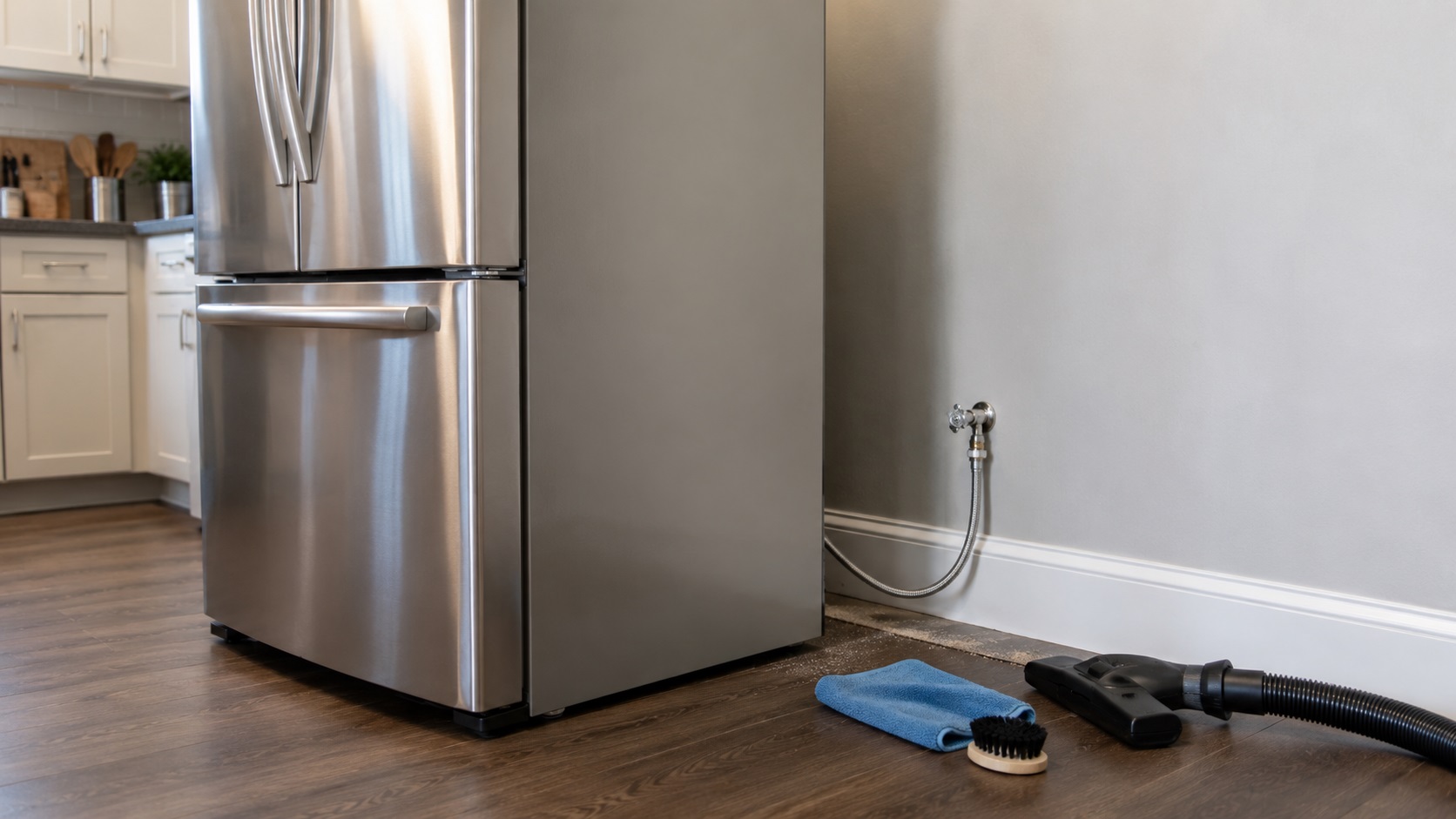
How to Prevent Mold Behind Refrigerators
To prevent mold behind refrigerators, keep the area clean, maintain airflow clearance, control kitchen humidity, and check water-line connections before small leaks or condensation problems stay hidden beneath the appliance.
The space behind and beneath a refrigerator often stays warm, dusty, and poorly ventilated. When moisture from condensation, spills, defrost drainage, or a slow water-line leak reaches that area, dust and debris can hold moisture long enough for mold to begin growing out of sight.
Prevention matters because many homeowners only discover refrigerator mold after noticing musty odors, flooring damage, or dark staining near the appliance. A simple cleaning and inspection routine can reduce that risk before moisture spreads into subfloors, trim, or nearby cabinetry.
The goal is not just to clean visible dust once, but to reduce the moisture, airflow, and maintenance conditions that allow mold to return behind the appliance.
For broader moisture-control habits that apply throughout the home, see how to prevent recurring moisture damage.
Why Mold Commonly Forms Behind Refrigerators
Mold commonly forms behind refrigerators when three conditions overlap: moisture, dust or food debris, and limited airflow. This area can collect all three because it is hard to see, hard to clean, and often installed close to walls or cabinets.
The most common prevention targets are dust buildup, condensation, slow water-line leaks, defrost moisture, and restricted ventilation. If you want the deeper cause-by-cause explanation, review why refrigerators cause hidden moisture problems.
If mold may already be present, this prevention article is no longer the best starting point. Review signs of mold under refrigerators before cleaning or moving the appliance extensively.
Maintain Proper Airflow Around the Refrigerator
Adequate airflow is one of the most important defenses against mold growth behind refrigerators. Without sufficient air movement, moisture lingers longer and heat buildup interferes with normal evaporation processes.
Refrigerators release heat during normal operation. This heat must dissipate into surrounding air to maintain safe operating temperatures and proper moisture evaporation. When airflow becomes restricted, heat and humidity accumulate behind the appliance, increasing the likelihood of condensation and moisture buildup.
Maintaining proper clearance around the refrigerator helps prevent these conditions. Most manufacturers recommend leaving a small amount of space between the appliance and surrounding surfaces. While spacing requirements vary slightly between models, several general guidelines apply in most installations:
- Leave at least 1 to 2 inches of space behind the refrigerator
- Allow ventilation space above the unit when possible
- Avoid pushing the refrigerator tightly against the wall
- Maintain side clearance when cabinets allow, especially near ventilation openings
- Ensure ventilation openings remain unobstructed
Proper airflow reduces condensation risk and improves evaporation from defrost pans. This helps keep surfaces dry and prevents moisture from accumulating beneath the appliance.
Restricted airflow is especially common in tightly designed kitchens where refrigerators are installed between cabinets. While built-in designs improve aesthetics, they may increase mold risk if ventilation spacing is inadequate.
If you have previously experienced moisture problems behind the refrigerator, increasing ventilation space can significantly reduce recurrence risk. However, airflow alone does not eliminate all moisture sources. Monitoring additional risk factors remains essential for long-term mold prevention.
Clean Behind and Under the Refrigerator Regularly
Regular cleaning behind and beneath the refrigerator is one of the most effective ways to prevent mold growth. Dust, food particles, and debris naturally accumulate in these hidden spaces over time. When moisture is introduced—even in small amounts—this buildup creates ideal conditions for mold to develop.
Many homeowners underestimate how quickly dust accumulates behind appliances. Refrigerator fans pull air across internal components, and that airflow carries dust into hidden areas. Over months, this debris forms thick layers that trap moisture and reduce airflow.
Cleaning helps remove both mold food sources and moisture-retaining materials. Without debris buildup, surfaces dry faster and moisture has fewer places to collect.
A practical cleaning schedule typically includes:
- Light cleaning every 3 to 6 months
- More frequent cleaning in homes with pets
- Additional cleaning after spills or leaks
- Seasonal deep cleaning when possible
- Inspection of hidden corners and floor seams
During cleaning, pay attention to areas where debris commonly collects. These include floor seams, cabinet toe-kicks, baseboards, and the rear section beneath the appliance. Even small accumulations of dust and food particles can absorb moisture and support mold growth.
Routine cleaning also provides opportunities to spot early warning signs of moisture problems. These may include damp surfaces, discoloration, or unusual odors. If moisture appears repeatedly, reviewing signs of water leaks behind refrigerators can help determine whether hidden moisture sources are developing.
Keep Dust From Blocking Airflow and Holding Moisture
Dust does more than make the area dirty. It can feed mold, hold moisture, restrict airflow, and reduce the refrigerator’s ability to release heat through the condenser coils.
When coils, floor edges, and nearby surfaces stay coated with dust or pet hair, moisture evaporates more slowly and hidden dampness becomes more likely.
Several steps help reduce dust-related moisture risk:
- Vacuum visible dust around refrigerator edges regularly
- Clean surrounding floor areas during routine kitchen cleaning
- Keep food debris from collecting beneath the appliance
- Monitor areas near baseboards and trim
- Remove pet hair buildup where applicable
Homes with pets often require more frequent cleaning due to fur accumulation. Pet hair behaves similarly to dust but collects faster and retains moisture longer.
Reducing debris not only lowers mold risk but also improves refrigerator performance. Clean airflow pathways allow moisture to evaporate more efficiently, reducing the likelihood of hidden dampness.
Monitor Moisture and Condensation
Preventing mold requires early awareness of moisture patterns. Monitoring moisture behind and beneath the refrigerator helps identify conditions that could lead to mold growth before damage occurs.
Condensation is one of the most common early moisture signals. While occasional condensation may be normal in humid environments, repeated moisture formation indicates conditions that require attention.
Moisture monitoring practices include:
- Checking for damp flooring during routine cleaning
- Watching for recurring condensation near appliance edges
- Noticing musty odors that return after cleaning
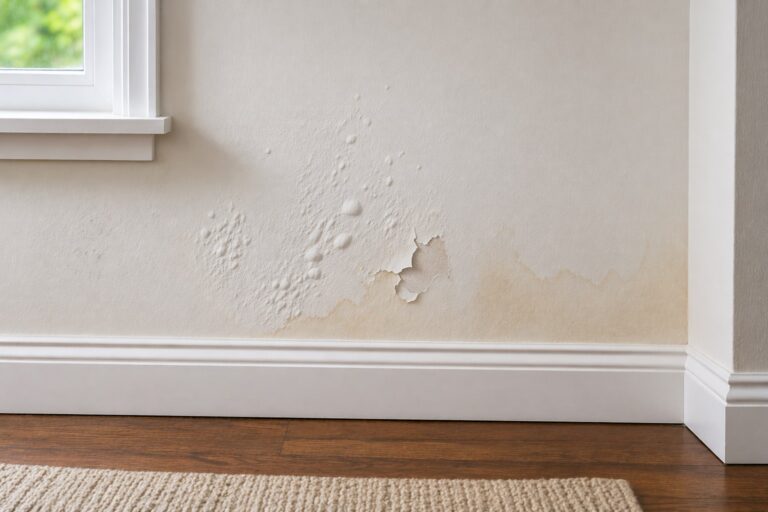
- Looking for discoloration along seams or trim
- Observing unusual moisture during seasonal humidity changes
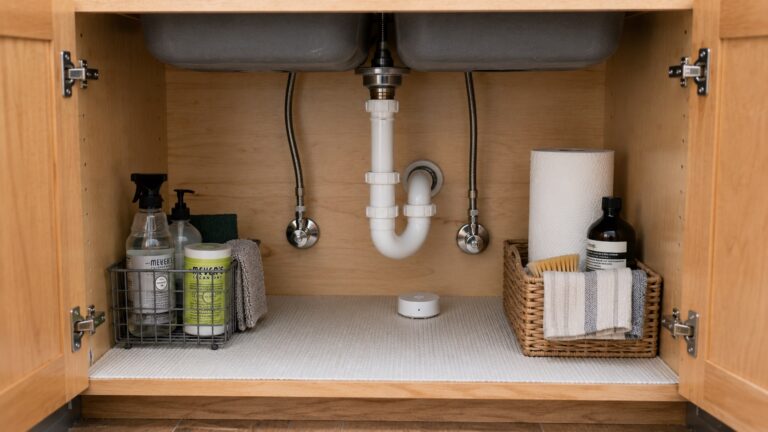
A small water leak detector behind or beside the refrigerator can also provide an early warning if a water line, fitting, or defrost drainage problem begins between routine inspections.
Recurring moisture should never be ignored. Even small amounts of water can gradually saturate flooring materials and create favorable conditions for mold growth.
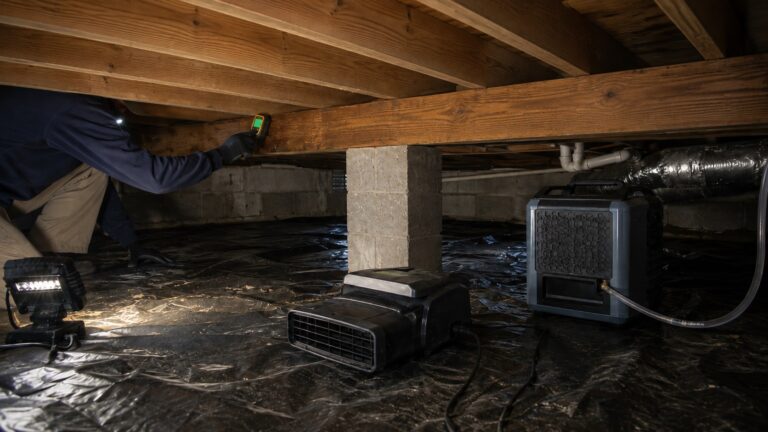
If persistent moisture is detected, further evaluation may be necessary. Learning how to detect hidden refrigerator water line leaks can help determine whether concealed plumbing problems are contributing to moisture buildup.
Monitoring moisture becomes especially important during high-humidity periods. Seasonal humidity increases the likelihood of condensation forming on cold surfaces, increasing mold risk if airflow remains limited.
Maintain Refrigerator Water Connections Safely
Water supply connections are one of the most important areas to maintain when preventing mold behind refrigerators. Even small leaks from ice maker or water dispenser lines can introduce moisture that remains hidden beneath the appliance for long periods.
While major plumbing failures are easy to detect, slow leaks are far more dangerous in this location. A loose fitting or aging water line may release only drops of water at a time, allowing moisture to spread gradually beneath flooring materials.
Preventive maintenance helps reduce the likelihood of hidden leaks developing. Although full inspection procedures are covered in detail in how to inspect refrigerator water connections, several preventive habits can reduce stress on water lines.
- Avoid pushing the refrigerator too tightly against the wall
- Leave slight slack in water supply tubing
- Prevent kinks or sharp bends in tubing
- Move the refrigerator carefully during cleaning
- Watch for signs of wear on visible tubing
Repeated movement is one of the most common causes of connection failure. Refrigerators are often pushed backward after cleaning, placing stress on fittings that may weaken over time. Leaving enough clearance to prevent tubing compression helps reduce long-term leak risk.
Before pulling the refrigerator forward, move it slowly and stop if the water line becomes tight, kinked, or trapped under the appliance.
If moisture appears repeatedly despite preventive measures, identifying the source quickly becomes important. Ignoring minor leaks allows moisture to penetrate flooring materials and create mold-friendly conditions.
Control Kitchen Humidity Levels
Indoor humidity plays a major role in mold prevention behind refrigerators. High humidity increases condensation risk, especially when warm kitchen air contacts cold refrigerator surfaces.
Kitchen environments naturally produce moisture during routine activities. Cooking, washing dishes, and boiling water release steam into the air. Without proper ventilation, humidity accumulates and increases the likelihood of condensation forming behind appliances.
Managing humidity reduces moisture exposure and helps surfaces dry faster. Several practical methods help maintain balanced humidity levels:
- Use kitchen exhaust fans while cooking
- Open windows when weather permits
- Allow steam to dissipate after dishwashing
- Wipe visible moisture after heavy cooking
- Maintain good overall kitchen ventilation
Humidity control becomes especially important during seasonal changes. Summer humidity often increases condensation risk, while winter conditions can create temperature differences that encourage moisture formation.
In homes where humidity remains consistently high, moisture problems may occur even without plumbing leaks. Monitoring environmental conditions helps prevent repeated condensation cycles that support mold growth.
Increase Prevention During High-Risk Conditions
Some refrigerators need more frequent cleaning and monitoring because the surrounding conditions make moisture more likely. Increase preventive routines when any of the following conditions apply:
- Previous mold growth has occurred behind or beneath the refrigerator
- Flooring, trim, or cabinet edges have been exposed to moisture before
- The refrigerator has an ice maker or water dispenser
- The appliance was recently installed, moved, or reconnected
- Kitchen humidity stays high during cooking or humid seasons
- Pets shed hair that collects around the appliance
- The refrigerator sits tightly between cabinets with limited airflow
During these periods, short and consistent maintenance is more effective than waiting for visible staining or odor. Check the floor edge, baseboards, tubing path, and nearby seams more often until conditions return to normal.
If moisture keeps returning despite cleaning, spacing, and humidity control, the problem may be a hidden leak rather than a maintenance issue. In that case, review signs of water leaks behind refrigerators.
Refrigerator Mold Prevention Checklist
- Clean behind and beneath the refrigerator every 3 to 6 months.
- Keep the appliance from pressing tightly against the wall or water line.
- Vacuum dust, pet hair, and food debris from floor edges and coil areas.
- Check for damp flooring, musty odors, staining, or recurring condensation.
- Inspect visible water tubing for kinks, wear, compression, or stress after moving the refrigerator.
- Use kitchen ventilation during cooking, dishwashing, or humid weather.
- Increase inspections after leaks, appliance movement, or previous mold growth.
FAQ About How to Prevent Mold Behind Refrigerators
How often should I clean behind my refrigerator to prevent mold?
Most homes benefit from cleaning behind the refrigerator every 3 to 6 months. Homes with pets, high humidity levels, or frequent cooking may require more frequent cleaning to prevent dust and moisture buildup.
How much space should be left behind a refrigerator?
Most refrigerators require at least 1 to 2 inches of space behind the unit to allow proper airflow. Always review manufacturer recommendations for your specific model to ensure safe ventilation spacing.
Can mold grow behind refrigerators without leaks?
Yes. Mold can develop from condensation and humidity even when plumbing connections are functioning normally. Restricted airflow and dust accumulation often create conditions that allow mold to form without visible leaks.
Does humidity affect mold growth behind refrigerators?
High humidity significantly increases mold risk. Moist air creates condensation on cold surfaces, allowing moisture to accumulate behind the appliance where evaporation is limited.
What should I do if mold keeps coming back behind my refrigerator?
Recurring mold growth usually means moisture is still returning. Check for a slow water-line leak, poor airflow clearance, repeated condensation, or damp flooring before cleaning the area again. If the source cannot be found, professional evaluation may be needed.


One Comment
Comments are closed.