
How to Fix Persistent Attic Moisture Problems: Step-by-Step Solutions That Stop Recurring Moisture
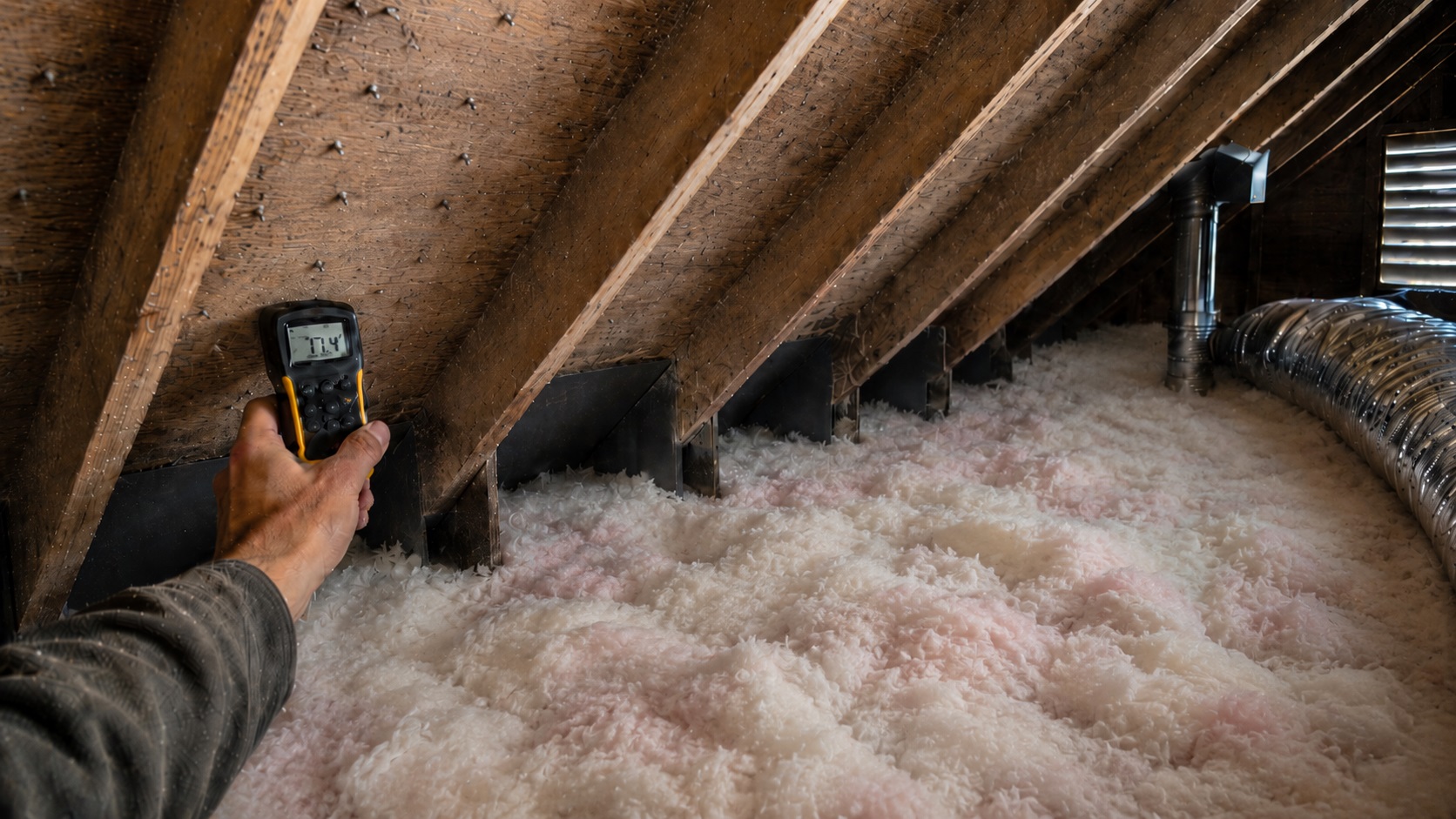
Persistent attic moisture usually means the attic is still receiving moisture from an unresolved source. If insulation stays damp, mold keeps returning, or odors never fully disappear, the fix is not more drying alone. The repair order is to stop moisture entry, restore balanced ventilation, correct exhaust routing, and replace insulation that can no longer dry safely.
Most recurring attic moisture problems are not caused by a single failure. Instead, they develop from a combination of airflow issues, humidity buildup, ventilation imbalance, and hidden air leakage. Understanding how these systems work together helps explain why moisture keeps returning—even after previous repairs appear successful.
Because recurring attic moisture is usually part of a larger moisture-return pattern, it also helps to compare the problem with why moisture problems keep returning before deciding whether the attic needs air sealing, ventilation correction, insulation replacement, or professional repair.
This guide focuses on the repair sequence rather than temporary cleanup. It explains which attic moisture problems can be corrected with targeted air sealing and ventilation work, and which patterns usually require professional evaluation.
Why Attic Moisture Keeps Returning After Repairs
Moisture that returns repeatedly almost always signals a deeper structural or airflow issue. Drying wet insulation or cleaning visible mold may temporarily improve conditions, but unless moisture pathways are eliminated, the problem will continue to reappear.
Repeated Drying Without Repair Does Not Solve the Problem
Many homeowners attempt to dry insulation multiple times after leaks or condensation events. While drying helps remove existing moisture, it does not prevent new moisture from entering the attic.
Common signs that drying alone is not solving the problem include:
- Insulation becoming damp again after drying
- Musty odors returning after several weeks
- Mold reappearing in previously cleaned areas
- Cold or damp spots developing repeatedly
- Moisture returning during seasonal weather changes
These patterns usually indicate unresolved moisture pathways. If insulation continues staying damp despite drying attempts, reviewing conditions explained in why attic insulation stays damp helps identify persistence factors that require structural correction.
Temporary Repairs Often Mask Larger Problems
Quick fixes—such as patching a roof leak or running fans—can temporarily reduce moisture levels. However, they may not address underlying ventilation or airflow defects that continue allowing moisture into the attic.
Temporary repairs may include:
- Sealing visible roof leaks without inspecting airflow pathways
- Adding fans without correcting ventilation design
- Drying insulation without removing compressed sections
- Cleaning mold without addressing humidity sources
These approaches treat symptoms rather than causes. Over time, untreated moisture pathways allow dampness to return.
Understanding how moisture originally forms—such as mechanisms described in why mold forms in attic insulation—helps identify the underlying sources that must be corrected.
Step-by-Step Fixes for Persistent Attic Moisture Problems
Use this sequence before replacing finishes or repeatedly drying the same insulation. Each step removes a moisture pathway that can cause dampness to return after earlier repairs.
Step 1: Seal Air Leakage Pathways From Living Spaces
Air leakage from living spaces into the attic is one of the most common causes of persistent moisture problems. Warm indoor air carries humidity upward through small openings, allowing moisture to enter insulation layers.
Common air leakage locations include:
- Ceiling light fixtures
- Electrical wiring penetrations
- Plumbing pipe openings
- Attic hatch frames
- Open wall top plates and plumbing chases
- Bathroom fan housings and ceiling penetrations
- Duct and vent connections
Seal these bypasses before adding insulation over them. Use appropriate air-sealing materials for the gap type, and keep insulation away from fixtures that are not rated for insulation contact.
If recurring moisture continues despite leak repairs, comparing airflow conditions with those outlined in how to detect hidden moisture in attics helps identify overlooked air leakage points.
Step 2: Restore Balanced Ventilation Airflow
After air leaks are sealed, ventilation must move attic air from intake to exhaust instead of leaving humid air trapped around insulation and roof framing.
Balanced ventilation requires:
- Open soffit intake vents
- Clear ridge or roof exhaust vents
- Unblocked airflow pathways
- Proper spacing between intake and exhaust vents
Insulation blocking soffit vents is a particularly common cause of ventilation failure. Removing obstructions allows fresh air to enter and helps carry moisture out of the attic.
If ventilation imbalance is suspected, preventive airflow guidance described in how to prevent moisture build-up in attics helps identify necessary corrections.
Step 3: Correct Exhaust Vent Routing Problems
Improperly routed exhaust systems are one of the most common causes of persistent attic moisture. Bathroom and kitchen exhaust fans are designed to remove humid air from the home, but if that air is discharged into the attic instead of outdoors, it introduces large amounts of moisture directly into insulation and framing materials.
Common exhaust routing failures include:
- Bathroom fans venting directly into attic space
- Kitchen exhaust ducts disconnected or leaking
- Flexible ducts crushed or kinked
- Ducts terminating short of exterior vent points
- Poorly sealed duct connections leaking humid air
These failures allow humidity to accumulate repeatedly, even after other repairs are completed. Moisture introduced from exhaust systems often concentrates in localized areas, causing recurring damp spots and mold growth.
If persistent moisture appears near duct outlets or ventilation pipes, comparing symptoms with those described in signs of moisture in attic insulation helps identify areas most likely affected by exhaust-related humidity.
Step 4: Remove Moisture-Damaged Insulation
Insulation that has been repeatedly exposed to moisture may lose its ability to dry effectively. Once insulation becomes compressed or contaminated with mold, it often traps moisture even after repairs are completed.
Removing damaged insulation prevents trapped moisture from continuing to affect surrounding materials.
If insulation is moldy, contaminated, or heavily disturbed, wear proper protection and avoid spreading debris into living areas. Large contaminated areas should be handled by a qualified remediation professional rather than treated as a simple drying project.
Insulation removal is commonly necessary when:
- Insulation remains compressed after drying attempts
- Mold contamination is visible across large areas
- Strong odors persist despite airflow improvements
- Repeated wetting cycles have occurred
- Insulation has lost structural integrity
If insulation damage appears extensive, reviewing recovery guidance in how to dry attic insulation after moisture exposure helps determine whether removal or drying is the better option.
Step 5: Confirm Airflow Reaches the Damp Areas
Even when ventilation systems are installed, airflow distribution may remain uneven. Some attic areas receive adequate airflow, while others remain stagnant and damp.
Uneven airflow distribution creates localized moisture retention zones that allow dampness to persist.
Common airflow distribution problems include:
- Dead zones where air movement is limited
- Improper placement of intake or exhaust vents
- Airflow pathways blocked by insulation or debris
- Inadequate vent spacing for attic size
Correcting airflow distribution means checking the actual damp zones, not only the vent openings. If the same corner, eave bay, or duct area keeps staying damp, airflow may still be blocked or misdirected in that specific area.
Fixing Ventilation Problems That Cause Persistent Moisture
Once the main moisture sources are corrected, the ventilation check should focus on whether air can actually move from the eaves to the exhaust vents. Persistent moisture often remains when one part of the attic has airflow while another bay, corner, or roof section stays stagnant.
Clearing Blocked Soffit Intake Vents
Soffit vents allow fresh air to enter attic spaces. When these vents become blocked by insulation or debris, airflow is reduced and humidity remains trapped.
Common causes of blocked soffit vents include:
- Insulation installed too tightly against vent openings
- Debris buildup inside vent channels
- Improper installation of insulation baffles
- Rodent or insect nesting materials
Clearing soffit vents restores airflow and allows moisture-laden air to move through the attic.
Ensuring Ridge or Roof Vents Remain Open
Ridge vents and roof vents provide exit points for humid air. If these vents become blocked or damaged, moisture accumulates inside the attic.
Typical ridge vent problems include:
- Debris blocking airflow openings
- Improper installation reducing airflow capacity
- Vent materials becoming clogged over time
- Insufficient vent length for attic size
If ridge ventilation appears ineffective, reviewing long-term moisture prevention strategies in how to prevent moisture build-up in attics helps identify improvements that support balanced airflow.
Balancing Intake and Exhaust Ventilation
Ventilation systems function best when intake and exhaust airflow remain balanced. Too much exhaust without adequate intake reduces airflow efficiency and allows moisture to remain trapped.
Balanced ventilation systems typically include:
- Sufficient intake airflow through soffits
- Proper exhaust airflow through ridge vents
- Unobstructed airflow pathways between intake and exhaust
- Even airflow distribution across attic areas
Balanced intake and exhaust matter most in the areas that were staying damp; if those sections still have weak airflow, moisture can return even when the attic has vents installed.
Air-Sealing Targets That Stop Moisture Entry
Air sealing should focus on the ceiling plane between the living space and the attic. Small bypasses around lights, pipes, ducts, and access panels can move humid indoor air into insulation even when no roof leak is present.
Sealing Ceiling Penetrations and Openings
Ceiling penetrations are among the most common pathways for moisture entry. These small openings allow air movement even when they appear insignificant.
Typical sealing targets include:
- Electrical wiring penetrations
- Plumbing pipe openings
- Ceiling light fixture housings
- Smoke detector wiring gaps
- Gaps around duct penetrations
Even minor openings can allow steady moisture movement into insulation layers. Do not seal around active wiring, recessed fixtures, chimneys, or flues unless the material and clearance are appropriate for that location.
If hidden moisture pathways are suspected, comparing airflow behavior with guidance found in how to detect hidden moisture in attics helps locate less visible leakage points.
Improving Attic Hatch and Access Door Seals
Attic access doors and hatches are frequent sources of air leakage. Poor sealing allows warm indoor air to escape upward, especially during colder months.
Common access hatch problems include:
- Loose-fitting covers
- Worn or missing seals
- Warped access panels
- Uninsulated hatch covers
Improving hatch seals helps prevent air movement into the attic and supports consistent moisture control.
Sealing Duct and Vent Connections
Air ducts running through attic spaces may leak humid air into insulation layers. Even small duct leaks allow moisture to escape continuously.
Key inspection areas include:
- Duct seams and joints
- Connections at vent boots
- Flexible duct transitions
- Areas near HVAC equipment
Correcting duct leakage improves airflow efficiency and reduces humidity exposure inside the attic.
When Professional Repairs Become Necessary
Some attic moisture problems require professional evaluation and repair. When moisture persists despite basic corrections, deeper structural or system-level failures may exist.
Persistent Moisture After Multiple Repairs
If moisture returns repeatedly despite attempts to correct leaks or improve ventilation, additional investigation is often required.
Warning signs that professional inspection may be necessary include:
- Moisture returning after multiple repair attempts
- Repeated mold growth in the same areas
- Musty odors that never fully disappear
- Damp insulation spreading to new locations
- Structural wood showing signs of moisture damage
These symptoms usually indicate hidden airflow or structural problems that require specialized inspection methods.
Large Areas of Moisture Damage
Widespread moisture problems increase the risk of structural damage and indoor air quality issues. Large affected areas often require professional-level solutions to ensure safe and effective repair.
Professional intervention may be necessary when:
- Large sections of insulation require replacement
- Mold contamination spreads across wide areas
- Roof structure shows signs of long-term moisture exposure
- Ventilation redesign becomes necessary
- Air sealing requires advanced equipment
When structural components are affected, early professional involvement helps prevent costly long-term damage.
Long-Term Prevention After Repairs
Fixing persistent attic moisture problems is only the first step. Preventing recurrence requires ongoing maintenance and monitoring to ensure repairs remain effective.
Inspect the Attic Regularly
Routine attic inspections help detect moisture problems before they become severe. Checking insulation condition and ventilation pathways at least once or twice per year reduces the risk of hidden moisture damage.
During inspections, look for:
- New damp insulation areas
- Blocked ventilation pathways
- Signs of condensation or frost
- Changes in insulation thickness
- Unusual odors
If new moisture indicators appear, reviewing early warning signs explained in signs of moisture in attic insulation helps determine whether further action is necessary.
Control Indoor Humidity Levels
Indoor humidity management plays a major role in preventing attic moisture recurrence. Excess humidity inside living spaces often leads to condensation problems in attic insulation.
Effective humidity control practices include:
- Using exhaust fans during cooking and bathing
- Maintaining consistent indoor temperatures
- Limiting indoor moisture-producing activities
- Ensuring exhaust systems vent outdoors
Humidity control helps only after attic bypasses and exhaust routing are corrected; otherwise, humid air can still be pulled into the attic through ceiling leaks and vent defects.
Frequently Asked Questions About Fixing Persistent Attic Moisture Problems
How do you permanently fix attic moisture problems?
Permanent solutions require identifying and correcting the root cause of moisture entry. This typically involves sealing air leaks, restoring balanced ventilation, correcting exhaust vent routing, and replacing damaged insulation when necessary. Temporary drying or cleaning alone rarely solves persistent moisture problems.
If moisture keeps returning despite earlier repairs, comparing failure patterns with why attic insulation stays damp helps identify the deeper causes that must be corrected.
What is the most common cause of recurring attic moisture?
Air leakage from living spaces into the attic is one of the most common causes of recurring moisture. Warm indoor air carries humidity upward through small openings in ceilings, ducts, and attic access points. Over time, this humidity condenses inside insulation and creates persistent damp conditions.
Do ridge vents fix recurring attic moisture by themselves?
No. Ridge vents only help when intake vents are open and humid indoor air is not leaking into the attic faster than ventilation can remove it. If soffit vents are blocked, bath fans discharge into the attic, or ceiling bypasses remain open, ridge vents alone will not stop recurring moisture.
Can air sealing stop attic condensation?
Air sealing can reduce attic condensation when the moisture is coming from warm indoor air leaking through the ceiling plane. It will not solve condensation caused by blocked ventilation, exhaust ducts dumping into the attic, or insulation that is already too wet or contaminated to recover.
When should a contractor be called for attic moisture problems?
Professional assistance is recommended when moisture returns repeatedly, mold spreads across large areas, structural wood becomes damp, or ventilation systems require redesign. Early contractor involvement often prevents more extensive structural damage.
If mold contamination has already occurred, reviewing long-term remediation guidance in how to remove mold permanently helps ensure safe and effective cleanup after repairs.
Conclusion: Fixing Moisture at the Source Prevents Recurring Damage
Persistent attic moisture should be treated as a source problem, not just a drying problem. If the same insulation, sheathing, or attic corner keeps getting damp, the repair is not complete until air leakage, exhaust routing, ventilation balance, and damaged materials have all been checked.
If moisture continues after those corrections, professional evaluation is the safest next step. Recurring attic moisture can point to hidden roof defects, ventilation design failures, or structural damage that basic drying cannot solve.
Key Takeaways
- Persistent attic moisture usually indicates unresolved airflow or ventilation problems.
- Drying alone does not solve recurring moisture issues without correcting root causes.
- Sealing air leakage pathways helps prevent humidity from entering attic spaces.
- Balanced ventilation removes moisture and supports long-term drying.
- Damaged or compressed insulation often requires removal and replacement.
- Recurring moisture after air sealing and ventilation corrections usually requires professional evaluation.
One Comment
Comments are closed.