
Signs of Roof Leaks Inside the House
Roof leaks often show up inside the house before you ever see obvious damage on the roof. A small opening around shingles, flashing, vents, or roof penetrations can let water travel through framing, insulation, and ceiling materials before it becomes visible in a living space.
The most common signs of roof leaks inside the house include ceiling stains, peeling paint, damp drywall, musty odors, water dripping during rain, and stains near upper walls or light fixtures. These signs should not be ignored, especially if they appear after storms or slowly return after drying.
Indoor roof leak signs can be confusing because the stain is not always directly below the roof problem. Water may run along rafters, roof decking, insulation, and ceiling joists before soaking into drywall, so the visible damage can appear several feet away from the actual leak source.
A simple timing clue is important: stains, drips, or damp odors that appear during rain or soon after storms are more suspicious for roof leaks than stains that appear only when plumbing fixtures, HVAC equipment, or bathroom exhaust systems are being used.
How Roof Leaks Show Up Inside Homes
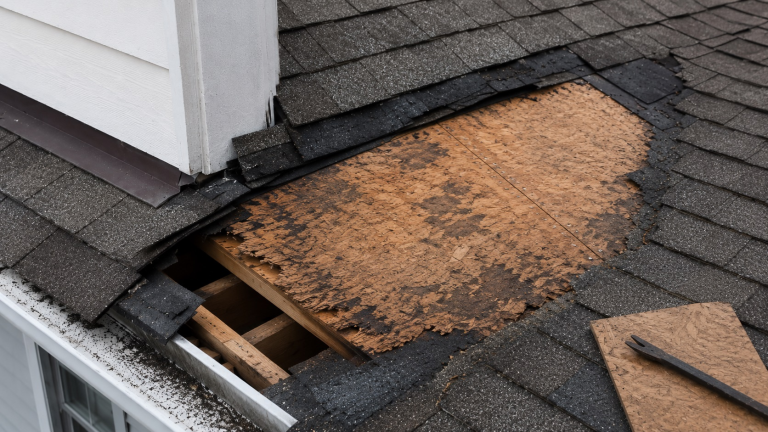
A roof leak usually begins outside, but the first clue often appears indoors. Water may enter through damaged shingles, failed flashing, cracked vent boots, loose fasteners, chimney gaps, skylight seals, or worn roof valleys. Once inside the roof system, gravity pulls the water downward, but framing can redirect it sideways before it reaches the ceiling.
This is why a roof leak can look like a ceiling problem, wall problem, or even an electrical fixture problem. The roof is the source, but the visible damage appears wherever the water finally collects and soaks through a finished surface.
If the leak is not obvious from inside the room, the next step is usually a more careful inspection. A related guide on how to detect hidden roof leaks can help separate visible interior symptoms from deeper leak tracing methods.
The Most Common Signs of Roof Leaks Inside the House
Some roof leaks are dramatic, with water dripping into the room during a storm. Others are slow and only show up as staining, odor, or paint damage. The signs below are the most common indoor clues that water may be entering from the roof.
Brown or Yellow Ceiling Stains
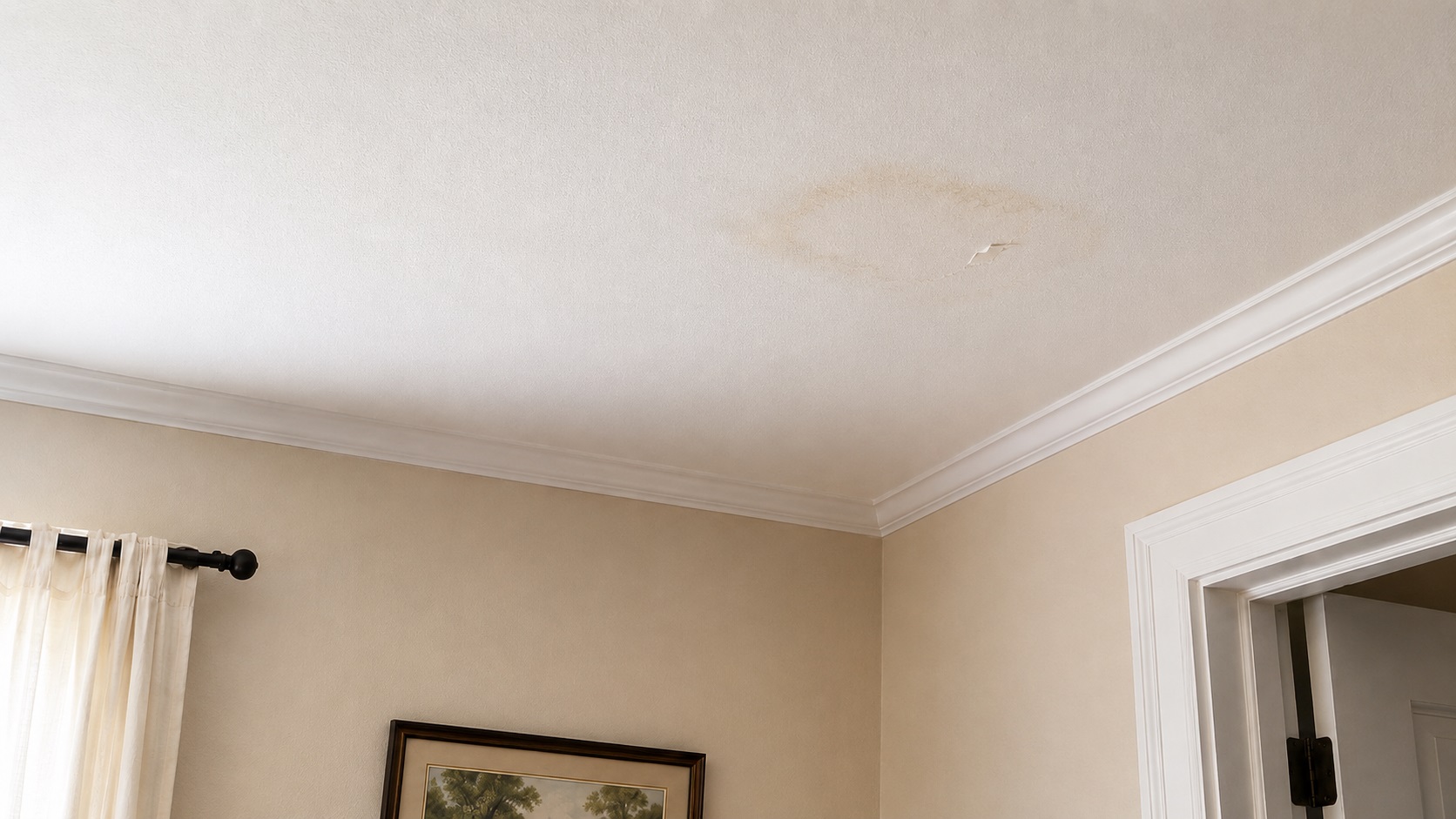
A brown, yellow, or tea-colored stain on the ceiling is one of the most common signs of a roof leak inside the house. These stains often appear in irregular circles or cloudy patches. They may be darker at the edges and lighter in the center.
Ceiling stains form when water carries dust, wood tannins, insulation particles, or other residue through ceiling materials. When the water dries, it leaves discoloration behind. If the stain appears after rain, grows over time, or returns after repainting, a roof leak should be high on the list of possible causes.
Peeling or Bubbling Paint
Paint and drywall compound do not respond well to repeated moisture. If roof water is soaking into the ceiling or upper wall, the paint may bubble, wrinkle, peel, or separate from the surface.
This often happens before active dripping is visible. The drywall may still look mostly intact, but the paint film begins to fail because moisture is trapped behind it. A bubble that appears after heavy rain is especially suspicious.
Damp or Soft Ceiling Drywall
Drywall that feels soft, swollen, or slightly spongy can indicate that water has soaked into the ceiling material. This is more serious than a dry stain because it means moisture may still be present inside the ceiling assembly.
Do not press hard on a soft ceiling area. Wet drywall can weaken, sag, or break open if it has absorbed enough water. If the area is spreading or beginning to sag, treat it as an active leak concern.
Less Obvious Signs Homeowners Often Miss
Not all roof leaks create dramatic stains or dripping water. Many begin as slow moisture intrusions that show subtle changes inside the home. These early signs are often overlooked until more serious damage develops.
Recurring Ceiling Stains That Return After Painting
A ceiling stain that disappears after painting but later returns is a strong indication of ongoing moisture intrusion. This often happens when homeowners repaint a water stain without fixing the underlying roof issue.
When moisture continues entering the ceiling space, it slowly pushes contaminants back through the drywall, causing the stain to reappear. If the same area becomes discolored again after rain, the leak is likely still active.
If recurring stains appear in multiple locations, the roof system itself may be failing in several areas. In that case, reviewing signs of water damage from roof leaks can help identify how widespread the problem may be.
Warped or Swollen Ceiling Trim and Molding
Wood trim and crown molding installed near ceilings can react to moisture long before drywall shows obvious damage. If these materials begin to swell, warp, or separate from the wall, it may indicate that water is entering the ceiling cavity.
This is especially common in rooms directly below roof edges, valleys, or dormers where water intrusion tends to concentrate.
Water Stains Near Light Fixtures or Ceiling Fans
Water entering around ceiling-mounted electrical fixtures is a serious warning sign. Leaks that travel along framing members can reach electrical boxes, causing staining around fixtures or inside the fixture housing.
If water appears inside a light fixture, do not touch the fixture or switch. Turn off power to the affected circuit at the breaker if it is safe to reach, and call a qualified professional if water has entered the fixture housing.
Leaks reaching electrical components often indicate deeper moisture pathways. In these cases, the next step may involve learning how to inspect roof areas for leak damage to locate the source safely.
Musty or Damp Odors Near Ceilings
A musty smell that becomes stronger after rain can signal hidden moisture above the ceiling. Even if visible stains have not formed yet, moisture trapped inside insulation or drywall can begin to support mold growth.
Odor-based warning signs are especially common in attic-connected rooms such as bedrooms, hallways, or closets located along exterior walls. These areas may trap moisture before visible staining occurs.
If musty odors persist after storms or humid weather, it is important to understand why roof leaks cause mold growth, since mold can begin forming in hidden spaces before becoming visible.
Signs That the Leak Is Getting Worse
Some roof leaks remain small for months, while others worsen quickly. When the signs below appear, the leak may be spreading, increasing in severity, or affecting structural materials inside the roof system.
Ceiling Stains That Continue to Expand
If a ceiling stain grows larger after each rainfall, it usually means the leak source is still allowing water into the structure. Expanding stains often indicate that water is spreading through insulation or framing before reaching the ceiling surface.
Even small increases in stain size should be taken seriously. Water migration inside roof systems rarely stays contained to one location.
Sagging or Bulging Ceiling Areas
A sagging ceiling is one of the most dangerous warning signs of a roof leak. This occurs when drywall absorbs large amounts of water and begins to lose structural strength.
The ceiling may appear to bow downward or form a bubble-like shape. This bubble often contains trapped water and can collapse unexpectedly.
If sagging is visible, keep people and valuables away from the area. Water-soaked drywall can fail suddenly without warning.
Multiple Leak Spots Appearing Indoors
When several ceiling stains appear in different locations, it may indicate widespread roof failure rather than a single isolated leak. This is common in aging roofs, roofs damaged by storms, or roofs with deteriorated flashing systems.
Multiple leak points often suggest that repairs may involve more than sealing one small area. In these cases, reviewing common roofing material failures can help identify broader roof system problems.
Where Roof Leak Signs Commonly Appear Inside Homes
Roof leak signs often appear in rooms directly below roof slopes, valleys, roof penetrations, or ventilation components. These locations are worth checking first after storms.
Bedrooms Located Under the Roof
Bedrooms directly below roof slopes often show early signs of leaks. Ceiling stains in these rooms frequently form after rain or snow melt, especially near exterior walls or roof valleys.
Leaks in bedrooms may go unnoticed at first if stains develop slowly or appear behind furniture.
Hallways and Central Ceilings
Hallways located below roof ridges or ventilation components are another common location for leak symptoms. These ceilings may show long stains following joist lines or seams in drywall panels.
Because hallways are frequently traveled areas, stain growth is often noticed sooner than in less-used rooms.
Closets Along Exterior Walls
Closets located along exterior walls often trap moisture from roof leaks. Because closets receive less airflow, moisture can accumulate more easily, leading to mold odor or visible staining.
Clothing or stored items may absorb moisture and develop musty smells before ceiling damage becomes obvious.
Bathrooms Near Rooflines
Bathrooms located near roof slopes are vulnerable to leak-related damage. Roof penetrations for vent pipes are common leak points, and water entering near these areas may appear on nearby bathroom ceilings.
Bathroom humidity can also slow drying, so a small roof leak near a vent pipe may stay damp longer than a similar leak in a drier room.
When Indoor Roof Leak Signs Need Immediate Action
Some roof leak signs can wait for routine inspection, but others require immediate attention. If certain conditions are present, delaying repairs can lead to structural damage, mold growth, or electrical hazards.
Active Dripping Water During Rain
Water dripping from the ceiling during storms is one of the clearest signs of a roof leak inside the house. This indicates that moisture has saturated building materials and found a direct path into the room.
Place containers under the drip to prevent damage to flooring and furnishings. However, containment is only temporary. The source of the leak still needs to be located and repaired.
Water Near Electrical Fixtures
Water around light fixtures, ceiling fans, or recessed lighting is especially dangerous. Electrical wiring and water do not mix safely, and even minor moisture exposure can create shock or fire hazards.
If water appears inside a fixture or drips from wiring areas, avoid touching the fixture, switch, or wet ceiling area. Turn off power at the breaker if it can be done safely, and have the electrical area inspected before using the fixture again.
What to Do After You Notice Roof Leak Signs
Once indoor signs of a roof leak appear, taking the right steps quickly can reduce further damage. Many homeowners focus only on cleaning visible water, but stopping the leak source and drying affected materials is the real priority.
Contain the Water Immediately
Use buckets, pans, or towels to collect dripping water and prevent damage to floors and furniture. If water is pooling on surfaces, remove items from the area to prevent staining or warping.
If a ceiling bubble forms and appears ready to burst, keep people and valuables away from the area first. Some homeowners carefully puncture the lowest point to drain trapped water into a container, but this should only be done with caution, eye protection, gloves, and a stable position because wet drywall can release suddenly.
Document the Damage
Take photos of stains, dripping areas, and damaged materials. Documentation helps track how the leak develops over time and can assist with insurance claims if repairs become extensive.
Photographs taken immediately after discovery often provide valuable evidence of the leak’s severity and progression.
Check the Attic or Upper Areas if Accessible
If the home has an attic, inspect the area above the stain when conditions are safe. Look for wet insulation, dark wood surfaces, or visible water trails along framing.
If you are unsure how to proceed, reviewing how to detect hidden roof leaks can provide a structured approach to identifying moisture pathways safely.
Begin Drying Affected Materials
Drying is an important step after any roof leak. Even minor moisture trapped inside insulation or drywall can create long-term problems if not removed.
Use fans and ventilation only after active dripping has stopped and the area is electrically safe. If damage appears widespread, professional drying methods may be necessary. A related guide on signs of water damage from roof leaks explains how moisture can continue spreading if materials remain wet.
When to Call a Professional Roofer
Call a roofer when indoor signs keep returning, appear in several rooms, involve electrical fixtures, or suggest that the roof system is failing in more than one area.
When Leak Signs Continue After Temporary Repairs
If stains or drips return after patching or sealing visible roof areas, the original repair may not have addressed the actual leak source. Water often enters at one location but appears in another.
Repeated leak symptoms usually indicate a more complex problem that requires systematic inspection.
When Multiple Leak Signs Appear
Multiple stains, soft ceiling areas, or recurring moisture in different rooms can suggest widespread roof deterioration. Aging shingles, damaged flashing, or worn materials may allow water into several points simultaneously.
Understanding broader roof failures can help homeowners recognize patterns. Reviewing common roofing material failures helps explain why leaks often develop as roofs age.
When Mold Odors or Visible Growth Appear
If musty smells persist or visible mold appears near ceiling areas, the leak may have been active for an extended period. Mold may begin developing within 24–48 hours when materials stay damp, especially in warm or poorly ventilated spaces.
A separate guide explains why roof leaks cause mold growth when moisture remains trapped above ceilings or inside attic materials.
Frequently Asked Questions About Roof Leaks Inside the House
Can roof leaks appear far from the actual leak location?
Yes. Water often travels along framing members, insulation, or roof decking before reaching a visible surface. This means the stain you see may not be directly below the roof damage.
Are ceiling stains always caused by roof leaks?
No. Ceiling stains can also result from plumbing leaks, condensation problems, or HVAC issues. However, stains that appear after storms or worsen during rainfall often point to roof-related moisture.
Can a small roof leak fix itself?
No. Roof leaks rarely resolve without repair. Even minor openings allow repeated water entry, leading to worsening damage over time.
Can a roof leak cause musty odors before mold is visible?
Yes. A musty odor near ceilings, closets, or upper walls after rain can mean moisture is trapped above finished surfaces. Visible mold may not appear until the leak has remained wet long enough to support growth.
Should I puncture a ceiling bubble caused by water?
Only if the bubble appears likely to burst and you can safely control the water flow. Keep people and valuables away first, use eye protection and gloves, and place a container underneath. If the ceiling is sagging badly or electrical fixtures are nearby, seek professional help.
What Indoor Roof Leak Signs Mean
Signs of roof leaks inside the house are often subtle at first but become more serious over time. Ceiling stains, peeling paint, damp odors, and sagging drywall are all warning signals that moisture may be entering from the roof system.
Addressing indoor roof leak signs early protects both the structure of the home and the safety of the people living inside it. Even small stains should be investigated to prevent larger problems later.
Key Takeaways
- Brown or yellow ceiling stains are one of the most common signs of roof leaks inside the house.
- Water often travels along framing before appearing indoors, so stains may not align with the actual leak location.
- Soft drywall, sagging ceilings, or dripping water indicate increasing leak severity.
- Water near electrical fixtures should be treated as a serious safety concern.
- Signs that appear during rain or soon after storms are especially suspicious for roof-related water entry.
3 Comments
Comments are closed.