How to Improve Airflow in Crawl Spaces
To improve airflow in a crawl space, start by clearing blocked vents, removing insulation or stored items from airflow paths, cleaning debris from the crawl space floor, and making sure air can move from one side of the space to the other. If humidity, musty odors, or damp wood continue after those steps, the problem may involve poor vent placement, ground moisture, drainage issues, or a ventilation design that needs professional evaluation.
This article focuses on practical airflow improvements, not full crawl space repair. For symptoms that suggest the vents have already failed, compare your conditions with signs of moisture caused by crawl space vent failure. If mold risk is the main concern, see why crawl space airflow problems lead to mold growth.
Why Crawl Space Airflow Matters
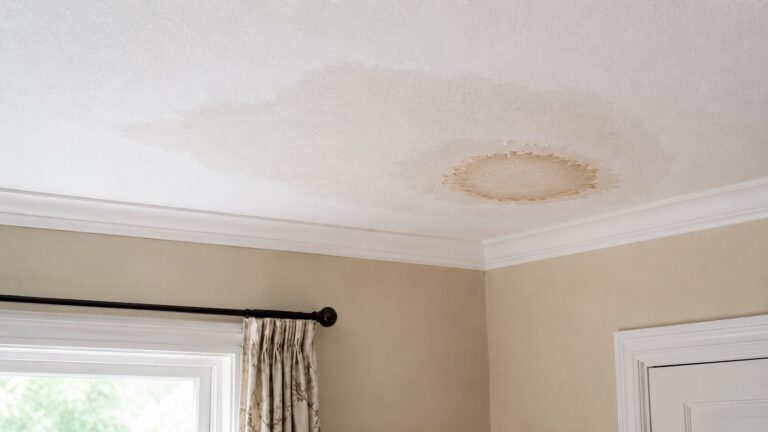
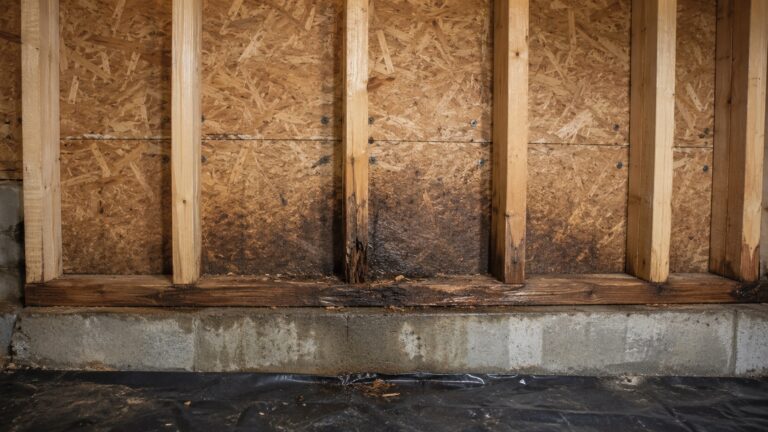
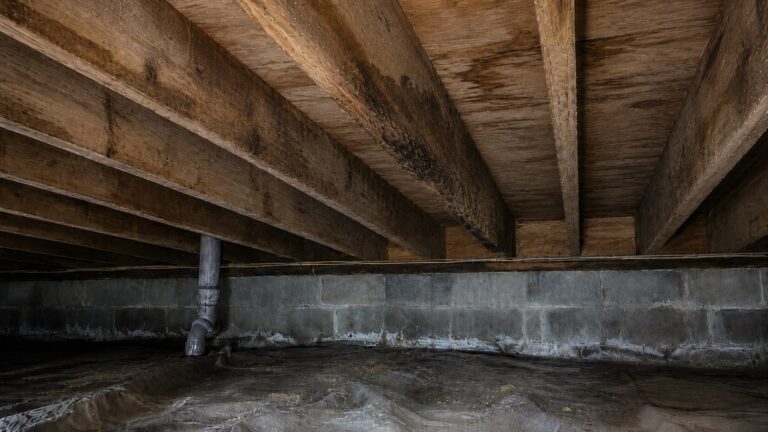
Airflow matters because it helps move humid air out before it settles on wood, insulation, ducts, and foundation surfaces. When air becomes stagnant, crawl space moisture stays in place long enough to support mold, odors, condensation, and wood deterioration.
Airflow Removes Moisture Before It Becomes a Problem
All crawl spaces produce moisture naturally. Soil releases water vapor continuously, even when no standing water is present. Airflow helps remove this moisture before it settles onto surfaces.
When airflow functions properly:
- Humidity levels remain stable
- Condensation dries quickly
- Wood materials stay drier
- Insulation performs more effectively
- Mold growth risk remains low
Without airflow, moisture accumulates silently and spreads across large areas. This gradual buildup is one of the most common reasons crawl space problems develop unnoticed.
Airflow Protects Structural Materials
Wood framing and subfloor materials are especially vulnerable to moisture damage when airflow is poor. Prolonged humidity exposure allows moisture to enter wood fibers, weakening structural strength over time.
Proper airflow protects these materials by:
- Reducing moisture absorption
- Limiting condensation cycles
- Preventing long-term dampness
- Supporting faster drying after humid conditions
These protective effects help maintain the stability of floors and support systems above the crawl space.
Clear Blocked Crawl Space Vents
One of the simplest and most effective ways to improve airflow is to clear blocked crawl space vents. Vent openings allow air to enter and exit the crawl space, creating the airflow needed to remove moisture. When vents become blocked, airflow slows dramatically.
Remove Exterior Debris Around Vent Openings
Exterior debris is one of the most common causes of blocked airflow. Over time, leaves, mulch, soil, and landscaping materials can accumulate around vent openings.
Check for:
- Leaves packed against vent covers
- Mulch piled above vent height
- Soil buildup partially covering openings
- Grass or vegetation blocking airflow paths
- Snow or seasonal debris accumulation
Removing these obstructions restores airflow and allows moisture to move out of the crawl space more efficiently.
Inspect Vent Covers for Blockages
Vent covers themselves can become clogged with debris or damaged over time. Broken or clogged vent covers restrict airflow and reduce ventilation efficiency.
Look for:
- Dirt buildup inside vent screens
- Pest nests blocking openings
- Damaged louvers that do not open properly
- Vent screens clogged with dust or debris
- Corroded or bent metal covers
Cleaning or replacing damaged vent covers can significantly improve airflow and reduce moisture buildup beneath the home.
Maintain Proper Ground Clearance Around Vents
Ground levels around crawl space vents must remain low enough to allow unrestricted airflow and keep water from washing into the opening. Landscaping projects sometimes raise soil, mulch, or gravel near foundations until vents are partly buried.
Maintain clearance by:
- Keeping soil levels below vent openings
- Avoiding landscaping that covers vent areas
- Checking foundation edges after heavy rain
- Monitoring erosion or soil buildup patterns
Maintaining proper clearance ensures vents remain functional throughout the year.
Remove Internal Airflow Obstructions
Even when exterior vents appear clear, airflow problems often persist because of obstructions inside the crawl space. Internal blockages prevent air from moving freely across the space, creating pockets of trapped humidity known as dead zones. Removing these obstructions is one of the most effective ways to improve airflow without major structural changes.
Reposition or Remove Insulation Blocking Vents
Insulation is frequently installed between floor joists above crawl spaces, but it sometimes shifts or falls out of place over time. When insulation covers vent openings, airflow is reduced or completely blocked.
Wear gloves, eye protection, and a mask when handling fallen or damp insulation, and do not disturb material that may be contaminated with mold, pests, or sewage.
Check for these common problems:
- Insulation hanging over vent openings
- Collapsed insulation resting against foundation walls
- Insulation pushed into vents during installation
- Moist insulation sagging into airflow paths
- Loose insulation covering vent screens
If insulation blocks vents, repositioning it can restore airflow immediately. In cases where insulation is damp or damaged, conditions may resemble those described in signs of poor crawl space ventilation, where airflow problems create widespread moisture buildup.
Remove Stored Materials From Crawl Spaces
Crawl spaces are poor storage areas because boxes, wood scraps, and unused materials interrupt airflow and trap moisture against the ground or foundation walls. Cardboard and fabric items can also hold humidity long after the rest of the space begins to dry.
Items commonly causing airflow restrictions include:
- Stored cardboard boxes
- Construction materials
- Unused insulation rolls
- Old furniture or household items
- Loose debris left behind after repairs
Removing unnecessary materials improves air circulation and reduces areas where moisture can accumulate unnoticed.
Clear Debris From Crawl Space Floors
Debris beneath the home can interrupt low-level airflow, especially near foundation edges, vents, and narrow crawl space sections.
Common debris sources include:
- Wood fragments left from construction
- Pieces of fallen insulation
- Organic debris carried in through vents
- Loose plastic materials
- Dirt piles near foundation edges
Keeping crawl space floors clean improves airflow consistency and reduces moisture buildup near the ground surface.
Improve Air Movement Across the Crawl Space
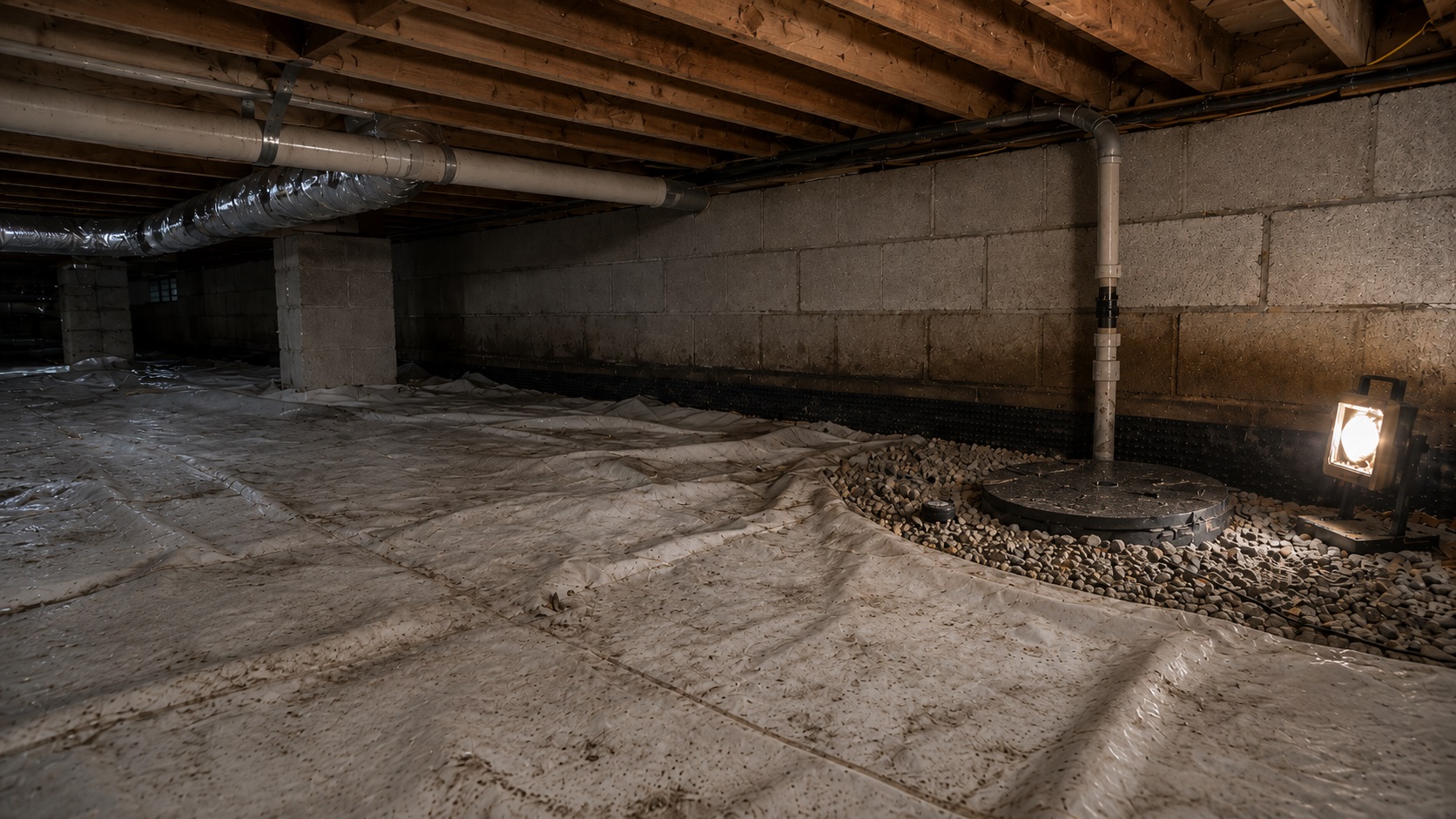
Clearing vents alone may not fully restore airflow if air cannot move freely from one side of the crawl space to the other. Effective ventilation requires continuous air movement across the entire area, not just near individual vents.
Understand Cross-Ventilation Principles
Cross-ventilation allows air to enter from one side of the crawl space and exit through another opening. This directional movement carries moisture away and prevents stagnant air from accumulating.
Effective cross-ventilation requires:
- Open vents on opposite sides of the crawl space
- Clear airflow pathways between openings
- No major obstructions between intake and exit vents
- Balanced airflow across the entire space
If vents are positioned correctly but airflow remains weak, additional evaluation methods similar to those outlined in how to detect inadequate crawl space airflow may help identify hidden restrictions.
Reduce Dead Zones in Crawl Space Corners
Dead zones occur when air becomes trapped in isolated areas where airflow cannot circulate. These zones often develop in corners, behind structural supports, or beneath large obstructions.
Common dead zone locations include:
- Crawl space corners far from vent openings
- Areas behind foundation piers
- Spaces beneath large ductwork systems
- Locations blocked by structural supports
- Sections beneath tightly packed insulation
Improving airflow through these areas helps prevent moisture from collecting in isolated pockets that promote mold growth.
Create Clear Air Pathways Between Vents
Airflow depends on unobstructed pathways between entry and exit points. If air cannot move across the crawl space, moisture removal becomes inconsistent.
Improving air pathways may involve:
- Repositioning materials blocking airflow routes
- Keeping pathways open between vent openings
- Ensuring crawl space access areas remain clear
- Removing unnecessary barriers between structural components
These improvements support steady airflow and reduce the humidity buildup that leads to moisture damage over time.
Check Vapor Barriers for Airflow Impact
Vapor barriers are designed to reduce moisture rising from the ground, but improper installation can interfere with airflow. When barriers block vent openings or disrupt air movement, humidity levels may increase rather than decrease.
Do not remove a ground vapor barrier just to increase airflow; correct the blockage while keeping the soil covered whenever possible.
Ensure Vapor Barriers Do Not Block Vents
Vapor barriers sometimes shift or extend too close to vent openings. When plastic covers vents or restricts air movement, airflow efficiency drops significantly.
Inspect for:
- Plastic sheets covering vent openings
- Loose barrier edges blocking airflow paths
- Material pushed into vents during installation
- Barrier sections overlapping ventilation openings
Correcting these issues restores airflow and prevents moisture from becoming trapped inside the crawl space.
Secure Loose Vapor Barrier Sections
Loose vapor barriers can rise into airflow pathways or shift during seasonal temperature changes. Securing these sections helps maintain consistent air movement.
Common stabilization methods include:
- Flattening raised barrier edges
- Repositioning loose plastic sections
- Keeping seams aligned along foundation walls
- Removing excess material interfering with airflow
These adjustments help maintain airflow continuity while preserving moisture control benefits.
Use Fans to Improve Airflow When Needed
In some crawl spaces, natural ventilation alone may not move air evenly through the entire space. Supplemental fans can help circulation when vents and pathways are already clear, but they should not be used to pull humid outdoor air into a crawl space or to compensate for standing water, drainage problems, or an uncovered soil floor.
When Supplemental Fans Can Improve Airflow
Fans are most effective when airflow exists but is insufficient to move moisture out of the crawl space quickly. They help circulate air through areas where natural movement is limited.
Situations where fans may help include:
- Crawl spaces with limited cross-vent airflow
- Areas with persistent humidity despite open vents
- Spaces with known dead zones or stagnant air pockets
- Homes located in regions with seasonal humidity spikes
- Large crawl spaces where natural airflow moves slowly
Fans can improve circulation by moving air across the crawl space, but they work best when ground moisture, drainage, and vent obstructions are already under control.
Where Fans Should Be Positioned for Best Results
Proper fan placement is essential for improving airflow. Fans should support natural airflow patterns rather than work against them.
Effective placement locations include:
- Near areas with weak airflow movement
- Opposite existing vents to promote cross-vent circulation
- In corners where stagnant air commonly develops
- Along long crawl space sections with limited air movement
Positioning fans incorrectly may reduce airflow efficiency, so careful placement is important when using supplemental ventilation.
Limitations of Fan-Based Airflow Improvements
Although fans improve circulation, they cannot solve all airflow problems. Some conditions require structural changes rather than simple airflow support.
Fans are less effective when:
- Vents remain blocked or damaged
- Moisture sources are uncontrolled
- Airflow pathways remain obstructed
- Structural ventilation design is inadequate
If airflow problems persist despite using fans, more advanced solutions may be required. In those cases, the repair-level decisions described in how to fix persistent crawl space ventilation problems may become necessary.
Maintain Proper Vent Operation Year-Round
Improving airflow once is not enough to prevent moisture problems permanently. Crawl space vents require routine monitoring to remain effective throughout the year. Seasonal changes, weather conditions, and maintenance habits all influence long-term airflow performance.
Keep Vents Open and Functional
Vents should remain unobstructed to maintain airflow. Periodic inspection helps prevent small blockages from becoming major restrictions.
Routine checks should include:
- Confirming vents remain open and unobstructed
- Removing seasonal debris buildup
- Checking vent covers for proper operation
- Inspecting for pest-related blockages
- Monitoring vent screens for damage
These routine inspections help maintain consistent airflow and reduce the risk of moisture buildup.
Adjust Vent Conditions Based on Seasonal Needs
Seasonal weather affects crawl space airflow because outside air can either help drying or add humidity. In hot, humid weather, open vents may not solve moisture problems by themselves.
Seasonal airflow considerations include:
- Monitoring humidity during warm weather
- Checking vents after heavy storms
- Maintaining airflow during high-humidity periods
- Watching for condensation during seasonal temperature shifts
Understanding seasonal airflow behavior helps homeowners maintain stable moisture conditions throughout the year.
Monitor Crawl Space Conditions Regularly
Routine monitoring allows homeowners to detect airflow problems before they lead to significant moisture damage. Crawl spaces should be checked periodically for early warning signs.
Key inspection indicators include:
- Changes in odor levels
- Visible moisture on surfaces
- Damp insulation or soil conditions
- Reduced airflow near vent openings
- Evidence of blocked pathways
Monitoring these conditions supports early detection of airflow limitations and helps prevent long-term damage.
When Airflow Improvements Are Not Enough
Basic airflow improvements should help when the problem is caused by blocked vents, fallen insulation, stored items, loose vapor barrier sections, or debris. If the crawl space stays damp after those corrections, the problem may involve vent placement, drainage, soil moisture, structural layout, or a repair issue outside normal maintenance.
Consider professional evaluation if humidity remains high, musty odors reach the living space, mold returns repeatedly, condensation continues, floor framing feels soft, or floors above the crawl space begin to warp or sag. These conditions may match the repair-level problems described in signs crawl space ventilation needs repair or how to fix persistent crawl space ventilation problems.
Key Takeaways
- Start by clearing exterior vent openings, vent covers, insulation, stored items, and debris that block airflow.
- Airflow must move across the crawl space, not just enter near one vent.
- Vapor barriers should control ground moisture without covering vents or blocking air paths.
- Fans can help circulation only when vents, pathways, and moisture sources are already under control.
- Seasonal humidity can affect whether outside air helps or worsens crawl space moisture.
- Persistent humidity, mold, odors, condensation, or soft framing means airflow improvements alone are not enough.
FAQ: How to Improve Airflow in Crawl Spaces
Before changing vent layout or adding openings, remember that vent requirements vary by local code and crawl space design, especially when comparing vented crawl spaces with sealed or conditioned crawl spaces.
How many crawl space vents are typically needed?
The number of vents needed depends on crawl space size, vent net-free area, layout, local code, and whether the crawl space is vented or unvented. Proper spacing and placement matter more than simply adding more openings. Inadequate placement can limit airflow even when several vents are present.
Can adding more vents improve airflow?
In some cases, additional vents may improve airflow, but this usually requires professional planning. Improperly placed vents may not improve airflow and could create uneven circulation patterns.
Should crawl space vents stay open year-round?
In many climates, keeping vents open helps maintain airflow and reduce humidity buildup. However, seasonal adjustments may be appropriate depending on regional temperature and moisture conditions.
Do crawl space fans help improve airflow?
Fans can help improve air movement in certain crawl spaces, especially where airflow is weak or uneven. However, fans should not be considered a replacement for proper ventilation, drainage correction, vapor control, or structural airflow design.
Can improving airflow stop mold growth?
Improving airflow can reduce mold risk by lowering humidity and helping damp surfaces dry faster. However, mold problems caused by standing water, wet soil, plumbing leaks, or drainage issues usually require additional moisture control measures alongside airflow improvements.
Conclusion: Improving Crawl Space Airflow Supports Long-Term Moisture Control
Improving crawl space airflow starts with simple corrections: clear blocked vents, remove internal obstructions, keep air pathways open, and make sure vapor barriers or insulation are not blocking movement. If those steps do not reduce humidity, odors, condensation, or damp wood, the crawl space likely needs deeper moisture control or ventilation repair.
For broader prevention planning, use how to prevent recurring moisture damage to connect airflow improvements with drainage, vapor control, drying, and long-term monitoring.