Why Crawl Spaces Flood During Heavy Rain
Crawl spaces flood during heavy rain when water reaches the foundation faster than the soil, gutters, drains, or crawl space drainage system can move it away. The most common causes are saturated soil, poor yard grading, clogged gutters or downspouts, blocked surface drains, rising groundwater, and cracks or gaps in the foundation.
Heavy rain does not usually create a brand-new problem by itself. It exposes weak points that may stay hidden during light rain, such as soil sloping toward the house, low spots beside the foundation, damaged drainage pipes, utility penetrations, or wall joints that leak only under pressure. Many of the same pressure and drainage patterns are explained in why basement walls leak during rain.
If water is already present, signs of standing water in crawl spaces explains how to recognize active pooling, residue lines, soil erosion, and dampness patterns before they turn into recurring flood damage.
How Heavy Rain Changes Soil and Water Movement
Heavy rainfall dramatically alters the way water moves through soil around your home. Under normal conditions, soil absorbs moisture gradually and allows excess water to drain away. However, during intense rainfall, soil becomes saturated and loses its ability to absorb additional water. Once saturation occurs, water begins moving across and through the soil in new directions.
This change in soil behavior is one of the most important reasons crawl spaces flood during storms. Instead of soaking into the ground, excess water collects near the foundation and begins searching for entry points into the structure.
Soil Saturation Limits Water Absorption
Soil contains small air pockets that normally hold both air and moisture. During heavy rainfall, these spaces fill with water. Once the soil becomes saturated, additional rainfall cannot be absorbed effectively.
When soil saturation occurs:
- Water remains on the surface longer
- Drainage slows dramatically
- Moisture spreads horizontally instead of downward
- Water begins accumulating near structural walls
Saturated soil increases the likelihood of crawl space flooding because water that cannot drain downward begins moving sideways. This horizontal movement directs water toward foundation walls, where it may eventually enter the crawl space.
Hydrostatic Pressure Builds Against Foundation Walls
As soil becomes saturated, pressure builds against foundation walls. This pressure, known as hydrostatic pressure, pushes water toward structural surfaces. The greater the rainfall intensity, the greater the pressure applied to foundation materials.
Hydrostatic pressure forces water through:
- Small cracks in foundation walls
- Joints between foundation sections
- Porous concrete or masonry surfaces
- Gaps around utility penetrations
Even well-built foundations can allow small amounts of water to pass through under sustained pressure. Over time, repeated pressure cycles may widen existing cracks or create new pathways for water entry.
If your crawl space repeatedly becomes wet after storms, it may indicate that water is entering through pathways similar to those described in how water enters homes through structural gaps. These pathways become more vulnerable as pressure increases.
Drainage Systems Become Overloaded During Intense Rain
Exterior drains, gutters, downspouts, and crawl space drainage systems may handle light rain but fail during storm-level runoff. Once more water reaches the foundation than these systems can move away, the crawl space becomes a collection point.
Common drainage overload conditions include:
- Gutters filling faster than they can empty
- Downspouts releasing large volumes of water
- Surface drains becoming overwhelmed
- Soil becoming unable to absorb runoff
Once drainage systems are overloaded, water collects wherever it can move most easily. In many homes, that means the crawl space floor, foundation seams, vents, access openings, or low corners become the first places to show water.
Poor Exterior Grading and Yard Slope Problems
Improper exterior grading is one of the most common reasons crawl spaces flood during heavy rain. Soil should slope away from the foundation, but when it slopes inward, rainwater collects beside the crawl space wall and increases pressure against entry points.
Grading problems often develop gradually. Soil settles after construction, landscaping changes alter drainage patterns, or improper installation leaves the yard sloping in the wrong direction. These changes may go unnoticed until heavy rain reveals the weakness.
Improper Slope Direction Toward the Foundation
Exterior soil should slope downward away from the home to encourage water runoff. When soil slopes toward the foundation, rainwater collects around the base of the structure instead of draining safely away.
Improper slope direction causes:
- Water pooling against foundation walls
- Soil saturation near structural surfaces
- Increased hydrostatic pressure
- Higher risk of water entering crawl spaces
This condition is especially dangerous during prolonged rainfall. As water continues to accumulate near the foundation, pressure builds and forces moisture through cracks and openings.
If water regularly gathers near the home after storms, it may eventually lead to the standing water conditions described in signs of standing water in crawl spaces, especially when drainage problems are left unresolved.
Low Spots Near Foundation Walls
Even when most of the yard slopes correctly, small depressions beside the foundation can hold water after storms. Check for puddles near crawl space vents, access doors, downspout outlets, and foundation corners, because these are common places where water begins entering first.
Low spots may form due to:
- Soil settling over time
- Erosion from repeated rainfall
- Improper landscaping installation
- Heavy equipment compacting soil unevenly
Water trapped in low areas increases the duration of soil saturation near the foundation. As saturation continues, the likelihood of water entering the crawl space increases significantly.
Surface Runoff Directed Toward the Home
Surface runoff becomes a crawl space flooding problem when water from driveways, sidewalks, patios, slopes, or neighboring yards is directed toward the foundation instead of away from it.
Common runoff sources include:
- Driveways sloping toward the structure
- Sidewalks directing water inward
- Neighboring properties draining toward your yard
- Large paved surfaces that prevent water absorption
The main warning sign is repeated wetness along the crawl space wall closest to the runoff path outside.
Blocked or Failing Drainage Systems
Drainage systems are designed to remove excess water before it reaches the foundation. However, when these systems become blocked or damaged, water remains trapped near the home. Heavy rainfall exposes these failures quickly, often leading to sudden crawl space flooding.
Many homeowners assume drainage systems function indefinitely, but routine maintenance is necessary to prevent blockages and mechanical failures.
Clogged Gutters and Downspouts
Gutters and downspouts are often the first exterior system to check after crawl space flooding. When gutters overflow or downspouts discharge too close to the house, roof runoff lands beside the foundation and can overwhelm the crawl space area during a storm.
Clogged gutters cause:
- Water cascading along foundation walls
- Localized soil saturation near entry points
- Repeated exposure to water pressure
- Increased likelihood of foundation seepage
A simple clue is a wet crawl space wall directly below the outside area where gutter overflow or downspout discharge is strongest.
Blocked Surface Drains
Surface drains remove water from low areas around the home. When these drains become clogged, water accumulates in surrounding areas instead of draining properly.
Common causes of blocked drains include:
- Leaves and organic debris buildup
- Sediment accumulation inside pipes
- Roots growing into drainage lines
- Improper installation causing poor flow
Blocked surface drains often leave water ponding outside the crawl space wall. If that ponded area lines up with the wettest part of the crawl space, the drain blockage may be feeding the flooding instead of a foundation defect alone.
Collapsed or Damaged Drainage Pipes
Drainage pipes buried underground may become damaged over time. Soil movement, heavy loads, or corrosion can cause pipes to collapse or develop cracks. When this happens, water flow becomes restricted or stops completely.
Damaged pipes create several flooding risks:
- Water backing up toward the foundation
- Soil erosion near pipe failures
- Reduced drainage capacity during storms
- Localized flooding in crawl spaces
If flooding occurs repeatedly during heavy rain, inspecting drainage systems becomes necessary. Problems like these are often discovered during evaluations described in how to inspect crawl space drainage systems, especially when water appears despite otherwise normal yard conditions.
Groundwater Rise During Storms
Heavy rainfall can also raise groundwater beneath the home. When the water table rises high enough, water may enter from below the crawl space floor even if gutters, downspouts, and surface grading appear to be working.
This is why a crawl space can flood even when no obvious water is running toward the house outside. The clue is often broad dampness or water rising across the floor area rather than a single wet wall or corner.
Seasonal Water Table Changes
The water table refers to the level below the ground where soil becomes fully saturated with water. During dry weather, the water table remains lower, but during heavy rain or seasonal storms, it rises toward the surface.
When the water table rises:
- Soil beneath the home becomes saturated from below
- Water pressure increases under the crawl space floor
- Moisture begins pushing upward through soil
- Damp conditions develop even without visible surface runoff
Homes located in low-lying areas or regions with naturally high water tables are especially vulnerable to this type of flooding. Repeated groundwater rise often leads to persistent moisture problems that extend beyond isolated storms.
If flooding appears without obvious exterior drainage problems, groundwater behavior may be responsible. Conditions like these often create the persistent moisture patterns described in signs of moisture in crawl spaces, particularly when dampness appears without visible runoff.
Pressure Buildup Beneath the Crawl Space
When groundwater rises, pressure builds beneath the crawl space floor. This pressure pushes moisture upward through soil layers, especially when the soil becomes saturated and cannot absorb additional water.
Pressure buildup can cause:
- Water seeping upward through soil
- Damp areas forming across the crawl space floor
- Sudden water accumulation after prolonged rain
- Flooding that occurs without visible wall leaks
This upward movement is particularly common in crawl spaces that lack proper drainage systems beneath the floor. Once groundwater reaches the crawl space level, standing water may remain until soil moisture decreases.
Soil Type Influences Flooding Severity
The type of soil surrounding your home plays a major role in determining how quickly groundwater rises and how long water remains trapped. Different soil types absorb and release water at different rates.
Common soil behaviors include:
- Clay soils: Retain water for long periods and drain slowly
- Sandy soils: Drain quickly but may allow rapid water movement
- Silt soils: Hold moderate moisture and compact easily
- Mixed soils: Show unpredictable drainage patterns
Clay-heavy soils often create the highest flood risk because they hold water near the foundation for extended periods. As soil remains saturated, water pressure continues building, increasing the likelihood of crawl space flooding.
Foundation Vulnerabilities That Allow Water Entry
Water outside the home becomes crawl space flooding only when it finds an entry path. Common entry points include foundation cracks, utility penetrations, masonry joints, wall-to-floor seams, and gaps around crawl space vents or access openings.
That is why the same wall, corner, vent, or access area may become wet during every major storm while other parts of the crawl space stay dry.
Foundation Cracks
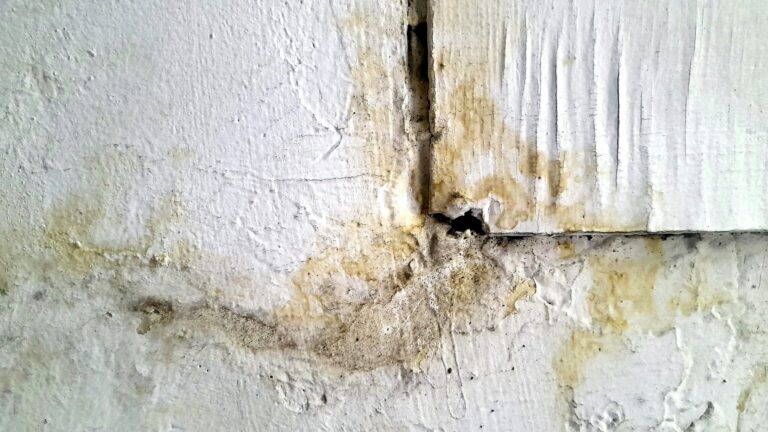
Cracks in foundation walls are one of the most common pathways for water intrusion. These cracks may develop due to soil movement, settling, or long-term structural stress. While small cracks may appear harmless during dry weather, heavy rain increases pressure against these openings.
Water entering through cracks often appears as:
- Moisture streaks along wall surfaces
- Damp areas forming near crack locations
- Water dripping during storms
- Repeated wetness in specific areas
Even narrow cracks can allow significant water entry when hydrostatic pressure increases. Over time, repeated exposure may widen cracks and accelerate structural damage.
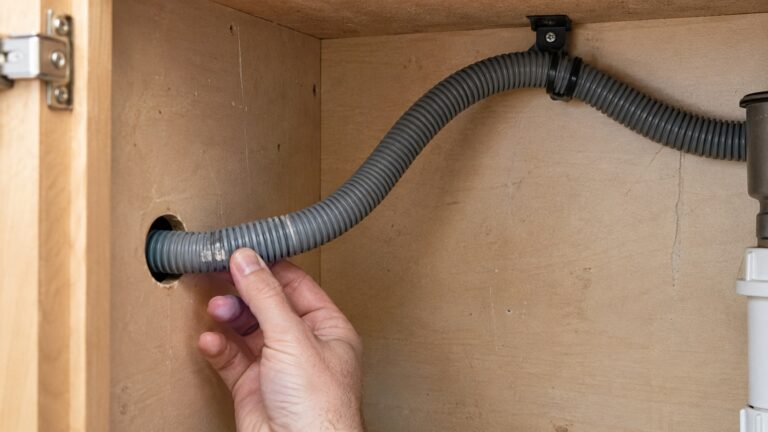
Pipe and Utility Penetrations
Utility penetrations create unavoidable openings through foundation walls. These areas include pipes, electrical conduits, and ventilation components. Sealants placed around penetrations may degrade over time, allowing water to enter during heavy rain.
Common penetration-related problems include:
- Cracked or missing sealant around pipes
- Moisture forming beneath utility lines
- Rust or corrosion near entry points
- Localized damp soil near penetrations
Water intrusion around penetrations often develops slowly at first, becoming more severe as surrounding materials weaken.
Crawl space vents and access doors can also become entry points when exterior soil, mulch, or hardscaping sits too high against the foundation. During heavy rain, water may enter through these openings before it ever reaches a crack in the foundation wall.
Joint Failures Between Structural Components
Foundation systems include multiple joints where different materials connect. These joints are natural weak points that may allow water entry during heavy rain.
High-risk joint areas include:
- Wall-to-floor connections
- Masonry seams
- Foundation corners
- Areas where new construction meets older materials
Joint failures are particularly vulnerable during prolonged storms when hydrostatic pressure remains elevated. Repeated exposure weakens joint materials, making flooding more likely with each subsequent rain event.
If the wettest areas repeatedly appear near seams, corners, or penetrations, use how to detect water intrusion in crawl spaces to narrow down the actual entry point instead of assuming the whole crawl space has the same problem.
How Repeated Rain Events Make Flooding Worse
Crawl space flooding often gets worse when storms arrive before the soil, drainage system, and crawl space materials have had time to dry. Each new storm starts from a wetter baseline, so water appears sooner and may rise higher than it did during the previous event.
Soil Remains Saturated Between Storms
After heavy rain, soil surrounding the home may remain saturated for days or weeks. If additional rainfall occurs before the soil has fully dried, water accumulates faster than it can drain away.
This repeated saturation creates several risks:
- Water pressure builds more quickly during each storm
- Drainage systems have less time to recover
- Flooding begins sooner during rainfall
- Standing water remains longer after storms
Over time, saturated soil conditions increase the likelihood of persistent crawl space moisture problems, especially when water remains trapped beneath the home between storms.
Small Structural Weaknesses Become Larger
Repeated exposure to water pressure weakens foundation materials. Small cracks may widen, sealants degrade, and joints loosen. These changes increase the size of available water entry points.
Structural weakening may result in:
- More water entering during each storm
- Faster moisture buildup inside crawl spaces
- Longer drying times between rainfall events
- Increased likelihood of severe flooding
Over time, repeated water pressure cycles create lasting vulnerabilities that allow water to enter more easily.
Drainage Efficiency Gradually Declines
Drainage systems become less effective when exposed to frequent flooding. Sediment buildup, debris accumulation, and structural damage reduce water flow capacity.
Signs of declining drainage performance include:
- Water draining more slowly than before
- Standing water appearing sooner during storms
- Repeated pooling near the same locations
- Increased soil erosion near drainage outlets
If drainage efficiency decreases over time, flooding risk increases even when rainfall levels remain unchanged.
When Rain-Related Flooding Signals Serious Risk
Not all flooding events require immediate structural intervention, but certain warning signs indicate that flooding has reached dangerous levels. Recognizing these thresholds allows homeowners to respond before major damage occurs.
Safety note: Do not enter a flooded crawl space if water is near electrical wiring, outlets, HVAC equipment, sewage contamination, or unstable structural materials. In those situations, shut off power only if it can be done safely from outside the flooded area and call a qualified professional.
Flooding Occurs During Every Major Storm
Flooding that occurs during nearly every heavy rain event suggests that underlying conditions have deteriorated significantly. This pattern indicates that drainage systems or structural barriers are no longer controlling water effectively.
Warning signs include:
- Flooding after moderate rainfall
- Water appearing quickly during storms
- Flooding affecting multiple crawl space areas
- Water spreading farther with each event
When flooding becomes predictable, structural vulnerabilities are usually present.
Water Depth Increases Over Time
Increasing water depth is a strong indicator that flooding conditions are worsening. Even small increases in depth can create significant structural risk if repeated frequently.
Danger signals include:
- Water reaching insulation materials
- Standing water covering large floor areas
- Water reaching electrical components
- Soil erosion occurring inside the crawl space
If water levels continue rising after each storm, professional evaluation becomes increasingly necessary.
Moisture Persists Between Rain Events
Flooding becomes especially dangerous when moisture remains present between rainfall events. Persistent wet conditions increase the likelihood of mold growth and structural decay.
Persistent moisture may result in:
- Continuous damp odors
- Structural wood softening
- Increased pest activity
- Visible mold growth
If moisture remains long after rainfall ends, water intrusion is likely ongoing rather than temporary.
When Professional Evaluation Becomes Necessary
Professional evaluation becomes important when the same crawl space floods repeatedly, the water source is not obvious, or water remains after storms. At that point, the problem may involve grading, failed drainage, groundwater rise, foundation openings, or more than one cause at the same time.
Consider professional assistance if:
- Flooding occurs frequently during heavy rain
- Water entry points cannot be identified
- Flooding severity increases over time
- Structural damage becomes visible
- Standing water remains for extended periods
Professional evaluations often include inspection techniques similar to those described in how to inspect crawl space drainage systems, helping identify hidden causes that may not be visible during routine inspections. Once the source is clear, how to prevent standing water in crawl spaces explains the long-term control steps that belong outside this causes-focused article.
Frequently Asked Questions About Why Crawl Spaces Flood During Heavy Rain
How can I tell if crawl space flooding is from runoff or groundwater?
Runoff usually leaves the wettest area near one wall, corner, vent, access door, downspout, or low spot outside the foundation. Groundwater often creates broader dampness across the crawl space floor or water that rises from below after prolonged rain, even when no obvious surface water is flowing toward the house.
Why does my crawl space flood only during heavy rain?
Flooding that occurs only during heavy rain usually means the crawl space can handle normal moisture but not storm-level water pressure. During intense rain, saturated soil, overloaded drains, clogged gutters, poor grading, or rising groundwater can send water toward the crawl space faster than it can drain away.
Can heavy rain alone cause crawl space flooding?
Heavy rain is usually the trigger, not the only cause. Most flooding also depends on a weak point such as inward-sloping soil, short downspouts, blocked drains, foundation cracks, open penetrations, or groundwater rising beneath the crawl space.
Does soil type affect crawl space flooding risk?
Yes. Clay soil holds water longer and can keep pressure against foundation walls after a storm. Sandy soil drains faster, but it can still contribute to flooding if water is directed toward the home or the crawl space sits in a low area.
Why does flooding seem to get worse each year?
Flooding often gets worse because soil settles, drains clog, cracks widen, and repeated storms keep the crawl space area wetter for longer. Once the same path has carried water into the crawl space several times, future storms may use that path more easily.
Is crawl space flooding more common in older homes?
Older homes may be more vulnerable because of settling foundations, aging drainage systems, worn sealants, and landscaping changes around the foundation. Newer homes can also flood if the grading, downspout discharge, drain layout, or crawl space elevation is wrong.
Key Takeaways
- Heavy rain changes soil behavior and increases water pressure near foundations.
- Poor grading and blocked drainage systems are among the most common flooding causes.
- Rising groundwater levels can flood crawl spaces even when surface drainage appears normal.
- Structural vulnerabilities allow water to enter during prolonged storms.
- Repeated rainfall events often make flooding progressively worse.
- Professional evaluation may be necessary when flooding repeats, worsens, or leaves moisture behind between storms.
Conclusion
Crawl spaces flood during heavy rain when water builds up around or beneath the home faster than it can drain away. The usual causes are saturated soil, poor grading, overloaded gutters or drains, rising groundwater, and foundation openings that allow water to enter under pressure.
If flooding repeats, focus first on where the water appears, what is happening outside that part of the foundation, and whether the crawl space dries between storms. Those patterns usually reveal whether the main cause is surface runoff, drainage failure, groundwater rise, or a structural entry point.