
How to Fix Persistent Flashing Problems
Persistent flashing problems usually come back because the repair treated the visible leak, not the water-management failure behind it. Caulk, patching, and surface sealing may slow the leak for a while, but they cannot correct missing flashing, reversed layers, trapped moisture, or water entering from an upstream area.
The long-term fix is to identify where water is getting behind the exterior surface, determine whether the flashing can be corrected locally, and replace any failed or improperly layered sections that are still directing water inward.
If you’re unsure how these issues begin, reviewing why improper flashing installation causes leaks can help clarify the root causes before deciding whether repair or replacement is needed.
Why Flashing Problems Keep Coming Back
Flashing problems rarely resolve on their own, and they often return after initial repair attempts. This happens because most fixes focus on visible symptoms rather than the underlying system failure.
Common reasons flashing problems persist include:
- Water is still entering behind exterior materials
- Only surface gaps were sealed without correcting the structure
- Adjacent or upstream problem areas were ignored
- Moisture remains trapped inside the wall system
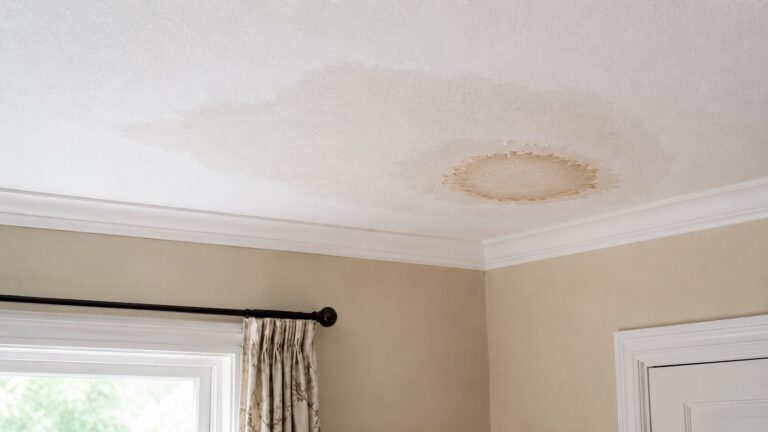
These issues allow water to continue entering during rain events, even if the surface appears sealed or repaired.
If symptoms such as mold or dampness continue to return, they may match patterns described in signs of mold growth caused by flashing failures, which often indicate ongoing intrusion.
Temporary Fixes vs Permanent Solutions
Not all flashing repairs are equal. Some solutions only provide short-term relief, while others address the root of the problem.
Temporary Fixes
Temporary fixes are often quick and inexpensive, but they rarely last. These include:
- Applying caulk or sealant over visible gaps
- Patching small openings without removing materials
- Sealing joints without correcting flashing layers
These methods may slow water at the surface, but they do not correct improper shingle-to-wall layering, missing head flashing, missing step flashing, failed counterflashing, or siding that was installed over the wrong drainage path.
Over time, sealants degrade due to weather exposure and material movement. Once they fail, water intrusion resumes.
Caulk can be useful as part of a manufacturer-approved detail, but it should not be the primary water barrier where flashing should be directing water out of the assembly.
Permanent Solutions
Permanent solutions involve correcting how the flashing system is installed and how water is managed.
These solutions may include:
- Reinstalling flashing so upper layers drain over lower layers
- Adding missing components such as head flashing, step flashing, kickout flashing, or counterflashing
- Integrating flashing with the housewrap, roof covering, siding, trim, or masonry instead of sealing it only at the exposed edge
Unlike temporary fixes, permanent solutions focus on restoring the system so that water is redirected outward rather than sealed in place.
If you’re unsure whether your situation requires a full repair, reviewing signs exterior flashing needs repair can help determine the severity of the problem.
How to Identify the Root Cause of Persistent Flashing Problems
Fixing flashing problems permanently requires identifying where and how water is entering the structure. Without this step, repairs are often incomplete and the problem continues.
Because flashing systems are hidden behind exterior materials, the source of the issue is not always obvious. Water may enter at one point and appear somewhere else entirely.
Look for Patterns in Moisture and Leaks
Persistent flashing problems usually follow consistent patterns. Pay attention to:
- Leaks that occur during rain or storms
- Moisture appearing in the same location repeatedly
- Damage concentrated near windows, doors, or rooflines
These patterns help narrow the inspection area. A leak that appears only during wind-driven rain may point to a different flashing failure than a leak that appears after every steady rain.
Check Adjacent and Upstream Areas
Water often travels before becoming visible. This means the source may be above or beside the area where damage appears.
- A leak below a window may originate at the top flashing
- Moisture near a wall may come from roof-to-wall intersections
- Interior damage may reflect exterior installation issues
If you’re unsure how to trace the source, reviewing how to detect water intrusion from flashing failures can help guide a more accurate inspection.
Consider Previous Repair Attempts
If repairs have already been made, evaluate what was done:
- Was the fix limited to surface sealing?
- Were the areas above and beside the leak inspected?
- Was flashing actually replaced, or was the visible joint only patched?
- Were damaged sheathing, housewrap, trim, or siding checked before the area was closed again?
If the previous repair never exposed the flashing layers or surrounding drainage plane, the same leak path may still be active behind the finished surface.
Repair Options Based on Severity
Once the root cause is identified, the appropriate repair strategy depends on how extensive the problem is. Persistent flashing issues generally fall into three categories.
Minor Issues (Limited Repairs)
In some cases, flashing problems are localized and can be addressed without major work.
- Small gaps or isolated sealant failure
- Minor misalignment that does not affect the entire system
- Early-stage issues with no structural damage
These situations may be addressed with targeted repairs, but the surrounding flashing still needs to be checked before assuming the problem is only cosmetic.
Moderate Issues (Partial Flashing Repair)
When flashing failure affects a specific section, more involved repairs are needed. This often includes:
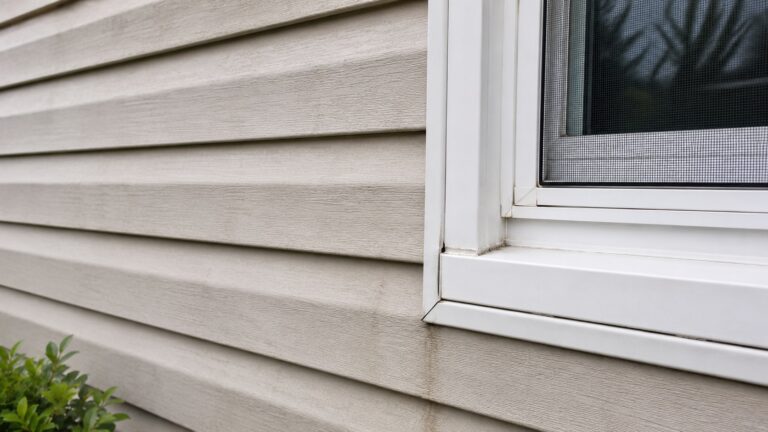
- Removing sections of siding or trim
- Accessing and correcting flashing layers
- Replacing damaged components
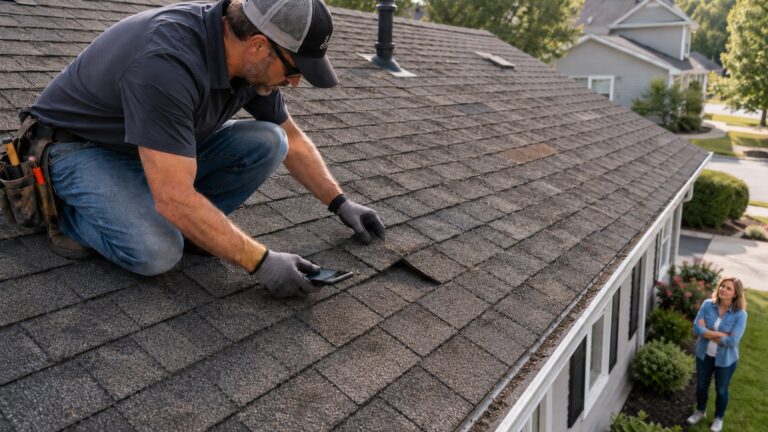
This approach is often necessary when the leak is recurring but still limited to one window, door, chimney edge, roof-to-wall intersection, or siding section.
Severe Issues (Full Replacement)
In cases where flashing was installed incorrectly or multiple areas are failing, full replacement may be the only reliable solution.
- Incorrect layering throughout the system
- Missing or improperly integrated flashing components
- Widespread moisture or structural damage
Full replacement typically involves removing enough exterior material to rebuild the flashing, drainage plane, and surrounding tie-ins correctly.
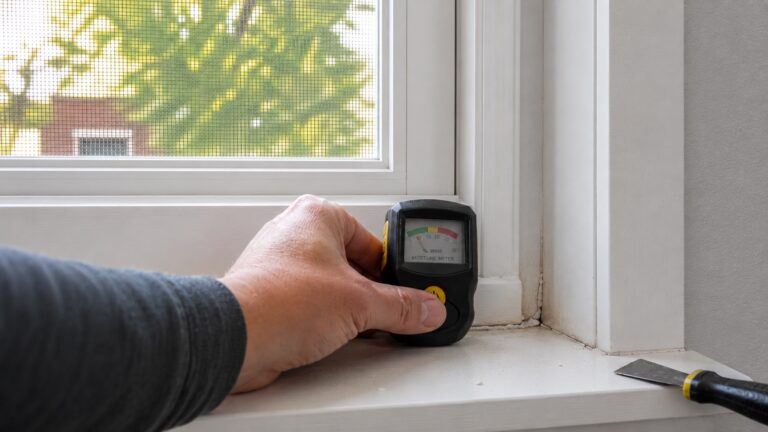
If moisture has already entered the wall system, it is important to ensure the area is properly dried. This process is covered in how to dry walls after flashing water intrusion.
When Flashing Must Be Replaced Instead of Repaired
Not all flashing problems can be fixed with targeted repairs. In many cases, persistent issues are a sign that the flashing system itself was installed incorrectly or has failed across multiple areas.
In these situations, attempting to repair isolated sections often leads to continued leaks because the underlying design problem remains.
Signs Replacement Is the Better Option
- Leaks continue after multiple repair attempts
- Flashing was improperly installed (incorrect layering or missing components)
- Multiple areas of the home are affected
- Mold or structural damage is already present
- Water intrusion patterns are widespread or inconsistent
When these conditions exist, replacing the flashing system is usually the only way to achieve a long-term solution.
Why Repairs Fail in These Cases
Repairs often fail when they do not address how water is being directed. If flashing layers are installed incorrectly, water will continue to move inward regardless of how well the surface is sealed.
This is why repeated patching or sealing typically results in:
- Short-term improvement followed by recurring leaks
- Water entering from different locations over time
- Increasing damage inside walls or ceilings
Understanding the underlying failure patterns explained in why improper flashing installation causes leaks can help clarify why replacement is sometimes necessary.
DIY vs Professional Flashing Repair
Deciding whether to handle flashing repairs yourself or hire a professional depends on the complexity of the problem and the level of access required.
When DIY Repairs May Be Possible
Minor issues may be manageable without professional help if:
- The problem is clearly visible and localized
- No structural damage is present
- Access to the area is straightforward
- The repair involves a small exposed joint and does not require removing roofing, siding, trim, or masonry
Even in these cases, it’s important to understand that DIY fixes are often temporary unless the flashing system itself is corrected.
When Professional Repair Is Recommended
Most persistent flashing problems require professional repair, especially when:
- Exterior materials must be removed
- The source of the leak is unclear
- Multiple areas are affected
- Mold or structural damage is present
Stop DIY inspection if water is near electrical wiring, ceiling fixtures, damaged sheathing, sagging framing, or visibly rotted structural materials.
Professionals have the tools and experience to:
- Identify hidden water entry points
- Correct flashing installation errors
- Ensure proper integration with the building envelope
Cost and Scope Considerations
The cost of fixing flashing problems depends less on the visible leak and more on how much material must be removed to reach the failed flashing and rebuild the surrounding tie-ins.
Minor Repairs
- Lower cost
- Limited to small areas
- Often temporary if underlying issues remain
Partial Repairs
- Moderate cost
- Requires removing sections of siding or trim
- More durable than surface fixes
Full Replacement
- Higher cost
- Involves extensive removal and reconstruction
- Provides the most reliable long-term solution
While full replacement may seem costly, it is often more cost-effective over time than repeated temporary repairs that fail.
How to Prevent Flashing Problems from Returning
Once flashing has been repaired or replaced, preventing future problems depends on ensuring the system is functioning correctly and maintained over time.
- Confirm that flashing is layered to shed water outward, not trap it behind siding, trim, or roofing
- Inspect roof-to-wall intersections, window heads, door heads, chimneys, and siding transitions after heavy storms
- Repair cracked sealant, loose trim, damaged siding, or lifted roofing before water reaches concealed materials
- Avoid treating caulk as a substitute for missing or incorrectly installed flashing
Recurring issues often stem from the same underlying causes. Addressing these proactively helps protect your home from future water intrusion.
When to Call a Contractor
Call a contractor when the repair requires opening the assembly, tracing a hidden leak path, or rebuilding flashing tie-ins behind siding, roofing, trim, or masonry.
You should strongly consider calling a contractor if:
- Repairs have already been attempted and failed
- Leaks continue during rain events
- Mold is present or keeps returning
- The source of the problem cannot be clearly identified
- Multiple areas of the home are affected
- Structural materials show signs of damage
At this stage, the repair may require opening the assembly, correcting the flashing sequence, and replacing any damaged materials before the exterior is closed again.
If you are still in the evaluation stage, reviewing signs exterior flashing needs repair can help confirm whether professional intervention is necessary.
Frequently Asked Questions
Why do flashing repairs keep failing?
Most repairs fail because they only address visible symptoms rather than correcting the underlying flashing system. If layering, drainage, or integration is incorrect, water will continue to enter even after surface fixes.
Can caulking fix flashing permanently?
Caulking alone should not be treated as a permanent flashing repair. Sealant can be part of a proper detail, but it cannot replace missing flashing, reversed layers, or a drainage path that directs water inward.
How do I know if flashing needs to be replaced instead of repaired?
If leaks persist after multiple repairs, affect multiple areas, or are linked to improper installation, replacement is usually the better option.
Why does flashing repair sometimes cost more than expected?
Flashing repair can become more expensive when siding, roofing, trim, masonry, or damaged sheathing must be removed to reach the failed area. The visible leak may be small even when the hidden repair area is larger.
Can I fix flashing problems without removing siding or roofing?
In some minor cases, yes. But most persistent problems involve hidden installation issues that require accessing the flashing behind exterior materials.
Conclusion
Persistent flashing problems usually mean water is still getting behind the exterior surface or trapped inside the wall or roof assembly. The right fix depends on whether the failure is localized, partially hidden, or part of a larger installation problem.
If the leak has returned after patching or caulking, focus on the flashing layers, surrounding tie-ins, drainage path, and any moisture-damaged materials before closing the area again.
For a broader look at how flashing failures fit into exterior water intrusion, framing damage, and long-term repair decisions, see structural moisture problems in homes.
Key Takeaways
- Persistent flashing problems usually mean water is still entering behind the exterior surface or traveling through an unfinished drainage path.
- Caulk and surface sealants can help in limited details, but they should not replace missing or incorrectly layered flashing.
- Minor issues may be repairable, but repeated leaks, hidden moisture, mold, or widespread failure often require partial repair or replacement.
- Professional repair is usually needed when siding, roofing, trim, masonry, or damaged structural materials must be removed.
One Comment
Comments are closed.