
How Seasonal Changes Affect Indoor Moisture
Seasonal changes affect indoor moisture because outdoor air, temperature, ventilation, and HVAC operation all change throughout the year. This is why a home may feel dry in winter, humid in summer, and inconsistent during spring and fall.
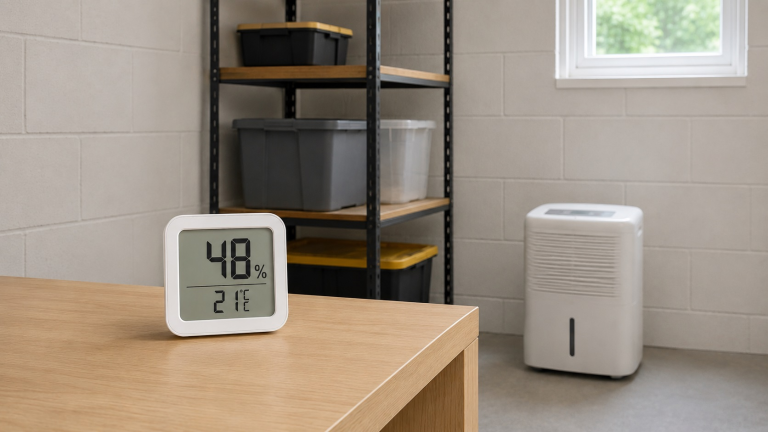
Some seasonal humidity movement is normal. The concern starts when moisture stays high, drops too low, causes condensation, creates musty odors, or varies sharply from room to room. If you are unsure what your home is actually doing, start with how to test indoor humidity levels so you can compare real readings instead of relying only on how the air feels.
Why Indoor Moisture Changes Throughout the Year
Indoor moisture levels change because the air entering your home changes with the seasons. Different times of year bring different temperature ranges, different moisture levels in outdoor air, and different airflow patterns through your home.
There are three main reasons indoor moisture varies seasonally:
- Outdoor air changes: Cold winter air holds very little moisture, while warm summer air can carry large amounts of water vapor.
- Temperature shifts: Warmer air can hold more moisture than cooler air, which changes how humidity is measured and perceived indoors.
- HVAC operation: Heating and cooling systems affect how moisture is added, removed, or retained inside the home.
For example, when cold outdoor air enters a home in winter and is heated, its relative humidity drops significantly. In contrast, warm, humid outdoor air entering during summer can raise indoor humidity even if windows are closed and air conditioning is running. For a broader look at outside conditions beyond seasonal patterns, see how outdoor conditions affect indoor moisture.
These seasonal patterns are normal, but they become a concern when humidity stays outside a healthy range, causes condensation, leaves materials damp, or creates musty odors.
How Winter Affects Indoor Humidity
Winter typically produces the lowest indoor humidity levels of the year. Cold outdoor air contains very little moisture, and when that air enters the home and is heated, its relative humidity drops even further.
This often leads to dry indoor conditions, especially in homes with continuous heating. Common signs of low winter humidity include:
- Dry skin and irritation
- Static electricity buildup
- Cracking or shrinking wood surfaces
Despite the overall dryness, winter can still create localized moisture problems. When warm indoor air comes into contact with cold surfaces such as windows or exterior walls, condensation can form. This happens because the air cools at the surface and can no longer hold as much moisture.
This combination of dry air and localized condensation can be confusing. The home may feel dry overall, yet still show signs of moisture on certain surfaces. For a deeper explanation of this behavior, see why humidity problems worsen in winter.
Winter also changes how ventilation works. Opening windows introduces very dry air, which can quickly reduce indoor humidity. However, excessive ventilation can make the air too dry, leading to discomfort and material stress.
These patterns make winter moisture control very different from other seasons. Instead of removing excess humidity, the focus often shifts toward maintaining a balanced level of moisture indoors.
How Spring Affects Indoor Moisture Levels
Spring is one of the most unpredictable seasons for indoor moisture. Rapid temperature swings, frequent rain, and changing airflow patterns can cause humidity levels to rise and fall quickly.
During this time of year, outdoor air may alternate between dry and humid within short periods. As this air enters the home, indoor humidity can fluctuate accordingly. This often makes the home feel inconsistent, with some days feeling comfortable and others feeling damp or cool.
Rain plays a major role in spring moisture behavior. Extended rainy periods increase outdoor humidity and slow evaporation indoors. As a result:
- Floors and surfaces may stay damp longer
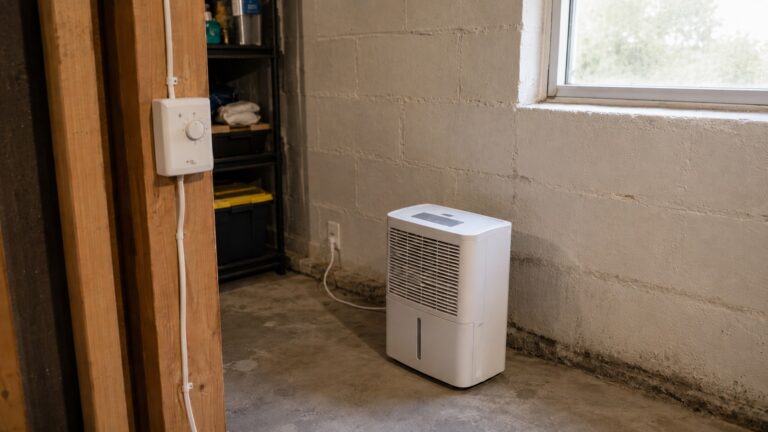
- Basements may feel humid even without visible water intrusion
- Air may feel heavier during prolonged overcast conditions
Spring is also a time when hidden moisture problems often become more noticeable. If humidity rises after rain, check basement corners, lower walls, window trim, under-sink cabinets, and areas near exterior doors before assuming the issue is only seasonal air.
Because conditions change so frequently, it becomes important to monitor humidity trends rather than relying on single readings. If indoor moisture levels remain elevated or inconsistent, it may be helpful to identify signs of high indoor humidity problems and determine whether the issue is seasonal or ongoing.
How Summer Affects Indoor Humidity
Summer typically produces the highest indoor humidity levels of the year. Warm outdoor air can hold large amounts of moisture, and when that air enters the home, it can quickly raise indoor humidity.
Even with windows closed, moisture can still enter through small air leaks, ventilation systems, and normal air exchange. This makes humidity control more challenging during hot and humid weather.
Air conditioning plays a major role in summer moisture control. As the system cools the air, it also removes moisture through condensation. However, this process depends on how the system operates:
- If the system runs long enough, it removes both heat and moisture effectively.
- If the system cycles on and off too quickly, humidity may remain high.
- If airflow is restricted, moisture removal efficiency can decrease.
When humidity remains high indoors, the home may feel sticky even when the temperature looks normal. Watch for condensation on supply vents, musty odors in closed rooms, damp basement air, swollen wood trim, or rooms that stay humid after the air conditioner shuts off.
For a deeper look at summer-specific humidity problems, see why humidity problems increase in summer.
Summer also highlights differences between rooms. Areas with poor airflow, such as basements or enclosed spaces, often retain more moisture. This uneven distribution can make parts of the home feel significantly more humid than others.
How Fall Transitions Affect Indoor Moisture
Fall is a transition period between summer humidity and winter dryness. Outdoor conditions can change quickly, and air conditioning may run less often before heating is used regularly. This gap can allow moisture to linger indoors longer than expected, especially after rain or during cool evenings.
Fall can also create conditions where humidity feels out of balance. For example:
- Cooler evenings may increase relative humidity indoors
- Reduced airflow can slow drying of materials
- Moisture from late-season rain may remain in the structure longer
These transitional effects are usually temporary, but they can reveal how well the home maintains stable moisture levels. If humidity swings feel extreme or unpredictable, it may be necessary to evaluate airflow and moisture control strategies.
How Heating Systems Change Indoor Moisture
Heating changes indoor moisture mainly by changing relative humidity. When cold air enters the home and is heated, the air can hold more moisture, so the relative humidity drops even if the actual amount of water vapor has not changed much.
Heating also changes how moisture moves within the home. Warm air rises, carrying moisture upward. This can lead to:
- Increased moisture accumulation near ceilings
- Condensation on cold attic surfaces
- Moisture buildup in poorly ventilated upper areas
At the same time, indoor moisture sources such as cooking, showers, and laundry can create localized condensation on cold surfaces even when the home feels dry overall.
These effects make moisture control during heating season different from other times of year. The goal is often to maintain a balanced humidity level rather than simply reducing moisture.
How Cooling Systems Change Indoor Humidity
Cooling systems affect indoor humidity differently than heating systems. Air conditioners remove moisture when warm indoor air passes over the cold evaporator coil and condensation drains away from the system.
However, the effectiveness of this process depends on how the system operates. Several factors can influence moisture removal:
- System runtime: Longer cycles remove more moisture
- Airflow: Proper airflow ensures consistent dehumidification
- System sizing: Oversized systems may cool quickly but remove less humidity
If humidity remains high despite air conditioning, it may indicate that the system is not running long enough or is not removing moisture efficiently. In these cases, additional strategies may be needed to reduce indoor humidity levels effectively.
Cooling systems also affect how moisture is distributed throughout the home. Areas with poor airflow may not receive the same level of humidity control, leading to uneven conditions between rooms.
How Ventilation Changes Across Seasons
Ventilation patterns change significantly throughout the year, and these changes have a direct impact on indoor moisture levels.
In winter, opening windows introduces cold, dry air, which can quickly reduce indoor humidity. This makes ventilation an effective way to remove excess moisture but can also lead to overly dry conditions if used too frequently.
In summer, ventilation has the opposite effect. Opening windows allows warm, humid air to enter the home, which can increase indoor humidity. In this case, limiting ventilation and relying on controlled airflow through HVAC systems is often more effective.
Spring and fall create mixed conditions. Outdoor air may be beneficial for ventilation at times and harmful at others, depending on humidity levels. This variability requires more careful monitoring and adjustment.
Ventilation also affects how moisture moves between different parts of the home. Poor airflow can trap moisture in certain areas, while proper circulation helps distribute and manage humidity more evenly.
A simple rule is to compare indoor and outdoor humidity before opening windows for moisture control. Fresh air helps when outdoor air is drier than indoor air, but it can make the problem worse when outdoor air is warm, humid, or rain-soaked.
What Seasonal Moisture Patterns Are Normal
Indoor moisture naturally changes throughout the year, and some variation is expected in every home. Understanding what is normal helps you avoid overcorrecting conditions that are simply part of seasonal behavior.
Typical seasonal patterns include:
- Winter: Lower humidity levels due to heating and dry outdoor air
- Spring: Fluctuating humidity from changing weather and increased rainfall
- Summer: Higher humidity due to warm, moisture-rich outdoor air
- Fall: Transitional humidity with gradual drying and temperature shifts
These changes usually occur gradually and affect most of the home in a similar way. As long as humidity stays in a reasonable range, does not cause condensation, and does not leave materials damp, the variation is usually normal.
Each home develops its own seasonal pattern based on location, construction, insulation, and ventilation. Tracking these patterns over time helps you recognize what is typical for your environment.
When Seasonal Changes Indicate a Problem
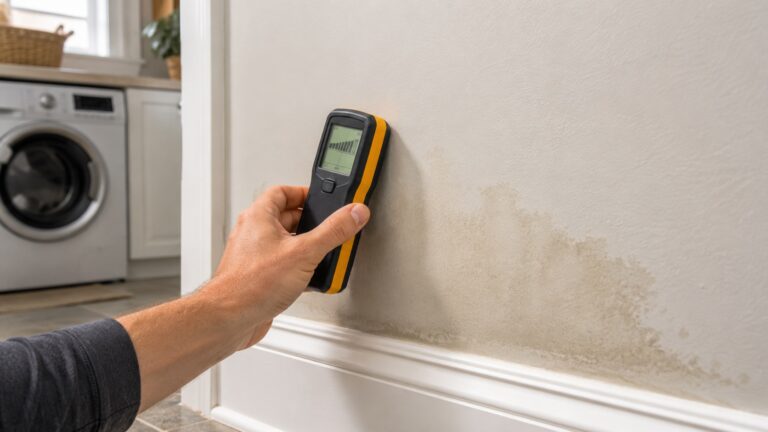
Seasonal changes can also expose moisture problems. The key difference is persistence, severity, and location. Normal seasonal changes usually move with the weather, while moisture problems often stay in the same rooms, return after rain, or worsen around specific surfaces.
You may need to investigate further if you notice:
- Humidity consistently above 60% during summer
- Frequent condensation during winter on multiple surfaces
- Persistent musty odors during certain seasons
- Visible mold growth or damp materials
- Significant humidity differences between rooms
These signs suggest that the home may not be managing moisture effectively. In these cases, it may be necessary to understand why indoor humidity levels become too high and take steps to correct the underlying issue.
Seasonal changes often act as a stress test for the home. When moisture control systems are working properly, humidity levels remain stable within a healthy range. When they are not, problems become more noticeable during certain times of year.
FAQ: Seasonal Indoor Moisture
Why is my house more humid in summer?
Summer air contains more moisture because warm air can hold more water vapor. When this air enters your home, it raises indoor humidity unless it is effectively removed by air conditioning or dehumidification.
Why does winter air feel so dry indoors?
Cold outdoor air contains very little moisture. When it enters your home and is heated, its relative humidity drops further, making the air feel dry.
Should indoor humidity change with the seasons?
Yes. Some variation is normal throughout the year. However, humidity should generally stay within a comfortable range, typically between 30% and 60%.
What is the ideal indoor humidity for each season?
A common target is to keep indoor humidity roughly between 30% and 60%, with winter often kept lower to reduce window condensation and summer kept controlled enough to prevent dampness, odors, and mold risk.
Why do some rooms change more than others?
Rooms change differently because of airflow, insulation, sun exposure, exterior walls, basement location, closed doors, and HVAC supply or return placement. A single room that stays damp while the rest of the home feels normal may need closer inspection.
Can seasonal changes cause mold?
Seasonal changes do not cause mold by themselves, but they can raise the risk when humidity stays high, surfaces remain damp, or condensation keeps returning in the same areas.
Conclusion
Seasonal moisture changes are normal, but they should follow a pattern you can explain. Winter often brings dry air and cold-surface condensation, summer often raises humidity, and spring and fall can create short-term swings.
The best response is to track humidity by season and room. If moisture stays high, causes condensation, creates odors, or affects only certain areas, treat it as a sign that the home needs better airflow, humidity control, or moisture-source investigation.
Key Takeaways
- Seasonal moisture changes are normal when they follow predictable whole-home patterns.
- Winter typically produces dry air, while summer increases indoor humidity.
- Spring and fall create variable and transitional moisture patterns.
- Heating lowers relative humidity, while cooling systems remove moisture through condensation.
- Ventilation affects humidity differently depending on the season.
- Tracking patterns helps identify whether moisture changes are expected or problematic.
2 Comments
Comments are closed.