
Can Mold Cause Allergic Reactions?
Yes, mold can cause allergic reactions in people who are sensitive or allergic to mold. Common mold allergy symptoms include sneezing, runny or stuffy nose, itchy or watery eyes, coughing, postnasal drip, throat irritation, skin irritation, and asthma symptoms such as wheezing or chest tightness.
Mold is more likely to be involved when allergy symptoms worsen in damp or musty rooms, around visible mold, after water damage, or during periods of high humidity. A person may notice symptoms in a basement, bathroom, bedroom, laundry area, crawl-space-adjacent room, or near an HVAC system that smells musty.
Still, not every allergy-like symptom is caused by mold. Dust mites, pollen, pets, cockroaches, cleaning products, fragrance, smoke, dry air, and viral infections can cause similar symptoms. The best approach is to compare the symptom pattern with the home environment and look for signs of moisture, mold growth, and poor ventilation. For a broader overview, see the Mold Exposure and Indoor Air Quality: Complete Home Guide.
Can Mold Cause Allergic Reactions?
Mold can trigger allergy symptoms when a sensitive person inhales mold spores or mold fragments. The reaction often looks like hay fever, but the trigger may be indoors instead of outside.
The strongest clue is not one symptom by itself. It is the pattern. Mold becomes more plausible when sneezing, congestion, itchy eyes, coughing, throat irritation, skin irritation, or asthma symptoms repeatedly worsen in damp, musty, or water-damaged areas of the home.
Mold can also irritate people who do not have a confirmed mold allergy, so the goal is not to diagnose the cause from symptoms alone. The goal is to compare symptoms with moisture clues and correct any mold-friendly conditions in the home.
Common Mold Allergy Symptoms
Mold allergy symptoms usually affect the nose, eyes, throat, lungs, or skin. Some symptoms appear quickly after exposure. Others may build gradually after repeated time in a damp or moldy environment.
Common mold allergy symptoms can include:
- sneezing
- runny nose
- stuffy nose
- postnasal drip
- itchy, watery, or irritated eyes
- coughing
- throat irritation
- wheezing or chest tightness in people with asthma
- itchy skin or skin irritation
- fatigue from poor sleep or ongoing symptoms
These symptoms can overlap with many other indoor air and allergy problems, so mold should not be assumed as the cause from symptoms alone. However, when these symptoms appear alongside musty odors, visible mold, water stains, damp materials, or high humidity, the home should be inspected for mold and moisture conditions. The broader symptom pattern is covered in common symptoms of mold exposure in homes.
Where Mold Allergy Symptoms Usually Show Up
Here is how those symptoms usually appear in real homes:
- Nose and sinuses: sneezing, congestion, runny nose, postnasal drip, sinus pressure, or a blocked feeling that worsens in damp rooms. For the focused page, see Can Mold Cause Sinus Problems?.
- Eyes: itchy, watery, red, burning, or irritated eyes that flare in musty rooms, around visible mold, or near HVAC airflow. For more detail, see Can Mold Cause Eye Irritation?.
- Airways: coughing, throat irritation, postnasal drip, wheezing, chest tightness, or shortness of breath in sensitive people, especially those with asthma. Related pages cover persistent coughing from mold exposure and asthma symptoms triggered by mold.
- Skin: itching, irritation, dryness, or rash-like symptoms after contact with moldy materials or repeated time in damp indoor spaces. For the dedicated page, see Can Mold Cause Skin Irritation or Rashes?.
These symptoms should not be diagnosed by location alone. The home pattern matters most: symptoms that repeatedly worsen near dampness, musty odors, visible mold, water stains, or high humidity deserve closer inspection.
How Mold Triggers an Allergic Reaction
Mold reproduces by releasing tiny spores. Spores are common outdoors, but they become a bigger indoor concern when mold grows inside because of leaks, damp materials, high humidity, condensation, or poor ventilation.
When a mold-sensitive person inhales spores or mold fragments, the immune system may react. That reaction can cause inflammation and irritation in the nose, eyes, throat, lungs, or skin. Symptoms may appear quickly after entering a musty room, or they may build after repeated exposure, such as sleeping in a damp bedroom or working for hours in a basement office.
Some people also react after touching moldy materials such as cardboard boxes, stored fabrics, carpet, drywall, insulation, or damp wood. If symptoms appear while cleaning or handling moldy items, stop disturbing the material and protect yourself from further exposure.
Mold Allergy vs. Mold Irritation
A true mold allergy involves the immune system reacting to mold as an allergen. Mold irritation is broader. Damp indoor air, microbial odors, dust, humidity, and moldy materials can bother the eyes, nose, throat, skin, or lungs even when a person has never been diagnosed with a mold allergy.
In real homes, the two can feel similar. A person may not know whether symptoms are allergic, irritating, asthma-related, or caused by several indoor triggers at once. That is why the article should focus on patterns, moisture clues, and medical guidance rather than trying to diagnose the reaction from symptoms alone.
Signs Your Allergies May Be Related to Mold in the Home
Mold is more likely to be involved when allergy symptoms follow a repeatable indoor pattern. Symptoms alone cannot prove mold is the cause, but symptoms plus moisture clues make the connection stronger.
A simple symptom log can help: write down the room, time of day, recent weather, HVAC use, visible dampness, odor, and symptoms. A pattern over several days is more useful than one bad allergy day.
Symptoms Are Worse in Damp or Musty Rooms
Pay close attention to rooms where symptoms flare. Basements, bathrooms, laundry rooms, bedrooms, closets, kitchens, crawl-space-adjacent rooms, and HVAC areas are common places for dampness and mold odors to appear.
If sneezing, congestion, itchy eyes, coughing, throat irritation, or wheezing repeatedly get worse in one of these spaces, inspect the room for visible mold, water stains, condensation, damp carpet, musty stored items, or poor airflow.
Symptoms Improve Away From Home
If allergy symptoms improve when you spend time away from the house, sleep somewhere else, or stay outdoors for long periods, the home environment may be contributing. This is especially important if symptoms return after sleeping at home or spending time in a specific room.
Improvement away from home does not prove mold is the cause. Other indoor triggers can also cause allergy-like symptoms. Still, the pattern is useful because it tells you to look closely at indoor air, moisture, dust, ventilation, and possible mold sources.
Symptoms Flare After Rain or Humidity Increases
Mold-related symptoms may worsen after rainy weather, humidity spikes, basement dampness, or condensation problems. Moisture can make indoor mold growth more active and can also make existing damp materials smell stronger.
If symptoms flare after storms, long humid periods, shower use, laundry moisture, basement seepage, or HVAC condensation, the home may have a moisture control issue that needs attention.
Visible Mold, Water Damage, or Musty Odors Are Present
Visible mold and musty odors are strong clues that moisture has been present long enough to support growth. Water stains, peeling paint, damp drywall, swollen trim, warped cabinets, wet carpet, or recurring condensation also matter because they show where mold may develop.
For a broader moisture-control framework, see How to Find, Fix, and Prevent Moisture Problems in Homes. Mold allergies should not be handled only as a health issue if the house still has leaks, humidity, or damp materials feeding the problem.
More Than One Person Reacts Indoors
If multiple people in the home have sneezing, congestion, coughing, itchy eyes, headaches, or asthma symptoms indoors, the building environment deserves attention. Not everyone reacts to mold the same way, so one person may have strong symptoms while another has mild symptoms or none at all.
A shared indoor pattern does not prove mold, but it does make it more important to inspect for moisture, mold, dust, ventilation problems, HVAC issues, and other indoor triggers.
Mold Allergy vs. Cold, Dust, Pollen, or Pet Allergies
Mold allergy symptoms can look similar to colds, dust mite allergy, pollen allergy, pet allergy, dry air irritation, and chemical irritation. The difference is usually the pattern, not a single symptom.
| Possible trigger | Pattern that may point to it |
|---|---|
| Mold | Symptoms worsen in damp or musty rooms, after rain, near visible mold, around water damage, or when a musty HVAC system runs. |
| Cold or viral infection | Symptoms follow a short-term illness pattern and may include fever, body aches, sore throat, or exposure to someone sick. |
| Dust mites | Symptoms are worse around bedding, upholstered furniture, carpet, curtains, vacuuming, or changing sheets. |
| Pollen | Symptoms follow outdoor seasons, yard work, open windows, or high pollen days. |
| Pets | Symptoms worsen around animals, pet bedding, rooms where pets sleep, upholstered furniture, or carpets that hold dander. |
There can be more than one trigger in the same home. A damp bedroom, for example, can contain mold, dust mites, and pet dander at the same time. If you are trying to separate a recurring indoor allergy pattern from a short-term illness, see Mold Allergy Symptoms vs Cold Symptoms.
What to Check in the Home if You Suspect Mold Allergies
If allergy symptoms seem connected to the home, inspect for both mold and the moisture conditions that allow mold to grow. Mold is rarely just a surface problem. It usually points to leaks, humidity, condensation, poor ventilation, or damp materials.
Look for Visible Mold
Visible mold may appear as dark, green, gray, brown, white, speckled, fuzzy, dusty, or smeared-looking growth. Check walls, ceilings, baseboards, window trim, cabinets, closets, stored items, basement surfaces, bathroom surfaces, laundry areas, and around vents.
Do not rely on color to judge risk. Any indoor mold growth should be taken seriously because it means moisture is present. Avoid disturbing large moldy areas, especially if someone in the home has asthma or strong allergies.
Notice Musty Odors
A musty odor can be an early clue of hidden moisture or mold. The smell may be strongest in basements, crawl-space-adjacent rooms, closets, bathrooms, laundry areas, behind furniture, under sinks, or near HVAC returns.
If allergy symptoms are worse in the same place where the odor is strongest, document that pattern. A musty smell with no visible mold may still point to damp materials behind walls, under flooring, inside cabinets, or in HVAC-related areas.
Check Humidity and Condensation
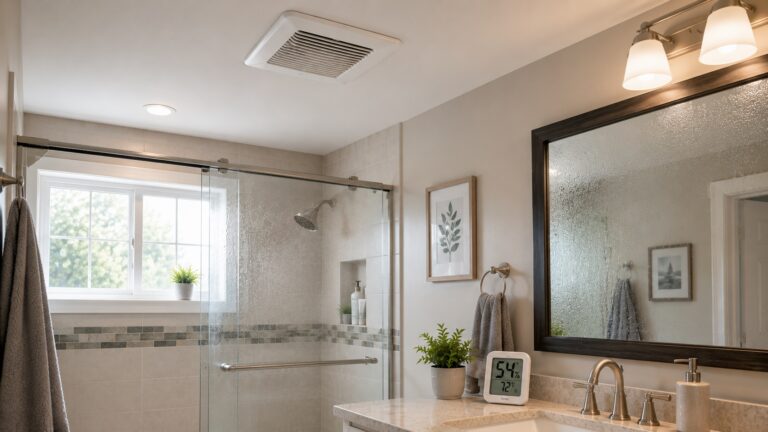
High humidity can make mold growth more likely and can also make indoor air feel uncomfortable. Use a hygrometer to compare rooms if the home feels damp or symptoms are worse in certain areas. Indoor relative humidity that repeatedly stays above about 50% deserves attention, especially in basements, bathrooms, bedrooms, closets, and rooms with condensation.
Also look for condensation on windows, toilet tanks, cold walls, basement surfaces, ductwork, or plumbing. Repeated condensation can keep materials damp enough for mold growth, especially where airflow is poor.
Inspect Leaks and Past Water Damage
Check areas with known or suspected water damage. Look around windows, roof leak areas, plumbing fixtures, under sinks, behind toilets, near tubs and showers, around appliances, in basements, and near exterior walls.
Water stains, peeling paint, bubbling drywall, swollen trim, warped cabinets, soft flooring, damp carpet, and recurring discoloration can all point to moisture that may support mold growth. Even if the surface is dry now, hidden materials may have stayed wet long enough for mold to develop.
Check HVAC Moisture and Airflow
If symptoms flare when the HVAC system runs, inspect filters, vents, return areas, drain pans, condensate lines, and any visible moisture near the air handler. A musty odor from vents may mean moisture or contamination somewhere in the system or nearby return-air path.
Do not disturb suspected HVAC mold casually. Because HVAC systems move air through the home, professional evaluation may be safer if mold is visible inside ductwork, around the air handler, or near supply and return vents.
What to Do if Mold May Be Triggering Allergies
If mold seems like a possible allergy trigger, focus on reducing exposure, correcting moisture, and getting medical guidance when symptoms are persistent or breathing-related. Do not treat mold allergies as only a cleaning problem if the home still has dampness.
Talk With a Healthcare Provider or Allergist
If allergy symptoms are recurring, severe, or hard to explain, talk with a healthcare provider or allergist. Medical allergy testing may help identify whether mold, dust mites, pollen, pets, or another trigger is involved.
Medical guidance is especially important if symptoms include wheezing, chest tightness, shortness of breath, asthma flares, severe rashes, or symptoms affecting children, older adults, people with chronic lung disease, or people with immune system concerns.
Fix the Moisture Source
Mold cleanup will not last if the moisture source remains. Fix leaks, reduce humidity, improve ventilation, dry damp materials, correct condensation problems, and address basement or crawl space moisture. If the home keeps feeding mold growth, allergy symptoms may continue or return.
This is one of the most important steps homeowners miss. Cleaning the visible growth may reduce one source of exposure, but the underlying leak, humidity problem, or damp material must be corrected to prevent recurrence.
Clean Small Mold Areas Safely
Small surface mold problems may be manageable for some homeowners if the affected area is under about 10 square feet, the material is nonporous or only lightly affected, the moisture source has been corrected, and the person doing the work is not highly sensitive. Use proper protection, avoid dry brushing, and avoid spreading particles through the air.
Do not try to clean large mold areas, moldy porous materials, mold inside HVAC equipment, or mold caused by unresolved water damage without a safer plan. Repeatedly disturbing mold can worsen exposure for sensitive people.
Use Testing and Filtration Carefully
Testing may help when mold is suspected but not visible, but a home mold test cannot diagnose a mold allergy or prove that symptoms are caused by mold. If you already see mold or smell a persistent musty odor, finding and fixing the moisture source is usually more important than testing first.
If you use home mold test kits, treat them as screening tools rather than medical proof. Filtration may also help reduce airborne particles, especially in bedrooms or high-use rooms, but air cleaning does not replace moisture correction or mold cleanup. If you are considering filtration, see HEPA air purifiers for mold.
When to Call a Professional
Professional help is worth considering when mold is large, hidden, recurring, connected to the HVAC system, or affecting people with asthma, strong allergies, chronic lung disease, immune system concerns, or symptoms that return whenever they are in the home.
Call for help if the affected area is more than a small surface patch, mold keeps returning after cleaning, there is a persistent musty odor with no visible source, or symptoms flare when the heating or cooling system runs. These situations usually require moisture diagnosis, not just another round of surface cleaning.
A mold remediation professional, indoor air quality specialist, or qualified home inspector cannot diagnose a mold allergy. Their role is to identify mold growth, moisture sources, hidden damp materials, ventilation problems, or building conditions that may be contributing to exposure. For help deciding whether the situation has moved beyond basic cleaning, see when to hire a mold remediation professional.
FAQ: Mold and Allergic Reactions
What does a mold allergic reaction feel like?
A mold allergic reaction often feels like hay fever or indoor allergies. Symptoms may include sneezing, runny nose, stuffy nose, postnasal drip, itchy or watery eyes, coughing, throat irritation, itchy skin, or skin irritation. In people with asthma, mold may also trigger wheezing, chest tightness, coughing, or shortness of breath.
The reaction is more suspicious for mold when it worsens in damp or musty rooms, around visible mold, after humidity increases, or in areas with past water damage.
Can mold cause a skin rash?
Mold may contribute to itchy skin, irritation, or rashes in some people, especially after contact with moldy materials or repeated exposure to damp indoor spaces. However, rashes can have many causes, so mold should not be assumed from appearance alone.
If a rash appears with mold exposure, damp bedding, moldy stored items, or other allergy symptoms, it is worth discussing with a healthcare provider while also correcting the moisture problem in the home.
Can mold trigger asthma attacks?
Mold can trigger asthma symptoms in some people with asthma, especially if they are allergic or sensitive to mold. Possible symptoms include wheezing, coughing, chest tightness, and shortness of breath.
Asthma symptoms should be taken seriously. If mold exposure seems to trigger breathing problems, reduce exposure, address the moisture source, and talk with a healthcare provider about asthma management.
How do I know if my allergies are from mold?
You usually cannot know from symptoms alone. Mold becomes more likely when allergy symptoms worsen in damp or musty rooms, improve away from home, flare after humidity increases, or happen near visible mold, water damage, condensation, or HVAC odors.
Medical allergy testing may help identify whether mold, dust mites, pollen, pets, or another allergen is involved. A home inspection can help identify whether mold and moisture conditions are present.
Can mold allergy symptoms be delayed?
Yes. Some people notice symptoms quickly after entering a moldy or musty area, while others feel worse after repeated or longer exposure. Morning congestion after sleeping in a damp bedroom, coughing after hours in a basement office, or eye irritation after HVAC use may all reflect delayed or cumulative exposure patterns.
Tracking when symptoms happen can help identify whether they follow a room, humidity, weather, or HVAC pattern.
Should I test my home if I suspect mold allergies?
Testing may be useful when mold is suspected but not visible, but a mold test cannot diagnose a mold allergy or prove that symptoms are caused by mold. If visible mold, musty odors, leaks, damp materials, or recurring condensation are already present, the priority is finding and correcting the moisture source.
If symptoms are persistent, severe, or breathing-related, talk with a healthcare provider or allergist while also evaluating the home for moisture and mold.
Key Takeaways
- Mold can cause allergic reactions in people who are sensitive or allergic to mold.
- Common mold allergy symptoms include sneezing, runny or stuffy nose, itchy or watery eyes, coughing, postnasal drip, throat irritation, skin irritation, and asthma symptoms.
- Mold is more likely when symptoms worsen in damp or musty rooms, around visible mold, after water damage, or during high humidity.
- Mold allergy symptoms can overlap with colds, dust mites, pollen, pets, dry air, cleaning products, and other indoor irritants.
- Cleaning mold without fixing leaks, humidity, condensation, or ventilation problems often leads to recurrence.
- Large, hidden, recurring, or HVAC-related mold problems usually require professional evaluation.
Conclusion
Mold can cause allergic reactions, but symptoms alone do not prove mold is the trigger. The strongest clue is a repeatable pattern between symptoms and damp rooms, musty odors, water damage, visible mold, humidity, or HVAC use.
If that pattern keeps showing up, address both sides of the problem: get medical guidance for persistent or breathing-related symptoms, and inspect the home for the moisture source that may be allowing mold to grow.
One Comment
Comments are closed.