How Improper Sealing Causes Exterior Leaks Around Homes
Improper sealing is one of the most common reasons exterior leaks keep showing up after rain, especially around windows, doors, vents, cable lines, hose bibs, siding trim, and other exterior openings. A small gap in sealant may not look serious from outside, but once wind-driven rain reaches that gap, water can move behind trim, siding, sheathing, or wall materials before it appears indoors.
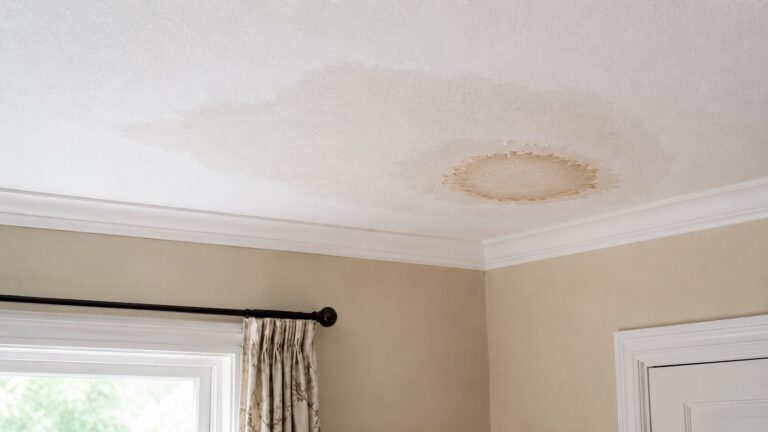
The confusing part is that many exterior leaks do not look dramatic at first. You may notice a damp baseboard, peeling paint, a musty smell near one wall, staining around a window, or soft drywall after heavy rain. The visible damage may be several feet away from the actual entry point because water can travel behind finished materials before it finally shows up inside.
Improper sealing is part of a larger pattern of water entering homes through structural gaps. Sealant can help protect exterior joints, but it is not a complete waterproofing system by itself. When caulk, trim, flashing, siding, or penetration details are installed incorrectly, water can get behind the surface and create recurring moisture problems.
The key is to separate a simple failed sealant joint from a larger water-control problem. Some leaks can be corrected by proper resealing, but others point to missing flashing, trapped drainage, loose trim, rotted materials, or a hidden entry path behind the surface.
Why Improper Sealing Causes Exterior Leaks
Exterior sealing is supposed to help keep water out of vulnerable joints and openings. It is commonly used around trim edges, utility penetrations, siding transitions, windows, doors, vents, and small gaps where different materials meet. When the seal is applied correctly and works with the surrounding flashing and drainage details, it can help shed water away from the wall assembly.
Problems start when sealing is treated as the entire water-control system instead of one part of it. A bead of caulk cannot replace missing flashing, poor siding overlap, an unprotected penetration, damaged trim, rotted wood, or a wall assembly that traps water behind the surface.
Improper sealing can cause exterior leaks in several ways. The sealant may not bond to the surface. It may crack or shrink. It may pull away from one side of the joint. It may be applied over old caulk, dirt, chalky paint, damp wood, or loose siding. It may also be placed in the wrong location, where it blocks drainage instead of stopping water entry.
When any of those failures happen, water can get behind the seal. Once water gets behind the outer surface, it may not drain back out quickly. It can soak into wood trim, move behind siding, wet sheathing, dampen insulation, or track along framing members. Over time, repeated wetting can lead to staining, musty odors, mold growth, wood decay, and hidden wall moisture.
This is why exterior leaks often return after a quick caulking repair. The visible gap may have been covered, but the real water path may still exist behind the trim, flashing, siding, or penetration. In some cases, adding more sealant can even trap water inside the wall if the underlying drainage path is blocked.
Where Bad Exterior Sealing Usually Causes Leaks
Improper sealing usually causes leaks at interruptions in the exterior wall system: edges, joints, corners, transitions, and penetrations. These are the places where two materials meet or where something passes through the wall.
Around Windows
Windows are frequent leak points because they interrupt the wall system. Water can enter around the frame, trim, sill, head flashing, side casing, or gaps between the window unit and surrounding wall materials. Failed caulk around a window may allow water to get behind the trim, but the deeper issue may involve flashing, housewrap, sill pan details, or siding transitions.
A window may look like it only needs a new bead of caulk, but if the flashing behind the trim is missing or poorly installed, water may continue entering even after the surface is sealed. In that case, the problem may be part of a larger window water-control issue, such as window flashing failure causing leaks.
Around Exterior Doors
Exterior doors are exposed to wind-driven rain, foot traffic, threshold movement, and repeated expansion and contraction. Sealing problems can appear around the door frame, threshold, side trim, sill area, or lower corners. When the sealant fails, water may enter near the threshold and spread into flooring, subflooring, baseboards, or lower wall materials.
Door leaks are especially common when the lower corners are not properly sealed or flashed. A small gap near the threshold can allow repeated wetting every time rain is pushed against the door. The damage may first appear as swollen flooring, soft trim, dark staining near the base of the door, or a musty smell near the entry area.
Around Wall Penetrations
Wall penetrations are any places where something passes through the exterior wall. These include cable lines, plumbing pipes, hose bibs, electrical conduits, light fixtures, gas lines, mini-split lines, and other utility openings. Each penetration creates a break in the wall’s water-shedding surface.
If these openings are not sealed correctly, water can collect around the penetration and follow the pipe, wire, sleeve, or mounting plate into the wall. This is why wall penetrations become leak points even when the opening looks small from outside.
Penetrations are also vulnerable because different materials move at different rates. A metal pipe, plastic sleeve, wood siding, vinyl trim, masonry wall, and flexible sealant may all expand and contract differently. Over time, that movement can break the bond around the seal.
Around Cable and Utility Entry Points
Cable, internet, satellite, and low-voltage utility lines often enter homes through small drilled holes. These openings may be overlooked because they are small, but they can become serious leak paths when they are poorly angled, loosely sealed, or left with cracked caulk around the wire.
Water can cling to a cable and follow it toward the wall, especially if the line slopes inward instead of downward away from the house. When the exterior seal fails, moisture can enter behind the siding or into the wall cavity. This is covered more specifically in how cable entry points allow moisture inside.
Around Exterior Vents
Dryer vents, bathroom exhaust vents, kitchen exhaust vents, combustion vents, and other exterior wall vents are common moisture entry points. A vent cover usually needs proper flashing, a tight fit, and durable sealing around the edges. If the vent is loose, cracked, poorly sloped, or sealed only at the surface, rain can get behind it.
Vent leaks may show up as stains below the vent, damp wall cavities, peeling paint, or musty odors near the wall. Related issues are covered more specifically in how exterior vent openings cause moisture.
Around Hose Bibs and Outdoor Faucets
Outdoor faucets create both a plumbing penetration and an exterior sealing point. If the faucet is loose, the siding around it is damaged, or the sealant has cracked, rainwater can enter around the pipe sleeve. Water may then follow the pipe into the wall or soak the surrounding sheathing and framing.
This type of leak is often missed because homeowners naturally look for plumbing leaks first. A hose bib can leak from the plumbing connection, but it can also allow rainwater into the wall if the exterior seal around the faucet fails.
Along Siding Trim and Exterior Joints
Siding systems have many joints where trim boards, corner boards, panels, laps, channels, and transitions meet. These areas often rely on a combination of overlap, flashing, drainage space, and selective sealing. If sealant is applied poorly, missing in the wrong place, or used where flashing should have been installed, water can reach the wall behind the siding.
Trim joints are especially vulnerable when wood shrinks, paint fails, boards separate, or old caulk becomes brittle. Once water enters behind trim, it can stay hidden for a long time. The first indoor sign may be a stain, soft drywall, swollen baseboard, or musty odor rather than visible water dripping.
How Water Gets Behind Failed Exterior Seals
Exterior leaks are not always caused by a large open hole. Many start when water finds a narrow path behind a failed seal and then moves through the wall assembly by pressure, gravity, surface tension, or repeated wetting.
Wind-Driven Rain Pushes Water Into Small Openings
Rain does not always fall straight down. During storms, wind can push rain sideways against siding, trim, vents, windows, doors, and wall penetrations. A seal that performs during light rain may fail during wind-driven rain because water is being forced against the joint under pressure.
This explains why some leaks only appear during certain storms. If the wall stays dry during calm rain but leaks during heavy wind, the problem may involve a weak exterior seal, failed flashing, or an opening that only leaks when rain is pushed toward it.
Capillary Action Pulls Water Into Tight Gaps
Water can move through very small gaps when two surfaces are close together. This is called capillary action. It can happen behind trim, between siding pieces, around poorly sealed penetrations, or along cracks where sealant has separated from one side of the joint.
Capillary movement is one reason tiny gaps can cause real leaks. The opening may look too small to matter, but water can still be drawn into it and held there. Once the materials behind the gap become wet, repeated rain can keep feeding moisture into the same area.
Gravity Carries Water Down Hidden Paths
Once water gets behind the exterior surface, gravity takes over. Water may run down the back of siding, the face of sheathing, the side of a stud, the edge of insulation, or the back of interior trim. The leak may appear indoors much lower than the original entry point.
For example, a gap around an upper wall penetration may eventually show up as dampness near a baseboard. A failed seal above a window may show up as staining beside the frame or below the sill. This hidden movement is one reason exterior leaks are often misdiagnosed.
Absorbent Materials Hold Moisture After the Rain Stops
Exterior leaks often continue causing damage even after the storm ends because building materials can absorb and hold moisture. Wood trim, sheathing, framing, drywall, insulation, and some siding backers can stay damp long after the surface looks dry.
If the same area gets wet again before it fully dries, moisture can accumulate. Over time, this repeated wetting can lead to peeling paint, swelling trim, soft drywall, staining, musty odors, and mold-prone conditions. A guide to finding, fixing, and preventing moisture problems in homes should always consider both the source of entry and the materials that may already be wet.
Water Can Follow Pipes, Wires, and Sleeves
Penetrations are especially vulnerable because water can follow the object that passes through the wall. A pipe, cable, conduit, vent sleeve, or mounting bracket can act like a pathway. If the seal around it fails, water may travel along the surface and enter the wall cavity.
This is one reason a small exterior penetration can create damage that seems larger than expected. The actual opening may be narrow, but once water enters behind the surface, it can spread into surrounding materials.
Common Sealing Mistakes That Lead to Water Intrusion
Improper sealing does not always mean no sealant was used. Many exterior leaks happen because sealant was applied in the wrong way, on the wrong surface, with the wrong product, or in the wrong location. A fresh bead of caulk can still fail if the surrounding details are not correct.
Using the Wrong Sealant for the Surface
Not all sealants are designed for the same materials or exposure conditions. Exterior joints may involve wood, vinyl, fiber cement, metal, masonry, painted trim, plastic vent covers, or flashing. A sealant that works on one surface may not bond well to another.
The wrong product may crack, shrink, peel, or lose adhesion after sun exposure, temperature changes, rain, or material movement. When that happens, water can enter behind the bead even if the surface still appears sealed from a distance.
Applying Sealant Over Dirty or Unstable Surfaces
Sealant needs a clean, dry, stable surface to bond correctly. If it is applied over dust, mildew, chalky paint, loose old caulk, damp wood, wet masonry, or rotted trim, it may not adhere properly. The bead may look neat at first but separate later.
This is common after quick repairs. Someone sees a gap, runs a bead of caulk over it, and assumes the leak is fixed. But if the old surface was not prepared correctly, the new seal may fail during the next heavy rain.
Sealing Over Old Failed Caulk
Adding new sealant over old cracked caulk rarely solves a recurring leak. The old material may already be separated from the joint, trapping dirt, moisture, or air pockets beneath it. New caulk placed over that weak layer can detach along with the old bead.
When old caulk has failed, the problem is usually not just the visible crack. The joint may need to be cleaned, dried, evaluated, and resealed correctly. In some cases, the trim, flashing, or surrounding material may also need repair before sealant can work.
Making the Sealant Bead Too Thin
A very thin smear of caulk may cover a gap visually without creating a durable seal. Exterior joints often move as materials expand, contract, swell, dry, or shift. If the sealant layer is too thin, it may tear or separate instead of stretching with the joint.
Thin cosmetic sealing is especially likely to fail around trim edges, siding transitions, utility openings, and exterior fixtures. It may look clean from outside but provide little long-term protection against rain.
Sealing Wet Materials
Sealant applied to wet wood, damp trim, saturated siding, or moist masonry may not bond correctly. Even if the surface feels dry, moisture behind the material can affect the joint. This can happen when someone tries to seal a leak immediately after rain without allowing the area to dry.
Sealing wet materials also risks trapping moisture behind the surface. If water has already entered the wall, the exterior repair should not ignore the need for drying and damage evaluation.
Blocking Drainage Paths
Some exterior openings are not defects. Certain gaps, weep holes, drainage channels, and bottom edges are designed to let water escape. If those areas are sealed shut, water may become trapped behind siding, windows, veneer, trim, or flashing.
This is one of the biggest risks of over-caulking. A homeowner may seal every visible gap to stop a leak, but some of those gaps may be part of the drainage system. Blocking them can force water inward or keep materials wet longer.
Relying on Caulk Instead of Flashing
Sealant is not a substitute for flashing. Flashing is designed to direct water away from vulnerable openings and transitions. Caulk can help close a joint, but it should not be the only thing preventing water from entering above a window, door, vent, wall penetration, or siding transition.
If flashing is missing, reversed, damaged, or poorly integrated with the surrounding wall system, caulk may temporarily reduce the leak but will not correct the underlying water path. The leak often returns because the wall still has no reliable way to shed water away from the opening.
Sealing Only the Visible Interior Symptom
Sometimes homeowners try to stop an exterior leak from inside by sealing a crack, trim gap, or drywall edge where water appears. This may hide the symptom, but it usually does not stop water from entering the wall from outside.
Interior sealing can also trap moisture inside the wall cavity. If the exterior entry point remains open, water may continue entering and spreading behind finished materials. For recurring leaks, the source needs to be traced from the exterior side, not just covered indoors.
Signs Improper Sealing May Be Causing the Leak
Improper sealing is not always obvious from inside the home. The exterior gap may be small, partly hidden behind trim, or located higher on the wall than the indoor stain. However, certain patterns can point toward a failed seal, poorly sealed penetration, or exterior joint that is allowing rainwater inside.
The Leak Appears After Wind-Driven Rain
If the area only gets wet during storms with strong wind, improper exterior sealing may be involved. Wind can push water into gaps that stay dry during light rain. This is common around windows, doors, vents, trim joints, and utility penetrations.
A calm rain may not create enough pressure to push water through the opening, but sideways rain can drive moisture behind the seal. This pattern is especially important when the leak appears on an exterior-facing wall and disappears during dry weather.
Interior Stains Appear Near Exterior Openings
Water stains near windows, doors, vents, outlets, baseboards, or exterior-facing walls can point to an outside leak path. The stain may appear below the actual entry point because water can run downward behind the wall before soaking visible materials.
For example, a failed seal around an exterior vent may show up as a damp spot below the vent, while a poorly sealed cable entry may cause moisture near trim or drywall inside. If the pattern seems connected to a wall opening, it may be worth comparing it with signs water is entering through wall penetrations.
The Exterior Caulk Is Cracked, Pulled Away, or Missing
Cracked or missing caulk is one of the easiest exterior clues to see. Look for sealant that has separated from one side of the joint, split down the middle, hardened, shrunk, or opened at corners. Even a narrow gap can allow water behind the surface.
Pay close attention to areas where different materials meet. Joints between trim and siding, vent covers and siding, pipe sleeves and wall surfaces, or window trim and exterior cladding are common places for separation.
The Leak Returns After Someone Caulked It
A leak that returns after caulking usually means the repair did not address the full water path. The new sealant may have failed, but it is also possible that water is entering behind flashing, under siding, around a penetration sleeve, or through an opening that was not visible during the repair.
This pattern is common when the exterior surface was sealed quickly without checking whether the area was dry, stable, properly flashed, and draining correctly. Repeated leaks after sealing should be treated as a diagnostic warning, not just a sign that more caulk is needed.
There Is a Musty Smell Near One Exterior Wall
A musty smell near one wall, window, door, closet, or corner may indicate trapped moisture behind materials. Exterior leaks from poor sealing can wet hidden surfaces without creating visible dripping. Over time, damp wood, drywall paper, dust, insulation, or trim cavities may begin to smell musty.
The smell may become stronger after rain or during humid weather. If that happens, the issue may involve both exterior water entry and hidden moisture retention inside the wall assembly.
Paint, Trim, or Drywall Keeps Failing in the Same Area
Repeated peeling paint, swollen trim, bubbling drywall, soft baseboards, or recurring stains can point to ongoing moisture behind the surface. If the damage is on or near an exterior wall, improper sealing should be considered as one possible cause.
Surface repairs may temporarily improve the appearance, but the damage will usually return if the exterior leak path remains active. This is especially true near windows, doors, siding joints, and penetrations exposed to repeated rain.
Why Caulk Alone Does Not Always Stop Exterior Leaks
Caulk can seal certain exterior joints, but it cannot correct every water-control problem. A leak may continue after caulking when the real failure is behind the visible surface, such as missing flashing, poor drainage, loose trim, or damaged materials.
Caulk Cannot Replace Flashing
Flashing directs water away from vulnerable transitions. It is especially important above windows, doors, vents, roof-wall intersections, and other openings. If flashing is missing or poorly installed, water may keep entering behind the wall even if the visible edge has been sealed.
This is why exterior sealing repairs often fail around openings that were never flashed correctly. The sealant may slow the leak, but the wall still lacks a reliable water-shedding detail.
Caulk Cannot Fix Rotted or Loose Materials
Sealant needs stable surfaces. If trim is rotted, siding is loose, sheathing is soft, or the fixture is moving, caulk will not create a dependable long-term repair. The joint will keep moving or breaking apart until the damaged material is corrected.
For example, caulking around a loose vent cover may fail because the vent continues to shift. Caulking around rotted trim may fail because the wood no longer provides a firm bonding surface. In these cases, the material problem must be addressed before sealing can work.
Caulk Cannot Stop Water That Is Entering Higher Up
The visible leak location may not be the entry point. Water can enter higher on the wall, move behind siding or trim, and appear lower inside. If the lower stain is sealed but the upper entry point remains open, the leak will continue.
This is why exterior leak diagnosis should follow the likely water path, not just the visible stain. The source may be above, beside, or behind the area where water appears indoors.
Caulk Cannot Dry Wet Wall Cavities
Even if resealing stops new water from entering, it does not automatically dry materials that are already wet. Wall cavities, insulation, wood framing, sheathing, and drywall can hold moisture after the exterior has been repaired.
If the area was wet repeatedly, drying may require ventilation, material removal, moisture testing, or professional evaluation. Sealing the outside without checking the inside can leave hidden dampness behind finished surfaces.
Caulk Can Trap Water If Used in the Wrong Place
Some exterior systems are designed to let incidental water drain out. If a homeowner seals drainage openings, weep holes, bottom edges, or intentional gaps, water may become trapped behind the surface. That trapped water can then move inward or keep wall materials damp.
This is why the goal should not be to seal every gap on the exterior of a home. The goal is to identify which gaps are unintended leak paths and which openings are part of the wall’s drainage or ventilation design.
What to Check Before Resealing an Exterior Leak
Before resealing an exterior leak, it helps to think through the source of the water. The goal is not to perform a risky repair or take apart the wall unnecessarily. The goal is to avoid covering a deeper moisture problem with surface sealant.
Check Whether the Leak Is Connected to Rain
If the leak appears after rain, especially wind-driven rain, the source may be an exterior opening, siding joint, flashing edge, or penetration. If the dampness appears even during dry weather, plumbing, condensation, HVAC moisture, or indoor humidity may also need to be considered.
Compare the Indoor Stain With Exterior Features
Look at what exists on the outside wall near and above the indoor damage. A stain near a baseboard may line up with a window, cable line, vent, hose bib, siding joint, or exterior fixture higher on the wall. Water often travels downward before it becomes visible.
Look for Failed Sealant and Material Damage
Cracked caulk, open joints, loose trim, separated siding, missing sealant, damaged vent covers, and gaps around pipes or cables can all suggest a sealing problem. However, these signs should be interpreted carefully. The visible gap may be one part of a larger failure.
A useful first check is to look above the indoor stain, not only directly behind it. Exterior water often enters higher on the wall and travels downward before it becomes visible indoors.
Check Whether the Area Is Already Wet or Soft
If trim, siding, sheathing, drywall, or nearby materials feel soft, swollen, stained, or musty, the issue may have been active for some time. In that case, resealing alone may not be enough. Wet or damaged materials may need to dry, be tested, or be repaired before a durable seal can be made.
Do Not Seal Drainage Openings Without Understanding Their Purpose
Before sealing a gap, make sure it is not a weep hole, drainage slot, siding drain path, window weep, or other intended opening. Blocking drainage can trap water behind exterior materials and make moisture problems worse.
For a more detailed inspection process, see how to inspect exterior penetrations for moisture, which focuses more specifically on pipes, cables, vents, fixtures, and other exterior wall openings.
Watch for Patterns Over More Than One Storm
If the leak returns in the same place after multiple storms, the sealing problem may be recurring or the true source may not have been found. Repeated wetting is more serious than a one-time damp spot because materials may not have time to dry between rain events.
Recurring exterior entry problems can also be tied to aging fixtures, movement, UV damage, and deteriorating materials. Those longer-term failure patterns are closely related to why exterior entry points fail over time.
When Poor Sealing Becomes a Bigger Moisture Problem
A small exterior sealing problem becomes more serious when the same area gets wet repeatedly. Behind drywall, trim, siding, and sheathing, moisture can soak into wood framing, insulation, paper-faced drywall, subfloor edges, and wall cavities. If water keeps entering through a failed seal, those materials may stay damp long enough to develop staining, decay, musty odors, or mold-prone conditions.
Hidden Wall Cavities Can Stay Damp
When water enters behind trim or siding, it may not dry quickly. Wall cavities have limited airflow, especially when insulation is present. If moisture reaches insulation, the insulation can hold dampness against framing and drywall. This can make the area dry slowly even after the exterior surface looks normal.
A wall can be wet inside before obvious surface damage appears.
Wood Trim and Sheathing Can Begin to Deteriorate
Repeated wetting can damage exterior wood trim, sheathing, and framing. Paint may blister or peel first. Then wood may swell, soften, split, or darken. Over time, repeated moisture exposure can contribute to decay, especially in areas that do not dry well.
Rotted trim or soft sheathing also makes sealing harder. Sealant needs stable material to bond to. If the surface underneath is damaged, new caulk may fail again because the underlying material is no longer sound.
Interior Finishes May Show Delayed Damage
Drywall, paint, baseboards, and flooring may show damage after the actual leak has been active for a while. The first signs may be subtle: a faint stain, a soft paint bubble, a dark corner, a warped baseboard, or a musty odor after rain.
Because water can travel behind the wall before appearing indoors, the damaged finish may not point directly to the entry point. This makes it important to think about nearby exterior openings, seams, penetrations, and trim joints rather than only the visible interior spot.
Musty Odors May Develop Before Visible Mold Appears
A musty smell can develop when moisture remains trapped in porous or dusty materials. This does not always mean there is a large mold problem, but it does mean the area deserves attention. Musty odor near an exterior wall after rain may indicate damp wall cavities, wet trim, or hidden materials that are not drying properly.
If odors keep returning after storms, the issue may be connected to a recurring exterior leak rather than only indoor humidity. In that case, the water source should be corrected before cosmetic cleaning or odor control is expected to work.
When to Call a Professional
Some minor exterior sealing problems can be addressed with careful maintenance, but recurring leaks, hidden moisture, and damaged materials should be taken more seriously. A professional inspection may be needed when the leak pattern suggests that water is entering behind the visible surface or when the materials around the leak are already deteriorating.
Consider professional help if the same area leaks after multiple sealing attempts. Repeated failure usually means the visible caulk line is not the whole problem. There may be failed flashing, loose siding, damaged trim, hidden rot, poor drainage, or a penetration that was never sealed correctly.
You should also get help if interior materials feel soft, swollen, stained, or musty. These signs may mean moisture has moved beyond the exterior joint and into wall materials. If drywall, framing, insulation, or sheathing has been wet repeatedly, the repair may need more than surface sealant, especially if mold growth, decay, or structural weakening is suspected.
Professional evaluation is especially important when water appears around electrical fixtures, exterior outlets, wall-mounted lights, roof-wall transitions, upper-story openings, or areas that require ladder access. Safety matters, and exterior leak repairs can involve hidden electrical, structural, or fall hazards.
If the leak seems related to multiple openings, old repairs, damaged siding, failed flashing, or ongoing wall moisture, it may be part of a larger exterior water-entry problem rather than a single caulk failure. In that situation, the safest next step is to identify the full water path before resealing anything permanently.
FAQ
Can bad caulking cause water leaks inside a house?
Yes. Bad caulking can allow water to enter around exterior joints, trim, windows, doors, vents, and wall penetrations. The leak may not appear directly behind the failed caulk because water can travel behind siding, trim, sheathing, or drywall before becoming visible indoors.
Why does my exterior leak continue after I caulked it?
An exterior leak can continue after caulking if the true entry point was not sealed, the surface was wet or dirty, the old caulk was not removed, the wrong sealant was used, or the leak is actually caused by failed flashing, siding, trim, or a wall penetration. Caulk may cover the visible gap without correcting the hidden water path.
Is exterior sealant enough to stop wall leaks?
Sometimes, but not always. Exterior sealant can help close certain joints, but it is not a substitute for flashing, proper siding installation, drainage gaps, or sound building materials. If water is entering behind the wall system, sealant alone may not solve the problem.
Should all exterior gaps be sealed?
No. Some exterior gaps are accidental leak paths, but others are intentional drainage or ventilation openings. Sealing weep holes, drainage slots, siding exit paths, or window weeps can trap water and make leaks worse. Before sealing any gap, it is important to understand whether it is meant to shed water or let water escape.
How do I know if a leak is from bad sealing or something else?
A leak that appears after wind-driven rain, near an exterior opening, around a penetration, or beside cracked caulk may involve bad sealing. However, similar symptoms can also come from failed flashing, siding defects, roof runoff, plumbing leaks, or condensation. The best clue is the pattern: when the leak appears, where it appears, and what exterior features are nearby or above it.
Can sealing the wrong area make a leak worse?
Yes. Sealing the wrong area can trap water behind siding, windows, trim, masonry, or flashing. It can also block drainage paths that were meant to release incidental water. This is why exterior leaks should be diagnosed before every visible gap is sealed.
How long should exterior sealant last?
Exterior sealant life varies based on product type, sunlight exposure, joint movement, surface preparation, weather, and installation quality. Some sealants fail early because they were applied over dirty, wet, loose, or damaged materials. Even durable exterior sealants need periodic inspection because exterior joints move and age over time.
What Improper Sealing Usually Means
Improper sealing causes exterior leaks when water finds a weak point around a joint, opening, penetration, or transition and moves behind the visible surface. The leak may begin with cracked caulk, a poorly sealed vent, a loose fixture, a bad trim joint, or a surface repair that never addressed the real water path.
The most important thing to remember is that exterior sealant is only one part of a home’s water-control system. It works best when the surrounding materials are clean, dry, stable, properly flashed, and able to drain. When caulk is used as a substitute for flashing, drainage, or material repair, leaks often return.
If an exterior leak keeps coming back, do not assume the answer is simply more sealant. Look for the actual entry point, consider how water may be traveling behind materials, and check whether the area has already developed hidden moisture damage. A careful diagnosis can prevent a small sealing failure from becoming a recurring wall moisture problem.