Best Roof Flashing Repair Tape for Seams, Edges, and Penetrations
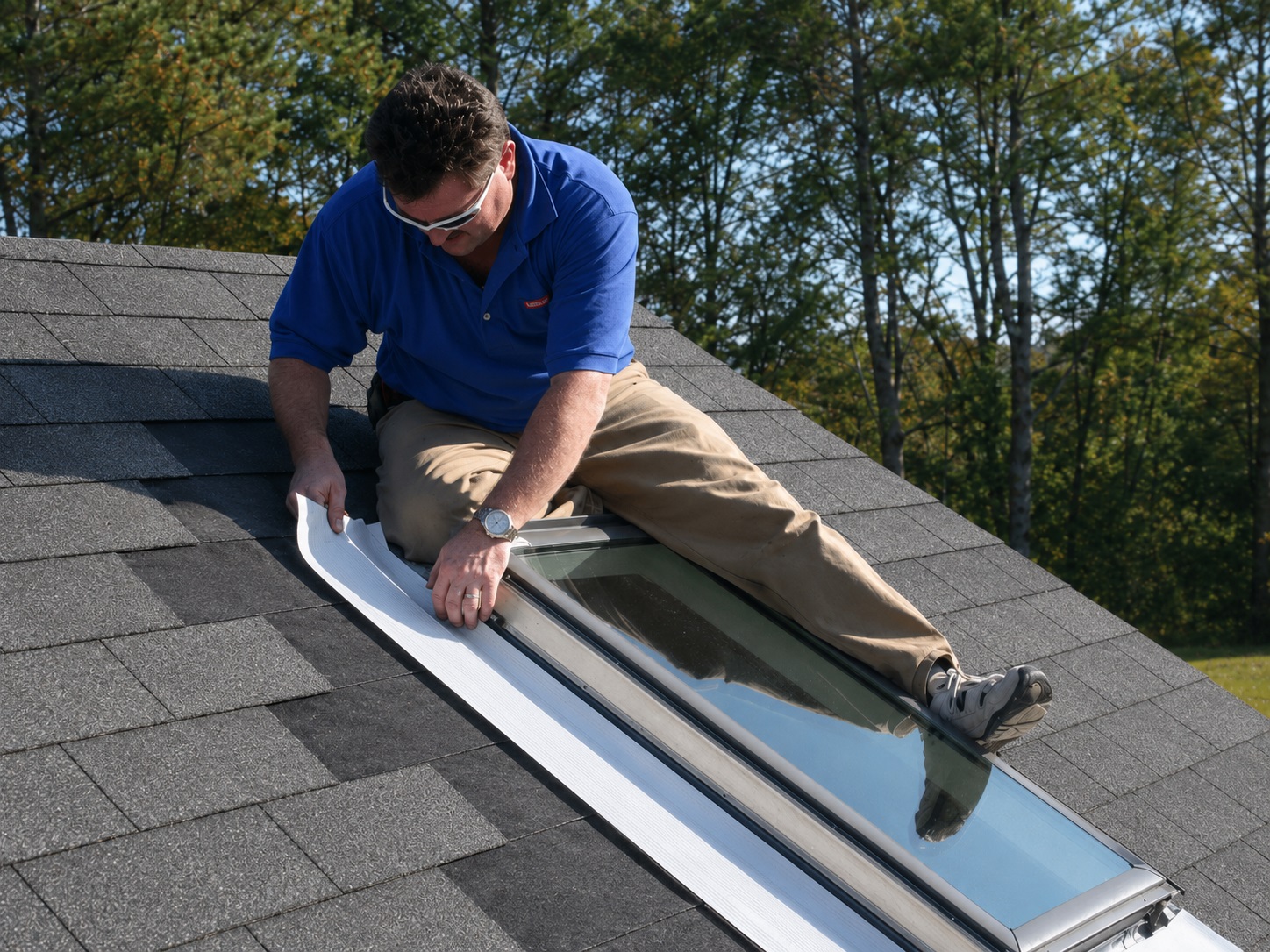
Roof flashing is supposed to move water away from the most vulnerable parts of a roof, but small gaps, lifted edges, aging sealant, loose seams, and worn areas around vents or skylights can still let water in. When the flashing is mostly intact but a seam or edge needs reinforcement, the right roof flashing repair tape can help seal a localized problem before it turns into ceiling stains, attic moisture, or hidden mold risk.
This guide focuses specifically on the best roof flashing repair tape for existing flashing seams, edges, vents, skylights, valleys, roof-to-wall transitions, and roof penetrations. It does not cover new flashing installation membranes, siding flashing tape, roofing tar, or liquid roof sealants. These tapes are best for small, localized flashing repairs where the roof surface and flashing are still mostly sound.
For broader roof failure context, see our parent guide to common roofing material failures. For whole-home moisture prevention, you can also review our guide on how to find, fix, and prevent moisture problems in homes.
As an Amazon Associate, this site earns from qualifying purchases. This does not affect the price you pay. Our recommendations are based on research, product reliability, and real-world usability in moisture-prone environments.
Quick Picks Summary
- Best Overall Roof Flashing Repair Tape: EternaBond RoofSeal White 4″ x 50′ MicroSealant Tape
- Best for RV and Low-Slope Roof Flashing Seams: Cofair UBE425 Quick Roof Extreme White 4″ x 25′
- Best Narrow Flashing Edge Tape: BXI Flashing Roll Tape Membrane 2″ x 32′
- Best Emergency Roof Penetration Patch: Gorilla Waterproof Patch & Seal Tape 4″ x 10′ Black
- Best Aluminum Butyl Tape for Metal Flashing: XFasten Super Waterproof Aluminum Butyl Tape 2″ x 33′
Roof Flashing Repair Tape Reviews
EternaBond RoofSeal White 4″ x 50′ MicroSealant Tape: Best Overall Roof Flashing Repair Tape
EternaBond RoofSeal is the strongest overall choice for homeowners who need a serious repair tape for existing roof flashing seams, vent edges, skylight edges, roof-wall transitions, or low-slope roof details. It is especially useful when the repair area needs more than a thin utility tape but does not require a full flashing replacement. The 4-inch width gives enough coverage to bridge many vulnerable seams while still being manageable for careful DIY placement.
This tape is best treated as a durable flashing repair reinforcement, not a substitute for rebuilding missing or badly installed flashing. If the metal flashing is rusted through, pulling away from the roof, or incorrectly layered, a roofing contractor may need to correct the underlying assembly. But when the problem is a localized seam, edge, lap, or penetration transition, EternaBond is the most complete option in this group.
Key Features
- 4-inch width works well for roof flashing seams, skylight edges, and roof penetrations.
- 50-foot roll gives enough material for multiple roof repair areas.
- White surface is useful on RV roofs, low-slope roofs, and lighter roof surfaces.
- MicroSealant-style adhesive is designed for strong contact with many roofing materials.
- Better suited to long seam reinforcement than small utility patch tapes.
Pros
- ✔ Strong overall fit for existing roof flashing repair.
- ✔ Long roll is useful when several seams or penetrations need attention.
- ✔ Good width for bridging flashing edges without being too narrow.
- ✔ Established roof and RV repair product category.
Cons
- ✖ More tape than some homeowners need for one tiny leak.
- ✖ Requires careful surface prep and firm pressure for best results.
- ✖ Not a fix for missing flashing, rotten decking, or major roof damage.
Best For
- Homeowners repairing existing flashing seams around vents, skylights, roof-wall edges, and low-slope roof transitions.
- RV roof owners who need a serious seam-repair tape rather than a short emergency patch.
- Situations where the flashing is still structurally present but a seam, lap, or exposed edge needs reinforcement.
Cofair UBE425 Quick Roof Extreme White 4″ x 25′: Best for RV and Low-Slope Roof Flashing Seams
Cofair UBE425 Quick Roof Extreme is another strong option for roof flashing repair, especially where the repair area resembles a roof seam more than a small puncture. It is a good match for RV roof edges, low-slope roof seams, vent flanges, and existing flashing transitions where a white, peel-and-stick roof tape makes sense.
The main reason to choose Cofair over EternaBond is roll size and repair scale. A 25-foot roll may be more practical if you only need to address a handful of roof details. It also fits the article’s scope well because it is useful for reinforcing existing roof flashing edges and seams rather than acting as a general-purpose wall or siding tape. If your roof leak appears near an attic penetration, you may also want to compare symptoms with our guide to signs roof penetrations are leaking.
Key Features
- 4-inch width is suitable for roof seams, vent edges, and flashing transitions.
- 25-foot roll is easier to justify for smaller repair projects.
- White finish works well for RV roofs and some low-slope roof surfaces.
- Designed for roof repair uses rather than indoor moisture control.
- Good choice for seam reinforcement where a small patch tape feels too limited.
Pros
- ✔ Strong fit for RV roof flashing and low-slope seams.
- ✔ More manageable roll size than 50-foot products.
- ✔ Useful around vents, roof accessories, and exposed seam edges.
- ✔ Good alternative if EternaBond is more than the job requires.
Cons
- ✖ Shorter roll may not be enough for many repair zones.
- ✖ White finish may stand out on darker residential shingles.
- ✖ Not ideal for precise narrow metal flashing edges where a foil-backed tape may look cleaner.
Best For
- RV roof seams, low-slope roof seams, vent edges, and localized flashing repair.
- Homeowners who want a roof-specific repair tape but do not need a 50-foot roll.
- Sealing an existing seam or lap where the flashing is still in place.
Check the Cofair UBE425 Quick Roof Extreme White 4″ x 25′ on Amazon to see current availability.
BXI Flashing Roll Tape Membrane 2″ x 32′: Best Narrow Flashing Edge Tape
BXI Flashing Roll Tape Membrane is the best narrow option in this list. The 2-inch width makes it easier to place along small flashing edges, compact roof-wall transitions, gutter-adjacent details, and tight repair lines where a 4-inch or 6-inch tape would feel oversized. It is not the first product I would choose for a wide vent flange or a large roof seam, but it is very useful when the repair area is narrow and controlled.
This is the product to consider when you are trying to seal an exposed flashing edge rather than cover a larger roof surface. It can also be useful when you want a more targeted repair and do not want a wide white tape drawing attention to the roof. Because this product sits close to the boundary between roof flashing repair and general flashing membrane use, the article should frame it around existing roof flashing repair, not new flashing installation. For new flashing product comparisons, that belongs in a separate self-adhesive roof flashing article.
Key Features
- 2-inch width is useful for narrow flashing edges and tight roof details.
- 32-foot roll gives enough material for several small repair areas.
- Membrane-style design is suited to waterproof patching and edge sealing.
- Good option when wider tapes would be difficult to place cleanly.
- Works well as a targeted repair tape rather than a broad roof patch.
Pros
- ✔ Narrow width gives better control on small flashing edges.
- ✔ Useful for compact seams, small roof-wall gaps, and detail work.
- ✔ Less visually bulky than wide repair tapes.
- ✔ Good fit for budget-conscious homeowners with small repair areas.
Cons
- ✖ Too narrow for many vent flanges or larger roof penetration repairs.
- ✖ May require multiple strips if the repair area is wider than expected.
- ✖ Not the best choice for long, high-exposure roof seams.
Best For
- Narrow flashing edge repairs, small roof-wall transitions, gutter-adjacent flashing areas, and tight seams.
- Homeowners who need a controlled strip rather than a wide roll.
- Small localized repairs where the flashing is mostly sound.
Check the BXI Flashing Roll Tape Membrane 2″ x 32′ on Amazon to see current availability.
Gorilla Waterproof Patch & Seal Tape 4″ x 10′ Black: Best Emergency Roof Penetration Patch
Gorilla Waterproof Patch & Seal Tape is the best pick here for a small emergency-style roof penetration patch. It is not as roofing-specific as EternaBond or Cofair, but it has one major advantage: it is easy for homeowners to understand and use for small urgent repairs. If you have a minor leak around a pipe boot, vent edge, roof accessory, or small flashing gap and need a short roll for a targeted patch, this product fits that scenario well.
The black finish can blend better with some darker roof surfaces, but it may stand out on white RV roofs or light membranes. Because this is a broader waterproof patch tape, it should not be described as the most professional flashing repair option. It belongs in the article as a practical emergency tape for small roof penetration leaks, especially when the reader needs something simple and does not need a long roll.
Key Features
- 4-inch width gives enough coverage for small roof penetration patches.
- 10-foot roll is practical for one or two localized repair areas.
- Black finish may blend with darker roof surfaces and accessories.
- Useful for patching small gaps, cracks, and exposed edges.
- Consumer-friendly option for urgent repairs around roof details.
Pros
- ✔ Good short-roll option for small emergency patches.
- ✔ Easy to keep on hand for minor roof or exterior repairs.
- ✔ Useful around small penetrations, vent edges, and accessory leaks.
- ✔ Black color may look less obvious on dark surfaces.
Cons
- ✖ Not as specialized for roof flashing as EternaBond or Cofair.
- ✖ Short roll is not ideal for multiple long seams.
- ✖ Should not be relied on to correct bad flashing installation or structural roof failure.
Best For
- Small emergency patches around vents, pipe boots, roof accessories, and minor flashing gaps.
- Homeowners who want a short roll rather than a large roofing tape roll.
- Temporary or localized reinforcement while monitoring the area after rain.
Check the Gorilla Waterproof Patch & Seal Tape 4″ x 10′ Black on Amazon to see current availability.
XFasten Super Waterproof Aluminum Butyl Tape 2″ x 33′: Best Aluminum Butyl Tape for Metal Flashing
XFasten Super Waterproof Aluminum Butyl Tape is the best fit when the repair area involves metal flashing, aluminum surfaces, gutters, roof-edge metal, or exposed metal seams. Its foil-backed design makes it different from the white roof seam tapes above. That is useful when the surface is metal and a foil-faced tape looks more natural or performs better as a surface layer.
This product needs careful framing because it could overlap with a broader butyl tape article. In this guide, it belongs specifically as a metal flashing repair tape, not as a general-purpose butyl tape for all roof leaks. Use it when the weak point is a metal flashing edge, a small seam in roof-edge metal, or a transition where a narrow foil-backed tape is easier to place than a white roof repair membrane.
Key Features
- Aluminum-faced surface is a good match for exposed metal flashing repairs.
- 2-inch width works well on narrow seams and edge details.
- 33-foot roll offers more length than short emergency patch tapes.
- Butyl-style adhesive is useful for sealing irregular exterior surfaces.
- Best suited to metal flashing, gutter-adjacent details, and roof-edge repairs.
Pros
- ✔ Strong choice for metal flashing edges and aluminum roof details.
- ✔ Narrow width is useful for controlled seam work.
- ✔ Foil surface can look more appropriate on metal than white membrane tape.
- ✔ Useful for gutter-to-roof or metal-edge leak points.
Cons
- ✖ Not the best all-around tape for wide roof seams or large penetration patches.
- ✖ Foil finish may be visually obvious on dark shingles.
- ✖ Should not be treated as a replacement for proper step flashing or counterflashing.
Best For
- Metal flashing edges, aluminum seams, gutter-adjacent roof details, and narrow metal repair areas.
- Homeowners who want foil-backed tape rather than white roof repair tape.
- Small flashing repairs where a 2-inch tape is easier to control.
Roof Flashing Repair Tape Comparison Table
| Product | Recommended For | Best Use Case | Key Strengths | Main Limitation | Amazon Link |
|---|---|---|---|---|---|
| EternaBond RoofSeal White 4″ x 50′ MicroSealant Tape | Best Overall Flashing Repair Tape | Existing roof flashing seams, skylight edges, vents, and roof-wall transitions | Long roll, strong roofing focus, good 4-inch coverage | More tape than needed for very small repairs | View on Amazon |
| Cofair UBE425 Quick Roof Extreme White 4″ x 25′ | Best for RV and Low-Slope Roof Flashing Seams | RV roof seams, low-slope seams, vent edges, and small roof repair areas | Roof-specific tape in a manageable 25-foot roll | May not be enough for many repair zones | View on Amazon |
| BXI Flashing Roll Tape Membrane 2″ x 32′ | Best Narrow Flashing Edge Tape | Narrow flashing edges, small roof-wall gaps, and tight repair lines | Controlled 2-inch width for detail work | Too narrow for many wider roof penetration repairs | View on Amazon |
| Gorilla Waterproof Patch & Seal Tape 4″ x 10′ Black | Best Emergency Roof Penetration Patch | Small urgent patches around pipe boots, vents, and roof accessories | Short roll, easy emergency use, black finish | Less roofing-specific than the top seam repair tapes | View on Amazon |
| XFasten Super Waterproof Aluminum Butyl Tape 2″ x 33′ | Best Aluminum Butyl Tape for Metal Flashing | Metal flashing edges, aluminum seams, and gutter-adjacent roof details | Foil-backed surface and narrow width for metal repair areas | Not ideal for wide seams or large flashing patches | View on Amazon |
Buying Guide: How to Choose Roof Flashing Repair Tape
The right roof repair tape for flashing depends less on the brand name alone and more on the exact leak location. Flashing failures happen at transitions: where a roof meets a wall, where a vent passes through the roof, where a skylight frame interrupts the shingles, or where metal edges are exposed to wind and water. A product that works well on a long RV roof seam may not be the best choice for a narrow metal flashing edge.
Match the Tape Width to the Repair Area
For broad seams, vent edges, skylight flanges, and low-slope roof transitions, a 4-inch tape such as EternaBond or Cofair is usually easier to trust because it gives more overlap on both sides of the weak point. For narrow exposed flashing edges or small metal seams, a 2-inch tape like BXI or XFasten can be easier to place without creating an oversized patch.
Choose a Roofing-Focused Tape for Exposed Weather
Tape for roof flashing seams must handle sunlight, heat, rain, and roof movement. A general indoor waterproof tape is not enough for this job. Look for products that are clearly intended for roofs, RV roofs, exterior seams, flashing, gutters, or weather-exposed surfaces. This matters because roof surfaces expand, contract, collect dust, and see far more abuse than interior repair areas.
Use Metal-Faced Tape for Metal Flashing Details
If the repair is on aluminum flashing, metal drip edge, metal roof trim, or a gutter-adjacent transition, a foil-backed tape can make more sense than a white membrane tape. XFasten is the strongest fit in this list for those metal-focused details. For asphalt shingle areas, RV roof membranes, or larger exposed seams, EternaBond or Cofair may be more appropriate.
Do Not Use Tape to Hide a Serious Roof Problem
Repair tape is for localized reinforcement. It is not meant to correct missing step flashing, severely rusted chimney flashing, rotten roof decking, wide open gaps, sagging roof sections, or active structural movement. If you are seeing repeated ceiling stains, wet roof decking, or recurring roof leaks after repairs, compare your situation with our guide on why roof leaks return after repairs.
Consider Visibility
White roof tape can look clean on RV roofs and some low-slope surfaces, but it may stand out on dark shingles. Black tape may blend better on dark surfaces but look obvious on white membranes. Foil tape may look natural on metal flashing but conspicuous on asphalt shingles. Appearance should not matter more than waterproofing, but it does matter if the repair is visible from the ground.
How to Apply Roof Flashing Repair Tape Correctly
Even the best flashing repair tape can fail if it is applied to dirt, loose granules, wet sealant, oily residue, or crumbling roofing material. The preparation usually matters as much as the product.
Inspect the Leak Area Before Applying Tape
First, confirm that the leak is actually coming from the flashing or penetration area. Roof leaks can travel along rafters, underlayment, and sheathing before they show up indoors. Check the attic if it is safe to do so, and look for staining around vents, pipe penetrations, skylight framing, valleys, and roof-wall intersections. Our guide on how to inspect roof decking from the attic can help you understand what to look for from inside the home.
Clean the Surface Thoroughly
Brush away loose dirt, old debris, leaves, dust, and loose granules. If the surface has old caulk or cracked sealant, remove loose material before applying tape. Tape should bond to a stable surface, not to a failing layer underneath.
Apply Only When Conditions Are Safe
Do not climb onto a wet, steep, icy, or unsafe roof to apply tape. Many roof flashing repairs are better handled by a roofer, especially on steep slopes, second-story roofs, tile roofs, slate roofs, or areas near roof edges. A product may be DIY-friendly, but the roof access may not be.
Use Firm Pressure
Most roof repair tapes need firm pressure to bond well. Press the tape down evenly and work from the center outward to reduce wrinkles and trapped air. For long seams, apply gradually instead of removing all backing at once. Avoid stretching the tape excessively because stretched tape can pull back later.
Monitor After Rain
After applying roof flashing repair tape, check the area after the next heavy rain. Look indoors for new ceiling stains, attic moisture, damp insulation, or musty odors. If symptoms continue, the leak may be coming from a different pathway or the flashing may need proper replacement.
Roof Flashing Tape Mistakes That Can Lead to Leaks
Using Tape on Missing or Incorrect Flashing
Repair tape can reinforce an existing seam, but it cannot create a correct flashing system where one is missing. If step flashing is absent, installed backward, buried incorrectly, or not integrated with the shingles, tape may only hide the problem temporarily.
Applying Tape Over Wet or Dirty Surfaces
Moisture, dirt, dust, roof granules, and old loose sealant can prevent a strong bond. A rushed application during rain may seem helpful, but it often leads to poor adhesion and wasted product.
Choosing a Tape That Is Too Narrow
A narrow tape can work well on precise flashing edges, but it may not provide enough overlap around vents, skylights, or roof-wall transitions. If the repair line is wider than expected, choose a wider tape rather than trying to cover a large problem with a thin strip.
Ignoring the Interior Moisture Clues
A roof patch should not be judged only from the outside. Watch for indoor symptoms such as ceiling stains, damp attic insulation, musty smells, or recurring discoloration. If moisture continues after the repair, you may need to trace the leak path more carefully. Our guide on signs of roof leaks inside the house can help with that step.
Using Roof Tape as a Permanent Fix for Severe Damage
Some small flashing repairs can last a long time when the roof is otherwise sound. But tape is not a guarantee against future leaks, and it should not be used to postpone serious repairs when flashing is rusted, separated, lifted, or surrounded by deteriorated roofing material.
Forgetting About Roof Valleys and Water Volume
Valleys move a large amount of water. A small strip of tape may not hold up if the valley has structural problems, debris buildup, worn shingles, or damaged metal. If you see repeated moisture near a valley, compare the symptoms with our guide on signs roof valleys are failing.
Roof Flashing Repair Tape FAQ
What is the best roof flashing repair tape for most homeowners?
For most existing roof flashing seams, edges, and penetrations, EternaBond RoofSeal is the best overall choice because it is a roof-focused 4-inch tape with a long roll and strong fit for seam reinforcement. It is especially useful when you have more than one repair area or need wider coverage than a narrow butyl tape provides.
Can roof flashing repair tape stop a leak permanently?
It depends on the cause of the leak. Tape can be a durable repair for a small seam, edge, or penetration issue when the surrounding roof and flashing are still sound. It should not be considered a permanent fix for missing flashing, bad installation, rotten decking, severe rust, or repeated roof movement.
Is flashing repair tape the same as self-adhesive roof flashing?
No. Flashing repair tape is used to seal or reinforce existing flashing problem areas. Self-adhesive roof flashing is more often used during installation or construction to create a water-resistant flashing layer. This article focuses on repair tape, not new flashing installation.
Which tape is best for metal roof flashing?
XFasten Super Waterproof Aluminum Butyl Tape is the best fit in this list for metal flashing edges, aluminum seams, and gutter-adjacent roof details. Its foil-backed surface is more appropriate for metal-focused repairs than white roof seam tape in many cases.
Which tape should I use around a roof vent or pipe boot?
For a larger vent edge or pipe penetration, EternaBond or Cofair is usually a better fit because the 4-inch width gives more coverage. For a small emergency patch around a minor gap, Gorilla Waterproof Patch & Seal Tape may be enough, but the underlying vent boot or flashing still needs to be structurally sound.
Can I apply roof flashing repair tape over old caulk?
You should not apply tape over loose, cracked, dirty, or failing caulk. Remove unstable material first so the tape bonds to a sound surface. If the old caulk is part of a larger failed repair, the roof may need more than tape.
Should I use roof flashing repair tape on chimney flashing?
Small localized chimney flashing seams may be reinforced with the right tape, but chimney flashing is a high-risk leak area. If the flashing is separated, rusted, missing counterflashing, or letting water in repeatedly, replacement or professional repair may be safer. For diagnosis, see our guide on signs of chimney flashing failure.
How do I know if roof tape is not enough?
Tape is probably not enough if leaks return after multiple repairs, if the roof decking is soft, if flashing is missing or badly bent, if water is entering in several locations, or if interior stains keep growing after rain. Those signs suggest the leak path or roof assembly needs a deeper repair.
Which Roof Flashing Repair Tape Should You Choose?
The best roof flashing repair tape depends on the kind of flashing problem you are trying to solve. For the strongest all-around choice, EternaBond RoofSeal White 4″ x 50′ MicroSealant Tape is the best overall pick for existing flashing seams, vents, skylights, and roof-wall transitions. If you are working on an RV roof or smaller low-slope seam repair, Cofair UBE425 Quick Roof Extreme is a strong alternative.
For narrow flashing edges and small repair lines, BXI Flashing Roll Tape Membrane gives better control. For small urgent roof penetration patches, Gorilla Waterproof Patch & Seal Tape is the practical short-roll option. For metal flashing edges and aluminum seams, XFasten Super Waterproof Aluminum Butyl Tape is the most appropriate foil-backed choice.
Use these products for localized flashing repairs, not as a way to ignore major roof damage. If the same leak keeps returning, the flashing may need replacement, the roof assembly may be failing, or water may be entering from a different path than you first suspected.