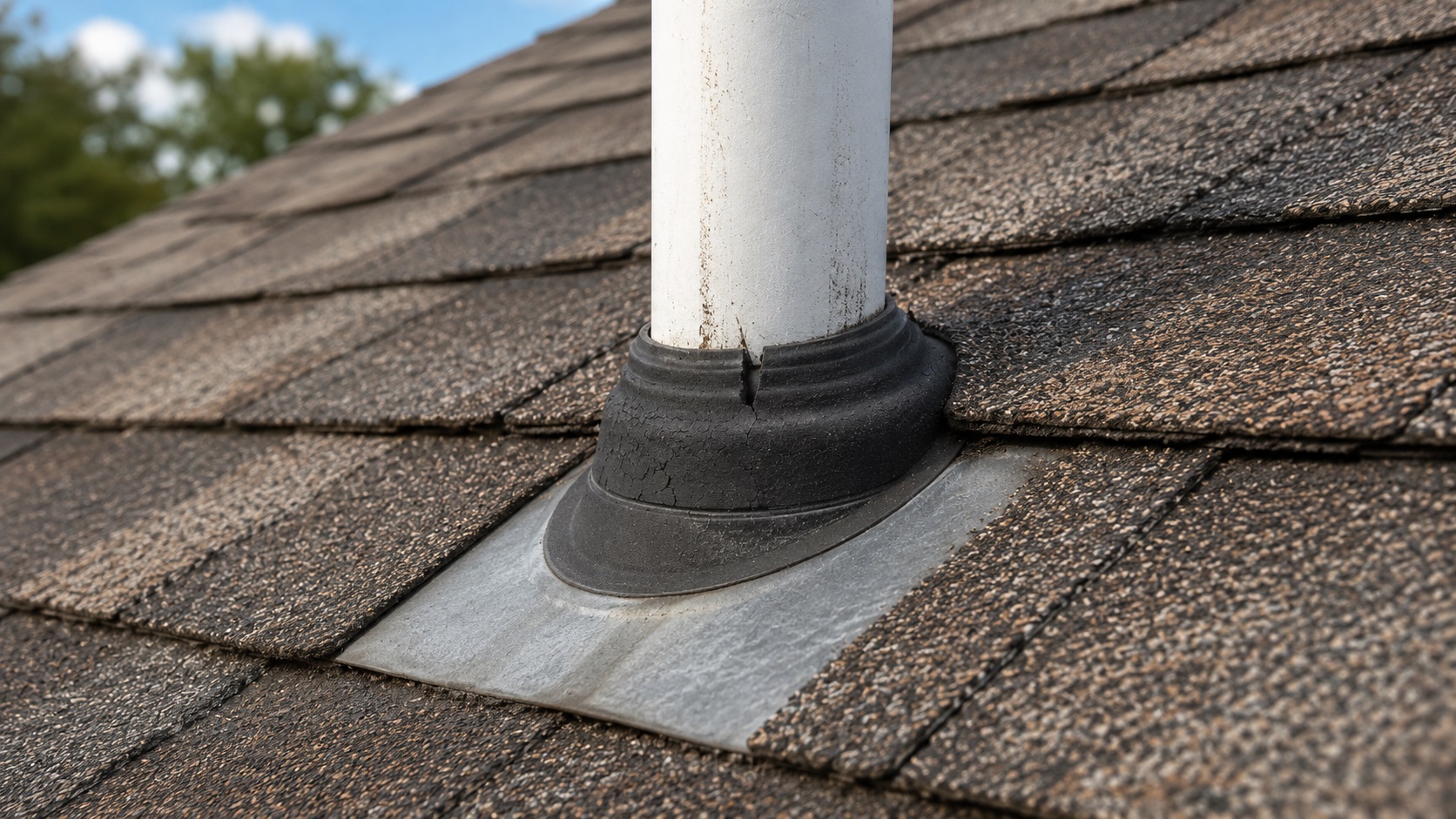
Signs Roof Penetrations Are Leaking
Roof penetrations are places where pipes, vents, flues, exhaust caps, electrical masts, or other components pass through the roof surface. When the boot, flashing, collar, sealant, fasteners, or surrounding shingles around one of these openings fail, water can enter the roof system even if the rest of the roof still looks sound.
Common signs roof penetrations are leaking include cracked rubber pipe boots, lifted vent flashing, rusted fasteners, failed sealant, ceiling stains below a vent or pipe, and wet attic insulation around a roof opening. These symptoms often appear after heavy rain, wind-driven rain, or repeated storms from one direction.
Penetration leaks are easy to underestimate because the defect may be small. A split boot or lifted flashing edge can send water into insulation, roof decking, ceiling drywall, or framing before the stain becomes obvious indoors. Because roof openings are part of the larger system of common roofing material failures, repeated moisture near a pipe, vent, or roof cap should be taken seriously.
What Roof Penetration Leaks Usually Mean
A roof penetration leak usually means water is entering around an opening rather than through an open roof slope. The pipe, vent, or exhaust cap itself may not be the problem. In many cases, the weak point is the material that seals the opening to the roof: a cracked rubber boot, lifted metal flashing, failed sealant, exposed fastener, poorly cut shingle, or gap around the collar.
This distinction matters because homeowners often assume the visible pipe or vent is leaking internally. Sometimes that happens, but roof-side water entry is more common when moisture appears after rain. For example, a plumbing vent pipe may be intact, but the rubber boot around it may be split. A bathroom exhaust cap may still work, but its flashing may be lifted. A metal vent may look solid, but rusty fasteners around its base may be allowing water through.
Common roof penetration leak signs include:
- Cracked, split, or shrunken rubber around a pipe boot
- Lifted, bent, or rusted flashing around a vent
- Cracked sealant or old roof cement around a roof opening
- Exposed or backed-out nails near the penetration
- Missing, broken, or poorly cut shingles around the opening
- Ceiling stains below a vent pipe, bathroom fan, or roof cap
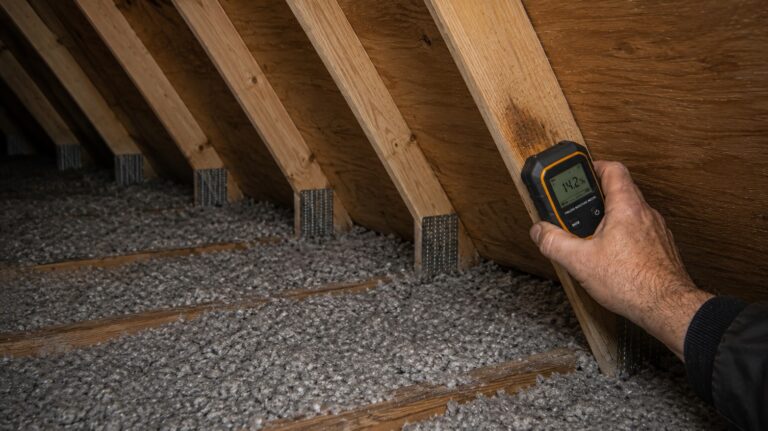
- Wet attic insulation around a pipe, vent, or exhaust opening
- Leaks that return after caulking or surface patching
Even a small penetration leak can spread into insulation, roof framing, ceiling drywall, or attic materials before the source becomes obvious. The goal is to connect the warning sign to the roof opening early, before it becomes a recurring ceiling repair or hidden attic moisture problem.
Why Roof Penetrations Are Common Leak Points
Roof surfaces are designed to shed water. The fewer interruptions they have, the easier it is for rainwater to move down the slope and into the gutter system. Roof penetrations interrupt that simple path. Every opening requires a flashing detail, boot, collar, cap, seal, or fastened component that has to keep water out while also tolerating sun exposure, temperature changes, wind, roof movement, and aging materials.
Rubber pipe boots are especially vulnerable because the collar around the pipe can dry, crack, shrink, or split. The surrounding shingles may last longer than the rubber component, so a roof can look generally healthy while one boot has already failed. This is why a single cracked pipe boot can cause a leak even when there are no missing shingles nearby.
Metal roof vents and flashing pieces can also become leak points. They may rust, bend, lift at the edges, or loosen around fasteners. Wind-driven rain can push water beneath raised edges that would not leak during a calm, light rain. Over time, small gaps around the penetration can widen as sealant ages and fasteners move.
Sealant is another weak point around penetrations. Caulk, roof cement, or patching compound can dry out, crack, separate from the surface, or hide a deeper boot or flashing problem. Thick, uneven patching material often suggests someone tried to stop a previous leak without correcting the underlying detail.
Because roof penetrations combine several materials in one small area, they deserve careful attention whenever water stains, wet insulation, or attic moisture appear near a roof opening.
Exterior Signs a Roof Penetration Is Leaking
The outside of the roof often shows the first clues that a penetration is vulnerable. Some signs may be visible from the ground with binoculars or from safe photos taken during a roof inspection. Homeowners should not climb onto steep, wet, brittle, mossy, or storm-damaged roofs to inspect vents or pipe boots. Roof openings are often near slippery surfaces, and walking around them can damage already weakened materials.
Cracked or split rubber pipe boots
A cracked pipe boot is one of the clearest signs that a roof penetration may be leaking. Pipe boots are often made with a rubber or flexible collar that seals around a plumbing vent pipe. Over time, sunlight, heat, cold, and roof movement can cause the rubber to dry out and split.
The crack often appears near the top of the boot where the rubber wraps tightly around the pipe. It may look like a small gap, ring-shaped split, or torn area. Even a narrow opening can allow rainwater to run down the pipe and into the roof system. This type of leak may not be obvious from inside right away because water can drip into insulation or follow framing before it reaches the ceiling.
A pipe boot can leak even if the shingles around it still look normal. That is what makes this symptom important. The roof field may appear intact while the flexible seal around one pipe has already failed.
Lifted or bent vent flashing
Vent flashing should sit flat enough to direct water around the opening and back onto the roof surface. If the flashing is lifted, bent, buckled, or separated from nearby shingles, wind-driven rain can get underneath. This is especially likely on the uphill side of the penetration, where water first reaches the vent or pipe.
Lifted flashing may look like a raised edge, a gap beneath the metal or plastic flange, or a section that no longer sits flush with the shingles. Bent flashing may also create a small water trap that holds moisture instead of shedding it. If the area around the vent looks distorted, patched, or uneven, the penetration should be inspected before the next heavy storm exposes the weakness.
Rust stains around metal components
Rust around a roof penetration is a warning sign because it usually means metal components have been exposed to repeated moisture. A small rust mark does not always prove that water is entering the house, but rust around flashing edges, fasteners, seams, or vent bases should be watched carefully.
Rust becomes more concerning when it appears with other symptoms. For example, a rusty vent base combined with ceiling staining below the same area suggests the penetration may already be leaking. Rusty nail heads, screws, or metal flanges can also indicate that water is lingering around the opening instead of draining cleanly away.
Metal components around roof penetrations are supposed to redirect water, not hold it. If rust appears in a pattern that follows the lower edge of a vent, runs down the shingles below the opening, or collects around fasteners, the flashing system may be deteriorating.
Cracked sealant or old roof cement
Cracked sealant is one of the most common warning signs around roof openings. Sealant may appear as caulk, tar, roof cement, or patching compound around a vent, boot, cap, or flashing edge. When it is old, thick, cracked, or separated from the surface, it can become a sign that the area has already had leak problems.
Old roof cement often looks rough, black, lumpy, or uneven. It may be smeared around a pipe, vent base, nail head, or flashing edge. This can temporarily hide the real leak path, but it does not necessarily fix the underlying problem. If water is entering because a boot is split or flashing is lifted, adding more sealant may only delay the repair.
A penetration that has been repeatedly caulked should be treated as a recurring leak risk. The issue may not be the amount of sealant. It may be that the boot, flashing, shingle integration, or fasteners are no longer working correctly. Repeated surface patching is one reason homeowners end up dealing with roof leaks that return after repairs.
Missing shingles or gaps around the penetration
The shingles around a roof penetration should help move water around the opening and back onto the roof surface. If shingles are missing, cracked, lifted, poorly cut, or pulled away from the penetration, water can reach areas that were supposed to stay covered.
Gaps are especially concerning on the uphill side of a roof opening. This is where water first meets the penetration as it runs down the roof. If the upper edge is exposed, loose, or poorly sealed, water may slip beneath the flashing instead of flowing around it.
Shingles below the penetration can also show warning signs. Dark streaks, granule loss, staining, or soft-looking areas below a vent or boot may suggest water is escaping from the opening and running over or beneath the surrounding materials. A single damaged shingle may be isolated, but a pattern around the penetration deserves closer inspection.
Interior Signs of a Roof Penetration Leak
Interior symptoms often appear after the exterior failure has been active for some time. A small leak around a pipe boot or roof vent may drip into attic insulation first. The ceiling stain may not show up until enough water has collected, moved through materials, or reached the drywall below.
Common interior signs of a roof penetration leak include:
- Ceiling stains below a vent pipe, roof vent, or exhaust cap
- Water marks near a bathroom exhaust fan or light fixture
- Wet attic insulation around a pipe or vent opening
- Dark roof sheathing near a penetration
- Water trails running down rafters or framing members
- Rusty nail tips near a roof opening
- Musty smells in the attic after rain
- Leaks that appear only during wind-driven rain or heavy storms
The location of the stain matters, but it is not always exact. Water can enter around a vent pipe, follow framing, soak insulation, and appear several feet away on the ceiling. Still, if the stain is near a bathroom fan, plumbing chase, attic vent, or roof opening, a penetration leak should be considered.
Moisture around electrical fixtures requires caution. If water is staining around a light, fan, recessed fixture, or wired ceiling fixture, do not touch the fixture or attempt to inspect wiring while it is wet. If it is safe to do so, shut off the affected circuit and contact a qualified professional before disturbing the area.
Attic evidence can be more specific than ceiling stains. If you can safely view the attic, look for wet insulation, dark sheathing, water tracks, or staining around the underside of a vent pipe or roof cap. Do not walk on ceiling drywall or unstable attic surfaces. If the leak path is not safely accessible, a professional inspection is the better option.
Pipe Boot and Vent Boot Failure Symptoms
Pipe boots and vent boots deserve special attention because they are common roof penetration leak points. The flexible boot around a plumbing vent pipe has to seal tightly while exposed to sunlight, heat, cold, and roof movement. Over time, the boot can become brittle, loose, cracked, or separated from the pipe.
The most obvious symptom is a split in the rubber collar. This split may be visible as a ring-shaped crack around the pipe or a tear running down the boot. Once the collar opens, rainwater can follow the pipe downward into the attic or roof assembly.
Another warning sign is a boot that has pulled away from the pipe. The top of the boot should fit snugly around the pipe. If there is a visible gap, wrinkled rubber, or a loose collar, water may be able to enter even if the lower flashing flange still looks flat.
Fasteners around the boot can also reveal trouble. Exposed nails, backed-out fasteners, rusted heads, or cracked sealant around fastener points can become small leak paths. These problems are more likely to leak during heavy or wind-driven rain because water pressure around the opening increases.
Interior symptoms below a pipe boot often include wet insulation near the vent stack, staining around a pipe chase, or ceiling discoloration in a bathroom, closet, hallway, or room below the roof pipe. If those symptoms appear after rain, the boot should be checked before assuming the pipe itself is leaking.
Sealant, Fastener, and Flashing Warning Signs
A vent or pipe may look intact while the smaller details around it are failing. Sealant, fasteners, and flashing edges can create leak paths that are hard to see from the ground.
Cracked, shrunken, or separated sealant can let water work into small gaps during rain. Thick, uneven, or layered sealant may also suggest the area has been patched before instead of repaired at the boot, flashing, or fastener level.
Nails or screws around a roof vent, boot, or flashing flange can loosen over time. Raised, rusted, missing, or stained fasteners suggest water may be entering through the penetration detail rather than the surrounding roof field.
Flashing symptoms around penetrations should also be taken seriously. Look for raised flashing edges, separated corners, bent metal, cracked plastic flanges, or water stains below the opening. These signs mean water may no longer be moving cleanly around the penetration. For broader symptom patterns beyond roof openings, see signs roof flashing is failing. If you want the deeper mechanical explanation, why roof flashing failures cause leaks covers how flashing problems actually allow water into roof systems.
One important warning sign is a penetration that depends on visible caulk to stay dry. Proper roof details should not rely only on a heavy bead of surface sealant. If a vent, boot, or pipe collar is surrounded by repeated layers of roof cement, the original flashing or boot detail may already be compromised.
How to Tell Penetration Leaks Apart From Other Roof Leaks
Roof penetration leaks can be confused with other roof leaks because water does not always appear directly below the entry point. It may travel along rafters, roof decking, insulation, or ceiling materials before becoming visible. Still, the pattern of the moisture often gives clues.
A penetration leak is more likely when the stain, drip, or attic moisture is near a roof opening. This includes plumbing vent pipes, exhaust caps, attic vents, flue pipes, electrical masts, or similar openings. The attic may show water tracks around the underside of the penetration, wet insulation clustered around a pipe, or dark sheathing near the roof opening.
Roof valley leaks follow a different pattern. They usually relate to the channel where two roof slopes meet, especially when that valley has debris buildup, worn shingles, rusted valley metal, or water stains below a roof-plane intersection. If the moisture seems to follow a valley rather than a vent or pipe, compare the symptoms with signs roof valleys are failing.
General shingle leaks may appear on open roof slopes without a nearby pipe, vent, or roof opening. These leaks can come from missing shingles, wind-lifted tabs, nail pops, cracked shingles, or storm damage. A penetration leak is more localized around a specific interruption in the roof surface.
Condensation can also mimic a roof leak. Condensation is more likely when attic moisture is widespread, appears during cold weather, affects many nail tips, or shows up across large areas of roof sheathing without a clear rain pattern. A penetration leak is more likely when the moisture appears after rain and is concentrated around one vent, pipe, or roof cap.
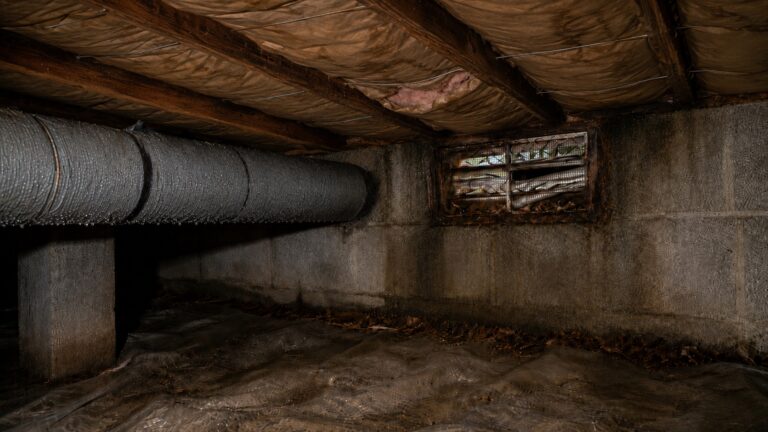
Also check whether the moisture is coming from the duct or fixture below the roof cap rather than the roof opening itself. A bathroom exhaust duct with poor insulation, a loose duct connection, or warm moist air escaping into the attic can leave moisture near a roof cap even when the exterior flashing is not the main failure.
The timing of the leak is useful. Some roof penetration leaks appear only during heavy rain, wind-driven rain, or storms from a certain direction. That does not mean the leak is harmless. It means the weak point may only open under specific water pressure, wind direction, or runoff conditions.
When a Leaking Roof Penetration Needs Professional Inspection
A roof penetration should be inspected when the symptoms suggest water has moved beyond the exterior surface. Ceiling stains, damp attic insulation, dark roof sheathing, repeated dripping, or musty attic odors after rain all mean the problem may already be affecting interior materials.
Professional inspection is especially important if you see a visibly cracked pipe boot, lifted flashing, rusted fasteners, missing shingles around the opening, or repeated surface patching that has failed. These are not just cosmetic concerns. They can create direct water paths into the roof assembly.
You should also avoid climbing onto the roof if the area is steep, wet, brittle, mossy, storm-damaged, or hard to access. Roof penetrations are often surrounded by aging materials, and stepping near a weak vent or boot can worsen the damage. If the leak is near electrical fixtures, treat the situation with extra caution and avoid touching wet fixtures or wiring.
A professional roofer can determine whether the problem is limited to the boot, sealant, or flashing detail, or whether surrounding shingles, decking, or underlayment have also been affected. That distinction matters because a small exterior defect can hide a larger moisture problem underneath. If the penetration leak has already caused interior staining or recurring moisture issues, it may be time to consider hiring a roofing contractor for moisture problems.
How to Limit Moisture Damage While Waiting for Repair
If you suspect a roof penetration is leaking, the safest first step is to document the pattern without creating a new hazard. Take photos of ceiling stains, attic moisture, wet insulation, visible pipe boot cracks, rusted vent flashing, or old sealant around the roof opening. Note whether the stain appeared after heavy rain, wind-driven rain, snowmelt, or repeated storms from one direction.
If water is actively dripping indoors, protect the room below with a container, towels, or plastic sheeting where appropriate. This is only damage control. It does not stop the roof leak, and it should not be treated as a repair. Avoid painting over stains or replacing wet drywall until the roof-side source has been corrected and the area has been monitored through later storms.
Do not touch wet electrical fixtures, ceiling fans, recessed lights, or wiring near a leak. If moisture is near electrical components, shut off the affected circuit if it is safe to do so and contact a qualified professional. A roof leak near a vent or fan opening can create both moisture and electrical safety concerns.
If attic access is safe, look for wet insulation, dark sheathing, or water trails around the penetration. Do not step on ceiling drywall, disturb wiring, or remove large amounts of insulation without knowing what is underneath. Wet insulation can hide the leak path and may also hold moisture against framing or drywall.
Avoid assuming that more caulk will solve the problem. If the boot is split, the flashing is lifted, or fasteners are leaking, surface sealant may only slow the leak temporarily. It can also hide the failure point and make future inspection harder. A proper repair depends on identifying the actual water path and correcting the failed component.
After repair, monitor the area during several storms. Penetration leaks may only appear under certain wind or rain conditions, so one dry day does not always prove the problem is solved. Long-term protection depends on connecting the roof repair with the broader goal of finding, fixing, and preventing moisture problems in the home.
FAQ About Leaking Roof Penetrations
Can a roof vent leak only during heavy rain?
Yes. Some roof vent leaks only appear when heavy rain, wind direction, or runoff volume pushes water under weak flashing, cracked sealant, or a damaged boot. A leak that happens only during certain storms is still a real leak.
How do I know if a pipe boot is leaking?
Common signs include cracked rubber around the pipe, a gap between the boot and pipe, wet attic insulation below the pipe, stains after rain, or visible deterioration around the roof-side boot. The pipe itself may be fine while the boot is failing.
Can cracked sealant around a roof vent cause a leak?
Yes. Cracked sealant can allow water into small gaps around a vent, boot, or flashing edge. However, cracked sealant is often a symptom of a deeper issue, such as aging flashing, loose fasteners, a split boot, or poor shingle integration around the opening.
Are roof penetration leaks easy to confuse with condensation?
Yes. Condensation can also cause attic moisture, stains, and rusty nail tips. Penetration leaks are usually more localized around one roof opening and are more strongly tied to rain, while condensation is often more widespread and temperature-related.
Is caulking around a leaking roof vent a permanent fix?
Usually no. Caulk may temporarily slow water entry, but it does not permanently fix a cracked pipe boot, lifted flashing, failed fasteners, or poor shingle integration. Repeated caulking often means the real leak source has not been corrected.
What to Do When the Signs Point to a Roof Penetration Leak
If moisture appears below a roof vent, plumbing pipe, exhaust cap, flue, or electrical mast after rain, treat the nearby penetration as a likely suspect. The connection becomes stronger when exterior signs such as cracked rubber, lifted flashing, rusted fasteners, failed sealant, or gaps around shingles appear in the same area.
Do not rely on caulk, paint, or ceiling repairs alone if the roof-side opening has not been corrected. The safer next step is to document the pattern, avoid unsafe roof or electrical access, inspect the attic only if conditions are safe, and have the failed boot, flashing, cap, fastener, or surrounding shingle detail repaired before the stain returns in the next storm.