
10 Best Hygrometers for Home Humidity Monitoring (Top Picks for 2026)
Disclosure: As an Amazon Associate, this site earns from qualifying purchases. This does not affect the price you pay. Our recommendations are based on research, product reliability, and real-world usability in moisture-prone environments.
Introduction
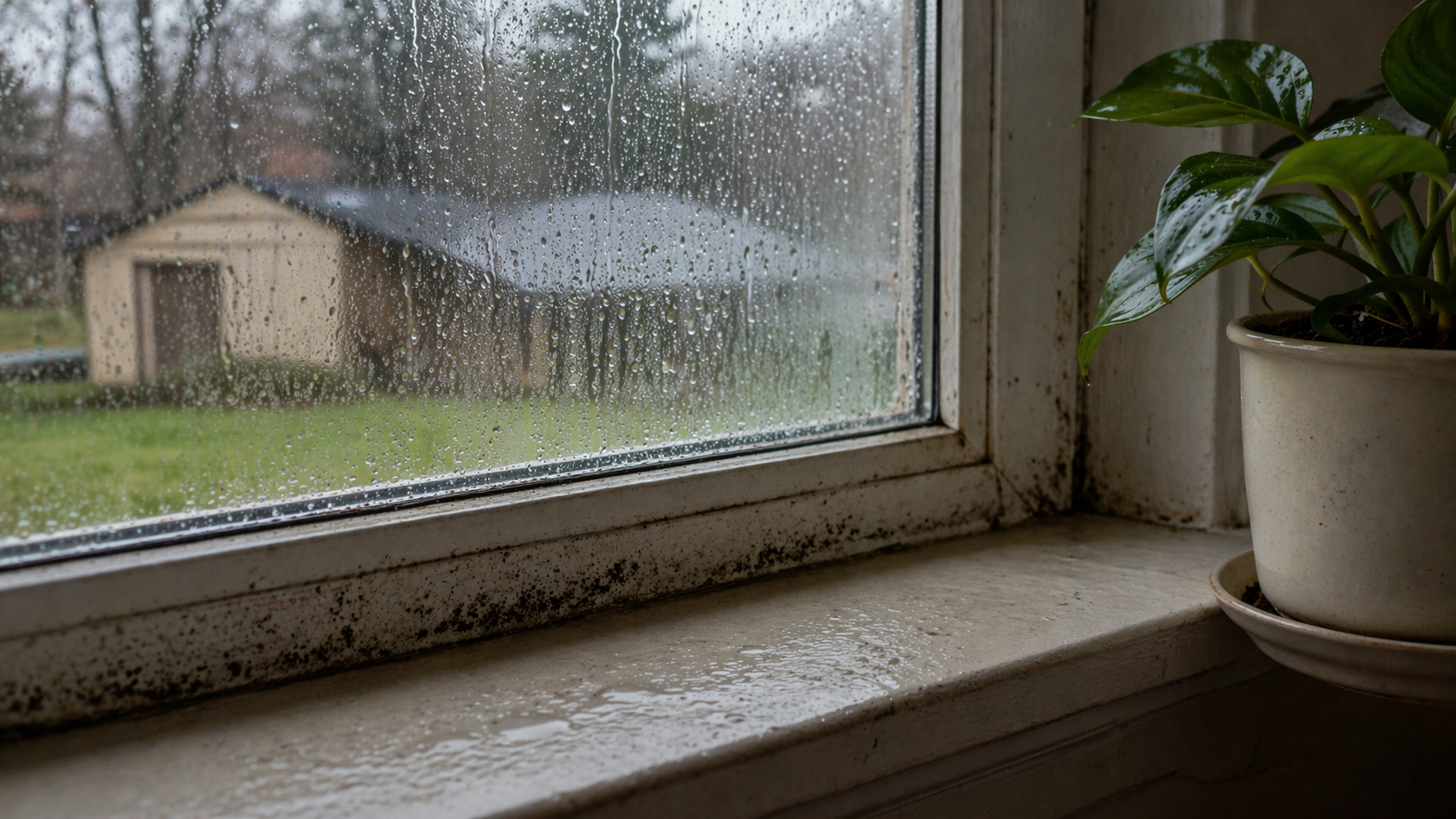
Excess humidity is one of the leading causes of mold growth, musty odors, and hidden structural damage in homes. If indoor humidity stays above 60%, mold can begin growing within 24 to 48 hours — often inside walls, basements, or storage areas where moisture goes unnoticed.
If mold is already present, refer to our complete step-by-step guide on how to remove mold permanently and prevent it from returning.
The most reliable way to prevent these problems is to monitor indoor humidity with a hygrometer. A hygrometer measures moisture levels in the air, allowing you to keep humidity in the safe range of 30% to 50%. Without one, it’s difficult to know whether conditions are safe or slowly becoming harmful.
In this guide, we researched and compared highly rated hygrometers designed for real-world home use — from simple budget-friendly models to advanced smart sensors that send alerts directly to your phone. We’ve also included practical instructions on where to place hygrometers, how to interpret readings, and what steps to take if humidity levels are too high.
If you’re comparing hygrometers quickly, start with this side-by-side overview of the top models. All hygrometers in this guide were selected based on reliability, accuracy ratings, real-world usability, and customer feedback from homeowners dealing with moisture problems.
Quick Comparison: Top Hygrometers at a Glance
| Model | Category | Connectivity | Data Logging | Best For |
|---|---|---|---|---|
| ThermoPro TP49 ⭐ Most Popular Choice | Best Overall | None | No | Everyday Home Monitoring |
| Govee H5051 | Best Smart | WiFi | Yes | Remote Monitoring |
| AcuRite 00325 | Best Budget | None | No | Affordable Monitoring |
| SensorPush HT1 | Best Premium Smart | Bluetooth | Yes | Precision Monitoring |
| Govee H5075 | Best for Basements | Bluetooth | Yes | Basements & Crawl Spaces |
| ThermoPro TP50 (3-Pack) | Best Multi-Pack | None | No | Whole-Home Coverage |
| Extech 445815 | Best Professional | None | Yes | Professional Diagnostics |
| ThermoPro TP55 | Best Large Display | None | No | Easy Viewing |
| ThermoPro TP357 | Best Mini | Bluetooth | Yes | Small Spaces |
| Inkbird IBS-TH2 | Best Value Smart | Bluetooth | Yes | Budget Smart Monitoring |
Quick Picks: Top Recommended Hygrometers
- Best Overall: ThermoPro TP49 ⭐ Most Popular Choice — Reliable and accurate for everyday humidity monitoring.
- Best Smart Hygrometer: Govee H5051 — Ideal for remote monitoring and automatic humidity alerts.
- Best Budget Option: AcuRite 00325 — Simple and dependable humidity tracking at an affordable level.
- Best for Basements: Govee H5075 — Designed for damp environments and moisture-prone spaces.
- Best Premium Smart Sensor: SensorPush HT1 — Advanced tracking with long-term data monitoring.
Best Hygrometers for Home Humidity Monitoring
Best Overall — ThermoPro TP49 Digital Indoor Hygrometer Thermometer ⭐ Most Popular Choice
The ThermoPro TP49 is one of the most dependable hygrometers for everyday home use. It delivers accurate humidity readings in a simple design that works well in bedrooms, living areas, and basements.
This model is especially useful for homeowners who want reliable humidity monitoring without complicated setup steps or smartphone apps. Its frequent updates make it easier to track moisture changes when using a dehumidifier or improving ventilation.
Key Features:
- Humidity accuracy typically within ±2–3%
- Temperature monitoring included
- Fast refresh rate (about every 10 seconds)
- Comfort level indicator (dry, comfort, wet)
- Compact LCD display
- Multiple mounting options
Pros:
- ✔ Reliable readings for everyday use
- ✔ Simple installation and operation
- ✔ Compact and versatile placement
- ✔ Good balance between accuracy and simplicity
- ✔ No WiFi or app required
Cons:
- ✖ No data logging
- ✖ Small display compared to larger models
- ✖ No remote monitoring capability
Best For:
- General household humidity monitoring
- Bedrooms and living areas
- Homeowners using dehumidifiers
- Anyone wanting a dependable basic hygrometer
Best Smart Hygrometer — Govee WiFi Thermometer Hygrometer H5051
The Govee H5051 provides advanced humidity tracking with remote access through WiFi connectivity. This makes it particularly useful for monitoring areas that are not checked frequently, such as basements, storage rooms, or crawl spaces.
With real-time alerts and historical data tracking, this hygrometer helps homeowners detect rising humidity before mold problems begin. Being able to check readings remotely adds convenience and peace of mind.
Key Features:
- WiFi connectivity for remote monitoring
- Smartphone alerts for humidity changes
- Historical humidity data tracking
- Cloud-based storage capability
- Compact design
- Accurate humidity readings
Pros:
- ✔ Remote monitoring from anywhere
- ✔ Automatic alerts for humidity spikes
- ✔ Strong long-term tracking features
- ✔ Excellent for hidden moisture areas
- ✔ Ideal for basement monitoring
Cons:
- ✖ Requires WiFi setup
- ✖ Slightly more complex than basic models
- ✖ Depends on smartphone access
Best For:
- Basements and crawl spaces
- Vacation homes
- Long-term humidity tracking
- Remote monitoring needs
- Early mold prevention
Check the Govee WiFi Thermometer Hygrometer H5051 on Amazon to see current availability.
Best Budget Option — AcuRite Indoor Digital Thermometer & Hygrometer (00325)
The AcuRite 00325 offers an affordable and dependable way to monitor indoor humidity levels. It is widely used by homeowners who want basic humidity tracking without investing in smart features.
Its simple display makes it easy to quickly check humidity levels throughout the day. This model works well in bedrooms, offices, and smaller indoor areas where moisture levels need occasional monitoring.
Key Features:
- Simple humidity and temperature display
- Comfort indicator icons
- Compact design
- Battery-powered operation
- Easy placement options
- Lightweight construction
Pros:
- ✔ Easy to use
- ✔ Affordable entry-level option
- ✔ Trusted brand reputation
- ✔ Compact size
- ✔ Minimal setup required
Cons:
- ✖ Lower precision than premium models
- ✖ No data logging
- ✖ No smart connectivity
Best For:
- Budget-conscious homeowners
- Bedrooms and offices
- First-time humidity monitoring
- Small indoor areas
More Top Hygrometers Worth Considering
Best Premium Smart Sensor — SensorPush HT1 Temperature and Humidity Smart Sensor
The SensorPush HT1 is designed for homeowners who want detailed humidity tracking and long-term monitoring. It offers precise readings and stores historical data that can help identify hidden moisture problems over time.
This model is especially useful in crawl spaces, storage areas, and environments where humidity fluctuations may not be obvious. Its ability to track trends helps prevent mold growth before it becomes a serious issue.
Key Features:
- Bluetooth connectivity for smartphone monitoring
- High-precision humidity readings
- Detailed historical data logging
- Compact sensor design
- Reliable long-term performance
- Expandable monitoring capability
Pros:
- ✔ Excellent accuracy
- ✔ Detailed data tracking
- ✔ Useful for detecting slow humidity changes
- ✔ Strong reliability reputation
- ✔ Ideal for long-term monitoring
Cons:
- ✖ Requires smartphone setup
- ✖ Higher complexity than basic models
- ✖ Bluetooth range limitations
Best For:
- Crawl spaces
- Long-term humidity monitoring
- Wine storage or specialty storage
- Greenhouses
- Serious moisture tracking
Best for Basements — Govee H5075 Hygrometer Thermometer
Basements are one of the most common locations for excess humidity and mold growth. The Govee H5075 is designed specifically for spaces where monitoring moisture levels is essential but daily inspection may not be practical.
With Bluetooth connectivity and data logging, this model allows homeowners to monitor humidity trends and react quickly when levels rise. Its compact design makes it easy to place on shelves or near dehumidifiers.
Key Features:
- Bluetooth monitoring capability
- Humidity trend history
- Compact and portable design
- Fast reading updates
- Clear digital display
- Reliable humidity tracking
Pros:
- ✔ Ideal for basement monitoring
- ✔ Data tracking helps detect humidity spikes
- ✔ Easy to place near dehumidifiers
- ✔ Compact size
- ✔ Good reliability
Cons:
- ✖ Bluetooth requires close-range access
- ✖ No full WiFi remote access
- ✖ Requires smartphone use for advanced features
Best For:
- Basements
- Crawl spaces
- Storage rooms
- Areas prone to mold growth
- Monitoring near dehumidifiers
Check the Govee H5075 Hygrometer Thermometer on Amazon to see current availability.
Best Hygrometer Multi-Pack — ThermoPro TP50 3-Pack Digital Hygrometer
Monitoring humidity in multiple rooms is important in larger homes. The ThermoPro TP50 3-Pack provides an easy solution by allowing homeowners to track moisture levels across several areas at once.
This setup is particularly useful for homes with basements, upper floors, and separate storage areas where humidity levels may vary significantly.
Key Features:
- Three hygrometers included
- Reliable humidity readings
- Compact LCD displays
- Comfort indicator icons
- Simple setup process
- Consistent performance across rooms
Pros:
- ✔ Covers multiple rooms
- ✔ Easy to deploy throughout the home
- ✔ Good accuracy for general monitoring
- ✔ Compact size
- ✔ Great value for multi-room tracking
Cons:
- ✖ No smart connectivity
- ✖ No remote monitoring
- ✖ Requires multiple batteries
Best For:
- Whole-home humidity tracking
- Homes with basements
- Multiple room monitoring
- General humidity checks
Check the ThermoPro TP50 3-Pack Digital Hygrometer on Amazon to see current availability.
Best Professional — Extech 445815 Hygrometer
The Extech 445815 is designed for advanced humidity monitoring and professional-level diagnostics. Unlike basic hygrometers, this model includes specialized measurement tools that allow deeper analysis of moisture conditions.
This unit is commonly used by inspectors, contractors, and homeowners who require highly detailed readings to identify serious moisture problems.
Key Features:
- Professional-grade measurement capability
- Dew point calculation
- Wet bulb temperature readings
- Large LCD display
- Remote probe capability
- Durable handheld design
Pros:
- ✔ Highly accurate readings
- ✔ Advanced measurement features
- ✔ Durable professional design
- ✔ Ideal for technical diagnostics
- ✔ Reliable performance
Cons:
- ✖ More complex to use
- ✖ Larger than consumer models
- ✖ Higher learning curve
Best For:
- Home inspectors
- Contractors
- Serious moisture troubleshooting
- Advanced humidity analysis
Check the Extech 445815 Hygrometer on Amazon to see current availability.
Best Large Display Hygrometer — ThermoPro TP55 Digital Indoor Hygrometer
The ThermoPro TP55 is designed for visibility and ease of reading. Its large touchscreen display makes it easy to check humidity levels from across the room, reducing the need to walk up close to view readings.
This makes it especially useful for living rooms, basements, and work areas where quick visibility is important.
Key Features:
- Large touchscreen display
- Backlit screen
- Comfort level indicator
- High/low record tracking
- Simple user interface
- Clear humidity readings
Pros:
- ✔ Easy to read from a distance
- ✔ Backlit display improves visibility
- ✔ Good accuracy
- ✔ Suitable for large rooms
- ✔ User-friendly controls
Cons:
- ✖ Larger footprint than compact models
- ✖ No smart connectivity
- ✖ Requires battery replacement
Best For:
- Large rooms
- Basements
- Living areas
- Visibility-focused monitoring
Check the ThermoPro TP55 Digital Hygrometer on Amazon to see current availability.
Best Mini Hygrometer — ThermoPro TP357 Mini Bluetooth Hygrometer
The ThermoPro TP357 is built for tight spaces where larger hygrometers may not fit. Its compact design allows placement inside cabinets, closets, or storage boxes where humidity control is critical.
Bluetooth monitoring allows users to check readings without opening storage areas, helping maintain stable conditions.
Key Features:
- Ultra-compact design
- Bluetooth connectivity
- Smartphone monitoring capability
- Humidity trend tracking
- Portable construction
- Accurate readings
Pros:
- ✔ Very compact size
- ✔ Ideal for confined spaces
- ✔ Bluetooth tracking available
- ✔ Flexible placement options
- ✔ Good accuracy
Cons:
- ✖ No large display
- ✖ Requires smartphone for full features
- ✖ Limited direct readability
Best For:
- Closets
- Cabinets
- Storage containers
- Small enclosed areas
Check the ThermoPro TP357 Mini Bluetooth Hygrometer on Amazon to see current availability.
Best Value Smart Hygrometer — Inkbird IBS-TH2 Bluetooth Hygrometer
The Inkbird IBS-TH2 provides smart humidity tracking at a practical level, making it accessible to homeowners who want Bluetooth monitoring without complex setups.
Its data logging capability makes it useful for identifying humidity patterns and preventing mold development in problem areas.
Key Features:
- Bluetooth monitoring
- Historical humidity data storage
- Reliable humidity measurement
- Portable design
- Smartphone compatibility
- Consistent performance
Pros:
- ✔ Strong value smart features
- ✔ Reliable performance
- ✔ Useful humidity tracking
- ✔ Compact design
- ✔ Good entry-level smart model
Cons:
- ✖ Bluetooth range limitations
- ✖ Requires smartphone setup
- ✖ No WiFi remote access
Best For:
- Budget-conscious smart users
- Basement monitoring
- Humidity tracking
- General home use
Check the Inkbird IBS-TH2 Bluetooth Hygrometer on Amazon to see current availability.
Hygrometer Comparison Table
| Model | Accuracy | Connectivity | Logging | Display | Best Use |
|---|---|---|---|---|---|
| ThermoPro TP49 | ±2–3% | None | No | LCD | General Home Use |
| Govee H5051 | ±3% | WiFi | Yes | App | Remote Monitoring |
| AcuRite 00325 | ±3–5% | None | No | LCD | Budget Use |
| SensorPush HT1 | ±2–3% | Bluetooth | Yes | App | Precision Monitoring |
| Govee H5075 | ±3% | Bluetooth | Yes | LCD + App | Basements |
| ThermoPro TP50 (3-Pack) | ±2–3% | None | No | LCD | Multi-Room |
| Extech 445815 | Professional | None | Yes | LCD | Professional Use |
| ThermoPro TP55 | ±2–3% | None | No | Large LCD | Large Rooms |
| ThermoPro TP357 | ±2–3% | Bluetooth | Yes | App | Small Spaces |
| Inkbird IBS-TH2 | ±2–3% | Bluetooth | Yes | App | Value Smart |
How to Choose the Right Hygrometer for Your Home
Choosing the right hygrometer depends on how you plan to monitor humidity and how much control you want over your indoor moisture levels. While most hygrometers measure humidity and temperature, their features, connectivity, and usability can vary significantly.
Before choosing a hygrometer, identify where you need to measure humidity. Start by checking these high-risk areas:
- Rooms where mold has appeared before
- Basements with musty smells
- Closets or storage rooms with poor airflow
- Rooms with visible condensation
- Areas near exterior walls
1. Accuracy Matters More Than Extra Features
The most important feature in any hygrometer is accuracy. A device that gives unreliable readings can lead to incorrect humidity adjustments, allowing mold growth to continue unnoticed.
Most high-quality home hygrometers measure humidity within approximately ±2–3% accuracy. This level of precision is typically sufficient for residential humidity control and mold prevention.
If accuracy is your top priority, consider models with data logging features. These allow you to track humidity trends over time and identify slow increases that might otherwise go unnoticed.
2. Decide Between Basic and Smart Hygrometers
Basic hygrometers are simple and easy to use. They display humidity levels directly on the screen and require minimal setup. These models work well in bedrooms, living areas, and spaces that are checked regularly.
Smart hygrometers offer additional features such as Bluetooth or WiFi connectivity. These allow you to monitor humidity remotely using a smartphone app. This is especially useful for basements, crawl spaces, and storage areas where moisture problems may develop out of sight.
If you rarely check your basement or want alerts when humidity rises, a smart hygrometer may provide significant advantages.
3. Consider Where You Plan to Place the Hygrometer
The location where you install your hygrometer plays a major role in determining the best model. Larger rooms may benefit from units with bigger displays, while small spaces require compact sensors.
For example:
- Basements often require Bluetooth or WiFi models
- Living rooms benefit from large-display units
- Closets and cabinets need compact mini sensors
- Whole-home monitoring requires multi-pack units
Choosing the right size ensures consistent readings and easier daily use.
4. Look for Data Logging Features
Data logging allows your hygrometer to record humidity levels over time. This is extremely helpful for identifying patterns and diagnosing moisture problems that occur gradually.
For example, if humidity spikes overnight or after rainfall, historical data helps confirm whether ventilation or dehumidification adjustments are needed.
While basic hygrometers provide instant readings, smart models with data logging offer a deeper understanding of long-term humidity conditions.
5. Evaluate Display Visibility
Display readability is often overlooked, but it becomes important in larger rooms or poorly lit areas.
Large-display hygrometers make it easier to check readings from across the room. Backlit screens are especially useful in basements and utility rooms where lighting may be limited.
If quick visual checks are important, prioritize models designed for visibility.
How to Set Up a Hygrometer Correctly
Proper placement is essential for accurate humidity readings. Even the most advanced hygrometer can provide misleading results if installed incorrectly.
Following correct setup practices ensures reliable monitoring and helps prevent false readings.
Choose a Central Location
Place the hygrometer in an area where air circulates freely. Avoid corners, tight spaces, or enclosed areas unless you specifically intend to measure those conditions.
Central placement helps provide a more accurate representation of the room’s overall humidity level.
Avoid Direct Sunlight
Direct sunlight can raise the temperature around the device and cause inaccurate readings. Heat exposure can make humidity appear lower than it actually is.
Always place hygrometers away from windows receiving direct sunlight.
Keep Away from Vents and Appliances
Air vents, heaters, and dehumidifiers can affect humidity readings. Placing the hygrometer too close to these sources may produce readings that do not represent the true conditions of the room.
Maintain several feet of distance between the device and airflow sources whenever possible.
Allow Time for Calibration
Environmental changes during installation can temporarily affect measurements.
Allow the hygrometer to sit in place for at least 2 to 3 hours before trusting readings, especially after moving it between rooms.
Where to Place Hygrometers in Your Home
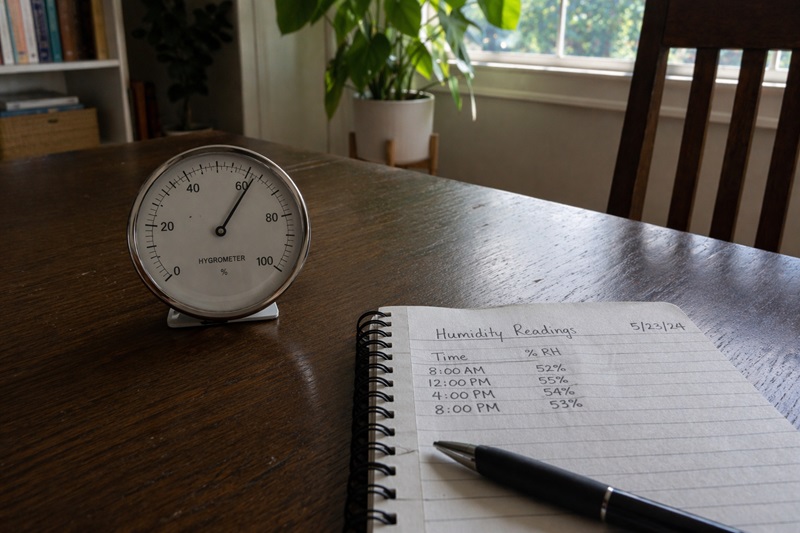
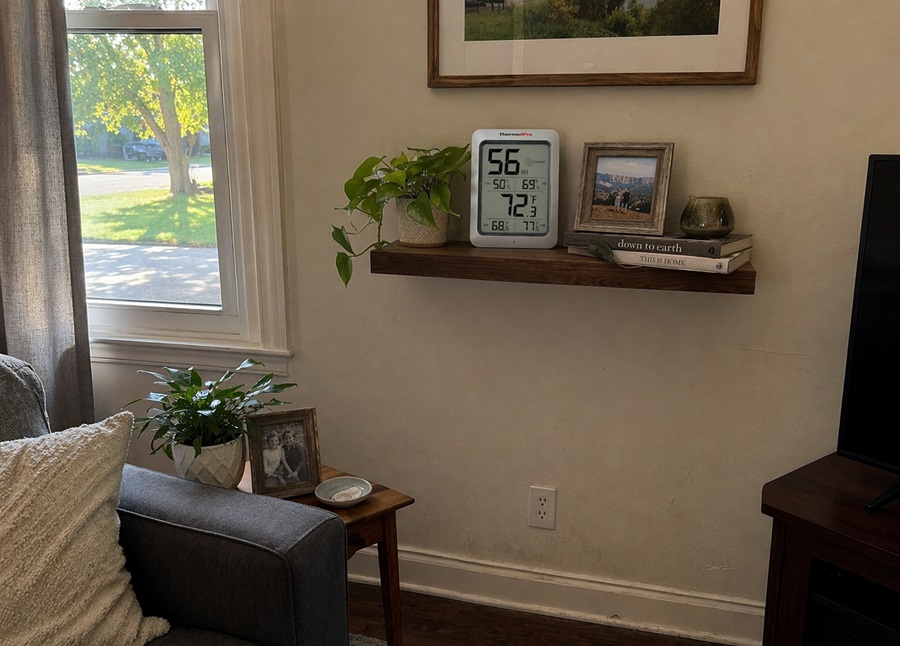
Humidity levels can vary significantly from one room to another. Monitoring multiple areas helps identify hidden moisture problems and improves humidity control.
The following locations are among the most important for humidity monitoring.
Basements
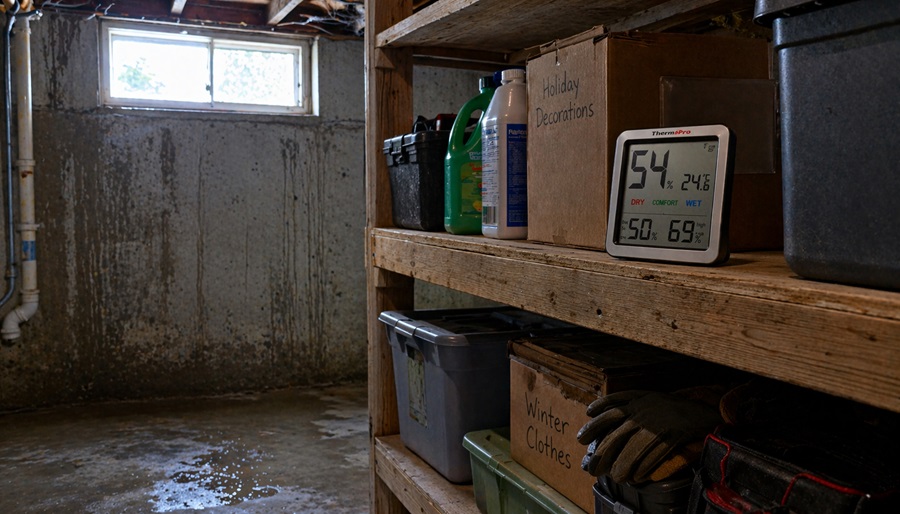
Basements are the most common location for excess moisture. Poor ventilation, ground moisture, and seasonal humidity changes can quickly lead to mold growth.
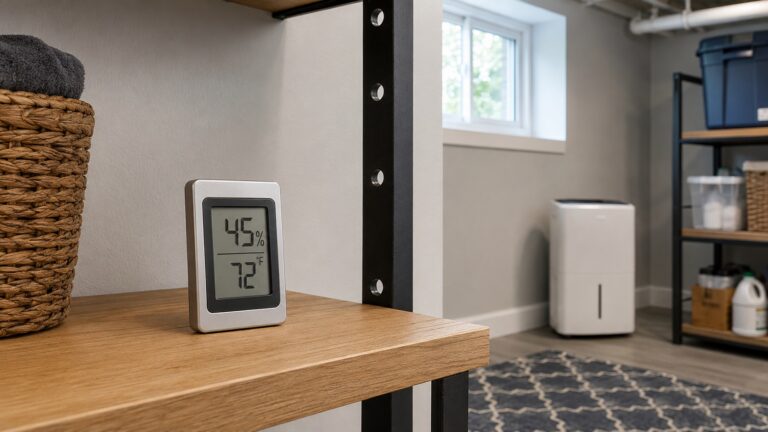
Place a hygrometer near your dehumidifier or in the center of the basement to monitor conditions accurately.
If your basement frequently experiences high humidity, choosing a properly sized basement dehumidifier can significantly improve moisture control.
Bedrooms
Bedrooms should maintain balanced humidity levels for comfort and health. Excess moisture can lead to dust mite growth and poor air quality.
Monitoring bedroom humidity helps improve sleep comfort and maintain healthier indoor air.
Living Rooms
Living rooms often experience changing humidity levels due to cooking, heating, and seasonal weather patterns.
Installing a hygrometer in common living areas helps maintain consistent comfort levels throughout the home.
Storage Areas
Closets, cabinets, and storage spaces are often overlooked but can trap moisture. Elevated humidity levels in these areas may damage stored belongings or encourage mold growth.
Mini hygrometers are especially useful in enclosed storage environments.
When to Use Multiple Hygrometers
Most homes benefit from using more than one hygrometer, especially when humidity levels vary between rooms or floors.
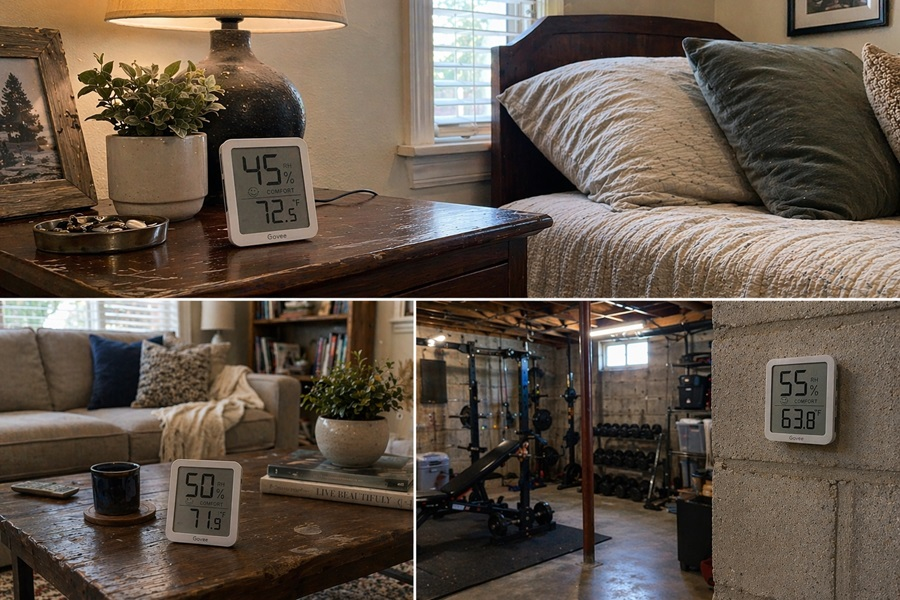
- Use one hygrometer per floor in multi-level homes
- Add extra units in basements and crawl spaces
- Monitor storage rooms or closets with limited airflow
- Check areas where mold has appeared previously
Using multiple devices improves the detection of hidden moisture problems and prevents localized humidity from going unnoticed.
Common Causes of High Indoor Humidity
High humidity often results from hidden moisture sources rather than normal daily activities. Identifying the cause is the first step toward fixing the problem.
- Poor basement drainage allowing groundwater seepage
- Leaking plumbing or roof systems
- Unvented bathrooms or kitchens
- Dryer vents leaking moisture indoors
- Humid outdoor air entering crawl spaces
- Standing water near foundations
- Wet building materials that never fully dried
How to Fix High Indoor Humidity Problems
Once the source of excess moisture is identified, corrective action should begin immediately. Small moisture problems can become serious structural issues if ignored.
- Repair plumbing leaks or roof leaks as soon as they are discovered
- Inspect attic ventilation to confirm soffit vents and ridge vents are present and functioning properly
- Check that soffit vents are not blocked by insulation, debris, or paint buildup that prevents airflow
- Verify that ridge vents are installed along the roof peak and are not clogged, crushed, or improperly sealed
- If attic ventilation is insufficient, consult a roofing contractor about adding soffit vents, ridge vents, or improving airflow design
- Install or repair bathroom and kitchen exhaust fans
- Run a properly sized dehumidifier in damp areas, especially in basements or moisture-prone spaces
- Improve exterior drainage around the foundation
- Inspect dryer vents to ensure they are properly connected and venting outdoors
- Check that dryer vent ducts are not clogged with lint or crushed, which can trap moisture indoors
- Clean dryer vents regularly to maintain airflow and prevent humidity buildup
- Avoid indoor dryer vent kits unless absolutely necessary, as they release moisture directly into the home
- Seal crawl spaces or install vapor barriers if moisture enters from the ground
- Remove standing water near foundation walls
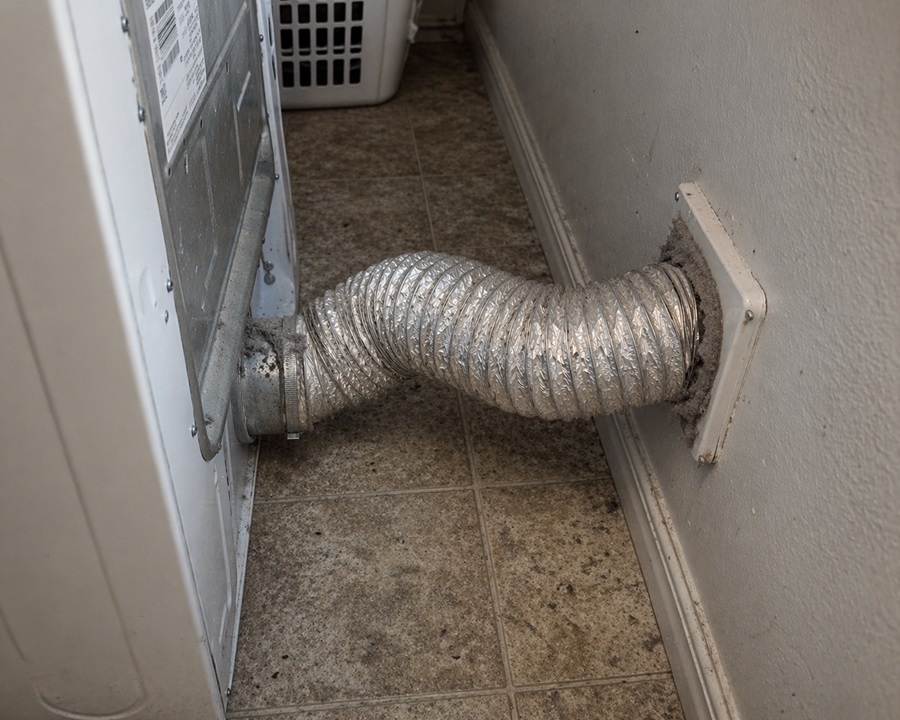
Dryer vents are a common but often overlooked source of indoor moisture. When vents are blocked, disconnected, or leaking inside walls or attics, warm, moist air can accumulate and raise humidity levels throughout the home.
As a roofing contractor for over 10 years, I learned that poor attic ventilation is a common, often hidden cause of indoor humidity problems. Sometimes, the moisture the homeowner assumed was a roof leak was actually due to condensation caused by inadequate ventilation.
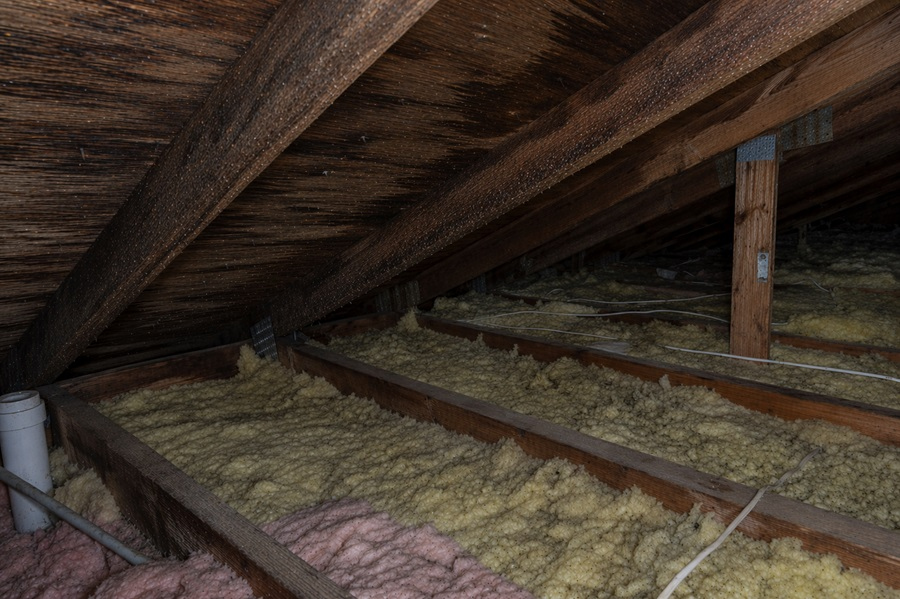
Homes without proper soffit and ridge vent airflow may trap moist air in the attic, leading to condensation, mold growth, and structural moisture damage over time. In that case, adding an efficient ridge vent and soffit may resolve the problem.
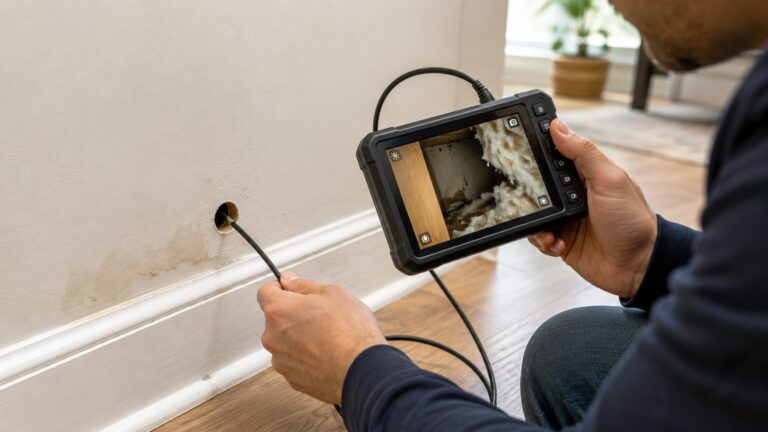
If humidity problems continue despite these steps, professional moisture inspection may be necessary to identify hidden water intrusion.
Common Hygrometer Mistakes to Avoid
Many homeowners install hygrometers but fail to use them effectively. Avoiding common mistakes can significantly improve humidity control and reduce mold risks.
Placing Hygrometers Too Close to Walls
Walls can trap moisture and produce readings that do not reflect the overall room environment. Placing the device several inches away from walls improves measurement accuracy.
Ignoring Seasonal Changes
Humidity levels often change between seasons. Winter air tends to be dry, while summer air may contain excessive moisture.
Regular monitoring throughout the year helps maintain balanced humidity levels regardless of seasonal conditions.
Using Only One Hygrometer in Large Homes
Humidity levels can vary widely between floors and rooms. Relying on a single hygrometer may hide localized moisture problems.
Multi-pack hygrometers are helpful for monitoring several rooms simultaneously.
Suggested Hygrometer Placement by Room
| Room | Recommended Hygrometer Type |
|---|---|
| Basement | Bluetooth or WiFi Hygrometer |
| Bedroom | Basic Digital Hygrometer |
| Living Room | Large Display Hygrometer |
| Closet or Cabinet | Mini Hygrometer |
| Whole Home | Multi-Pack Hygrometer |
Ideal Indoor Humidity Levels by Room
| Room | Recommended Humidity |
|---|---|
| Basement | 30%–50% |
| Bedroom | 30%–50% |
| Living Room | 30%–50% |
| Bathroom | 40%–50% |
| Storage Areas | 30%–50% |
Failing to Check Readings Regularly
Installing a hygrometer is only the first step. Regularly checking readings helps detect moisture problems early before they become costly repairs.
Even smart hygrometers benefit from occasional manual checks to confirm proper operation.
Ignoring High Humidity Warnings
Humidity levels above 60% significantly increase the risk of mold growth. If readings remain elevated, consider improving ventilation or using a dehumidifier.
Addressing humidity problems quickly helps protect both your home and indoor air quality.
Warning Signs of High Humidity in a Home
Humidity problems often show warning signs before serious damage occurs. Recognizing these early indicators can help prevent mold growth and structural issues.
- Musty or damp odors
- Condensation on windows or pipes
- Peeling paint or bubbling drywall
- Mold spots on walls or ceilings
- Damp basement floors or walls
- Warping wood floors or trim
- Rust forming on metal surfaces
Visual Examples of High Humidity Problems
These common visual signs often appear when indoor humidity remains too high for extended periods.
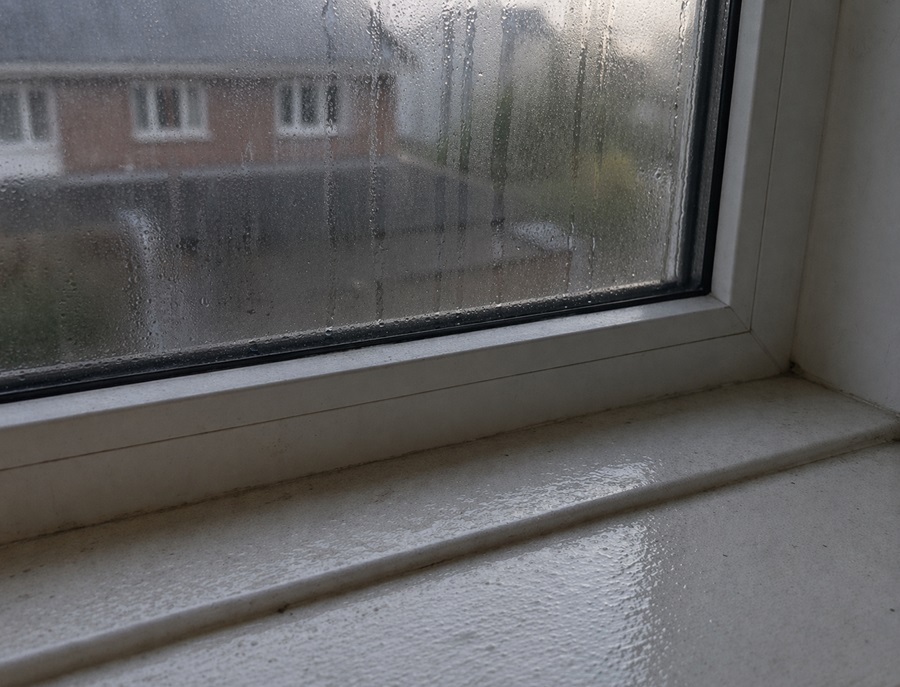
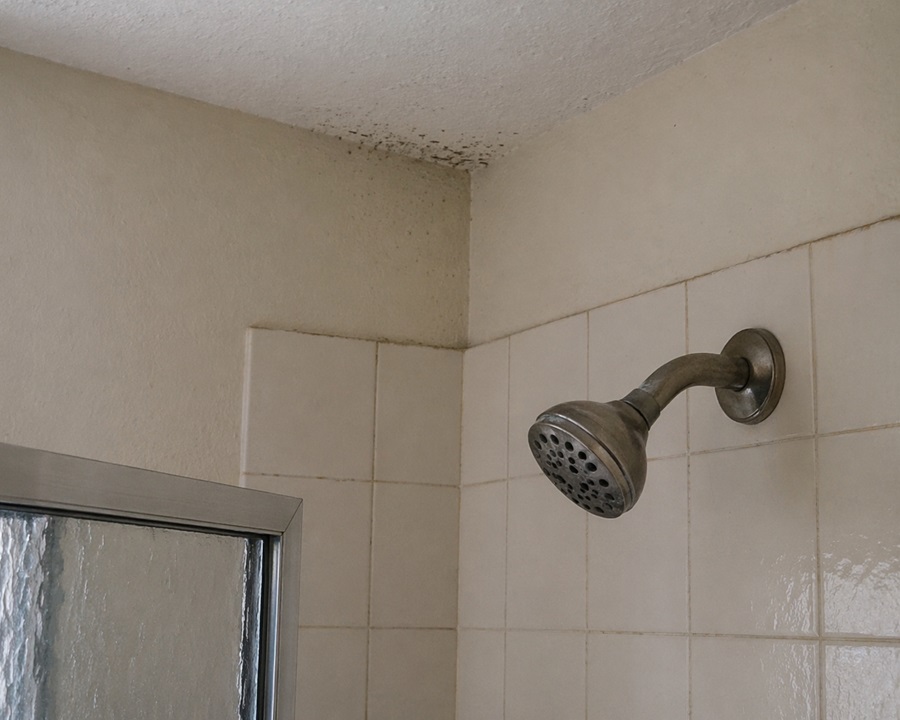
Visual Signs to Watch For
- Water droplets forming on windows
- Dark stains on basement walls
- White mineral deposits on concrete surfaces
- Rust appearing on stored tools
- Warped wood or swollen trim
These visual indicators often appear before major mold growth occurs. Monitoring humidity alongside visible signs helps confirm whether corrective action is needed.
How to Confirm a Humidity Problem Before It Causes Damage
If you suspect high humidity but are unsure how serious the problem is, use multiple hygrometers to confirm readings in different areas of the home.
- Check humidity levels in at least two separate rooms
- Compare readings at different times of day
- Look for patterns after cooking, showering, or rainfall
- Monitor humidity levels for several days to identify trends
- Record readings if humidity appears to fluctuate frequently
Confirming humidity patterns helps identify hidden moisture sources before visible mold or structural damage develops.
What to Do If Humidity Is Too High
If your hygrometer consistently reads above 60%, take action quickly to prevent mold growth and moisture damage.
- Check humidity levels in multiple rooms to confirm the problem
- Run a dehumidifier continuously for 24 to 48 hours
- Inspect for visible leaks or standing water
- Improve ventilation in kitchens, bathrooms, and basements
- Re-check humidity levels daily until they return to 30%–50%
- If humidity does not improve after several days, inspect for leaks, drainage problems, or hidden moisture sources.
If humidity levels remain above 60% after several days of running a dehumidifier, the unit may be undersized for the space. Larger-capacity units typically remove moisture more efficiently, especially in basements and other damp areas.
Choosing the correct size is important for effective moisture control. See our recommendations for basement dehumidifiers to match your home’s conditions.
Important Safety Note About Mold Exposure
If humidity remains above 60% and visible mold appears, avoid disturbing affected materials without proper protection. Mold spores can spread easily through the air and cause respiratory irritation.
- Wear gloves when handling moldy materials
- Use an N95 mask in mold-affected areas
- Avoid dry sweeping moldy debris
- Contact a professional if mold covers more than 10 square feet
Frequently Asked Questions About Hygrometers
What humidity level should a hygrometer read in a home?
Most homes should maintain indoor humidity between 30% and 50%. Levels above 60% significantly increase the risk of mold growth, while levels below 30% may cause dry air problems such as cracked wood or respiratory irritation.
Where is the best place to put a hygrometer?
Place a hygrometer in an area with good airflow, about 3 to 5 feet above the floor and several feet away from windows, direct sunlight, vents, and appliances.
How many hygrometers should I use in my home?
Most homes benefit from at least one hygrometer per major level, such as the basement, main floor, and upper level. Larger homes may require additional units in storage rooms or problem areas.
What should I do if my hygrometer shows humidity above 60%?
Start by running a dehumidifier and improving ventilation. Check for moisture sources such as leaks, condensation, or poor drainage, and continue monitoring until humidity returns to the 30% to 50% range.
Do hygrometers need to be calibrated?
Most consumer hygrometers are factory-calibrated, but accuracy can be checked occasionally using a salt test or by comparing readings with another hygrometer.
How accurate are home hygrometers?
Most quality home hygrometers provide readings within approximately ±2% to ±3% relative humidity. Slight variations are normal, but large differences may indicate calibration issues.
Can mold grow if humidity is only slightly high?
Yes. Mold can begin growing when humidity stays above 60% for extended periods, especially in enclosed or poorly ventilated areas.
Final Thoughts: Choosing the Best Hygrometer for Your Home
Monitoring indoor humidity is one of the simplest ways to prevent mold growth, protect structural materials, and maintain healthy indoor air quality. A reliable hygrometer provides the information needed to identify moisture problems early, before they become expensive repairs.
For most homeowners, a dependable basic hygrometer offers excellent protection against everyday humidity risks. Homes with basements, crawl spaces, or seasonal moisture problems may benefit from smart models that provide alerts and long-term tracking.
The most important step is consistent monitoring. Checking humidity levels regularly allows you to recognize rising moisture levels and take corrective action before mold or structural damage develops.
By selecting a hygrometer suited to your home’s layout and monitoring needs, you can maintain safer humidity levels year-round and reduce the risk of hidden moisture problems.
7 Comments
Comments are closed.