Signs of Hidden Roof Moisture (How to Detect Roof Moisture Before Major Damage)
The most common signs of hidden roof moisture are ceiling stains, peeling paint near upper rooms, musty attic odors, damp or compressed insulation, dark stains on roof decking, rusted attic fasteners, condensation on rafters, and exterior roof defects such as damaged shingles, flashing gaps, or poor drainage.
These signs matter because roof moisture often starts above the visible ceiling surface. Water can enter through small roof failures, spread across decking or framing, soak insulation, and appear indoors only after the hidden materials have already stayed wet for a while.
This guide explains the most common signs of hidden roof moisture, including attic symptoms, ceiling indicators, and exterior warning patterns. For the broader structural pathways that allow water to enter through roofs, chimneys, siding, flashing, and exterior gaps, see how water enters homes through structural gaps.
Why Hidden Roof Moisture Is Hard to Detect Early
Roof moisture problems often develop slowly and remain concealed for extended periods. Because moisture may enter at one location but spread across roof materials before becoming visible, symptoms often appear far from the original entry point.
How Roof Moisture Develops Gradually
Most roof moisture problems begin as minor leaks or condensation issues. Over time, repeated exposure allows moisture to accumulate within insulation and roof decking layers.
Common conditions that allow moisture to develop gradually include:
- Small shingle or flashing failures
- Condensation buildup in attic spaces
- Ice dam formation during winter
- Blocked roof ventilation pathways
Because these issues may release only small amounts of moisture initially, visible damage often takes weeks or months to develop.
How Moisture Spreads Across Roof Structures
Water entering a roof system rarely stays in one place. Roof decking, rafters, and insulation materials can carry moisture across wide areas before symptoms become visible indoors.
Typical moisture movement patterns include:
- Water traveling along roof decking surfaces
- Moisture spreading through insulation materials
- Condensation forming on structural framing
- Water migrating toward ceiling surfaces
This spreading behavior explains why a ceiling stain does not always appear directly below the roof opening. Moisture may travel along decking, framing, insulation, or ceiling materials before it becomes visible indoors.
In some cases, roof moisture can also move downward into nearby wall cavities. When upper wall stains, peeling paint, or musty smells appear near the ceiling line, the problem may involve more than the visible ceiling surface. If moisture appears to be spreading into walls, how to find hidden water leaks inside walls may help with the next stage of investigation.
Why Attic Spaces Are High-Risk Zones
Attic spaces provide ideal conditions for hidden moisture development. Limited airflow, temperature fluctuations, and large surface areas make these spaces particularly vulnerable to condensation and leak-related moisture.
If attic moisture symptoms are present, additional warning patterns described in signs of mold inside ceiling cavities may help identify early mold-related concerns.
Early Signs of Hidden Roof Moisture Inside the Home
Interior warning signs often provide the first indication of roof moisture problems. These symptoms usually appear on ceilings, walls, or upper-floor areas before exterior damage becomes visible.
Water Stains on Ceilings
Water stains are among the most recognizable indicators of roof moisture intrusion. These stains typically appear as discolored patches that grow gradually over time.
Common characteristics of roof-related ceiling stains include:
- Yellow or brown discoloration
- Irregular circular patterns
- Expanding stain boundaries
- Recurring stain formation after drying
Ceiling stains often indicate moisture that has traveled through insulation layers before reaching visible surfaces.
Peeling Paint or Ceiling Bubbles
Moisture trapped beneath painted surfaces can cause visible surface distortion. Paint layers lose adhesion when exposed to prolonged dampness.
Look for:
- Peeling ceiling paint
- Paint bubbles forming along ceiling edges
- Surface cracking near stain areas
- Flaking finishes along seams
These symptoms often appear before major structural damage becomes visible.
Persistent Musty Odors in Upper Floors
Musty odors often develop when hidden moisture remains trapped within insulation or structural framing. These odors may be strongest near upper-floor rooms or attic access points.
Odor-related warning signs include:
- Musty smells near ceilings
- Odors intensifying during humid weather
- Persistent smells despite cleaning
- Localized odor zones near roof slopes
Persistent odors frequently indicate prolonged moisture exposure within hidden structural layers.
Dripping Sounds Inside Walls or Ceilings
Some homeowners hear roof moisture before they see obvious damage. A light dripping, tapping, or faint movement sound inside a ceiling cavity or upper wall after rain can suggest that water is traveling through concealed structural spaces.
These sounds may be more noticeable during or shortly after rainfall, at night when the home is quieter, near upper walls, below sloped roof sections, or close to chimneys, vents, and roof penetrations.
A single sound does not always confirm a roof leak, but repeated water sounds after storms are worth investigating, especially when they appear with ceiling stains, musty odors, or attic moisture.
Ceiling Sagging or Soft Spots
Structural weakening caused by moisture can result in sagging ceilings or softened surfaces. These conditions indicate advanced moisture exposure and require immediate attention.
Watch for:
- Visible ceiling sagging
- Soft-looking, swollen, or spongy ceiling areas
- Uneven ceiling surfaces
- Cracks forming along ceiling seams
Ceiling sagging often signals significant moisture accumulation above the ceiling surface.
Do not press hard on sagging, bubbling, or water-heavy ceiling areas. If the ceiling looks swollen, soft, bowed, or actively dripping, keep people out from under the area and get professional evaluation before opening or repairing it.
Attic Warning Signs of Hidden Roof Moisture
The attic is often the first location where hidden roof moisture becomes visible. Because roof leaks and condensation typically affect attic materials before interior ceilings, inspecting this space can reveal early warning signs that are not yet visible inside living areas.
Routine attic inspections play a critical role in identifying roof moisture problems before structural damage spreads.
Damp or Compressed Insulation
Insulation materials absorb moisture easily and often show early signs of hidden roof leaks. Wet insulation loses its insulating ability and may become compressed or uneven.
Signs of moisture-damaged insulation include:
- Flattened or compacted insulation layers
- Damp or heavy insulation sections
- Uneven insulation coverage
- Cold spots developing in upper rooms
Wet insulation frequently indicates that water has entered through the roof and traveled downward into the attic space.
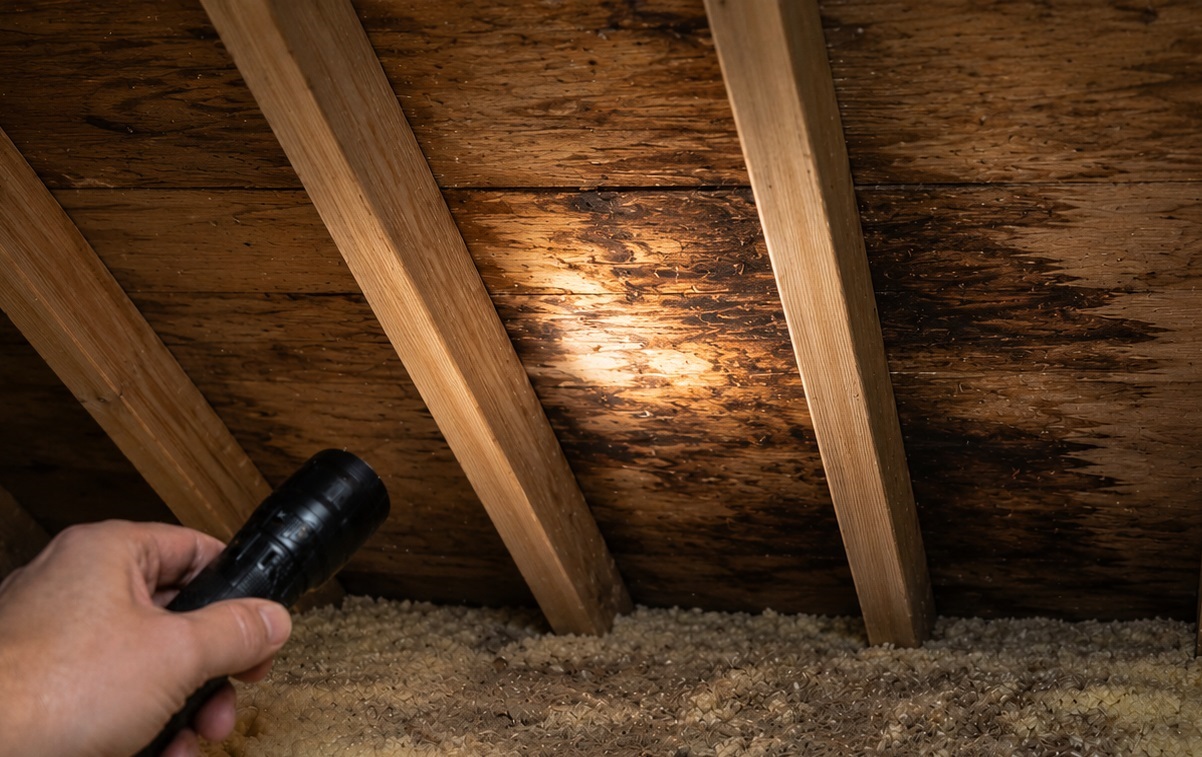
Water Stains on Roof Decking
Roof decking surfaces often display visible stains when moisture penetrates roofing materials. These stains typically appear as darkened patches on wood surfaces.
Look for:
- Dark streaks along decking boards
- Discolored wood patches
- Staining concentrated near roof seams
- Water trails running downward along framing
Decking stains usually identify areas where water has entered the roof system.
Mold or Mildew Growth in Attic Spaces
Prolonged roof moisture creates ideal conditions for mold and mildew development. These growths often appear on wood framing, insulation, or roof decking.
Common attic mold indicators include:
- Dark spotting on wood surfaces
- Fuzzy or powdery surface growth
- Musty odors concentrated in attic areas
- Discoloration spreading across structural materials
If mold symptoms are visible above the ceiling or near attic framing, signs of mold inside ceiling cavities may help identify whether the moisture problem has started affecting hidden ceiling materials.
Rust on Metal Components
Metal fasteners and roofing components often develop rust when exposed to prolonged moisture. Rust formation can signal condensation or roof leakage conditions.
Inspect attic metal components for:
- Rust on roofing nails
- Corrosion on metal brackets
- Discoloration on vent hardware
- Rust streaks along structural supports
Rust patterns frequently indicate ongoing moisture exposure in the attic environment.
Exterior Signs of Hidden Roof Moisture
Exterior roof symptoms often appear after moisture has already entered the roofing system. Observing these signs from outside the home helps identify potential entry points where water may be infiltrating. If the goal is to trace an active leak path rather than recognize symptoms, see how to find roof leaks before mold forms.
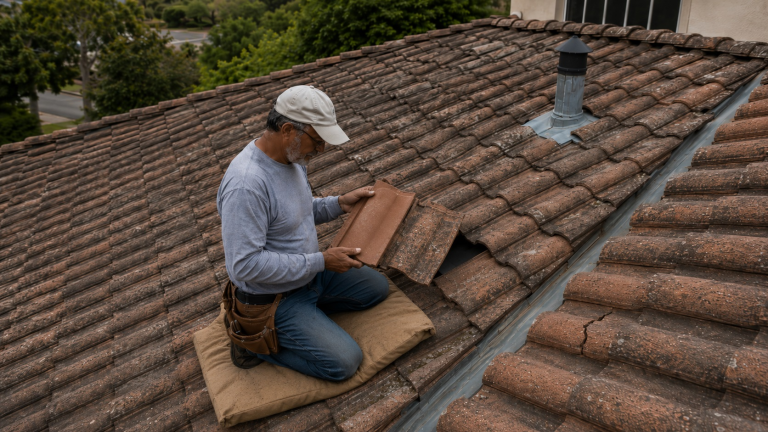
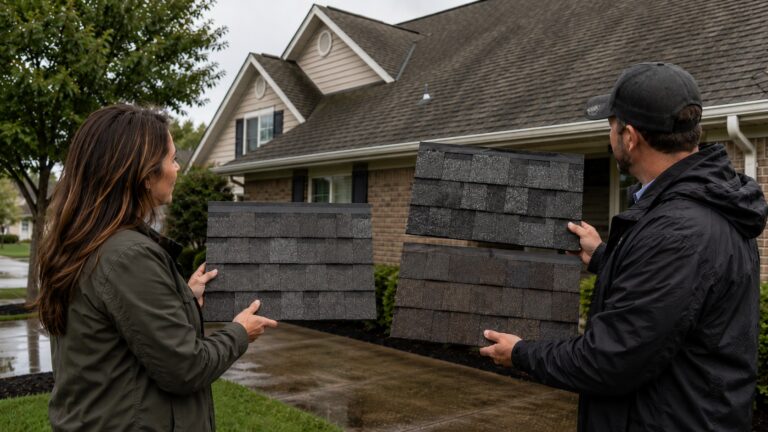
Damaged or Missing Shingles
Shingle damage is one of the most common causes of roof moisture intrusion. Even small areas of missing or cracked shingles allow water to reach underlying materials.
Look for:
- Missing shingles on roof surfaces
- Cracked or curling shingle edges
- Uneven shingle alignment
- Exposed underlayment materials
Shingle damage often develops gradually, allowing moisture to enter during rain events.
Roof Flashing Deterioration
Flashing materials protect vulnerable areas where roof surfaces meet vertical structures such as chimneys and walls. When flashing deteriorates, water can enter through small gaps.
Common flashing-related warning signs include:
- Loose flashing edges
- Visible gaps near roof penetrations
- Rusting flashing surfaces
- Water staining along flashing lines
Flashing failures frequently allow water to enter roofing systems unnoticed.
Clogged Gutters or Poor Drainage
Gutter systems play a critical role in directing water away from roof surfaces. When gutters become clogged, water may back up beneath roofing materials.
Watch for:
- Overflowing gutters during rainfall
- Water spilling over gutter edges
- Debris accumulation blocking drainage
- Water pooling near roof edges
Improper drainage significantly increases the risk of hidden roof moisture.
Ice Dam Formation (Cold Climates)
In colder climates, ice dams form when melting snow refreezes along roof edges. These ice barriers trap water, forcing it beneath roofing materials.
Ice dam warning signs include:
- Icicles forming along roof edges
- Snow melting unevenly on roof surfaces
- Water stains near exterior rooflines
- Repeated winter moisture damage patterns
Ice dams are a frequent cause of winter roof moisture problems.
Condensation-Related Roof Moisture Symptoms
Not all roof moisture originates from leaks. Condensation within attic spaces can create moisture problems even when roofing materials remain intact.
Frost Formation on Roof Surfaces
Frost accumulation inside attic spaces often indicates excessive moisture vapor. When warm air rises and meets cold surfaces, condensation forms and freezes.
Look for:
- Frost buildup on roof decking
- Ice crystals forming along rafters
- Frozen moisture on ventilation surfaces
- Water dripping during thaw cycles
Repeated frost formation usually signals ventilation or humidity problems.
Water Droplets on Roof Framing
Visible water droplets forming on framing components often indicate active condensation. This moisture may collect overnight when temperature differences increase.
Signs include:
- Droplets forming on rafters
- Damp framing surfaces
- Localized wet spots without rainfall
- Water dripping from structural components
Condensation-related moisture can cause damage similar to roof leaks if not addressed promptly.
Humidity Buildup in Attic Spaces
High attic humidity levels significantly increase the risk of hidden moisture development. Excess humidity often results from poor ventilation or indoor air leakage.
Humidity-related symptoms include:
- Persistent damp air in attic spaces
- Musty odors without visible leaks
- Condensation on roof surfaces
- Moisture forming during seasonal changes
If widespread humidity symptoms exist, reviewing signs of high humidity in a house may help determine whether environmental conditions are contributing to moisture buildup.
Advanced Signs of Hidden Roof Moisture Damage
As roof moisture problems continue, visible symptoms often become more severe and widespread. Advanced signs usually indicate prolonged exposure and may signal structural weakening or increased mold risk. Recognizing these later-stage symptoms helps determine when moisture damage has progressed beyond early warning stages.
Advanced symptoms typically appear after moisture has remained trapped inside roofing materials for extended periods.
Wood Rot in Structural Framing
Prolonged moisture exposure weakens wood fibers and leads to rot formation. Rotting wood loses structural strength and may eventually fail if moisture conditions continue.
Signs of wood rot include:
- Soft or crumbly wood surfaces
- Darkened or decaying wood fibers
- Wood that breaks apart easily
- Spongy or weakened structural beams
Wood rot indicates long-term moisture exposure and often requires prompt professional evaluation.
Insulation Deterioration
Wet insulation gradually loses effectiveness and may begin to deteriorate. Moisture trapped inside insulation layers reduces energy efficiency and allows further structural damage to develop.
Look for:
- Insulation clumping together
- Discoloration spreading across insulation
- Persistent dampness despite drying
- Cold or uneven temperature zones in upper rooms
Deteriorated insulation often signals repeated moisture intrusion events.
Ceiling Cracking and Structural Shifting
Moisture damage may weaken ceiling materials, causing visible cracks and uneven surfaces. Structural shifting often indicates that moisture has affected supporting components above the ceiling.
Common signs include:
- Long cracks forming across ceilings
- Uneven ceiling alignment
- Expanding crack patterns
- Sections of ceiling separating from framing
These symptoms frequently appear when moisture damage becomes structurally significant.
Mold Growth in Attic and Ceiling Areas
When moisture persists, mold growth often develops on wood framing, insulation, and ceiling materials. Mold colonies thrive in damp attic environments where airflow is limited.
Typical mold-related warning signs include:
- Dark spots appearing on wood surfaces
- Powdery or fuzzy surface growth
- Persistent musty odors
- Visible spreading discoloration patterns
If mold symptoms are present, reviewing signs of mold inside ceiling cavities can help identify additional mold-related warning patterns.
How Roof Moisture Problems Progress Over Time
Hidden roof moisture usually progresses in stages. Early symptoms may include small ceiling stains, slight insulation dampness, minor attic humidity, or occasional musty odors. As moisture spreads, stains darken, insulation becomes heavier, decking marks become clearer, and odors become more persistent. Late-stage damage may include ceiling sagging, wood rot, visible mold, or widespread structural deterioration.
This progression is why early symptoms should not be painted over or ignored. A small stain that returns after rain, a damp insulation patch, or a recurring attic odor may be the first visible clue that moisture is still active above the ceiling.
Conditions That Increase the Risk of Hidden Roof Moisture
Certain environmental and structural conditions increase the likelihood of hidden roof moisture development. Identifying these risk factors helps homeowners recognize when additional inspections may be necessary.
Poor Roof Ventilation
Ventilation systems allow moisture vapor to escape attic spaces. When ventilation is restricted, moisture accumulates and increases condensation risk.
Ventilation-related risk factors include:
- Blocked soffit vents
- Damaged ridge vents
- Improper attic airflow
- Insulation blocking ventilation openings
Restricted ventilation is one of the most common causes of attic moisture buildup.
Aging Roofing Materials
Roofing materials gradually deteriorate over time. Aging shingles, flashing, and seals become less effective at preventing water entry.
Age-related warning factors include:
- Roof surfaces older than recommended lifespan
- Visible material wear
- Recurring minor leaks
- Frequent maintenance repairs
Older roofs often require closer inspection to prevent hidden moisture development.
Heavy Rainfall or Snow Accumulation
Extreme weather conditions increase moisture exposure risk. Heavy rainfall or snow accumulation places additional stress on roofing systems.
Weather-related risk conditions include:
- Repeated severe storms
- Heavy snow loads
- Wind-driven rainfall
- Prolonged wet weather periods
Severe weather events often accelerate roof moisture progression.
How to Monitor Hidden Roof Moisture Over Time
Once signs of hidden roof moisture appear, ongoing monitoring becomes essential. Moisture problems rarely resolve without intervention, and tracking changes helps determine whether conditions are worsening or stabilizing.
The most useful patterns are symptoms that return after rain, worsen during humid weather, or keep appearing in the same attic or ceiling area.
How Often to Inspect Attic Spaces
Regular attic inspections improve early detection and reduce the risk of long-term structural damage. Inspection frequency depends on environmental conditions and roof age.
Recommended inspection intervals include:
- Seasonal inspections at least twice per year
- Additional checks after major storms
- Inspections during seasonal temperature changes
- Immediate evaluation after visible ceiling symptoms appear
Frequent inspections allow moisture problems to be detected before extensive damage occurs.
Tracking Changes in Ceiling and Attic Conditions
Recording visible changes over time helps identify gradual moisture progression. Small changes may be difficult to recognize without consistent comparison.
Helpful tracking strategies include:
- Taking photos of ceiling stains
- Recording attic moisture patterns
- Monitoring odor intensity
- Documenting insulation changes
Consistent tracking helps reveal whether moisture conditions are improving or worsening.
Watching for Seasonal Moisture Patterns
Seasonal patterns can reveal roof moisture problems that are easy to miss during a single inspection. A stain that darkens during rainy months, an attic odor that becomes stronger in humid weather, or upper-room dampness that improves during dry periods may point to recurring moisture rather than one-time cosmetic damage.
Pay special attention to symptoms that appear after wind-driven rain, heavy storms, snow accumulation, or long wet periods. Repeating weather-related patterns often provide stronger evidence than one isolated stain or odor.
Using Moisture Meters in Roof Areas
Moisture meters provide measurable confirmation when visual signs are unclear. In an attic, compare suspicious areas against nearby dry-looking wood instead of relying on one isolated reading. Higher readings near stained decking, rafters, ceiling joists, or insulation edges can help confirm that the area needs closer inspection.
Common testing locations include:
- Roof decking surfaces
- Wood framing components
- Ceiling joists
- Insulation edges
Moisture testing is particularly useful when visual symptoms are unclear or inconsistent, but it should not be used to dismiss obvious staining, sagging, mold, or repeated dampness. Those signs still require source investigation.
When Hidden Roof Moisture Requires Immediate Attention
Some roof moisture conditions demand urgent action due to the risk of structural failure or mold growth. Recognizing these high-risk warning signs helps prevent serious long-term damage.
Rapidly Expanding Ceiling Stains
Ceiling stains that grow quickly often indicate active water intrusion. These stains usually expand during rainfall or high-humidity conditions.
Urgent warning signs include:
- Stains increasing in size within days
- Water dripping from ceiling surfaces
- New stains appearing in multiple locations
- Recurring moisture after previous drying
Rapid stain growth typically indicates ongoing moisture entry into the roof system.
Visible Structural Deformation
Structural deformation often signals advanced moisture damage. When framing components weaken, visible distortion may occur.
Look for:
- Noticeable ceiling sagging
- Warped structural framing
- Uneven roof surfaces
- Cracks spreading along ceilings
Structural deformation indicates significant moisture exposure that may require professional evaluation. Do not walk on roof areas that appear uneven, sagging, soft, or structurally distorted.
Persistent Mold or Strong Odors
Strong musty odors or visible mold growth often indicate long-term moisture exposure. Mold development becomes more likely when moisture remains trapped in enclosed areas.
Common mold-related warning signs include:
- Strong odors concentrated in attic spaces
- Visible mold patches on wood surfaces
- Discoloration spreading across insulation
- Declining indoor air quality
If mold growth is confirmed or cleanup may be needed, how to remove mold permanently explains broader mold control and removal considerations.
Preventive Practices That Reduce Hidden Roof Moisture Risk
Prevention should stay focused on the conditions that create hidden roof moisture: blocked attic airflow, damaged roofing materials, failing flashing, and poor drainage. Keep soffit and ridge vents clear, make sure insulation is not blocking airflow, check shingles and flashing after storms, and keep gutters and downspouts moving water away from roof edges.
This article is primarily about recognizing symptoms, so prevention should not replace proper inspection when warning signs are already present. If stains, damp insulation, attic odors, or decking discoloration keep returning, the moisture source should be found before cosmetic repairs are made.
Conclusion
Hidden roof moisture often develops gradually, but it can weaken roof decking, insulation, ceiling materials, and framing if left undetected. Recognizing early warning signs such as ceiling stains, attic condensation, and insulation changes allows homeowners to respond before damage spreads.
Routine attic inspections, moisture monitoring, and basic roof maintenance help catch problems early, but recurring stains, damp insulation, musty attic odors, or visible structural changes should be investigated before repainting, patching, or covering the area.
Frequently Asked Questions
What are the first signs of hidden roof moisture?
Early signs include ceiling stains, musty odors near upper floors, damp insulation, and minor paint bubbling. These symptoms usually appear before major structural damage becomes visible.
Can roof moisture spread without visible leaks?
Yes, moisture can spread through insulation and framing without immediate visible leaks. Condensation buildup and minor roof defects often allow moisture to travel across hidden surfaces.
How often should attic spaces be inspected for moisture?
Attics should be inspected at least twice per year and after major storms. Additional inspections are recommended if interior ceiling symptoms appear.
Is condensation as dangerous as roof leaks?
Condensation can cause significant damage if moisture accumulates repeatedly. Over time, condensation leads to mold growth, insulation failure, and structural deterioration.
What causes moisture buildup in attic spaces?
Common causes include poor ventilation, aging roofing materials, blocked airflow, and indoor humidity escaping into attic areas.