Mold Smell but No Visible Mold: What It Means and What to Do
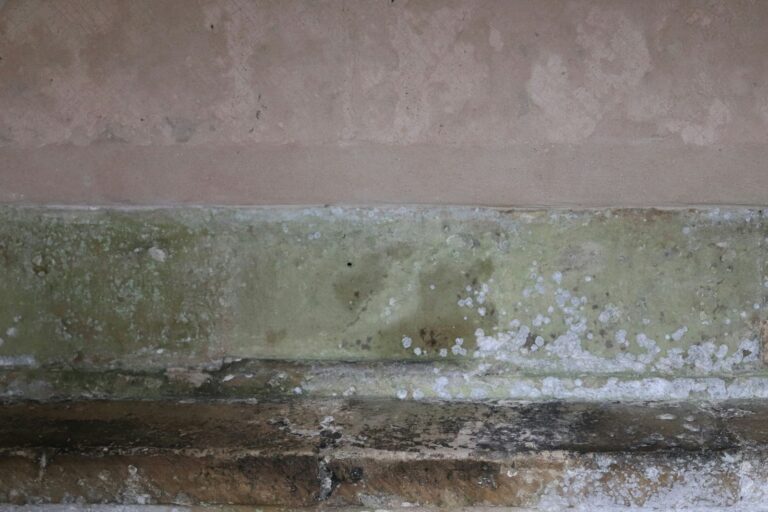
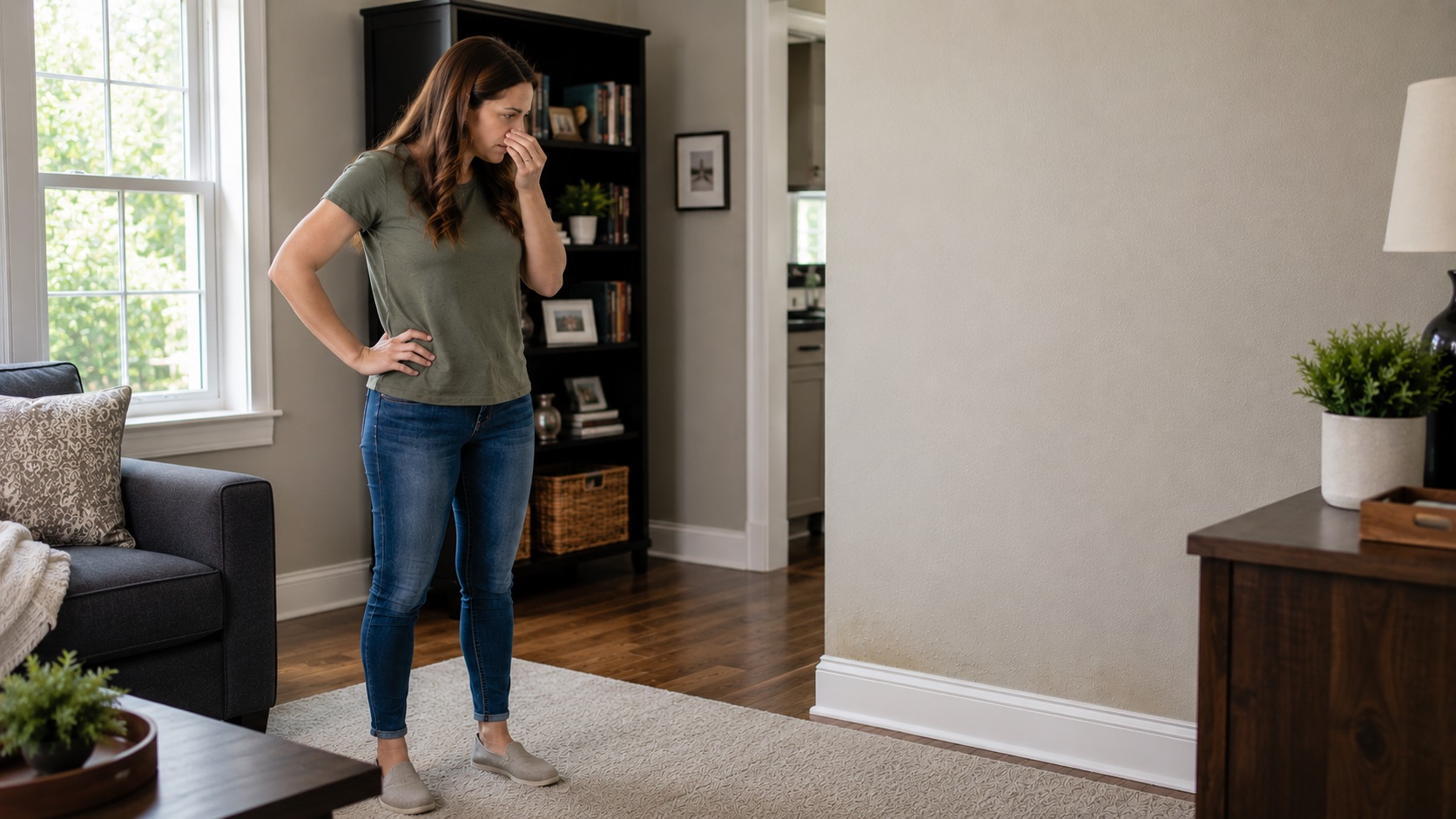
A musty smell in your home without visible mold usually means there is hidden moisture, hidden mold growth, or damp material somewhere out of sight. Mold can grow in concealed areas such as wall cavities, under flooring, inside ceiling spaces, or around HVAC components before any visible growth appears on finished surfaces.
If your home smells damp, earthy, or stale, start by looking for moisture patterns rather than only searching for visible mold. Musty odors can come from active mold, wet insulation, damp wood, carpet padding, wall cavities, or HVAC moisture. The smell is a warning sign that the source should be found before the problem spreads.
Understanding what mold odors mean is the first step toward solving the problem. For broader context on how hidden mold affects indoor air and when testing or mitigation may be necessary, review Mold Exposure and Indoor Air Quality: Complete Home Guide.
Quick Answer: Why You Smell Mold Without Seeing It
If you smell mold but cannot see it, hidden mold or damp material may be present in an enclosed area. Mold does not need to be visible to affect indoor air quality, and many problems begin inside concealed spaces before stains or surface growth appear.
Common reasons you may smell mold without seeing it include:
- Hidden moisture behind drywall.
- Wet insulation inside wall cavities.
- Mold growth under flooring materials.
- Damp areas inside ceiling spaces.
- Persistent humidity levels above safe limits.
The goal is not to guess the exact mold location immediately. The goal is to identify where moisture is active, where the odor is strongest, and whether the smell follows patterns such as rain, HVAC use, or high humidity.
If the smell seems strongest near walls, ceilings, or floors, compare the odor with other warning signs before disturbing finished surfaces. Review these common signs of mold behind walls to better understand when wall cavities may be involved.
What a Mold Smell Actually Indicates
A musty smell is not just an unpleasant odor — it is a sign that microbial activity is occurring somewhere inside the home. Mold releases microscopic gases as it feeds on organic materials such as wood, drywall paper, insulation, and dust.
These gases create the characteristic odor people describe as:
- Musty
- Earthy
- Damp
- Stale
- Similar to wet cardboard or old paper
When these odors appear indoors, they usually signal one or more of the following conditions:
- Active mold growth.
- Recent mold growth that remains damp.
- Persistent moisture problems.
- Hidden water damage.
Even small mold colonies can produce noticeable odors when moisture levels remain elevated. This is why musty smells often appear before visible mold becomes obvious.
Humidity plays a major role in this process. Mold activity increases significantly when indoor humidity rises above safe levels. If your home feels damp or smells stronger during humid weather, the problem may be related to excessive moisture. Review these signs of high humidity in a house to determine whether humidity may be contributing to mold odors.
Most Common Places Mold Hides When You Can’t See It
When you smell mold but cannot see it, the source is often an enclosed area where moisture collects and airflow is limited. These spaces allow odors to spread into nearby rooms before the mold itself becomes visible.
Understanding where mold commonly hides can help narrow down the source of a persistent musty smell. While every home is different, certain locations are responsible for most hidden mold problems.
Behind Drywall and Inside Wall Cavities
Wall cavities are one of the most frequent sources of hidden mold. Even small plumbing leaks or condensation inside walls can create enough moisture to support mold growth over time.
Common causes of mold behind drywall include:
- Slow plumbing leaks inside walls.
- Window leaks allowing moisture to enter wall cavities.
- Roof leaks traveling downward into walls.
- Condensation forming inside poorly insulated walls.
When mold grows behind drywall, the smell often escapes through small gaps around outlets, baseboards, or wall seams. In many cases, the odor becomes noticeable before visible staining appears on the surface.
If the odor is strongest near plumbing walls, outlets, or baseboards, reviewing how to find hidden water leaks inside walls can help you think through possible moisture sources without turning this article into a full leak-location guide.
Under Flooring and Inside Subfloors
Mold growth beneath flooring is another common cause of persistent musty odors. Water from appliance leaks, bathroom moisture, or minor flooding can seep into flooring layers and remain trapped underneath.
Areas especially vulnerable to hidden mold include:
- Under bathroom flooring.
- Beneath kitchen appliances.
- Below carpet padding.
- Inside wooden subfloor panels.
Musty odors from subfloors often become stronger when humidity rises or when people walk across the floor. Movement can release trapped odors into the air.
For a deeper understanding of warning signs beneath finished surfaces, review these signs of mold under flooring.
Inside Ceiling Cavities
Ceiling cavities are highly vulnerable to hidden mold after roof leaks or plumbing failures. Water entering from above often remains trapped in insulation or wood framing, creating ideal conditions for mold growth.
Common signs of hidden ceiling mold include:
- Musty smells near ceiling corners.
- Odor that becomes stronger after rain.
- Delayed ceiling staining appearing weeks after a leak.
- Persistent damp smell in upper-level rooms.
Ceiling cavities can remain damp long after visible leaks are repaired. Understanding how mold develops in these spaces can help prevent long-term damage. Learn more in this guide to signs of mold inside ceiling cavities.
Inside HVAC Systems and Air Ducts
Heating and cooling systems can spread mold odors throughout an entire home. Moisture forms naturally inside HVAC systems due to condensation, especially when humidity levels remain high.
Common HVAC-related mold causes include:
- Wet evaporator coils.
- Blocked or clogged condensate drains.
- Dirty or damp air filters.
- Moisture accumulation inside ductwork.
When HVAC systems circulate air, odors from mold inside ducts can spread quickly from room to room. If musty smells become noticeable when the system turns on, HVAC contamination should be considered as a possible cause.
Closets, Storage Areas, and Enclosed Spaces
Closets and storage spaces often develop hidden mold problems due to limited airflow and trapped humidity. Items stored tightly together can prevent moisture from evaporating, allowing mold to grow on surfaces or inside fabrics.
Common locations include:
- Bedroom closets.
- Basement storage rooms.
- Pantries and utility closets.
- Closets along exterior walls.
Musty smells in enclosed spaces often become stronger immediately after opening the door. This happens because stagnant air traps odor-producing gases until airflow releases them.
Common Causes of Mold Smell Without Visible Mold
A mold smell without visible mold usually points to an unresolved moisture source, even if the affected material is hidden. Identifying the cause is more important than masking the odor. If moisture remains, mold or musty conditions can continue in hidden spaces.
Hidden Water Leaks
Because small leaks often occur inside walls or under fixtures, they may remain undetected for long periods.
Typical hidden leak sources include:
- Plumbing leaks inside walls.
- Roof leaks traveling into insulation.
- Window frame leaks.
- Leaks from appliances such as dishwashers or washing machines.
If moisture remains trapped, mold growth may begin before stains or damage appear. Learning how to identify leak patterns can help narrow down the source. Review this guide to locating hidden water leaks inside walls for additional insight.
High Indoor Humidity
Excess humidity alone can support mold growth, even without visible water leaks. Homes with poor ventilation or limited moisture control often experience persistent odors caused by elevated humidity levels.
Common contributors to high humidity include:
- Inadequate bathroom ventilation.
- Lack of exhaust fans in kitchens.
- Basement moisture buildup.
- Humid outdoor climates entering through ventilation systems.
Understanding early humidity warning signs helps prevent mold growth before it spreads. If your home feels damp or musty during warm weather, review these signs of excessive humidity inside a home to confirm whether humidity may be the cause.
Past Water Damage That Was Never Fully Dried
Even when leaks appear resolved, moisture may remain trapped inside materials. Incomplete drying allows mold to grow slowly over time.
Past damage often leads to hidden mold when:
- Walls were repaired without proper drying.
- Insulation remained wet after flooding.
- Subfloors retained moisture after appliance leaks.
- Ceiling cavities stayed damp after roof leaks.
In many homes, musty odors appear weeks or months after the original moisture event. This delayed response often surprises homeowners who believe the problem has already been fixed.
Wet Insulation and Poor Airflow
Insulation holds moisture longer than many other materials. Once wet, it creates a sheltered environment that allows mold growth to continue unnoticed.
Airflow restrictions increase this risk. Without ventilation, moisture remains trapped and odors accumulate until they become noticeable in surrounding rooms.
Closets, storage areas, and tight wall cavities are especially vulnerable to this problem.
Why Mold Smell Gets Stronger at Certain Times
Many homeowners notice that mold odors come and go rather than remaining constant. This pattern is not random. Changes in environmental conditions can cause mold to release stronger odors at specific times.
Humidity Makes Mold Smell Stronger
Humidity plays a major role in mold growth and odor production. When indoor humidity rises above safe levels, mold becomes more active and releases stronger odors.
Situations that increase indoor humidity include:
- Hot summer weather.
- Poor ventilation in bathrooms or kitchens.
- Lack of dehumidification in basements.
- Moisture entering through crawlspaces.
If mold smells become stronger during humid weather, moisture levels may be exceeding safe ranges. Monitoring humidity helps prevent mold growth before it spreads.
Rainfall Often Triggers Musty Odors
Many homeowners notice musty odors immediately after rainstorms. This happens because rainfall increases moisture inside building materials and can worsen small leaks that might otherwise go unnoticed.
Rain-related mold odor patterns often indicate:
- Roof leaks.
- Window leaks.
- Foundation moisture problems.
- Exterior wall water intrusion.
If musty odors appear after storms, hidden moisture entry points should be investigated promptly.
HVAC Operation Can Spread Odors
Heating and cooling systems circulate air throughout the home. When mold exists inside ductwork or near air handlers, system operation distributes odor throughout living areas.
Common HVAC-related odor patterns include:
- Smell appearing when the system starts.
- Odor spreading to multiple rooms.
- Musty smell strongest near vents.
These patterns often indicate mold growth inside HVAC components or nearby hidden spaces.
How to Investigate a Mold Smell Without Visible Mold
When you cannot see mold, the investigation should focus on moisture clues rather than searching only for visible spots. A persistent musty odor usually has a moisture explanation somewhere, even if the affected material is hidden.
If the odor seems connected to broader moisture patterns across the home rather than one room, How to Find, Fix, and Prevent Moisture Problems in Homes can help you think through whole-home moisture sources before focusing on mold cleanup.
Narrow Down the Room or Area First
Start by identifying where the smell is strongest. Compare odor levels between rooms and check enclosed spaces such as closets and cabinets.
- Compare smell intensity from room to room.
- Check enclosed spaces separately.
- Look near floors, walls, and ceilings.
- Open rarely used spaces and compare odor levels.
Look for Moisture Clues Instead of Visible Growth
Look for clues that point to moisture even if you do not see mold. Check for bubbling paint, soft drywall, swollen baseboards, warped flooring, rusty fasteners, damp carpet edges, water stains, condensation on windows, or odors that become stronger near outlets, vents, cabinets, or floor seams.
Use Humidity and Moisture Readings as Clues
A hygrometer can show whether indoor humidity is staying high, and a moisture meter can help identify suspicious damp areas around walls, flooring, cabinets, and ceilings. Use these tools as screening aids, not as proof that hidden mold is absent. If readings are elevated or the odor persists, deeper inspection may still be needed.
These tools are especially useful when:
- You suspect hidden moisture inside walls.
- A musty smell appears without visible damage.
- Humidity levels fluctuate throughout the day.
- Moisture conditions need long-term tracking.
If you use readings, compare them with odor patterns, visible moisture clues, and recent leak history rather than relying on one number alone.
Health and Safety Risks of Hidden Mold
Hidden mold can affect indoor air quality even when no visible growth is present. Because mold releases microscopic particles and gases into the air, occupants may be exposed without realizing the source. This is why persistent musty odors should never be ignored, even when surfaces appear clean.
Do not cut into walls, ceilings, or flooring just to chase a smell if the material is soft, crumbling, heavily stained, or suspected of containing sewage or floodwater contamination. Disturbing contaminated materials can spread particles through the home and may require professional containment.
Health effects vary depending on the amount of mold present, the duration of exposure, and individual sensitivity. Some people experience symptoms quickly, while others may notice gradual changes over time.
Common Symptoms Linked to Hidden Mold Exposure
Health symptoms alone cannot prove hidden mold is present, but symptoms that worsen indoors and improve away from the home can be one clue when combined with persistent musty odor, humidity problems, or known water damage.
- Persistent nasal congestion.
- Sneezing or throat irritation.
- Watery or itchy eyes.
- Headaches or fatigue.
- Worsening asthma symptoms.
- Unexplained coughing indoors.
Symptoms that improve when leaving the home but return indoors often indicate environmental exposure. If multiple occupants experience similar symptoms, hidden mold becomes a more likely concern.
Indoor air problems often develop alongside moisture issues. Understanding how air quality changes when moisture is present can help homeowners take early action before damage spreads.
When Mold Smell Indicates a Serious Hidden Problem
Not all mold smells represent the same level of risk. Some odors signal minor moisture problems, while others indicate more serious structural concerns.
Understanding warning patterns can help homeowners recognize when immediate action is necessary.
Persistent Odor That Does Not Go Away
A musty smell that remains present for several days or weeks usually indicates ongoing moisture. Temporary smells may occur after humidity spikes, but long-lasting odors rarely disappear without intervention.
Persistent odor often suggests:
- Hidden mold growth.
- Active water intrusion.
- Moisture trapped inside structural materials.
Odor That Returns After Cleaning
If musty smells return after cleaning surfaces, the underlying cause has not been resolved. Cleaning visible surfaces does not eliminate mold growing behind walls or beneath flooring.
Recurring odors usually indicate hidden contamination that requires further investigation.
Odor That Appears Near Structural Areas
Musty smells near floors, ceilings, or load-bearing walls should be taken seriously. These areas often contain structural wood and insulation that can become damaged by prolonged moisture exposure.
Ignoring odors in these locations increases the risk of long-term structural damage.
When to Call a Professional
Some mold odor situations exceed the limits of safe homeowner investigation. Professional inspection may be necessary to identify hidden contamination without damaging structural components.
Consider professional evaluation when:
- Musty odors persist without an obvious source.
- Multiple rooms smell musty.
- Odors worsen after rain or humidity changes.
- Health symptoms increase indoors.
- Past flooding or major leaks occurred.
- Materials feel soft, crumbly, swollen, or structurally weakened.
Professional inspections help locate hidden moisture sources and determine whether materials require cleaning or replacement. Addressing the root cause early reduces long-term repair costs and prevents recurring mold growth.
FAQ: Mold Smell but No Visible Mold
Can mold smell exist without visible mold?
Yes, mold smell can exist without visible mold. In many homes, mold grows inside hidden spaces such as wall cavities, under flooring, or above ceilings. These concealed areas allow mold to develop unnoticed until odors spread into living spaces.
Musty odors often appear before visible mold because mold releases gases during growth. These gases can travel through small gaps, vents, and wall openings, making the smell noticeable even when the mold itself remains hidden.
Is a musty smell always caused by mold?
Not every musty smell is caused by mold, but persistent musty odors usually indicate excess moisture. Damp materials such as wet insulation, carpeting, or wood can produce similar smells even before mold becomes visible.
However, if the odor continues for several days or becomes stronger during humid weather, mold becomes a likely cause. Persistent moisture should always be investigated to prevent hidden damage.
Why does mold smell come and go?
Mold odors often change depending on humidity, temperature, and airflow. When humidity rises, mold becomes more active and releases stronger odors. When humidity drops, the smell may fade temporarily, even though mold is still present.
Rainfall, HVAC operation, and seasonal humidity changes can all influence odor patterns. If the smell returns repeatedly, hidden moisture is likely still present somewhere inside the home.
Can HVAC systems cause mold smells?
Yes, HVAC systems can contribute to mold odors. Moisture naturally forms inside cooling systems, especially around coils and drainage components. If these areas remain damp, mold can develop and spread odors throughout the house.
When musty smells appear shortly after the HVAC system turns on, it may indicate contamination inside ductwork or nearby hidden spaces.
How long before mold becomes visible?
Mold can begin growing within 24 to 48 hours after moisture exposure. However, visible mold may take several days or even weeks to appear, especially when growth occurs inside hidden materials.
This delay explains why musty odors often appear before visible mold becomes obvious. Early detection improves the chances of preventing widespread contamination.
Conclusion: What to Do When You Smell Mold but Can’t See It
Smelling mold without seeing it is a strong warning sign that moisture exists somewhere inside your home. In most cases, the odor signals hidden mold growth in areas that are not immediately visible, such as behind walls, under flooring, or inside ceiling spaces.
Ignoring musty smells allows moisture problems to worsen and increases the likelihood of long-term damage. Identifying the moisture source early is the most effective way to prevent mold from spreading further.
If odors persist, worsen during humid weather, or affect multiple rooms, deeper investigation may be necessary. Addressing moisture problems quickly reduces repair costs and protects indoor air quality.
For broader guidance on indoor air concerns, mold exposure risks, and when testing may be useful, review Mold Exposure and Indoor Air Quality: Complete Home Guide.
Key Takeaways
- A musty smell without visible mold usually indicates hidden moisture or concealed mold growth.
- Common hidden mold locations include wall cavities, flooring layers, ceilings, and HVAC systems.
- Humidity changes and rainfall often make mold odors stronger.
- Persistent odors should always be investigated to prevent structural damage.
- Cleaning surfaces alone does not eliminate hidden mold problems.
- Professional inspection may be necessary when odors continue without a clear source.