
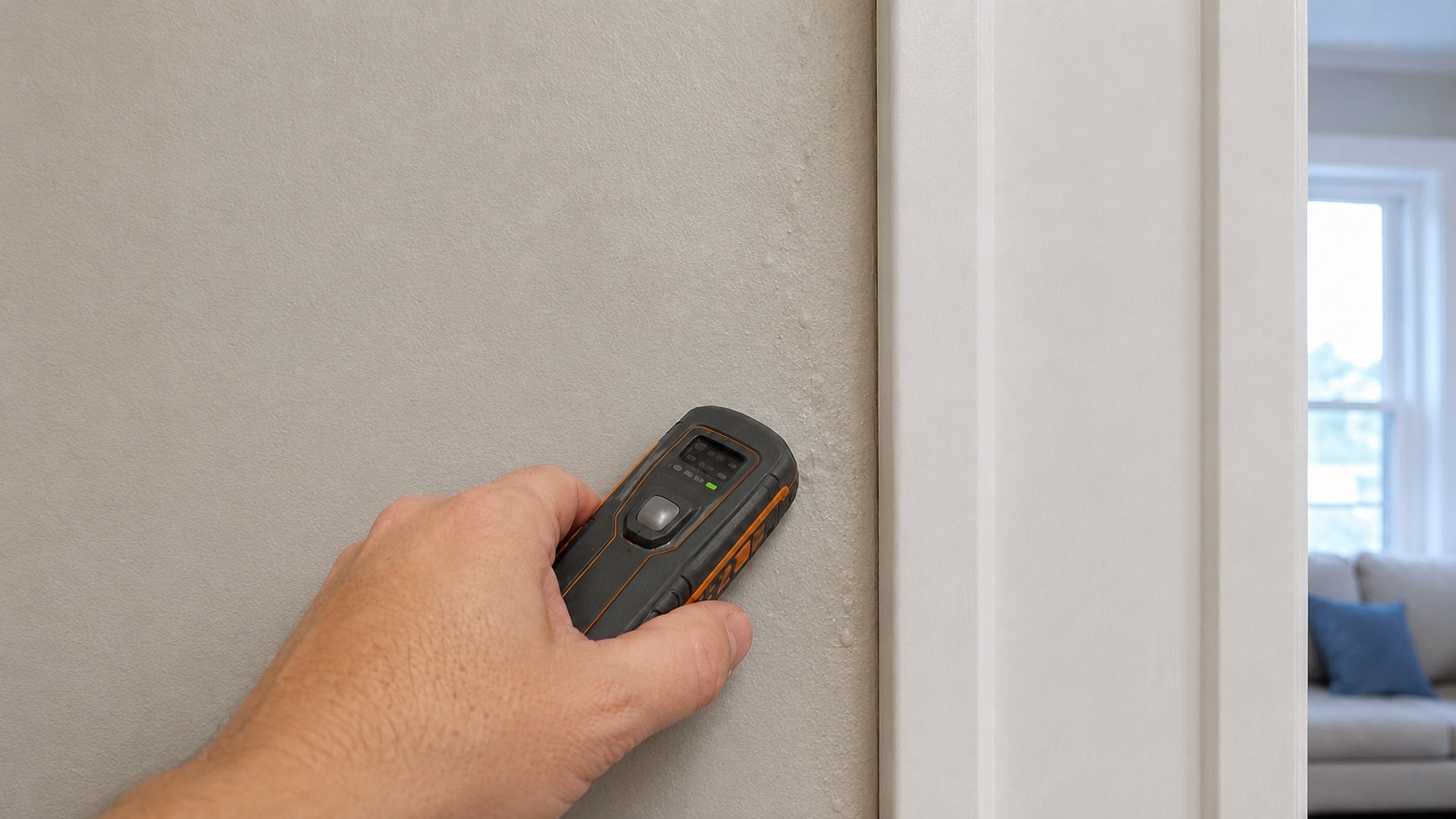
Signs of Moisture Behind Wall Trim
Moisture behind wall trim is often hidden until small symptoms become visible along the trim, wall surface, or nearby flooring. Because trim covers the seam where walls meet floors, doors, windows, and other finished edges, moisture can collect behind it without being noticed right away. Early warning signs may include swelling trim, bubbling paint, dark seams, musty odors, soft drywall, or flooring changes near the wall.
Recognizing early signs of moisture behind wall trim helps prevent more serious damage. Many warning signs appear gradually and may seem minor at first. Paying attention to subtle changes in trim, walls, flooring, and odors allows homeowners to identify moisture problems before they spread into nearby materials.
If you are checking more than one area of the home, reviewing how to find hidden moisture in different areas of your home can help you understand where wall, floor, window, cabinet, and trim moisture problems usually appear. If the concern is specifically along lower baseboards, how to inspect baseboards for hidden mold can help with a closer baseboard-level inspection.
Visual Signs of Moisture Behind Wall Trim
Visible changes along wall trim are often the first indicators of hidden moisture. These changes typically develop slowly and may initially appear cosmetic, but they can signal moisture problems behind the trim or inside nearby wall materials.
Swelling or Warping of Trim
Wood and composite trim materials absorb moisture when exposed to damp conditions. As moisture accumulates behind trim, the material may begin to swell or lose its original shape.
Common swelling signs include:
- Edges that appear thicker than normal
- Uneven trim surfaces
- Warped or curved sections
- Trim pulling away slightly from the wall
- Visible distortion near floor level or vertical trim edges
Swelling usually indicates more than simple surface wear, especially when it appears with staining, odor, softness, or spreading damage.
Paint Bubbling or Peeling
Paint damage is one of the most noticeable signs of moisture behind wall trim. When moisture becomes trapped, it pushes against painted surfaces and causes visible separation.
Watch for:
- Bubbles forming under paint
- Peeling or flaking paint along trim edges
- Paint that feels soft to the touch
- Repeated repainting failures in the same area
Paint that repeatedly bubbles or peels in the same trim area often points to moisture that has not been corrected underneath the finish.
Discoloration or Staining
Moisture frequently leaves visible staining along trim or nearby wall surfaces. These stains may vary in color depending on the materials affected.
Typical discoloration patterns include:
- Yellow or brown stains near the base of the wall
- Dark streaks along trim joints
- Uneven coloring near flooring seams
- Gradual darkening of trim surfaces
If discoloration continues to expand over time, moisture intrusion may still be active.
Gaps Forming Between Trim and Wall
As materials swell and shift due to moisture exposure, small gaps may form between the trim and the wall. These gaps often appear subtle but can indicate movement caused by moisture.
Gap-related warning signs include:
- Thin openings along trim edges
- Visible separation at corners
- Caulk lines cracking or separating
- Trim loosening from its original position
Some seasonal movement is normal in wood trim, but gaps that appear with staining, swelling, softness, or odor deserve closer attention.
Where Moisture Behind Wall Trim Commonly Shows Up
Moisture signs are easier to recognize when you know which trim areas are most vulnerable. Wall trim near water sources, exterior openings, or low-airflow areas is more likely to show early damage.
Check these areas carefully:
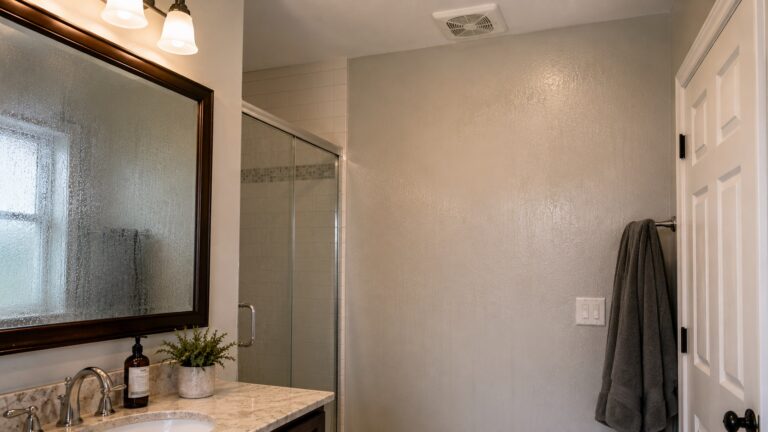
- Bathroom trim near tubs, showers, toilets, and vanities
- Laundry room trim behind or beside washing machines
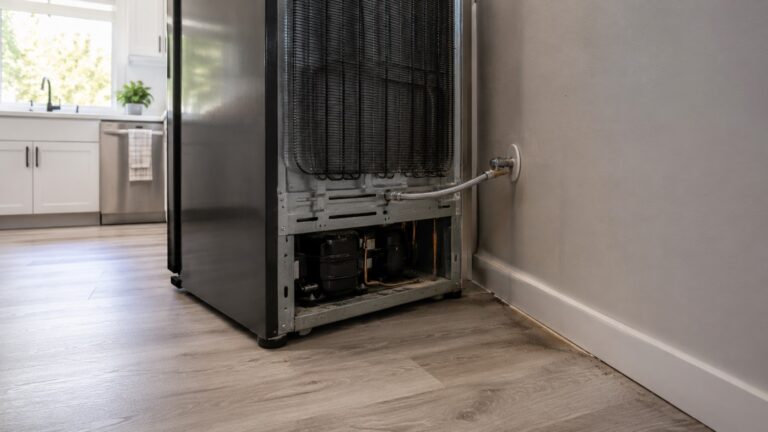
- Kitchen trim near sinks, dishwashers, refrigerators, and cabinet toe-kicks
- Trim below windows or beside exterior doors
- Lower wall trim along exterior-facing walls
- Trim in corners where airflow is limited
- Door casing or wall trim near entry areas that get wet during rain
These locations do not automatically prove hidden moisture is present, but they are good places to inspect first when trim symptoms appear.
Changes in Nearby Walls That Suggest Hidden Moisture
Moisture behind wall trim rarely stays confined to the trim alone. Over time, nearby drywall and wall finishes may begin to show signs of moisture exposure. These changes may start subtly but usually become more noticeable as moisture continues to accumulate.
Soft or Spongy Drywall
One of the more concerning warning signs is drywall that feels soft when gently pressed. Moisture weakens drywall structure, causing it to lose rigidity and strength.
Signs of soft drywall include:
- Walls that feel slightly soft near trim edges
- Indentations forming when light pressure is applied
- Surface damage occurring more easily than normal
- Areas that appear fragile or weakened
Soft drywall usually indicates prolonged moisture exposure and should not be covered with new paint or caulk until the source is found.
Bulging or Warped Wall Surfaces
Moisture trapped behind trim can cause wall materials to expand. This expansion sometimes results in visible bulging or uneven wall surfaces.
Watch for:
- Raised sections along the lower wall
- Subtle bulges forming near trim lines
- Distorted drywall surfaces
- Areas that appear uneven when viewed from the side
Bulging surfaces suggest that moisture is affecting internal materials rather than remaining on the surface.
Cracks or Surface Texture Changes
Moisture stress can cause finishes and coatings to shift, resulting in cracks or altered surface textures. These changes often develop gradually and may appear in isolated areas.
Common texture changes include:
- Hairline cracks along lower walls
- Rough or uneven wall finishes
- Peeling or flaking wall coatings
- Changes in texture near trim lines
Texture changes are more suspicious when they appear in damp-prone locations or worsen after rain, plumbing use, or indoor humidity spikes.
Odors That Suggest Hidden Moisture
Odors are often one of the earliest signs of moisture problems behind wall trim. Even when surfaces appear normal, hidden moisture can produce distinct smells that become noticeable in enclosed spaces.
Persistent Musty Smells
A musty odor is one of the most recognizable signs of moisture buildup. This smell often develops when organic materials remain damp for extended periods.
Typical musty odor patterns include:
- Smells strongest near floor level
- Odors intensifying in closed rooms
- Persistent smells that return after cleaning
- Odors becoming stronger during humid conditions
A musty smell does not prove the moisture is behind the trim specifically, but it is a strong reason to inspect nearby wall, floor, and trim materials more closely.
Odors That Appear After Humidity Changes
Some odors become noticeable only during certain environmental conditions. Increased humidity can release trapped moisture odors that were previously undetectable.
Pay attention to odors that:
- Appear during rainy weather
- Increase during summer humidity
- Return after warm indoor conditions
- Become stronger overnight
These patterns suggest that moisture may be hidden behind trim or nearby wall materials and responding to environmental changes.
Flooring Clues That Suggest Hidden Moisture
Flooring often provides additional clues when moisture exists behind wall trim. Because flooring sits directly beside lower trim, moisture movement can affect both materials.
Warped Flooring Edges
Moisture migrating from walls can affect flooring materials near trim edges. Warping often appears gradually and may initially affect only small sections.
Look for:
- Edges that appear raised or uneven
- Boards that curve upward along walls
- Floor sections that no longer sit flush
- Visible gaps forming between boards
Warped flooring edges suggest that moisture may have spread beyond the trim into surrounding materials.
Flooring Discoloration Near Walls
Moisture exposure frequently causes changes in flooring color or finish. Discoloration may appear in irregular patterns and expand slowly over time.
Common discoloration signs include:
- Darkened flooring edges
- Stains forming near wall seams
- Uneven coloration near trim lines
- Gloss or finish changes in localized areas
If discoloration spreads gradually, ongoing moisture exposure may be present.
Lifted or Separated Flooring Seams
Moisture infiltration often causes flooring seams to shift or separate. This is especially common in laminate, vinyl plank, and engineered flooring materials.
Watch for:
- Gaps forming between flooring sections
- Seams lifting near walls
- Edges becoming loose or unstable
- Movement when stepping near wall areas
Flooring seam separation near affected trim can indicate that moisture is affecting underlying materials.
Moisture Signs vs Mold Signs Behind Trim
Moisture signs and mold signs can overlap, but they are not the same issue. This article focuses on moisture symptoms behind wall trim, such as swelling, staining, softness, separation, and odor. Mold-specific signs may include visible growth, speckled colonies, fuzzy patches, or recurring dark growth on surfaces.
If the main concern is visible or suspected mold at the baseboard level, use this article as an early moisture warning guide, then compare the area with signs of mold behind baseboards. Keeping the distinction clear helps avoid confusing general trim moisture symptoms with baseboard-specific mold detection.
How to Tell If Trim Damage Is More Than Normal Wear
Not every crack, scuff, or gap means moisture is hidden behind wall trim. Trim can show normal wear from furniture contact, old caulk, house movement, poor paint preparation, or seasonal expansion and contraction.
Moisture is more likely when cosmetic damage appears together with:
- Staining that grows or returns
- Trim that feels swollen, soft, or distorted
- Paint bubbling in the same location after repainting
- Musty odor near the affected trim
- Soft drywall or flooring changes nearby
- Damage that worsens after rain, humidity, or plumbing use
A single scuffed area may be cosmetic. A pattern of swelling, staining, odor, and spreading damage is much more likely to involve hidden moisture.
Moisture Signs That Keep Spreading or Returning
Moisture problems behind wall trim often become more noticeable when the source remains active. Spreading or recurring symptoms are more concerning than one isolated cosmetic flaw.
Damage That Gradually Expands
Moisture-related damage often spreads outward from the original source. What begins as a small stain or slight swelling may grow into a larger affected area if the moisture source remains active.
Progressive damage signs include:
- Stains that slowly increase in size
- Swelling that spreads along longer sections of trim
- Paint damage extending beyond the original area
- Wall texture changes appearing in new locations
- Flooring issues expanding toward nearby sections
Expansion over time suggests the source may still be active.
Recurring Symptoms in the Same Location
Recurring moisture symptoms often indicate that the underlying cause has not been resolved. Even if surfaces appear to dry temporarily, repeated symptoms suggest ongoing moisture exposure.
Recurring warning signs include:
- Stains reappearing after cleaning or repainting
- Musty odors returning after ventilation improves
- Paint bubbling again after repairs
- Flooring swelling repeatedly in the same spot
- Trim loosening multiple times in identical areas
Recurring problems usually mean the underlying moisture source has not been corrected.
Changes That Accelerate During Certain Conditions
Environmental changes often influence how quickly moisture symptoms develop. Observing when symptoms worsen can provide important clues about hidden moisture sources.
Watch for worsening symptoms during:
- Heavy rainfall or storms
- Seasonal humidity increases
- Cold weather that promotes condensation
- Periods of high indoor moisture
- Extended use of water fixtures
If symptoms consistently worsen under specific conditions, moisture intrusion may be linked to weather, indoor humidity, condensation, or a nearby water source.
What to Check First When You Notice Moisture Signs
A symptoms article should not replace a full inspection, but a simple first check can help you decide how urgent the problem may be. Start gently and avoid damaging trim or wall materials unless closer inspection is necessary.
Use this basic sequence:
- Look for swelling, staining, gaps, paint bubbling, or dark seams along the affected trim.
- Smell near the trim and lower wall area for musty or damp odors.
- Gently press nearby drywall to check for softness, but do not force weak material.
- Check nearby flooring for lifted seams, discoloration, or edge swelling.
- Note whether the signs worsen after rain, humidity, showers, appliance use, or plumbing activity.
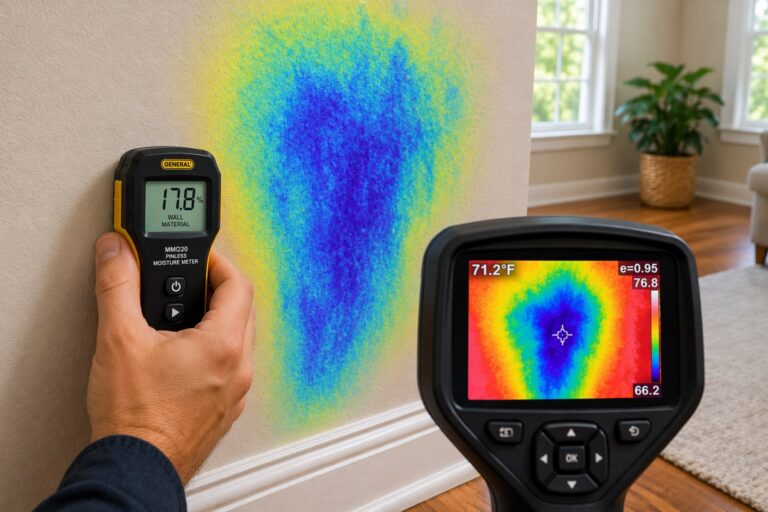
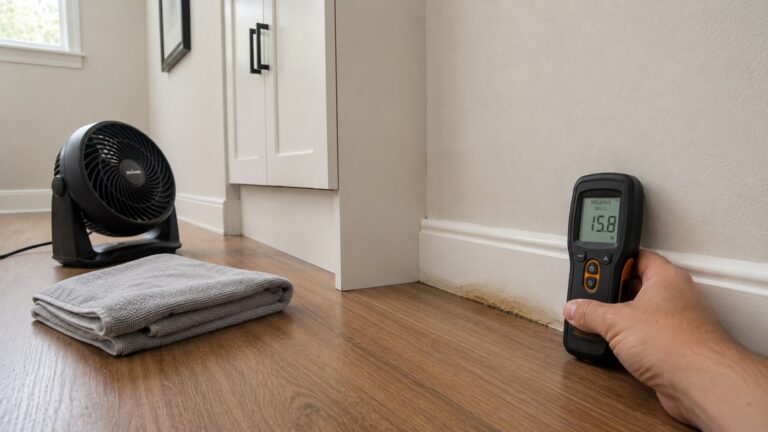
- If signs continue, spread, or appear in combination, use a moisture meter or consider removing a small trim section for inspection.
If you find soft, crumbling, moldy, or structurally weakened material, stop cosmetic repairs and investigate the moisture source before sealing, repainting, or reinstalling trim.
When Moisture Signs Require Immediate Attention
Some warning signs indicate a higher level of risk and should not be ignored. These symptoms suggest that moisture exposure may be causing structural damage or creating conditions that support mold growth.
Multiple Symptoms Appearing Together
When several warning signs appear at the same time, the likelihood of hidden moisture increases significantly. A single minor symptom may be cosmetic, but multiple signs often indicate a larger issue.
High-risk symptom combinations include:
- Trim swelling combined with musty odors
- Floor warping along with wall staining
- Paint bubbling together with drywall softness
- Persistent odors combined with visible discoloration
These combinations are more concerning than one isolated cosmetic flaw.
Rapidly Worsening Damage
Damage that worsens quickly should always be treated as a priority concern. Rapid changes often indicate significant moisture intrusion or prolonged exposure.
Urgent warning signs include:
- Large areas of swelling appearing suddenly
- New stains forming quickly
- Strong odors developing over short periods
- Visible damage spreading within days or weeks
- Sudden changes after storms or plumbing issues
Rapid progression increases the likelihood of hidden damage and should be investigated before the area is covered or repainted.
Structural Weakness Near Trim Areas
Structural weakness indicates that moisture has affected materials beyond surface finishes. This condition increases the risk of long-term damage and may require professional evaluation.
Structural warning signs include:
- Walls that feel unusually soft
- Trim that becomes loose or unstable
- Floor sections that feel weak near walls
- Persistent movement when pressure is applied
If structural symptoms appear, the moisture problem may be more advanced than visible surfaces suggest.
Frequently Asked Questions About Moisture Behind Wall Trim
What are the earliest signs of moisture behind wall trim?
The earliest signs often include subtle trim swelling, faint discoloration near the bottom of walls, minor paint bubbling, small gaps along trim edges, or musty odors near the affected area. These early symptoms are easy to overlook but often indicate moisture beginning to accumulate behind trim.
Can moisture exist behind trim without visible mold?
Yes, moisture can remain hidden behind trim for long periods before mold becomes visible. Many moisture problems begin behind trim, inside wall edges, or near flooring seams where airflow is limited. Recognizing early moisture symptoms helps reduce the chance of mold developing later.
Why does wall trim swell when moisture is present?
Trim materials absorb moisture when exposed to damp conditions. As moisture enters the material, it expands, causing swelling or distortion. Continued exposure increases the likelihood of movement, gaps, paint failure, and visible damage along trim edges.
Does a musty smell always mean moisture behind trim?
A musty smell strongly suggests moisture is present somewhere in the area, although it does not always confirm moisture behind trim specifically. If musty odors appear near floor level, along wall trim, or beside damp-prone areas, inspect the surrounding wall, flooring, and trim materials.
When should moisture behind wall trim be inspected more closely?
Closer inspection is recommended when symptoms persist, expand, or appear in combination. Signs such as swelling trim, recurring odors, wall discoloration, soft drywall, or lifted flooring edges indicate that moisture may be active behind surfaces. For broader location-based inspection guidance, review how to find hidden moisture in different areas of your home.
Conclusion: Recognizing Moisture Signs Early Prevents Major Damage
Moisture behind wall trim often develops quietly, showing only subtle warning signs in the early stages. Small changes in trim, walls, flooring, and odors frequently signal hidden moisture long before severe damage occurs. Recognizing these symptoms early allows homeowners to respond before problems spread into surrounding materials.
Consistent observation of trim areas, especially in moisture-prone rooms, plays a major role in preventing long-term damage. When early signs are detected, monitor the area, look for patterns, and address the underlying moisture source before repainting, sealing, or reinstalling trim.
Key Takeaways
- Moisture behind wall trim often produces subtle early warning signs before major damage appears.
- Swelling trim, bubbling paint, discoloration, and trim gaps are among the most common visible symptoms.
- Musty odors can indicate hidden moisture even when surfaces appear dry.
- Changes in nearby drywall and flooring often confirm that moisture is spreading beyond trim.
- Normal wear is less concerning than symptoms that appear together, return repeatedly, or worsen over time.
- Multiple warning signs appearing together increase the likelihood of hidden moisture damage.
- Early recognition allows problems to be addressed before structural damage or mold develops.
2 Comments
Comments are closed.