Best Self-Adhesive Roof Flashing Membranes for Repair and Installation
Choosing Peel-and-Stick Flashing for Roof Leaks and Transitions
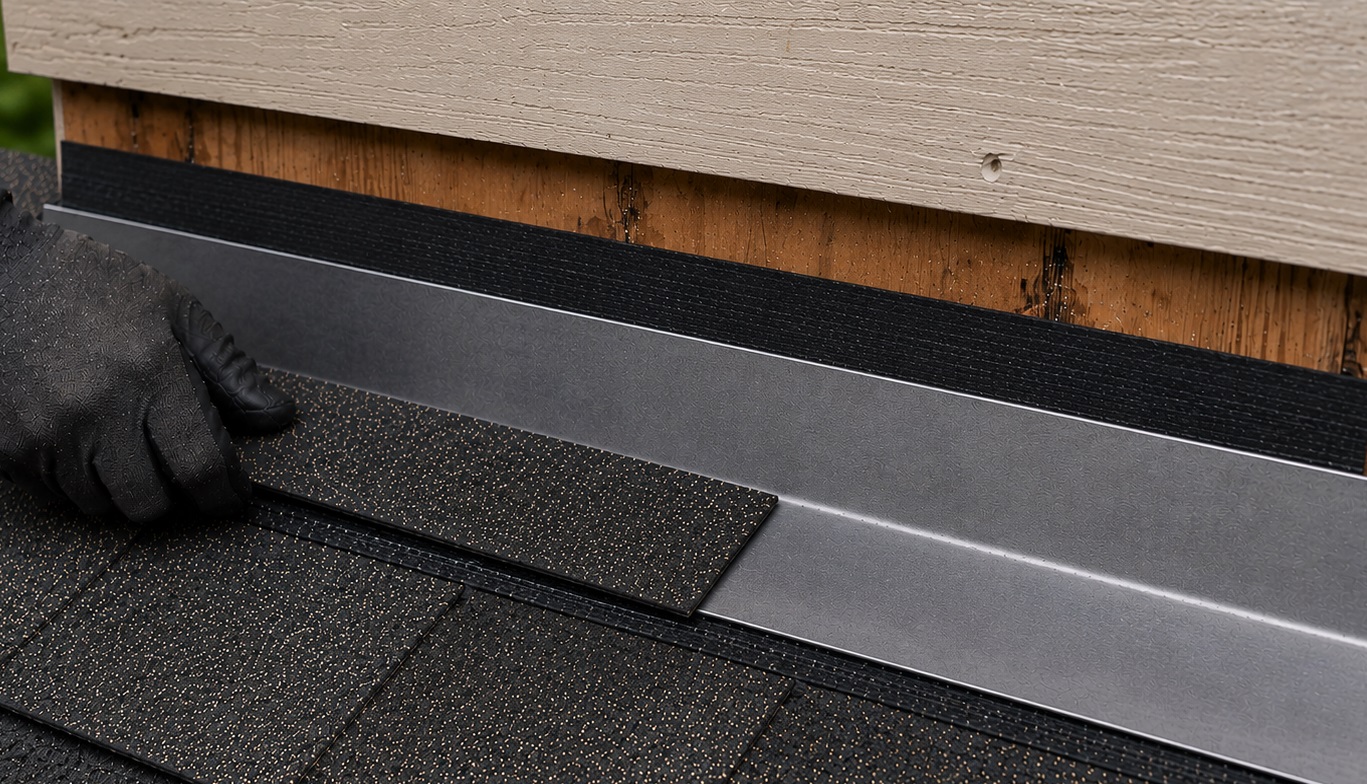
Roof leaks often start where different materials meet: roof-to-wall joints, skylight edges, roof penetrations, RV roof seams, mobile home roof edges, and long transition areas where water can work under a weak seam. In those areas, a small bead of caulk or a short patch tape may not give enough overlap or long-run coverage. That is where the best self-adhesive roof flashing membranes can be useful for homeowners who need a wider, stronger, peel-and-stick waterproofing layer for repair or retrofit work.
This guide focuses specifically on self-adhered roof flashing membranes and rolls, not ordinary duct tape, small emergency patch tape, narrow butyl tape, or siding-only flashing tape. The goal is to help you choose a product that fits roof-wall joints, longer seams, roof transitions, skylight-adjacent areas, and larger self-stick roofing applications. For more background on why flashing and roofing materials fail in the first place, see our parent guide to common roofing material failures.
As an Amazon Associate, this site earns from qualifying purchases. This does not affect the price you pay. Our recommendations are based on research, product reliability, and real-world usability in moisture-prone environments.
Quick Picks Summary
- Best Overall Roof Flashing Membrane Roll: EternaBond RoofSeal White 4″ x 50′
- Best Long Roll for Extended Roof Seams: Cofair UBE475 Quick Roof Extreme White 4″ x 75′
- Best Wider Membrane for Roof Transitions: Cofair UBE625 Quick Roof Extreme White 6″ x 25′
- Best Budget Roof Flashing Membrane: BXI Flashing Roll Tape Membrane 4″ x 32′
- Specialty Pick for Large-Area Self-Stick Roofing: MFM Peel & Seal Self-Stick Roll Roofing 36″
Self-Adhesive Roof Flashing Membrane Reviews
Best Overall Roof Flashing Membrane Roll: EternaBond RoofSeal White 4″ x 50′
EternaBond RoofSeal White 4″ x 50′ is the strongest overall choice for homeowners who need a serious self-adhesive roof flashing membrane for seams, transitions, RV roof edges, metal roof details, skylight-adjacent areas, and roof repair work where a short patch strip is not enough. The 50-foot roll gives enough length for longer runs, while the 4-inch width is manageable for DIY use around narrow roof details.
This product fits the article topic well because it is not just a small emergency patch tape. It is a roof-focused membrane roll designed for sealing long seams and vulnerable transition points. For homeowners dealing with repeated moisture stains, attic dampness, or water entry near flashing areas, a long roll like this can help create a more continuous barrier than multiple small patches. It should still be used only on compatible surfaces and after the leak source has been properly identified. If you are not sure where the roof water is entering, start with our guide on how to find roof leaks before mold forms.
Key Features
- 4-inch width and 50-foot length for longer seams and roof transition areas
- Designed for roof sealing, RV roofs, metal roofs, and other compatible surfaces
- White surface helps it blend better with some light-colored roofing and RV materials
- Peel-and-stick application reduces the need for complicated installation tools
- Useful for retrofit sealing around roof joints, seams, edges, and penetrations
Pros
- ✔ Strong fit for long roof seams and transition areas
- ✔ High-recognition product in the roof repair and RV roof sealing category
- ✔ Longer roll length helps reduce the number of separate seams
- ✔ Good balance of width, coverage, and DIY handling
- ✔ Works well as the main recommendation for a self-adhesive roof flashing membrane article
Cons
- ✖ Surface preparation is important for adhesion
- ✖ Not the best choice for very large roof areas that need a wide roll roofing product
- ✖ White finish may not look discreet on dark roofing materials
- ✖ May be more product than needed for one very small patch
Best For
- Homeowners sealing longer roof seams or transitions
- RV roof seams, mobile home roof edges, and metal roof detail work
- Roof-wall joints where a continuous peel-and-stick strip is useful
- Skylight-adjacent areas where wider overlap is needed but a 6-inch roll is not required
Check the EternaBond RoofSeal White 4″ x 50′ on Amazon to see current availability.
Best Long Roll for Extended Roof Seams: Cofair UBE475 Quick Roof Extreme White 4″ x 75′
Cofair UBE475 Quick Roof Extreme White 4″ x 75′ is a strong choice when the main problem is length. Some roof repair jobs are not large enough for full-width roll roofing, but they are too long for a short 10-foot strip. A 75-foot self-adhered flashing membrane gives homeowners more material for extended seams, roof edges, RV roof runs, mobile home seams, and long transition zones.
This product is especially useful when you want fewer overlaps. Every separate piece of flashing or tape creates another end point that needs careful rolling and sealing. A longer roll can help maintain a more continuous waterproofing path along an extended seam. That makes it a good fit for roof-edge work, roof-to-wall transitions, and long roof details where moisture has a path to travel under loose or failed flashing.
Key Features
- 4-inch width with a long 75-foot roll length
- Designed for roof and RV-related sealing applications
- Peel-and-stick format for straightforward application
- White surface suitable for many light roof and RV roof materials
- Useful for longer seams where multiple short pieces would be inconvenient
Pros
- ✔ Longer roll is practical for extended seams and repeated roof details
- ✔ Helps reduce the number of cut ends and overlaps on long runs
- ✔ Good option for RV roof edges, mobile home seams, and retrofit waterproofing
- ✔ 4-inch width remains manageable for DIY users
- ✔ Better fit for this article than small emergency repair tapes
Cons
- ✖ Narrower than 6-inch membrane options for wider transitions
- ✖ Not intended to replace proper metal flashing where structural flashing is missing
- ✖ Requires clean, dry, stable surfaces for best results
- ✖ White finish may be visible on darker roofs
Best For
- Long roof seams that need continuous peel-and-stick coverage
- RV roof perimeter seams and mobile home roof details
- Homeowners who expect to use the roll in multiple locations
- Repair or retrofit work where roll length matters more than extra width
Check the Cofair UBE475 Quick Roof Extreme White 4″ x 75′ on Amazon to see current availability.
Best Wider Membrane for Roof Transitions: Cofair UBE625 Quick Roof Extreme White 6″ x 25′
Cofair UBE625 Quick Roof Extreme White 6″ x 25′ is the better choice when width matters more than length. A 6-inch self-adhered flashing membrane gives more overlap across roof transitions, skylight edges, roof-wall joints, and other areas where a 4-inch strip may feel too narrow. That extra width can be helpful when you are trying to bridge a transition between two surfaces or cover a wider vulnerable area.
This product is most useful for homeowners dealing with moisture entry around larger seams or roof details where water can be pushed sideways by wind-driven rain. It should not be treated as a shortcut for rebuilding failed flashing, but it can be a practical retrofit material when the surface is stable, the leak path is understood, and the application area is suitable for a self-adhered membrane.
Key Features
- 6-inch width for greater overlap at roof transitions
- 25-foot roll length for targeted repair and retrofit applications
- Peel-and-stick design for roof and RV-style sealing tasks
- White exterior surface for light roofing and RV roof compatibility
- Useful where a narrow strip may not cover enough surface area
Pros
- ✔ Wider roll gives better coverage across transitions
- ✔ Strong fit for skylight-adjacent areas and roof-wall edges
- ✔ More forgiving than 4-inch rolls when the seam area is uneven
- ✔ Good option when water is spreading beyond a narrow seam line
- ✔ Helps differentiate this article from narrow roof repair tape content
Cons
- ✖ Shorter roll length than the 75-foot Cofair option
- ✖ Wider material can be harder to apply smoothly on tight curves
- ✖ May be excessive for small cracks or tiny flashing gaps
- ✖ Surface wrinkles or trapped air can reduce the quality of the installation
Best For
- Roof-wall transitions that need more overlap
- Skylight-adjacent roof areas
- RV roof seams where extra width is helpful
- Shorter repair zones where coverage width matters more than total roll length
Check the Cofair UBE625 Quick Roof Extreme White 6″ x 25′ on Amazon to see current availability.
Best Budget Roof Flashing Membrane: BXI Flashing Roll Tape Membrane 4″ x 32′
BXI Flashing Roll Tape Membrane 4″ x 32′ is the budget-friendly pick for homeowners who want a self-adhered flashing membrane roll without moving into larger specialty roofing rolls. It is a practical option for smaller roof transitions, gutter-adjacent details, roof-edge repairs, deck-to-wall areas, and general waterproofing strips where a membrane-style product makes more sense than a small patch tape.
This product is best viewed as a lower-cost flashing membrane option rather than a heavy-duty roof replacement material. It can be useful when you need to seal a small transition, reinforce a vulnerable seam, or address a specific area where water entry has been traced. Because it is not as established as EternaBond or Cofair in the roof repair space, homeowners should be especially careful with surface prep, compatibility, and expectations.
Key Features
- 4-inch width and 32-foot roll length
- Membrane-style flashing strip for roof, gutter, window, deck, and seam applications
- Self-adhesive backing for peel-and-stick use
- Useful for smaller transition areas and budget-conscious repairs
- More relevant to this article than general-purpose waterproof tapes
Pros
- ✔ Budget-friendly option for smaller flashing membrane jobs
- ✔ Good size for detail work and shorter roof transitions
- ✔ More membrane-like than many generic waterproof repair tapes
- ✔ Useful for homeowners who do not need a 50-foot or 75-foot roll
- ✔ Can work as a practical secondary option for non-critical applications
Cons
- ✖ Not as roof-specialized as the strongest premium picks
- ✖ Smaller roll length than long-run options
- ✖ May not be the best choice for harsh exposure or major roof transitions
- ✖ Compatibility should be checked carefully before use
Best For
- Budget users sealing smaller roof details
- Short flashing runs and minor transition reinforcement
- Homeowners who need a membrane strip but not a large roll
- Non-structural retrofit sealing where the surface is clean and stable
Check the BXI Flashing Roll Tape Membrane 4″ x 32′ on Amazon to see current availability.
Specialty Pick: Best Large-Area Self-Stick Roofing Roll: MFM Peel & Seal Self Stick Roll Roofing 36″
MFM Peel & Seal Self Stick Roll Roofing 36″ is different from the other products in this guide. Instead of being a narrow flashing strip, it is a much wider self-stick roll roofing product. That makes it a specialty pick for larger roof repair areas, low-slope roof sections, mobile home roof areas, sheds, utility structures, and other situations where a 4-inch or 6-inch flashing membrane is not wide enough.
This product should not be confused with a small flashing tape. It is more relevant when the surface area is broad and the goal is to cover a larger section with a self-adhered roofing layer. Because the Amazon listing may have a lower review count than the other picks, it should be presented honestly as a specialty option rather than the best everyday choice for most homeowners. It may be useful for the right situation, but it is not the product most readers should choose for a narrow roof-wall joint or skylight seam.
Key Features
- Wide 36-inch self-stick roll roofing format
- Designed for larger coverage areas than narrow flashing strips
- Useful for low-slope, small-structure, mobile home, and utility roof applications
- Peel-and-stick application reduces the need for torch-down or hot-applied methods
- Best suited for specialty repair zones where tape-width products are too narrow
Pros
- ✔ Much wider coverage than standard flashing membrane rolls
- ✔ Useful for larger roof areas and broader repair zones
- ✔ Better fit when a seam strip is not enough
- ✔ Practical for some sheds, mobile homes, and low-slope roof applications
- ✔ Fills a different role than the 4-inch and 6-inch products
Cons
- ✖ More specialized than most homeowners need
- ✖ Lower Amazon review volume than the strongest main picks
- ✖ More difficult to handle than narrow flashing rolls
- ✖ Not ideal for small roof-wall joints, tight edges, or narrow flashing repairs
Best For
- Large-area self-stick roofing repairs
- Low-slope roof sections where a wider membrane is appropriate
- Mobile home, shed, or utility roof applications
- Homeowners who need broad coverage rather than a narrow flashing strip
Check the MFM Peel & Seal Self Stick Roll Roofing 36″ on Amazon to see current availability.
Self-Adhesive Roof Flashing Membrane Comparison Table
| Product | Category | Best Use Case | Key Strengths | Main Limitation | Amazon Link |
|---|---|---|---|---|---|
| EternaBond RoofSeal White 4″ x 50′ | Best Overall Roof Flashing Membrane Roll | Long roof seams, RV roofs, roof transitions, and retrofit sealing | Strong roof-focused option with a useful balance of length and width | Not wide enough for large-area roof coverage | View on Amazon |
| Cofair UBE475 Quick Roof Extreme White 4″ x 75′ | Best Long Roll for Extended Roof Seams | Long seams, RV roof edges, and repeated roof details | 75-foot length reduces the need for multiple short strips | Only 4 inches wide, so it may not cover wider transitions | View on Amazon |
| Cofair UBE625 Quick Roof Extreme White 6″ x 25′ | Best Wider Membrane for Roof Transitions | Roof-wall joints, skylight-adjacent areas, and wider seams | Extra width gives better overlap across vulnerable transitions | Shorter roll length than long-run options | View on Amazon |
| BXI Flashing Roll Tape Membrane 4″ x 32′ | Best Budget Roof Flashing Membrane | Smaller roof details, short transitions, and budget repair work | Affordable membrane-style option for smaller jobs | Less specialized than the strongest roof-focused products | View on Amazon |
| MFM Peel & Seal Self Stick Roll Roofing 36″ | Specialty Pick: Best Large-Area Self-Stick Roofing Roll | Larger roof sections, low-slope areas, sheds, and mobile homes | Much wider coverage than flashing strips | More specialized and lower-review than the main picks | View on Amazon |
How to Match the Flashing Membrane to the Roof Detail
The right product depends on the type of leak risk you are trying to solve. A roof-wall joint, skylight edge, RV roof seam, and low-slope roof patch are not the same problem. Before buying, look at the length of the run, the width of the transition, the roof material, and whether the repair is a temporary reinforcement or part of a more permanent retrofit.
Choose a long roll for extended seams
If you are sealing a long roof seam, RV roof edge, mobile home seam, or repeated transition, length matters. A product like Cofair UBE475 gives you more continuous material to work with. That can reduce the number of overlaps, which are often weak points if they are not pressed, rolled, and terminated correctly.
Choose a wider membrane for roof-wall joints and transitions
If the problem area crosses a wider transition, a 6-inch membrane may be more practical than a 4-inch strip. Wider material gives more overlap on both sides of the seam. That can be helpful around skylight-adjacent areas, roof-wall joints, and roof edges where water can move sideways under wind pressure.
Choose a roof-focused membrane for exposed roofing areas
For exposed roof use, avoid products that are mainly designed for indoor patches, siding-only flashing, or general household repair. A self-adhesive roof flashing membrane should be suitable for outdoor exposure and compatible with the surface you are sealing. If your issue is recurring roof leakage rather than a one-time repair, read why roof leaks return after repairs before assuming another surface patch will solve the problem.
Choose a large-area roll only when a strip is not enough
MFM Peel & Seal belongs in a different use case than the narrow rolls. It is not the product most homeowners need for a roof-wall joint or a skylight seam. It is better suited to larger self-stick roofing applications where a 4-inch or 6-inch strip would leave too many seams or not cover enough surface area.
Do not use this article to choose small emergency patch tape
This guide is not about small waterproof patch tape, emergency roof repair tape, narrow butyl tape, or siding flashing tape. Those are separate buying situations. Here, the focus is on self-adhered roof flashing membranes and rolls used for longer runs, transitions, and installation-style waterproofing.
How to Apply Self-Adhesive Roof Flashing Membranes Correctly
Self-adhesive roof flashing membranes are simple in concept, but the results depend heavily on preparation. A good product applied to a dirty, wet, dusty, oily, loose, or unstable surface can fail early. Before using any product, read the manufacturer’s instructions for surface compatibility, temperature range, primer requirements, overlap guidance, and safety precautions.
Do not climb onto a wet, icy, steep, or storm-exposed roof to install flashing membrane. If the area cannot be reached safely from a stable surface, wait for safe conditions or hire a roofing professional.
Find the real water entry path first
Do not cover the first suspicious seam and assume the leak is solved. Roof leaks can travel along rafters, under shingles, behind siding, or along roof decking before appearing indoors. Look for staining patterns, attic moisture, damp insulation, and repeated leak locations. If the leak appears near flashing, our guide to signs roof flashing is failing can help you understand whether the flashing itself is the likely problem.
Clean and dry the surface carefully
Remove loose debris, dirt, failed sealant, dust, chalky residue, and unstable material before applying the membrane. On many roof surfaces, a clean and dry surface is essential. Some products may need a compatible primer on certain materials. Do not assume that strong adhesive can overcome poor preparation.
Plan the layout before peeling the backing
Dry-fit the roll before removing the release liner. Mark the start and end points if needed. Long rolls can be difficult to reposition once the adhesive touches the surface. For roof-wall joints and long seams, work slowly and keep the membrane aligned so it does not wander off the transition.
Use pressure to activate the bond
Most peel-and-stick flashing membranes need firm pressure after placement. A hand roller is often useful for pressing the membrane into the surface and reducing air pockets. Pay special attention to edges, overlaps, corners, and terminations. Wrinkles, fishmouths, and lifted edges can become water entry points.
Respect overlap and termination details
Where two pieces meet, follow the product’s recommended overlap. Do not leave uphill edges exposed in a way that invites water to run under the membrane. On roofs, water direction matters. A membrane should shed water, not trap it.
Monitor the area after the repair
After installation, check the interior and attic during the next rain. Look for new stains, musty odors, damp insulation, or moisture returning after the repair. Our guide on how to monitor roof areas after repairs explains how to watch for recurring moisture before it turns into a larger mold or structural problem.
Common Mistakes When Using Peel-and-Stick Roof Flashing
Using narrow repair tape when a flashing membrane is needed
A short patch may stop a tiny surface leak temporarily, but it may not provide enough overlap for a roof-wall joint or long transition. If the leak risk follows a long seam, use a long enough self-adhesive roof flashing membrane to cover the vulnerable run properly.
Using a roof membrane as a substitute for missing structural flashing
Peel-and-stick membranes can help with retrofit sealing, but they do not always replace correctly installed metal flashing, step flashing, counterflashing, or proper roof assembly details. If flashing is missing, badly corroded, or installed incorrectly, a membrane may only hide the deeper problem.
Applying the membrane over wet or dirty roofing
Adhesion depends on the surface. Dirt, dust, moisture, loose granules, oils, old failed sealant, and unstable coatings can prevent a good bond. Cleaning and preparation are not optional.
Ignoring the direction of water flow
On a roof, water runs downhill and can be driven sideways by wind. If you create an exposed uphill edge or a poorly lapped joint, water can work under the membrane. Think like water before you press the product down.
Using the wrong width
A 4-inch roll may be enough for a narrow seam, but it may be too narrow for a wide roof transition. A 6-inch roll may be better for roof-wall joints and skylight-adjacent areas. A 36-inch roll may be appropriate for larger low-slope areas, but it is excessive for small details.
Covering signs of a larger moisture problem
If the roof decking is soft, attic insulation is damp, flashing is visibly separated, or leaks keep returning in the same area, do not rely only on a surface membrane. Those are warning signs that the problem may require a deeper repair. For broader moisture troubleshooting, see our sitewide guide on how to find, fix, and prevent moisture problems in homes.
Self-Adhesive Roof Flashing Membrane FAQs
What is the best self-adhesive roof flashing membrane for most homeowners?
For most homeowners, EternaBond RoofSeal White 4″ x 50′ is the strongest overall pick because it offers a practical width, a long roll length, and a roof-focused use case. It is especially useful for seams, transitions, RV roof edges, and retrofit sealing where a small patch tape is not enough.
Is self-adhesive roof flashing the same as roof repair tape?
Not exactly. Roof repair tape is often used for smaller emergency patches or quick leak control. Self-adhesive roof flashing membranes are better understood as longer or wider peel-and-stick waterproofing strips used for seams, transitions, roof-wall joints, and installation-style details.
Can self-adhesive roof flashing stop a leak permanently?
It can help seal certain compatible roof seams and transition areas, but no product should be treated as a guaranteed permanent fix for every roof leak. The result depends on the roof condition, surface preparation, installation, water flow, and whether the underlying flashing or roofing assembly is still sound.
Should I choose a 4-inch or 6-inch roof flashing membrane?
Choose a 4-inch membrane for narrower seams and long runs where the transition is well-defined. Choose a 6-inch membrane when you need more overlap across a roof-wall joint, skylight-adjacent area, or wider transition. Extra width can be helpful when water spreads beyond a narrow seam line.
When should I use a large 36-inch self-stick roofing roll?
A 36-inch self-stick roofing roll is best for larger coverage areas, low-slope roof sections, sheds, utility roofs, mobile home roof areas, or situations where narrow flashing strips would require too many seams. It is not the easiest choice for small roof details.
Can I apply self-adhesive roof flashing over old caulk or sealant?
Usually, you should remove loose, failed, dirty, or unstable sealant before applying a membrane. Some stable materials may be compatible, but you should follow the manufacturer’s surface preparation instructions. Applying over weak old sealant can cause the new membrane to fail with the old material underneath it.
Do I need a roller when installing self-adhesive roof flashing?
A roller is strongly recommended for many membrane installations because it helps press the adhesive into the surface, reduce trapped air, and improve edge contact. Hand pressure alone may not be enough on textured or uneven roofing surfaces.
Should I repair the roof myself or call a roofer?
DIY membrane repair may be reasonable for accessible, limited, low-risk areas where the leak source is clear and the roof surface is safe. Call a roofing professional if the roof is steep, the decking feels soft, flashing is missing, leaks keep returning, or water damage appears inside the attic or ceiling.
Conclusion
The best self-adhesive roof flashing membrane depends on the shape of the problem. For most homeowners, EternaBond RoofSeal White 4″ x 50′ is the strongest overall choice because it works well for long seams, roof transitions, and roof-focused retrofit sealing.
Choose Cofair UBE475 Quick Roof Extreme White 4″ x 75′ if you need extra length for extended seams or multiple roof details. Choose Cofair UBE625 Quick Roof Extreme White 6″ x 25′ if width and overlap matter more than total roll length.
For smaller budget-conscious jobs, BXI Flashing Roll Tape Membrane 4″ x 32′ is a reasonable option. For large-area self-stick roofing work, MFM Peel & Seal Self Stick Roll Roofing 36″ is the specialty pick, but it is more situational and should not be treated as the default choice for narrow flashing repairs.
Whichever product you choose, the most important step is diagnosing the leak correctly. A membrane can help seal a vulnerable joint, but it cannot fix rotten decking, missing flashing, unsafe roof conditions, or moisture that is already trapped inside the structure.