Dri-Eaz DrizAir 1200 Dehumidifier Review: Contractor-Grade Moisture Removal
The Dri-Eaz DrizAir 1200 is not a typical home dehumidifier. It is a contractor-style drying machine built for serious moisture removal after leaks, wet carpet, damp basements, and restoration-type drying jobs. That makes it very different from the smaller residential units most homeowners use for everyday humidity control.
Important buying note: I could not verify a current exact Amazon US listing for the Dri-Eaz DrizAir 1200, and some retailer listings describe the model as discontinued. Because of that, this review treats the DrizAir 1200 as a product-fit and used/rental-market decision rather than a simple buy-now Amazon recommendation. If you need a dehumidifier you can buy now, start with our guide to the best basement dehumidifiers and compare currently available options.
Disclosure: This article may contain affiliate links. If you buy through these links, we may earn a commission at no extra cost to you.
Dri-Eaz DrizAir 1200 Quick Verdict
- Best for: serious temporary drying, basement moisture events, wet carpet, damp structural materials, and restoration-style cleanup.
- Not ideal for: routine bedroom, bathroom, or whole-home humidity control where a lighter residential dehumidifier would be easier to use.
- Main strength: rugged contractor-grade drying design with pump-out drainage and much stronger moisture-removal intent than ordinary household units.
- Main limitation: the exact Amazon US listing is not currently easy to verify, and the unit may be harder to find new than current residential or restoration alternatives.
- Bottom line: the DrizAir 1200 is a serious drying machine, but most homeowners should compare currently available dehumidifiers before trying to buy this exact model.
Compare currently available basement dehumidifiers
Dri-Eaz DrizAir 1200 Availability: What Buyers Should Know First
The Dri-Eaz DrizAir 1200 has been a well-known restoration dehumidifier, but availability is now the biggest issue for buyers. I could not verify a reliable current Amazon US product page for the exact DrizAir 1200 unit, and some retailers list it as discontinued. That makes this different from a normal product review with a direct purchase recommendation.
If you find a used, rental, or third-party unit, verify the model number, condition, drain hose, pump function, return policy, and seller reputation before buying. A commercial drying machine can still be useful, but an older unit is only worth considering if it works properly and parts or service are realistic.
For many homeowners, the better path is to use this review to understand what a contractor-grade drying unit does, then compare current residential, basement, crawl space, or restoration-style dehumidifiers. Our broader guide on how to choose and use a dehumidifier effectively is a better starting point if you are still deciding what size and style of unit your home actually needs.
What the Dri-Eaz DrizAir 1200 Is Designed to Do
The DrizAir 1200 is a commercial refrigerant dehumidifier designed for active structural drying, not just mild humidity maintenance. Manufacturer documentation describes DrizAir dehumidifiers as commercial refrigerant dehumidifiers for drying building structures and contents by removing water vapor from the air. With proper use, this type of unit can help dry carpet, carpet pad, floors, walls, building contents, and similar wet materials after water intrusion.
The key numbers explain why it sits above normal household dehumidifiers. Published product data lists the DrizAir 1200 at 64 pints per day under AHAM conditions, up to 145 pints per day at saturation, and 227 CFM of process airflow. It also lists an 80 lb use weight, 20 × 32 × 19.5 in. dimensions, 115V power, 6.4 amps, a 40 ft drain hose, a 25 ft power cord, semi-pneumatic wheels, rotomolded polyethylene housing, and hot-gas bypass defrost.
Those specs make it most relevant when the moisture problem is more serious than “the basement feels damp.” If you have wet carpet, damp flooring edges, a recently repaired leak area, or a room that needs aggressive temporary drying, a contractor-style dehumidifier can remove moisture faster than many smaller consumer models. However, it still works best after the water source has been stopped and air can move across wet surfaces. For water-damage drying, use moisture readings and material condition, not surface appearance alone, to decide whether the area is actually dry.
DrizAir 1200 Features That Matter During Water-Damage Drying
64-Pint AHAM Rating and Higher Saturation Removal
The main reason to consider the DrizAir 1200 is drying capacity. Published product data lists it at 64 pints per day under AHAM conditions and up to 145 pints per day at saturation. The AHAM number is the more realistic reference point for comparing dehumidifiers, while the saturation number reflects warmer, wetter conditions where a unit can remove more water.
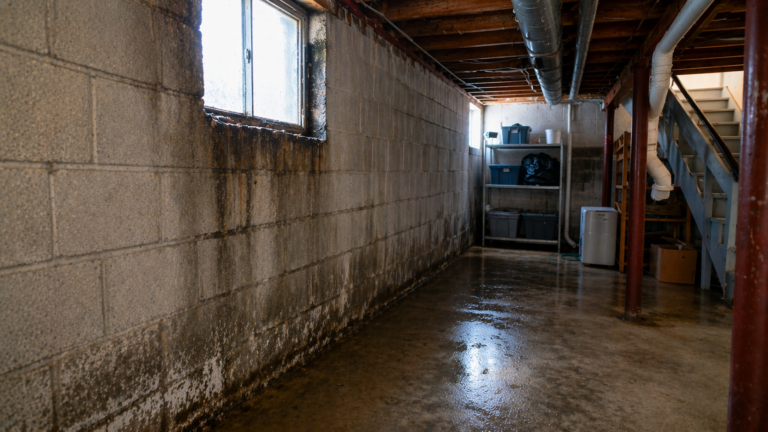
That matters after water intrusion. In a damp basement, a smaller residential unit may help maintain humidity over time. In a wet basement after a leak, you often need faster moisture removal, stronger air processing, and continuous drainage. That is where a machine like the DrizAir 1200 becomes more relevant.
The limitation is that no dehumidifier performs the same in every room. Cooler air, lower humidity, poor airflow, hidden wet materials, and ongoing leaks can all reduce real-world drying results. If you are unsure what capacity you need, read our guide on how to choose the right size dehumidifier.
Pump-Out Drainage for Long Drying Jobs
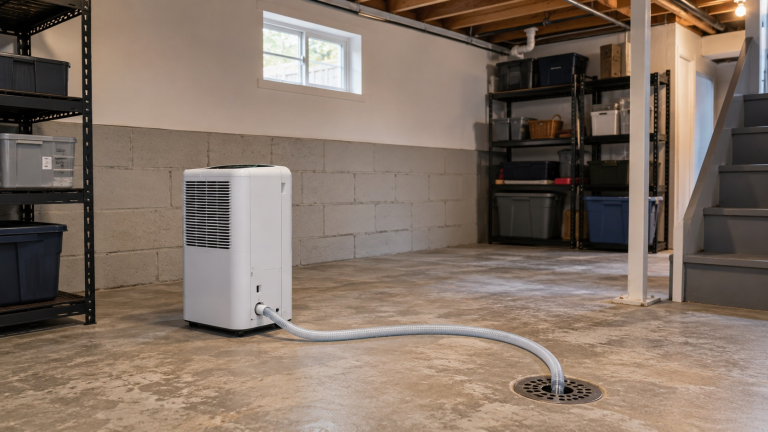
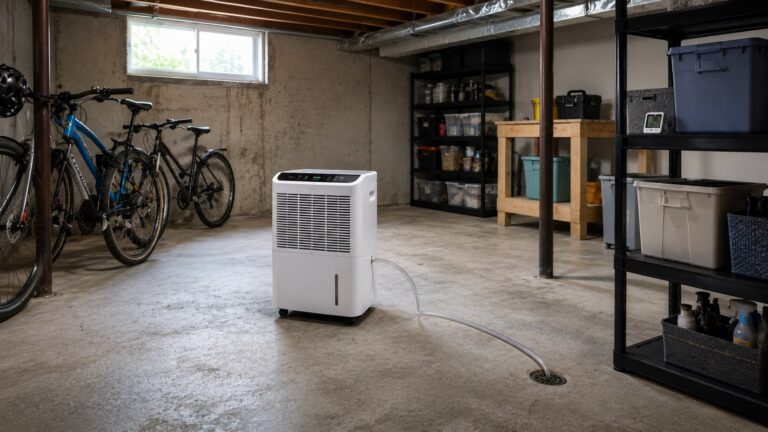
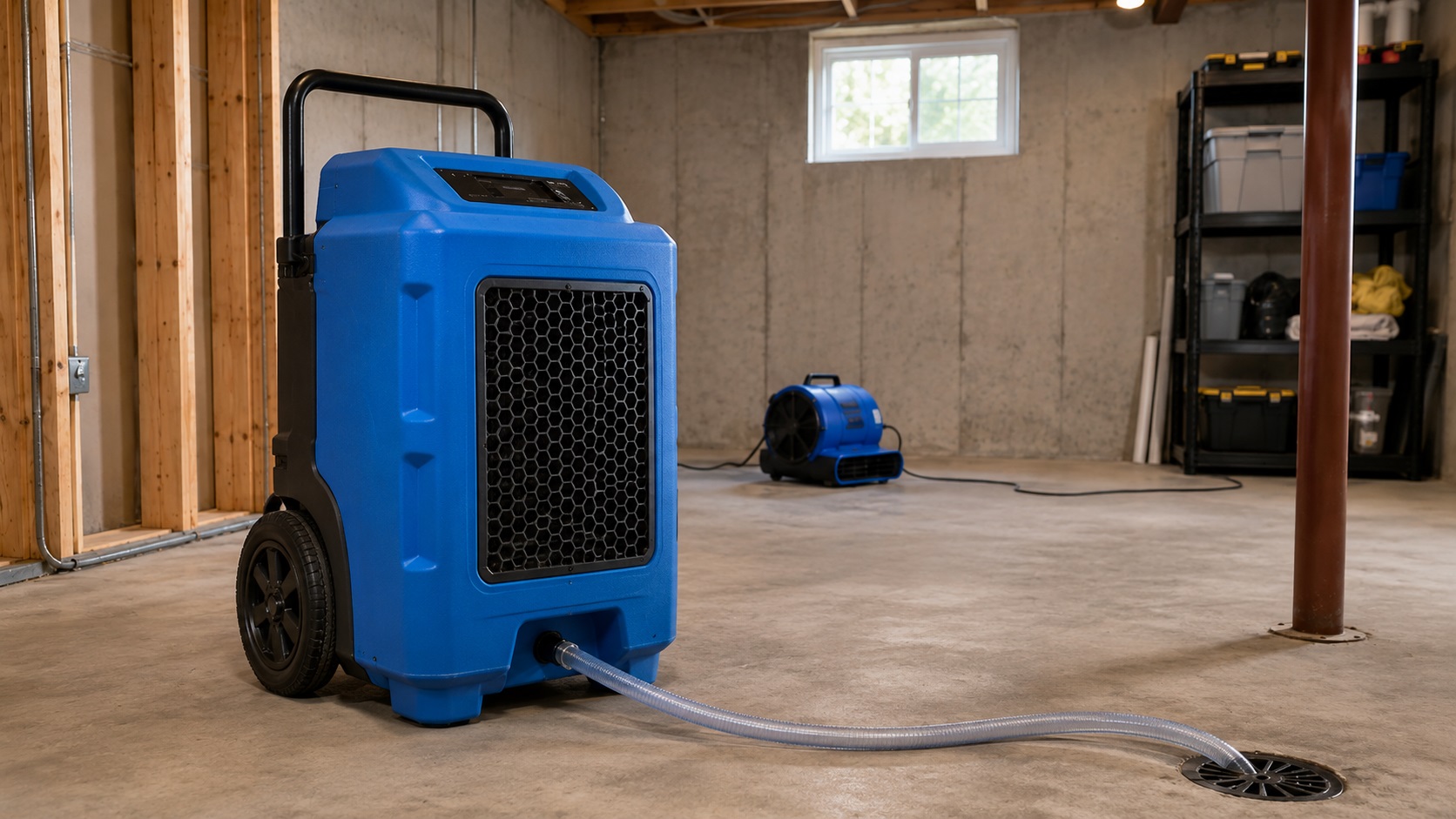
One major advantage of this type of unit is pump-out drainage. Instead of relying on a small bucket that has to be emptied repeatedly, the DrizAir 1200 is designed to send collected water through a drain hose.
That is important during restoration-style drying because the unit may need to run for long periods. If you are deciding whether a unit should run continuously or cycle by humidistat, see our guide on how long to run a dehumidifier each day. A bucket-style home dehumidifier can shut off when the bucket fills, which slows the drying process unless someone is constantly checking it. Pump-out drainage is much more practical when you are drying a basement, utility room, or water-damaged area over many hours.
The setup still matters. The drain hose needs to be routed safely to a drain, sink, sump pit, or approved discharge point. It should not create a trip hazard, cross electrical cords, or discharge water where it can cause another moisture problem.
80-Pound Jobsite Build With Wheels and Handle
The DrizAir 1200 is built more like jobsite equipment than a decorative home appliance. Product data lists an 80 lb use weight, rotomolded polyethylene housing, semi-pneumatic wheels, and a rigid handle. Those details make sense for restoration work, rental fleets, and contractors moving equipment between jobs.
For homeowners, that rugged build is both a strength and a drawback. It is useful in basements, garages, utility rooms, and work areas, but it is not the kind of dehumidifier most people want sitting in a finished living room. If you need something lightweight, quiet, and easy to store, this may be more machine than you want.
Hot-Gas Bypass Defrost for Cooler Spaces
Basements and restoration areas are not always warm. The DrizAir 1200 is listed with hot-gas bypass defrost and an operating range of 33°F–100°F. That helps explain why it belongs in the restoration category rather than the small-room appliance category.
This feature is useful for basement and water damage work, but it should not be exaggerated. Dehumidifiers still perform best within favorable temperature and humidity conditions. Very cold areas, poor airflow, or extreme moisture loads may require a different drying strategy or professional restoration help.
Works Best With Air Movement
A dehumidifier removes moisture from the air, but wet materials release moisture faster when air is moving across them. That is why restoration drying often uses dehumidifiers together with air movers. The air movers help evaporate moisture from surfaces, and the dehumidifier removes that moisture from the air.
This is one reason the DrizAir 1200 should not be treated like a magic box that dries everything by itself. It can be a strong part of a drying setup, but the setup still matters. The affected area should be opened up as needed, airflow should be directed properly, and moisture levels should be monitored until materials are actually dry.
What Performance to Expect From the DrizAir 1200
In the right situation, the DrizAir 1200 can be far more useful than a small residential unit. It is most relevant when the room has a real moisture load, not just slightly elevated humidity. Wet carpet, damp basement materials, recent water intrusion, and restoration-style drying are the kinds of scenarios where this class of machine makes sense.
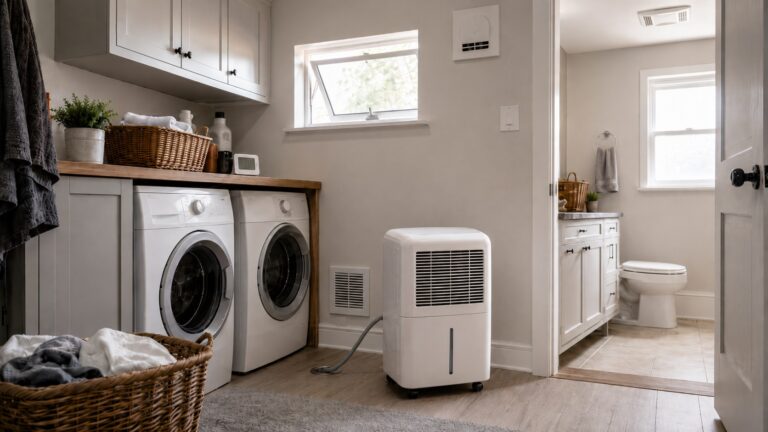
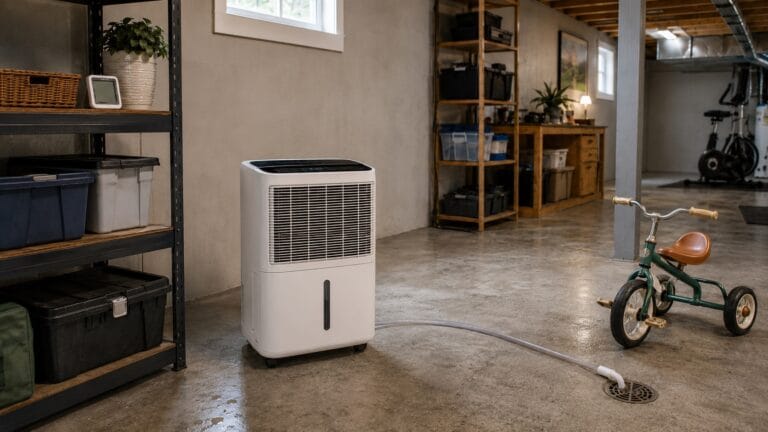
For normal home humidity control, the picture changes. If your basement humidity is mildly high during summer, or you simply want to keep humidity in a safer range, a modern residential basement dehumidifier may be more convenient. It will usually be quieter, easier to move, easier to buy new, and better suited to daily homeowner use.
The DrizAir 1200 should also not be used as a substitute for diagnosis. If humidity keeps returning after cleanup, there may be an ongoing water source, drainage issue, foundation problem, plumbing leak, or ventilation problem. In that case, a dehumidifier may reduce symptoms while the real source continues. If you are still evaluating placement and setup, see our guide on where to place a dehumidifier.
Where the DrizAir 1200 Fits Best
The DrizAir 1200 is best suited for temporary drying work after a real moisture event: a basement leak, plumbing failure, damp utility room, wet garage materials, or carpet and padding that need aggressive drying support.
It works best when the water source has been stopped, excess standing water has been removed, wet materials are exposed to airflow, and the room can be kept closed enough for the dehumidifier to lower humidity efficiently. In other words, the machine is strongest when it is part of a drying plan, not when it is asked to overcome an active leak by itself.
It may also interest landlords, property managers, remodelers, or homeowners who repeatedly deal with damp basements or cleanup work. For a one-time event, renting a similar restoration dehumidifier may be smarter than trying to buy an older DrizAir 1200.
DrizAir 1200 Limitations Homeowners Should Know
The biggest weakness today is availability. Since the exact Amazon US listing could not be verified, the DrizAir 1200 is hard to recommend as a straightforward buy-now option for most homeowners.
It may also be too large, heavy, and industrial for routine home use, especially in finished spaces where noise, storage, appearance, and warranty support matter.
The DrizAir 1200 also does not remove mold, repair water damage, waterproof a basement, or prove that a wall cavity is dry. If mold is already present, or if water has soaked hidden materials, drying equipment may only be one part of the response. The unit can help remove moisture from the air, but the homeowner still needs to deal with the cause of the moisture, remove unsalvageable materials when necessary, and verify that affected materials have dried properly.
When to Skip the DrizAir 1200
Skip the DrizAir 1200 if you mainly need routine humidity control. For summer basement humidity, musty smells, or mild laundry-room moisture, a current residential dehumidifier will usually be easier to buy, move, store, and operate.
This unit is also not ideal if you need quiet operation in a living space. Restoration-style equipment is built for drying work, not for blending into a bedroom, office, nursery, or finished family room. The rugged housing, jobsite appearance, and heavier build are strengths in a cleanup environment but drawbacks for everyday home comfort.
You should also avoid treating this as a complete water damage solution. If the basement wall is still leaking, the drain system is failing, the sump pump is not working, or a pipe is still dripping, a dehumidifier can only reduce some moisture in the air. It will not repair the actual source. In those cases, fix the water entry problem first, then use drying equipment as part of the cleanup.
DrizAir 1200 vs Residential and Rental Dehumidifiers
Compared with a standard residential basement dehumidifier, the DrizAir 1200 is more restoration-focused. It is built for more aggressive drying jobs, pump-out drainage, rougher work environments, and temporary water-damage cleanup. That makes it more useful after a leak but less convenient for ordinary humidity maintenance.
Compared with a whole-house dehumidifier, the DrizAir 1200 is portable and event-based. Whole-house units are usually installed into an HVAC or ducted system for ongoing humidity control across larger parts of the home. The DrizAir 1200 is more of a movable drying machine for a specific wet area.
Compared with newer restoration dehumidifiers, the concern is availability and age. If you find a used DrizAir 1200, condition matters. A newer commercial or LGR-style unit may offer better efficiency, parts support, current availability, and a clearer warranty path. For a one-time water event, renting similar restoration equipment may be more practical than buying this exact model.
Frequently Asked Questions
Is the Dri-Eaz DrizAir 1200 still available on Amazon?
I could not verify a current exact Amazon US listing for the Dri-Eaz DrizAir 1200. Because of that, this article does not use an Amazon affiliate link for the exact model. If you find a listing, verify the model number, condition, seller, return policy, and included parts before buying.
Is the DrizAir 1200 too much for normal home use?
For many homeowners, yes. It is better suited to restoration-style drying than everyday humidity control. If you only need to control normal basement humidity, a current residential dehumidifier may be easier to use and more practical.
Can the Dri-Eaz DrizAir 1200 dry a wet basement?
It can help dry a wet basement after the water source has been stopped and standing water has been removed. However, it should be used with proper airflow, drainage, and moisture monitoring. It will not fix active leaks, foundation seepage, saturated insulation, or hidden wet materials by itself.
Does the Dri-Eaz DrizAir 1200 remove mold?
No. A dehumidifier removes moisture from the air; it does not remove mold growth from surfaces or materials. Lower humidity can help reduce conditions that support mold, but existing mold needs proper cleanup or remediation depending on the size and severity of the problem.
Should homeowners buy or rent this type of dehumidifier?
For one-time water damage cleanup, renting a contractor-grade dehumidifier may make more sense than buying one. Buying may be more reasonable for property managers, landlords, remodelers, or homeowners who repeatedly need serious drying equipment.
What should I buy instead if I cannot find the DrizAir 1200?
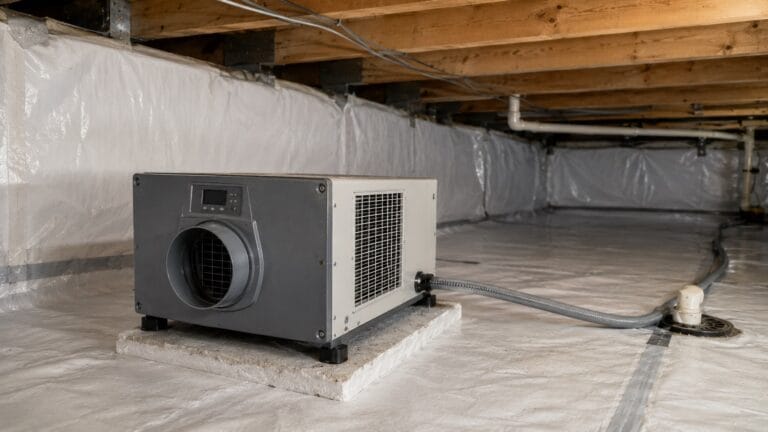
If you cannot find a trustworthy listing for the DrizAir 1200, choose based on your actual use case. For everyday basement humidity, compare current residential basement dehumidifiers. For crawl spaces, look at crawl-space-rated units. For active water damage drying, consider renting professional drying equipment or comparing newer restoration-style dehumidifiers. Start with our guide to current basement dehumidifier recommendations.
Dri-Eaz DrizAir 1200 Review Verdict
The Dri-Eaz DrizAir 1200 is a serious contractor-grade dehumidifier with real restoration value. Its 64-pint AHAM rating, higher saturation removal capacity, 227 CFM process airflow, pump-out drainage, rugged housing, wheels, and hot-gas bypass defrost make it much more appropriate for active drying than for decorative everyday home use.
The main reason to hesitate is availability. Since I could not verify a current exact Amazon US listing for this model, I would not treat it as a simple buy-now recommendation for most homeowners. If you find one used or through a rental supplier, check the model, operating condition, drain hose, pump function, seller details, and return policy carefully.
For most readers, the best takeaway is simple: the DrizAir 1200 is a restoration-style drying machine, not a normal household humidity appliance. If you need a dehumidifier you can buy now, compare currently available dehumidifiers and choose based on moisture severity, room size, drainage setup, and long-term use.