How to Dry Walls After Siding Water Intrusion (Step-by-Step Recovery Guide)
To dry walls after siding water intrusion, first stop the water source, protect the wall from more exposure, open enough of the wall system for airflow, remove saturated insulation or damaged drywall, then dry the exposed sheathing and framing with controlled airflow, dehumidification, and moisture checks.
Water behind siding rarely stays in one visible spot. It can soak into OSB or plywood sheathing, insulation, framing, and interior drywall while the surface appears only slightly stained or damp.
This guide focuses on the recovery phase after siding water intrusion: what to open, what to remove, how to dry the wall system, and how to avoid closing the wall before hidden materials are actually dry.
If you already see staining, odor, or suspicious growth behind the siding, first compare your situation with the warning signs in signs of mold growth behind exterior siding. Drying alone is not enough if mold contamination has already spread.
Because siding leaks often return when the source is not corrected, this recovery process should connect with the broader strategy in how to prevent recurring moisture damage.
What Happens When Water Gets Behind Siding
When water passes behind siding, it can move behind the cladding, wet the housewrap or water-resistive barrier, soak the sheathing, and then reach insulation or framing if the leak continues. Small amounts may drain or dry, but repeated intrusion can overwhelm the wall system.
Once inside, water can:
- Soak into sheathing, such as OSB or plywood
- Spread through insulation
- Travel along framing members
- Move downward due to gravity
- Spread sideways through capillary action
Because of this movement, the visible wet area is often smaller than the actual affected area. Moisture can remain hidden behind siding or inside walls even after surfaces appear dry.
Why Drying Must Go Beyond the Surface
One of the most common mistakes is assuming that drying visible surfaces is enough. In reality, materials like wood and OSB can hold moisture internally long after they feel dry to the touch.
This hidden moisture can keep sheathing, framing, and insulation damp long after the wall looks dry from the outside.
In many cases, what appears to be a minor issue is actually part of a larger moisture problem caused by repeated intrusion. These root causes are explained in why mold forms behind siding, which outlines how water enters and accumulates behind exterior walls.
Effective drying requires addressing both the visible and hidden moisture inside the wall system.
Immediate Steps After Water Intrusion
The first hours after discovering water behind siding are critical. Acting quickly helps limit how far moisture spreads into sheathing, insulation, framing, and drywall.
Step 1: Stop the Water Source
Drying cannot begin effectively until the source of moisture is controlled. If water continues entering the wall system, any drying efforts will be temporary.
Common sources to address include:
- Window or door trim that is leaking behind the siding
- Missing, loose, or improperly lapped flashing
- Open siding seams, cracked sealant, or failed penetrations
- Gutters, roof edges, or downspouts dumping water onto the wall
- Loose, cracked, or storm-damaged siding panels
If the cause is unclear, inspection methods described in how to detect moisture behind exterior siding can help identify where water is entering.
Step 2: Protect the Area From Further Exposure
If intrusion is ongoing due to weather or structural issues, temporary protection may be needed to prevent additional water from entering while drying begins.
This may include:
- Covering exposed areas with waterproof sheeting
- Redirecting downspouts away from walls
- Clearing clogged gutters
Preventing further moisture exposure is essential to stabilizing the situation before drying.
Opening the Wall System for Drying
In many cases, drying cannot happen effectively without exposing the affected materials. Water trapped behind siding or inside walls will not dry properly if airflow is blocked.
Before opening interior drywall, turn off power to any affected electrical outlets, switches, or wiring in the wet area. Do not cut into a wall cavity if you suspect energized wiring, sewage-contaminated water, or structural damage.
When Siding May Need to Be Removed
Siding removal may be necessary when moisture is trapped behind exterior panels or the water-resistive barrier. Removing only a small inspection area may be enough for light cases, but wider removal is often needed when the sheathing is wet beyond the visible leak area.
Removal may be required if:
- Siding shows signs of warping or bulging
- Moisture has been present for an extended period
- Water intrusion is suspected behind large wall areas
Opening the exterior side of the wall allows direct access to sheathing and framing, which are often the most affected materials.
When Interior Access Is Needed
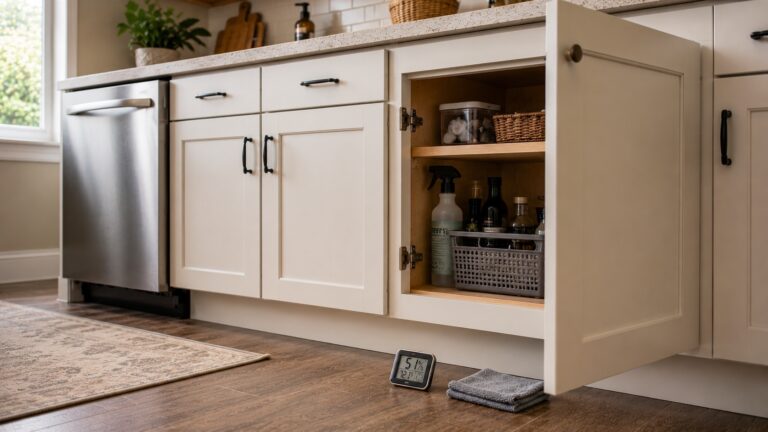
In some situations, interior access is more practical, especially when the wet area is localized, the siding cannot be removed immediately, or moisture readings show wet drywall or insulation inside the cavity.
This may involve:
- Removing sections of drywall
- Accessing insulation and framing
- Creating openings for airflow and inspection
Interior access is often used when the problem is discovered from inside the home or when siding removal is not immediately feasible.
Removing Saturated Materials
Not all materials can be dried effectively. Some must be removed to prevent mold growth and ensure proper drying of the surrounding structure.
Insulation That Must Be Removed
Wet insulation is one of the most common moisture traps in wall systems. Fiberglass batts may hold water against sheathing and framing, while cellulose or other loose-fill materials can stay damp, compress, and dry poorly inside a closed cavity.
Insulation should be removed if it is:
- Wet or damp to the touch
- Compressed or sagging
- Contaminated with mold
Leaving wet insulation in place significantly slows drying and increases the risk of mold development.
Drywall That Cannot Be Saved
Drywall that is only lightly damp may dry if it is opened, ventilated, and monitored. Drywall that is soft, swollen, crumbling, moldy, or wet behind the paper usually needs to be removed so the wall cavity can dry.
Removal is typically required when:
- Drywall is soft or crumbling
- Water damage has spread across large areas
- Mold growth is present
Cutting out affected sections also improves airflow and allows hidden moisture to escape.
Assessing Sheathing and Framing
Structural components such as sheathing and framing may be salvageable if they are only moderately damp. However, they must be allowed to dry completely.
Warning signs that removal or replacement may be needed include:
- Severe swelling or deformation
- Soft or weakened wood
- Visible mold growth
If structural materials show significant damage, further repair decisions may be required. These situations are addressed in how to fix persistent moisture problems behind siding, which explains when drying alone is not sufficient.
How to Dry Walls After Siding Water Intrusion Step-by-Step
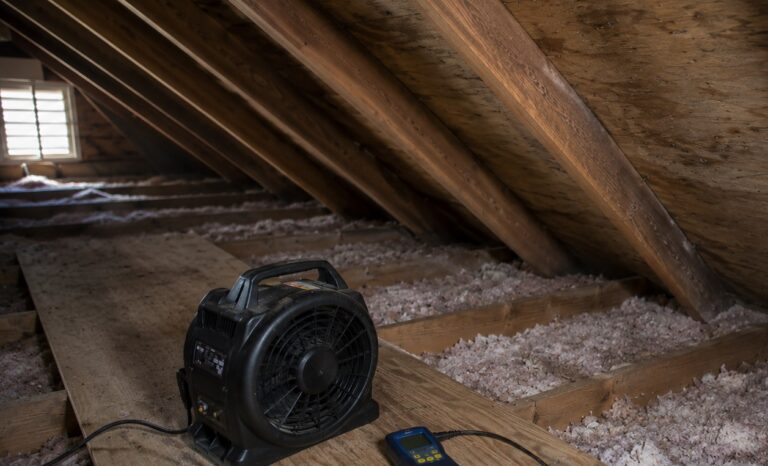
Once the wall system is opened and saturated materials are removed, the next step is active drying. This stage is critical for removing hidden moisture from structural materials and preventing mold growth.
Effective drying requires a combination of airflow, humidity control, and time. Using only one method—such as fans alone—is usually not enough.
Step 3: Increase Airflow Across Wet Materials
Air movement helps carry moisture away from wet surfaces and speeds up evaporation. Without airflow, moisture can remain trapped inside materials for extended periods.
To improve airflow:
- Use high-powered fans or air movers
- Position airflow directly across wet surfaces
- Keep air moving continuously rather than intermittently
Airflow is especially important for drying sheathing and framing, where moisture tends to linger.
Step 4: Reduce Humidity With Dehumidification
As materials dry, they release moisture into the surrounding air. If humidity levels rise too high, drying slows dramatically.
Dehumidifiers help by removing moisture from the air, allowing evaporation to continue.
Best practices include:
- Using a properly sized dehumidifier for the space
- Running it continuously during the drying process
- Keeping windows and doors closed when possible to control humidity
Without humidity control, moisture can remain suspended in the air and reabsorb into materials.
Step 5: Use Mild Heat Only With Airflow and Dehumidification
Mild heat can help evaporation, but heat should never be used as a substitute for airflow, dehumidification, and moisture monitoring.
Options include:
- Using only safe, supervised heat sources away from exposed materials
- Keeping temperatures moderate so surfaces do not dry far ahead of deeper materials
- Combining heat with dehumidification so evaporated moisture is removed from the air
Heat should be combined with airflow and dehumidification for best results. On its own, heat can simply move moisture around rather than remove it.
Step 6: Monitor Moisture Levels
Drying should not be based on appearance alone. Materials can feel dry on the surface while still holding moisture internally.
Monitoring methods include:
- Checking sheathing, studs, bottom plates, and nearby “dry” comparison areas with a moisture meter
- Repeating readings over time instead of relying on one dry-looking surface check
- Confirming that odor, staining, damp insulation, and cool damp spots are not still present
Moisture detection techniques are explained in more detail in how to detect moisture behind exterior siding, which can help confirm when drying is complete.
Do not reinstall siding, insulation, or drywall until the wet materials have stabilized near the readings of similar unaffected materials nearby. A single dry surface reading is not enough if the back side of the sheathing, bottom plate, or insulation cavity may still be damp.
How Long Drying Actually Takes
Drying time varies depending on the amount of water, the materials involved, and the drying conditions. It is important to set realistic expectations.
Light Moisture Exposure
Minor dampness may dry within:
- 1 to 3 days for surface moisture
- 3 to 7 days for full drying
Moderate Water Intrusion
More significant moisture exposure may require:
- 5 to 10 days of active drying
- Partial removal of materials to allow airflow
Heavy Saturation
Severe water intrusion can take:
- 10 to 21 days or more
- Extensive material removal and drying equipment
These timelines depend heavily on how well the wall system is opened and how effectively airflow and humidity are controlled.
If the surface dries quickly, continue checking the sheathing, framing, and bottom plate before closing the wall. Fast surface drying does not prove the deeper materials are dry.
Common Drying Mistakes to Avoid
The biggest drying mistakes are usually caused by closing the wall before hidden materials are dry. Avoid these problems:
- Not opening enough of the wall: moisture behind siding, sheathing, or insulation cannot dry well without access and airflow.
- Relying only on fans: fans move air, but dehumidification is needed to remove moisture from that air.
- Leaving wet insulation in place: damp insulation can hold moisture against framing and sheathing.
- Closing the wall too soon: siding, insulation, and drywall should not be replaced until moisture readings have stabilized and no damp odor or hidden wet material remains.
When Drying Is Not Enough
In some cases, drying alone cannot resolve the problem. This usually happens when structural damage or persistent moisture issues are present.
Drying may not be sufficient if:
- Wood sheathing has swollen or deteriorated
- Mold growth is already extensive
- Moisture continues entering the wall system
- Damage affects large sections of the wall
When these conditions exist, repairs may be required to restore the wall system and prevent future issues. These decisions are explained in how to fix persistent moisture problems behind siding, which helps determine the next steps beyond drying.
When to Call a Professional
Small, recent leaks may be manageable if you can safely open the wall, remove wet materials, and verify drying. Larger or older siding leaks often need professional drying equipment and moisture mapping.
Consider professional help when:
- Water intrusion affects large wall areas
- Drying takes longer than expected
- Mold is visible or suspected inside walls
- Structural materials show signs of damage
- You are unsure whether the wall is fully dry
Professionals can use moisture mapping, containment, commercial dehumidifiers, air movers, and repeated readings to confirm whether the wall cavity is actually drying.
Frequently Asked Questions About How to Dry Walls After Siding Water Intrusion
How long does it take walls to dry after water gets behind siding?
Light moisture may dry in a few days once the source is stopped and the wall is opened. Moderate siding water intrusion often takes several days to more than a week. Heavy saturation can take longer and may require material removal, dehumidification, and professional moisture monitoring.
Can a wall dry without removing the siding?
Sometimes, but only if the moisture is minor, recent, and able to drain or dry through the wall assembly. If sheathing, insulation, or drywall is wet, siding or interior wall materials usually need to be opened so air can reach the damp areas.
Should wet insulation behind siding be removed?
Wet insulation usually needs to be removed, especially if it is compressed, sagging, moldy, or holding moisture against sheathing and framing. Leaving wet insulation in place is one of the most common reasons wall cavities fail to dry completely.
How do you know the wall is dry enough to close?
The wall should not be closed until moisture readings in sheathing, studs, and bottom plates are stable and close to similar unaffected materials nearby. The wall should also be free of damp odors, wet insulation, visible mold, and cool damp spots.
Are fans enough to dry water behind siding?
Fans alone are usually not enough. Air movement helps evaporation, but dehumidification is needed to remove moisture from the air so it does not stay trapped in the wall area or reabsorb into materials.
Key Takeaways
- Water behind siding can spread into sheathing, insulation, framing, and drywall beyond the visible wet area.
- Drying cannot begin properly until the water source is stopped and the wall is protected from more exposure.
- Siding, drywall, or insulation may need to be removed so trapped moisture can escape.
- Effective drying requires airflow, dehumidification, controlled conditions, and time.
- Walls should not be closed until moisture readings are stable near unaffected materials nearby.
- Large, older, moldy, or structurally damaged siding leaks often need professional drying and repair.