How to Eliminate Persistent Musty Odors in Your Home
Persistent musty odors usually disappear only after the source is corrected. Air fresheners, candles, sprays, and one round of surface cleaning may make a room smell better for a short time, but they do not fix damp materials, high humidity, hidden moisture, mold growth, poor airflow, or stored items that keep the odor active.
To eliminate a musty odor permanently, you need to treat it as a source problem, not just an air problem. The smell may be floating through the room, but the source is usually somewhere specific: damp carpet, stored cardboard, a closed closet, a wet cabinet base, a humid basement, poor bathroom ventilation, moisture behind a wall, or materials that never fully dried after a leak.
This is why persistent odor belongs in the larger indoor air quality picture. A home can look clean but still smell stale or damp if the air is carrying odors from moisture-affected materials. For broader context on how moisture, mold, and indoor air connect, see Mold Exposure and Indoor Air Quality: Complete Home Guide.
The goal is to find the source, correct the moisture condition, dry the affected materials, clean what can be cleaned, remove what cannot be saved, and prevent the same conditions from returning. If the odor is part of a broader home moisture pattern, it also fits into the process of finding, fixing, and preventing moisture problems in homes.
Why Persistent Musty Odors Keep Coming Back
A musty odor keeps coming back when the condition behind the smell has not been corrected. The room may be cleaner than before, but if the air stays humid, materials remain damp, or the odor source is hidden inside porous surfaces, the smell can return as soon as the temporary fragrance or fresh air fades.
Many musty odors come from materials that absorb moisture. Carpet, carpet padding, cardboard, paper, upholstery, clothing, wood shelving, drywall paper, insulation surfaces, and cabinet materials can all hold damp smells. When these materials stay slightly damp, they can continue releasing odor even when the room looks dry.
Humidity makes this worse. Damp air slows drying and allows odors to linger, so a room may smell better when windows are open and then smell musty again after it is closed. That pattern usually means the underlying moisture or odor-holding material is still present.
Musty odors also return when cleaning only reaches the surface. A cabinet may be wiped clean while the back panel remains damp. Carpet fibers may smell better while the padding underneath still holds odor. A wall may look fine while the back side of drywall or the space behind baseboards remains moisture-affected.
Surface cleaning can help, but only after the moisture source is controlled and affected materials can dry. If the same odor returns repeatedly, compare the pattern with why musty odors return after cleaning so you do not keep treating the symptom instead of the source.
Eliminating Musty Odor Requires Source Control
Source control means finding and correcting the condition that is producing the odor, such as high humidity, poor airflow, damp storage, wet carpet padding, a hidden leak, condensation, crawl space air, mold growth, or a material that absorbed moisture and never recovered.
The most common mistake is trying to deodorize before finding the source. A spray may make the room smell better for a few hours. An open window may dilute the odor. A fan may move the smell around. But if the moisture condition remains, the odor will return.
A better approach is to work in sequence:
- Find where the odor is strongest.
- Check whether the area is humid, damp, stained, swollen, or poorly ventilated.
- Correct the moisture source or humidity condition.
- Dry the affected area completely.
- Clean surfaces after they are no longer staying damp.
- Remove odor-holding materials that cannot be dried or cleaned.
- Monitor the area to make sure the smell does not return.
This sequence matters because odor removal works best after the environment is dry enough to stay clean. If you clean first but leave the room humid, the same odor may come back. If you use a dehumidifier but leave wet cardboard or carpet padding in place, the air may improve while the material continues to smell. If you paint over a damp wall, you may trap the odor and moisture instead of solving it.
Step 1: Find the Source Before Deodorizing
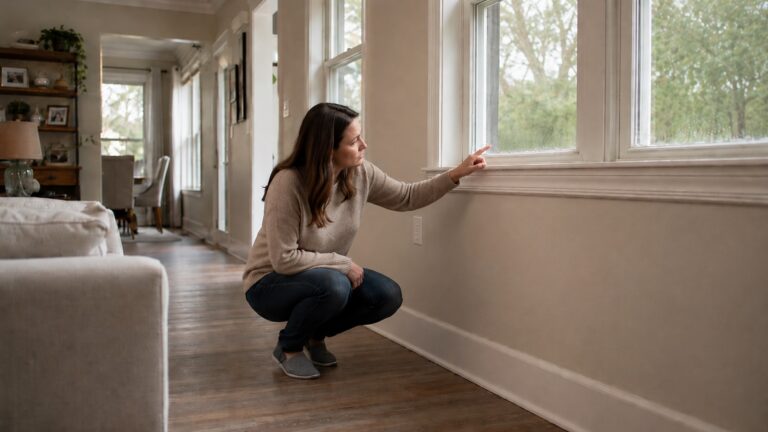
Before trying to remove the odor, find where it is strongest. Musty odors often spread through a room, but the source is usually more concentrated in one area. Walk through the home slowly and compare rooms, corners, closets, cabinets, carpets, basement areas, bathrooms, laundry rooms, and HVAC return zones.
Pay attention to when the smell becomes stronger. Does it appear after rain? Is it worse when the room has been closed? Does it increase after showers, laundry, or humid weather? Does it seem strongest near one wall, one floor section, one cabinet, or one storage area? These patterns can narrow the source much faster than random cleaning.
Use your nose like a comparison tool: check the center of the room first, then compare corners, closets, cabinet interiors, carpet edges, stored boxes, and areas near exterior walls or plumbing.
Common musty odor source areas include:
- Basements and crawl-space-connected rooms
- Closed closets with clothing, shoes, or cardboard boxes
- Carpet, rugs, and carpet padding
- Under sink cabinets
- Bathrooms with weak exhaust ventilation
- Laundry rooms with damp towels or wet laundry
- Storage areas with cardboard, paper, or fabric
- Exterior wall corners that stay cool or damp
- HVAC returns, vents, or nearby duct areas
- Areas that have leaked before
If the smell is general and spread evenly through the room, the problem may be humidity, poor airflow, or odor-holding materials. If the smell is strongest in one spot, the source may be a damp material or hidden moisture. For a more detailed search process, use a focused guide on how to trace the source of musty smells rather than guessing.
Step 2: Measure and Lower Indoor Humidity
Humidity is one of the most common reasons musty odors persist. Damp air slows drying and allows smells to remain active in carpet, fabric, cardboard, wood, drywall paper, dust, and stored items. A room may look clean but still smell musty if the air is keeping materials slightly damp.
Use a hygrometer to check the room where the odor is strongest, then compare that reading with other rooms. If the smelly room consistently reads higher, it may have poor airflow, a moisture source, damp storage, or exterior moisture influence. If you are unsure how to read the numbers or where to measure, start with how to test indoor humidity levels.
Humidity-related odors often follow a pattern. The smell may worsen after rain, during humid weather, after showers, after laundry use, or when a room stays closed for hours. It may improve when a dehumidifier runs, then return when humidity rises again. This is the same basic moisture behavior explained in how humidity causes odor problems.
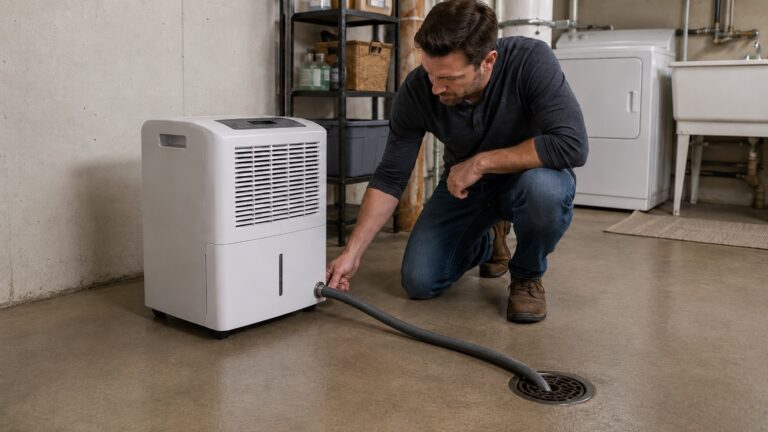
To lower indoor humidity, focus on both moisture removal and moisture prevention. Run bathroom and kitchen exhaust fans, fix plumbing or condensation problems, avoid leaving damp laundry indoors, reduce wet storage, and use a dehumidifier where humidity remains high. For broader control steps, see how to reduce indoor humidity levels.
A dehumidifier can be very helpful in basements, damp rooms, storage areas, and rooms that smell musty during humid weather. But it is not a substitute for removing wet materials or fixing leaks. If the odor improves with dehumidification but comes back quickly, the room may still contain an odor source that needs to be dried, cleaned, or removed.
Step 3: Improve Airflow and Ventilation
Musty odors are often worse in rooms where air does not move well. Poor airflow allows moisture and odor to collect around surfaces, fabrics, corners, closets, and stored items. A room may smell much worse after being closed overnight because the air has not been diluted or refreshed.
Start with simple airflow improvements. Open interior doors when possible, avoid blocking supply or return vents, move furniture slightly away from exterior walls, and avoid packing closets so tightly that air cannot circulate. In closets, leave space between stored items and remove damp cardboard, shoes, or clothing that may be holding odor.
Bathrooms and laundry rooms need extra attention because they produce moisture during normal use. Run exhaust fans during and after showers. Let towels dry fully. Do not leave wet laundry sitting in baskets or machines. If the room still smells damp after normal use, ventilation may not be clearing moisture fast enough.
Basements and storage rooms may need a combination of airflow and dehumidification. Air movement alone can help surfaces dry, but it will not solve high humidity if moisture is continually entering from the surrounding environment. In those areas, airflow should support drying while humidity control handles the moisture load.
Be careful with fans if you suspect visible mold, contaminated water damage, or a hidden contaminated area. Strong airflow across moldy or contaminated materials can spread dust and particles. If the odor is localized near visible growth, water-damaged drywall, wet carpet padding, sewage-affected materials, or a moldy cabinet, source inspection and safe cleanup should come before aggressive air movement.
Step 4: Dry or Remove Odor-Holding Materials
Persistent musty odors often stay in materials, not just in the air. Once a porous material absorbs moisture and odor, the room may keep smelling musty even after ventilation improves. This is why odor removal often requires drying, cleaning, or removing specific items instead of only treating the air.
Start with the easiest materials to inspect. Check cardboard boxes, paper, books, stored clothing, shoes, rugs, curtains, upholstered furniture, carpet, carpet padding, wood shelving, cabinet bases, and items stored against basement or exterior walls. Smell items up close. If one item or group of items smells much stronger than the room, it may be contributing to the odor.
Move suspicious items outside or into a dry, ventilated area for a short test; if the room improves after they are removed, the odor source may be in the stored materials rather than the building itself.
Some materials can be saved if they are only mildly damp and have not developed visible mold. Clothing, washable fabrics, small rugs, and hard-surface items may improve after drying and cleaning. The key is to dry them fully and keep them in a lower-humidity environment afterward. If they are returned to the same damp room, the odor may come back.
Other materials are harder to save. Carpet padding, wet insulation, moldy cardboard, heavily musty upholstery, swollen particleboard, and damp porous building materials can hold odor deeply. If those materials stayed wet for too long or smell musty even after drying, removal may be more realistic than repeated deodorizing.
Storage areas are a common example. A homeowner may clean the room but leave damp cardboard boxes in place. The air smells better for a short time, then the odor returns because the cardboard continues to release a musty smell. Replacing cardboard with sealed plastic bins and keeping stored items away from damp walls can make a major difference.
Step 5: Clean Surfaces After Moisture Is Controlled
Cleaning is important, but timing matters. Clean after the moisture source has been corrected and the affected area is drying. If you clean while the room remains humid or materials remain damp, the odor may return because the environment is still supporting the problem.
Use cleaning methods that match the material. Hard, nonporous surfaces are usually easier to clean than porous materials. Painted surfaces, sealed shelving, tile, metal, plastic bins, and finished furniture may respond well to ordinary cleaning once moisture is controlled. Porous or damaged materials may need more careful evaluation.
Do not paint over a musty odor without solving the moisture source. Paint may temporarily hide stains or smells, but it can also trap moisture in a wall or cover signs that the material is still damp. If the wall, trim, cabinet, or flooring smells musty, find out why before sealing it.
Also avoid relying on fragrance-based cleaning as the main solution. Scented cleaners, sprays, candles, and plug-ins can make a room smell better for a short time, but they do not remove moisture, dry materials, or fix mold growth. If the original musty smell returns after the fragrance fades, the source is still active.
After cleaning, keep monitoring the area. If the odor fades and stays gone after humidity control, drying, and cleaning, the source was likely addressed. If the odor returns, especially in the same spot, the problem may be deeper than surface residue.
Step 6: Inspect for Hidden Moisture or Mold
If musty odor remains after humidity control, airflow improvements, drying, and cleaning, look for hidden moisture or mold. Persistent odor is more concerning when it is localized, recurring, or strongest near building materials instead of loose items.
Inspect areas where moisture can hide. Check under sink cabinets, around baseboards, behind stored items, near window trim, around exterior wall corners, under carpet edges, near ceiling stains, around HVAC equipment, and in rooms below bathrooms, roofs, or plumbing lines. Look for swelling, staining, peeling paint, soft flooring, condensation, discoloration, or damp materials.
A musty odor near one wall, floor section, cabinet, ceiling, or HVAC area may overlap with signs odors indicate hidden moisture. In those situations, the odor may be coming from a damp material that has not fully dried or from a cavity where moisture is trapped.
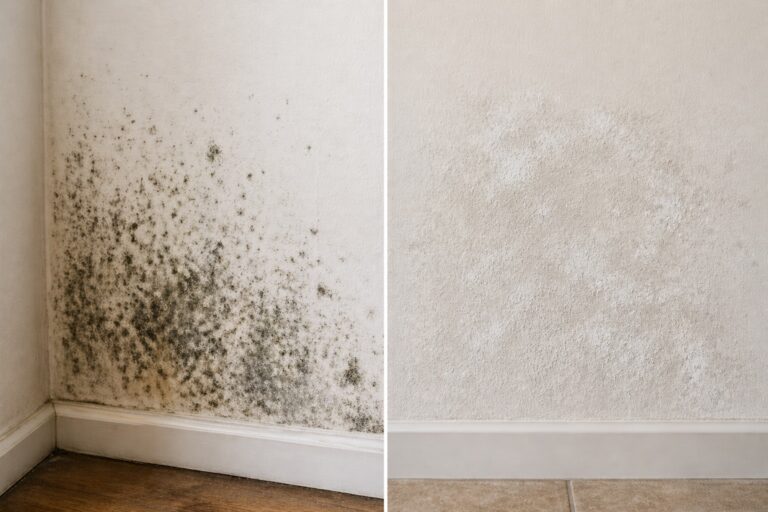
Mold is also possible when odor is persistent and moisture has been present long enough. Be more cautious if the smell is earthy or mold-like, if visible spots are present, if the odor returns after cleaning, or if the area has a history of leaks. If the pattern seems mold-related, compare it with signs odors are linked to mold growth instead of relying on odor alone.
Avoid opening walls, pulling up large sections of flooring, or disturbing suspected mold without a plan, especially if the area is large, damp, or connected to contaminated water. If the source is hidden and the odor is persistent, a professional moisture or mold inspection may be safer and more efficient than random demolition.
What Not to Do When Removing Musty Odors
Persistent musty odors are easy to make worse if the source is not understood. The wrong approach can hide the smell temporarily, spread odor through the home, or trap moisture inside materials that need to dry.
Do not rely on fragrance alone
Air fresheners, scented sprays, plug-ins, candles, and odor beads may cover a musty smell for a short time, but they do not remove the damp material or moisture condition behind it. If the smell comes back after the fragrance fades, the odor source is still active.
Do not ignore humidity
If the room stays humid, musty odors are likely to return. High humidity keeps porous materials damp and slows drying. Even a clean room can smell musty if moisture in the air is keeping carpet, fabric, cardboard, wood, or drywall paper from drying fully.
Do not paint or seal over damp, smelly materials
Painting over a musty wall, sealing damp wood, or covering odor with flooring can trap moisture and hide warning signs. If a material smells musty, stains repeatedly, or feels damp, identify the moisture source before covering it.
Do not blow strong fans across suspected mold
Air movement helps dry clean damp areas, but strong fans should not be aimed at suspected mold growth. If mold is present, airflow can move dust and particles through the room. Control the moisture source and evaluate the affected material before using aggressive air movement.
Do not store absorbent items against damp surfaces
Cardboard boxes, fabrics, books, clothing, and upholstered items can absorb moisture from damp walls, floors, or basement areas. Leave space around stored items, keep them off bare concrete when possible, and avoid packing closets or storage rooms so tightly that air cannot circulate.
When to Call a Professional
Professional help may be needed when the source is hidden, the odor keeps returning, or building materials appear damaged.
Consider calling a professional if:
- The odor remains after humidity has been lowered and the room has been cleaned.
- The smell is strongest near one wall, floor, ceiling, cabinet, or HVAC area.
- Visible mold, dark spotting, or spreading discoloration is present.
- Drywall, trim, flooring, cabinets, or insulation appear swollen, soft, stained, or damp.
- The odor began after a leak, flood, roof issue, plumbing problem, or basement water event.
- The HVAC system seems to spread the smell through multiple rooms.
- The odor appears to come from a crawl space, basement, attic, wall cavity, or other hidden area.
- Musty odor returns after previous cleaning or mold removal.
A professional inspection can help determine whether the odor is coming from hidden moisture, mold, HVAC contamination, damp building materials, or another source. This is especially useful when the smell is persistent but the visible signs are limited.
FAQ About Eliminating Persistent Musty Odors
What is the fastest way to get rid of a musty odor?
The fastest useful approach is to remove the strongest odor source, lower humidity, and increase safe airflow. Open the area, remove damp cardboard or fabrics, run ventilation where appropriate, and use a dehumidifier if humidity is high. Fragrance may mask the smell, but it will not eliminate the cause.
Why does the musty smell come back after cleaning?
The smell usually comes back because the source is still damp, hidden, or inside porous materials. Cleaning can remove surface residue, but it will not fix high humidity, wet carpet padding, damp drywall, mold growth, or stored items that keep releasing odor.
Will a dehumidifier remove musty smells?
A dehumidifier can reduce musty smells when high humidity is part of the problem. It helps materials dry and makes odors less active. However, it will not remove odor from moldy materials, wet padding, damaged drywall, damp insulation, or items that need cleaning or disposal.
Can an air purifier remove musty odors?
An air purifier may help reduce airborne particles and improve filtration, especially as part of a broader indoor air strategy. But it does not dry materials, fix leaks, remove mold, or eliminate damp odor sources. Source control should come first.
Do I need to throw away musty-smelling items?
Not always. Washable fabrics, hard-surface items, and mildly damp materials may be saved if they dry fully and the odor disappears. Heavily musty cardboard, wet carpet padding, moldy porous materials, swollen particleboard, or items that keep smelling after drying may need to be discarded.
How do I know if the odor is from mold?
Mold is more likely when the odor is earthy, localized, persistent, connected to moisture damage, or paired with visible discoloration, damp materials, or recurring growth. Odor alone does not prove mold, but odor plus moisture signs should be taken seriously.
When should I call a professional for a musty odor?
Call a professional when the odor is persistent, localized, hidden, connected to water damage, spread through HVAC, or paired with visible mold or damaged materials. Professional help is also wise when you cannot find the source but the smell keeps returning.
How to Keep the Musty Odor From Returning
To keep a musty odor from returning, the source has to be found and corrected. That usually means identifying the strongest odor area, lowering humidity, improving airflow, drying or removing odor-holding materials, cleaning after moisture control, and inspecting deeper when the smell remains.
If the odor disappears and stays gone after those steps, the source was likely addressed. If it keeps returning after the area seems dry, compare the pattern with why odor problems persist after moisture removal. Long-term odor control depends on moisture control, drying, material removal when needed, and avoiding repeated masking.