How Long Water Damage Insurance Claims Take
Water damage insurance claims can move quickly when the damage is minor, the water source is clear, and the documentation is complete, but they can also take several weeks or longer when the claim involves hidden moisture, structural damage, mold concerns, disputed coverage, contractor supplements, or mortgage company endorsement. The first inspection or first payment does not always mean the claim is finished.
The most important thing to understand is that a water damage claim is not one single event. It is a sequence of stages. The claim has to be reported, assigned, inspected, estimated, reviewed, approved, paid, repaired, and sometimes supplemented if additional damage is discovered. A delay in any one of those stages can make the entire claim feel slow.
This guide explains the main timeline stages, why some claims move faster than others, what delays payment, and what homeowners can ask when a claim seems stalled. It focuses on timeline expectations, not the full filing process. If you still need to start the claim, see this guide on how to file a water damage insurance claim.
How Long Do Water Damage Insurance Claims Usually Take?
There is no single timeline that applies to every water damage insurance claim. Some claims move quickly when the damage is obvious, the cause is covered, the documentation is complete, and the repair estimate is straightforward. Other claims take longer because the insurer needs an adjuster inspection, contractor estimates, mitigation records, moisture readings, coverage review, or proof that the damage was sudden rather than long-term.
As a practical expectation, a simple water damage claim may move through inspection and initial payment faster than a complex claim, but homeowners should avoid assuming that the first inspection means the claim is finished. The insurance company still has to review coverage, apply the deductible, calculate the covered repair amount, and decide whether any payment is initial, partial, or final.
In practical terms, many claims have two timelines: the time to inspection or initial payment, and the time to final closure. A claim may receive an initial payment before repairs, supplements, recoverable depreciation, or lender endorsement are fully resolved.
A typical claim timeline may include:
- Claim reporting and initial claim setup
- Emergency mitigation or drying if needed
- Damage documentation and photo collection
- Adjuster assignment and inspection scheduling
- Estimate review and coverage decision
- Initial payment or settlement offer
- Repair work, invoices, and possible supplemental payments
- Final settlement and claim closure
The timeline depends heavily on how much damage is visible right away. A wet ceiling stain from a known plumbing leak may be easier to evaluate than water trapped behind cabinets, under flooring, or inside wall cavities. Hidden water damage often requires more inspection, more drying documentation, and sometimes additional repair estimates before the claim can be fully resolved.
Why Water Damage Claim Timelines Vary So Much
Water damage claims vary because water does not affect every material the same way. A small drywall stain is easier to evaluate than water that reached insulation, subflooring, cabinets, trim, or structural wood.
Insurance timelines also vary because policies are not identical. The insurer may need to determine whether the damage came from a sudden covered event, an excluded flood source, a long-term leak, poor maintenance, seepage, or another cause. If coverage is not immediately clear, the claim can slow down while the company reviews photos, inspection findings, repair invoices, plumbing reports, or mitigation records.
If you are unsure whether the type of damage is likely to be covered, it helps to understand what water damage insurance typically covers. Coverage questions can affect the timeline because the insurer may not issue payment until the cause, scope, and policy terms are reviewed.
Claim timing can also be affected by local claim volume. After major storms, freezes, hurricanes, regional flooding, or widespread plumbing failures, adjusters and restoration contractors may be handling many claims at once.
The Main Stages of a Water Damage Insurance Claim
Understanding the claim stages helps homeowners know whether a delay is normal or whether something may need follow-up. A claim may feel like it is “taking forever,” but in many cases it is simply moving through required steps in sequence.
1. Reporting the Damage and Opening the Claim
The timeline usually begins when the homeowner reports the damage to the insurance company. This step creates the claim record and gives the homeowner a claim number. The insurer may ask when the damage was discovered, what caused it, what areas were affected, whether emergency repairs were made, and whether the water source has been stopped.
Prompt reporting is important because delays can create more questions later. If water remains trapped in materials for days before the claim is reported, the insurer may need to separate the original damage from secondary damage that developed afterward. That does not automatically mean the claim will be denied, but it can make the process more complicated.
At this stage, homeowners should keep a written record of the claim number, the date the claim was opened, the names of representatives they speak with, and any instructions from the insurer. If the insurer asks for photos, invoices, receipts, or temporary repair records, saving those items early can prevent avoidable delays.
2. Emergency Mitigation and Damage Documentation
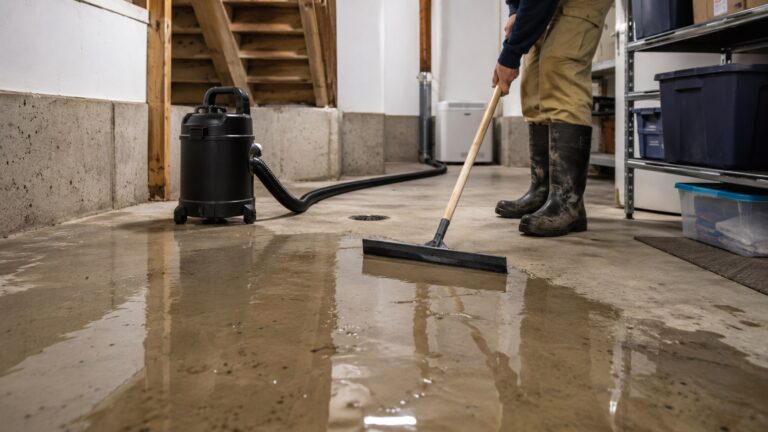
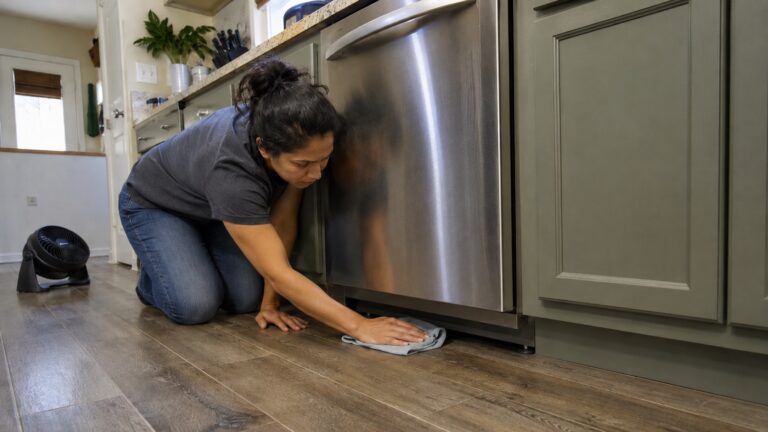
Many water damage claims involve emergency mitigation before the final claim decision is made. This may include stopping the water source, extracting standing water, removing saturated materials, setting up drying equipment, or preventing moisture from spreading into nearby rooms. These steps are often time-sensitive because wet materials can deteriorate quickly.
Homeowners should not leave a home wet simply because they are waiting for insurance approval. However, document the damage before major cleanup or material removal whenever it is safe to do so. Do not enter areas with electrical hazards, sagging ceilings, contaminated water, or unstable materials just to take photos. Photos, videos, damaged material samples, moisture readings, and restoration invoices can help explain what happened before the home was partially dried or repaired.
For detailed documentation guidance, use this guide on how to photograph water damage for insurance. This article only covers documentation as it affects the claim timeline.
Mitigation can speed up the recovery process, but it can also add paperwork. If a restoration company performs emergency drying, the insurer may need to review mitigation invoices, equipment logs, drying records, and moisture readings before deciding how much of that work is covered.
3. Adjuster Assignment and Inspection Scheduling
After the claim is opened, the insurance company may assign an adjuster to review the damage. The adjuster may be an employee of the insurance company or an independent adjuster working on its behalf. In some smaller claims, the insurer may also use photos, video calls, contractor estimates, or digital tools to evaluate damage without a full in-person inspection.
The adjuster inspection is one of the biggest timeline checkpoints in a water damage claim. If the adjuster can inspect quickly, access the damaged areas, and see a clear source of loss, the claim may move forward more smoothly. If the adjuster cannot reach the homeowner, the damaged area is blocked, the water source is unclear, or demolition has already removed key evidence, the claim may take longer.
An inspection does not automatically mean the claim is approved. The adjuster gathers information, documents visible damage, reviews affected materials, and prepares or contributes to an estimate. The insurance company still has to apply the policy terms before deciding what will be paid.
For a closer look at the inspection itself, see what insurance adjusters look for during water damage inspections. This article focuses on how that inspection affects the timeline.
Hidden damage can keep a claim open longer. A stained ceiling, swollen floor, wet cabinet base, or damp wall cavity may require more inspection before the repair scope is clear.
4. Estimate Review and Coverage Decision
Once the damage has been inspected, the insurer reviews the repair estimate and coverage. This stage can be simple or complicated depending on how clearly the damage connects to a covered cause.
For example, a sudden supply line failure that damages nearby flooring may be easier to evaluate than a slow leak that has been dripping behind a wall for months. Water damage from long-term seepage, repeated leaks, poor maintenance, or excluded flooding may raise coverage questions. When coverage is uncertain, the insurer may ask for plumbing reports, restoration records, photos, contractor estimates, or additional inspection details.
If the damage came from a leak, this guide on whether insurance covers water damage from leaks can help clarify why the cause of water matters. The timeline often depends less on the visible stain itself and more on whether the source of the water fits the policy.
The estimate review stage also determines whether the insurer and repair contractor agree on the scope of work. If the insurer estimates that only drywall patching and repainting are needed, but a contractor says insulation, flooring, trim, and cabinets also need removal, the claim may slow down while the difference is reviewed.
5. Payment, Repair Work, and Supplements
After the insurer reviews coverage and estimates the covered damage, it may issue an initial payment. This payment may be based on the insurer’s estimate, the deductible, policy limits, depreciation, and whether the policy pays actual cash value or replacement cost benefits.
The first payment is not always the final payment. In many water damage claims, the first check represents the amount approved at that stage of the claim. Additional payment may be possible if hidden damage is discovered during demolition, drying, or repair work and the additional damage is documented properly.
This later request is often called a supplement. A supplement may be needed if contractors discover covered damage that was not visible during the first inspection, such as wet subflooring, saturated insulation, damaged cabinet bases, or compromised ceiling materials.
Supplements can extend the claim timeline because the insurer may need new photos, contractor notes, revised estimates, moisture readings, invoices, or another inspection before approving additional payment. This is one reason homeowners should avoid assuming the claim is finished just because the first check arrived.
What Makes a Water Damage Claim Move Faster?
A water damage insurance claim usually moves faster when the damage is clear, the source is known, and the homeowner can provide organized documentation. The insurer does not have to spend as much time determining what happened, when it happened, or which materials were affected.
The biggest factors that can help a claim move faster include:
- Prompt reporting: The sooner the damage is reported, the easier it is to connect the visible damage to the event that caused it.
- A stopped water source: Claims are easier to evaluate when the broken pipe, leaking appliance, or other source has been identified and controlled.
- Clear photos and videos: Good documentation helps show the original condition before drying, cleanup, or repairs change the scene.
- Accessible damaged areas: Adjusters and contractors need access to affected rooms, ceilings, walls, flooring, cabinets, and mechanical areas.
- Consistent repair estimates: When contractor estimates match the visible damage and scope, the insurer has fewer conflicts to resolve.
- Saved invoices and records: Mitigation bills, plumber invoices, drying logs, and temporary repair receipts help explain what work was done and why.
Homeowners can also reduce confusion by keeping all claim information in one place. A simple folder with the claim number, adjuster contact information, photos, repair estimates, receipts, and notes from phone calls can make follow-up easier.
Fast action matters for the home itself too. Drying wet materials and controlling the source of water helps reduce secondary damage. If you are trying to manage the broader recovery process, this guide on preventing recurring moisture damage explains how to reduce the chance that the same area stays vulnerable after the claim.
What Can Delay a Water Damage Insurance Claim?
Water damage claims often slow down when the insurer needs more information before deciding what is covered or how much the repair should cost. A delay does not always mean the claim is being mishandled. Sometimes it means the claim has entered a more complicated review stage.
One common delay happens when the source of water is unclear. A wet ceiling could come from a roof leak, plumbing leak, bathroom fixture leak, HVAC condensation line, or exterior water intrusion. Until the source is identified, it may be difficult for the insurer to decide whether the damage is covered and which repairs are connected to the loss.
Another common delay is incomplete documentation. If the damaged materials were removed before photos were taken, or if temporary repairs were made without receipts, the insurer may ask for more explanation. This can be especially frustrating when the homeowner acted quickly to protect the home, but the claim file does not clearly show what the damage looked like before cleanup. For related denial risks, see common reasons water damage claims are denied.
Claims can also slow down when hidden moisture is discovered after the first inspection. If additional damage appears during repairs, the insurer may need to review whether that damage belongs to the same claim and whether the estimate should be revised.
Cost disagreements can also extend the timeline. A restoration contractor may estimate one repair scope, while the insurer may approve a smaller scope. This does not always mean either side is acting in bad faith. It may mean they are looking at different assumptions about what can be dried, what must be removed, and what materials must be replaced.
Mortgage company involvement can add another delay. If the claim payment is large enough, the check may include the mortgage lender as a payee. In that case, the homeowner may need lender endorsement before accessing funds. Some lenders release funds in stages as repair work is completed, which can make the insurance payment timeline feel slower even after the insurer has issued money.
Replacement cost policies can also create timing confusion. Depending on the policy, the insurer may initially pay the actual cash value of damaged materials and release recoverable depreciation after repairs are completed and documented. That means the homeowner may receive more than one payment instead of one full settlement at the beginning.
Other delay factors include:
- High regional claim volume after storms, freezes, or widespread flooding events
- Difficulty scheduling the adjuster inspection
- Unclear date of loss
- Questions about whether the damage was sudden or long-term
- Missing plumber, roofer, contractor, or mitigation reports
- Disagreements over whether materials can be dried or must be replaced
- Mold concerns that require additional review
- Structural concerns involving ceilings, subfloors, framing, or cabinets
- Supplement requests after hidden damage is found
When a claim is delayed, the most useful question is not simply “Why is this taking so long?” A better question is, “What exact item is still needed to move the claim forward?” That answer tells the homeowner whether the delay is caused by documentation, inspection scheduling, coverage review, estimate disagreement, lender endorsement, or missing invoices.
How Long After the Adjuster Inspection Does Payment Take?
The adjuster inspection is an important milestone, but it is not the same as final payment approval. After the inspection, the adjuster usually has to prepare or submit an estimate, document the cause and scope of damage, and send the information through the insurer’s review process. The insurer then applies the deductible, policy limits, exclusions, depreciation, and any replacement cost rules that apply.
Payment may arrive sooner when the inspection confirms a straightforward covered loss and the repair scope is simple. Payment may take longer when the insurer needs additional information, the repair estimate is large, hidden moisture is suspected, or there is disagreement about whether certain materials were damaged by the covered event.
For example, a claim for a small section of wet drywall may move faster than a claim involving water-damaged flooring throughout multiple rooms. Flooring claims often require more careful review because water can spread below finished surfaces, damage underlayment, affect subflooring, and create questions about matching materials. The insurer may need contractor input before approving the full repair amount.
Ceiling water damage can also require additional review if there are signs that the ceiling material, insulation, or framing above it may be compromised. If the ceiling is sagging, cracking, bowing, or shedding wet material, the issue may become a safety concern as well as an insurance claim. In those cases, the homeowner should prioritize safety and professional evaluation over waiting passively for paperwork.
If the claim involves restoration work, payment timing may also depend on invoices from the mitigation company. Drying equipment, demolition, containment, moisture monitoring, and material removal all need to be documented clearly so the insurer can evaluate whether the work was reasonable and related to the covered loss.
Why the First Insurance Check May Not Be the Final Payment
Many homeowners assume that once the insurance company sends a check, the claim is finished. That is not always true. In water damage claims, the first payment may be an initial payment, an advance, an actual cash value payment, or a partial payment based on the information available at that time.
The first check may not include every future repair cost if the insurer has not yet reviewed final invoices, hidden damage, or recoverable depreciation. If the policy includes replacement cost coverage, some money may be held back until repairs are completed and proof of the completed work is submitted.
This matters because water damage often reveals itself in layers. The first inspection may show stained drywall and swollen baseboards. Later, after the baseboards are removed, the wall cavity may show wet insulation or damaged lower drywall. After flooring is pulled up, the subfloor may show moisture that was not visible at the beginning. These discoveries may require a revised estimate.
If additional damage is discovered, homeowners should document it before it is covered up or repaired. Take photos, save contractor notes, keep moisture readings if available, and ask the insurer how supplemental damage should be submitted. This is where an organized claim file can prevent confusion.
What Homeowners Can Do to Keep the Claim Moving
Homeowners cannot control every part of the insurance timeline, but they can prevent many avoidable delays. The goal is to make it easy for the insurer, adjuster, contractor, and restoration company to understand what happened, what was damaged, what work was done, and what information is still missing.
Start by keeping all claim records in one place. Save the claim number, date of loss, date the claim was reported, adjuster contact information, photos, videos, plumber invoices, mitigation invoices, contractor estimates, receipts for temporary repairs, and notes from every major conversation.
Next, ask clear questions in writing when possible. Instead of asking only for a general update, ask:
- What documents are still needed?
- Has the adjuster estimate been completed?
- Is coverage still under review?
- Is the payment initial, partial, or final?
- How should hidden damage be submitted if contractors find more?
- Does the mortgage company need to endorse the check?
- Are there deadlines for submitting invoices or proof of repairs?
Good communication can shorten the time spent guessing. If the insurer needs a plumber’s invoice, a mitigation bill, a revised contractor estimate, lender endorsement, or proof of completed repairs, the homeowner can focus on that item instead of waiting without knowing what is holding the claim back.
Homeowners should also avoid making permanent repairs too quickly without documentation. Emergency steps that protect the home are important, but the damaged condition should be photographed first whenever possible. If materials must be removed quickly for safety or drying, photos and contractor notes can help preserve the evidence.
If repair costs are a concern, it may help to review typical water damage restoration cost factors so you understand why drying, demolition, material replacement, and reconstruction may appear as separate line items in estimates.
When a Slow Claim Deserves More Attention
Some water damage insurance claims take longer for normal reasons. A large repair scope, hidden moisture, supplement review, contractor estimate disagreement, lender endorsement, or replacement cost payment structure can all extend the process. However, a slow claim deserves more attention when the homeowner cannot get clear answers about what is missing or what stage the claim is in.
If the claim seems stalled, ask for the exact current stage and the next required action. For example, ask whether the delay is related to inspection scheduling, coverage review, estimate review, payment processing, missing documents, lender endorsement, supplement review, or repair verification.
You may also want to contact your insurance agent if you are having trouble understanding the process. The agent may not make the claim decision, but they can often help explain policy language, claim contacts, deductible issues, and next steps.
If the insurer keeps requesting new information, ask for the request in writing. This makes it easier to track what has already been submitted and what is still needed. It also helps prevent repeated phone conversations that do not move the claim forward.
Homeowners should pay special attention when water damage continues to worsen while the claim is pending. If wet materials remain in place, moisture may spread into drywall, trim, subflooring, cabinets, or structural wood. The claim process should not prevent reasonable steps to protect the home from further damage. If you are managing active moisture risks, review what to do immediately after water damage for insurance so emergency actions and documentation stay aligned.
How to Avoid Slowing Down Your Own Claim
Homeowners sometimes delay their own claims without realizing it. The most common mistake is waiting too long to report damage. Another is throwing away damaged materials before photographing them or before the adjuster has a chance to inspect them. A third is completing permanent repairs before the insurer understands the original scope of damage.
That does not mean you should leave unsafe or wet materials untouched. It means you should document conditions carefully before they change. Take photos from multiple angles, show the affected room, capture close-ups of damage, save invoices, and write down when the damage was discovered.
Avoid guessing about the cause if you are not sure. If you tell the insurer one source caused the damage and later a plumber, roofer, or restoration contractor finds a different source, the claim may need additional review. It is better to explain what you observed and let qualified inspection determine the cause.
Also avoid relying only on verbal updates. Phone calls are useful, but written records are easier to track. After an important call, write down the date, name of the person you spoke with, and the instructions they gave you. If the instruction affects repairs or payment, ask whether they can confirm it by email or through the claim portal.
Finally, do not assume the claim is closed just because drying equipment has been removed or the first check has arrived. Confirm whether the payment is final, whether recoverable depreciation remains, whether supplemental damage can still be submitted, and whether final invoices are required.
FAQ About Water Damage Insurance Claim Timelines
How long does it take after the adjuster inspection?
The timing depends on the insurance company, local claim volume, homeowner availability, and the urgency of the damage. Claims may move faster when the damaged area is accessible and the cause is clear. After storms or widespread plumbing failures, inspection scheduling can take longer because adjusters may be handling many claims at once.
Can I start drying before the insurance claim is approved?
In many cases, homeowners need to take reasonable steps to prevent further damage, which may include drying or emergency mitigation. Before major cleanup, document the damage with photos and videos when safe. Save invoices, drying records, and contractor notes so the insurer can review what was done and why.
Why is my water damage claim taking so long?
A claim may take longer if the source of water is unclear, documentation is missing, the adjuster estimate is still under review, hidden damage was discovered, repair estimates disagree, coverage is disputed, or the mortgage company must endorse the payment. Ask the insurer what exact item is holding up the claim.
Does the first insurance check mean the claim is finished?
Not always. The first check may be an initial payment, partial payment, actual cash value payment, or advance based on the information available at that time. Additional payment may be possible if covered hidden damage is discovered or if recoverable depreciation is released after repairs are completed.
Can hidden water damage extend the claim timeline?
Yes. Hidden water damage can extend the timeline because the insurer may need photos, contractor notes, moisture readings, revised estimates, or another inspection before approving additional repairs. Water behind walls, under flooring, inside cabinets, or above ceilings often requires more review than surface staining alone.
What should I ask my insurer if the claim is delayed?
Ask what stage the claim is in, what documents are still needed, whether coverage has been approved, whether the estimate is complete, whether payment is initial or final, and how supplemental damage should be submitted. Specific questions usually work better than asking for a general update.
What to Do While the Claim Is Still Open
Water damage insurance claims take different amounts of time because every claim has its own cause, damage pattern, documentation, repair scope, and coverage review. A small, clearly documented claim may move quickly, while a claim involving hidden moisture, disputed coverage, contractor supplements, or lender involvement can take much longer.
The best way to manage the process is to understand the stages. Report the damage promptly, document conditions before they change, keep invoices and estimates organized, ask what information is still needed, and confirm whether each payment is partial or final. The more clearly the claim file explains what happened and what repairs are needed, the easier it is for the claim to move forward.
Once the claim is resolved, do not focus only on the payment. Make sure the damaged area has been dried, repaired, and monitored so the same moisture problem does not return. A completed insurance claim helps with recovery, but the home still needs a corrected water source, complete drying, and repairs that prevent the same damage from coming back.