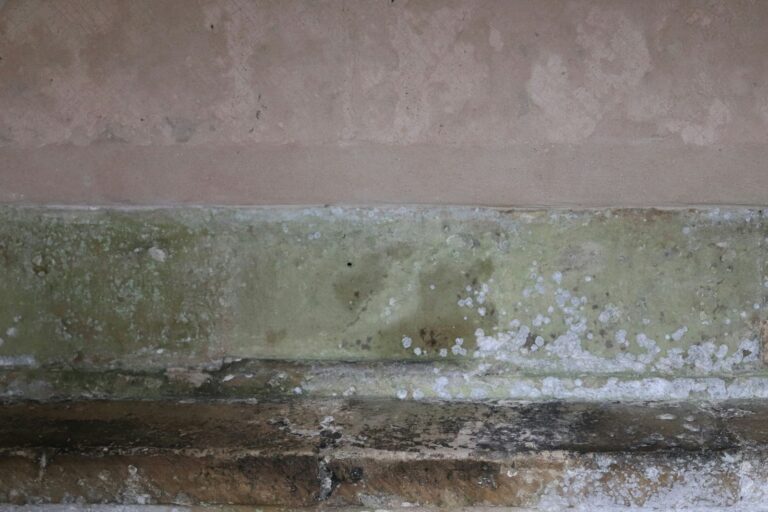
Mold Exposure Risks From Crawl Spaces
Mold in a crawl space can become more than a problem below the house. When the crawl space is damp, moldy, poorly sealed, or connected to the living area through gaps or duct leaks, it may contribute to musty odors and indoor air quality concerns. This does not mean every crawl space with mold automatically makes a home unsafe, but it does mean the crawl space should be taken seriously as a possible hidden source.
The risk depends on several factors: how much moisture is present, where mold is growing, whether air can move from the crawl space into the home, whether HVAC ducts pass through the area, and whether anyone in the home is sensitive to mold or damp indoor conditions. A dry, well-sealed crawl space is very different from one with standing water, wet insulation, exposed damp soil, or visible mold on wood framing.
The practical question is whether the crawl space has moisture, mold-supporting materials, and air pathways into the home. This article explains how to recognize that pattern, when testing may help, and how to reduce risk by fixing the source. For a broader look at mold and indoor air throughout the home, see this guide to mold exposure and indoor air quality.
Can Mold in a Crawl Space Affect Indoor Air?
Yes, mold in a crawl space can affect indoor air when crawl space air moves into the living area. Crawl spaces are not always completely separate from the rooms above them. Small gaps around plumbing lines, wiring holes, floor penetrations, rim joists, ductwork, access panels, and subfloor seams can allow air to move upward into the home.
This movement is especially important because many homes naturally pull air upward from lower areas. Warm air rises through the building, and replacement air can be drawn from basements, crawl spaces, wall cavities, and other hidden areas. If the crawl space is damp and moldy, that air may carry musty odors, mold fragments, spores, dust, and other particles into the living space.
The concern becomes stronger when HVAC ducts run through the crawl space. Leaky supply ducts can change pressure conditions, while leaky return ducts can pull crawl space air into the air-handling system. If that happens, odor and particles from the crawl space may be distributed through vents instead of staying below the home.
Not every musty smell proves that mold is entering the house from the crawl space. Odors can also come from basements, wall cavities, bathrooms, attics, HVAC systems, or old water damage. But when the smell is strongest near floors, lower rooms, floor vents, closets, or crawl space access points, the crawl space becomes a realistic place to investigate.
The mistake is assuming crawl space mold cannot matter because it is below the living area. If the space stays wet, contains moldy materials, and has air pathways into the house, it can become part of a larger indoor air quality problem.
Why Crawl Spaces Become Mold Exposure Sources
Crawl spaces become mold exposure concerns when moisture, organic material, and air movement combine. Mold does not need finished walls or visible indoor surfaces to grow. In a crawl space, it can grow on wood framing, subfloor surfaces, paper-faced insulation, dust, debris, stored materials, and other damp surfaces when conditions remain wet long enough.
The crawl space may not look like part of the living area, but it often sits directly below bedrooms, living rooms, kitchens, and hallways. If the space remains damp and air can move upward, mold below the floor can become relevant to the air people breathe above it.
Damp Soil and Missing Vapor Barriers
Many crawl spaces have exposed soil or incomplete ground coverage. Bare soil can release moisture into the crawl space, especially after rain, during humid weather, or when the ground stays wet for long periods. That moisture raises humidity below the home and can keep wood, insulation, and dust-covered surfaces damp enough to support mold growth.
A properly installed vapor barrier helps reduce moisture movement from the ground into the crawl space. But a vapor barrier that is torn, missing, poorly overlapped, or not sealed around piers and edges may leave enough exposed soil for moisture to continue entering the space. If ground moisture is part of the problem, the homeowner may need to compare the condition of the existing barrier with proper crawl space vapor barriers and installation practices.
A vapor barrier alone does not remove existing mold, fix standing water, or repair damaged framing. It is one piece of moisture control. If the crawl space already smells musty or shows staining on wood, the moisture source and mold conditions should be evaluated before assuming plastic sheeting will solve the entire exposure concern.
Standing Water and Poor Drainage
Standing water is one of the clearest signs that a crawl space can become a mold and air quality problem. Water may enter from poor exterior grading, clogged gutters, foundation openings, plumbing leaks, high groundwater, or drainage failures. Once water collects below the home, humidity can remain high even after the visible puddles shrink.
Persistent wet soil and repeated water intrusion make it easier for mold to develop on wood joists, subflooring, insulation, and debris. If this pattern continues, the crawl space can produce a strong musty odor that rises into the living area or moves through ductwork.
Homeowners who see wet soil, puddles, mud, or moisture stains should treat the crawl space as a source problem, not just an odor problem. For a deeper look at early crawl space moisture warning signs, see signs of moisture in crawl spaces.
Wet Insulation and Wood Framing
Crawl spaces often contain wood joists, beams, subfloor sheathing, rim joists, and insulation. These materials can stay damp when humidity is high, when condensation forms on cold surfaces, or when water leaks into the area. Mold can grow on dust and organic material on wood surfaces, and wet insulation can trap moisture against framing.
Sagging insulation is a common warning sign. Fiberglass insulation itself is not a food source in the same way wood is, but dust, paper facings, trapped debris, and wet surrounding materials can support mold growth. Wet insulation also slows drying by holding moisture near the subfloor and framing.
Dark staining, fuzzy growth, white residue, black patches, softened wood, or persistent musty odor should be taken seriously. These signs do not always prove severe contamination, but they do mean the crawl space should be inspected more carefully. For mold-specific warning signs, see signs of mold growth in crawl spaces.
Leaky Ducts and Return Air Pathways
HVAC ductwork can make crawl space mold exposure concerns worse. If ducts are sealed and insulated properly, they may not create a major air pathway. But if ducts are disconnected, damaged, leaky, or poorly sealed, crawl space air may be pulled into the system or mixed with conditioned air.
Return leaks are especially concerning because return ducts operate under suction. If a return duct leaks inside a damp crawl space, it can draw crawl space air into the HVAC system and distribute odors or particles through the home. Supply duct leaks can also change pressure patterns and increase air movement between the crawl space and living area.
A useful clue is odor timing: if the musty smell becomes stronger when the blower runs or comes directly from floor registers, duct leakage or HVAC connection should move higher on the inspection list.
This is one reason a musty odor from vents should not be ignored. The source may be inside the HVAC system, but it may also be crawl space air entering through duct leaks. HVAC-related mold exposure deserves its own inspection path, but crawl space ducts are still important when evaluating whether mold below the house may be affecting indoor air.
Recurring Moisture That Never Fully Dries
The most serious crawl space mold risks usually come from repeated or long-term moisture, not a single brief damp period. A crawl space that gets wet after every heavy rain, stays humid through the summer, or never dries fully after plumbing leaks can become a recurring source of mold growth.
This is why cleaning visible mold without fixing the moisture source often fails. If damp soil, drainage problems, duct condensation, or air leaks remain, the conditions that supported mold growth may continue. To understand the moisture side more deeply, see this explanation of why mold forms in crawl spaces.
Signs Crawl Space Mold May Be Affecting Your Home
Crawl space mold is not always obvious from inside the living area. The warning signs are often indirect: odor, humidity, airflow patterns, and symptoms that seem to follow time spent at home. These signs do not prove that the crawl space is the only source, but they can tell you when the crawl space should be part of the investigation.
Musty Odors Near Floors, Vents, or Lower Rooms
A musty smell is one of the most common clues that crawl space air may be entering the home. The odor may be strongest near floor registers, closets, baseboards, lower-level rooms, or the crawl space access door. Some homeowners notice it more after rain, during humid weather, or when the HVAC system turns on.
A crawl space odor does not always mean heavy mold growth is present. Damp soil, wet wood, old insulation, or decaying debris can also create earthy odors. But if the odor is persistent, gets worse during wet weather, or appears in rooms directly above the crawl space, it is worth checking the area below the home.
High Indoor Humidity Above the Crawl Space
High humidity inside the home can make crawl space problems harder to control. If moisture rises from a damp crawl space, rooms above it may feel clammy, smell musty, or develop condensation on cool surfaces. This can be especially noticeable in homes with poor floor sealing, older subfloors, or gaps around plumbing and wiring penetrations.
Humidity readings can help separate a true moisture pattern from a general comfort issue. If rooms above the crawl space consistently run damp while other parts of the home are drier, the crawl space should be inspected. For whole-home moisture context, it helps to understand how to find, fix, and prevent moisture problems throughout the home, because crawl space moisture often connects to drainage, air sealing, humidity control, and structural drying.
Symptoms That Seem Worse Indoors
Some people are more sensitive to damp and moldy environments than others. Possible mold-related irritation can include nasal congestion, coughing, wheezing, throat irritation, eye irritation, skin irritation, or worsening asthma symptoms. These symptoms can also come from many other causes, so the article should not treat them as proof of crawl space mold exposure.
The pattern matters. If symptoms seem worse at home, improve when away from the house, or appear alongside a strong musty odor, the home environment should be investigated. The crawl space is one possible source, especially when it is damp, moldy, or connected to the HVAC system.
If symptoms are persistent, severe, or involve asthma, breathing difficulty, immune compromise, or chronic lung disease, the homeowner should speak with a qualified medical professional. A home inspection can help identify environmental sources, but it cannot diagnose a health condition.
Visible Crawl Space Moisture or Mold
Visible crawl space conditions often provide stronger evidence than indoor symptoms alone. Warning signs include wet soil, standing water, condensation on ducts or pipes, sagging insulation, dark staining on joists, mold-like growth on wood, rotting debris, or a strong musty odor at the access opening.
Homeowners should be careful when inspecting. A quick look from the crawl space entrance may be reasonable if the area is safe, dry enough to enter, and free of obvious hazards. Do not crawl through standing water, suspected sewage, rodent waste, damaged wiring, heavy visible mold, or wet falling insulation. Those conditions call for professional evaluation instead of a casual DIY inspection.
If the source is not obvious, a more careful inspection may be needed. This may include checking moisture levels, drainage patterns, vapor barrier condition, duct leakage, and wood framing. For a more detailed inspection path, see how to detect hidden moisture in crawl spaces.
Who Is Most Sensitive to Crawl Space Mold Exposure?
Crawl space mold does not affect everyone the same way. Some people may notice little or no reaction, while others may experience irritation or worsening symptoms in damp indoor environments. The level of concern depends on the person’s sensitivity, the amount of mold or dampness present, how much air moves into the living area, and how long the condition has existed.
People with asthma, mold allergies, chronic respiratory conditions, weakened immune systems, or existing lung disease may be more vulnerable to damp and moldy indoor conditions. Children and older adults may also deserve extra caution because they can be more affected by poor indoor air quality or may have less ability to explain symptoms clearly.
The practical goal is not to guess whether someone has been “poisoned.” It is to reduce moisture, limit air movement from the crawl space when possible, handle affected materials safely, and improve the indoor environment.
This is also where the difference between exposure risk and medical diagnosis matters. A crawl space inspection can identify moisture, mold growth, duct problems, or air leakage pathways. A healthcare provider is needed for health evaluation. Keeping those roles separate helps homeowners make better decisions without overreacting or ignoring a real environmental concern.
How to Check Whether the Crawl Space Is the Source
The best way to evaluate crawl space mold exposure risk is to look for a pattern. A musty room, allergy-like symptoms, or a mold smell from vents may point toward the crawl space, but those clues should be compared with actual crawl space conditions before drawing conclusions.
Start with the safest observations first. Notice where the odor is strongest, when it appears, whether it changes after rain, and whether it gets worse when the HVAC system runs. If the smell is strongest near floors, floor vents, closets, or the crawl space access point, the crawl space should move higher on the list of possible sources.
Next, check whether the crawl space has obvious moisture conditions. Wet soil, puddles, condensation, sagging insulation, wood staining, visible mold-like growth, or a damaged vapor barrier all increase concern. If the crawl space looks clean, dry, and well sealed, it may still be worth checking other sources, such as bathrooms, basements, attics, wall cavities, or HVAC equipment.
Humidity readings can also help. If rooms above the crawl space stay more humid, musty, or hard to dry than other rooms, that pattern can support the idea that moisture from below is affecting the home. A hygrometer does not prove mold exposure, but it can show whether conditions are favorable for mold growth.
Air and surface testing may be useful in some situations, but testing should not replace inspection. A mold test can provide information about what may be present in the air or on a surface, but it does not automatically identify the moisture source or explain how mold entered the living area. If symptoms are part of the concern, this guide on whether you should test your home after mold exposure symptoms can help clarify when testing makes sense.
How to Reduce Mold Exposure Risk From Crawl Spaces
Reducing mold exposure risk from a crawl space starts with moisture control. Cleaning visible growth without correcting damp soil, drainage issues, condensation, or duct leakage often leads to recurring odor and mold conditions. The goal is to make the crawl space dry, controlled, and less connected to the living area.
Correct Water Entry First
If the crawl space has standing water, mud, or repeated wet areas after rain, water entry should be corrected before relying on dehumidifiers or air purifiers. Exterior grading, gutter discharge, downspout extensions, foundation openings, plumbing leaks, and crawl space drainage may all need to be evaluated. If standing water may contact wiring, equipment, or contaminated waste, stay out of the space until it has been checked safely.
A dehumidifier can help control humidity, but it is not a substitute for fixing bulk water intrusion. If water keeps entering the crawl space, the mold-supporting conditions will continue.
Control Ground Moisture
Ground moisture is one of the most common long-term crawl space moisture sources. A durable, properly overlapped, sealed, and protected vapor barrier can reduce moisture rising from soil into the crawl space. It is especially important in dirt-floor crawl spaces, humid climates, and homes where musty odors seem strongest after rain or seasonal humidity changes.
However, a vapor barrier should not be treated as a complete mold remediation plan. Existing mold growth, wet insulation, drainage problems, and air leakage may still need attention before ground coverage can help keep the space controlled.
Remove Wet or Moldy Materials Safely
Wet insulation, moldy debris, damaged cardboard, and damp stored items can hold moisture and contribute to odor. These materials should not remain in a crawl space after the moisture source has been corrected. In some cases, removal is straightforward. In others, especially when mold is widespread or insulation is heavily contaminated, professional removal may be safer.
Homeowners should avoid disturbing large areas of visible mold without proper containment and protection. Pulling down moldy insulation or scraping moldy wood can release dust and particles into the air. If the area is extensive, difficult to access, or connected to the HVAC system, professional evaluation is the safer path.
Seal Air Leaks Between the Crawl Space and Living Area
Air sealing helps reduce the movement of crawl space air into the home. Common leakage points include plumbing penetrations, wiring holes, floor gaps, rim joist areas, duct chases, and crawl space access doors. Sealing these openings can reduce odor movement and improve separation between the crawl space and living area.
Air sealing should be paired with moisture control. Sealing a wet crawl space without drying and correcting the source can trap moisture where it continues to cause damage. The crawl space needs to be controlled, not simply hidden.
Address Duct Leakage
If HVAC ducts run through the crawl space, they should be inspected for disconnections, gaps, crushed sections, missing insulation, condensation, and return-side leakage. A leaky return duct in a moldy crawl space can pull crawl space air into the system and distribute it through the home.
This is one reason a musty smell from vents deserves attention. The issue may not be only the crawl space or only the HVAC system. It may be the connection between the two.
Use Dehumidification When Conditions Require It
After water entry, ground moisture, and air leaks are addressed, dehumidification may help maintain lower, more stable humidity levels in a crawl space. This is especially common in humid climates or encapsulated crawl spaces where controlled drying is needed. If the crawl space stays damp even after drainage and vapor control improvements, comparing crawl space dehumidifiers may be useful.
Dehumidifiers work best as part of a system. They should not be expected to overcome active flooding, open soil, disconnected ducts, or major air leakage by themselves.
Consider Encapsulation for Long-Term Control
Crawl space encapsulation can reduce exposure risk when it is designed as a complete moisture and air control system. Proper encapsulation may include ground vapor control, wall sealing, air sealing, drainage correction, dehumidification, and ongoing maintenance.
Encapsulation is not just placing plastic on the ground. If mold, standing water, damaged insulation, or structural moisture is already present, those issues should be addressed first. For a deeper explanation of the air quality side, see how crawl space encapsulation improves indoor air quality.
When Crawl Space Mold Risk Needs Professional Help
A professional inspection is worth considering when the crawl space has conditions that are unsafe, widespread, or difficult to diagnose. Crawl spaces can contain electrical hazards, pests, contaminated water, structural damage, poor access, and heavy mold growth. In those cases, trying to handle the problem casually can make exposure and damage worse.
Call a professional if you find standing water, sewage contamination, widespread visible mold, wet or falling insulation, soft or damaged joists, strong persistent odor, suspected duct contamination, or repeated moisture after previous repairs. Professional help is also wise when someone in the home has asthma, chronic lung disease, immune compromise, or symptoms that seem tied to time spent indoors.
The right professional may be a crawl space contractor, mold remediation company, HVAC contractor, drainage specialist, or home performance professional, depending on the source. The key is to avoid treating the problem as only a cleaning issue.
FAQ
Can crawl space mold make the upstairs air smell musty?
Yes, crawl space mold or damp crawl space materials can contribute to musty odors upstairs when air moves through floor gaps, duct leaks, plumbing penetrations, or access openings. The odor may be stronger near floors, vents, closets, or rooms directly above the crawl space.
Can mold in a crawl space cause allergy-like symptoms?
It may contribute to irritation or allergy-like symptoms in sensitive people, especially if crawl space air is entering the living area. Symptoms alone do not prove the crawl space is the source, but symptoms combined with musty odor, damp crawl space conditions, or visible mold should be investigated.
Is crawl space mold a problem if I never go into the crawl space?
It can still be a problem if air from the crawl space moves into the home. You do not have to physically enter the crawl space for crawl space air to affect indoor conditions. Air leaks, duct leakage, and pressure differences can move odors and particles upward.
Will a vapor barrier stop crawl space mold exposure risk?
A vapor barrier can reduce moisture rising from the ground, but it does not automatically remove existing mold, dry wet insulation, fix standing water, or seal duct leaks. It works best as part of a complete crawl space moisture control strategy.
Do I need mold testing if I find mold in my crawl space?
Not always. Visible mold and moisture conditions are often enough to justify source correction and remediation planning. Testing may be helpful when symptoms, real estate decisions, insurance questions, or unclear sources are involved, but testing should not replace moisture inspection.
Can an air purifier protect me if the mold source is in the crawl space?
An air purifier may reduce some airborne particles in the living area, but it does not fix crawl space mold or moisture. If the crawl space is the source, the long-term solution is to correct water entry, ground moisture, duct leakage, and mold-supporting materials. Air purification can support indoor air quality, but it is not source control.
Bottom Line on Crawl Space Mold Exposure Risk
Mold exposure risks from crawl spaces are real enough to investigate, but they should be evaluated with practical source-based thinking. The crawl space becomes a concern when it is damp, moldy, connected to indoor air pathways, or tied into leaky HVAC ducts. In that situation, mold below the home may contribute to musty odors and indoor air quality problems above it.
The solution is not panic, and it is not simply covering odors. The best approach is to identify moisture sources, inspect the crawl space safely, correct water and humidity problems, remove affected materials when needed, seal air pathways, and use professional help when conditions are widespread or unsafe.
Key Takeaways
- Crawl space mold can affect indoor air when crawl space air moves into the living area through gaps, ducts, or pressure differences.
- Musty odors near floors, vents, closets, or crawl space access points are important warning signs.
- Damp soil, standing water, wet insulation, moldy wood, and leaky ducts increase exposure concern.
- Symptoms alone do not prove crawl space mold exposure, but symptoms combined with moisture and odor patterns should be investigated.
- Moisture control is the foundation of long-term risk reduction.
- Vapor barriers, dehumidifiers, duct sealing, and encapsulation can help when used as part of a complete source-control strategy.
- Professional help is recommended for standing water, widespread mold, structural damage, HVAC contamination, or health-sensitive occupants.