How Crawl Space Encapsulation Improves Indoor Air Quality
Crawl spaces are not fully separate from the rest of the home. Air, moisture, odors, and airborne particles can move upward through small gaps around floors, ductwork, plumbing penetrations, and framing openings. When the crawl space is damp or musty, those conditions can affect the air inside living areas.
Crawl space encapsulation improves indoor air quality by reducing ground moisture, lowering crawl space humidity, limiting musty odors, and making it harder for mold-supporting conditions to continue below the home. It does not act like an air purifier, but it can remove one of the major sources of damp, contaminated air entering the house from below.
The biggest improvements usually come from controlling moisture before it feeds mold, odors, wood decay, and humidity transfer into the home. For the broader connection between mold, moisture, and indoor air, review the mold exposure and indoor air quality guide.
Why Crawl Space Air Can Affect the Rest of the Home
Crawl space air can enter living areas through floor gaps, wall cavities, utility penetrations, leaky ductwork, and the natural upward movement of air through the home. That movement can carry moisture, odors, dust, and mold-related particles with it.
How Air Naturally Moves Upward Through Homes
Air movement inside homes follows predictable physical patterns. Warm air rises, especially during colder months when heated air accumulates near ceilings and escapes through small openings in upper levels. As air moves upward, replacement air is pulled in from lower parts of the home — including crawl spaces.
This process is commonly known as the stack effect. It can create an air pathway from the crawl space into living areas. If the crawl space contains excess moisture, mold-related particles, or soil odors, those contaminants can move upward and mix with indoor air.
In many homes, a significant portion of indoor air originates from lower structural areas. This is especially true when crawl spaces contain:
- Bare soil without vapor protection
- Standing moisture or damp surfaces
- Insulation that has absorbed humidity
- Open vents allowing humid outdoor air inside
When crawl spaces remain damp for extended periods, the air inside them becomes humid and contaminated. That air eventually mixes with indoor air, reducing overall air quality.
Why Musty Crawl Space Odors Travel Upstairs
One of the earliest signs of crawl space air contamination is a musty smell inside the home. Many homeowners notice odors near floor registers, stairwells, or lower-level rooms before realizing the source is below the house.
Musty odors develop when moisture interacts with organic materials such as wood framing, insulation, and dust. These materials support microbial growth, which produces gases that create the familiar damp or earthy smell associated with mold and mildew.
Once these odors form, airflow carries them upward into living spaces. This explains why removing visible mold upstairs often fails to solve the problem if moisture still exists below the home.
Understanding how moisture behaves in crawl spaces helps clarify why controlling the source is essential. Many crawl space problems begin because of environmental factors explained in why crawl spaces develop moisture problems, including soil moisture, humidity infiltration, and poor ventilation.
How Encapsulation Reduces Moisture Entering the Air
Crawl space encapsulation improves indoor air quality primarily by controlling moisture. Moisture is the root cause of most crawl space air problems, including mold growth, odor development, and humidity migration into living areas.
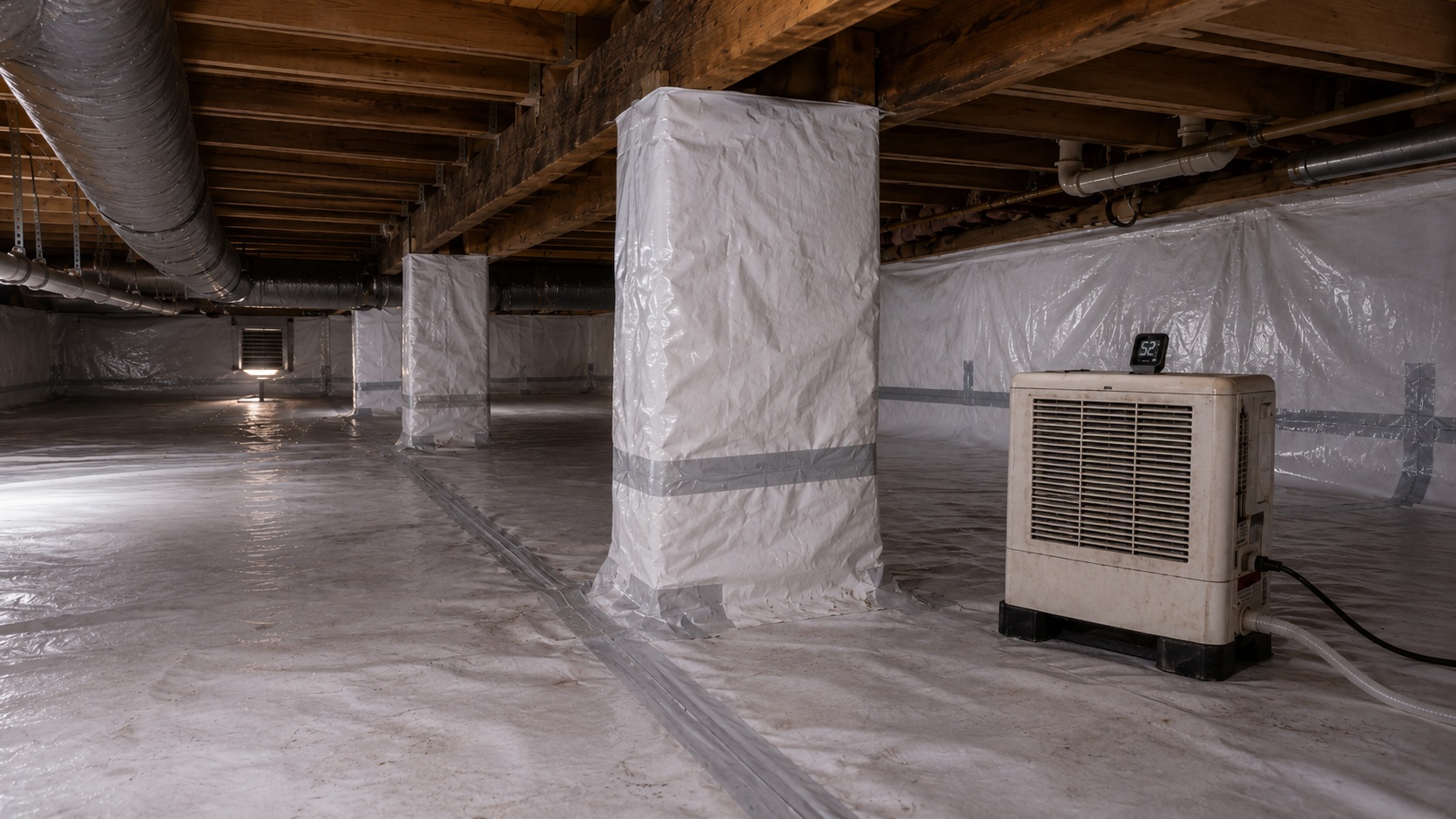
Encapsulation works by sealing surfaces, controlling humidity, and limiting exposure to outside moisture sources. Instead of allowing damp conditions to persist, the crawl space becomes a controlled environment.
Ground Vapor Control Through Surface Sealing
Bare soil inside crawl spaces releases large amounts of water vapor into the air. Even when standing water is not visible, moisture continuously evaporates from the ground. Over time, this moisture builds humidity levels high enough to support mold growth and wood deterioration.
Encapsulation systems typically include heavy-duty vapor barriers that cover exposed soil. These barriers block evaporation, preventing moisture from rising into the crawl space air.
Without vapor protection, crawl spaces behave like natural humidifiers. With encapsulation, the moisture source is dramatically reduced, creating more stable air conditions throughout the structure.
If you’re unfamiliar with how encapsulation systems work structurally, reviewing what crawl space encapsulation is and how it works can help clarify the physical components involved.
Humidity Stabilization Inside the Crawl Space
Humidity control is one of the most important air-quality benefits of encapsulation. In unsealed crawl spaces, humidity often rises well above safe levels, especially during warm seasons.
High humidity levels allow materials such as wood framing and insulation to absorb moisture. Once these materials become damp, they release moisture back into the air, creating a continuous cycle of humidity buildup.
Encapsulation interrupts this cycle by limiting outside moisture entry and stabilizing humidity levels. In many properly sealed crawl spaces, humidity remains within safer ranges that reduce the likelihood of mold growth and airborne contamination.
For practical monitoring, many homeowners use a crawl space hygrometer after encapsulation. If relative humidity remains high after sealing, the space may still need drainage correction, air sealing improvements, or a crawl-space-rated dehumidifier.
Humidity control also supports broader moisture prevention efforts across the home. Long-term moisture prevention strategies apply to crawl spaces and other structural areas.
How Encapsulation Helps Reduce Mold-Related Air Quality Problems
Mold growth is one of the most important crawl-space conditions that can affect indoor air quality. Even when mold is not visible in living areas, hidden growth below the home can contribute spores, fragments, and musty odors to air that moves upward. Encapsulation reduces this risk by controlling the moisture conditions mold depends on.
Why Moisture Control Matters More Than Surface Cleaning
Many homeowners attempt to improve indoor air quality by cleaning visible mold or using air fresheners to mask odors. While these steps may temporarily improve conditions, they rarely solve the underlying cause when crawl spaces remain damp.
Mold growth depends primarily on moisture. When humidity stays high or materials remain damp, mold colonies can continue to expand and release spores into the surrounding air. Even small amounts of recurring moisture allow mold to persist.
This is why moisture control is more important than surface cleaning alone. Encapsulation addresses the moisture source, making it much harder for mold to survive and spread. If mold growth is already present, identifying early warning signs such as those described in signs of mold growth in crawl spaces can help determine whether additional remediation is necessary.
How Drier Crawl Spaces Reduce Mold-Supporting Conditions
Encapsulation changes the environment inside crawl spaces by limiting moisture exposure and stabilizing humidity. When the air remains drier, materials such as wood framing and insulation lose excess moisture over time. This drying process reduces the likelihood of ongoing mold development.
Drier conditions do not sterilize a crawl space, but they reduce the damp environment that allows microbial growth and musty odor production to continue.
Encapsulation helps prevent these cycles by:
- Blocking moisture vapor from soil surfaces
- Reducing condensation on structural materials
- Lowering humidity that supports mold growth
- Stabilizing conditions that reduce ongoing mold activity
Indoor Air Quality Benefits Homeowners May Notice
While encapsulation primarily addresses moisture control, many homeowners experience noticeable improvements in indoor comfort and air quality after installation. These improvements typically develop gradually as moisture levels stabilize and materials dry.
Not every home experiences the same results, but several common changes often occur when crawl space moisture is controlled effectively.
Reduced Musty Odors Indoors
One of the first improvements many homeowners notice after encapsulation is a reduction in musty odors. These smells often originate from damp crawl space materials and are carried upward through natural airflow patterns.
When moisture sources are sealed and humidity drops, the conditions responsible for odor formation begin to disappear. Over time, odors fade as the environment stabilizes.
Musty smells that persist despite cleaning often indicate deeper moisture issues. These issues are frequently linked to long-term humidity problems described in why crawl spaces stay damp, which explains how environmental conditions allow moisture to remain trapped below homes.
Lower Indoor Humidity Influence
Encapsulation reduces the amount of moisture that enters the home from below. This can help stabilize humidity levels in living areas, particularly in homes where crawl spaces previously acted as a major moisture source.
Lower humidity provides several air-quality benefits, including:
- Reduced condensation on indoor surfaces
- Improved comfort during humid seasons
- Lower risk of mold growth in upper levels
- Less moisture absorption into flooring materials
Humidity control also supports long-term structural health. When humidity remains stable, building materials experience less expansion, warping, and deterioration.
Cleaner-Feeling Lower-Level Air
Many homeowners report that rooms located closest to crawl spaces feel cleaner and less stale after encapsulation. This improvement often results from reduced airborne contaminants entering the home’s lower levels.
Particles such as soil dust, insulation fibers, and mold fragments can circulate through crawl spaces when conditions remain open and damp. Encapsulation helps reduce particle movement by sealing exposed surfaces and stabilizing airflow.
This benefit is usually most noticeable in rooms directly above or near the crawl space.
What Encapsulation Does Not Automatically Fix
Encapsulation can reduce moisture-related air problems, but it does not clean contaminated materials, stop active leaks by itself, or correct dirty HVAC systems. Those issues must be handled separately for the air-quality benefits to last.
Existing Mold Contamination
Encapsulation can reduce future mold-supporting conditions, but it does not remove mold that is already present. If visible mold, heavy staining, damaged insulation, or widespread contamination exists before encapsulation, those materials may need cleaning, removal, or professional remediation before the space is sealed.
Leaving existing mold untreated can allow spores to remain inside sealed environments, reducing the effectiveness of encapsulation efforts.
Active Water Intrusion Problems
Encapsulation is not designed to stop active water leaks or flooding. If water continues to enter the crawl space through foundation cracks, poor drainage, or plumbing leaks, moisture problems will persist even after sealing.
Water intrusion must be corrected before encapsulation begins. Otherwise, trapped moisture can lead to ongoing structural damage and poor air conditions.
HVAC or Duct Contamination Issues
In many homes, heating and cooling ducts run through crawl spaces. If ductwork contains dust buildup, mold contamination, or damaged insulation, encapsulation alone may not fully restore indoor air quality.
In these cases, additional inspection of HVAC systems may be necessary. Addressing airflow-related contamination helps ensure that improved crawl space conditions translate into healthier indoor air.
When Encapsulation Provides the Most Noticeable Indoor Air Quality Improvements
The greatest air-quality improvements usually occur when the crawl space was already contributing moisture, odors, or mold-supporting conditions to the home. Encapsulation is less dramatic in homes where the crawl space was already dry and clean.
Homes With Persistent Musty Odors
Musty smells are one of the clearest signs that crawl space air may be influencing indoor air. Encapsulation often reduces these odors as humidity drops, but long-standing smells may still require mold cleanup, insulation removal, duct inspection, or drainage correction.
Homes With High Crawl Space Humidity
Encapsulation is especially effective in homes where crawl space humidity remains consistently high. Elevated humidity creates conditions that allow mold, mildew, and bacteria to thrive. These organisms release airborne particles that degrade indoor air quality.
High humidity conditions are often linked to environmental causes such as:
- Open crawl space vents allowing humid outdoor air inside
- Bare soil surfaces releasing moisture vapor
- Poor drainage around the home’s foundation
- Seasonal humidity infiltration during warm weather
Encapsulation reduces these moisture pathways, making it easier to maintain stable humidity levels and reduce moisture-related air-quality problems.
Homes With Recurring Mold or Moisture Problems
Recurring mold problems often indicate that moisture sources remain active beneath the home. When moisture continues to return after cleaning, it usually means the underlying cause has not been resolved.
Encapsulation addresses this recurring cycle by stabilizing the crawl space environment. By reducing moisture availability, the conditions necessary for mold growth become much less common.
If mold keeps returning despite repeated cleaning efforts, it may be helpful to review the conditions described in why moisture returns after cleanup, which explains how hidden moisture sources allow contamination to persist.
How Long It Takes to See Indoor Air Quality Improvements
Indoor air quality improvements from encapsulation do not happen instantly. Instead, they develop gradually as moisture levels decline and structural materials dry. The timeline depends on several factors, including how long moisture problems existed before encapsulation and how severe those problems were.
Initial Improvements Within the First Few Weeks
In many homes, noticeable changes begin within the first few weeks after encapsulation. During this stage, moisture vapor entering from the soil is significantly reduced, allowing humidity levels to stabilize.
Homeowners may notice early improvements such as:
- Reduced musty odor strength
- Less damp feeling in lower-level rooms
- Improved comfort during humid weather
- Reduced condensation on nearby surfaces
These early improvements reflect environmental stabilization rather than complete drying. Materials that absorbed moisture over time still require additional time to release stored humidity.
Long-Term Improvements Over Several Months
Over the following months, structural materials such as wood framing and insulation continue drying gradually. This slow drying process further improves indoor air quality by reducing mold-supporting conditions.
The timeline for full improvement varies based on:
- Initial moisture levels before encapsulation
- Extent of mold or contamination
- Climate and seasonal humidity conditions
- Whether additional repairs were completed
Homes with severe moisture problems may require longer drying periods before maximum air-quality benefits appear.
When Encapsulation May Be Worth Considering for Air Quality Problems
Encapsulation is often recommended when crawl space conditions begin affecting comfort, health, or structural stability. While not every home requires encapsulation, certain warning signs strongly suggest that crawl space moisture is influencing indoor air.
Persistent Indoor Musty Smells Without a Clear Source
Musty smells that return after cleaning often indicate moisture sources hidden beneath the home. If odors are strongest near floors or lower-level rooms, crawl space contamination may be contributing to indoor air problems.
These conditions frequently develop alongside hidden moisture buildup. Identifying moisture sources early helps prevent more serious structural damage, as described in signs of moisture in crawl spaces.
Recurring Mold Growth in Living Areas
Mold that repeatedly appears on walls, baseboards, or flooring may originate from below the home. Crawl spaces provide favorable conditions for mold development when humidity remains high.
Encapsulation reduces these risks by controlling moisture levels before contamination spreads upward. However, visible mold inside the home should still be addressed directly before or during encapsulation.
Uncomfortable Humidity Levels Indoors
Indoor humidity problems sometimes originate in crawl spaces rather than inside living areas. If humidity remains high despite ventilation or dehumidifier use, moisture entering from below the home may be responsible.
Encapsulation reduces humidity transfer by sealing exposed soil and limiting moisture movement into indoor spaces.
Preparing Homes for Long-Term Moisture Prevention
Encapsulation is often used as part of broader moisture control strategies designed to prevent long-term damage. When combined with proper drainage and ventilation improvements, encapsulation helps stabilize crawl space environments for years to come.
Long-term prevention planning is discussed further in how to prevent moisture build-up in crawl spaces, which explains additional steps that support stable indoor conditions.
When Professional Evaluation May Be Necessary
Although some homeowners explore crawl space improvements independently, certain situations require professional evaluation. Encapsulation involves structural considerations, moisture analysis, and environmental testing that may exceed typical DIY capabilities.
Signs Moisture Damage Has Become Structural
If crawl space wood components show signs of rot, warping, or long-term deterioration, professional inspection is strongly recommended. Structural damage indicates that moisture has existed long enough to affect the building’s integrity.
Ignoring structural moisture damage increases the risk of unsafe conditions and expensive repairs later.
Persistent Indoor Air Quality Issues Despite Cleaning
When indoor air problems continue despite cleaning, moisture control improvements may be necessary. In these cases, professionals can evaluate crawl space conditions and recommend appropriate solutions based on measured humidity and contamination levels.
Professional assessment helps identify hidden issues that may not be visible during routine inspections.
Frequently Asked Questions About Crawl Space Encapsulation and Indoor Air Quality
Can crawl space air really enter the living area?
Yes, crawl space air can enter living areas through natural airflow patterns inside homes. Warm air rising through upper levels creates a pressure difference that pulls replacement air from lower areas. This process allows crawl space air to move upward through floor gaps, duct openings, and structural cavities.
When crawl spaces contain excess moisture, mold-related particles, or odors, those contaminants can move into indoor spaces. Understanding this movement is essential when evaluating the relationship between crawl space conditions and indoor air quality.
Does crawl space encapsulation remove mold spores from indoor air?
Encapsulation does not directly remove mold spores from indoor air. Instead, it reduces the conditions that allow mold to grow and release new spores. By lowering humidity and controlling moisture sources, encapsulation reduces the amount of contamination entering the home’s air over time.
If mold growth already exists, cleaning or remediation may be necessary before encapsulation can fully improve indoor air quality.
Will encapsulation completely eliminate musty smells?
Encapsulation often reduces musty odors significantly, but it may not eliminate them immediately. Odors fade gradually as damp materials dry and microbial activity decreases.
Persistent odors after encapsulation may indicate:
– Existing mold contamination
– Damp materials that require drying
– Hidden moisture sources
– Contaminated insulation or ductwork
Investigating underlying moisture causes helps ensure that odor problems are resolved fully rather than temporarily masked.
Is a vapor barrier alone enough to improve indoor air quality?
A vapor barrier provides important moisture protection, but it is not always enough to fully improve indoor air quality. Effective encapsulation typically includes sealed walls, controlled airflow, and humidity management measures in addition to ground vapor protection.
Without comprehensive sealing, moisture may still enter through walls, vents, or exterior openings.
Do crawl spaces still need dehumidifiers after encapsulation?
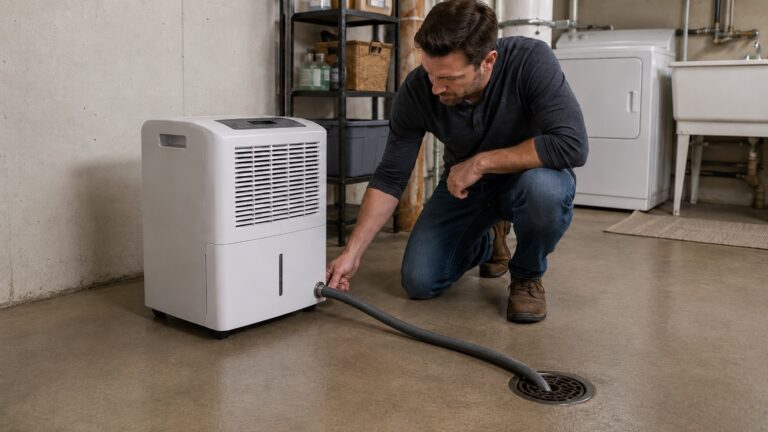
Many encapsulated crawl spaces still require dehumidifiers to maintain stable humidity levels. Encapsulation reduces moisture entry, but humidity control devices help maintain consistent environmental conditions over time.
Maintaining stable humidity is especially important in humid climates or homes with seasonal moisture challenges.
Conclusion: How Crawl Space Encapsulation Supports Better Indoor Air
Crawl space encapsulation improves indoor air quality by reducing moisture, stabilizing humidity, limiting musty odors, and making the crawl space less supportive of mold growth. The biggest improvements usually happen when the crawl space was damp, dirty, mold-prone, or odor-producing before installation.
Encapsulation works best when active leaks, drainage problems, contaminated insulation, existing mold, and duct issues are also addressed. For broader moisture-control planning, review the complete guide to finding, fixing, and preventing moisture problems.
Key Takeaways
- Crawl space air often moves into living areas through natural airflow patterns.
- Encapsulation improves indoor air quality by controlling moisture and reducing contamination sources.
- Lower humidity levels help reduce mold growth, odors, and airborne particles.
- Air quality improvements typically occur gradually over weeks and months.
- Encapsulation works best when active water entry, mold contamination, drainage problems, and duct issues are corrected too.
- Persistent moisture or structural damage may require professional evaluation.