
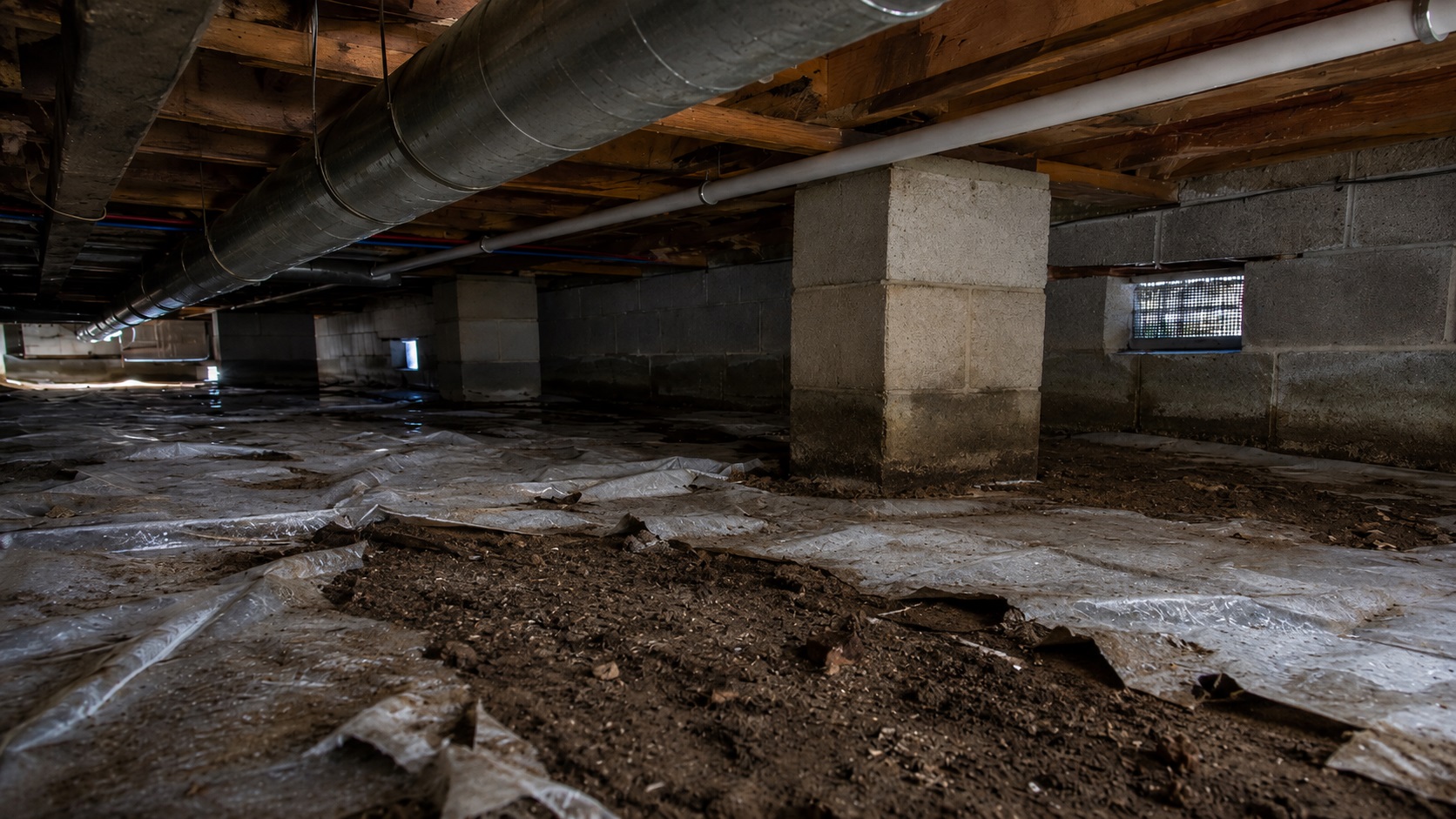
Why Crawl Spaces Develop Moisture Problems
Crawl spaces develop moisture problems because they sit close to damp soil, foundation walls, outdoor air, plumbing lines, and floor framing. Moisture may enter as ground vapor, rainwater seepage, humid outdoor air, condensation, or slow plumbing leakage. In many homes, more than one of these sources is active at the same time.
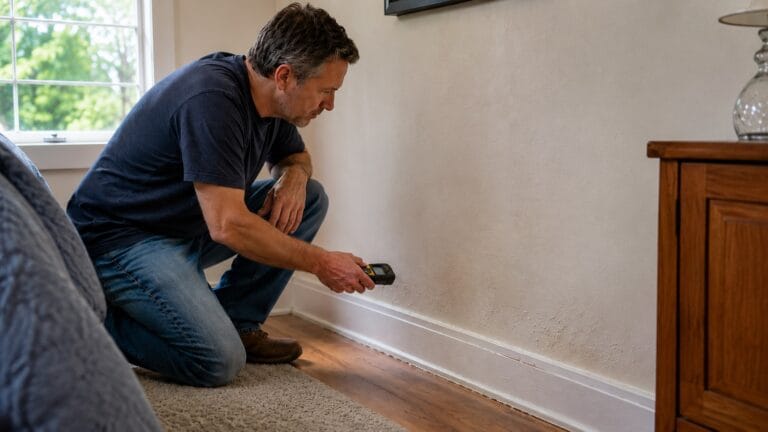
Many homeowners first discover moisture through warning signs such as musty odors, damp insulation, or soft flooring. If you have already noticed these symptoms, reviewing signs of moisture in crawl spaces helps confirm whether moisture is actively present beneath your home.
Even when moisture has already been detected using tools described in how to detect hidden moisture in crawl spaces, understanding the source remains critical. Moisture problems rarely disappear on their own because water continues to enter until the cause is identified.
This guide explains the main causes of crawl space moisture and how to tell whether the problem is coming from the ground, the foundation, outdoor air, plumbing, or seasonal moisture cycles.
Because crawl spaces sit between the ground, foundation walls, plumbing, outdoor air, and floor framing, they often collect moisture from several systems at once. Some of these entry paths are part of the broader structural water-entry patterns explained in how water enters homes through structural gaps.
Ground Moisture Vapor From Soil
The most common and persistent source of crawl space moisture comes from the soil itself. Even dry-looking soil contains water below the surface. Over time, this moisture naturally evaporates upward into the crawl space.
This process occurs continuously and does not require rainfall or flooding. In fact, many crawl spaces develop moisture problems even when there are no visible leaks or standing water.
A missing, torn, thin, displaced, or poorly sealed ground vapor barrier makes this worse because exposed soil can release moisture directly into the crawl space air. Vapor barrier problems do not create the moisture in the soil, but they remove one of the main controls that keeps that moisture from entering the crawl space.
How Soil Moisture Moves Into Crawl Spaces
Moisture movement from soil occurs through evaporation and capillary action. As temperatures rise, water stored in soil gradually turns into vapor. That vapor rises into the crawl space air and increases humidity levels.
Common soil moisture movement patterns include:
- Evaporation from exposed or poorly covered soil
- Moisture passing through thin, torn, or loose ground coverings
- Moisture rising through porous foundation materials or masonry edges
- Groundwater movement during wet seasons
- Humidity buildup beneath floor framing and insulation
Because this process happens slowly and continuously, soil moisture often becomes the background humidity source that supports long-term moisture problems.
Why Soil Moisture Persists Even Without Rain
Many homeowners assume moisture only appears after rainfall, but soil moisture can remain trapped underground long after the surface dries. Water stored in deeper soil layers may continue releasing vapor into crawl spaces for weeks or months.
Factors that increase soil moisture persistence include:
- Poor soil drainage
- High groundwater levels
- Clay-heavy soil types
- Limited airflow beneath the home
When soil moisture remains active, humidity levels inside the crawl space may stay elevated even during dry weather.
Poor Exterior Drainage Around Foundations
Surface drainage problems are one of the most common causes of crawl space moisture. Water flowing toward the home increases soil saturation around the foundation, creating conditions that allow moisture to enter crawl spaces.
Drainage problems often occur gradually as landscaping shifts, gutters clog, or grading changes over time.
Improper Ground Slope Toward the House
Proper grading directs water away from the foundation. When soil slopes toward the house instead of away from it, rainwater collects near the foundation walls and increases moisture pressure against the structure.
Common grading-related moisture causes include:
- Soil settling near foundation walls
- Landscaping that traps water near the structure
- Poorly designed yard drainage
- Low spots forming near crawl space walls
Water accumulating near foundations increases the likelihood of seepage through small openings or porous materials.
Overflowing Gutters and Downspouts
Roof drainage systems play an important role in controlling crawl space moisture. Gutters collect rainwater from the roof and direct it away from the foundation. When gutters clog or overflow, water spills directly near foundation walls.
Common gutter-related moisture causes include:
- Clogged gutter channels
- Damaged or disconnected downspouts
- Short downspout extensions
- Water discharge too close to foundation walls
Repeated gutter overflow, missing extensions, or downspouts that discharge beside the foundation can saturate soil around the crawl space perimeter. The result may be damp soil, higher vapor levels, or water entry through small openings after storms.
Surface Water Accumulation Near Foundations
Surface water accumulation occurs when rainwater cannot drain away efficiently. Standing water near the foundation increases the risk of moisture infiltration and soil saturation.
Common surface water issues include:
- Puddles forming near crawl space walls
- Water collecting in yard depressions
- Poorly functioning drainage systems
- Blocked drainage channels
Surface water problems often lead to recurring moisture conditions that appear after every rainfall event.
Rainwater Intrusion Through Structural Gaps
Rainwater does not always enter crawl spaces through large openings. In many homes, water enters through small structural gaps that allow moisture to seep inside during storms or periods of heavy rain. These openings may be difficult to see but can allow repeated moisture entry over time.
Unlike soil vapor, which increases humidity gradually, rainwater intrusion can introduce liquid moisture directly into crawl spaces. This creates localized wet areas that may eventually spread into surrounding materials.
Foundation Cracks and Masonry Gaps
Foundation materials naturally expand and contract due to temperature changes, soil pressure, and aging. Over time, these forces can create cracks or gaps that allow water to pass through.
Common foundation-related entry points include:
- Hairline cracks in concrete walls
- Expansion joints separating foundation sections
- Gaps forming where soil pressure shifts foundation materials
- Openings around crawl space access points
Water intrusion through foundation cracks often becomes noticeable after heavy rainfall. Even small cracks can allow significant moisture entry when soil around the foundation becomes saturated.
Wall Penetrations and Utility Openings
Utility penetrations create necessary openings in foundation walls to allow plumbing lines, electrical wiring, and ductwork to pass through. If these openings are not sealed properly, they can become pathways for moisture intrusion.
Typical penetration-related moisture sources include:
- Gaps around plumbing lines
- Openings around electrical conduit
- Unsealed duct penetrations
- Deteriorated sealing materials
These openings often allow water to enter during rainfall events, especially when exterior drainage problems increase water pressure against the foundation.
Poorly Sealed Crawl Space Access Doors
Crawl space access doors are another common location where moisture can enter. These doors are frequently exposed to outdoor weather conditions and may deteriorate over time.
Common access-door-related problems include:
- Warped access panels
- Loose or missing weather seals
- Improper installation
- Gaps forming along door edges
Moisture entering through access doors often creates localized dampness near entry points, especially during storms or prolonged rainfall.
Plumbing Leaks and Condensation Sources
Plumbing systems running through crawl spaces are common sources of hidden moisture. Water supply lines, drain pipes, and mechanical components all create opportunities for leaks or condensation to form.
Unlike rainfall-related moisture, plumbing moisture may develop slowly and continuously, making it difficult to detect without careful inspection.
Slow Supply Line Leaks
Small leaks in water supply lines may release only a few drops at a time, but over weeks or months, this moisture can accumulate into significant dampness. Because these leaks often occur behind insulation or in hard-to-see locations, they may remain unnoticed for long periods.
Common signs of supply line moisture include:
- Localized damp wood near plumbing lines
- Mineral deposits forming on pipes
- Repeated wet spots in the same location
- Unexpected increases in moisture readings
Even minor leaks can maintain consistently damp conditions that support mold growth and wood deterioration.
Drain Line Seepage
Drain lines carry wastewater away from the home. Over time, seals and joints within these pipes may deteriorate, allowing small amounts of water to escape into surrounding areas.
Drain-related moisture often develops slowly and may be difficult to detect because wastewater leaks may occur intermittently rather than continuously.
Typical drain-related moisture indicators include:
- Damp areas beneath plumbing fixtures
- Localized odors near pipe runs
- Moisture appearing after heavy household water use
- Gradual spreading of damp zones
Condensation on Cold Water Pipes
Cold water pipes often create condensation when warm, humid air contacts their cooler surfaces. This process forms droplets that can drip onto surrounding materials.
Pipe condensation is especially common during warm weather when humidity levels rise.
Condensation-related moisture typically appears as:
- Water droplets forming on pipe surfaces
- Damp areas beneath plumbing lines
- Rust developing on nearby metal components
- Localized wet insulation
Repeated condensation cycles can create ongoing moisture problems even without plumbing leaks.
Ductwork and Mechanical Condensation
Crawl spaces that contain HVAC ducts, air handlers, or poorly insulated mechanical lines may also develop moisture from condensation. Cold duct surfaces can sweat when humid crawl space air contacts them, especially if duct insulation is damaged, air is leaking from the system, or outdoor humidity is high.
This type of moisture is easy to mistake for a plumbing leak because it often appears as localized wet insulation, damp soil below ducts, rust on metal components, or repeated wet spots near mechanical equipment.
Humidity and Airflow Problems
Humidity plays a major role in crawl space moisture development. Air movement introduces moisture into crawl spaces, especially when outdoor air contains high humidity levels.
Humidity-related moisture problems are often misunderstood because they develop without visible water entry.
Humid Outdoor Air Entering Crawl Spaces
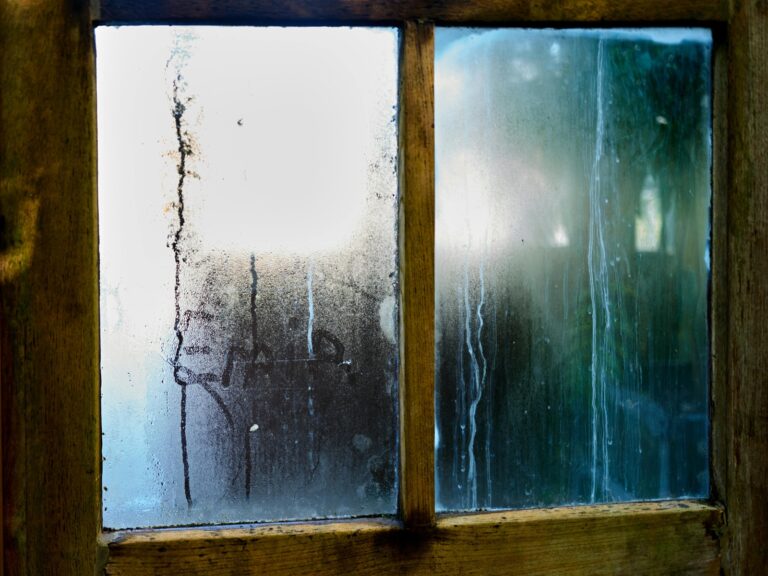
Outdoor air frequently carries moisture into crawl spaces through vents, openings, or structural gaps. When warm, humid air enters cooler crawl spaces, condensation may form on cooler surfaces.
This process is most common during:
- Warm summer weather
- Humid seasonal conditions
- Periods of temperature fluctuation
- Storm-driven airflow changes
Humidity infiltration can significantly increase moisture levels even when there is no visible water entering the crawl space.
Ventilation Limitations and Airflow Restrictions
Poorly controlled airflow can make crawl space moisture worse. Restricted air movement may trap damp air, but open vents can also bring in more moisture during warm, humid weather. The problem is not simply “too little air” or “more ventilation”; it is whether the crawl space is receiving, trapping, or condensing humid air.
Airflow-related moisture causes include:
- Open vents bringing humid outdoor air into a cooler crawl space
- Blocked or uneven airflow that traps damp air in dead zones
- Air leaks between the crawl space and living area
- Obstructed pathways behind insulation, ducts, stored items, or foundation piers
When airflow remains restricted, moisture introduced from any source may remain trapped, allowing damp conditions to persist longer than expected.
These airflow-related moisture conditions are closely connected to recurring moisture cycles described in why moisture problems keep returning, where unresolved moisture sources repeatedly create damp environments.
Seasonal and Environmental Moisture Cycles
Many crawl space moisture problems are strongly influenced by seasonal and environmental changes. Even when no structural defects exist, environmental factors can create conditions that allow moisture to develop repeatedly throughout the year.
These seasonal cycles are often responsible for moisture problems that seem to disappear temporarily and then return later. Understanding these patterns helps explain why crawl space moisture problems often feel unpredictable.
Heavy Rainfall and Soil Saturation
Periods of heavy rainfall increase the amount of water stored in soil surrounding the home. As soil becomes saturated, moisture pressure increases against foundation walls and beneath crawl space floors.
Common rainfall-related moisture patterns include:
- Moisture appearing shortly after storms
- Damp soil persisting for days or weeks
- Water pooling near foundation edges
- Repeated moisture return after rainfall events
Even after rain stops, saturated soil may continue releasing moisture vapor into the crawl space. This delayed release can maintain elevated humidity long after visible water disappears.
Seasonal Temperature Changes
Temperature changes throughout the year affect how moisture behaves inside crawl spaces. When outdoor air temperature rises quickly, moisture levels in the air may increase significantly.
Common seasonal temperature effects include:
- Condensation forming during seasonal transitions
- Moisture developing during warm, humid weather
- Dampness appearing during temperature swings
- Fluctuating humidity levels inside crawl spaces
These temperature-driven moisture cycles often cause recurring condensation patterns that gradually increase moisture exposure over time.
Groundwater Movement and Water Table Changes
In some locations, groundwater levels shift seasonally. Rising groundwater increases moisture levels in surrounding soil, which can raise humidity levels beneath the home.
Groundwater-related moisture problems often develop when:
- Water tables rise during wet seasons
- Soil remains saturated for extended periods
- Drainage systems become overwhelmed
- Low-lying areas collect groundwater
Groundwater movement is particularly important in areas with clay-heavy soil, which holds moisture longer than sandy soils.
Why Crawl Space Moisture Problems Often Return
Crawl space moisture often returns because the original source remains active. Drying the space may remove visible dampness, but soil vapor, drainage failure, humid air, condensation, or small leaks can rebuild moisture again.
If the main problem is repeated moisture return after cleanup, the broader recurrence pattern is covered in why moisture problems keep returning.
Multiple Moisture Sources Working Together
Crawl space moisture problems rarely come from a single source. Instead, multiple causes often combine to create persistent damp conditions.
For example, a crawl space may experience:
- Ground moisture vapor from soil
- Minor plumbing condensation
- Seasonal rainfall saturation
- Restricted airflow conditions
Each individual source may appear minor, but together they create conditions that maintain continuous moisture exposure.
Material Moisture Storage Effects
Many crawl space materials absorb and store moisture internally. Wood, insulation, and soil can hold moisture for extended periods before releasing it slowly back into the air.
Moisture storage effects create problems such as:
- Delayed drying after wet conditions
- Recurring humidity increases
- Repeated condensation formation
- Gradual material deterioration
These storage effects help explain why moisture problems can continue even after external conditions improve.
When Crawl Space Moisture Sources Need Professional Attention
Crawl space moisture needs professional attention when it remains active long enough to damage framing, insulation, indoor air quality, or foundation-adjacent materials. The concern is not only how much water is visible today, but how often the area gets wet and how long materials stay damp.
Do not enter a crawl space with standing water near electrical wiring, sewage contamination, strong chemical odors, visible structural sagging, or heavy mold growth. Those conditions need professional evaluation before a homeowner inspection continues.
Persistent Soil Saturation
Soil that remains saturated for extended periods creates constant humidity pressure inside crawl spaces. Continuous moisture exposure weakens materials and increases the likelihood of mold development.
Persistent soil moisture warning signs include:
- Soil remaining damp for weeks
- Recurring moisture after minor rainfall
- Difficulty drying crawl space surfaces
- Consistently elevated humidity levels
Long-Term Humidity Exposure
Humidity alone can cause significant moisture damage when exposure continues over long periods. Elevated humidity increases the risk of condensation and material saturation.
Long-term humidity problems often lead to:
- Mold development on structural surfaces
- Wood expansion and distortion
- Insulation performance loss
- Gradual material weakening
This is why a crawl space can develop damage even when there is no standing water on the ground.
Repeated Water Intrusion Events
Repeated water intrusion is one of the most serious crawl space moisture risks. Even small water entry events can create long-term problems when they occur frequently.
Recurring intrusion patterns may include:
- Water entering after storms
- Seasonal flooding events
- Moisture appearing in predictable locations
- Repeated wetting and drying cycles
Repeated intrusion events significantly increase the likelihood of long-term structural damage and mold growth.
Frequently Asked Questions About Crawl Space Moisture Causes
What is the most common cause of crawl space moisture?
The most common cause of crawl space moisture is ground moisture vapor rising from the soil. Even when soil appears dry, moisture stored underground slowly evaporates into the crawl space. Without proper control measures, this constant vapor release can maintain elevated humidity levels year-round.
Additional contributing factors often include poor drainage, high humidity levels, and structural openings that allow water to enter.
Can humidity alone cause crawl space moisture problems?
Yes, high humidity alone can create crawl space moisture problems. When humid air enters a crawl space and contacts cooler surfaces, condensation forms. Over time, repeated condensation can dampen insulation, wood framing, and other materials.
Humidity-driven moisture problems are especially common during warm, humid seasons when outdoor air contains large amounts of water vapor.
Why does my crawl space stay damp even when it has not rained?
A crawl space can stay damp without recent rain because soil moisture, humid outdoor air, condensation, groundwater movement, or small plumbing leaks may still be active. Exposed soil can keep releasing vapor after the surface looks dry, and humid air can condense on cooler framing, pipes, ducts, or insulation.
If dampness appears only after storms, drainage or foundation seepage is more likely. If it remains during dry weather, ground vapor, humidity, condensation, or plumbing should be checked.
Why does crawl space moisture keep returning?
Crawl space moisture usually returns because the underlying source has not been corrected. Temporary drying removes visible moisture but does not stop new moisture from entering.
Recurring moisture commonly occurs when:
-Drainage problems remain unresolved
-Humidity levels stay elevated
-Structural gaps allow water entry
-Soil moisture continues releasing vapor
Understanding the specific cause of moisture is essential before prevention strategies can be applied effectively.
Can poor drainage cause moisture even without visible leaks?
Yes, poor drainage can create moisture problems without obvious leaks. When water collects around the foundation, it increases soil moisture levels. This elevated moisture pressure allows vapor and water to enter crawl spaces gradually.
Drainage-related moisture often develops slowly but becomes persistent if left uncorrected.
Conclusion
Crawl space moisture usually develops from one or more active sources: exposed soil vapor, poor exterior drainage, foundation openings, plumbing leaks, condensation, humid outdoor air, or seasonal groundwater changes. The visible dampness is only the symptom; the source is what determines whether the problem keeps returning.
After identifying the likely cause, use how to prevent moisture build-up in crawl spaces for long-term control strategies, or use how to inspect crawl spaces for moisture damage if the source is still unclear.
One Comment
Comments are closed.