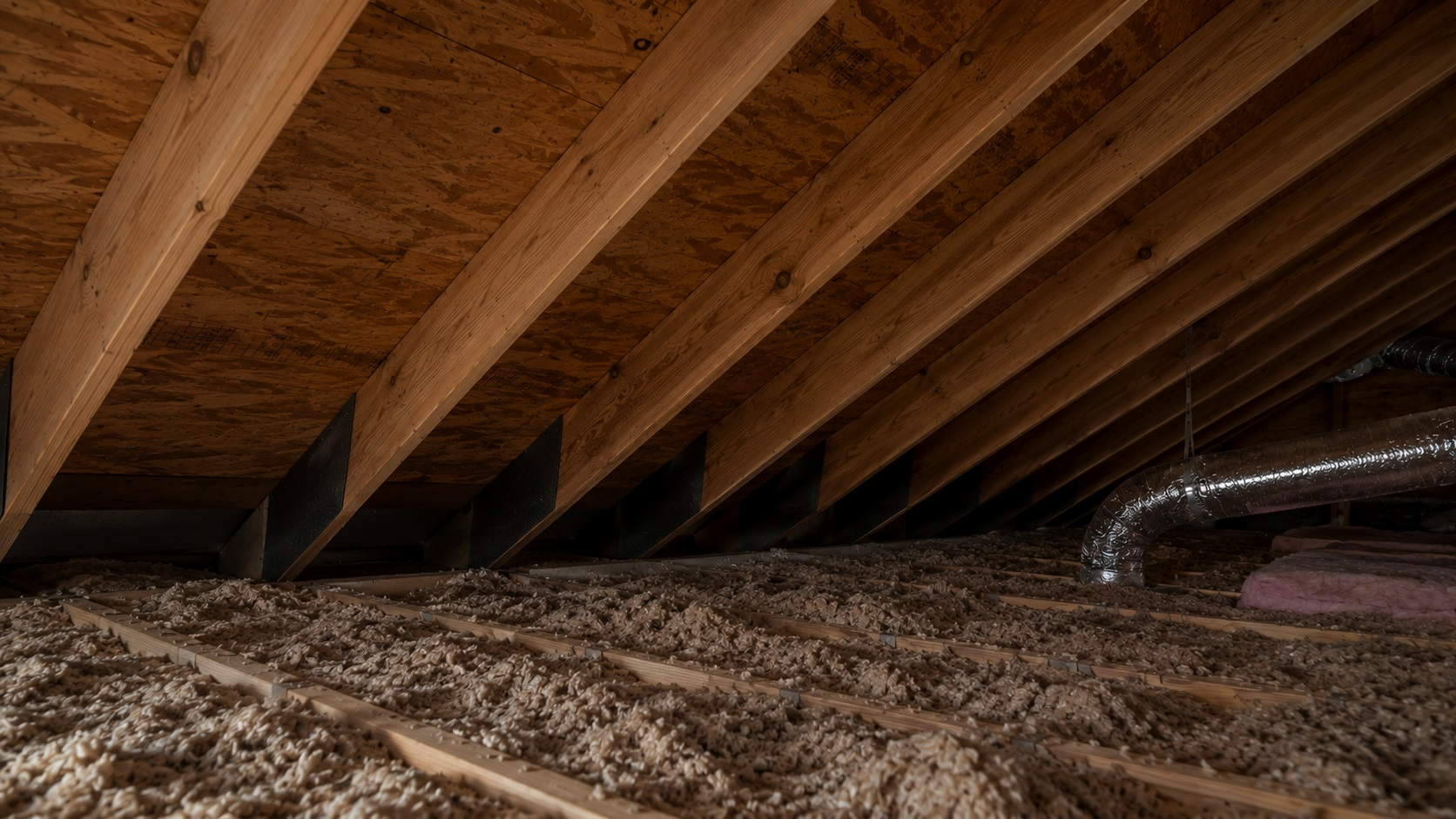
How to Prevent Structural Moisture in Roof Systems
Structural moisture in roof systems usually starts with repeated small problems: minor roof leaks, warm indoor air escaping into the attic, blocked ventilation, or high indoor humidity. If those conditions persist, roof rafters, decking, fasteners, and insulation can stay damp long enough for wood deterioration and mold growth to begin.
If you already see staining, damp rafters, softened wood, or visible mold, this is no longer only a prevention issue. Start with Signs of Moisture Damage in Roof Rafters before relying on routine prevention alone.
This article focuses specifically on roof framing, decking, attic airflow, and roof-related moisture sources. For the broader roofing failure patterns that often allow moisture into structural roof systems, see Most Common Roofing Material Failures.
Prevention works best when roof maintenance, attic air sealing, balanced ventilation, humidity control, and drainage are handled together instead of treated as separate problems.
What to Check First to Prevent Roof Structural Moisture
The best prevention strategy is to check the highest-risk moisture paths first. Start with active water entry, then attic air leakage, then ventilation, then indoor humidity. This order helps avoid wasting time improving airflow while a roof leak or major ceiling air leak is still feeding moisture into the structure.
- First: Look for roof leaks around flashing, valleys, penetrations, and roof edges.
- Second: Check attic air leaks around ceiling penetrations, attic hatches, ducts, chases, and top plates.
- Third: Confirm that soffit, ridge, roof, or gable vents are not blocked or fighting each other.
- Fourth: Monitor indoor humidity and reduce moisture sources inside the home.
Why Preventing Roof Structural Moisture Matters
Roof moisture is serious because it affects load-bearing wood, roof decking, insulation, fasteners, and attic drying conditions. Preventing damp structural materials is usually far easier than repairing weakened framing after moisture has persisted.
Moisture Weakens Structural Wood Over Time
Roof rafters and decking are designed to carry weight and resist environmental stress. When wood remains damp for extended periods, its strength gradually decreases. This weakening may not be visible immediately, but repeated moisture exposure reduces the structural reliability of the roof system.
Moisture-related weakening can lead to:
- Reduced load-bearing capacity
- Increased risk of cracking and splitting
- Structural sagging in severe cases
- Faster deterioration of fasteners and connectors
- Higher long-term repair costs
These conditions often develop slowly, which is why prevention remains one of the most effective ways to protect roof framing.
Mold Growth Becomes More Likely When Moisture Persists
Persistent structural moisture also raises the risk of mold on rafters, sheathing, and other roof framing surfaces. For a fuller explanation of why damp roof framing supports mold growth, see Why Roof Framing Develops Mold Problems.
Moisture Damage Often Starts in Small Areas
Many structural moisture problems begin in localized sections of the roof system. Small leaks, blocked airflow, or humidity accumulation may affect only a few rafters at first.
Typical starting points include:
- Roof penetrations such as vents or chimneys
- Roof valleys where water collects
- Areas with limited ventilation airflow
- Sections of insulation that trap moisture
- Locations exposed to repeated condensation
Preventive maintenance in these areas significantly reduces the likelihood of widespread moisture damage.
Identifying high-risk areas early often requires understanding the detection methods described in How to Detect Moisture in Roof Framing, especially when moisture has previously been suspected.
A small amount of temporary dampness after unusual weather is different from recurring moisture stains, musty odor, darkened sheathing, or wood that stays damp across multiple inspections. Prevention should focus on repeated patterns, not one isolated observation.
Prevent Roof Leaks Before They Reach the Framing
Stopping moisture from entering roof framing is the most reliable prevention strategy. Once moisture reaches structural components, controlling damage becomes more difficult. Preventive measures focus on sealing entry points and maintaining materials that protect the roof system.
Rather than relying on a single solution, effective moisture prevention combines multiple protective strategies working together.
Maintain Roof Components Before Problems Develop
Roof materials experience constant exposure to weather conditions. Over time, wear and aging reduce their ability to resist water entry. Regular maintenance prevents minor defects from becoming major moisture sources.
Routine maintenance should include:
- Check flashing at chimneys, plumbing vents, skylights, sidewalls, and roof-to-wall transitions
- Look for missing, cracked, lifted, or poorly sealed shingles
- Keep valleys clear so water does not slow down or back up under roofing edges
- Repair loose flashing, failed pipe boots, and exposed fasteners before water reaches the deck
- Replace failed sealant where sealant is part of the roof detail, but do not smear caulk over a flashing failure, cracked boot, or poorly integrated roof penetration
Do not walk on steep, wet, icy, damaged, or fragile roofing. If the roof surface is unsafe to access, inspect from the ground, attic, or a ladder at the eave, or hire a qualified roofing professional.
These maintenance steps help keep small roofing defects from becoming structural moisture problems.
Many of the structural failure points responsible for moisture entry are described in Most Common Roofing Material Failures, which highlights areas that require regular monitoring.
Protect High-Risk Areas Where Water Collects
Some sections of the roof system experience heavier water exposure than others. These high-risk areas require additional attention because they are more likely to develop leaks.
Common high-risk locations include:
- Roof valleys
- Chimney flashing areas
- Skylight frames
- Roof transitions between slopes
- Low-slope drainage sections
- Penetrations where pipes, vents, or ducts pass through roofing
These locations frequently develop small failures that allow water entry. Preventive inspection of these areas helps reduce the likelihood of hidden water entry before moisture reaches structural framing.
Keep Roof Drainage Systems Working Properly
Water that cannot drain properly increases the likelihood of moisture entering structural components. Maintaining drainage systems ensures that water flows safely away from vulnerable roof areas.
Drainage maintenance includes:
- Cleaning gutters regularly
- Removing leaves and debris from gutters and valleys
- Checking downspouts for blockages
- Ensuring water flows away from the structure
- Preventing water pooling near roof edges
- Watching for ice buildup during winter in cold climates
Blocked drainage systems increase the risk of water backup, which can force moisture into vulnerable roof areas.
How Air Sealing Prevents Structural Moisture
Air sealing helps prevent roof structural moisture by limiting how much warm, humid indoor air escapes into the attic. When that air reaches cold roof decking or rafters, the water vapor can condense and keep structural materials damp.
Why Air Leakage Causes Moisture Problems
Warm air naturally rises inside a home. When this air escapes through gaps in ceilings or walls, it carries moisture upward into attic spaces. Once there, the moisture condenses on colder surfaces such as roof decking and rafters.
This process happens continuously when leakage pathways remain open. Even small openings can allow large volumes of humid air to pass into attic spaces over time.
Air leakage moisture patterns frequently lead to mold growth conditions described in Why Roof Framing Develops Mold Problems, particularly when condensation occurs repeatedly during cold weather.
Common Areas That Require Air Sealing
Air leakage occurs through predictable openings throughout the ceiling structure. These areas should be inspected carefully and sealed when necessary.
Common air leakage points include:
- Gaps around ceiling light boxes and recessed fixtures
- Plumbing, wiring, and duct penetrations through the ceiling plane
- Unsealed attic hatches or pull-down stair openings
- Open chases around chimneys, flues, or mechanical runs
- Top plates and partition wall gaps hidden under insulation
Use fire-rated materials where required around chimneys, flues, and heat-producing fixtures, and avoid covering non-rated recessed lights with insulation or sealant.
Sealing these openings helps prevent humid air from entering the attic and reduces condensation risk.
How Proper Ventilation Reduces Moisture Risk
Ventilation is the next defense after air sealing. Balanced intake and exhaust airflow helps remove moisture that still reaches the attic and supports drying at the underside of the roof deck.
How Balanced Ventilation Works
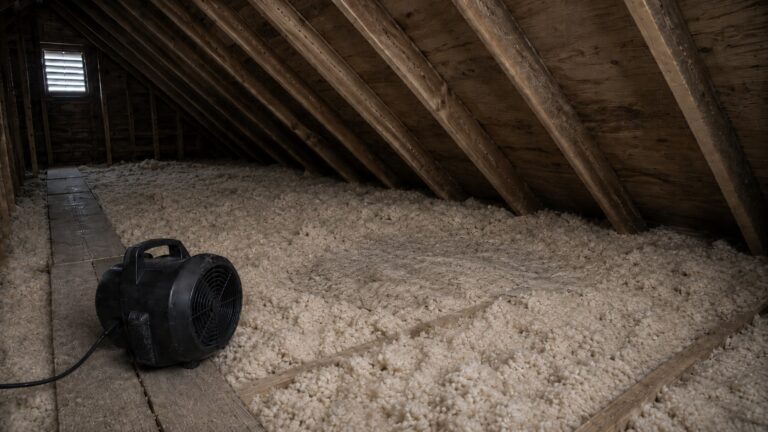
Most residential roof systems rely on a combination of intake and exhaust ventilation. Intake vents allow air to enter at the lower edges of the roof, while exhaust vents release warm, moist air near the ridge.
This airflow cycle creates a continuous movement of air that removes humidity from attic spaces.
Common ventilation layouts use intake vents near the eaves and exhaust vents near the upper roof. The exact design may include soffit vents, ridge vents, roof vents, or gable vents, but the important point is that intake and exhaust should work together instead of fighting each other.
When airflow pathways remain unobstructed, ventilation significantly reduces moisture buildup.
Common Ventilation Problems That Increase Moisture Risk
Ventilation failures often occur due to installation errors or maintenance neglect. These problems restrict airflow and prevent moisture from escaping.
Common ventilation issues include:
- Insulation blocking soffit vents
- Missing intake or exhaust vents
- Improper vent spacing
- Damaged or blocked ventilation openings
- Uneven airflow distribution
Restricted airflow increases humidity levels and slows drying, allowing moisture to remain inside roof framing longer than expected.
Signs of ventilation failure often resemble moisture patterns described in Signs of Poor Attic Ventilation, which helps identify airflow-related moisture conditions.
Why Ventilation Must Work Together With Air Sealing
Air sealing and ventilation are most effective when used together. Air sealing reduces moisture entry, while ventilation removes moisture that remains.
If ventilation is improved without addressing air leakage, moisture may still enter the attic faster than it can be removed. Likewise, sealing air leaks without providing ventilation may trap moisture already present.
Combining both systems creates balanced moisture control that supports long-term structural protection.
Managing Indoor Humidity to Protect Roof Structure
Indoor humidity plays a major role in structural moisture problems inside roof systems. Even when roofs are properly sealed and ventilated, excessive indoor humidity can overwhelm attic airflow and lead to condensation inside framing materials.
Controlling indoor humidity reduces the amount of moisture that enters attic spaces and lowers the likelihood of condensation forming on roof surfaces.
How Indoor Humidity Affects Roof Framing
Warm indoor air naturally rises toward the ceiling. When this air contains excess moisture, it increases the probability that condensation will form on colder roof components.
This process becomes more likely when:
- Indoor humidity levels remain consistently high
- Cold weather lowers roof surface temperatures
- Air leakage pathways allow moisture to escape into the attic
- Ventilation airflow is insufficient to remove humid air
Over time, repeated exposure to humid air increases the risk of moisture buildup inside roof framing. These moisture patterns often lead to conditions described in Why Roof Framing Develops Mold Problems, particularly when humidity levels remain uncontrolled.
Common Household Activities That Increase Humidity
Many everyday household activities produce moisture that contributes to attic humidity levels. Without proper ventilation or humidity control, this moisture can accumulate and migrate upward into roof spaces.
Typical indoor moisture sources include:
- Hot showers and baths
- Cooking without exhaust ventilation
- Clothes drying indoors
- Dishwasher operation
- Humidifier use during cold weather
- Large household occupancy levels
Bathroom fans, kitchen range hoods, and dryer vents should exhaust outdoors, not into the attic. Venting moist air into an attic can create structural moisture even when the roof covering itself is not leaking.
When multiple humidity sources operate simultaneously, moisture levels can rise quickly, increasing condensation risk.
Maintaining Safe Indoor Humidity Levels
Maintaining proper humidity levels helps prevent moisture from reaching damaging levels inside roof systems.
Recommended indoor humidity ranges include:
- 30% to 50% relative humidity — Ideal operating range
- Above 60% relative humidity — Increased mold and moisture risk
- Below 30% relative humidity — May create dryness issues but reduces mold risk
Monitoring humidity with a hygrometer helps identify moisture trends before they contribute to attic condensation. For measurement methods and placement guidance, see How to Test Indoor Humidity Levels.
Common Prevention Mistakes That Still Let Roof Framing Get Wet
Some roof moisture problems continue because the visible symptom is treated while the actual moisture path remains open. Avoid these common prevention mistakes:
- Adding more roof vents without sealing attic air leaks first
- Using caulk to cover flashing defects instead of correcting the flashing detail
- Adding insulation while leaving soffit intake vents blocked
- Ignoring bathroom fans, dryer vents, or kitchen exhaust that discharge into attic spaces
- Assuming dry-looking wood is safe without checking whether moisture returns during the next cold or rainy period
Maintenance Habits That Reduce Moisture Risk
Long-term prevention depends on checking the roof and attic before small moisture paths become structural problems. Seasonal maintenance helps catch leaks, blocked vents, damaged materials, and insulation problems early.
Perform Seasonal Roof and Attic Checks
Seasonal inspections help detect moisture risks before they become severe. These checks do not require advanced tools but should be performed carefully and consistently.
Recommended inspection timing includes:
- Early spring after winter weather
- Late summer before seasonal temperature changes
- After major storms or heavy rainfall
- Following roof repair work
During inspections, look for:
- Signs of staining or damp wood
- Blocked ventilation openings
- Debris accumulation in roof valleys
- Loose or damaged flashing
- Changes in insulation condition
These observations help detect early moisture indicators before they expand into structural damage.
Keep Ventilation Pathways Clear
Ventilation systems function only when airflow remains unobstructed. Over time, insulation movement or debris buildup can block airflow and reduce moisture removal.
Maintain airflow by:
- Checking soffit vents for insulation blockage
- Ensuring ridge vents remain open
- Removing debris from vent openings
- Monitoring airflow patterns during seasonal changes
Blocked ventilation pathways often lead to moisture accumulation similar to patterns explained in Signs of Roof Condensation in Attics, especially during cold weather.
Replace Damaged Materials Promptly
Damaged materials create entry points for moisture. Replacing compromised components early prevents further deterioration and protects surrounding structures.
Materials that should be replaced promptly include:
- Cracked or missing shingles
- Loose flashing components
- Damaged vent covers
- Wet or deteriorated insulation
- Warped or weakened wood surfaces
Ignoring damaged materials increases the likelihood of long-term moisture exposure.
When Prevention Needs Professional Evaluation
Routine prevention is not enough when dampness keeps returning, wood looks softened or distorted, mold spreads across framing, or roof movement becomes visible. At that point, the issue may involve hidden leaks, trapped condensation, damaged decking, or structural deterioration.
Professional evaluation may be necessary when:
- Moisture problems continue to appear repeatedly
- Multiple areas show signs of deterioration
- Mold growth spreads across framing
- Structural movement becomes visible
- Previous repairs fail to resolve moisture issues
For a fuller inspection process, see How to Inspect Roof Framing for Moisture Damage. If the problem keeps returning after repairs, the next step is a deeper repair-readiness evaluation rather than more routine maintenance.
Frequently Asked Questions
What is the most effective way to prevent structural roof moisture?
The strongest prevention approach is to stop both water leaks and humid air movement. That means maintaining flashing and roofing details, sealing attic air leaks, keeping ventilation pathways open, and controlling indoor humidity.
Can ventilation alone prevent structural moisture in a roof system?
No. Ventilation helps remove moisture, but it cannot fully overcome active roof leaks, major air leaks from the living space, blocked intake vents, or consistently high indoor humidity.
Can too much attic insulation cause roof moisture problems?
Insulation itself is not the problem, but insulation pushed tightly into soffit areas can block intake airflow. Baffles may be needed to keep the air channel open. Gaps around insulation can also allow warm indoor air to bypass the ceiling plane and reach cold roof surfaces.
How often should roof systems be inspected?
Most homes benefit from roof and attic checks twice per year, along with additional checks after major storms, heavy rain, ice buildup, roof repairs, or new attic insulation work.
What humidity level helps prevent mold growth?
Maintaining indoor humidity between 30% and 50% helps reduce mold risk and limits moisture movement into attic spaces.
What if roof moisture keeps coming back after prevention steps?
Recurring moisture usually means one source has not been corrected. Common missed causes include hidden flashing leaks, blocked intake vents, attic air leaks under insulation, bathroom fans venting into the attic, or indoor humidity that stays too high during cold weather.
Key Takeaways
- Preventing moisture entry is easier and less costly than repairing structural damage.
- Air sealing and ventilation work together to reduce moisture accumulation.
- Indoor humidity control plays a major role in preventing condensation.
- Routine maintenance reduces the likelihood of hidden leaks.
- Seasonal inspections help identify moisture risks early.
- Professional evaluation is recommended when moisture problems persist.
Conclusion
Preventing structural moisture in roof systems depends on controlling the main moisture paths before they damage framing: roof leaks, indoor air leakage, blocked ventilation, poor drainage, and high humidity. Seasonal checks, prompt roofing repairs, clear ventilation paths, and humidity monitoring give homeowners the best chance of stopping moisture before it weakens roof materials.
If stains, damp rafters, mold, or recurring condensation are already present, prevention alone may not be enough. Use How to Detect Moisture in Roof Framing to evaluate whether moisture is already affecting the roof structure.