
Signs of Mold Behind Dishwashers
Mold behind a dishwasher is easy to miss because the appliance hides the area where moisture problems usually begin. A small supply line drip, loose drain hose, door seal leak, or trapped dampness under the appliance can create a hidden mold problem long before the homeowner sees obvious damage.
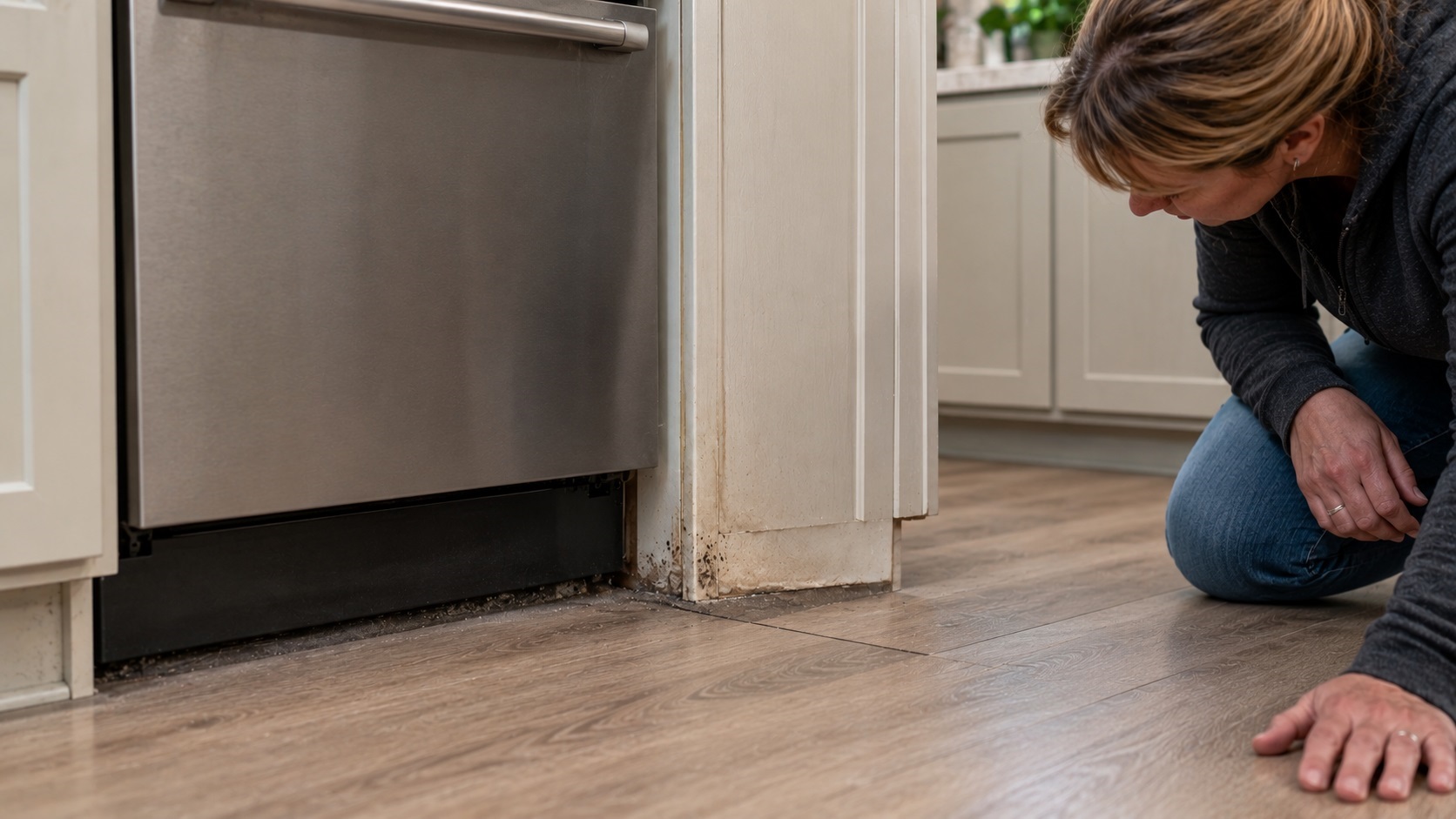
The first signs are often subtle. You may notice a musty smell near the dishwasher, dark spots along the cabinet edge, soft flooring in front of the appliance, swelling near the toe-kick, or stains that keep returning after cleaning. These clues matter because mold behind a dishwasher usually means moisture has been present long enough to affect nearby materials.
This article focuses only on the warning signs of mold behind dishwashers. If you need to confirm whether the appliance is actively leaking, see how to detect hidden dishwasher leaks. If water has already reached the floor, see how to dry flooring after dishwasher leaks.
Why Mold Can Grow Behind Dishwashers
Dishwashers create a high-risk mold environment because they combine water, warmth, enclosed space, and limited airflow. Even when the appliance appears to work normally, moisture can collect behind or beneath it if a connection is loose, a hose is aging, or water is escaping during certain parts of the wash cycle.
The area behind a dishwasher is usually surrounded by cabinets, flooring, drywall, and sometimes unfinished wood or particleboard. These materials can absorb moisture and hold it in place. Once dampness remains trapped, mold can begin growing on dust, paper backing, wood fibers, adhesive residue, or cabinet materials.
The risk is higher when the dishwasher is tightly installed between cabinets. Air does not move freely behind the appliance, so small amounts of moisture may dry slowly. A leak that would be obvious in an open area can stay hidden for weeks behind a dishwasher.
This is why mold behind a dishwasher is usually not just a cleaning problem. It is often a sign of a hidden appliance leak or moisture source that needs to be found and corrected. For the broader plumbing-damage context, see how plumbing leaks cause structural damage.
Early Signs of Mold Behind a Dishwasher
The earliest signs of mold behind a dishwasher are usually indirect. You may not see mold at first, but nearby materials begin showing that moisture has been present.
- A musty smell near the dishwasher or lower cabinets
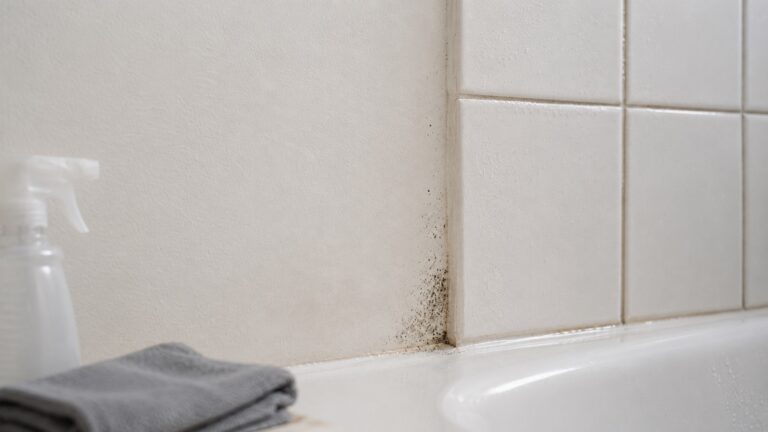
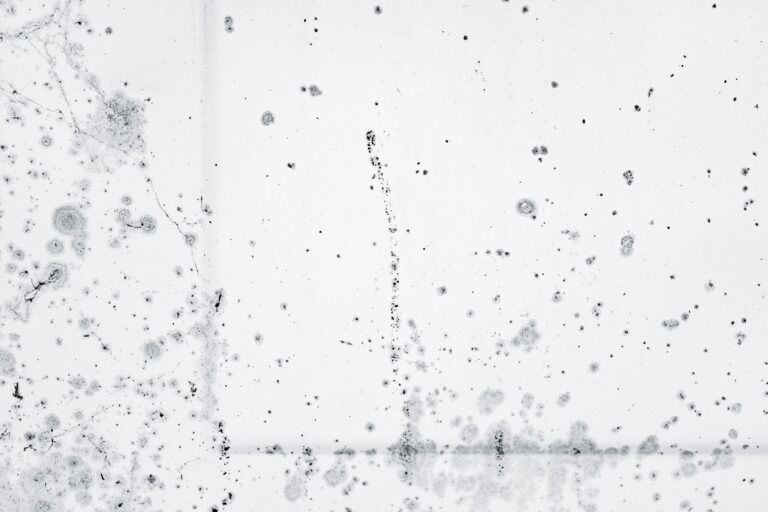
- Dark specks along the cabinet side next to the appliance
- Discoloration near the floor line
- Swelling or bubbling on toe-kick panels
- Soft flooring in front of the dishwasher
- Recurring stains after cleaning
- Odor that becomes stronger after the dishwasher runs
These symptoms are especially important when they are localized around the dishwasher. General kitchen humidity can cause minor condensation in some homes, but mold signs concentrated near one appliance usually point to a local moisture problem.
If you also see water, damp flooring, or staining under the front edge of the appliance, compare those symptoms with this guide on signs of water leaks under dishwashers. Leak symptoms and mold symptoms often overlap, but they are not the same problem stage.
Odor Clues That Point to Hidden Mold Behind a Dishwasher
A persistent musty smell near the dishwasher is one of the most reliable early warning signs of mold behind the appliance. In many cases, odor appears before visible mold becomes obvious. This happens because mold releases gases as it grows, especially in enclosed areas where moisture remains trapped.
Odor-related symptoms are often dismissed as normal kitchen smells, but mold odors behave differently from typical food or drain odors. They tend to linger, return quickly after cleaning, and become stronger when moisture or heat increases.
Common Odor Patterns That Suggest Hidden Mold
- A musty smell that becomes noticeable when standing near the dishwasher
- Odor that worsens after the dishwasher completes a cycle
- A damp or earthy smell that returns after wiping surfaces
- Stronger odor during humid weather
- Smell concentrated near the floor level rather than countertops
If the smell becomes stronger after dishwasher use, this often suggests moisture movement during cycles. Small leaks or moisture buildup may only occur during certain wash phases, making them harder to detect.
When odor appears but no mold is visible, it does not mean the problem is harmless. Mold often grows behind insulation, cabinet panels, or flooring edges where it cannot be seen without moving the appliance. If odor persists but visible mold is absent, the next logical step is identifying whether moisture is still present, which is covered in this guide on detecting hidden dishwasher leaks.
Visual Warning Signs Around the Dishwasher Opening
Visual signs around the dishwasher opening provide important clues that mold may be developing behind the appliance. These signs often appear where moisture escapes from hidden areas and reaches exposed surfaces.
Homeowners frequently notice these changes along the cabinet sides, floor seams, or toe-kick panels before realizing mold may be spreading behind the unit.
Cabinet Edge and Panel Changes
Cabinet materials near the dishwasher are highly vulnerable to moisture damage. Many kitchen cabinets are built from particleboard or medium-density fiberboard (MDF), which absorb water quickly and swell internally.
Common cabinet-related mold warning signs include:
- Dark specks forming along cabinet seams
- Cabinet side panels that feel rough or swollen
- Bubbling or peeling laminate finishes
- Discoloration along vertical cabinet edges
- Warped toe-kick boards beneath the dishwasher
These changes rarely occur without moisture exposure. When cabinet swelling appears near the dishwasher, mold risk increases significantly because the material may remain damp internally even if the surface appears dry.
Floor-Level Visual Changes
Floor seams near the dishwasher opening are another key inspection point. Moisture escaping from behind the appliance often moves forward and spreads along the lowest surfaces first.
Typical floor-level warning signs include:
- Dark staining along the floor seam
- Raised edges in laminate flooring
- Vinyl flooring lifting at the front edge
- Discoloration along tile grout lines
- Powdery residue along floor-wall joints
If flooring materials begin changing shape or color, moisture exposure has likely persisted long enough to support mold growth behind or beneath the dishwasher.
When these signs appear alongside water damage symptoms, homeowners should compare them with the symptoms described in signs of water leaks under dishwashers to determine whether an active leak is contributing to the mold risk.
Flooring and Cabinet Symptoms That Strongly Suggest Mold
Some structural changes strongly indicate that moisture has remained present long enough for mold growth to occur. These symptoms usually appear after repeated wetting cycles or long-term dampness behind the dishwasher.
Unlike surface mold spots, these symptoms suggest deeper moisture problems affecting structural materials.
Soft or Spongy Flooring Near the Dishwasher
Soft flooring near the front of the dishwasher is a serious warning sign. This condition usually develops when water repeatedly seeps under flooring layers and weakens the subfloor material beneath.
Common signs of soft flooring include:
- Floor feels flexible when stepped on
- Noticeable indentation under weight
- Raised seams in laminate flooring
- Cupping in hardwood flooring
- Loose tile edges near the appliance
When flooring softens, mold may already be growing beneath the surface. Moisture trapped under flooring dries slowly, creating a long-term mold environment that spreads beyond the dishwasher cavity.
Persistent Cabinet Swelling or Separation
Cabinet swelling is another strong indicator that moisture has persisted behind the dishwasher. Particleboard and MDF cabinets absorb water internally, and once swelling begins, the material rarely returns to its original shape.
Signs of cabinet damage associated with mold risk include:
- Cabinet base edges becoming uneven
- Toe-kick panels separating from cabinet bases
- Visible cracking or bulging near floor joints
- Loose trim pieces near the dishwasher
- Cabinet doors becoming misaligned
When cabinets swell, mold risk increases because the damaged material holds moisture internally. Even after surface drying, moisture may remain trapped deep inside the material.
If flooring or cabinets have already been exposed to water, drying becomes critical. The guide on drying flooring after dishwasher leaks explains how moisture spreads beneath finished surfaces and why thorough drying is necessary to prevent recurring mold.
When Mold Behind a Dishwasher Means There May Be an Active Leak
Mold behind a dishwasher usually develops because moisture remains present for long periods. In many cases, mold growth is not just a leftover problem from past water exposure—it may indicate that moisture is still entering the area during each dishwasher cycle.
If moisture continues entering the area, cleaning visible mold alone will not solve the problem because the source remains active.
Signs Mold May Be Linked to an Active Leak
These symptoms strongly suggest that mold behind the dishwasher is connected to ongoing moisture rather than past damage:
- Mold spots continue spreading over time
- Musty odor becomes stronger after dishwasher use
- New discoloration appears even after cleaning
- Cabinet swelling continues to worsen
- Flooring remains damp or cool to the touch
- Water staining increases near the appliance opening
If these signs are present, the mold problem may be connected to a leak or moisture source that has not yet been corrected. In this situation, identifying the moisture source becomes the priority before focusing on mold removal.
If you suspect ongoing moisture but are unsure how to confirm it, the step-by-step methods in how to detect hidden dishwasher leaks explain how to safely identify hidden water sources without unnecessary damage.
What Surface Mold Near a Dishwasher Can and Cannot Tell You
Visible mold near the dishwasher opening can lead homeowners to make incorrect assumptions about the cause. Understanding what surface mold does—and does not—tell you helps prevent wasted time and incomplete repairs.
Surface Mold Is Often a Warning, Not the Full Problem
Many homeowners assume that wiping visible mold removes the issue. While cleaning may temporarily improve appearance, mold near a dishwasher is often only the visible portion of a larger hidden problem.
Surface mold may represent:
- Moisture trapped behind the appliance
- Damp cabinet materials hidden from view
- Wet subfloor areas beneath finished flooring
- Repeated condensation from leaking connections
If mold returns after cleaning, it usually indicates moisture is still present. Cleaning alone does not stop mold growth when materials remain damp.
Not All Mold Near a Dishwasher Comes From Spills
Another common misunderstanding is assuming mold comes from occasional kitchen spills. While spills can cause minor surface mold, recurring mold near a dishwasher typically results from hidden moisture sources.
Examples of moisture sources that homeowners may overlook include:
- Slow drips from water supply fittings
- Drain hose leaks that occur only during discharge cycles
- Door seal leakage during high-pressure wash phases
- Water backing up due to partial drain blockage
If mold symptoms appear alongside damp flooring or water stains, reviewing the symptoms listed in signs of water leaks under dishwashers can help determine whether leakage is contributing to the problem.
When to Pull the Dishwasher Out to Check for Mold
Dishwashers are rarely moved during routine cleaning, which allows moisture problems to remain hidden. In some cases, pulling the dishwasher out slightly can reveal mold growth that would otherwise go unnoticed.
However, moving a dishwasher should only be done when clear warning signs justify the effort. Unnecessary movement can damage connections or worsen leaks.
Situations That Justify Inspecting Behind the Dishwasher
- Persistent musty odor near the appliance
- Visible mold appearing along cabinet edges
- Repeated swelling of nearby materials
- Floor softening near the dishwasher
- Recurring stains that do not stay clean
- Evidence of prior leaks or water damage
If multiple warning signs are present, checking behind the dishwasher becomes a logical step. In many homes, mold becomes visible only after the appliance is moved, revealing damp insulation, stained subfloors, or mold-covered surfaces.
A flashlight, phone camera, and careful look along the floor line can sometimes reveal staining, swelling, or dark growth without fully removing the appliance.
Before moving the appliance, shut off power to the dishwasher and turn off the water supply if you can do so safely. Avoid pulling on supply lines, drain hoses, or electrical connections. If the dishwasher is hardwired, tightly installed, or difficult to move without straining connections, professional inspection is the safer option.
When to Call a Professional Instead of Investigating Alone
Some mold situations behind dishwashers are too advanced for simple homeowner investigation. Recognizing when professional help is necessary prevents further damage and reduces health risks.
Professional assistance may be necessary when:
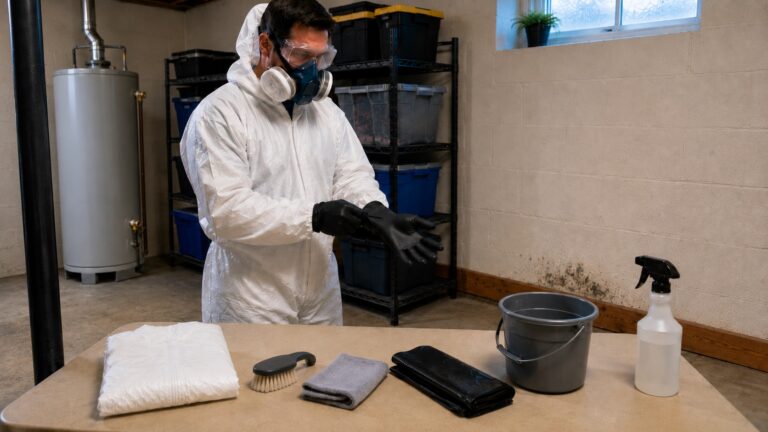
- Mold covers large areas behind the appliance
- Flooring becomes soft or unstable
- The dishwasher sits on swollen flooring or appears uneven because the base material has shifted
- Cabinet bases show structural damage
- Strong odors persist despite cleaning
- Water sources cannot be identified
- Mold appears inside walls or spreads beyond the dishwasher area
In these situations, trained professionals can locate moisture sources, remove contaminated materials safely, and restore damaged structures. Ignoring advanced mold signs increases the chance of structural failure and higher repair costs.
What Mold Signs Mean for Next Steps
Finding mold behind a dishwasher should lead to two next steps: confirm whether moisture is still entering the area and dry any affected materials before covering them again. Cleaning visible mold may improve the surface, but it will not solve the problem if the dishwasher cavity, cabinet edges, or nearby flooring remain damp.
The main warning signs that prevention is now needed are recurring odor, stains that return after cleaning, swelling that keeps worsening, or mold that reappears after the area was wiped down. For long-term steps after the source is corrected, see how to prevent mold under dishwashers.
Signs Mold May Be Spreading Beyond the Dishwasher Area
In some homes, mold growth behind a dishwasher does not stay confined to the appliance cavity. Moisture can move into surrounding cabinets, flooring, baseboards, or wall materials, so recognizing spread early can reduce structural damage and limit remediation costs.
Warning Signs of Expanding Mold Damage
- Musty odors spreading to nearby cabinets
- Mold appearing along baseboards next to the dishwasher
- Stains forming on adjacent walls
- Floor damage extending beyond the appliance width
- Repeated mold growth after cleaning small areas
When mold spreads beyond the immediate dishwasher cavity, professional evaluation may be necessary. Mold that reaches walls or flooring layers becomes more difficult to control without removing affected materials.
If flooring damage becomes noticeable, compare symptoms with the conditions described in drying flooring after dishwasher leaks to understand how moisture moves beneath finished surfaces.
Frequently Asked Questions About Mold Behind Dishwashers
Can mold grow behind a dishwasher without visible water?
Yes. Mold can grow from slow leaks or condensation that does not produce visible standing water. Small amounts of moisture that remain trapped behind the appliance can support mold growth over time.
Is a musty smell near the dishwasher always mold?
Not always, but persistent musty odors are a strong warning sign. Food debris or drain odors usually smell different and often improve after cleaning. Mold odors typically return quickly and remain localized near the affected area.
Should I move the dishwasher myself to check for mold?
Moving the dishwasher may be necessary if strong warning signs are present. However, homeowners should only attempt this if they can safely shut off power and water and avoid straining hoses, supply lines, or electrical connections. If there is uncertainty, professional help is recommended.
Can mold behind a dishwasher spread under flooring?
Yes. Moisture can move beneath flooring layers and spread into adjacent areas. This is especially common with laminate, hardwood, and vinyl flooring systems that trap moisture beneath the surface.
Is cleaning visible mold enough to solve the problem?
No. Cleaning removes visible mold but does not eliminate the moisture source that caused it. If moisture continues, mold growth will return. Identifying and correcting the moisture source is always necessary.
What to Do When You Notice Mold Signs Behind a Dishwasher
Mold behind a dishwasher is rarely a surface-only problem. It usually signals ongoing or repeated moisture exposure that has affected nearby materials. Odors, swelling, staining, and soft flooring are all signs that moisture may have been present long enough for mold to develop.
Ignoring early warning signs allows moisture to spread into cabinets, flooring, and wall structures. Over time, this can lead to structural damage, higher repair costs, and indoor air quality concerns.
When mold signs appear near a dishwasher, addressing the moisture source quickly is the most effective way to limit damage. Understanding mold symptoms early allows homeowners to take action before problems become severe. If the moisture appears to come from the appliance itself, the next step is to review how to detect hidden dishwasher leaks before relying on surface cleaning alone.
Key Takeaways
- Musty odors near a dishwasher are often the first sign of hidden mold.
- Swollen cabinets, soft flooring, and recurring stains suggest prolonged moisture exposure.
- Mold near the dishwasher often points to a hidden leak, trapped dampness, or repeated moisture exposure.
- Cleaning visible mold does not solve the underlying problem.
- Early detection reduces the risk of structural damage and expensive repairs.
- Persistent mold signs may require professional inspection.
2 Comments
Comments are closed.