Why Attic Insulation Stays Damp: Hidden Moisture Causes That Prevent Proper Drying
Attic insulation that stays damp usually means one of two things: moisture is still entering the attic, or the insulation is holding water faster than the attic can release it. Even after a roof leak is repaired or humidity improves, moisture can remain trapped deep inside insulation where surface drying is misleading.
The most common hidden causes include blocked airflow, air leaks from the living space, repeated condensation, damp roof sheathing, compressed insulation, and high indoor humidity feeding the attic. Because damp insulation often means the original source has not been fully corrected, it also fits into the broader pattern explained in why moisture problems keep returning.
This guide focuses on why attic insulation fails to dry, how hidden moisture keeps feeding dampness, and when persistent damp insulation points to a larger attic moisture problem.
Why Insulation Sometimes Fails to Dry
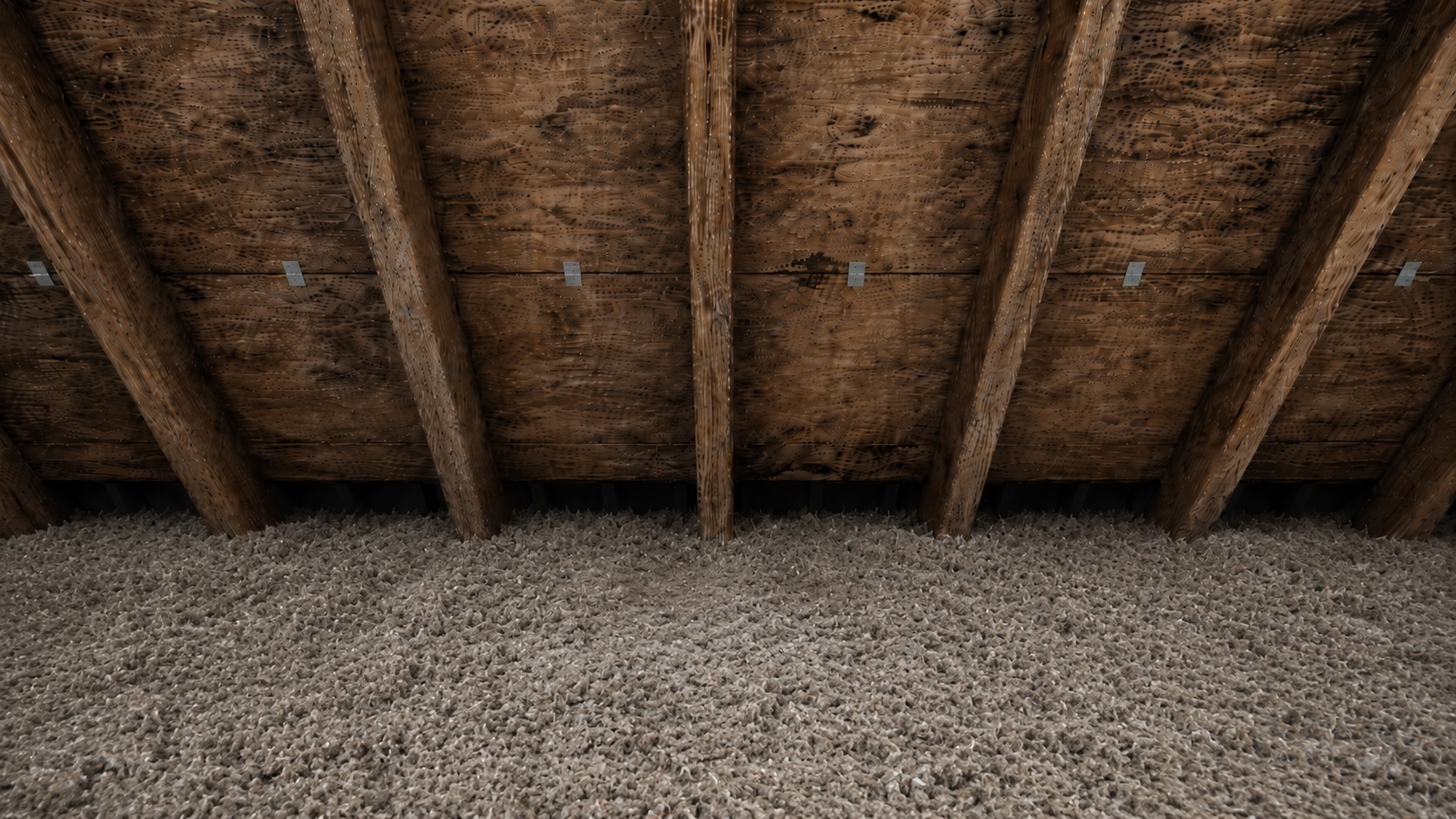
Insulation behaves differently from exposed wood or drywall. Its fibers and air pockets can hold moisture below the surface, so the top layer may feel dry while deeper material remains damp.
Internal Moisture Retention Slows Evaporation
Insulation contains thousands of small air pockets designed to reduce heat transfer. These pockets also restrict airflow, which slows evaporation when moisture becomes trapped inside.
When insulation absorbs water or humidity, moisture spreads internally rather than draining away. This creates hidden damp zones that may remain wet even when the surface appears dry.
Common signs of internal moisture retention include:
- Insulation that feels cool or damp several days after the attic surface looks dry
- Musty odor that returns after fans or dehumidifiers are removed
- One area drying while the insulation below or beside it remains cool
- Matted or sunken insulation that does not regain its normal depth
If these signs appear, comparing them with symptoms described in signs of moisture in attic insulation can help determine whether hidden moisture remains inside insulation.
Limited Evaporation Pathways Prevent Moisture Escape
For insulation to dry, humid air must be able to leave the attic and be replaced with drier air.
Evaporation slows when:
- Airflow around insulation is restricted
- Ventilation openings are blocked
- Humidity levels remain high
- Insulation covers intake vents
When evaporation pathways remain blocked, moisture becomes trapped inside insulation layers. This creates long-term dampness even after drying attempts appear successful.
Understanding airflow-related moisture problems discussed in how to detect hidden moisture in attics helps identify ventilation issues that prevent proper drying.
Compressed Insulation Makes Drying Much Slower
Once insulation becomes wet, it often compresses and loses thickness. Compression reduces the space between fibers, making airflow more difficult and slowing evaporation.
Compressed insulation has less open space for air movement, so moisture leaves more slowly. If the material stays matted or sunken after drying attempts, that often points to longer moisture exposure rather than a brief one-time damp spot.
If compression remains visible after drying attempts, comparing conditions with how to dry attic insulation after moisture exposure can help determine whether recovery is realistic or replacement may be necessary.
Most Common Reasons Attic Insulation Stays Damp
When attic insulation stays damp, the cause is usually active moisture entry, poor evaporation conditions, or both.
Hidden Ongoing Moisture Entry
One of the most frequent reasons insulation stays damp is ongoing moisture entry that has not been fully identified. Small leaks, air infiltration, or condensation cycles can introduce moisture slowly over time.
Hidden moisture entry often occurs through:
- Small roof leaks near flashing, valleys, vents, or nail penetrations
- Bathroom fans or dryer ducts leaking humid air into the attic
- Unsealed ceiling penetrations around lights, pipes, wiring, or chases
- Air leaks around attic hatches or pull-down stairs
- Damp roof sheathing or framing releasing moisture back into nearby insulation
These moisture sources may not produce visible water damage, making them difficult to detect. Even minor moisture entry repeated over time can prevent insulation from drying completely.
If moisture continues entering the attic, reviewing conditions explained in why attics develop hidden moisture problems helps identify potential entry points that may not be immediately obvious.
Blocked or Inadequate Ventilation
Ventilation removes moisture from attic spaces and allows humid air to escape. When ventilation becomes blocked or insufficient, moisture accumulates and slows evaporation from insulation.
Common ventilation-related problems include:
- Insulation covering soffit intake vents
- Debris blocking ridge or roof vents
- Vent openings that are too small for attic size
- Improper airflow balance between intake and exhaust
- Damaged or missing ventilation components
When ventilation airflow is restricted, moisture evaporating from insulation remains trapped inside the attic. This prevents drying and allows damp conditions to persist.
Preventive ventilation improvements described in how to prevent moisture build-up in attics help restore airflow and improve drying efficiency.
High Indoor Humidity Feeding Attic Moisture
Indoor humidity plays a major role in attic moisture persistence. Activities such as cooking, showering, and laundry generate large amounts of moisture inside the home. When this moisture escapes into the attic, insulation absorbs humidity and remains damp.
High indoor humidity sources include:
- Bathroom fans that do not vent outdoors
- Kitchen cooking without proper exhaust ventilation
- Indoor clothes drying
- Humidifier overuse during winter months
- Poor indoor air circulation
Humidity-driven moisture often occurs without visible leaks. Instead, insulation gradually absorbs moisture over time.
If indoor humidity is feeding the attic, the first checks are whether bathroom fans vent outdoors, whether attic penetrations are sealed, and whether indoor humidity is being controlled before it reaches the attic.
Temperature Conditions That Prevent Drying
Cold attic temperatures slow evaporation, especially when warm indoor air leaks upward and condenses inside or near the insulation.
Common temperature-related drying barriers include:
- Cold attic surfaces limiting evaporation
- Seasonal freeze-thaw cycles
- Persistent cold air trapped in attic spaces
- Limited sunlight exposure on roof surfaces
During winter, frost may form inside attic insulation. When temperatures rise, melting frost releases water back into insulation layers, restarting the dampness cycle.
Seasonal moisture patterns often contribute to persistent insulation dampness. Understanding seasonal conditions discussed in signs of moisture in attic insulation helps identify whether temperature cycles are affecting drying success.
Deep or Dense Insulation Slows Moisture Release
Thicker insulation layers retain moisture longer than thinner layers. Dense insulation slows airflow and reduces evaporation speed.
Factors that increase drying difficulty include:
- Multiple insulation layers stacked together
- High-density insulation materials
- Compressed insulation from prior moisture exposure
- Limited airflow reaching deeper insulation sections
These conditions create hidden moisture pockets that remain damp long after surface drying occurs.
When deeper insulation layers remain damp, drying may require more than surface airflow, especially if the material is dense, compressed, or damp near framing.
Hidden Moisture That Continues Feeding Damp Insulation
If insulation stays damp after obvious repairs, look for concealed pathways that keep adding moisture without leaving visible water stains.
Air Leakage That Carries Humidity Into Insulation
Warm indoor air naturally rises. When small openings exist between the living space and attic, humid air escapes upward into insulation layers. This process happens continuously and often goes unnoticed.
Common air leakage pathways include:
- Electrical boxes and ceiling light fixtures
- Plumbing pipe penetrations
- Unsealed attic hatches
- Duct joints and ceiling seams
- Gaps around attic access doors
These pathways allow moisture to enter insulation gradually, maintaining damp conditions even when roof leaks have been repaired.
A useful clue is the shape of the damp area. Dampness spread around ceiling penetrations, attic hatches, bath fan runs, or duct seams often points to air leakage or condensation, while a tight stain below one roof penetration is more likely to suggest a direct roof leak.
If recurring moisture conditions are suspected, reviewing airflow inspection methods in how to detect hidden moisture in attics helps identify hidden air leakage points.
Condensation Forming Inside Insulation Layers
Condensation occurs when warm, humid air contacts cooler attic surfaces. This process often happens inside insulation layers, especially during cold weather.
Repeated condensation cycles can keep insulation damp even without direct water entry.
Condensation-related moisture problems are common when:
- Indoor humidity levels remain high
- Attic ventilation is inadequate
- Outdoor temperatures drop significantly
- Warm indoor air leaks into attic spaces
These moisture cycles may not be visible but still supply enough water to prevent insulation from drying.
If condensation patterns are suspected, reviewing seasonal moisture behavior explained in why attics develop hidden moisture problems helps identify how temperature differences contribute to persistent dampness.
Moisture Migrating From Nearby Materials
Moisture does not always remain isolated to one area. Damp wood framing, roof sheathing, or nearby insulation sections can transfer moisture into surrounding materials.
This migration creates a chain reaction where moisture spreads slowly across adjacent surfaces.
Moisture migration commonly occurs when:
- Roof sheathing remains damp
- Framing materials absorb moisture
- Nearby insulation was previously saturated
- Humidity remains trapped in enclosed areas
Even if one section of insulation dries, nearby damp materials may continue feeding moisture into surrounding areas.
Why Surface Dryness Can Be Misleading
Surface dryness can be misleading because attic insulation often dries unevenly. The top may feel dry while the lower layer, compressed areas, or insulation against damp framing still holds moisture.
Hidden Internal Moisture Remains After Surface Drying
Insulation dries from the surface inward. This means that outer layers may appear dry while deeper layers remain damp.
Internal moisture may persist when:
- Airflow does not reach deeper insulation zones
- Moisture remains trapped between fibers
- Insulation thickness slows evaporation
- Humidity remains elevated
When internal moisture persists, mold risk can remain even after visible water disappears.
If uncertainty exists about drying progress, comparing observed conditions with how to dry attic insulation after moisture exposure helps determine whether drying has been completed successfully.
Cold Spots Often Indicate Trapped Moisture
Cold areas within insulation often signal moisture retention. Water absorbs heat, making damp insulation feel cooler than surrounding dry materials.
Cold spots commonly appear in:
- Previously wet areas
- Sections near roof penetrations
- Areas with limited airflow
- Locations exposed to recurring condensation
Persistent cold spots are an important diagnostic clue that moisture remains trapped inside insulation layers.
When Damp Insulation Signals a Larger Problem
Persistent damp insulation sometimes indicates more than just moisture retention. In certain situations, ongoing dampness signals structural, ventilation, or environmental failures that require deeper investigation.
If damp insulation keeps returning after the source seems corrected, the next step may be a broader repair-readiness review like the one covered in how to fix persistent attic moisture problems.
Avoid disturbing moldy, pest-contaminated, sewage-contaminated, or flood-damaged insulation without proper protection and containment.
Dampness Lasting Longer Than Expected
Insulation that remains damp beyond typical drying timelines suggests unresolved moisture problems. Light moisture exposure usually dries within a few days when airflow is adequate.
Warning signs of prolonged dampness include:
- Damp insulation lasting more than one week
- Recurring moisture after drying attempts
- Musty odors that persist over time
- Repeated condensation formation
These patterns often indicate that moisture sources remain active or environmental conditions prevent proper drying.
Multiple Damp Areas Developing
When dampness appears in multiple locations, the problem may involve whole-attic moisture behavior rather than isolated leaks.
Multiple damp areas may indicate:
- Widespread ventilation problems
- High indoor humidity levels
- Air leakage across large attic sections
- Seasonal condensation affecting large areas
These conditions require broader inspection and corrective planning.
Mold Returning After Drying Attempts
Recurring mold growth is one of the strongest indicators that insulation remains damp internally. Even small amounts of trapped moisture allow mold spores to re-establish colonies.
If mold repeatedly returns, reviewing symptoms outlined in signs of mold growth in attic spaces helps confirm whether moisture conditions continue supporting growth.
Frequently Asked Questions About Damp Attic Insulation
Why is my attic insulation still damp after fixing a leak?
Even after a leak is repaired, moisture may remain trapped deep inside insulation layers. Insulation does not dry as quickly as exposed wood because airflow inside insulation is limited. If dampness continues several days after repairs, hidden moisture retention or ongoing humidity problems may still be present.
If insulation continues to feel cool or compressed after drying attempts, comparing conditions with how to dry attic insulation after moisture exposure can help determine whether additional drying or removal may be required.
Can insulation stay damp without visible water?
Yes. Insulation often holds moisture internally without showing visible water on the surface. Condensation, humidity infiltration, and slow moisture migration can all keep insulation damp without producing obvious signs of water intrusion.
Many homeowners discover damp insulation only after noticing odors or mold-related symptoms described in signs of mold growth in attic spaces.
How long should attic insulation stay damp after drying begins?
Light moisture exposure may dry within a few days when airflow is good, but attic conditions vary. If insulation still feels cool, damp, compressed, or musty after several days, the issue is often not time alone. Hidden air leaks, condensation, blocked ventilation, or moisture in nearby framing may still be feeding the insulation.
Does ventilation always solve damp insulation problems?
Ventilation helps remove humidity, but it does not always eliminate trapped moisture. If insulation has become compressed or heavily saturated, airflow alone may not fully dry internal moisture. In these situations, additional drying methods or insulation replacement may be necessary.
Is damp insulation always moldy?
No. Damp insulation does not always contain mold, but prolonged dampness significantly increases the risk of mold formation. If moisture remains unresolved, mold growth often follows.
Identifying moisture conditions early helps reduce the chance of mold development and long-term damage.
Conclusion: Damp Insulation Usually Means Moisture Is Still Being Trapped or Reintroduced
Attic insulation that stays damp is usually not a drying problem alone. It normally means moisture is still entering the attic, airflow is not removing humidity, or the insulation has trapped moisture below the surface.
If dampness lasts more than a few days, returns after drying attempts, or appears in several attic areas, do not rely on surface dryness. Check for hidden moisture sources, blocked ventilation, air leakage, and compressed insulation before assuming the problem is solved.
Key Takeaways
- Attic insulation stays damp when moisture is trapped, reintroduced, or unable to evaporate.
- Blocked ventilation, air leaks, condensation, damp framing, and compressed insulation are common causes.
- Surface dryness does not prove the deeper insulation layer is dry.
- Dampness lasting several days, returning repeatedly, or spreading across multiple areas needs further investigation.