
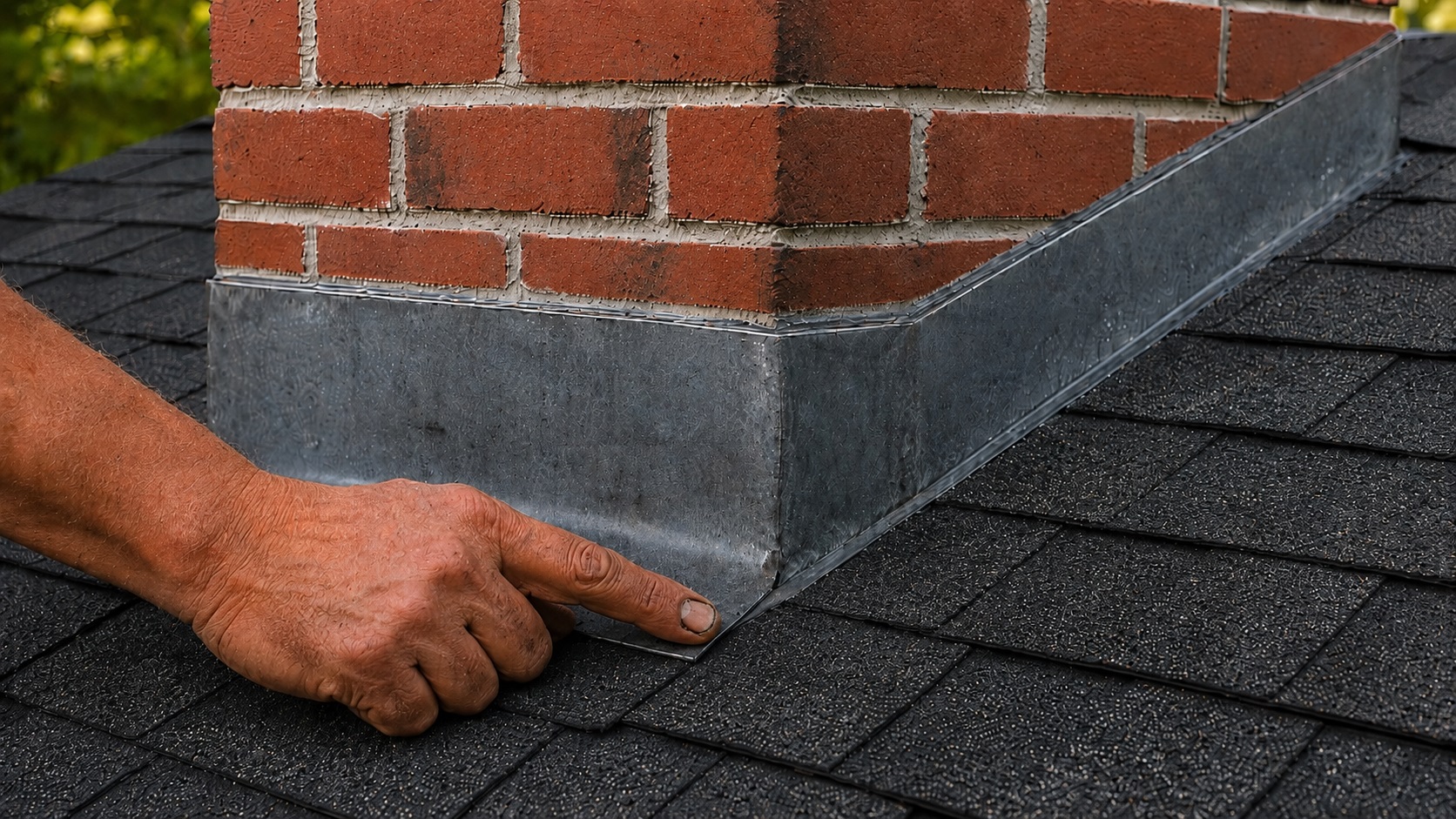
How to Fix Persistent Roof Leak Problems
To fix a persistent roof leak, stop treating it as a single bad spot and diagnose it as a roof-system failure. Repeated leaks usually mean the true entry point was missed, nearby flashing or penetrations were not repaired, or aging materials are allowing water to enter through more than one path.
The right fix may be a more accurate repair, full flashing replacement, roof section replacement, or full roof replacement. The decision depends on where water is entering, how many repair attempts have failed, and whether the surrounding roofing materials are still sound.
If you have already noticed repeat moisture patterns, reviewing Signs of Recurring Roof Leaks can help confirm whether your situation fits the definition of a persistent leak problem.
Why Some Roof Leaks Keep Coming Back
Persistent roof leaks rarely occur without an identifiable cause. In most cases, recurrence happens because earlier repairs addressed visible symptoms rather than the true source of water entry.
The Original Leak Source May Have Been Misidentified
One of the most common causes of persistent roof leaks is incorrect diagnosis of the entry point. Water rarely enters directly above visible damage. Instead, it often travels along roof structures before appearing indoors.
This is why a patch directly above the ceiling stain often fails.
Common misidentification scenarios include:
- Repairing ceiling stains instead of locating the roof entry point
- Replacing shingles when flashing failure caused the leak
- Sealing visible cracks without inspecting surrounding materials
- Repairing one visible issue while hidden pathways remain active
Understanding how flashing failures create hidden leak pathways — explained in Why Roof Flashing Failures Cause Leaks — helps clarify why persistent leaks often require broader evaluation than simple patching.
Multiple Leak Sources May Exist
Some roofs develop more than one leak location at the same time. Fixing one entry point may temporarily reduce symptoms, but water may continue entering through nearby weaknesses.
Multiple-source leaks are especially common in complex roof structures where several materials intersect.
Typical multi-source leak zones include:
- Chimney flashing combined with valley drainage problems
- Roof-wall intersections near siding transitions
- Skylight installations combined with surrounding flashing wear
- Pipe penetrations located near aging shingle systems
Persistent problems in these areas often require expanded inspection zones rather than repeated localized repairs.
Aging Roof Systems Increase Recurrence Risk
Roof materials naturally degrade over time. As roofs age, flashing components weaken, sealants lose flexibility, and fasteners loosen. Even properly installed repairs may struggle to remain effective when surrounding materials approach the end of their lifespan.
Signs that aging materials may contribute to persistent leaks include:
- Multiple repair locations developing over time
- Visible wear across several roof components
- Sealant cracking across multiple joints
- Flashing corrosion or separation
In older roofing systems, repeated repairs may provide temporary relief but fail to address long-term deterioration.
When a Roof Leak Becomes a Persistent Problem
Not every recurring leak immediately qualifies as a persistent roof leak problem. Some leaks return once due to incomplete drying or minor follow-up issues. However, when moisture continues returning after repairs or when multiple repairs fail to resolve the issue, the situation should be treated as persistent.
Once the same leak returns after repairs, the next step is not another identical patch. The roof should be evaluated for missed entry points, failed flashing, nearby penetrations, drainage problems, and aging materials.
Signs That a Leak Has Become Persistent
Persistent leaks typically follow recognizable patterns that extend beyond a single repair cycle.
Common signs that a leak has become persistent include:
- Leaks returning after multiple repair attempts
- Stains reappearing in the same location over time
- New moisture appearing near previously repaired areas
- Water intrusion occurring during repeated storms
- Visible damage spreading despite repair work
If these conditions are present, structured monitoring — such as the steps outlined in How to Monitor Roof Areas After Repairs — helps confirm whether recurrence is consistent or isolated.
How Persistent Roof Leaks Escalate
Persistent roof leaks usually move through a simple pattern: one leak appears, the same area leaks again after repair, and then moisture begins showing up during more storms or in nearby areas. Once multiple repairs fail or damage spreads, the problem should be treated as a system-level roof issue rather than a small patch job.
- One-time leak: one visible source, limited damage, and repair stops the moisture.
- Recurring leak: moisture returns in the same general area after repair or after repeated storms.
- Persistent leak: several repairs fail, damage spreads, or more than one water-entry path is likely.
Step 1 — Confirm That the Leak Is Truly Recurring
Before making major repair decisions, homeowners should confirm that the problem is actually recurring rather than leftover damage from previous leaks.
Verification means comparing the same area before and after rain, not relying only on an old stain that may already be dry.
Questions to confirm recurrence include:
- Does moisture appear after rainfall events?
- Are stains growing larger over time?
- Is dampness returning after repairs?
- Do odors appear after storms?
Take dated photos after each storm and mark the edge of any stain lightly with pencil. If the mark is crossed by new staining or the area tests damp again, the problem is active rather than leftover cosmetic damage.
If these symptoms repeat consistently, recurrence is likely confirmed.
Step 2 — Identify the True Leak Source
Identifying the true leak source is one of the most critical steps in solving persistent roof leak problems. Many recurring leaks occur because the original entry point was never properly located.
Water movement inside roofing systems often causes visible damage to appear far from the actual entry point. This makes diagnosis challenging without careful inspection.
Start with roof features uphill from the interior stain, then inspect outward. Common true leak sources include:
- Chimney flashing connections
- Roof-to-wall intersections
- Roof valleys handling heavy runoff
- Skylight flashing systems
- Vent pipe penetrations
Do not walk on a wet, steep, damaged, or unstable roof to investigate a leak. If the inspection requires climbing onto the roof or opening damaged materials near electrical fixtures, use a qualified professional.
If the leak source remains unclear, advanced inspection methods described in How to Detect Hidden Roof Leaks may help identify concealed entry points.
Step 3 — Evaluate Previous Repairs Carefully
Once recurrence has been confirmed and likely entry zones identified, the next step is evaluating what repairs were previously performed. Persistent leaks are often the result of incomplete repairs rather than failed materials alone.
Understanding exactly what was repaired — and what was not — helps determine whether further repair work can succeed or whether more extensive corrective action is necessary.
Review What Was Actually Repaired
Many homeowners assume that a repair addressed the full problem when it may have only corrected visible damage. Reviewing past repair details helps identify overlooked areas.
Important questions to consider include:
- Were shingles replaced, or was flashing repaired?
- Were adjacent materials inspected during repair?
- Was the entire affected zone evaluated?
- Did the contractor inspect surrounding transition areas?
- Was drainage flow evaluated during repairs?
If flashing systems were only sealed rather than replaced, persistent leak problems may return as sealants deteriorate. Understanding how flashing failures contribute to ongoing problems — explained in Why Roof Flashing Failures Cause Leaks — helps explain why repeat repairs often fail when root causes remain untreated.
Identify Gaps Between Repairs and Root Causes
Persistent leaks often develop because earlier repairs focused on symptoms instead of structural causes. Identifying these gaps helps determine whether expanded repair work is required.
Common gaps between repair actions and root causes include:
- Sealing visible cracks without replacing damaged flashing
- Repairing one leak location while adjacent areas remain vulnerable
- Replacing materials without addressing drainage problems
- Ignoring roof movement or structural shifting
When these gaps exist, repeated repairs may temporarily reduce symptoms but fail to eliminate water entry pathways.
Step 4 — Decide Whether Repair or Replacement Is Needed
Once previous repairs have been evaluated, homeowners must decide whether further repairs remain practical or whether larger-scale replacement becomes necessary. This decision depends on the number of recurring failures, the condition of surrounding materials, and the age of the roof system.
Continuing to patch the same area repeatedly increases long-term costs and allows structural damage to worsen.
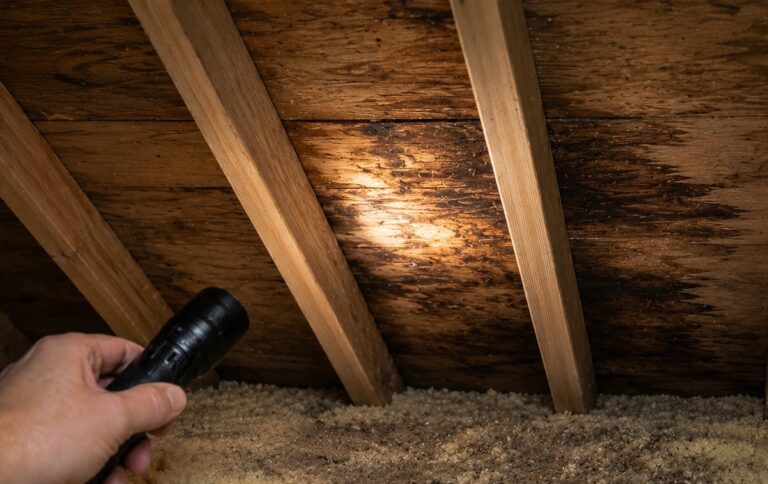
If staining, soft decking, sagging areas, or insulation damage is already visible, first review How to Inspect Roof Areas for Leak Damage so the repair decision includes hidden damage, not only the roof surface.
When Flashing Replacement Becomes Necessary
Flashing systems are responsible for protecting the most vulnerable parts of the roof. Persistent leaks frequently involve flashing deterioration that cannot be corrected with simple sealant repairs.
Flashing replacement should be considered when:
- Flashing shows visible rust or corrosion
- Sealant repairs fail repeatedly
- Counterflashing separates from vertical surfaces
- Water enters near transition areas despite repairs
- Multiple repairs occur in the same flashing zone
Replacing damaged flashing often provides a more reliable solution than repeated patching. In many persistent leak cases, flashing failure is the primary unresolved issue.
When Roof Section Replacement Becomes Necessary
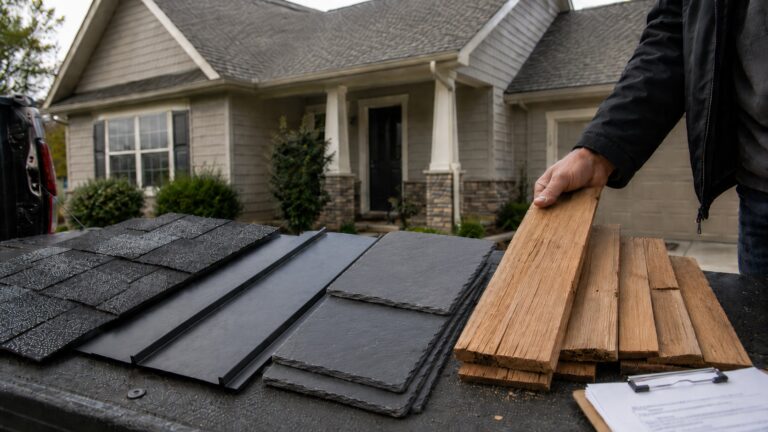
In some cases, the surrounding roofing materials have deteriorated to the point where localized repairs are no longer effective. Replacing sections of the roof may become necessary when repeated failures affect larger areas.
Roof section replacement should be considered when:
- Shingles show widespread wear
- Multiple leak locations appear across the same section
- Underlying roof decking shows damage
- Repair costs continue increasing over time
- Moisture affects large structural areas
Section replacement addresses structural weaknesses that patch repairs cannot resolve.
When Full Roof Replacement Should Be Considered
Persistent leaks affecting multiple areas often indicate that the roofing system has reached the end of its service life. When materials deteriorate across the roof, replacement becomes more cost-effective than continued repair attempts.
Full roof replacement may be necessary when:
- The roof approaches or exceeds its expected lifespan
- Leaks occur across multiple locations
- Structural materials show advanced deterioration
- Repair costs approach replacement costs
- Water damage spreads beyond isolated areas
Interior stains should not be painted over until the leak source is fixed and the affected materials are confirmed dry. Covering the stain too early can hide ongoing moisture and delay needed repairs.
Evaluating these conditions carefully helps homeowners avoid repeated repair cycles that increase long-term costs.
Choosing the Right Contractor for Persistent Leak Problems
Persistent roof leaks often require more than routine repair work. Selecting the right contractor plays a major role in identifying the true cause and preventing repeated failures. When leaks continue after previous repairs, it may be necessary to seek a second opinion or request a more comprehensive inspection.
Experienced roofing professionals typically evaluate the entire roof system rather than focusing only on visible damage. This broader approach increases the likelihood of identifying hidden water entry pathways.
Before the inspection, gather dates of previous repairs, photos of recurring stains, invoices, and notes about which storms caused leaking. That record helps the contractor distinguish a failed repair from a new leak source.
Qualities to Look for in a Roofing Contractor
Not all contractors approach persistent leak problems the same way. Choosing a contractor who understands system-level roofing behavior improves long-term outcomes.
Important qualities to look for include:
- Experience diagnosing recurring leak problems
- Willingness to inspect surrounding roof areas
- Ability to explain the source of the leak clearly
- Use of detailed inspection methods
- Providing written repair recommendations
Contractors who focus only on quick fixes may overlook deeper structural problems. Selecting professionals who investigate root causes helps reduce recurrence risk.
When a Second Opinion Is Helpful
Seeking a second opinion can be valuable when repeated repairs fail to resolve the problem. Another contractor may identify overlooked issues or recommend alternative repair strategies.
A second opinion is especially helpful when:
- Repairs have been attempted multiple times
- Leak symptoms continue after recent repairs
- Diagnosis remains unclear
- Structural damage continues to spread
If persistent symptoms continue, reviewing Signs of Recurring Roof Leaks helps confirm whether recurrence patterns justify further evaluation.
Cost vs Risk: When Repeated Roof Repairs Stop Making Sense
One of the most difficult decisions homeowners face involves balancing repair costs against long-term structural risk. While repeated repairs may seem less expensive initially, they often increase total expenses when problems continue unresolved.
Persistent leaks create hidden costs that accumulate over time. Structural damage, mold development, and insulation failure increase repair complexity and expense.
When Repeated Repairs Increase Long-Term Costs
Repeated repair cycles often signal that underlying problems remain unresolved. Continuing to patch failing areas may temporarily reduce symptoms but rarely eliminates long-term risk.
Cost escalation risks include:
- Structural damage spreading to new areas
- Repeated service calls increasing labor costs
- Interior repairs required multiple times
- Moisture-related damage affecting electrical systems
- Reduced insulation performance increasing energy costs
If repair bills keep rising while the same area still leaks, replacement may be less expensive than continuing the same repair cycle.
When Replacement Becomes the Safer Option
Replacement decisions are rarely easy, but they become necessary when repair efforts fail to control moisture intrusion. Replacing damaged components may prevent larger structural problems from developing.
Replacement becomes safer when:
- Leaks appear in multiple areas
- Structural materials weaken significantly
- Roof components exceed expected lifespan
- Repair costs accumulate repeatedly
- Water damage affects multiple interior zones
When several of these conditions appear together, another small patch is unlikely to be the most reliable repair.
Frequently Asked Questions About Persistent Roof Leak Problems
How Many Times Should a Roof Leak Be Repaired Before Replacement?
There is no fixed number of repairs that automatically requires replacement. However, when repairs fail repeatedly in the same area or when leaks appear in multiple locations, replacement becomes more practical than continued patching.
This also depends on the age and lifespan of the shingles or other roofing material. If the time to replace the roof is already approaching, it may be cheaper to replace it now than to spend money on repairs.
Why Do Roof Leaks Keep Returning?
Leaks usually return because the repair treated the visible symptom instead of the water-entry path. The most common causes are missed flashing failures, nearby penetrations, more than one leak source, or surrounding roofing materials that are too worn to hold another patch.
Should I Always Get a Second Opinion for Persistent Leaks?
A second opinion is wise when the same leak returns after more than one repair, when the contractor only proposes more sealant, or when no one can explain the exact water-entry path. Persistent leaks usually need diagnosis before another repair is approved.
Can Persistent Leaks Damage Structural Components?
Yes. Repeated roof leaks can soften roof decking, stain rafters, reduce insulation performance, corrode fasteners, and spread moisture into ceiling cavities. If materials feel soft, sag, smell musty, or stay damp after storms, the damage should be inspected before more patching is attempted.
When Should I Stop Patching and Replace the Roof?
If repairs continue failing, damage spreads, or the roof approaches the end of its service life, replacement often becomes the most reliable long-term solution.
Persistent Roof Leaks Need Root-Cause Repairs, Not More Patching
Persistent roof leak problems rarely resolve through repeated short-term repairs. In most cases, recurring moisture means the roof needs a broader inspection and a repair plan that corrects the actual water-entry path.
By confirming recurrence, evaluating past repairs, identifying true leak sources, and determining when replacement becomes necessary, homeowners can avoid prolonged damage and escalating costs.
Understanding how roofing systems fail over time provides valuable insight into long-term repair decisions. Reviewing Most Common Roofing Material Failures helps homeowners recognize when system-level problems require professional intervention.
Key Takeaways
- Persistent roof leaks usually indicate unresolved structural problems.
- Repeated repairs without root-cause correction increase long-term costs.
- Flashing replacement is often necessary when sealant repairs fail repeatedly.
- Roof section or full replacement may be required for aging systems.
- Choosing experienced contractors improves long-term repair success.
- The best long-term fix is the smallest repair that corrects the true water-entry path and protects the surrounding roof system.
One Comment
Comments are closed.