How to Prevent Roof Condensation in Attics
Roof condensation inside attic spaces forms when warm, humid indoor air reaches cold roof surfaces. If the cycle repeats, it can darken roof sheathing, dampen insulation, encourage mold growth, and weaken attic materials over time.
Learning how to prevent roof condensation comes down to four main steps: reduce indoor humidity, keep attic ventilation paths open, maintain even insulation coverage, and seal air leaks between the living space and attic. These steps are usually easier and less expensive than repairing mold or moisture damage after condensation has continued for months.
If you have already seen warning signs of moisture, reviewing signs of roof condensation in attics can help confirm whether condensation is present. Prevention strategies work best when problems are identified early.
For broader home-wide prevention, see this broader moisture prevention guide.
Why Preventing Roof Condensation Matters
Roof condensation often looks minor at first because moisture may dry during warmer parts of the day. The problem is repeated cycling. When roof sheathing, framing, nails, and insulation keep getting damp, small moisture events can gradually turn into staining, musty odors, reduced insulation performance, mold risk, and wood deterioration.
Mold Growth Often Begins With Repeated Condensation
Repeated condensation can also create the damp conditions mold needs to grow on sheathing, framing, or nearby insulation. For the full moisture-to-mold explanation, see why roof condensation causes mold growth.
Preventing Condensation Protects Roofing Materials
Roofing materials are designed to withstand weather exposure from above, but they are not intended to remain damp from below. Persistent moisture beneath roof surfaces can gradually weaken wood materials and shorten their lifespan.
When condensation cycles continue for extended periods, roof sheathing and framing materials may require repair or replacement. Reviewing most common roofing material failures provides additional insight into how moisture contributes to material breakdown.
Control Indoor Humidity Before It Reaches the Attic
Indoor humidity is one of the most important factors influencing attic condensation. Warm, moisture-laden air naturally rises through homes and eventually reaches attic spaces. When this humid air contacts cold roof surfaces, condensation forms.
Reducing indoor humidity before it reaches the attic significantly lowers condensation risk.
Use Bathroom Exhaust Fans During and After Showers
Bathrooms generate large amounts of moisture in short periods of time. Steam released during showers quickly increases indoor humidity levels, allowing moisture to migrate toward attic spaces.
To reduce moisture buildup:
- Run bathroom exhaust fans during showers
- Continue running fans after showering
- Allow moisture to fully exit before turning fans off
- Ensure fans vent outdoors rather than into the attic
Proper fan use removes moisture at the source, preventing humidity from accumulating in upper areas of the home. During an attic check, confirm that bathroom fan ducts are connected tightly and discharge outdoors, not loosely into insulation, a soffit cavity, or a nearby attic vent opening.
Vent Kitchen Moisture During Cooking
Cooking releases moisture into the air, especially when boiling water or using stovetops. Without ventilation, this moisture contributes to rising indoor humidity levels.
Kitchen ventilation helps control moisture by:
- Removing steam produced during cooking
- Reducing humidity buildup inside living spaces
- Lowering the amount of moisture that enters attic areas
Running range hoods or ventilation systems during cooking reduces condensation risk, particularly during colder seasons.
Ensure Dryer Vents Discharge Outdoors
Clothes dryers release significant amounts of moisture during operation. If dryer vents discharge into attic spaces or remain obstructed, humidity levels can rise quickly.
Proper dryer ventilation involves:
- Routing dryer exhaust outdoors
- Keeping vent pathways clear
- Inspecting vents regularly for blockages
- Preventing moisture from entering attic spaces
Incorrect dryer venting is one of the most common contributors to persistent attic humidity.
Monitor Indoor Humidity Levels Regularly
Monitoring humidity levels helps homeowners identify rising moisture conditions before condensation develops. Hygrometers provide simple readings that help track indoor humidity levels throughout the year.
During cold weather, indoor humidity that feels comfortable in the living space may still be high enough to condense on cold roof surfaces. If attic condensation appears, lower indoor humidity gradually and track whether frost, damp sheathing, or musty odors improve.
Regular monitoring allows homeowners to adjust ventilation and moisture control practices before problems become severe.
Improve Attic Airflow to Reduce Moisture Buildup
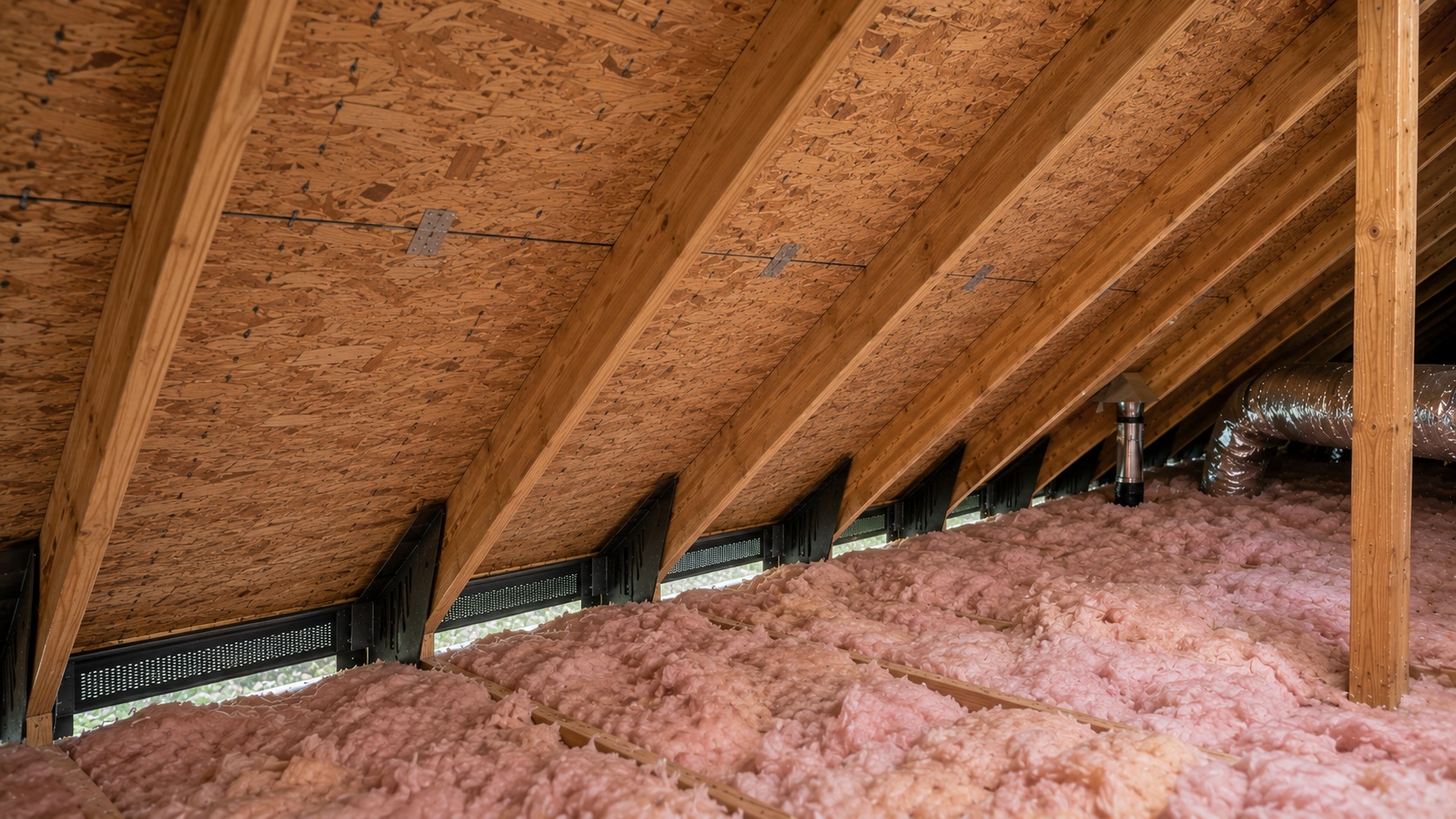
Attic airflow helps remove humid air before it lingers against cold roof surfaces. Ventilation does not fix every condensation problem by itself, but blocked or unbalanced airflow can allow moisture to remain trapped long enough to condense repeatedly.
Keep Soffit Vents Clear and Unobstructed
Soffit vents allow outside air to enter the attic, creating airflow that helps push humid air out through higher vents. When soffit vents become blocked, airflow decreases and moisture remains trapped inside the attic.
During inspection, check soffit areas for:
- Insulation covering vent openings
- Dust or debris buildup
- Blocked airflow channels
- Physical damage to vent covers
Clearing visible obstructions helps restore airflow pathways and reduces the likelihood of moisture accumulation.
Maintain Ridge and Roof Vent Openings
Ridge and roof vents allow warm, humid air to exit the attic. When these outlets remain open and functional, moisture escapes more efficiently.
Check for conditions such as:
- Debris blocking vent openings
- Damaged vent components
- Improper airflow movement patterns
- Crushed, clogged, or poorly installed vent materials
If airflow limitations persist, condensation cycles may continue despite humidity control efforts. In cases where airflow appears restricted, reviewing signs of poor attic ventilation helps determine whether airflow conditions require further attention.
Maintain Balanced Air Movement
Balanced attic ventilation needs both intake and exhaust. If air can leave but not enter, or enter but not escape, moisture may collect in certain roof areas and create repeated condensation zones.
Maintain Proper Insulation Coverage to Reduce Heat Loss
Insulation helps prevent condensation by reducing heat loss from the living space into the attic. When insulation is thin, missing, compressed, or uneven, warm indoor air can create stronger temperature contrasts near cold roof surfaces.
Ensure Even Insulation Coverage
Uneven insulation allows heat to escape rapidly through thin areas. These cold spots often become primary condensation zones.
Inspect insulation for:
- Thin or missing sections
- Uneven thickness
- Gaps near ceiling penetrations
- Exposed surfaces without insulation
Maintaining consistent insulation coverage helps stabilize attic conditions and reduces moisture formation.
Replace Damaged or Wet Insulation
Insulation that has been exposed to moisture often loses effectiveness. Wet insulation becomes compressed and traps moisture, which increases condensation risk.
Damaged insulation should be replaced when:
- Moisture remains trapped inside insulation
- Insulation appears compressed or matted
- Temperature regulation becomes inconsistent
- Musty odors develop near insulation areas
Replacing compromised insulation helps restore temperature stability and reduces long-term condensation risk.
Protect Insulation From Airflow Blockage
While insulation controls temperature, it should not block ventilation pathways. Insulation covering soffit vents prevents airflow and increases moisture retention.
Maintaining separation between insulation and ventilation openings ensures that airflow remains effective.
Seal Air Leaks That Allow Moisture Transfer
Warm indoor air naturally rises through homes. When air leaks exist between living spaces and attic areas, humid air enters the attic and increases condensation risk.
Sealing air leaks reduces moisture movement and helps control attic humidity levels.
Seal Ceiling Penetrations
Ceiling openings allow humid air to pass directly into attic spaces. These penetrations often occur around lighting fixtures, wiring, and plumbing lines.
Common air leakage points include:
- Recessed lighting fixtures
- Electrical boxes
- Plumbing pipe openings
- Attic access panels
- Ventilation ducts
Use materials appropriate for the penetration type, especially around recessed lights, flues, chimneys, or other heat-producing areas. Do not seal around hot components with ordinary foam or caulk unless the product is rated for that use.
Sealing visible gaps reduces the amount of moisture entering attic areas and lowers condensation risk.
Inspect Attic Access Points
Attic hatches and access doors frequently allow warm air to escape into attic spaces. Poor sealing around these openings increases moisture migration.
To reduce leakage:
- Check hatch seals regularly
- Replace worn weatherstripping
- Ensure access covers close tightly
- Prevent gaps around edges
Improved sealing limits humidity transfer and helps maintain stable attic conditions.
Reduce Hidden Air Pathways
Small gaps within wall cavities or ceiling structures can allow moisture movement that remains unnoticed for long periods. While these pathways may not be visible, their effects often appear as repeated condensation patterns.
If repeated condensation occurs despite humidity control, reviewing how to detect roof condensation problems may help identify overlooked airflow pathways.
Seasonal Steps That Help Prevent Roof Condensation
Roof condensation risks often increase when outdoor temperatures drop and indoor humidity stays high. Seasonal preparation helps catch blocked vents, weak insulation areas, air leaks, and exhaust problems before colder weather creates repeated condensation cycles.
Prepare Attic Conditions Before Cold Weather Begins
Cold weather significantly increases condensation risk because roof surfaces become colder than indoor air. Preparing attic spaces before winter reduces the likelihood of moisture forming once temperatures drop.
Recommended seasonal preparation includes:
- Inspect visible ventilation openings
- Check insulation for gaps or compression
- Remove debris from airflow pathways
- Verify that exhaust systems function properly
- Confirm that attic access points remain sealed
Performing these checks before seasonal changes allows homeowners to correct small issues before they create larger moisture problems.
Monitor Humidity Levels During Winter Months
Winter monitoring is especially useful because warm indoor air can condense or freeze when it reaches cold roof sheathing, nails, or framing. If humidity rises during cold weather, increase source ventilation and reduce moisture-producing activities before attic surfaces become damp.
If winter moisture patterns appear unexpectedly, reviewing signs of roof condensation in attics can help confirm whether preventive steps are working effectively.
Reduce Indoor Moisture Before Temperature Drops
Sudden temperature drops create strong condensation conditions. Reducing indoor moisture before these changes occur limits the amount of humidity available to condense.
Preventive actions include:
- Running exhaust fans during moisture-producing activities
- Reducing indoor humidity sources when possible
- Ensuring ventilation systems remain functional
- Maintaining consistent airflow conditions
Lowering indoor humidity before temperature changes reduces condensation risk significantly.
Long-Term Habits That Reduce Roof Condensation Risk
Preventing condensation is not a one-time repair. The most effective long-term habit is checking whether humidity, ventilation, insulation, and air sealing are still working together before moisture appears.
Inspect Attic Conditions Periodically
Check attic conditions before winter, after major temperature swings, after roof or insulation work, and anytime indoor humidity rises. Look for frost on nails, damp roof sheathing, musty odors, compressed insulation, or blocked vent paths.
Track Indoor Humidity During High-Risk Seasons
A basic hygrometer can help identify humidity spikes before condensation forms. If condensation appears during cold weather, record indoor humidity, outdoor temperature, visible attic conditions, and any recent moisture-producing activities such as long showers, cooking, or laundry.
Keep Ventilation Systems Clean and Functional
Clean vent openings, check for damaged vent covers, keep insulation away from intake paths, and watch for recurring damp spots near the same roof areas. If airflow limitations become noticeable, reviewing signs of poor attic ventilation can help determine whether additional maintenance is needed.
When Professional Prevention Measures May Be Necessary
Some roof condensation problems continue even after humidity, ventilation, insulation, and air leaks have been addressed. When that happens, the problem may involve hidden airflow restrictions, poor ventilation design, roof assembly issues, or moisture sources that are not obvious from the living space.
When Preventive Efforts Do Not Stop Moisture Cycles
If condensation continues appearing despite controlling humidity and maintaining airflow, deeper airflow or insulation issues may be present. Persistent moisture patterns often indicate that preventive measures are incomplete or insufficient for the specific structure.
Professional evaluation may be necessary when:
- Condensation continues through multiple seasons
- Moisture appears despite reduced indoor humidity
- Repeated dampness develops in the same areas
- Preventive adjustments produce little improvement
Persistent condensation conditions often signal hidden airflow limitations or structural factors affecting moisture movement.
When Mold Continues to Develop Despite Prevention
If mold appears repeatedly after preventive steps are taken, moisture conditions remain active somewhere within the structure. Mold growth indicates that condensation has continued long enough to support biological development.
If mold continues appearing, reviewing why roof condensation causes mold growth helps clarify how persistent moisture supports recurring contamination.
Professional inspection can help identify overlooked humidity sources or ventilation limitations contributing to ongoing mold development.
When Structural Conditions Affect Moisture Behavior
Certain structural conditions may influence condensation risk. Roof geometry, airflow design, and insulation configuration all affect how moisture behaves inside attic spaces.
Professional evaluation may be recommended when:
- Roof materials show repeated moisture exposure
- Insulation continues to lose effectiveness
- Airflow conditions remain inconsistent
- Moisture spreads across large attic areas
Understanding how roof materials interact with moisture conditions helps clarify why some structures require targeted improvements. Reviewing most common roofing material failures provides insight into how prolonged moisture exposure affects structural components.
If condensation has already left staining, softened sheathing, or repeated damp areas, learn how to inspect roof surfaces for condensation damage before assuming prevention alone is enough.
FAQ: How to Prevent Roof Condensation
What is the best way to prevent roof condensation in an attic?
The best prevention approach is to reduce indoor humidity, seal air leaks into the attic, keep soffit and roof vents open, and maintain even insulation coverage. Condensation usually continues when one of these systems is missing, blocked, or incomplete.
Does adding more attic ventilation always stop roof condensation?
No. More vents do not always solve condensation if humid indoor air is still leaking into the attic or insulation is uneven. Ventilation works best when intake and exhaust are balanced and moisture sources are controlled.
Why does roof condensation get worse in winter?
Winter condensation often gets worse because roof surfaces become colder while indoor air still carries moisture. When warm humid air reaches cold sheathing, nails, or roof framing, moisture can condense or freeze.
Can wet attic insulation cause more roof condensation?
Yes. Wet or compressed insulation loses effectiveness and can hold moisture near attic materials. If insulation stays damp, it may need to be replaced after the moisture source is corrected.
Should bathroom fans and dryer vents ever exhaust into the attic?
No. Bathroom fans, kitchen exhaust, and dryer vents should discharge outdoors, not into the attic. Venting moist air into the attic can create persistent humidity and repeated roof condensation.
When should a professional inspect roof condensation?
Professional inspection is wise when condensation continues through multiple seasons, mold keeps returning, damp areas appear in the same roof sections, or sheathing and insulation show repeated moisture exposure despite prevention steps.
Conclusion: Consistent Prevention Protects Attic Materials and Indoor Air
Preventing roof condensation requires controlling indoor humidity, keeping attic ventilation paths open, maintaining even insulation, and sealing air leaks from the living space. When these systems work together, attic materials are more likely to stay dry through cold-weather temperature swings.
If condensation symptoms appear despite preventive efforts, reviewing signs of roof condensation in attics can help confirm whether additional corrective action is needed.