
Signs of Water Leaks Around Windows
Water leaks around windows often show up first as small stains, peeling paint, soft trim, damp drywall, or musty smells near the window opening. These signs may seem minor, but they usually mean moisture is reaching materials around the frame, sill, trim, or wall cavity.
The most important clue is timing. If discoloration, dampness, bubbling paint, or odor gets worse during or after rain, the problem is more likely to be a leak than normal indoor condensation.
These symptoms usually matter most when they repeat after rain, appear in the same spot, or show up below the window instead of directly on the glass. For broader background on the building-envelope weak points behind this pattern, see how windows and doors cause hidden moisture problems.
This guide focuses on the warning signs themselves: what to look for, where symptoms usually appear, and when those signs suggest moisture may already be inside the wall.
Why Window Leaks Are Easy to Miss at First
Window leaks rarely begin as obvious drips. They usually start at small gaps around caulking joints, flashing edges, trim connections, or frame-to-wall transitions. Because many of these areas are covered by trim, siding, or interior finishes, the first visible sign may appear only after materials have already been wet more than once.
Another reason window leaks are difficult to detect is that water does not always travel in straight lines. Rainwater entering near the top of a window can follow gravity, insulation paths, or framing surfaces before appearing somewhere else. This means the visible damage may occur several inches—or even several feet—away from the actual leak location.
Many leaks also occur only under specific weather conditions. For example:
- Heavy rain combined with wind can force water into small openings.
- Prolonged rainfall may saturate exterior materials until moisture seeps inside.
- Rapid temperature changes can expand and contract seal materials, creating gaps.
- Roof or siding runoff may concentrate water around window openings.
That intermittent pattern is why window leaks are often dismissed as temporary. A stain that fades after dry weather can still return during the next storm if the entry path remains open.
When moisture signs appear repeatedly after storms, it often indicates that the leak pathway has not been corrected. For more detail on the exterior pathways that allow rainwater to reach the window opening, see how water enters around exterior windows.
Common Signs of Water Leaks Around Windows
Window leaks usually reveal themselves through visible changes in surrounding materials. These symptoms may appear slowly, and some are subtle at first. Paying attention to these warning signs can prevent moisture problems from spreading into walls and structural components.
Water Stains Below the Window
Water stains are one of the most recognizable signs of a leaking window. These stains often appear as yellow, brown, or dark patches on drywall, trim, or window sills.
Typical characteristics of window-related water stains include:
- Discoloration forming directly below the window opening
- Irregular shapes that expand over time
- Stains that darken after rainfall
- Multiple stain layers indicating repeated wetting cycles
Water stains often indicate that moisture has already traveled through multiple layers of material. By the time staining appears, drywall or insulation behind the surface may already be damp.
If stains appear suddenly after storms or worsen during rainy periods, it strongly suggests moisture intrusion from outside rather than indoor humidity alone.
Peeling Paint or Bubbling Drywall
Paint damage is another early indicator of moisture intrusion. When drywall becomes wet, moisture pushes outward against painted surfaces. This pressure weakens adhesion and causes visible surface changes.
Common paint-related leak signs include:
- Bubbling paint near window corners
- Flaking or peeling paint along trim edges
- Raised areas or soft patches on drywall
- Repeated repainting failure in the same location
These symptoms often occur before severe structural damage develops. However, they should not be ignored. Moisture trapped behind paint prevents materials from drying properly and increases the risk of mold growth.
If bubbling or peeling continues after repainting, the underlying moisture source must be addressed rather than covered. In many cases, the next step is to check the frame, trim, and nearby wall surfaces for hidden dampness. More detailed testing methods are covered in how to detect moisture around window frames.
Do not scrape, repaint, caulk over, or seal stained materials until the moisture source has been identified and the affected area is dry. Covering the symptom can trap moisture and make hidden damage harder to see.
Soft or Swollen Window Trim
Wood trim reacts quickly to moisture exposure. When water enters around windows, trim materials absorb moisture and begin to swell. This swelling often leads to visible distortion and loss of structural strength.
Signs of moisture-related trim damage include:
- Wood that feels soft when pressed
- Edges that appear swollen or uneven
- Trim that separates from walls
- Nails pulling loose from framing
- Paint cracking along trim joints
Soft trim is especially concerning because it indicates prolonged moisture exposure. If left untreated, wood components may rot, weakening the window opening and surrounding structure.
Trim swelling often occurs gradually. Homeowners may first notice difficulty opening or closing windows due to minor frame distortion. Over time, these mechanical changes can worsen and lead to larger structural problems.
Dampness or Moisture After Rain
One of the clearest indicators of a window leak is moisture that appears after rainfall. This may show up as damp drywall, wet window sills, or slight moisture buildup around trim edges. Unlike humidity-related moisture, which tends to be evenly distributed, leak-related dampness usually appears in specific locations tied to the window opening.
Common patterns to watch for include:
- Moisture forming shortly after rain begins
- Dampness concentrated at lower corners of the window
- Wet areas that dry out between storms
- Recurring moisture in the same exact spot
These patterns are important because they help distinguish between condensation and actual water intrusion. Condensation typically forms evenly across surfaces, especially glass, while leak-related moisture tends to appear in localized areas and follows structural pathways.
A simple comparison can help: condensation usually starts on the glass or cold metal parts of the window, while a leak often shows up on the drywall, trim, sill, lower corners, or wall below the window.
If dampness only appears during or after storms, it strongly suggests water is entering from outside rather than forming inside the home. In these cases, identifying the internal path of the leak may require deeper inspection, as explained in how to detect window leaks inside walls.
Musty Smells Near the Window Area
Odors are often one of the earliest warning signs of hidden moisture. A musty or damp smell near a window can indicate that water has entered materials behind the surface, even if no visible damage is present yet.
These smells are typically caused by:
- Damp drywall or insulation
- Moist wood framing
- Organic material beginning to break down
- Early-stage mold growth in hidden areas
Musty odors tend to be stronger in enclosed or poorly ventilated areas. They may also become more noticeable after rain or during humid weather, when moisture levels increase.
Because odors often develop before visible damage, they should not be ignored. If a window area consistently smells damp, it usually indicates that moisture is present somewhere behind the wall or trim.
Signs the Leak May Be Inside the Wall
In many cases, water does not immediately appear at the window surface. Instead, it enters around the window and travels inside the wall cavity. This can delay visible symptoms and make the problem harder to diagnose.
Signs that a leak may be hidden inside the wall include:
- Stains appearing below the window rather than directly at it
- Moisture spreading sideways across drywall
- Soft spots developing away from the window frame
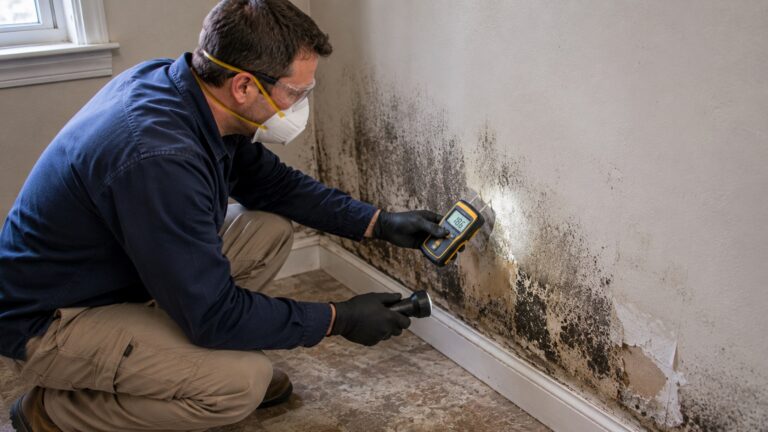
- Unexplained dampness near baseboards under windows
- Persistent musty smells with no visible source
Water inside walls often follows gravity, framing members, or insulation pathways. Because of this, the visible damage may not match the actual entry point. A leak at the top of a window, for example, may eventually show up near the floor.
Hidden leaks are especially concerning because they can continue for long periods without detection. Over time, this can lead to insulation damage, wood rot, and widespread moisture problems.
When symptoms suggest moisture may be inside the wall, more targeted inspection is necessary. Understanding how to locate hidden moisture is critical, and broader methods are covered in how to find hidden moisture in different areas of your home.
Why Window Leak Signs Often Appear After Rain
Storm-related changes are especially important when the same area looks normal during dry weather and then darkens, softens, or smells musty after rain.
Key factors that increase the likelihood of leaks include:
- Wind-driven rain forcing water into small openings
- Heavy rainfall saturating exterior surfaces
- Poor drainage directing water toward windows
- Clogged gutters causing overflow near window areas
- Damaged siding allowing water to reach window seams
These conditions can temporarily overwhelm the drainage and sealing layers around a window. Even a good window unit can show leak symptoms if nearby siding, flashing, trim, or drainage details allow water to reach the opening.
Because of this, leak symptoms often follow a pattern:
- Dry conditions with no visible issues
- Moisture appearing during or after storms
- Partial drying between weather events
- Gradual worsening over time
This wet-dry cycle can hide the seriousness of the problem because the surface may look normal between storms.
To stop this pattern, it’s important to identify where rainwater is entering instead of only drying visible moisture. The exterior pathways behind this pattern are explained in how water enters around exterior windows.
When Window Leak Signs Point to a Bigger Moisture Problem
Not all window leak signs mean the window unit itself is the only problem. Sometimes the visible damage around a window is part of a larger exterior water-entry pattern involving siding, trim, flashing, or roof-to-wall drainage.
Signs that the issue may extend beyond a single window include:
- Multiple windows showing similar staining or damage
- Moisture appearing on different walls during storms
- Water stains forming in areas not directly adjacent to windows
- Recurring leaks despite repeated sealing or repairs
- Persistent indoor humidity problems alongside window symptoms
These situations often mean water is reaching the window area from nearby exterior details, not necessarily from the window glass or sash itself.
If moisture issues keep returning even after sealing, caulking, or surface repairs, the problem may need a window-specific repair evaluation. The decision points are covered in how to fix persistent moisture around windows.
What to Check When You See Window Leak Signs
When signs of a window leak appear, the goal is not to perform a full repair immediately. The first step is to confirm whether the symptom is active, whether it repeats after rain, and whether moisture has spread beyond the visible stain or trim damage.
Inspect Interior Surfaces
Start by examining the visible areas around the window:
- Check drywall for discoloration, softness, or warping
- Look for bubbling or peeling paint
- Feel for dampness along trim and lower wall sections
- Inspect corners where moisture often accumulates
These observations can help determine how far moisture has spread and whether the problem is active or intermittent.
Examine the Window Frame and Trim
Carefully inspect the window frame for physical changes:
- Check for gaps between the frame and surrounding wall
- Look for cracked or deteriorated caulking
- Press gently on wood trim to check for softness
- Observe any separation or shifting in joints
Damage in these areas often indicates that water is entering at or near the window opening.
Monitor Conditions During Rain
Observing the window during a storm can provide valuable clues. If possible, check for:
- Water forming along interior edges
- Drips or damp spots developing during rainfall
- Changes in moisture levels as rain intensity increases
These real-time observations can help confirm whether the leak is active and tied directly to weather conditions. Take photos after each storm so you can compare whether the stain, bubbling, or trim swelling is expanding.
Check Nearby Areas for Moisture Spread
Leaks rarely stay confined to a single point. Inspect surrounding areas such as:
- Baseboards below the window
- Adjacent wall sections
- Flooring near the window
- Corners where walls meet
If moisture has spread beyond the immediate window area, it may indicate a more advanced problem involving internal wall spaces.
When to Call a Professional
While some minor issues can be addressed early, many window leaks require professional evaluation to fully resolve. Knowing when to seek help can prevent further damage and reduce long-term repair costs.
Consider contacting a professional if:
- Water stains continue to grow or reappear after drying
- Wood trim feels soft or shows signs of decay
- Moisture appears inside walls or spreads beyond the window area
- Leaks occur during multiple storms or weather conditions
- Previous sealing attempts have not resolved the issue
Professionals can identify the entry point, evaluate surrounding materials, and recommend appropriate repairs. This may include correcting flashing, replacing deteriorated trim, sealing structural gaps, or addressing exterior drainage problems.
If the same stain, soft trim, or damp wall area returns after several storms, waiting usually allows more moisture to reach the wall cavity.
Frequently Asked Questions About Signs of Water Leaks Around Windows
Can a window leak only during heavy rain?
Yes. Many window leaks only appear during heavy or wind-driven rain because these conditions force water into small gaps that remain sealed under normal conditions. This is why leaks may seem inconsistent but still cause long-term damage over time.
Why is the drywall wet below my window but not around it?
Water often travels inside the wall before becoming visible. A leak near the top or sides of a window can follow framing or insulation downward, causing moisture to appear below the window rather than at the entry point.
Does bubbling paint always mean a window leak?
Not always. Bubbling paint can also come from indoor humidity, poor paint adhesion, or old surface preparation. However, bubbling near the lower corners, sill, trim edge, or wall below a window is more suspicious when it appears after rain or keeps returning in the same spot.
Can a window leak without visible water?
Yes. Many leaks occur slowly and may not produce visible drips. Instead, they create subtle signs like musty odors, soft drywall, or gradual staining. Hidden leaks inside walls are especially common.
Should I be concerned about a musty smell near a window?
Yes, especially if the smell is strongest near the trim, sill, lower corners, or wall below the window after rain. A musty odor without visible water can mean damp drywall, insulation, or wood is hidden behind the finished surface.
Key Takeaways
- Window leaks often begin as small, hard-to-detect problems before becoming visible.
- Common signs include water stains, peeling paint, soft trim, dampness, and musty odors.
- Moisture may travel inside walls, causing damage away from the window itself.
- Leaks often appear during or after rain due to external pressure and water exposure.
- Recurring symptoms usually indicate an unresolved source of water intrusion.
- Photos after each storm can help confirm whether stains, bubbling paint, or trim swelling are spreading.


3 Comments
Comments are closed.