Why Mold Forms Around Door Frames
Mold forming around door frames is almost always the result of moisture that enters, collects, and remains trapped in the materials surrounding the door. While mold may appear on the surface of trim or drywall, the underlying cause usually involves hidden moisture pathways that allow water or humidity to persist over time.
Door frames are vulnerable because they join wood, drywall, insulation, sealants, flooring, trim, and exterior cladding in one weather-exposed opening. Small failures at the threshold, casing, flashing, or siding joint can let moisture reach materials that dry slowly.
That is why mold often returns after surface cleaning. Unless the moisture source is found and corrected, the trim may look clean for a short time while damp wood, drywall, or subfloor material continues supporting new growth.
Because door frames are structural openings, this problem also fits into the broader pattern explained in how water enters homes through structural gaps.
Why Door Frames Are Prone to Mold Growth
Door frames create weak points because they interrupt a solid wall with seams, fasteners, trim, flashing, weatherstripping, and a threshold. Mold usually starts when one of those joints lets moisture reach material that cannot dry quickly.
Exterior doors, in particular, are exposed to rain, humidity, temperature changes, and airflow differences. Over time, these conditions cause materials to expand, contract, and deteriorate, which can lead to small gaps where moisture can enter.
Multiple Material Transitions Create Vulnerabilities
A typical door frame includes connections between:
- Exterior siding and trim
- Door jambs and wall framing
- Thresholds and flooring materials
- Interior drywall and casing
- Sealants and weather barriers
Each transition must shed water correctly, but different materials expand, contract, and age at different rates. That movement can open small gaps even when the door once looked properly sealed.
Even small gaps can admit moisture during wind-driven rain, splashback, or repeated humidity cycles.
Door Frames Experience Constant Moisture Exposure
Exterior doors receive water from several directions at once. Rain can run down the slab, wind-driven moisture can reach side joints, and splashback can wet the lower jambs and threshold even when the door itself appears sealed.
In addition to rain exposure, door frames are affected by:
- Humidity differences between indoor and outdoor air
- Condensation during temperature changes
- Water splash from nearby surfaces
- Snow or ice accumulation in colder climates
Because these conditions occur repeatedly, door frames are exposed to ongoing moisture cycles that increase the likelihood of mold formation.
Low Airflow Allows Moisture to Persist
Areas around door frames often have limited airflow, especially behind trim or inside wall cavities. When moisture enters these spaces, it cannot evaporate quickly.
Slow drying conditions allow materials to remain damp long enough for mold to develop. This is particularly true in areas such as:
- Behind door casing trim
- Inside wall cavities near the frame
- Beneath flooring near thresholds
- Along baseboards adjacent to doors
When moisture remains trapped in these areas, mold can begin growing even if the surface appears dry.
How Moisture Enters Around Door Frames
Mold cannot grow without moisture, so understanding how water enters around door frames is key to identifying the root cause. In most cases, moisture enters through small structural failures rather than obvious leaks.
Gaps in Exterior Sealing
Exterior sealants such as caulking and flashing are designed to block water from entering around door frames. Over time, these materials can crack, shrink, or separate from the surfaces they are meant to protect.
When this happens, water can enter through:
- Cracks in caulking along the frame
- Gaps between siding and trim
- Failed flashing around the door opening
- Unsealed joints at the top or sides of the frame
These openings may be small, but repeated exposure allows moisture to build up inside the structure.
Water Penetration at the Door Threshold
The threshold is one of the most common mold-related entry points because it sits where rainwater, splashback, foot traffic, and flooring materials meet. If the threshold does not shed water outward, moisture can move into the subfloor or lower jambs.
Water can enter beneath the threshold when:
- Sealant beneath the threshold fails
- The threshold becomes loose or misaligned
- Water pools outside the door
- The surface slopes toward the door instead of away
Once water passes beneath the threshold, it can spread into subfloor materials and adjacent wall structures. Over time, this creates conditions where mold can develop out of sight.
These types of failures are explained in more detail in why door threshold failures cause leaks, which covers how threshold issues allow moisture to enter homes.
Air Leakage Carrying Moisture
Not all moisture enters as liquid water. Air leakage around door frames can carry humid air into cooler interior spaces. When this air cools, it releases moisture in the form of condensation.
This process can lead to:
- Damp surfaces inside walls
- Condensation on door frames
- Moisture buildup behind trim
- Hidden mold growth in enclosed areas
Air leakage is often overlooked because it does not produce visible water, but it can still create conditions suitable for mold growth.
Common Structural Weak Points Around Door Frames
Moisture rarely enters randomly around a door frame. Instead, it follows predictable paths through weak points where materials meet, seals fail, or installation details break down over time. Identifying these vulnerable areas helps explain why mold consistently forms in the same locations.
Frame-to-Siding Connections
The joint where the door frame meets exterior siding is one of the most critical moisture barriers. This connection relies on proper flashing and sealant to direct water away from the opening.
When this area fails, water can:
- Run behind siding panels
- Enter the wall cavity around the door frame
- Soak insulation and framing materials
- Travel downward toward lower structural components
Because these areas are hidden, moisture may go unnoticed until mold appears inside the home.
Lower Frame Corners
The bottom corners of door frames are natural collection points for water. Gravity causes moisture to accumulate in these areas, especially during heavy rain or snowmelt.
Common problems at lower frame corners include:
- Sealant breakdown at joints
- Water infiltration behind trim
- Repeated wetting and drying cycles
- Slow moisture absorption into wood materials
These conditions make lower corners one of the most common starting points for mold growth.
Interior Trim and Casing
Interior trim hides the gap between the door frame and the surrounding wall. While it improves appearance, it can also conceal moisture problems.
Moisture entering behind trim may:
- Remain trapped with limited airflow
- Spread along the wall cavity
- Gradually saturate drywall and wood components
- Allow mold to grow unseen for extended periods
By the time mold becomes visible on trim surfaces, moisture has often been present for some time.
The Role of Condensation in Mold Formation
While leaks are a common cause of mold around door frames, condensation can also create conditions for mold growth—even when no direct water entry is present.
Temperature Differences Create Moisture
Condensation occurs when warm, humid air comes into contact with a cooler surface. Exterior doors and frames often become colder than surrounding indoor air, especially during seasonal temperature changes.
This temperature difference can cause moisture to form on:
- Door glass and metal surfaces
- Wood or composite door frames
- Interior trim and adjacent drywall
Even small amounts of condensation can accumulate over time, especially in homes with high indoor humidity.
High Indoor Humidity Increases Risk
Homes with elevated humidity levels are more likely to experience condensation around door frames. Common contributors to high humidity include:
- Poor ventilation
- Cooking and bathing without exhaust fans
- Drying clothes indoors
- Humid climates
When indoor air remains humid, repeated condensation cycles can keep materials damp long enough for mold to grow.
Condensation vs Leak-Driven Mold
Distinguishing between condensation and leak-driven moisture is important for identifying the correct solution.
Condensation-related mold often:
- Appears during cold weather
- Forms on exposed surfaces
- Develops without visible water entry points
- Varies with indoor humidity levels
Leak-driven mold typically:
- Appears after rain or moisture exposure
- Concentrates near structural joints
- Causes localized damage patterns
- Persists regardless of indoor humidity
In many cases, both factors may contribute to mold formation, making diagnosis more complex.
A useful clue is timing. Mold that worsens after rain usually points toward exterior water entry, while mold that worsens during cold weather or high indoor humidity often points toward condensation. Mold that stays active in every season may involve both conditions or hidden moisture trapped inside the frame assembly.
How Materials Around Door Frames Trap Moisture
Once moisture enters around a door frame, the surrounding materials play a major role in whether mold develops. Some materials absorb water easily and release it slowly, creating ideal conditions for mold growth.
Wood Components Absorb and Retain Moisture
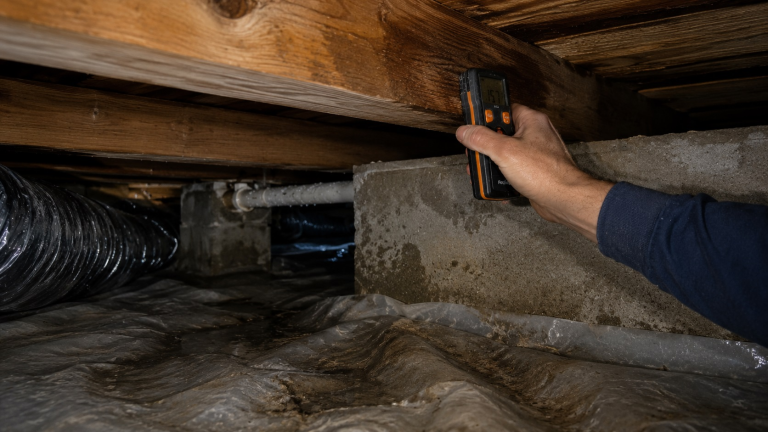
Wood trim, door frames, and structural components readily absorb moisture when exposed. Once wet, wood dries slowly—especially in enclosed spaces with limited airflow.
This slow drying process allows:
- Moisture to remain within wood fibers
- Mold spores to colonize organic material
- Repeated wetting cycles to worsen conditions
Over time, this can lead to both mold growth and structural weakening.
Drywall and Insulation Hold Moisture Internally
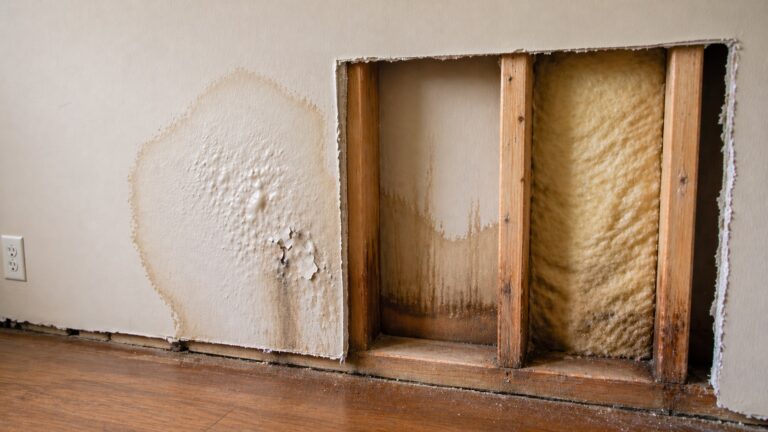
Drywall contains paper backing that provides an organic surface for mold growth. When moisture enters drywall, it often becomes trapped beneath the surface.
Similarly, insulation materials can hold moisture inside wall cavities, where it is difficult to detect and slow to dry.
These hidden moisture reservoirs allow mold to grow even when surfaces appear dry.
Flooring Materials Can Spread Moisture
Moisture entering at the threshold often spreads into adjacent flooring materials. Depending on the flooring type, moisture may travel laterally or become trapped beneath the surface.
This can lead to:
- Warping or swelling of wood flooring
- Damp subfloor conditions
- Mold growth beneath flooring materials
- Expansion of moisture into nearby walls
If flooring becomes affected, proper drying methods—such as those outlined in dry flooring after door leaks—are necessary after addressing the source of moisture.
Why Mold Keeps Returning Around Door Frames
Mold that keeps coming back around a door frame almost always means the moisture condition is still active. Surface cleaning may remove visible growth, but it does not dry wet wood, repair failed seals, or stop condensation inside a cold frame cavity.
Moisture Sources Are Still Active
Recurring mold growth usually means that water intrusion or humidity conditions have not been fully addressed. Common ongoing moisture sources include:
- Unsealed gaps around the door frame
- Failed weatherstripping
- Hidden leaks behind trim or drywall
- Moisture entering through the threshold
- Condensation caused by high indoor humidity
Even small amounts of repeated moisture exposure are enough to support mold growth over time.
Materials Stay Damp After the Surface Looks Dry
In many cases, moisture remains trapped within materials even after surfaces appear dry. This hidden moisture allows mold to regrow from inside the structure.
Trapped moisture commonly exists in:
- Wood framing and trim
- Drywall and insulation
- Subfloor materials beneath thresholds
- Spaces behind baseboards and casing
Because these materials dry slowly, they can remain damp long after the original moisture event.
Cleaning Without Fixing the Cause
Surface cleaning removes what you can see, but it does not correct the damp condition behind the trim, under the threshold, or inside nearby drywall. If those materials remain damp, mold usually reappears in the same location.
Do not paint or caulk over mold-stained areas until the moisture source has been corrected and the affected materials have dried. Sealing over damp materials can trap moisture and allow hidden mold to continue growing.
This is why long-term mold control depends on addressing both the moisture problem and the mold itself. The process of permanently resolving mold issues is explained in how to remove mold permanently.
When Mold Around Door Frames Indicates a Larger Structural Problem
While some mold issues remain localized, others indicate more serious structural moisture problems. Recognizing these warning signs helps homeowners take action before damage spreads further.
Mold Extends Beyond the Door Frame
Mold that spreads into surrounding walls, baseboards, or flooring usually indicates that moisture has moved beyond the initial entry point.
This can occur when:
- Water travels through wall cavities
- Moisture spreads beneath flooring
- Leaks persist over long periods
- Multiple structural components become saturated
Widespread mold growth suggests that the problem is no longer limited to the door frame alone.
Structural Materials Show Damage
When materials begin to deteriorate, it often means moisture exposure has been ongoing for an extended period.
Serious warning signs include:
- Soft or crumbling wood
- Warped or unstable flooring
- Drywall that feels spongy or weak
- Door frames that shift or lose alignment
These conditions may require repairs beyond simple cleaning and indicate potential structural involvement.
Moisture Persists Regardless of Weather Conditions
If dampness remains constant regardless of rain or humidity changes, it may indicate deeper issues such as:
- A nearby hidden plumbing leak, if plumbing runs near the affected wall
- Moisture trapped inside wall cavities
- Improperly installed moisture barriers
- Chronic airflow and ventilation problems
Persistent moisture without a clear external trigger should be investigated carefully.
Odors Continue Without Visible Mold
Musty odors that persist without visible mold often signal hidden growth inside structural cavities. These conditions may require professional inspection to locate the source.
Hidden mold problems are especially common when moisture enters behind trim or beneath flooring.
When to Call a Professional
Professional help is most important when the mold is recurring, spreading, connected to structural damage, or coming from a moisture source you cannot identify.
- Mold returns after cleaning and basic sealing.
- Growth extends beyond the door frame into walls, baseboards, or flooring.
- Wood feels soft, drywall feels spongy, or the frame has shifted out of alignment.
- Musty odors continue even when visible mold is limited.
- The moisture source is unclear or the area stays damp regardless of weather.
When moisture problems continue or worsen, solutions may involve steps outlined in fix persistent door leak problems, which explains how ongoing door leak issues are addressed.
Frequently Asked Questions About Why Mold Forms Around Door Frames
Why does mold keep forming around my door frame?
Mold keeps forming because the door area is still getting damp or is not drying fully. Common causes include a leaking threshold, failed exterior sealant, wet material behind trim, or condensation on a cold frame. Cleaning the surface will not stop recurrence if damp wood, drywall, or subfloor material remains behind the visible area.
Is mold around a door frame always caused by a leak?
No. While leaks are a common cause, mold can also develop from condensation. When warm indoor air contacts a cooler door frame, moisture can form and create conditions suitable for mold growth. In some cases, both leaks and condensation contribute to the problem.
Why is mold usually worse at the bottom of the door frame?
Moisture naturally moves downward due to gravity. Water that enters around a door frame tends to collect at the lowest points, such as the bottom corners and threshold. These areas stay damp longer, making them more susceptible to mold growth.
Can mold grow behind door trim without being visible?
Yes. Door trim covers gaps between the frame and the wall, creating enclosed spaces where moisture can accumulate. Mold often develops in these hidden areas before becoming visible on the surface.
How do I know if the problem is condensation or a leak?
Condensation-related mold usually appears during cold weather and is influenced by indoor humidity levels. Leak-related mold often appears after rain and is concentrated near structural joints. If mold persists regardless of humidity or weather changes, a leak is more likely.
Does fixing the door stop mold from forming?
Fixing the door can stop new moisture from entering if the door was the source of the problem. However, mold may still return if damp trim, drywall, insulation, or subfloor material remains behind the frame. The source must be corrected, the area must dry, and affected mold growth must be removed properly.
Key Takeaways
- Door-frame mold usually points to a moisture source at the threshold, trim, siding joint, air leak, or condensation-prone surface.
- Common causes include leaks, failed seals, condensation, and poor airflow.
- Door frames are vulnerable because they contain multiple material transitions and structural joints.
- Recurring mold indicates ongoing moisture problems that have not been fully addressed.
- Hidden moisture inside walls, trim, or flooring often allows mold to grow even when surfaces appear dry.
- Identifying the moisture source is essential for preventing mold from returning.
Conclusion
Mold forms around door frames when moisture enters through leaks, failed seals, threshold problems, air leakage, or condensation and then remains trapped in wood, drywall, trim, insulation, or flooring materials.
The most important step is to identify why the door area is staying damp. Cleaning visible mold may improve the surface temporarily, but long-term prevention depends on correcting the moisture path and allowing affected materials to dry.
If the mold returns after cleaning, treat it as a moisture-source problem first: check whether the pattern follows rain, cold-weather condensation, threshold leakage, or damp material hidden behind the trim.