
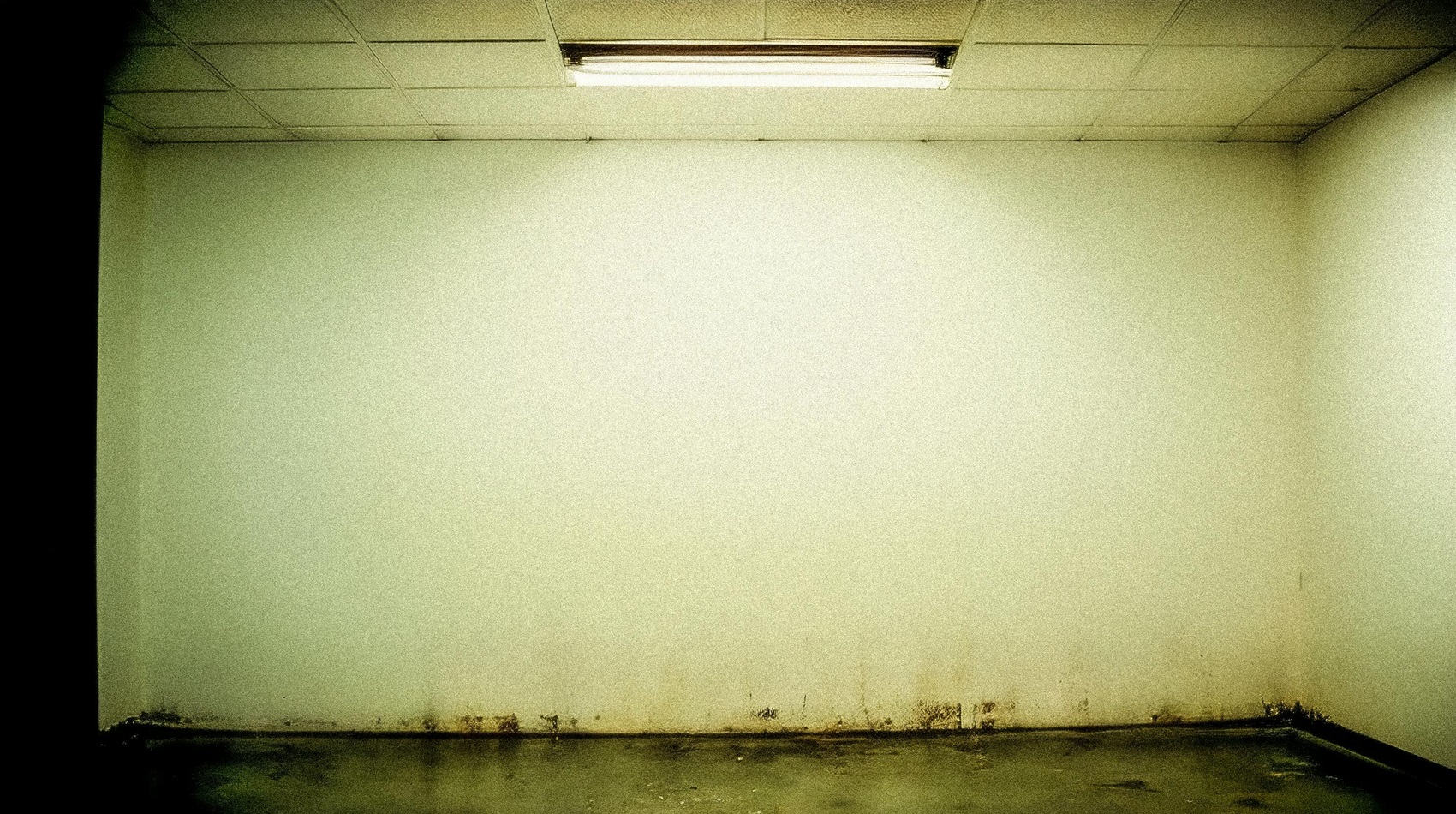
Why Basements Stay Damp (Even Without Leaks or Flooding)
Many homeowners notice that their basement feels damp even when there are no visible leaks, puddles, or recent flooding. The air may feel heavy, surfaces may seem slightly moist, and a musty smell may come and go without a clear cause. This can be confusing—especially when there is no obvious source of water.
The reason is that basement dampness is not always caused by direct water entry. Instead, it is usually the result of how moisture behaves in below-ground spaces. Basements naturally collect and hold moisture from the surrounding environment, and without proper balance, that moisture can build up over time.
This is one reason basement dampness often fits into a broader pattern of moisture problems that keep returning, especially when the space dries only temporarily before feeling damp again.
If damp conditions persist, they can eventually lead to mold growth. Recognizing early warning signs, such as those described in signs of mold growth in basements, can help determine whether moisture levels are becoming a larger issue.
The key distinction is whether the dampness is coming from indoor humidity, condensation, soil moisture, moisture stored in materials, or a developing water-entry problem.
Why Basements Feel Damp Even Without Leaks
This usually happens because several low-level moisture sources are working at the same time: humid air, cool basement surfaces, damp surrounding soil, porous concrete or masonry, and stored materials that absorb moisture and release it slowly.
Moisture From the Surrounding Ground
Basements are surrounded by soil, which naturally holds moisture. After rainfall or during humid conditions, this moisture increases and presses against foundation walls.
Even without visible seepage, water vapor can move slowly through porous concrete and masonry. That moisture may not create puddles, but it can raise humidity and keep nearby surfaces feeling damp.
When moisture does enter more directly, it is often related to issues explained in why basement walls leak during rain, where external water finds pathways into the basement.
Humidity Building Up in the Basement Air
Air naturally contains moisture, and basements tend to trap that moisture more easily than other parts of the home. Limited ventilation and cooler temperatures slow down evaporation, allowing humidity to build up.
As humidity increases, the air begins to feel damp or heavy. This can happen even when surfaces appear dry, which is why many homeowners experience dampness without seeing any water.
Moisture Released From Materials
Materials in the basement can absorb moisture and release it slowly back into the air. This includes:
- Concrete walls and floors
- Wood framing and structural components
- Drywall in finished basements
- Stored items such as cardboard and fabric
After humidity drops, these materials may continue releasing moisture for hours or days, so the basement can feel damp even after the air briefly seems better.
How Humidity Builds Up in Basements
Humidity is often the main reason a basement feels damp without visible water. Warm, moisture-heavy air can enter from outdoors or from the living space above, then linger because the basement is cooler, enclosed, and poorly ventilated.
Why Basement Air Holds Moisture Longer
Basement air behaves differently than air in upper levels of a home. Several factors contribute to this:
- Limited windows and ventilation points
- Cooler temperatures slowing evaporation
- Obstructions that block airflow
- Moisture released from surrounding materials
These conditions allow humidity to remain suspended in the air, which makes the basement feel damp even when surfaces appear dry.
Signs That Humidity Is Causing Dampness
When humidity is the primary cause, homeowners may notice:
- Air that feels heavy or slightly sticky
- Musty odors that come and go
- Stored items becoming soft or musty over time
- Condensation forming during warmer weather
A simple hygrometer can help confirm this pattern. If basement relative humidity repeatedly stays above about 60%, humidity is likely contributing to the damp feeling.
If readings stay high even after short-term ventilation or dehumidifier use, the basement likely has an ongoing moisture source rather than a one-time humidity spike.
How Condensation Keeps Basements Damp
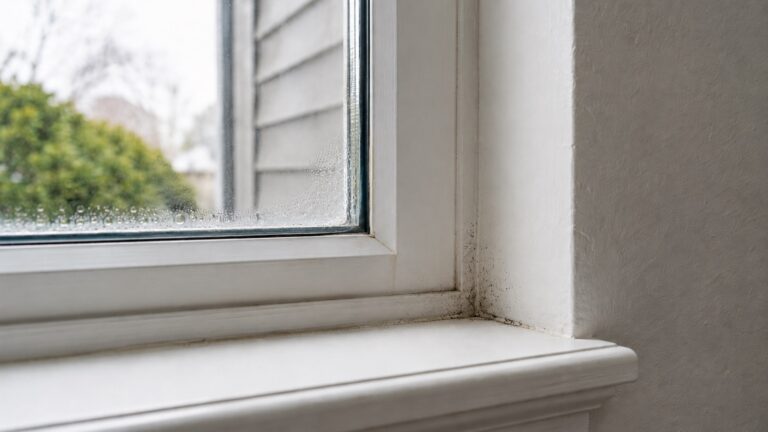
Condensation is another major reason basements stay damp. It occurs when warm, moisture-filled air comes into contact with cooler surfaces, causing water to form.
Why Condensation Happens in Basements
Basement walls and floors are typically cooler than the surrounding air because they are in contact with the ground. When warm air enters the space and touches these cooler surfaces, moisture condenses into small amounts of water.
This may show up as visible droplets, a cool clammy feel, or a surface that dries and becomes damp again as temperature and humidity change.
Common Areas Where Condensation Forms
Condensation tends to appear on:
- Concrete foundation walls
- Basement floors
- Metal pipes and ductwork
- Uninsulated surfaces
Over time, repeated condensation cycles can keep surfaces slightly damp, even when there is no active water source.
Why Condensation Often Goes Unnoticed
Unlike leaks or flooding, condensation does not always leave obvious signs. The moisture may evaporate and reappear repeatedly, making it difficult to detect.
This repeated wet-dry cycle can leave corners, cold floors, and items near exterior walls damp long enough for odors or mold risk to develop.
How Soil Moisture Affects Basement Conditions
Basements are influenced by the moisture content of the soil around the foundation. After rain or during wet seasons, that soil can stay damp for long periods and keep foundation walls cooler and more moisture-prone.
Because concrete and masonry are porous, water vapor can move slowly through walls and floors even when there are no visible cracks, leaks, or puddles. This is different from active seepage, but it can still make the basement air and surfaces feel damp.
When Soil Moisture Becomes More Noticeable
Soil-related dampness is often more noticeable:
- After heavy rainfall
- During seasonal changes
- In areas with poor drainage around the home
If dampness turns into visible seepage, wet wall lines, or recurring water near the floor, the issue may be moving beyond normal basement humidity. At that point, the broader drainage and waterproofing options in how to waterproof basements and control water intrusion become more relevant.
How Poor Ventilation Traps Moisture in Basements
Even when moisture levels are not extremely high, poor airflow can cause basements to stay damp. Without proper air movement, moisture remains trapped instead of evaporating and leaving the space.
Why Airflow Matters for Drying
Airflow helps move moisture away from surfaces and out of the basement. When air is stagnant, moisture lingers on walls, floors, and stored materials.
Basements often have limited natural airflow due to:
- Few or no windows
- Closed doors separating them from upper levels
- Clutter blocking air circulation
- Storage items placed tightly against walls
These conditions create pockets of trapped moisture, especially behind shelves, boxes, furniture, and finished wall surfaces placed against exterior foundation walls.
Microclimates and Hidden Damp Areas
In many basements, dampness is not evenly distributed. Instead, it forms in small areas where airflow is restricted. These microclimates are common:
- Behind storage boxes or furniture
- In corners with limited air movement
- Along exterior walls
- Inside finished wall cavities
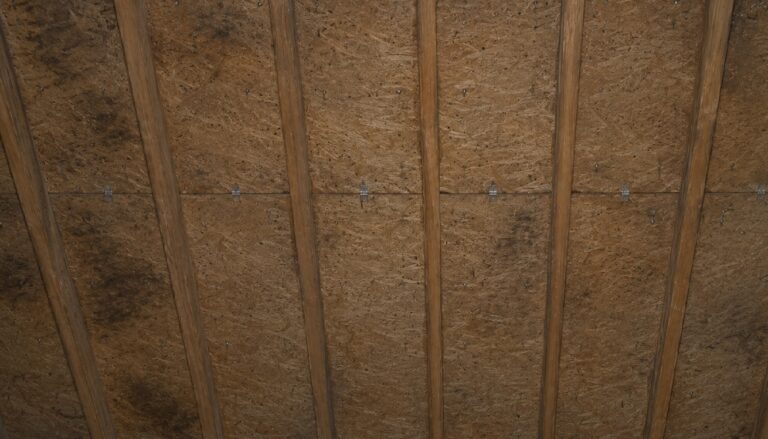
These hidden damp zones are often where basement mold starts, especially when stored items or finished surfaces stay close to cool exterior walls. The mold-specific causes are covered further in why mold forms in basement areas.
Why Dampness Gets Worse at Certain Times of Year
Seasonal changes can make basement dampness appear only part of the year, especially when outdoor humidity, soil moisture, and basement surface temperatures shift.
Summer Humidity and Warm Air
During warm months, outdoor air tends to carry more moisture. When this humid air enters a cooler basement, it can increase overall humidity and cause condensation.
As a result:
- Surfaces may feel damp even without water exposure
- Odors may become more noticeable
- Moisture levels rise throughout the space
Rainy Periods and Increased Soil Moisture
After heavy rainfall, the soil around the foundation becomes saturated. This increases the amount of moisture pressing against basement walls.
Even without visible leaks, this can lead to:
- Damp wall surfaces
- Recurring moisture patterns near floors
- Increased humidity inside the basement
When moisture begins entering more directly, it may be related to structural conditions described in why basement walls leak during rain.
Winter Temperature Differences
In colder months, temperature differences between indoor air and basement surfaces can increase condensation in some homes. While overall humidity may be lower, poor airflow can still allow damp areas to persist.
Signs That Dampness Is Becoming a Problem
A basement that feels damp for a day or two after weather changes is different from one that stays damp, smells musty, or damages stored items. The longer the pattern continues, the more likely moisture is affecting materials or air quality.
Musty Odors That Do Not Go Away
A persistent musty smell is often one of the first signs that dampness is affecting the basement environment. This odor can come from moisture trapped in materials or early mold activity.
Recurring Condensation or Damp Surfaces
If condensation appears frequently or surfaces never seem to fully dry, it indicates that moisture levels are consistently too high.
Damp or Damaged Stored Items
Items stored in the basement—especially cardboard, fabric, or wood—may become soft, discolored, or musty over time. This suggests that moisture is affecting the entire space, not just isolated areas.
Peeling Paint or Surface Deterioration
Paint that bubbles or peels and surfaces that begin to break down are signs that moisture is interacting with materials over an extended period.
Early Signs of Mold Growth
When dampness continues, mold may begin to form. This often starts as small spots or discoloration before spreading further. Identifying these early symptoms, such as those described in signs of mold growth in basements, can help determine when dampness has progressed into a more serious issue.
What Persistent Dampness Means for Your Home
When a basement stays damp for weeks instead of briefly after weather changes, moisture is either entering the space, being stored in materials, or failing to dry because airflow and humidity control are not keeping up.
Dampness Can Lead to Mold Growth
Persistent moisture raises the risk of mold, especially in corners, behind stored items, along exterior walls, and on paper, fabric, or unfinished wood. For the mold-specific causes, see why mold forms in basement areas.
Materials Can Gradually Deteriorate
Basement materials often show this slowly. Wood framing may absorb moisture, drywall near exterior walls may soften, and paint or coatings on concrete may bubble or peel before the source of dampness is obvious.
Air Quality Can Be Affected
Damp basements often develop musty odors and can contribute to poor indoor air quality. This is especially noticeable when air from the basement circulates into other parts of the home.
Dampness Often Means Moisture Is Not Drying Fast Enough
A consistently damp basement usually means that moisture is entering or accumulating faster than it can evaporate. This imbalance can come from humidity, condensation, soil moisture, or a combination of factors.
If dampness keeps returning after humidity control, airflow changes, or basic drainage improvements, the basement may need a source-focused repair plan. Long-term options are covered in how to fix persistent basement moisture problems.
2 Comments
Comments are closed.