
Why HVAC Systems Stay Damp
An HVAC system should not stay damp after normal operation. While moisture is naturally produced during cooling, that moisture is supposed to drain away and dry between cycles. When a system remains damp, it usually means something in that process is not working correctly.
Persistent wetness inside an HVAC system is more than just a comfort issue. It can lead to musty odors, poor air quality, and eventually mold growth if conditions are not corrected. If you are already noticing warning signs, you may want to compare them with common moisture symptoms in HVAC systems to better understand what is happening.
Because HVAC dampness is often part of a recurring moisture pattern, it helps to understand why moisture problems keep returning before assuming the system only needs to be dried once.
Why HVAC Systems Are Supposed to Dry Between Cycles
During normal operation, HVAC systems go through a cycle of moisture creation and removal. When air conditioning runs, it pulls humidity out of the air through condensation. That moisture collects, drains away, and any remaining dampness should evaporate as air continues to move through the system.
This cycle depends on three key factors:
- Proper drainage to remove collected water
- Strong airflow to support evaporation
- Low enough humidity to allow drying
When all three are working correctly, the system should not remain wet or musty between normal cooling cycles.
However, if any part of this process is disrupted, moisture can remain inside the system instead of drying out. Over time, this creates a persistent damp condition rather than a temporary moisture event.
Drying failures are often connected to system behavior rather than a single visible issue, so the cause may not be obvious from a quick look inside the unit or ducts.
Condensation That Never Fully Evaporates
One of the most common reasons HVAC systems stay damp is that condensation forms continuously but never fully dries. This happens when moisture is produced faster than it can be removed.
During cooling cycles, warm air passes over cold coils, causing water to form. In a properly functioning system, that water drains away and any remaining moisture evaporates before the next cycle begins.
Problems occur when:
- The system runs frequently in humid conditions
- Airflow is not strong enough to dry surfaces
- Humidity levels remain high inside the home
In these situations, surfaces such as coils and ducts may never fully dry. Instead, they can hold a thin moisture film between cycles, especially where dust or porous material is present.
Condensation-related dampness is often mistaken for a leak. A leak usually leaves a more localized water path, drip point, or overflow area, while condensation-related dampness tends to appear as repeated film, wet surfaces, or musty airflow after cooling cycles.
Poor Airflow Prevents HVAC Systems From Drying
Airflow is one of the most important factors in drying an HVAC system. When air moves consistently across internal surfaces, it helps evaporate moisture and carry it out of the system. When airflow is weak or uneven, moisture lingers and surfaces stay damp longer than they should.
Common causes of poor airflow to check first include:
- Clogged or dirty air filters
- Blocked or closed vents
- Restricted return airflow or blocked return grilles
- Duct restrictions or buildup inside ducts
- Blower or fan performance issues
When airflow is reduced, two problems occur at the same time:
- Moisture is not removed efficiently
- Dust settles more easily on damp surfaces
This combination increases both dampness and mold risk. Even small airflow restrictions can significantly slow drying, especially in areas of the system that already receive less air movement.
If airflow problems are suspected, they should be evaluated alongside moisture conditions. You can explore how airflow affects moisture behavior in this guide on poor HVAC airflow, which explains how airflow issues contribute to moisture retention.
High Indoor Humidity Keeps the System Damp
Indoor humidity levels play a major role in whether an HVAC system can dry properly. When humidity is high, the air already contains significant moisture, which slows down evaporation.
In humid conditions:
- More moisture enters the HVAC system
- Condensation forms more frequently
- Drying becomes less effective
Even if the system is functioning correctly, high humidity can overwhelm its ability to remove moisture. This is especially common in warm climates or during seasonal humidity spikes.
When humidity remains elevated, the system may feel damp continuously, even though no single failure is present. In these cases, the issue is often environmental rather than mechanical.
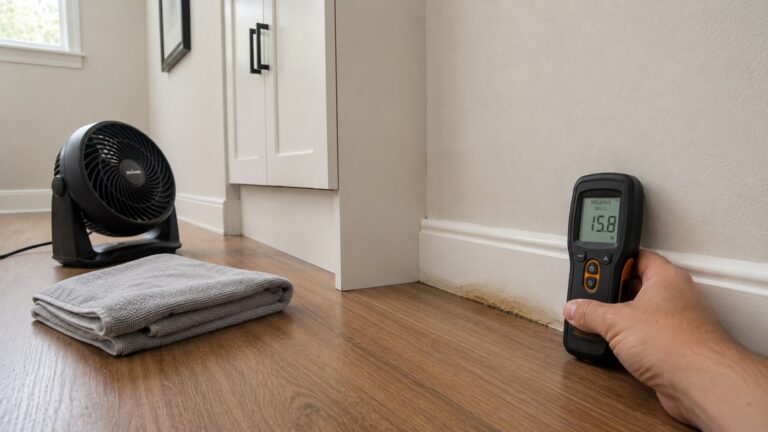
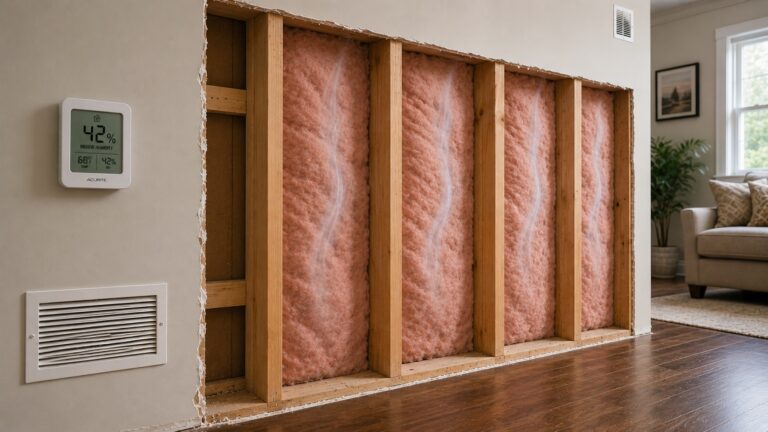
A simple hygrometer can help confirm this pattern. If indoor humidity stays elevated while the HVAC system is running, the system may be cooling the air without removing enough moisture.
Understanding how humidity fluctuates can help explain why dampness appears at certain times. You can review why humidity levels change during weather shifts to better understand these patterns.
Drainage Issues That Keep Reintroducing Moisture
Drainage problems are another major reason HVAC systems stay damp. When water cannot leave the system efficiently, it continues to re-wet internal surfaces.
Common drainage-related causes include:
- Clogged condensate drain lines
- Improperly sloped drain pipes
- Standing water in drain pans
- Debris blocking water flow
Even minor drainage issues can create persistent dampness. Water that does not fully drain may evaporate slowly, but it often leaves behind enough moisture to keep the system damp between cycles.
Because drainage problems are often hidden, they may go unnoticed until dampness becomes persistent. If the drain pan still holds water, the condensate line backs up, or water stains appear near the air handler, drying the system will not last until the drainage issue is corrected.
Moisture Trapped Inside HVAC Materials
Not all moisture inside HVAC systems is visible. Some materials absorb and hold moisture, releasing it slowly over time. This can make the system feel damp even when no water is visible.
Materials that commonly trap moisture include:
- Insulated duct liners
- Fibrous materials inside ducts
- Dust buildup on internal surfaces
Unlike metal surfaces, which dry relatively quickly, these materials can retain moisture internally. As they release moisture back into the air, the system may continue to feel damp even after drying efforts.
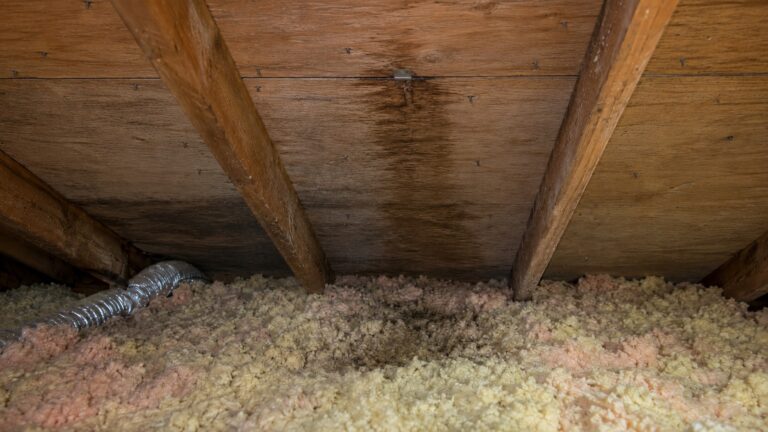
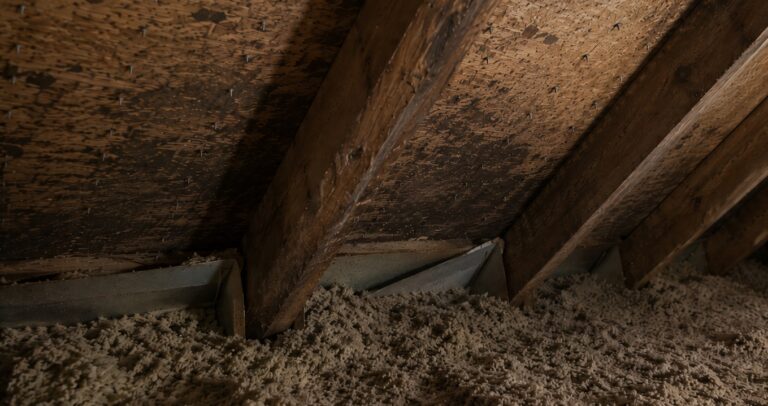
This type of moisture retention is one reason dampness can persist after visible water is gone. It also increases mold risk because moisture can remain available in dust, liners, insulation, or porous buildup even when nearby metal surfaces look dry.
System Behavior Issues That Cause Persistent Dampness
Even when an HVAC system is functioning without obvious damage, certain operating patterns can prevent it from drying properly. These behavior-related issues often go unnoticed because the system still heats or cools the home effectively.
Short Cycling Prevents Moisture Removal
Short cycling occurs when the system turns on and off too frequently. This prevents it from running long enough to remove moisture from the air and dry internal components.
When cycles are too short:
- Humidity is not fully removed from indoor air
- Condensation forms but does not fully drain or evaporate
- Surfaces remain damp between cycles
Short cycling is often caused by oversized systems or thermostat issues. While the system may reach the desired temperature quickly, it does not stay on long enough to complete the drying process.
Oversized HVAC Systems Leave Excess Moisture
An oversized system can cool a home too quickly, which reduces its ability to remove humidity. This creates a situation where the air temperature drops, but moisture levels remain higher than they should be.
As a result:
- Condensation still forms during operation
- Humidity is not fully reduced
- Moisture remains inside the system
This is why an oversized system can feel “strong” but still leave the home and ductwork damp.
Continuous Fan Operation Spreads Moisture
Running the fan continuously without active cooling can circulate moisture throughout the system. Instead of allowing surfaces to dry, airflow redistributes moisture from damp areas to other parts of the system.
This can create:
- More uniform dampness throughout ducts
- Slower drying overall
- Persistent humidity in indoor air
Fan operation can help in some drying situations, but continuous fan use after a cooling cycle may also pull moisture off a wet coil and redistribute it through the ducts.
Why Drying Attempts Often Fail
Drying an HVAC system may remove surface moisture for a short time, but the problem often returns if the coil keeps producing condensation, the drain pan still holds water, or airflow is too weak to dry internal surfaces between cycles.
Drying attempts fail when:
- The source of moisture is still active
- Hidden moisture remains inside materials
- Airflow or humidity conditions prevent evaporation
For example, if condensation continues to form due to high humidity or poor airflow, the system will remain damp even after initial drying. In these cases, drying alone cannot solve the problem.
Understanding why drying failed is often more useful than repeating the same drying steps. If the system gets wet again quickly, the source is still active or the system cannot remove moisture effectively.
When Dampness Indicates a Deeper HVAC Problem
Persistent dampness is not always caused by environmental conditions alone. In some cases, it indicates a deeper issue within the system that requires attention.
Signs that dampness may be linked to a larger problem include:
- Moisture returns quickly after drying attempts
- Musty odors persist or worsen over time
- Condensation appears frequently or in large amounts
- Air quality declines alongside damp conditions
These patterns suggest that the system is not only staying damp but may also have hidden moisture inside coils, pans, duct liners, or nearby materials. If you need to inspect where the moisture is located, use how to detect moisture inside HVAC systems. If mold is already suspected, see why mold forms inside HVAC systems.
Frequently Asked Questions About HVAC Systems Staying Damp
Is it normal for an HVAC system to feel damp?
No, an HVAC system should not remain damp between cycles. While moisture is created during cooling, it should drain and evaporate. Persistent dampness usually indicates a problem with airflow, drainage, humidity, or system operation.
Why does my AC feel humid even when it is cooling?
This often happens when the system is not removing enough humidity from the air. Common causes include short cycling, oversized systems, or high indoor humidity levels that overwhelm the system’s ability to dehumidify.
Why does moisture keep coming back after drying the system?
Moisture returns when the underlying cause is still present. This could be ongoing condensation, poor airflow, drainage issues, or high humidity. Drying alone does not fix these conditions.
Can running the HVAC system fix dampness?
Running the system may help only if airflow, drainage, and humidity control are working correctly. If the coil stays wet, the drain pan holds water, or the fan redistributes moisture after cooling, running the system may keep dampness circulating instead of solving it.
When is dampness a serious problem?
Dampness becomes serious when it returns after drying, causes musty airflow, leaves water in the drain pan, or appears with visible staining near the air handler or ducts. These patterns suggest the system is still producing, holding, or reintroducing moisture.
What Persistent HVAC Dampness Usually Means
An HVAC system that stays damp is usually not dealing with a one-time moisture event. The system is either producing moisture faster than it can remove it, holding moisture in materials, failing to drain properly, or operating in a way that prevents drying between cycles.
Once the cause is identified, the next step is to correct the condition that keeps reintroducing moisture. If drying has already failed, review how to dry HVAC systems after moisture problems. If dampness keeps returning after that, move to how to fix persistent HVAC moisture problems.
Key Takeaways
- HVAC systems should dry between cycles; persistent dampness indicates a problem
- Common causes include poor airflow, high humidity, and drainage issues
- Condensation that never fully evaporates is a major contributor to dampness
- Moisture can be trapped in materials like duct insulation and released slowly
- System behavior issues like short cycling can prevent proper drying
- Drying attempts often fail when the root cause is not addressed
- Persistent dampness increases the risk of mold growth and air quality problems
2 Comments
Comments are closed.