Signs Moisture Conditions Are Becoming Unstable
Moisture problems usually do not become serious all at once. In many homes, the first warning sign is instability: humidity readings begin to swing, certain rooms feel different from others, odors come and go, or dampness appears only under certain conditions. These changes may seem minor at first, but they can signal that the indoor environment is no longer staying balanced.
Moisture instability is different from simply having high humidity. A home can have a short-term humidity spike after a shower or rainy day and still return to normal. Instability means the pattern is becoming less predictable, more frequent, or more difficult to control.
Recognizing these early signs matters because unstable moisture conditions often appear before visible damage. The goal is to catch the pattern before it turns into recurring condensation, mold risk, or material damage.
If you are already seeing repeated moisture symptoms after previous issues, it may help to compare them with why moisture problems keep returning. That broader guide explains how repeated moisture patterns develop over time.
What Moisture Instability Means in a Home
Moisture instability means the home is no longer maintaining consistent indoor conditions. Instead of humidity rising and falling in a predictable way, moisture begins to fluctuate irregularly or collect in certain areas. This can affect comfort, indoor air quality, and building materials.
A stable home usually has:
- Predictable humidity readings
- Consistent comfort from room to room
- No recurring musty odors
- Minimal condensation
- Moisture levels that return to normal after daily activities
An unstable home may show the opposite pattern. Humidity may rise quickly, stay elevated longer than expected, or vary sharply between rooms. One area may feel damp while another feels dry. Odors may appear after rain, cooking, showers, or HVAC cycles.
The important point is that instability is about repeated change. A single humid day does not always mean there is a moisture problem. But readings that swing repeatedly, rooms that keep feeling different, or symptoms that return under the same conditions suggest that moisture is no longer being controlled effectively.
Moisture instability often happens when several small issues combine. For example, high outdoor humidity, weak ventilation, and minor stored moisture in materials may each seem manageable on their own. Together, they can create indoor conditions that fluctuate unpredictably.
This is why early monitoring is so helpful. Learning how to test indoor humidity levels gives you a measurable way to separate normal variation from a pattern that needs attention.
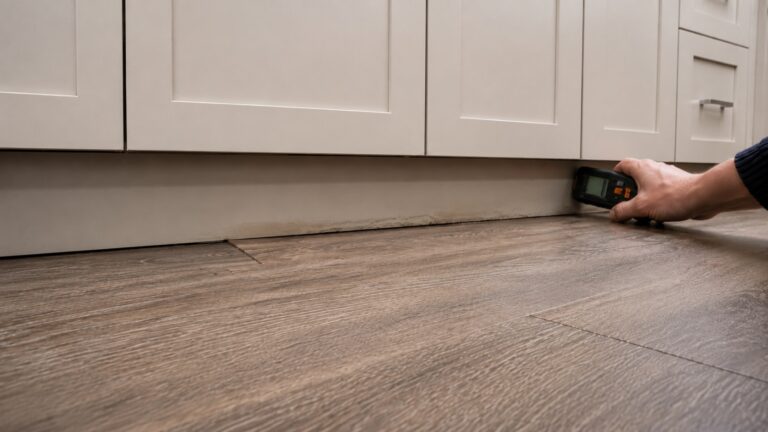
For a simple check, record humidity in the same rooms at the same times for several days. A pattern matters more than one reading: repeated spikes, slow recovery after moisture-producing activities, or one room staying consistently higher than the rest are stronger warning signs than a single number by itself.
Frequent Humidity Fluctuations
One of the clearest signs of unstable moisture conditions is frequent humidity fluctuation. Humidity naturally changes during the day, but large or repeated swings may indicate that moisture is entering, moving, or accumulating faster than the home can manage.
Watch for patterns such as:
- Humidity rising sharply within a few hours
- Readings changing significantly from day to day
- Humidity staying elevated long after showers, cooking, or laundry
- Levels dropping temporarily and then rising again without a clear reason
- One room repeatedly reading higher than nearby rooms
These changes often point to an imbalance between moisture input and moisture removal. Moisture may be entering from activities, outdoor air, damp materials, or hidden sources, while ventilation or dehumidification is not keeping up.
Humidity fluctuations are especially important when they become repeatable. For example, if humidity rises every evening and takes hours to return to normal, the home may be struggling to remove moisture after daily activities. If humidity spikes after rain, outdoor conditions or building envelope issues may be contributing.
Repeated swings can also indicate that humidity control systems are reacting too late or running inconsistently. A dehumidifier that cycles irregularly, an HVAC system that short cycles, or poor airflow between rooms can all create unstable conditions.
If humidity is already difficult to control, the next step is usually stabilization rather than guesswork. The guide on how to stabilize indoor humidity levels explains how to manage moisture input, airflow, and removal together for more consistent conditions.
Rooms Feeling Inconsistently Damp or Dry
Another early sign of moisture instability is when different rooms feel noticeably different from one another. One area may feel damp or heavy, while another feels normal or even dry. These inconsistencies often indicate that moisture is not being distributed or removed evenly.
This can happen for several reasons:
- Poor airflow between rooms
- Blocked or unbalanced HVAC vents
- Localized moisture sources such as bathrooms or laundry areas
- Moisture trapped in certain parts of the home
In stable conditions, humidity levels tend to remain relatively consistent throughout the home. Small variations are normal, but large or persistent differences suggest that moisture is accumulating in specific areas.
Common signs include:
- A bedroom that feels damp while the rest of the home feels comfortable
- A basement or lower level that stays humid regardless of weather
- Closets or interior rooms that feel musty or stale
These patterns often point to airflow limitations or nearby moisture sources. Understanding why some rooms have higher humidity than others can help explain why these differences develop and how they contribute to overall instability.
Uneven conditions are important because they tend to worsen over time. Areas that stay damp longer become more likely to develop odors, condensation, or material damage if the imbalance is not corrected.
Intermittent Musty Odors
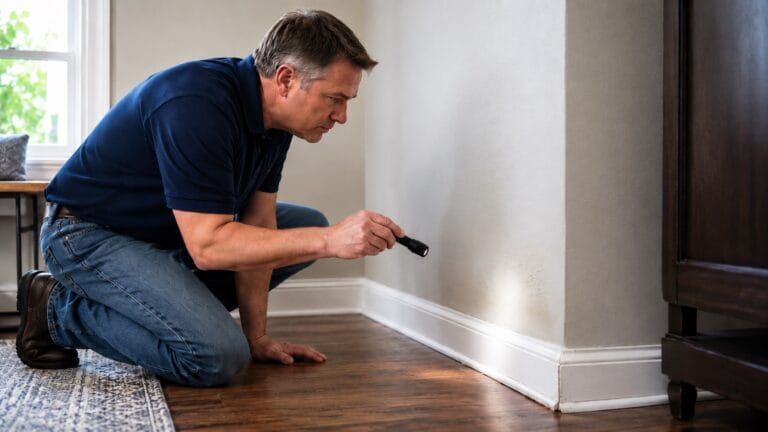
Musty odors that come and go are a common early warning sign of unstable moisture conditions. Unlike persistent odors, intermittent smells often appear under specific conditions, such as after rain, during humid weather, or at certain times of day.
These odors are usually caused by moisture interacting with organic materials such as wood, dust, or fabrics. When humidity rises, these materials release odors more easily. When humidity drops, the smell may fade or disappear.
Signs to watch for include:
- A faint musty smell that appears in the morning or evening
- Odors that become stronger during humid weather
- Smells that are localized to one room or area
Because the odor is not constant, it is easy to overlook or dismiss. However, this type of pattern often indicates that moisture is present but not yet severe enough to create visible damage.
Intermittent odors are especially important when they occur in the same location repeatedly. This suggests that moisture is collecting or being retained in that area, even if it is not visible.
If odors persist or become stronger over time, it may indicate that moisture conditions are progressing beyond early instability. At that point, it may be necessary to investigate further using methods outlined in how to detect hidden humidity sources.
Occasional Condensation or Fogging
Condensation that appears occasionally—rather than constantly—is another sign that moisture conditions may be becoming unstable. This often shows up as fogging on windows, moisture on cool surfaces, or small amounts of water forming under specific conditions.
Unlike constant condensation, which indicates consistently high humidity, occasional condensation suggests that humidity is rising above normal levels at certain times.
Common situations include:
- Windows fogging early in the morning
- Moisture forming on glass during or after showers
- Condensation appearing during humid weather
This behavior usually occurs when warm, moist air comes into contact with cooler surfaces. The key concern is not the condensation itself, but the pattern behind it. If it happens regularly, it indicates repeated humidity spikes.
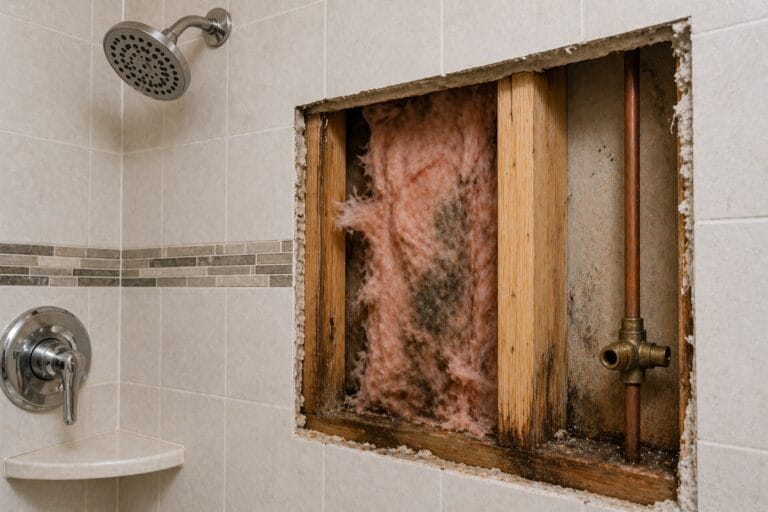
Over time, repeated condensation can lead to surface damage, staining, or mold growth if conditions are not stabilized. It is often one of the first visible signs that humidity control is becoming inconsistent.
If condensation begins to appear more frequently or in new areas, it may be a sign that moisture levels are increasing or that airflow and temperature balance are changing within the home.
Changes After Weather or Seasonal Shifts
Moisture instability often becomes more noticeable during changes in weather or seasonal transitions. While some variation is normal, strong or repeated reactions to outdoor conditions can indicate that indoor humidity is not being controlled effectively.
Common patterns include:
- The home feels damp during or after rain
- Humidity rises significantly on hot, humid days
- Air feels dry one day and damp the next during seasonal transitions
These changes occur because outdoor humidity influences indoor conditions through natural air exchange. Even well-sealed homes allow some airflow between indoor and outdoor environments. When indoor systems cannot compensate for these changes, humidity becomes unstable.
Understanding why humidity levels change during weather shifts helps separate normal seasonal variation from repeated indoor moisture instability.
Weather-related instability is especially important when indoor conditions do not return to normal after the weather improves. If dampness lingers or worsens, it may indicate that internal moisture sources or airflow issues are also contributing.
Moisture Returning After Previous Problems
If you have dealt with moisture issues in the past, instability may show up as a gradual return of symptoms. This can happen even after repairs, cleaning, or drying efforts appeared to resolve the problem.
When the symptoms are centered around a previously repaired area, compare them with signs of moisture returning after repairs. That page focuses more directly on post-repair warning signs.
Signs that moisture is returning include:
- Dampness appearing in areas that were previously affected
- Musty odors reappearing after being gone for a period of time
- Humidity rising again after seeming stable
This does not always mean the original problem has fully returned. It may mean the area was never fully stabilized, residual moisture remained, or the home is reacting to changing conditions again.
For a deeper understanding of why this happens, see why humidity persists after repairs, which explains how moisture can remain in materials or reappear under certain conditions.
Recurring symptoms are one of the strongest indicators that moisture conditions are becoming unstable. When patterns repeat, it is important to address the underlying causes before the problem progresses further.
Slow Drying or Lingering Dampness
Another sign of instability is when surfaces take longer than usual to dry or when the air feels damp for extended periods. This often indicates that moisture is not being removed efficiently.
Examples include:
- Towels, clothing, or laundry taking longer to dry
- Floors or surfaces staying slightly damp after cleaning
- Rooms feeling humid hours after moisture-producing activities
Slow drying occurs when humidity levels are already elevated or when airflow is limited. In stable conditions, moisture should evaporate and disperse relatively quickly. When it does not, it suggests that the environment is holding onto moisture longer than it should.
This behavior is often linked to:
- Poor ventilation
- High background humidity
- Moisture trapped in materials
Over time, slow drying can lead to a buildup of moisture in the home, increasing the risk of odors, condensation, and material damage. It is often one of the earliest signs that conditions are shifting away from balance.
When Instability Becomes a Serious Problem
Not all moisture instability requires immediate action, but it should not be ignored if patterns become more frequent or more severe. The key is recognizing when early warning signs begin to transition into a developing moisture problem.
Instability becomes more serious when:
- Humidity fluctuations happen daily or intensify over time
- Musty odors become stronger or more persistent
- Condensation appears more frequently or in new areas
- Dampness spreads to additional rooms
- Materials begin to feel soft, cool, or slightly swollen
These signs suggest that moisture is no longer being controlled effectively. At this stage, the problem may be moving from early instability toward a recurring or persistent moisture condition.
If these patterns continue, it is important to take action before damage develops. Addressing instability early is much easier than correcting a fully developed moisture problem.
In many cases, the next step is to identify what is causing the imbalance. A structured approach like how to detect hidden humidity sources can help narrow down the contributing factors.
When to Take Action
Taking action early can prevent minor instability from turning into a larger issue. You do not need to react to every small change, but consistent patterns should not be ignored.
Consider taking action if:
- Humidity fluctuates significantly over several days
- Rooms feel consistently different from one another
- Odors appear regularly, even if they are mild
- Drying times increase noticeably
Initial steps may include checking bathroom and kitchen exhaust use, confirming that vents are not blocked, running a dehumidifier consistently where needed, and tracking readings for several days. If instability continues after basic airflow and humidity-control steps, hidden moisture sources may be involved.
For long-term stability, it is often necessary to move beyond symptom management and focus on maintaining balance. Guidance on this can be found in how to stabilize indoor humidity levels, which outlines strategies for consistent moisture control.
Key Takeaways
- Moisture instability is defined by changing or unpredictable conditions
- Frequent humidity fluctuations are a key early warning sign
- Uneven conditions between rooms often indicate airflow or moisture imbalance
- Intermittent odors and condensation suggest rising humidity levels
- Weather changes can reveal underlying instability
- Recurring symptoms may indicate a developing moisture problem
- Early action helps prevent long-term damage
Frequently Asked Questions About Unstable Moisture Conditions
What causes humidity to fluctuate in a house?
Humidity fluctuates due to changes in daily activities, airflow, HVAC operation, and outdoor conditions. Large or repeated fluctuations usually indicate an imbalance between moisture entering and leaving the home.
Is it normal for humidity to change daily?
Yes. Small changes are normal, especially after activities like cooking or showering. However, large swings or patterns that repeat frequently may indicate instability.
When should I worry about moisture changes?
You should pay attention when the same pattern repeats for several days, worsens after rain or humidity changes, or appears with musty odors, condensation, slow drying, or uneven room conditions.
Why does my house feel different every day?
This often happens when outdoor humidity, HVAC cycles, airflow limits, and indoor moisture sources are affecting rooms differently. If the same rooms feel damp or stale repeatedly, the issue is more than normal daily variation.
Can moisture problems start without visible signs?
Yes. Many moisture problems begin with subtle changes such as fluctuating humidity, intermittent odors, or slow drying. These early signs often appear before visible damage.
Conclusion
Moisture instability is often the first sign that something in the home’s environment is out of balance. While occasional changes are normal, repeated fluctuations, uneven conditions, and intermittent symptoms should not be ignored.
By recognizing these early warning signs, homeowners can take action before moisture problems become more serious. Monitoring humidity, observing patterns, and responding to changes early are the most effective ways to maintain a stable indoor environment.
Addressing instability early helps prevent the cycle of recurring humidity, dampness, odors, and damage that can follow.
For a complete understanding of how moisture behaves in homes and how to manage it effectively, visit how to find, fix, and prevent moisture problems in homes.