How Much Does Crawl Space Encapsulation Cost?
Crawl space encapsulation usually costs about $3,000 to $15,000 for many professional projects, or roughly $3 to $10 per square foot. Basic vapor barrier work may cost less, while a full crawl space system with sealed walls, pier wrapping, drainage, insulation work, mold cleanup, a sump pump, or a dehumidifier can reach $15,000 to $30,000 or more.
The price range is wide because contractors may be pricing different scopes of work. A simple ground vapor barrier is one part of the system, while full encapsulation may include sealed seams, wall liner, pier wrapping, sealed vents, air sealing, drainage correction, insulation changes, and humidity control.
The best way to understand the cost is to compare the scope, not just the price. A clean, dry crawl space with exposed soil may only need a basic moisture barrier. A damp crawl space with standing water, mold, falling insulation, poor drainage, or damaged wood needs more than a liner. If the crawl space already shows signs of larger structural moisture problems in homes, encapsulation cost should be viewed as part of a broader repair and moisture-control plan.
How Much Crawl Space Encapsulation Usually Costs
For many homeowners, professional crawl space encapsulation falls between about $3,000 and $15,000. Smaller crawl spaces with simple access and minimal moisture problems may cost less. Larger crawl spaces, low-clearance areas, wet soil, drainage issues, mold, insulation removal, or dehumidifier installation can push the price much higher.
Many estimates are discussed by square foot, but square footage is only a starting point. A 1,000-square-foot crawl space that is clean, dry, and easy to access may cost far less than a 700-square-foot crawl space with standing water, mold on joists, damaged insulation, and no drainage system.
| Crawl Space Encapsulation Project | Approximate Cost Range | What It Usually Means |
|---|---|---|
| Basic ground vapor barrier | $1,500–$5,000 | Covers exposed soil, limited sealing, usually not full encapsulation |
| Standard encapsulation | $3,000–$10,000 | Ground barrier, sealed seams, partial or full wall coverage, vent sealing |
| Full encapsulation system | $8,000–$15,000+ | Heavy-duty liner, walls, piers, air sealing, humidity control |
| Encapsulation with drainage | $10,000–$20,000+ | Encapsulation plus drain system, sump pump, or water correction |
| Encapsulation with dehumidifier | $5,000–$18,000+ | Sealed crawl space plus mechanical humidity control |
| Encapsulation with mold remediation | $6,000–$20,000+ | Cleaning or remediation before sealing, depending on severity |
| Severe crawl space repair plus encapsulation | $15,000–$30,000+ | Structural repairs, insulation, drainage, mold cleanup, vapor barrier, dehumidifier |
These numbers are planning ranges, not exact quotes. A contractor will usually price the project based on crawl space size, access, moisture level, material quality, whether walls and piers are included, whether vents are sealed, whether drainage is needed, and whether the space requires cleanup or repairs first.
Why Crawl Space Encapsulation Prices Vary
Crawl space encapsulation prices vary because contractors may be pricing very different projects. A clean, dry, accessible crawl space with exposed soil is not the same job as a tight, muddy crawl space with standing water, mold, falling insulation, damaged wood, and no drainage system.
One quote may include only a basic ground liner. Another may include a heavy-duty vapor barrier, sealed seams, wall liner, pier wrapping, sealed vents, a new access door, drainage correction, and a crawl space dehumidifier. Those are not the same scope.
Crawl Space Size
Larger crawl spaces usually cost more because they require more vapor barrier material, tape, fasteners, wall liner, labor, and time. If the system includes full wall coverage and pier wrapping, the material and labor increase further.
However, size is not the only factor. A small crawl space with standing water, poor access, mold, and damaged insulation may cost more than a larger crawl space that is dry and easy to encapsulate. The condition of the space often matters as much as the square footage.
Access and Crawl Height
Low or difficult access can raise labor costs. Crawl space work is physically demanding, and tight areas slow down every part of the job. Workers may need to drag materials through a small access door, crawl around ductwork, move around plumbing lines, or work in areas with limited headroom.
A clean crawl space with enough height to move comfortably is usually easier and cheaper to encapsulate than a cramped space with debris, wet soil, falling insulation, and obstructions. Access also affects whether the contractor can install a proper liner, seal edges, wrap piers, and service a dehumidifier later.
Existing Moisture Conditions
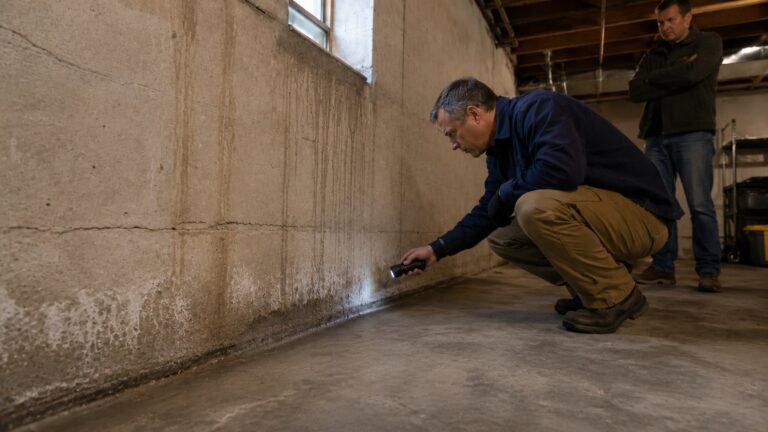
A dry crawl space costs less to encapsulate than a wet one. Damp soil, condensation, musty odor, standing water, or mold growth can all increase the price because the contractor may need to correct the moisture source before installing the liner.
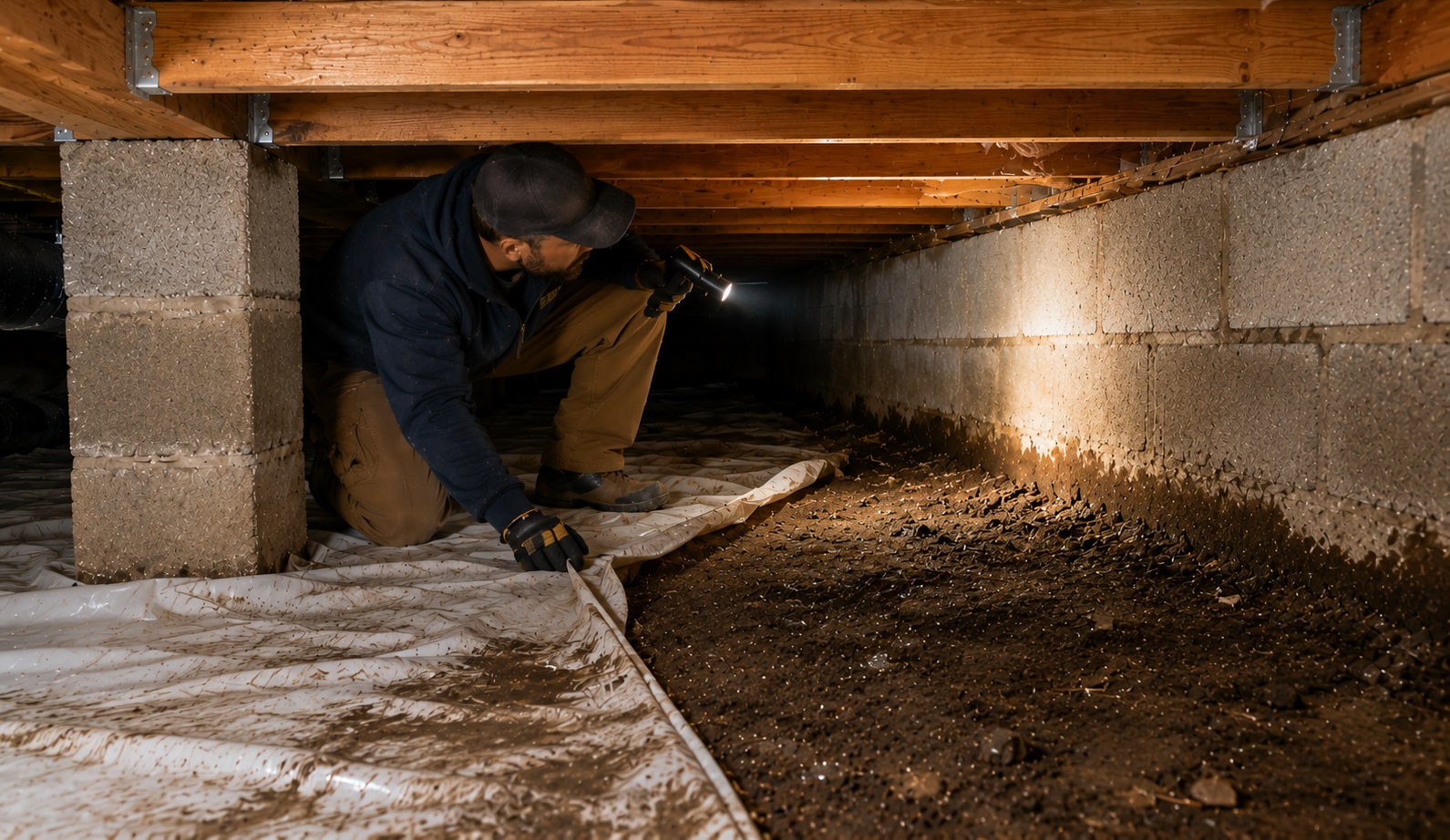
Encapsulation should not be used to hide active water problems. If water is entering the crawl space after rain or collecting on the soil, drainage may be needed first. Before approving a large quote, it helps to know how to inspect a crawl space before encapsulation and why crawl spaces develop moisture problems.
Material Quality and Barrier Thickness
The liner itself affects the cost. Thin plastic is cheaper, but it may tear, shift, or puncture more easily. A thicker reinforced vapor barrier costs more but is usually better suited for long-term crawl space use, especially when service technicians may need to enter the space later.
The quality of the seams also matters. A crawl space liner is only as good as its weak points. Seams, edges, wall transitions, piers, access doors, and penetrations must be sealed correctly for the system to control ground moisture and humid air. If you are comparing materials for a DIY or contractor project, review your crawl space vapor barrier options before assuming every liner is equivalent.
Wall Coverage and Pier Wrapping
A quote that covers only the crawl space floor is not the same as a quote that covers the floor, foundation walls, and piers. Full wall coverage and pier wrapping add material and labor, but they also help separate the crawl space from damp masonry, exposed soil, and humid air pathways.
This is one reason encapsulation quotes can vary by thousands of dollars. The cheaper quote may not be wrong, but it may be a different scope. Homeowners should ask whether the liner goes up the foundation walls, whether piers are wrapped, how seams are sealed, and whether the perimeter is attached securely.
Basic Vapor Barrier vs Full Crawl Space Encapsulation
A basic vapor barrier and a full crawl space encapsulation system are often confused, but they are not the same project. A basic ground barrier usually covers exposed soil and may reduce ground moisture evaporation. Full encapsulation costs more because it may include sealed seams, wall liner, pier wrapping, sealed vents, air sealing, drainage correction, insulation changes, and a crawl space dehumidifier.
This difference explains why one quote may be $3,000 and another may be $15,000 or more. Before comparing prices, ask exactly what surfaces are being covered, what materials are being used, how seams and edges are sealed, whether moisture sources are being corrected, and whether humidity control is included. For a deeper explanation of the system itself, see what crawl space encapsulation includes.
Crawl Space Encapsulation Cost by Project Type
Crawl space encapsulation cost changes by project type. A basic ground barrier, a standard encapsulation, and a full moisture-control system are different scopes of work, so they should not be judged by price alone.
Basic Ground Vapor Barrier Cost
A basic ground vapor barrier may cost about $1,500 to $5,000, depending on crawl space size, material quality, access, and whether the installer seals seams and edges. This is usually the lowest-cost version of crawl space moisture control.
A basic vapor barrier can be helpful when the crawl space has exposed soil but no major standing water, mold, or structural damage. It reduces moisture rising from the ground, helps keep the space cleaner, and may be a reasonable first step in a mild crawl space moisture problem.
If the quote does not include sealed seams, wall coverage, pier wrapping, vent sealing, or humidity control, it should be priced and evaluated as a limited vapor barrier job rather than a complete encapsulation system.
Standard Crawl Space Encapsulation Cost
Standard crawl space encapsulation often costs about $3,000 to $10,000. This type of project may include a ground vapor barrier, sealed seams, some wall coverage, vent sealing, and basic air sealing. It is more complete than simply laying plastic over the soil.
Standard encapsulation may be enough when the crawl space has moisture concerns but does not need major drainage, mold remediation, structural repair, or insulation replacement. It is commonly used when the goal is to reduce ground moisture, limit humid air entry, and make the crawl space easier to monitor.
The exact cost depends on how much of the walls are covered, whether piers are wrapped, how the liner is attached, what barrier thickness is used, and whether the access door and vents are sealed properly.
Full Crawl Space Encapsulation System Cost
A full crawl space encapsulation system may cost $8,000 to $15,000 or more. This type of project usually includes a heavier liner, sealed floor seams, wall liner, pier wrapping, vent sealing, air sealing, moisture-source correction, and some type of humidity management.
Full encapsulation is more expensive because it aims to control the crawl space environment as a system. Instead of only reducing ground vapor, it helps separate the crawl space from soil moisture, damp foundation walls, humid outdoor air, and uncontrolled air leaks.
This level of work is more appropriate when the crawl space affects indoor comfort, humidity, musty odors, mold risk, or structural wood conditions. If the home already has signs that moisture is affecting joists, subflooring, or insulation, encapsulation may need to be combined with repair planning.
Encapsulation With Drainage Cost
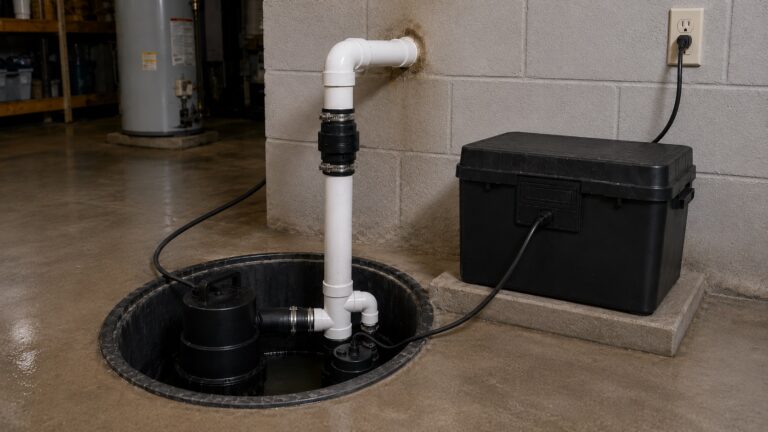
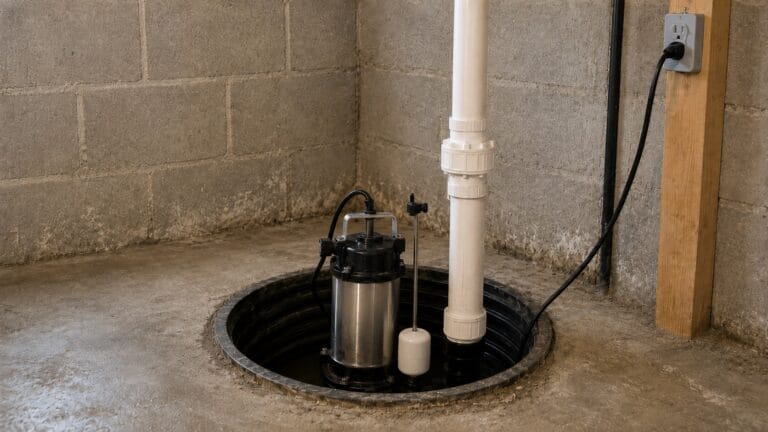
Encapsulation with drainage can cost $10,000 to $20,000 or more. Drainage adds cost because the contractor must address water before the liner is installed. This may involve a perimeter drain, interior crawl space drain, sump pump, discharge line, grading correction, or water-diversion work.
Drainage is important when the crawl space has standing water, muddy soil, repeated puddling, or water entering after rain. Encapsulation should not be used to trap active water under plastic. If the ground stays wet or water collects under the home, the water source should be corrected first.
A quote that includes drainage will usually be much higher than a liner-only quote, but it may also be more realistic for a wet crawl space. In that situation, the lower quote may not solve the actual moisture problem.
Encapsulation With a Dehumidifier Cost
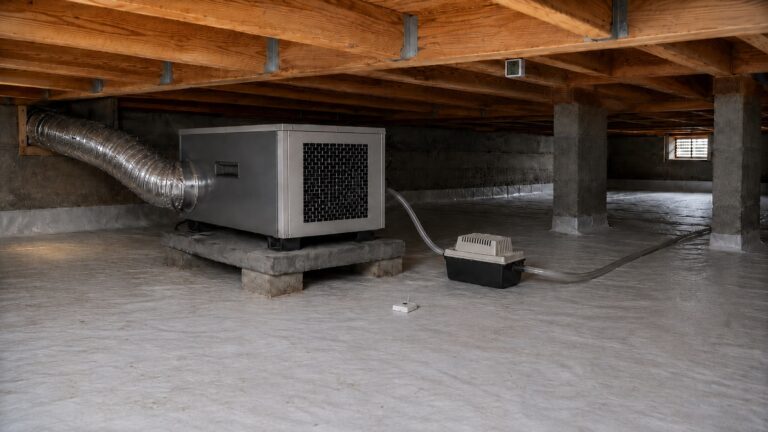
Encapsulation with a crawl space dehumidifier may cost about $5,000 to $18,000 or more, depending on the system, crawl space size, drainage needs, electrical access, and humidity conditions. A dehumidifier may be included in the quote, listed as an option, or priced separately.
A dehumidifier is most useful when the crawl space remains humid after sealing or when the home is in a humid climate. Sealing the crawl space reduces moisture entry, but mechanical humidity control may still be needed to keep relative humidity stable.
Homeowners should ask whether the dehumidifier is sized for the crawl space, where it drains, how it will be serviced, and whether an electrical outlet or condensate pump is included. A dehumidifier is not just a product add-on; it should fit the moisture-control plan.
Encapsulation With Mold Remediation Cost
Encapsulation with mold remediation can cost $6,000 to $20,000 or more depending on the amount of mold, the materials affected, access, cleaning methods, and whether insulation or wood components are involved. Mold cleanup may be a separate line item before encapsulation begins.
Encapsulation can help reduce the moisture conditions that allow mold to return, but it does not automatically remove mold already growing on joists, subflooring, insulation, foundation walls, or stored materials. Existing mold should be addressed before the crawl space is sealed.
This is one reason a wet or moldy crawl space costs more than a clean crawl space. The contractor may need to clean or remediate affected surfaces, remove damaged insulation, dry the space, and correct moisture sources before installing the barrier.
Encapsulation With Insulation Removal or Replacement Cost
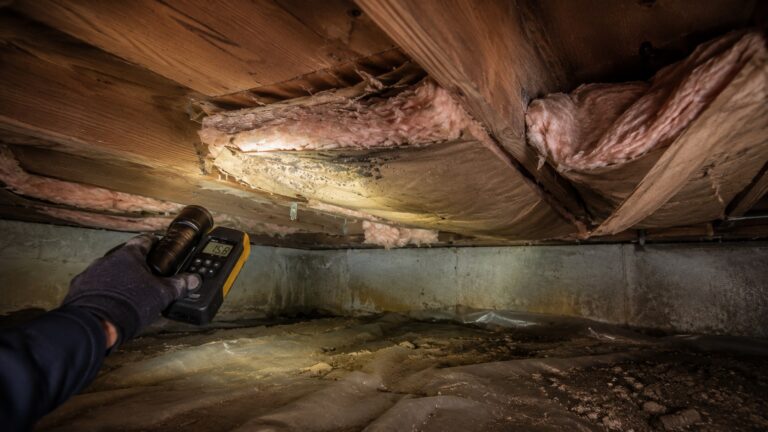
Insulation removal or replacement can add significantly to the cost. Crawl space insulation may be wet, moldy, pest-damaged, compressed, falling, or poorly installed. If damaged insulation remains in place, it can trap moisture and reduce the effectiveness of encapsulation.
Some encapsulation projects include removing old fiberglass insulation from floor joist bays and replacing it with a different insulation strategy. Others leave insulation alone if it is dry and in good condition. The quote should clearly state whether insulation removal, disposal, and replacement are included.
Insulation decisions matter because encapsulation changes the way the crawl space behaves. A sealed crawl space may need a different approach than a vented crawl space, especially if the goal is to reduce humidity, protect wood framing, and improve comfort in the rooms above.
What Is Usually Included in a Crawl Space Encapsulation Quote?
A crawl space encapsulation quote should describe the actual work being performed. If the quote only says “encapsulation” without listing materials, surfaces, sealing details, and exclusions, it is hard to compare against another estimate.
- Cleaning and preparation: debris removal, old plastic removal, damaged insulation removal, and minor preparation before the liner is installed.
- Ground vapor barrier: liner over exposed soil, including the stated thickness, reinforcement, overlap, and edge details.
- Sealed seams and penetrations: taped or sealed overlaps, corners, pipe penetrations, piers, and access points.
- Foundation wall liner: liner extended up the crawl space walls and attached securely.
- Pier wrapping: liner sealed around block, brick, concrete, or masonry piers.
- Vent sealing and air sealing: sealed vents, access doors, rim gaps, pipe penetrations, and other humid-air entry points.
What May Cost Extra During Crawl Space Encapsulation?
Some crawl space encapsulation quotes include only the liner and sealing work. Other problems may need to be corrected before the space can be sealed properly. These extra items can change the price more than square footage alone.
- Standing water correction: grading improvements, downspout extensions, drainage, sump pump work, or foundation sealing may be needed before encapsulation.
- Sump pump installation: the pump, basin, discharge line, check valve, electrical access, and backup options can add cost.
- Crawl space drainage: trenching, drain pipe, gravel, sump connection, and discharge routing are more expensive than liner installation alone.
- Mold remediation: existing mold on joists, beams, subflooring, insulation, or stored materials may need separate cleaning before sealing.
- Insulation removal or replacement: wet, moldy, falling, or pest-damaged insulation can add labor and disposal cost.
- Wood repair or structural work: damaged joists, beams, sill plates, or subflooring should be priced separately from encapsulation.
- Electrical work: a dehumidifier, sump pump, condensate pump, or monitor may require a safe crawl-space-rated outlet.
- Access door or vent repairs: loose, rotten, damaged, or leaky access points may need repair so the system can stay sealed.
DIY Crawl Space Encapsulation vs Professional Cost
DIY crawl space vapor barrier work may cost far less than professional encapsulation, especially in a clean, dry, accessible crawl space. The homeowner mainly pays for liner material, tape, sealant, fasteners, protective gear, and disposal supplies.
DIY is usually more realistic when the crawl space has exposed soil, good access, no standing water, no mold, no damaged insulation, and no structural concerns. For step-by-step liner work, see how to install a crawl space vapor barrier.
Professional encapsulation costs more because the contractor is responsible for crawl space preparation, seam sealing, wall attachment, pier wrapping, vent sealing, drainage judgment, dehumidifier setup, and long-term performance. DIY mistakes often happen at seams, wall edges, piers, vents, access doors, and drainage decisions.
If the crawl space has standing water, mold growth, damaged joists, electrical needs, falling insulation, or persistent humidity, DIY liner installation is usually not enough. In those cases, the extra professional cost is often paying for diagnosis and system design, not just plastic installation.
Is Crawl Space Encapsulation Worth the Cost?
Crawl space encapsulation can be worth the cost when the crawl space has exposed soil, high humidity, musty odors, damp insulation, condensation, mold risk, wood moisture, or moisture that affects the living space above. The value is strongest when encapsulation solves a real moisture pathway instead of simply covering a dry crawl space for appearance.
The main benefits are moisture control, mold prevention, structural protection, and odor reduction. Encapsulation can reduce ground moisture, limit humid air entry, protect sound framing, and make the crawl space easier to monitor. It does not remove existing mold, repair damaged wood, or solve unrelated HVAC, plumbing, attic, or indoor humidity problems.
For a more focused explanation, see why crawl space encapsulation helps prevent mold growth.
How to Compare Crawl Space Encapsulation Quotes
The best way to compare crawl space encapsulation quotes is to compare the scope line by line. Two contractors may use the same word, but they may not be offering the same system.
- Vapor barrier thickness and material quality: ask whether the liner is reinforced, how thick it is, and whether it is durable enough for future service access.
- Seam and edge sealing: compare how overlaps, wall edges, piers, penetrations, corners, and access points will be sealed.
- Wall coverage and pier wrapping: confirm whether the quote covers only the ground or also the foundation walls and piers.
- Drainage and water correction: ask whether the quote includes drainage, sump pump work, grading recommendations, or only liner installation.
- Dehumidifier and humidity control: confirm whether a crawl space dehumidifier is included, how it drains, and how humidity will be monitored.
- Warranty and exclusions: ask what is covered, what is excluded, and whether mold, drainage, electrical work, insulation, and structural repairs are separate.
- Contractor experience: compare inspection quality, moisture diagnosis, photos, scope clarity, and repair recommendations, not just the liner price.
If two quotes differ by thousands of dollars, the cheaper one may not be wrong. It may simply include fewer surfaces, thinner material, less sealing, no drainage, no dehumidifier, or no repair work.
How to Reduce Crawl Space Encapsulation Costs Without Cutting Corners
The goal is not to buy the cheapest crawl space encapsulation quote. The goal is to avoid paying for the wrong scope while still correcting the moisture problems that can damage the space.
- Correct exterior water sources first: improve grading, extend downspouts, clean gutters, and reduce roof runoff near the foundation before paying for interior crawl space work.
- Remove simple debris before the project: if safe and allowed by the contractor, clearing stored items or loose debris may reduce preparation time.
- Choose the right scope: a clean, dry crawl space may not need the same package as a wet crawl space with mold, damaged insulation, and structural concerns.
- Do not skip drainage when water is active: leaving standing water under a new liner can make a cheaper quote more expensive later.
- Avoid the cheapest materials in a serviceable crawl space: thin plastic may save money upfront but can tear, shift, or fail when technicians need to enter the space.
When to Hire a Crawl Space Repair Specialist
Encapsulation is not always the first step. If the crawl space has structural wood damage, major mold growth, standing water, pest damage, damaged joists, sagging floors, or severe drainage problems, the homeowner may need repair evaluation before encapsulation.
A crawl space repair specialist can help determine whether the home needs drainage, wood repair, insulation replacement, mold remediation, or foundation-related work before the liner is installed. If the project has moved beyond moisture control, review when to hire a crawl space repair specialist.
Key Takeaways
- Crawl space encapsulation commonly costs about $3,000 to $15,000, but severe projects can reach $15,000 to $30,000 or more.
- A basic ground vapor barrier is cheaper than full encapsulation because it usually does not include wall liner, pier wrapping, vent sealing, drainage, or humidity control.
- The biggest cost drivers are crawl space size, access, moisture conditions, drainage needs, mold remediation, insulation work, material quality, and structural repairs.
- The best way to compare quotes is to compare the scope line by line, not just the total price.
- Encapsulation is most valuable when it fixes real crawl space moisture conditions, not when it simply covers the soil with plastic.
Frequently Asked Questions About Crawl Space Encapsulation Cost
What is the average cost to encapsulate a crawl space?
Many professional crawl space encapsulation projects cost about $3,000 to $15,000. A simple ground vapor barrier may cost less, while a full system with wall liner, pier wrapping, drainage, mold remediation, insulation work, sump pump installation, or a dehumidifier can cost much more.
How much does crawl space encapsulation cost per square foot?
Crawl space encapsulation is often estimated at about $3 to $10 per square foot, but square footage is only a rough planning number. Access, moisture level, liner thickness, drainage needs, wall coverage, dehumidification, mold cleanup, and repairs can all change the final quote.
What is the biggest hidden cost in crawl space encapsulation?
The biggest hidden cost is usually moisture correction before the liner is installed. Standing water, poor drainage, mold, wet insulation, damaged wood, or missing electrical access for a dehumidifier or sump pump can make the final project much more expensive than a basic vapor barrier quote.
Why is crawl space encapsulation so expensive?
Crawl space encapsulation is expensive because the work is labor-intensive and the scope can include much more than a ground liner. A full quote may include cleanup, heavy-duty liner, sealed seams, wall coverage, pier wrapping, vent sealing, drainage, humidity control, insulation work, and repairs before the space can be sealed properly.
Is a vapor barrier cheaper than crawl space encapsulation?
Yes. A basic vapor barrier is usually cheaper because it mainly covers the ground. Full encapsulation costs more because it may include sealed seams, wall liner, pier wrapping, vent sealing, air sealing, drainage correction, and humidity control. A vapor barrier can be useful, but it is not always the same as full encapsulation.
Does crawl space encapsulation include a dehumidifier?
Sometimes, but not always. A dehumidifier may be included, listed as an optional upgrade, or priced separately. If the crawl space remains humid after sealing, a dehumidifier may be important for long-term moisture control. The quote should explain whether it is included and how it will drain.
Does crawl space encapsulation include mold removal?
Not always. Encapsulation can help reduce future mold risk by controlling moisture, but existing mold may need separate remediation before the liner is installed. Ask whether mold cleaning, insulation removal, and affected wood treatment are included in the quote.
Can I encapsulate a crawl space myself?
DIY vapor barrier installation may be reasonable in a clean, dry, accessible crawl space with no standing water, mold, or structural damage. Full encapsulation is more difficult because it requires proper seam sealing, wall attachment, pier wrapping, vent sealing, drainage judgment, and humidity control.
Is crawl space encapsulation worth the cost?
It is usually worth considering when the crawl space has exposed soil, recurring humidity, musty odors, damp insulation, condensation, mold risk, or moisture affecting the rooms above. It is less valuable as a cosmetic upgrade if the crawl space is already dry, clean, and stable.