Cedar Shake Roof vs Asphalt Shingles: Which Is Better for Your Home?
Cedar shake roofing and asphalt shingles both work on sloped residential roofs, but they fit different priorities. Asphalt shingles are usually the practical choice: lower upfront cost, easier repairs, broad contractor availability, and less wood-specific maintenance. Cedar shakes are the appearance-driven choice: natural texture, depth, and character that standard asphalt shingles cannot fully duplicate.
The better choice depends on climate, budget, fire risk, insurance rules, roof shade, and maintenance expectations. Cedar can perform well when it is installed correctly, kept clean, and allowed to dry. It can also fail early when damp conditions, moss, debris, or poor airflow keep moisture against the wood. For a broader look at how roof materials break down over time, see this guide to common roofing material failures.
Cedar Shake Roof vs Asphalt Shingles: The Short Answer
Asphalt shingles are usually the better choice for homeowners who want a more affordable, lower-maintenance, widely supported roof. Cedar shakes are usually better for homeowners who want a natural, high-character roof and are willing to pay more for installation, maintenance, and moisture management.
Cedar shake roofing can add a warm, textured appearance that asphalt shingles cannot fully match. It works especially well on rustic homes, Craftsman homes, cottages, coastal homes, and properties where natural exterior materials are part of the design. However, cedar is wood. It needs proper ventilation, drainage, cleaning, and drying conditions to perform well.
Asphalt shingles are more forgiving for the average homeowner. They cost less upfront, are easier to repair, and are familiar to most residential roofing contractors. They also avoid many of the fire, insurance, and maintenance concerns that can come with wood roofing.
The basic decision is simple: choose cedar when natural appearance is worth the maintenance, and choose asphalt when lower cost, easier repair, and simpler upkeep matter more.
How Cedar Shakes and Asphalt Shingles Differ
Cedar shakes and asphalt shingles differ in material, appearance, moisture behavior, maintenance needs, fire considerations, and long-term cost. They may both shed water on a sloped roof, but they age in very different ways.
How cedar shake roofing works
Cedar shake roofs use individual pieces of split or sawn wood installed in overlapping courses. The roof sheds water downward, similar to other steep-slope roofing systems, but the material itself is natural wood. That makes drying one of the most important parts of cedar roof performance.
A cedar shake roof needs enough airflow and sun exposure to dry after rain, snow, dew, or humidity. If moisture sits in the shakes for too long, the roof may develop moss, mildew, soft spots, splitting, cupping, curling, or rot. Tree shade, leaf buildup, clogged gutters, and poor ventilation can shorten the life of cedar roofing.
Cedar is often chosen for its appearance. It has a natural texture and depth that manufactured shingles usually cannot fully duplicate. Over time, cedar weathers to a gray or silver tone, which some homeowners like and others do not. That weathering is normal, but uneven dark damp areas, moss growth, or soft deteriorated shakes may point to moisture problems.
How asphalt shingles work
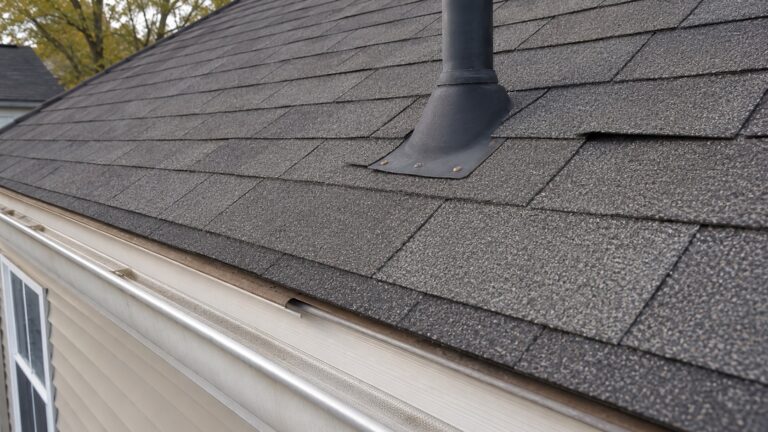
Asphalt shingles are manufactured roofing products made with a fiberglass mat, asphalt coating, and protective mineral granules. They are installed in overlapping rows so water flows down the roof and off the edge. They are not natural wood, and they do not require the same drying behavior as cedar shakes.
Asphalt shingles age through granule loss, cracking, curling, brittleness, wind damage, and UV exposure. They can still leak when flashing fails, shingles lift, or the roof gets old, but they do not rot like cedar. This makes asphalt more practical in many wet, shaded, or high-maintenance situations.
Asphalt shingles are also easier to source and repair. Most residential roofers work with them regularly, and replacement shingles are widely available. That does not make asphalt maintenance-free, but it does make it more convenient for many homeowners.
Cedar is appearance-driven; asphalt is practicality-driven
Cedar shakes are chosen for natural wood texture, premium curb appeal, and architectural fit. Asphalt shingles are chosen for practicality: familiar installation, lower cost, easier repairs, and broad availability.
If the main goal is natural beauty, cedar may be worth considering. If the main goal is a dependable roof with fewer maintenance concerns, asphalt shingles usually make more sense. If you are comparing cedar with other roofing options, this broader guide to different roofing material types can help place both materials in context.
The important point is that cedar requires more active roof care than asphalt. That is especially relevant for homeowners focused on long-term moisture control, because a wood roof that stays damp can become a roof-system problem instead of just an appearance issue.
Cost Comparison: Cedar Shake Roof vs Asphalt Shingles
Asphalt shingles usually cost less than cedar shakes upfront. That is one of the biggest reasons homeowners choose asphalt when replacing a roof. The material is widely available, many contractors install it, and the installation process is familiar on standard sloped roofs.
Cedar shake roofing usually costs more because the material is more expensive, installation is more specialized, and the roof may require more careful ventilation and detailing. Cedar also has ongoing maintenance needs that should be included in the long-term cost comparison.
Asphalt shingles usually win on upfront cost
If the homeowner needs a dependable roof at the lowest practical replacement cost, asphalt shingles usually have the advantage. They provide a familiar roof system without the premium price of natural wood. This makes them a common choice for standard homes, rental properties, budget-sensitive replacements, and homeowners who may not stay in the home long enough to benefit from a more expensive roof.
Asphalt shingles are also easier to repair in many cases. If a small section is damaged by wind, impact, or age, a roofer may be able to replace individual shingles or a limited roof area. Color matching can be imperfect on older roofs, but the material is usually easier to source than matching older cedar shakes.
Cedar shakes cost more but may add character
Cedar shakes are usually chosen because the homeowner wants a roof with natural texture, depth, and architectural character. The value is not only functional. It is also visual. On the right home, cedar shakes can improve curb appeal in a way standard asphalt shingles may not.
That appearance value matters most on homes where cedar fits the style: Craftsman homes, cottages, rustic homes, coastal homes, cabins, and high-end homes with natural exterior materials. On a home where cedar looks out of place or where future buyers may not value the maintenance commitment, asphalt shingles may be the more practical investment.
Long-term cost depends on maintenance
Cedar’s long-term cost depends heavily on maintenance and climate. A cedar roof that is kept clean, allowed to dry, and repaired promptly may provide many years of service. A cedar roof under heavy shade, moss, debris, and poor airflow may become expensive to maintain and may fail earlier than expected.
Asphalt shingles usually require less specialized maintenance, but they are not maintenance-free. They still need inspection, flashing checks, gutter maintenance, and repairs when shingles lift, crack, or go missing. If you are comparing material costs as part of a larger roof replacement decision, this guide to choosing the right roofing material can help keep cost, climate, and maintenance in balance.
Lifespan and Durability Comparison
Cedar shakes can last a long time when installed correctly and maintained well, but their lifespan depends heavily on climate, shade, ventilation, and drying conditions. Asphalt shingles usually have a more predictable replacement cycle and are less sensitive to rot because they are not wood.
Cedar is not automatically longer-lasting just because it is a premium material. A neglected cedar roof in a damp, shaded environment may fail sooner than a well-installed asphalt roof in a moderate climate.
Why cedar shake lifespan varies
Cedar is a natural wood material. It responds to moisture, sun, shade, airflow, and temperature changes. In dry, well-ventilated conditions, cedar can weather gradually and remain serviceable for a long time. In damp or shaded conditions, it may hold moisture, support moss growth, and deteriorate faster.
Cedar shakes can split, cup, curl, loosen, rot, or become brittle over time. These changes may start in areas where leaves collect, branches shade the roof, gutters overflow, or airflow is limited. North-facing slopes and roof areas under trees may age differently than sunny, open roof planes.
That is why broad lifespan claims are less useful for cedar than for some other materials. Maintenance and location matter. For a fuller lifespan breakdown, see this guide to how long cedar shake roofs last under different conditions.
Why asphalt shingles age more predictably
Asphalt shingles age through granule loss, UV exposure, heat, wind, and weathering. As the roof gets older, shingles may curl, crack, lose granules, or become easier for wind to lift. These aging signs are common and familiar to most roofing contractors.
Asphalt shingles do not have the same rot risk as cedar because they are not wood. That makes them more forgiving in some damp or shaded environments. However, asphalt can still fail if flashing is poor, ventilation is inadequate, shingles are damaged, or the roof has reached the end of its service life.
If the main concern is predictable replacement planning, asphalt shingles may be easier for many homeowners to manage. For the asphalt side of the comparison, this guide on how long asphalt shingles last can help set realistic expectations.
Moisture, Rot, Moss, and Climate Performance
Moisture behavior is one of the biggest differences between cedar shakes and asphalt shingles. Cedar is wood, so it must be able to dry. Asphalt shingles do not rot like cedar, although they can still leak when the roof system fails.
For cedar, moisture behavior is not a side issue. It is one of the main factors that determines whether the roof ages well or becomes a maintenance problem.
Cedar needs drying time
Cedar can handle normal wetting from rain, snow, and dew when the roof is designed and maintained so the shakes can dry. Problems develop when moisture stays trapped for too long.
Moisture can linger on cedar roofs when:
- Tree branches shade the roof most of the day.
- Leaves, pine needles, or debris collect between shakes.
- Moss or lichen holds moisture against the wood.
- Gutters overflow and wet the roof edge repeatedly.
- Roof ventilation is poor.
- Shakes are installed or repaired in a way that limits drying.
- The home is in a persistently humid or rainy climate.
When cedar stays damp, it can soften, split, cup, curl, decay, or support biological growth. Moss may look harmless at first, but on a wood roof it can hold moisture against the surface and slow drying. Dark, soft, unevenly worn, or moss-covered areas on shaded slopes deserve closer inspection before choosing another cedar roof.
Asphalt shingles are less vulnerable to rot
Asphalt shingles do not rot like wood shakes. That gives them a practical advantage in wet, shaded, or heavily wooded areas. They can still collect algae, moss, or debris, but the material itself does not absorb and decay like cedar.
That does not mean asphalt is immune to moisture problems. Roof leaks can still develop at valleys, pipe boots, chimneys, skylights, damaged shingles, and failed flashing. Asphalt shingles can also deteriorate faster if poor attic ventilation traps heat and moisture under the roof deck.
Wet and humid climates require extra caution
Cedar shake roofing can be more demanding in wet climates, shaded lots, wooded properties, and high-humidity regions. These conditions do not automatically make cedar impossible, but they raise the maintenance burden. The homeowner needs to be realistic about cleaning, inspection, debris removal, moss control, and ventilation.
Asphalt shingles are usually more forgiving in these conditions. They may not have cedar’s natural appearance, but they can be easier to maintain when the roof is frequently damp or shaded. If your roof is in a rainy or humid region, it may help to compare broader roofing materials for wet climates before deciding that cedar is worth the upkeep.
The best choice is not only about which material can last longer in ideal conditions. It is about which material will perform better on your actual roof, with your actual shade, humidity, tree cover, maintenance habits, and budget.
Fire Risk, Insurance, and Local Restrictions
Fire risk is another major difference between cedar shakes and asphalt shingles. Cedar is wood, so it raises questions that usually do not apply in the same way to asphalt roofing. This does not mean cedar shake roofs are automatically unsafe, but it does mean homeowners need to check local rules, wildfire exposure, insurance requirements, and product ratings before choosing cedar.
Some cedar roofing products are treated or installed as part of rated roof assemblies, but rules vary by location. In wildfire-prone areas, wooded areas, or neighborhoods with strict building requirements, cedar shakes may be restricted, more expensive to insure, or discouraged by local codes or insurers.
For homes in wildfire-prone areas, use local building rules, insurance requirements, and fire-rating requirements as the deciding authority, not appearance alone. In some regions, wildfire hazard maps or local fire-zone rules can affect whether wood roofing is practical or allowed.
Cedar shakes need fire-risk evaluation
Cedar’s natural appearance is one of its main advantages, but that same natural wood character can become a concern in fire-prone regions. Homeowners should ask whether cedar shake roofing is allowed locally, whether treated products are required, and whether the roof assembly meets applicable requirements.
This is especially important in areas with dry seasons, wildfire exposure, dense tree cover, or ember risk. Even when cedar is permitted, nearby vegetation, roof debris, gutters, vents, and maintenance habits can affect the roof’s overall fire exposure.
Asphalt shingles are usually simpler from an insurance standpoint
Asphalt shingles are usually more straightforward for insurance and code compliance because they are common and widely accepted in residential roofing. Many asphalt shingle products are designed for standard residential fire ratings, and insurers are familiar with them.
This does not mean every asphalt roof is automatically acceptable in every situation. Product rating, installation quality, roof condition, storm exposure, and local requirements still matter. But compared with cedar, asphalt generally creates fewer questions about wood roofing restrictions.
Local rules should be checked before choosing cedar
Before choosing cedar shakes, homeowners should check with the local building department, HOA if applicable, and insurance provider. This is especially important before ordering materials or signing a roofing contract.
Questions to confirm include:
- Are cedar shake roofs allowed in this area?
- Are fire-treated shakes required?
- Does the roof need a specific fire-rated assembly?
- Will the insurance company cover a cedar shake roof?
- Will cedar roofing affect premiums or policy eligibility?
- Are there HOA restrictions on wood roofing?
These questions do not mean cedar is always a bad choice. They matter because cedar has location-specific considerations that asphalt shingles usually do not trigger as often.
Maintenance and Repair Differences
Cedar shake roofs require more active maintenance than asphalt shingle roofs. This is one of the most important practical differences for homeowners. Cedar can perform well, but it needs conditions that let the wood dry and stay clear of moisture-trapping debris.
Cedar shake maintenance
Cedar roof maintenance usually focuses on keeping the roof clean, dry, and ventilated. Leaves, pine needles, branches, moss, and clogged gutters can all hold moisture against the wood. Over time, that moisture can contribute to splitting, cupping, curling, rot, or loosened shakes.
Important cedar maintenance tasks include:
- Keeping leaves and needles off the roof
- Trimming branches that heavily shade the roof
- Keeping gutters clear
- Watching for moss, lichen, or algae growth
- Replacing split, loose, or missing shakes
- Checking flashing around valleys, chimneys, walls, and penetrations
- Making sure the roof can dry after rain
Homeowners should be cautious with aggressive cleaning methods. Pressure washing, harsh chemicals, or careless walking can damage cedar shakes and may make an aging roof more vulnerable to leaks. Maintenance should protect the wood, not strip, split, or break it.
Asphalt shingle maintenance
Asphalt shingles usually require less specialized maintenance. Homeowners still need to watch for missing shingles, lifted tabs, granule loss, cracked shingles, damaged flashing, worn pipe boots, clogged gutters, and storm damage.
Asphalt shingles can also grow algae or moss in shaded areas, but the concern is different from cedar. Moss and debris can still shorten roof life and trap moisture, but asphalt does not decay like wood. This makes asphalt a more forgiving choice for homeowners who want a lower-maintenance roof.
Repair differences
Both cedar shakes and asphalt shingles can often be repaired in localized areas, but cedar repairs require more care. Matching the thickness, exposure, weathering, and appearance of existing cedar shakes can be difficult. Older cedar may have aged to a different color and texture than new replacement shakes.
Asphalt shingle repairs are usually more familiar to residential roofers. Replacement shingles may not match perfectly on an older roof, but the repair process is generally straightforward. This makes asphalt easier to manage for many homeowners, especially if the roof is not a high-end architectural feature.
Cedar repairs become more complicated when deterioration is widespread. If many shakes are split, curled, soft, or moss-covered, replacing a few pieces may not solve the underlying roof aging or moisture problem. At that point, the roof may need a broader evaluation by a contractor who understands wood roofing.
Appearance, Curb Appeal, and Home Style
Cedar shake roofing has a clear appearance advantage on the right home. It offers natural texture, depth, shadow lines, and variation that asphalt shingles usually cannot fully duplicate.
Architectural asphalt shingles can add dimension and color variation, but they still create a more standard roof appearance than real cedar shakes.
Where cedar shakes look best
Cedar shakes often look best on homes where natural materials are part of the design. They can fit especially well on:
- Craftsman homes
- Cottages
- Cabins
- Rustic homes
- Coastal homes
- Cape Cod-style homes
- Luxury homes with wood, stone, or natural siding elements
- Homes in wooded or scenic settings
On these homes, cedar can add warmth and character that asphalt shingles may not provide. The roof becomes part of the home’s visual identity, not just a protective covering.
Where asphalt shingles look more appropriate
Asphalt shingles are usually more appropriate on standard suburban homes, budget-sensitive replacements, rentals, and homes where a cedar roof would look out of place or create too much maintenance responsibility.
They also make sense when the homeowner wants a clean, familiar appearance that will not raise questions for buyers, insurers, or local rules. Asphalt shingles come in many colors and profiles, making them flexible enough for many home styles.
Curb appeal should not override roof conditions
Cedar may look better, but appearance should not override climate, fire risk, maintenance, or moisture behavior. A cedar roof that stays damp under trees may look beautiful at first but become a long-term maintenance burden. An asphalt shingle roof may not be as distinctive, but it may perform better for a homeowner who wants less upkeep.
The best roofing choice is the one that fits both the home’s style and the home’s conditions. Cedar is strongest when the architecture, climate, budget, and maintenance habits all support it. Asphalt is strongest when practicality and predictable upkeep matter more than natural wood character.
When Asphalt Shingles Are the Better Choice
Asphalt shingles are often the better choice when the homeowner wants a practical roof with lower upfront cost, easier repairs, and fewer maintenance demands. They may not have cedar’s natural appearance, but they are usually easier to live with.
Asphalt shingles may be the better choice when:
- The roof replacement budget is limited.
- The home is in a wet, shaded, or heavily wooded area.
- You do not want regular cedar roof maintenance.
- Local fire rules or insurance concerns make cedar difficult.
- The home’s style does not strongly benefit from a cedar roof.
- You plan to sell the home before cedar’s appearance value pays off.
- You want easier access to contractors and replacement materials.
- You prefer a lower-maintenance roof over a natural wood appearance.
Asphalt shingles are especially practical for standard residential homes where the roof’s main job is reliable protection at a manageable cost. They still need proper installation, flashing, ventilation, and periodic inspection, but they do not require the same wood-specific moisture control that cedar shakes need.
Asphalt should not be chosen only because it is cheaper. A poorly installed asphalt roof can still leak, trap moisture, and damage roof decking or attic materials. The better question is whether asphalt fits the roof design, climate, budget, and long-term maintenance plan.
When Cedar Shake Roofing Is Worth It
Cedar shake roofing is often worth considering when the homeowner wants a natural, high-character roof and is prepared for the maintenance that comes with it. Cedar is not the simplest roof material, but on the right home it can add warmth, texture, and architectural value that asphalt shingles usually cannot match.
Cedar shakes may be worth it when:
- The home’s style strongly benefits from a natural wood roof.
- The roof has good sun exposure and drying conditions.
- The homeowner is willing to maintain the roof regularly.
- Local rules and insurance allow cedar roofing.
- The property value supports a premium roof material.
- The surrounding tree cover will not constantly trap moisture on the roof.
- The home has a rustic, Craftsman, cottage, coastal, or high-end exterior style.
- You have access to contractors who understand cedar shake roofing.
Cedar is strongest when its appearance value and roof conditions align. A sunny, well-ventilated cedar roof on a home designed for natural materials can be a strong choice. A shaded, debris-covered cedar roof in a damp climate can become a maintenance problem, especially if the homeowner is not prepared for regular cleaning and inspection.
If you are deciding between cedar and asphalt because moisture exposure is a major concern, it may also help to compare broader roofing materials for high humidity before committing to a natural wood roof.
When to Call a Roofing Contractor
You should call a roofing contractor before choosing between cedar shakes and asphalt shingles if the existing roof has leaks, rot, missing materials, moss growth, soft decking, storm damage, or repeated moisture problems. The visible roof covering is only one part of the decision. The contractor also needs to evaluate the roof deck, flashing, ventilation, slope, drainage, and surrounding conditions.
This is especially important for cedar shake roofs because the condition of the wood can vary across different roof slopes. A sunny slope may look dry and stable while a shaded slope under trees may have moss, rot, or splitting. A full inspection helps determine whether the roof can be repaired, maintained, or should be replaced.
What the contractor should evaluate
A proper roof evaluation should include:
- Condition of cedar shakes or asphalt shingles
- Signs of rot, splitting, curling, cupping, or granule loss
- Roof deck condition
- Flashing around chimneys, valleys, dormers, walls, and penetrations
- Attic ventilation and moisture signs
- Moss, algae, lichen, or debris buildup
- Tree shade and overhanging branches
- Gutter drainage and roof edge condition
- Fire rating, insurance, and local code concerns for cedar
- Whether repairs are localized or the roof is broadly deteriorated
If water has already entered the home, the contractor should also look beyond the roof surface. Ceiling stains, damp attic insulation, musty odors, or dark roof sheathing can mean moisture has spread into the structure. In that case, the issue may require more than material replacement. It may be time to review when roof moisture problems need a roofing contractor.
Questions to ask before choosing cedar or asphalt
Before deciding, ask:
- Is cedar allowed by local code, HOA rules, and my insurance provider?
- Will this roof get enough sun and airflow for cedar to dry properly?
- Are trees or debris likely to create long-term moisture problems?
- Would asphalt shingles be more practical for this climate?
- How often will cedar need inspection and maintenance?
- Can damaged cedar shakes be repaired, or is deterioration widespread?
- What flashing or ventilation issues need correction during replacement?
- Which material best fits the home’s style, value, and long-term plan?
A good contractor should be able to explain more than price. They should explain how each material will perform on your actual roof, in your actual climate, with your actual maintenance expectations.
FAQ: Cedar Shake Roof vs Asphalt Shingles
Is cedar shake roofing better than asphalt shingles?
Cedar shake roofing is better for natural appearance, texture, and architectural character. Asphalt shingles are usually better for affordability, lower maintenance, easier repair, and broad contractor availability. The better choice depends on climate, fire rules, budget, home style, and maintenance expectations.
Which lasts longer, cedar shakes or asphalt shingles?
Cedar shakes can last longer than asphalt shingles in favorable conditions with proper maintenance, but they can fail early if they stay damp, collect moss, or are neglected. Asphalt shingles usually have a more predictable replacement cycle and are less sensitive to rot because they are not wood.
Are cedar shake roofs expensive?
Yes, cedar shake roofs usually cost more than asphalt shingles. The material is more expensive, installation is more specialized, and maintenance costs can be higher. Homeowners usually choose cedar for appearance and character, not because it is the cheapest roof option.
Are cedar shakes bad in wet climates?
Cedar shakes are more challenging in wet climates because they need to dry after rain, dew, snow, and humidity. They are not automatically impossible in wet areas, but they require more maintenance, better airflow, and careful attention to moss, debris, shade, and roof ventilation.
Do cedar shake roofs rot?
Cedar shake roofs can rot if moisture stays trapped in the wood for too long. Rot risk increases with shade, moss, leaves, clogged gutters, poor airflow, and neglected maintenance. Proper drying and debris control are essential for cedar roof performance.
Are cedar shake roofs a fire risk?
Cedar is wood, so fire risk must be evaluated carefully. Some areas restrict or regulate wood roofing, especially in wildfire-prone regions. Treated products and rated assemblies may be available, but homeowners should confirm local code, HOA rules, and insurance requirements before choosing cedar.
Should I replace cedar shakes with asphalt shingles?
Replacing cedar shakes with asphalt shingles may make sense if the cedar is badly deteriorated, maintenance is too demanding, insurance is difficult, or the home does not need a natural wood roof. If the cedar roof is mostly sound and fits the home’s style, repair may be worth considering first.
Are cedar shakes harder to maintain than asphalt shingles?
Yes. Cedar shakes usually require more maintenance than asphalt shingles because they are natural wood. They need debris control, drying, moss monitoring, careful cleaning, and timely replacement of damaged shakes. Asphalt shingles still need maintenance, but they are generally less demanding.
Can asphalt shingles imitate the cedar shake look?
Some architectural asphalt shingles are designed to imitate wood-shake texture, thickness, or shadow lines. They can give a cedar-like look with lower maintenance, but they will not weather, age, or vary like real cedar shakes.
Final Decision: Cedar Shake or Asphalt Shingles?
Cedar shake roofing is usually the better choice when the home’s architecture, climate, budget, fire rules, and maintenance plan all support a natural wood roof. It offers beauty, texture, and character, but it also needs drying, cleaning, debris control, and regular attention.
Asphalt shingles are usually the better choice when practical performance matters more than natural wood appearance. They cost less, are easier to repair, create fewer fire and insurance questions, and are more forgiving for homeowners who want simpler upkeep.
Choose cedar when the appearance and long-term character are worth the responsibility. Choose asphalt when lower cost, easier maintenance, and broad contractor support matter more.