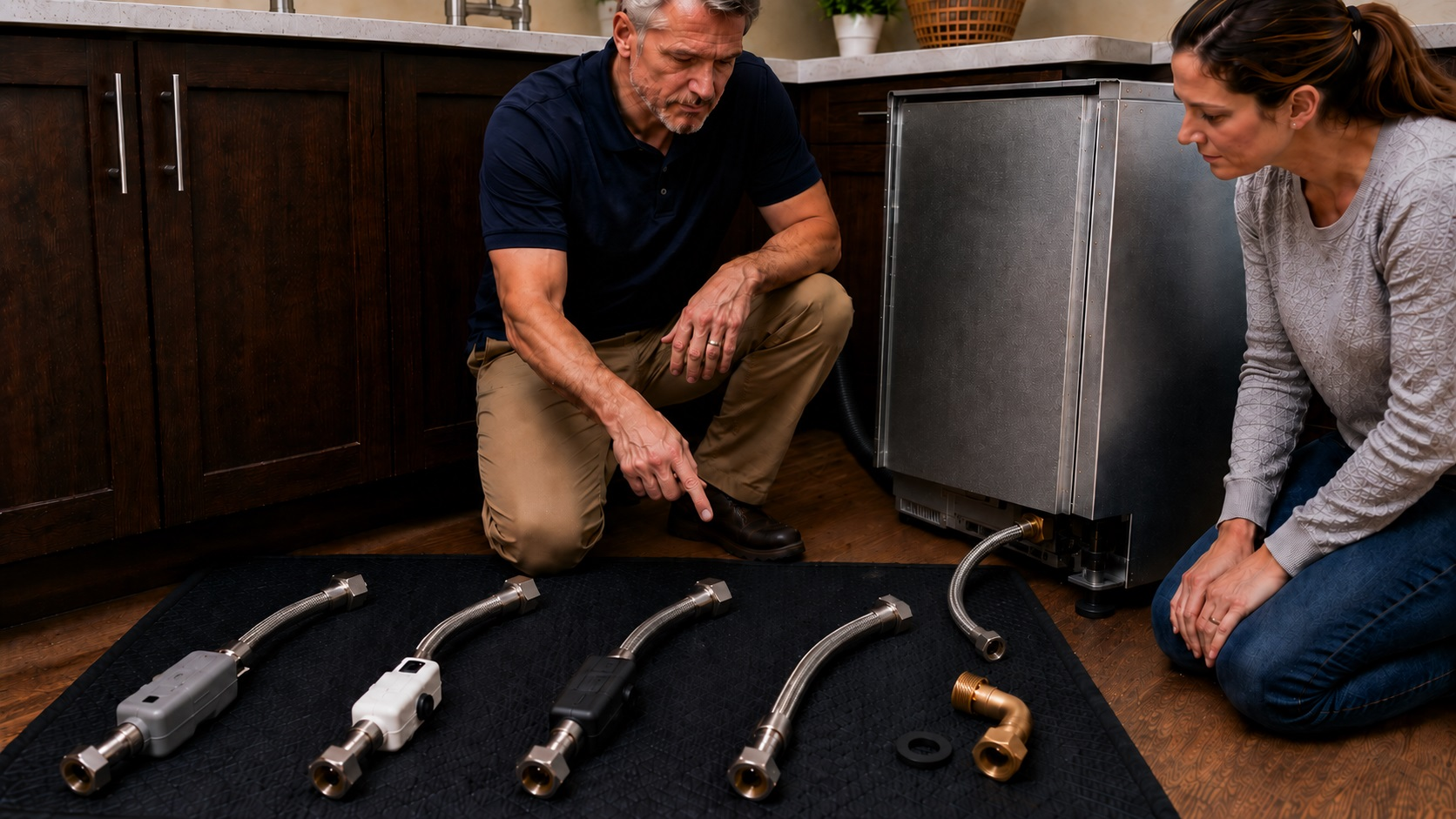
When to Replace Dishwasher Supply Lines Before They Leak
Dishwasher supply lines should be replaced about every 5 years as a preventive maintenance step, unless the manufacturer or installer recommends a shorter interval. They should be replaced sooner if the line is kinked, corroded, damp at the fittings, frayed, damaged, improperly routed, or old enough that you cannot confirm its age. A new dishwasher is best installed with a new supply line instead of reusing the old one.
The dishwasher supply line is the pressurized water line that brings hot water to the dishwasher. It is different from the dishwasher drain hose, which carries used water away from the appliance. This article focuses on when to replace the water supply line before it leaks, not how to diagnose every possible dishwasher leak.
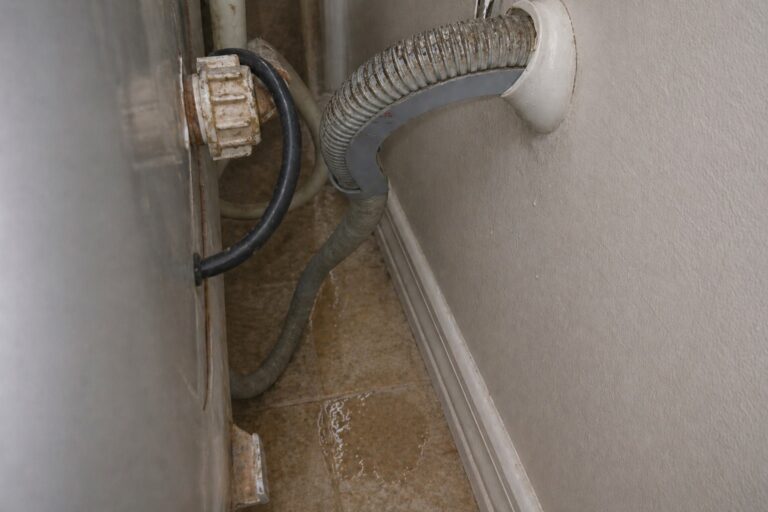
Because dishwasher supply lines often run from the sink cabinet to the dishwasher cavity, a leak may not be visible right away. Water can collect under the appliance, behind the toe kick, inside the sink base cabinet, or along the edge of the kitchen floor. If ignored, a small supply-line leak can become part of the larger pattern of how plumbing leaks can damage flooring and cabinets.
How Often Should Dishwasher Supply Lines Be Replaced?
A practical rule is to replace dishwasher supply lines every 5 years, or sooner if there is any sign of wear, damage, poor routing, or uncertain age. Flexible braided dishwasher supply lines are more durable than many older lines, but they are not permanent. The inner tubing, fittings, washers, and connection points can still wear out over time.
If you do not know how old the dishwasher supply line is, replacement is usually the safer choice. This is common after buying a home, moving into a rental, inheriting an older dishwasher setup, or discovering that the same line has been reused through more than one appliance installation.
You should replace a dishwasher supply line immediately if any of the following are true:
- The line is more than 5 years old.
- The line age is unknown.
- The line was reused from an older dishwasher.
- The supply line is kinked, crushed, twisted, or stretched.
- The braided outer layer is frayed, broken, rusted, or damaged.
- The fittings show corrosion, mineral buildup, or dampness.
- The line passes through a rough cabinet opening and looks worn.
- The dishwasher has been moved, replaced, or pulled out for service.
Dishwasher supply lines are easy to overlook because one end may be visible under the sink while the other is hidden behind the lower dishwasher access panel. That hidden path is why age-based replacement matters: a line can become unreliable before it creates an obvious puddle.
For a broader view of replacement timing across washers, dishwashers, refrigerators, and ice makers, see this guide on how long appliance water hoses usually last. For this specific article, the key point is that dishwasher supply lines should be treated as preventive replacement parts, especially during appliance changes.
The best time to replace a dishwasher supply line is before the appliance is pushed back into place. If the dishwasher is already being installed, moved, repaired, or replaced, the line is accessible and the replacement cost is usually small compared with the risk of hidden kitchen water damage later.
Why Dishwasher Supply Lines Can Cause Hidden Water Damage
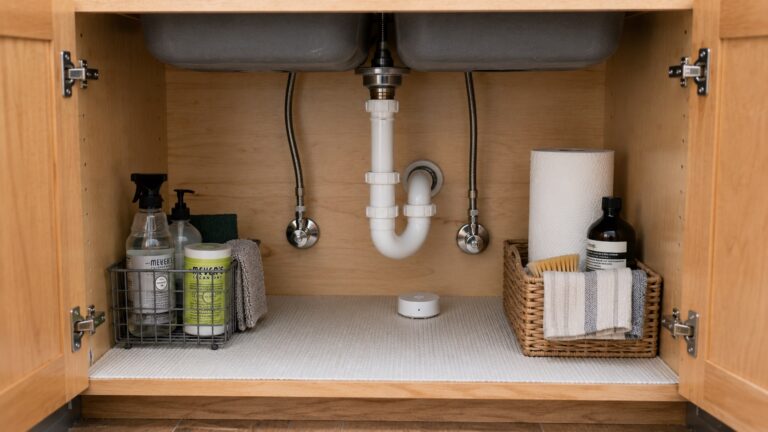
Dishwasher supply lines can cause hidden water damage because much of the line is out of sight. In many kitchens, the water supply starts at a shutoff valve under the sink, passes through the side of the cabinet, and connects to the dishwasher behind the lower access panel. A leak can begin anywhere along that route.
Unlike the dishwasher drain hose, the supply line carries pressurized water into the appliance. If a fitting loosens, a braided line weakens, or an old connection starts to seep, water may collect where the homeowner does not normally look. It may stay hidden under the dishwasher, behind the toe kick, or inside the sink base cabinet until flooring, trim, or cabinet material begins to show damage.
A small leak at the shutoff valve or dishwasher inlet can soak wood cabinet bottoms, swell particleboard, stain flooring edges, or dampen the subfloor. By the time moisture appears at the front of the dishwasher, water may already have spread beneath the appliance.
Dishwasher supply line risk is usually higher when:
- The dishwasher is built tightly into the cabinet opening.
- The supply line is routed through a rough or sharp cabinet hole.
- The line is kinked behind the appliance.
- The shutoff valve under the sink is old or corroded.
- The dishwasher has been pulled out and pushed back in several times.
- The kitchen has wood, laminate, or layered flooring near the dishwasher.
If you already see staining, swelling, musty odor, or water near the dishwasher, you may be beyond simple replacement timing. In that case, the article on signs of water leaks under dishwashers is the better next step because visible damage means the problem has moved into leak symptoms, not just prevention.
For homeowners who are still in the prevention stage, the main goal is to replace questionable supply lines before they become hidden moisture sources. That fits the broader habit of trying to prevent moisture problems before they spread into cabinets, flooring, subfloors, or nearby wall materials.
Replace the Supply Line When Installing a New Dishwasher
A new dishwasher is best installed with a new water supply line. Reusing an old line may save a small amount of money, but it can carry old risk into a new appliance setup. The existing line may already be compressed, kinked, corroded, or weakened from years of use.
Old supply lines can also be stressed during removal. When a dishwasher is pulled out, the line may twist, bend, or scrape against the cabinet opening. Even if it looked acceptable before the appliance was moved, the connection may not reseal as reliably after being disturbed.
Replacing the line during installation is usually the simplest time to do it because the appliance is already accessible. Once the dishwasher is pushed back into the cabinet opening, the rear and lower connections become harder to inspect. A new line gives the installation a cleaner starting point and reduces the chance that an old fitting, washer, or section of tubing becomes the weak link.
Use a replacement line that is rated for dishwasher or hot-water supply use and matches the appliance and shutoff-valve connections. Do not substitute an unmarked flexible tube, drain hose, or line that is not designed for pressurized hot water.
This is especially important if the existing line has been reused before. A dishwasher supply line that has served one appliance for several years should not automatically be trusted for another full appliance cycle. If you do not know when the line was installed, replace it rather than guessing.
Replace the line during kitchen remodeling or flooring work
Kitchen remodeling is another good time to replace the dishwasher supply line. Flooring work, cabinet changes, countertop replacement, or dishwasher relocation can all disturb the old line. If the line is already exposed, replacement is easier than trying to evaluate an aging connection after everything is closed up again.
This is also a good time to make sure the line is routed cleanly. It should pass through the cabinet without rubbing on a sharp edge, bending sharply, or sitting where the dishwasher can crush it when pushed back into place. If the cabinet opening is rough, protect the line from abrasion before the dishwasher is reinstalled.
Replace the line if the dishwasher has been pulled out repeatedly
Dishwashers are sometimes pulled out for service, cleaning, flooring repairs, or leak checks. Each movement can stress the supply line and fittings. A flexible line can tolerate some movement, but repeated pulling, twisting, and repositioning can create weak points over time.
If the dishwasher has been moved more than once and the line is not new, replacement is usually a safer choice than reconnecting the same old line again. This is especially true if the line no longer sits naturally or must be twisted to reach the inlet connection.
Signs a Dishwasher Supply Line Should Be Replaced Immediately
A dishwasher supply line should be replaced immediately when it shows signs that the line, fitting, or routing is no longer reliable. The issue does not have to be a major leak. Since the line is connected to pressurized water, even a small weakness can become a hidden kitchen water problem.
Look at the visible section under the sink first, then check the lower dishwasher connection if it is safely accessible. Do not force the dishwasher out or strain the line just to inspect it. If the line is difficult to access, old, or already questionable, replacement by a qualified installer or plumber may be safer.
Kinks, twists, or crushed sections
A dishwasher supply line should not be sharply kinked, twisted, flattened, or stretched tight. Kinks can restrict water flow, stress the inner tubing, and weaken the line where it bends. This often happens when the dishwasher is pushed back into the cabinet opening and the line does not have enough room to curve naturally.
If the line is crushed behind the dishwasher or twisted under the sink, replace it and correct the routing. Do not simply straighten an old kinked line and assume it is safe for long-term use.
Corrosion, rust, or mineral buildup
Corrosion near the shutoff valve, compression nut, elbow fitting, or dishwasher connection is a strong replacement warning. Rust, greenish corrosion, or white mineral crust can indicate old seepage or deteriorating metal parts. Even if the area is dry at the moment, the connection may no longer be dependable.
Corroded fittings can also be difficult to remove without damaging the shutoff valve or nearby piping. If the connection looks heavily rusted, seized, or fragile, do not force it. This is one of the situations where professional help is usually safer.
Dampness around the valve or fittings
Any dampness around the dishwasher supply line should be treated seriously. The issue may be a worn washer, loose fitting, failing valve, damaged tubing, or old compression connection. Since dishwasher supply line leaks may stay hidden, even a small damp spot can be an early warning.
If there is active water, staining, swelling, or repeated dampness near the dishwasher, the problem may need more than preventive replacement. At that point, a more specific guide on how to inspect dishwasher hoses for leaks can help separate hose-related issues from other dishwasher moisture sources.
Frayed braid or damaged outer covering
Flexible braided dishwasher supply lines should be replaced if the metal braid is frayed, broken, rusted, or worn through. The braid helps protect and reinforce the line, but damaged braid can expose the inner hose to abrasion and stress.
This is especially important where the line passes through a cabinet wall. If the opening is rough or sharp, the line can rub every time the dishwasher vibrates or moves slightly. A worn outer covering means the line should be replaced and the routing should be corrected.
Unknown age or reused line
If the dishwasher supply line age is unknown, replacement is usually the safest option. Unknown-age lines are common in older homes, rental kitchens, and homes where appliances have been replaced without updating the connection. A reused line may already have years of pressure exposure, fitting wear, and movement stress behind it even if it is not leaking today.
For a broader warning-sign checklist across appliance water connections, see this guide to the signs appliance water hoses are failing. For this dishwasher-specific article, the main rule is simple: replace any line that is old, damaged, kinked, corroded, damp, reused, or uncertain.
Braided Stainless, Copper, and Older Dishwasher Water Lines
Dishwasher supply lines are not all the same. The material and installation style affect how the line behaves, how easily it can be routed, and when replacement is wise. This section is not a full product comparison; the goal is to avoid trusting an old, damaged, or unsuitable line in a hidden, pressurized location.
Flexible braided stainless supply lines
Flexible braided stainless dishwasher supply lines are commonly used in modern installations because they are reinforced and easier to route than rigid tubing. They are usually a good choice when replacing an old dishwasher line, especially when the line must pass from the sink cabinet to the dishwasher inlet.
Even so, braided stainless lines still need inspection and periodic replacement. The metal braid protects the outside, but the line still depends on inner tubing, washers, fittings, and proper routing. Replace a braided line if it is old, kinked, frayed, rusted, damp at the ends, or bent sharply behind the dishwasher.
Copper dishwasher supply lines
Some older dishwasher installations use copper tubing. Copper can last a long time when installed correctly, but it is less forgiving when the dishwasher is moved. It can kink, bend sharply, or become difficult to reconnect without stressing compression fittings.
If an older copper line has been disturbed during appliance replacement, has a sharp bend, or connects to corroded fittings, replacement may be safer than trying to reuse it. A plumber can help determine whether the existing copper line and valve are still serviceable.
Older plastic, rubber, or nonstandard lines
Older plastic, rubber-style, or nonstandard dishwasher water lines should be replaced if their age, rating, or condition is uncertain. A dishwasher supply line should be approved for hot water supply use and compatible with the appliance connection.
Do not assume any flexible tube under the sink is suitable just because it currently reaches the dishwasher. If the line looks old, brittle, discolored, unsupported, kinked, or poorly connected, replacement is the better preventive choice.
When to Call a Plumber Instead of Replacing the Line Yourself
Many dishwasher supply lines can be replaced during normal appliance installation, but some situations are better handled by a plumber. The main concern is not always the flexible line itself. It is often the shutoff valve, compression fitting, cabinet access, or existing water damage around the connection.
Call a plumber if the shutoff valve under the sink is stuck, corroded, leaking, or difficult to turn. A dishwasher supply line should not be removed unless the water can be shut off reliably at the fixture valve or another safe shutoff point. If the valve does not close fully, forcing the line loose can turn a small maintenance task into an active plumbing leak.
You should also get help if the fitting is seized, heavily rusted, or connected to older copper tubing that may kink or crack when moved. Old compression connections do not always reseal cleanly after they are disturbed. If the dishwasher line has been in place for many years, the valve and fitting may need attention at the same time as the supply line.
Professional help is also wise if there are already signs of water damage around the dishwasher. Swollen cabinet flooring, soft kitchen flooring, staining near the toe kick, musty odor, or damp trim may mean water has already spread beyond the supply connection. In that case, replacement alone may not solve the whole problem. You may also need to understand why dishwashers develop hidden leaks or how to dry flooring after dishwasher leaks if moisture has reached the floor system.
If the dishwasher is built tightly into the cabinet opening, the supply line may also be hard to route correctly. A line that is pinched when the appliance is pushed back can become a future leak point. A plumber or experienced installer can make sure the line has enough slack, does not rub against sharp cabinet edges, and connects cleanly without stress.
FAQ
Should I replace the dishwasher supply line when installing a new dishwasher?
Yes. A new dishwasher should usually be installed with a new supply line. Reusing an old line can carry old wear, kink damage, fitting stress, or corrosion into the new appliance setup. Replacement is usually a small cost compared with the risk of a hidden kitchen leak.
How long does a braided dishwasher supply line last?
A braided dishwasher supply line should usually be replaced about every 5 years as a preventive maintenance step. Replace it sooner if the braid is frayed, the fittings are corroded, the line is kinked, or the age is unknown.
Can I reuse an old dishwasher water supply line?
It is usually better not to reuse an old dishwasher water supply line. Old lines may not reseal properly after being disturbed, and they may already be weakened from years of pressure, movement, or bending. A new dishwasher installation is the best time to replace the line.
What happens if a dishwasher supply line is kinked?
A kinked dishwasher supply line can restrict water flow and create a stress point in the tubing. Even if it does not leak immediately, the damaged area may be weaker over time. If the line is old or sharply kinked, replacement is safer than simply straightening it.
Is a dishwasher supply line leak always visible right away?
No. A dishwasher supply line leak can stay hidden under the dishwasher, behind the toe kick, inside the sink base cabinet, or along the route where the line passes through the cabinet wall. By the time water appears at the front of the appliance, moisture may already have affected cabinet material, flooring, or the subfloor.
Final Replacement Rule for Dishwasher Supply Lines
Replace dishwasher supply lines about every 5 years, and replace them sooner when the line is kinked, corroded, damp, frayed, damaged, reused, or of unknown age. The best opportunity is usually when the dishwasher is being installed, moved, repaired, or replaced because the connection is already accessible.
Do not treat the dishwasher supply line as a permanent part of the kitchen. It is a hidden pressurized water connection, and replacing questionable lines before they leak is one of the simplest ways to prevent dishwasher-related water damage.
Quick Dishwasher Supply Line Replacement Checklist
- Replace dishwasher supply lines about every 5 years as a preventive maintenance step.
- Install a new supply line when replacing or installing a dishwasher.
- Replace the line sooner if it is kinked, corroded, damp, frayed, damaged, reused, or of unknown age.
- Do not confuse the dishwasher supply line with the drain hose; this article covers the pressurized water line.
- Call a plumber if the shutoff valve is stuck, leaking, corroded, or difficult to access safely.