How to Maintain a Dehumidifier So It Runs Properly
A dehumidifier usually keeps running properly when the filter, bucket, drain path, and airflow areas stay clean. Most maintenance problems come from restricted airflow, dirty filters, standing water in the bucket, clogged drain hoses, or poor access around the unit. You do not need to repair internal sealed parts, but you do need to keep the parts you can safely reach clean, dry, and clear.
This guide focuses on basic homeowner maintenance. For the broader process of selecting, setting up, and using a unit, see this guide on how to choose and use a dehumidifier effectively.
Why Dehumidifier Maintenance Matters
A dehumidifier depends on airflow and drainage. If the filter is clogged, the unit cannot pull in air efficiently. If the bucket is dirty, it can smell musty. If the drain hose is kinked or clogged, the unit may shut off or leak. These small issues can make the dehumidifier run longer while removing less moisture.
Maintenance is especially important in basements, crawl spaces, laundry rooms, and storage areas because dust, lint, damp air, and long runtime can build up quickly. A unit used every day needs more attention than one used occasionally in a mildly humid room.
Basic Dehumidifier Maintenance Checklist
- Check and clean the filter regularly.
- Empty and rinse the water bucket.
- Clean the bucket if it smells musty.
- Inspect the drain hose or pump line for kinks, slime, or clogs.
- Keep the intake and exhaust areas clear.
- Make sure the unit sits level and drains properly.
- Wipe dust from the exterior grille and controls.
- Let the unit dry before seasonal storage.
Always unplug the unit before cleaning accessible parts, and follow the manual for your specific model. The steps below are general maintenance tasks, not instructions for taking apart sealed electrical, compressor, or refrigerant components.
Quick Maintenance Schedule
| Task | How Often to Check |
| Filter | Every few weeks during regular use, or sooner in dusty spaces |
| Bucket | Each time it is emptied, with washing when odor or residue appears |
| Drain hose | Monthly during continuous drainage, or anytime drainage slows |
| Pump line | Monthly during pump use, or after any drainage error |
| Exterior grille and airflow area | Whenever dust, lint, boxes, or stored items restrict airflow |
How to Clean the Filter
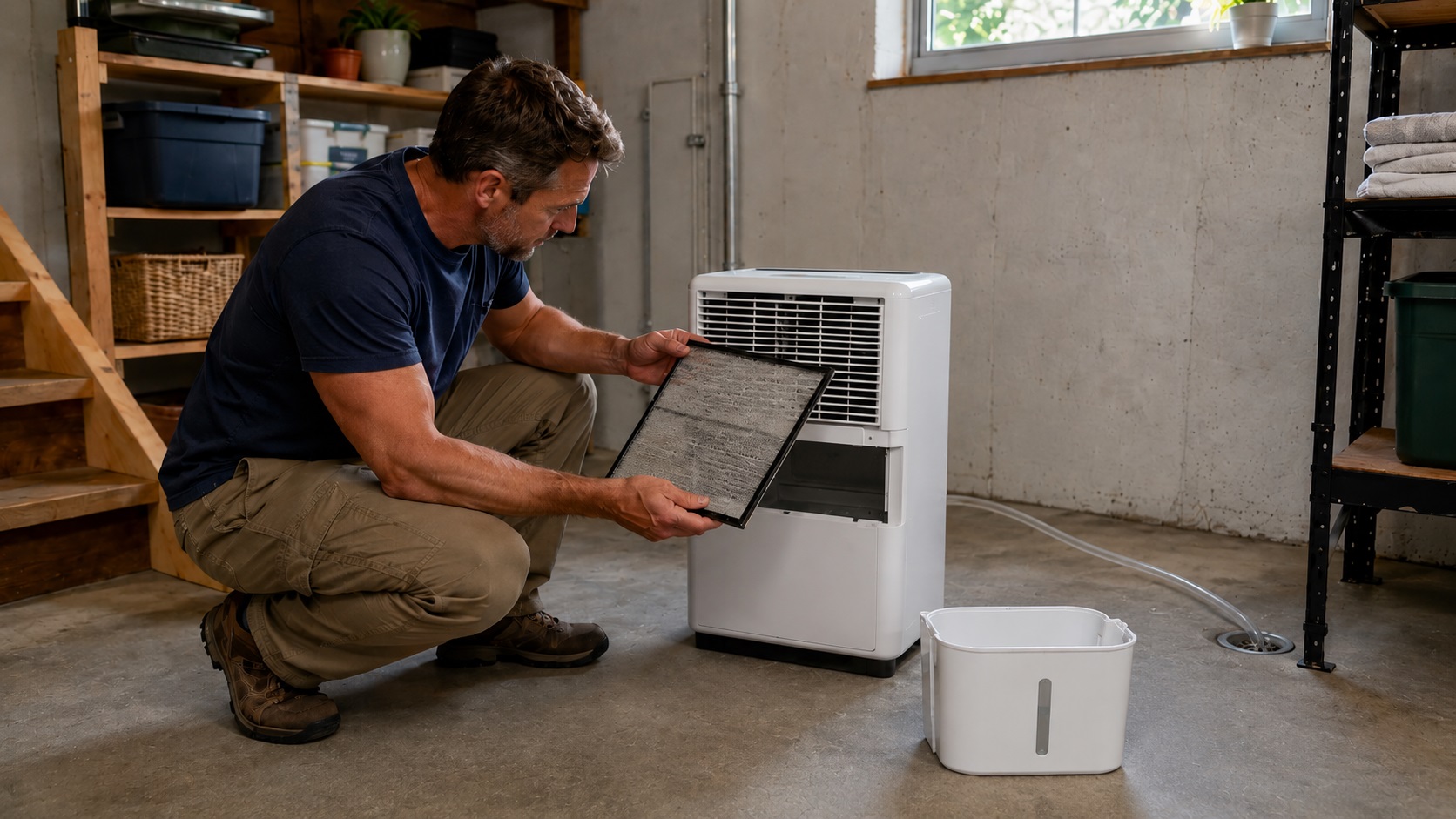
The filter protects the unit from dust, lint, and airborne debris. When it gets dirty, airflow drops and the dehumidifier has to work harder. A dirty filter can also make the unit run longer because less air is moving through the machine.
Check the filter more often if the unit is in a basement, laundry room, workshop, crawl space, or dusty storage area. Remove the filter according to the manual, vacuum loose dust, and rinse it only if the manufacturer allows washing. Let the filter dry completely before reinstalling it so damp filter material does not restrict airflow or contribute to odor.
Do not run the dehumidifier without the filter unless the manual specifically allows it. Running without a filter can let dust collect inside the unit and reduce long-term performance.
How to Clean the Water Bucket
The water bucket should be emptied before it sits full for long periods. Standing water can develop odor, slime, or residue, especially in warm or humid rooms. Rinse the bucket regularly and wash it when it starts to smell musty.
Use mild soap and water unless the manufacturer recommends something else. Avoid harsh chemicals that may damage plastic or leave strong fumes. Dry the bucket before reinstalling it if the unit will not be used right away.
Make sure the bucket sits correctly in the unit after cleaning. If it is not seated properly, the float switch may stop the unit from running or cause the bucket-full warning to stay on.
How to Maintain the Drain Hose
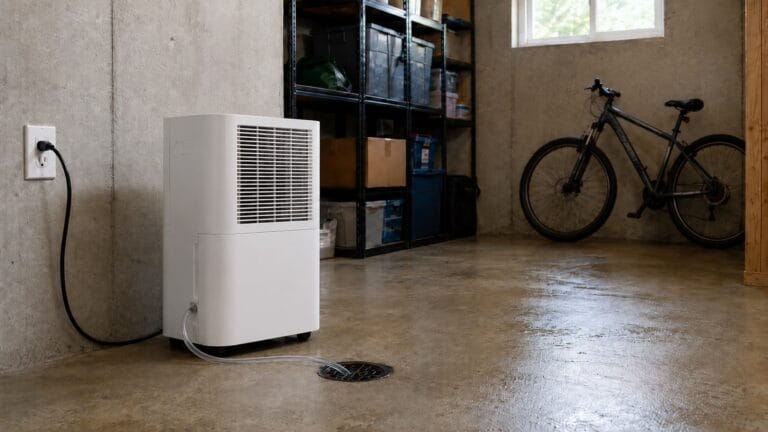
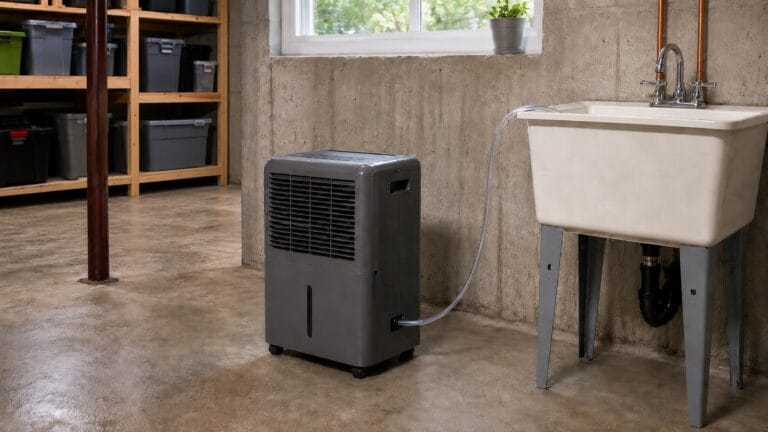
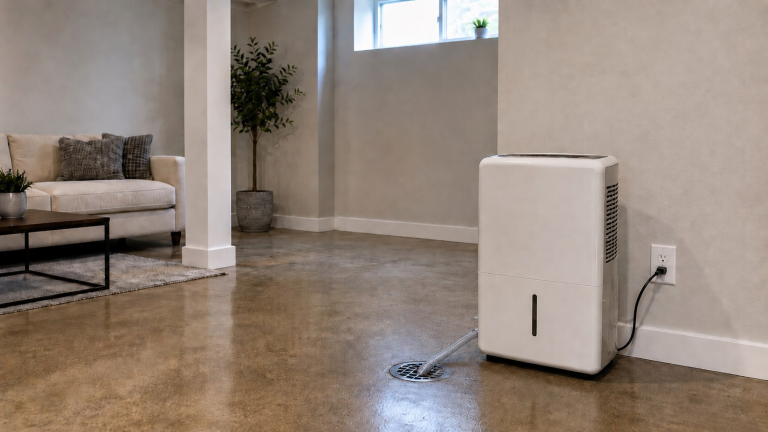
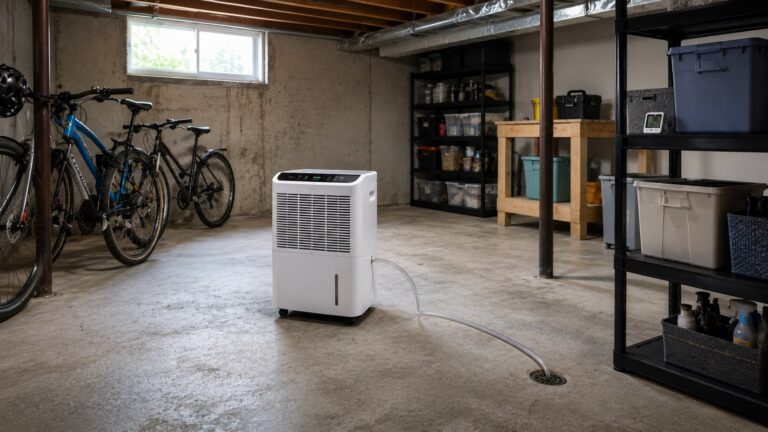
A drain hose lets the dehumidifier run without relying on the bucket, but the hose still needs attention. If it is kinked, clogged, crushed, or sloped incorrectly, water may back up into the unit or stop draining.
Check the hose for bends, low spots, slime, mineral buildup, or debris. If drainage slows, disconnect the hose and flush it with clean water. If the hose still drains poorly, replace it instead of forcing the unit to keep running with a partial clog.
For gravity drainage, the hose usually needs to slope downward toward the drain. Do not route it uphill unless the unit has a built-in pump or a separate condensate pump designed for that setup.
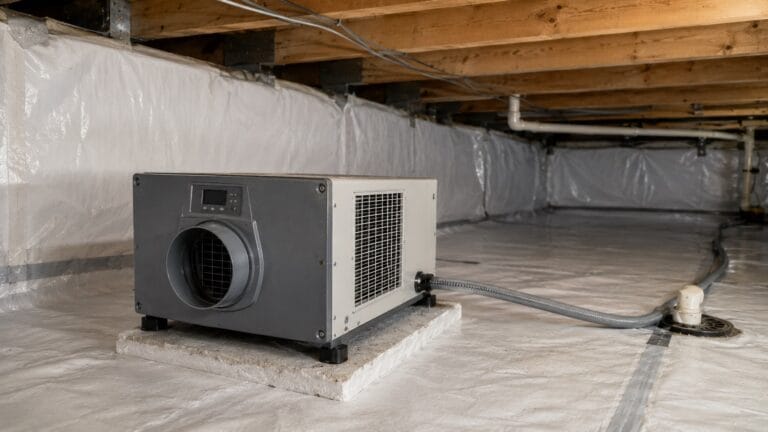
If the dehumidifier is in a basement or crawl space and runs for long periods, drainage reliability matters. A unit that shuts off because drainage fails will not keep controlling humidity, even if it is otherwise working properly.
How to Maintain a Dehumidifier Pump
If your dehumidifier uses a built-in pump or external condensate pump, check the pump reservoir, tubing, and outlet line regularly. Slime, dust, and mineral buildup can slow drainage and cause the unit to shut off or leak.
Keep the pump area clean and make sure the discharge line is not kinked, crushed, or frozen. If the pump sounds unusual, fails to move water, or repeatedly triggers an error, stop using pump mode until the problem is corrected.
For an external condensate pump, also check that the pump sits level, the float can move freely, and the discharge tube reaches a safe drain point without lifting higher than the pump is designed to handle.
How to Keep Airflow Clear
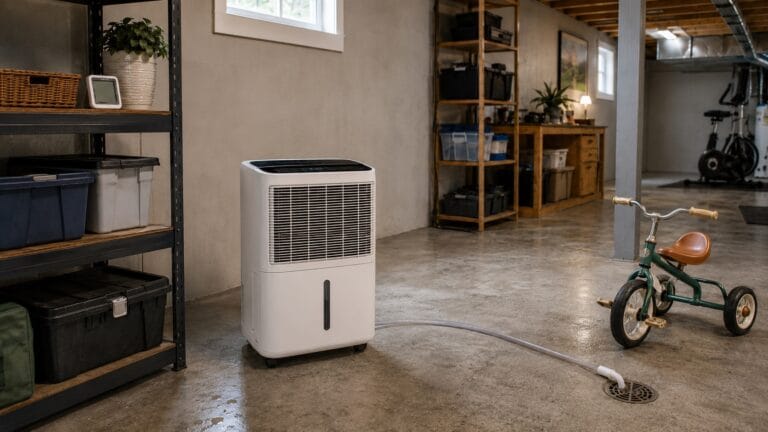
Airflow problems make a dehumidifier work harder. Keep the intake and exhaust away from walls, boxes, curtains, laundry piles, and furniture. Dust the grille and leave enough space around the unit for air to move freely.
If the unit is in a dusty basement, laundry room, or storage area, check airflow areas more often. Poor airflow can also make the unit run longer than expected. For room setup, clearance, and drainage placement, see this article on where to place a dehumidifier.
How to Prevent Musty Odors
Musty odors usually come from standing water, a dirty bucket, a clogged hose, a damp filter, or debris inside accessible parts of the unit. Empty the bucket often, rinse it regularly, and let washable parts dry before reinstalling them.
If the dehumidifier smells bad after storage, clean the bucket, filter, hose, and exterior intake areas before running it for long periods. Do not ignore odors, especially in basements and crawl spaces where the unit may already be working in damp conditions.
Common Dehumidifier Maintenance Mistakes
- Running the unit with a clogged filter.
- Letting water sit in the bucket for long periods.
- Using a kinked or dirty drain hose.
- Blocking the intake or exhaust with stored items.
- Ignoring musty odors from the bucket or hose.
- Storing the unit while it is still damp.
- Trying to repair sealed compressor, refrigerant, pump, or electrical parts without proper service.
Signs Your Dehumidifier Needs Cleaning or Service
Your dehumidifier may need cleaning if airflow is weak, the bucket smells musty, the filter is dusty, the hose drains slowly, or the unit runs longer than usual. Basic cleaning often solves these problems.
Service may be needed if the unit leaks after cleaning, repeatedly shuts off, shows error codes, will not drain, freezes often, makes unusual sounds, trips power, or runs without removing moisture. If cleaning does not help, the problem may be beyond routine maintenance.
If the unit runs constantly after cleaning and placement are corrected, check whether the runtime is normal for the space or whether the unit is undersized for the moisture load. This guide explains how long to run a dehumidifier each day, and this one explains how to choose the right size dehumidifier.
FAQ
How often should I clean a dehumidifier filter?
Check the filter every few weeks during regular use, and more often in dusty basements, laundry rooms, crawl spaces, or storage areas. Clean it whenever dust buildup starts to restrict airflow.
How often should I clean the bucket?
Rinse the bucket regularly and wash it whenever it smells musty or has visible residue. Do not let standing water sit in the bucket longer than necessary.
Why does my dehumidifier smell musty?
Musty odors often come from standing water, a dirty bucket, clogged hose, damp filter, or residue inside accessible parts. Clean and dry these areas before continued use.
How do I clean a dehumidifier drain hose?
Disconnect the hose, flush it with clean water, and check for slime, kinks, cracks, or mineral buildup. Replace the hose if it remains clogged or dirty inside.
Can I use vinegar or bleach to clean a dehumidifier?
Use only cleaners allowed by the manufacturer. Mild soap and water are usually safer for buckets and accessible plastic parts, while stronger cleaners can damage materials, leave fumes, or create odor problems inside the unit.
Can a dirty filter make a dehumidifier run constantly?
Yes. A dirty filter restricts airflow, which can make the unit remove moisture more slowly and run longer than it should.
Why is my dehumidifier icing up?
A dehumidifier may ice up because of restricted airflow, a dirty filter, low room temperature, or a problem that needs service. Clean the filter, improve airflow, and check the manual’s minimum operating temperature before continuing to run it.
Should I clean the coils myself?
Only clean accessible areas the manual says are safe to clean. Do not disassemble sealed or electrical parts. If coils are dirty beyond basic access, service may be safer.
How should I store a dehumidifier?
Empty the bucket, clean the filter, disconnect and drain the hose, wipe accessible surfaces, and let the unit dry before storage. Store it upright in a dry location.
Dehumidifier Maintenance Takeaways
- Dehumidifier maintenance is mostly about airflow, drainage, and cleanliness.
- Clean the filter before dust buildup restricts airflow.
- Rinse and clean the bucket to prevent odors.
- Keep drain hoses and pump lines clear, sloped correctly, and unkinked.
- Do not ignore musty smells, leaks, poor drainage, or weak airflow.
- Leave sealed, electrical, compressor, refrigerant, and pump repairs to qualified service.