When to Use a Dehumidifier vs Ventilation
Dehumidifiers and ventilation both help with moisture, but they solve different problems. A dehumidifier removes moisture from indoor air. Ventilation replaces indoor air with other air, either by exhausting humid air or bringing in outdoor air.
The right choice depends on the source of the moisture and whether the replacement air is actually drier. Opening windows can help on dry days, but it can make humidity worse when outdoor air is humid. This guide focuses only on the decision between these two methods. For broader dehumidifier use, see how to choose and use a dehumidifier effectively.
Dehumidifier vs Ventilation: Quick Rule
Use ventilation when you need to remove moisture at the source, such as shower steam, cooking moisture, laundry exhaust, or stale indoor air. Use a dehumidifier when indoor air is humid and outdoor air would not improve the problem.
In many homes, the best answer is both. A bathroom fan may remove shower steam quickly, while a dehumidifier helps if humidity remains high afterward. A basement may need dehumidification most of the time, but occasional ventilation may help when outdoor air is cooler and drier.
Neither method fixes active water entry. If moisture keeps returning because of leaks, seepage, wet crawl space soil, or poor drainage, the source needs to be corrected.
What a Dehumidifier Does Better
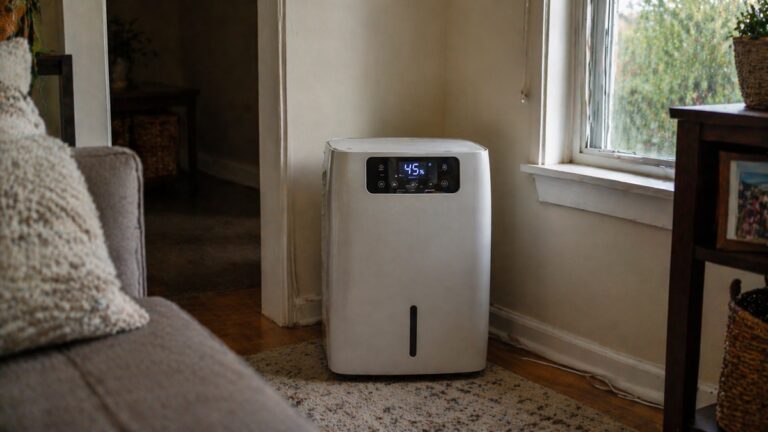
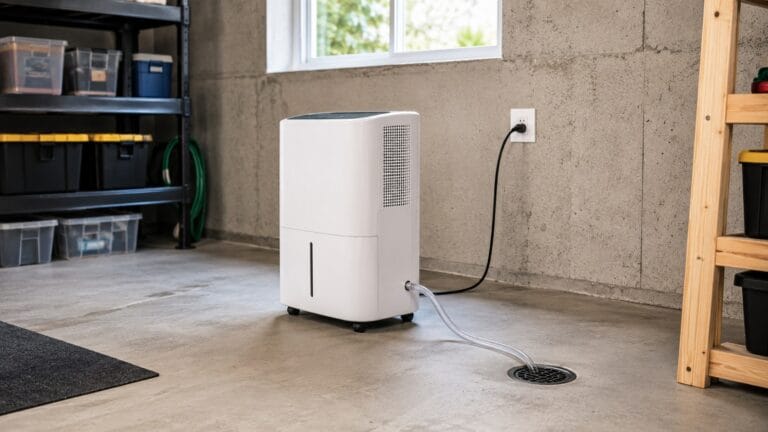
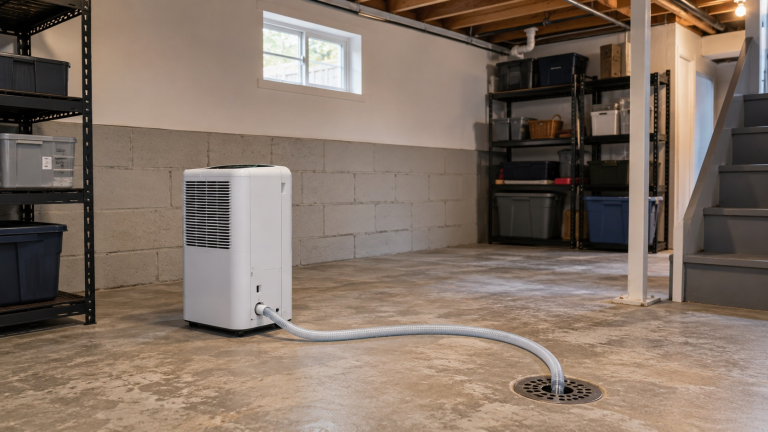
A dehumidifier is better when the main problem is humid indoor air and the outdoor air is not dry enough to help. This is common in basements, crawl spaces, storage areas, and humid climates.
A dehumidifier works without depending on outdoor conditions. It can keep removing moisture even when opening windows would bring in more humid air. This makes it especially useful during summer, rainy periods, and in below-grade areas where damp air lingers.
Dehumidifiers are also useful when you need ongoing control. A basement that stays musty, a crawl space with steady humidity, or a storage room with moisture-sensitive items may need more than occasional ventilation.
Once you decide that dehumidification is the better tool, the next question is how to set and operate the unit. For target humidity guidance, see best dehumidifier settings to prevent mold.
What Ventilation Does Better
Ventilation is better when moisture is being produced in a specific area and needs to be exhausted quickly. Bathrooms, kitchens, laundry rooms, and utility spaces often need ventilation because moisture is created suddenly during normal use.
A bathroom fan, range hood, dryer vent, or exhaust fan removes moisture near the source before it spreads through the home. A dehumidifier can remove moisture after it enters the air, but it does not exhaust steam, odors, or stale air the same way ventilation does.
Ventilation also helps when indoor air is stale and outdoor air is reasonably dry. In that case, bringing in fresh air can improve comfort while lowering moisture. For the broader set of home humidity-control methods, see this guide on how to reduce humidity in a house.
When Opening Windows Can Make Humidity Worse
Opening windows only helps when outdoor air is drier than indoor air. If outdoor air is humid, ventilation can raise indoor humidity instead of lowering it. This is why basements often feel worse when windows are opened during muggy weather.
Outdoor air can also cool against basement walls, floors, ducts, or other surfaces and contribute to condensation. In crawl spaces, open vents can bring humid air into contact with cooler framing, insulation, or foundation surfaces.
Do not judge by temperature alone. Warm outdoor air may carry a lot of moisture, even if it feels breezy, and cool basement surfaces can still collect condensation. A hygrometer can help you compare indoor conditions before deciding whether to ventilate or dehumidify. If you are not measuring yet, start with this guide on how to test indoor humidity levels.
Bathroom Fan vs Dehumidifier
For shower steam, a bathroom exhaust fan is usually the first tool. It removes humid air near the source before moisture spreads into walls, trim, ceilings, and nearby rooms.
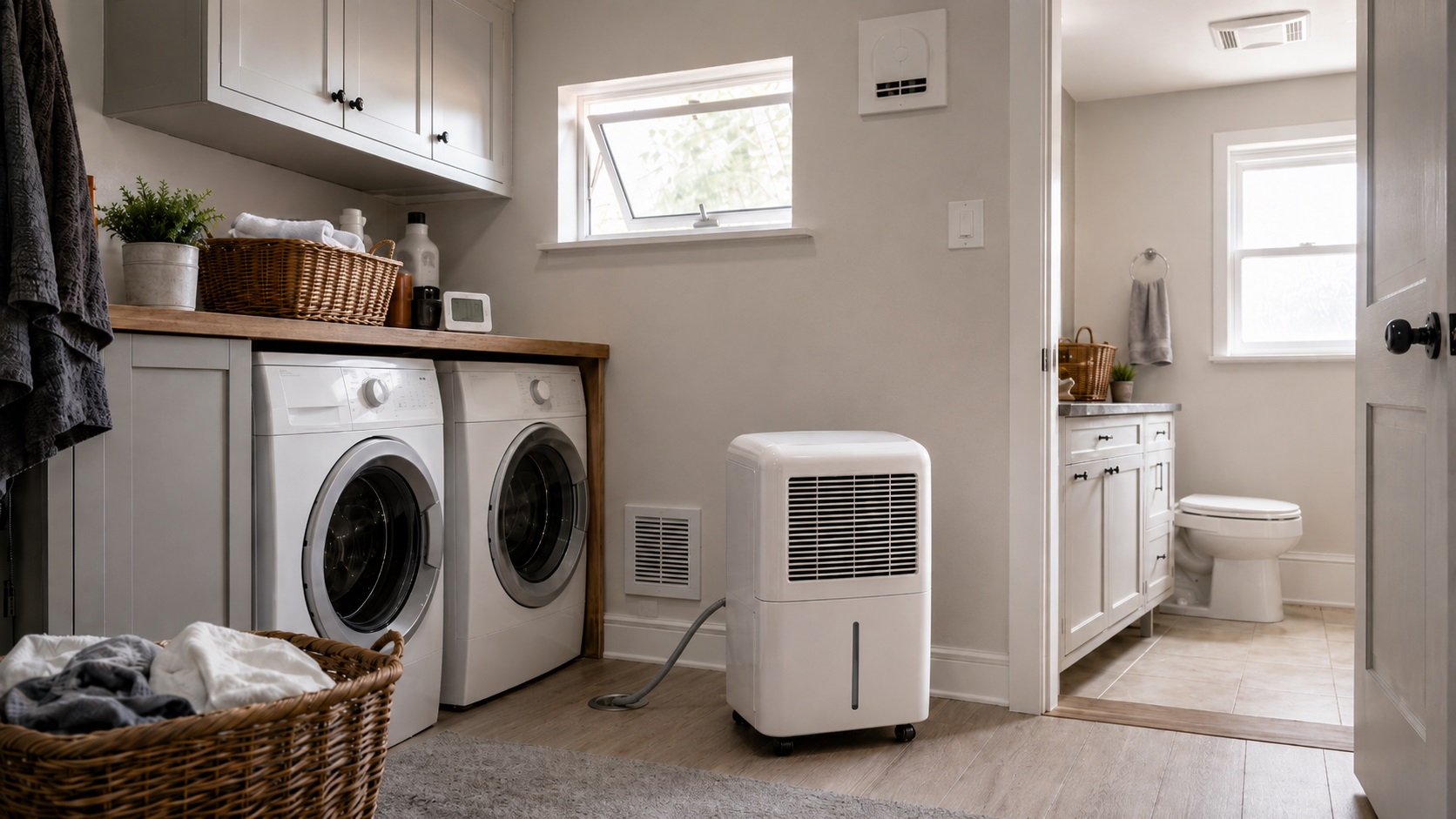
A dehumidifier may help if the bathroom stays humid after the fan runs, but it should be used safely and kept away from splash zones, wet floors, tubs, and showers. For placement details, see where to place a dehumidifier safely. In most bathrooms, ventilation handles the moisture event, while dehumidification helps with lingering humidity.
Basement Ventilation vs Dehumidifier
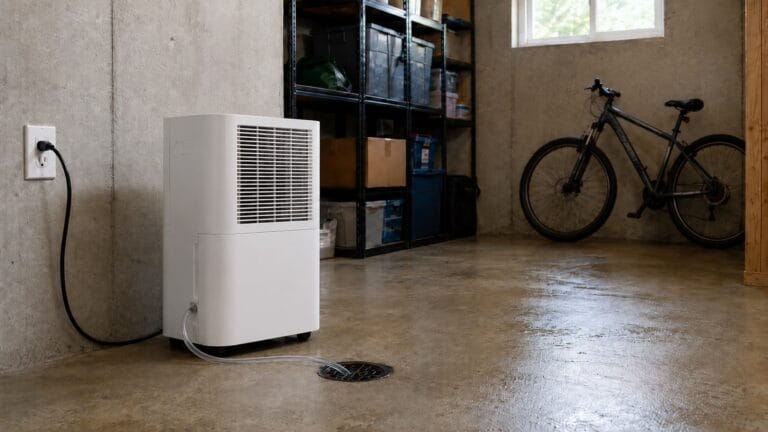
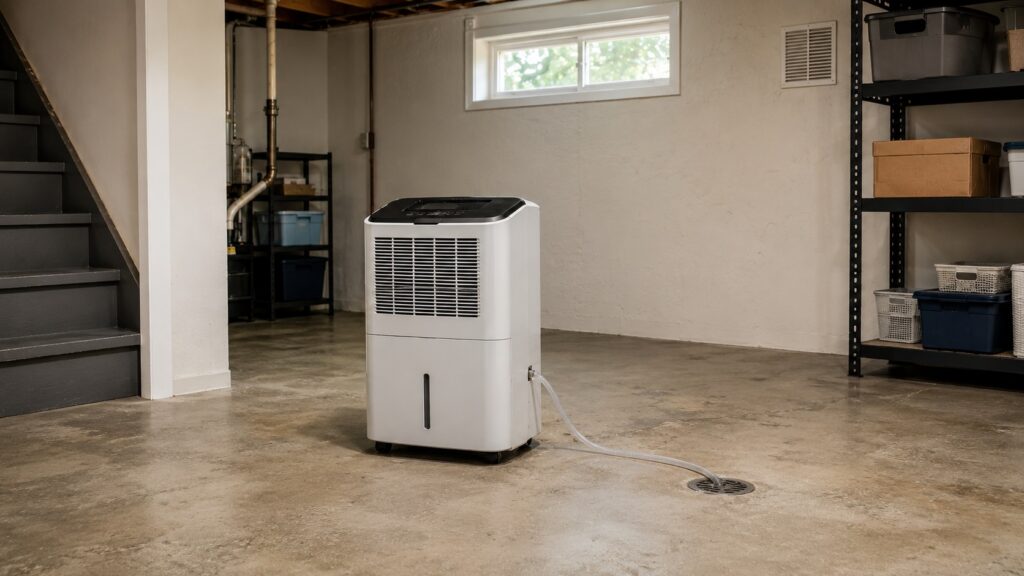
Basements often do better with dehumidification than open-window ventilation, especially in humid weather. Outdoor air may feel fresh, but if it carries more moisture than basement air, opening windows can make the basement damper.
Ventilation may help on cool, dry days, but it should not be the default solution for a musty basement. A dehumidifier is usually more reliable for ongoing basement humidity control.
Crawl Space Ventilation vs Dehumidifier
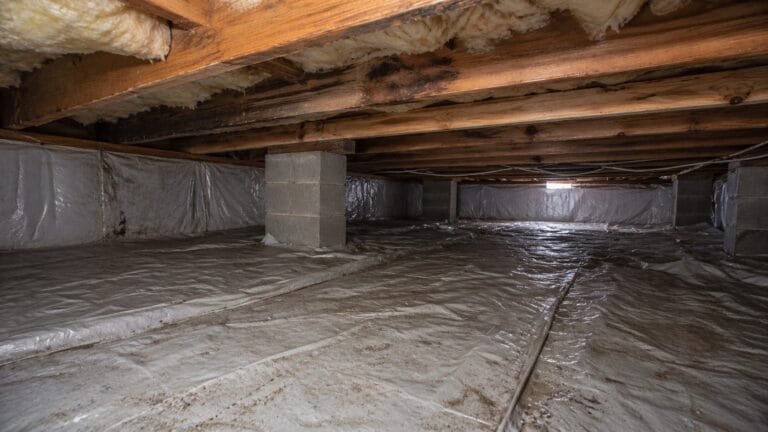
Crawl spaces need caution because venting can bring humid outdoor air into contact with cooler framing, ducts, insulation, and foundation surfaces. In humid climates or damp seasons, open vents can make moisture problems worse.
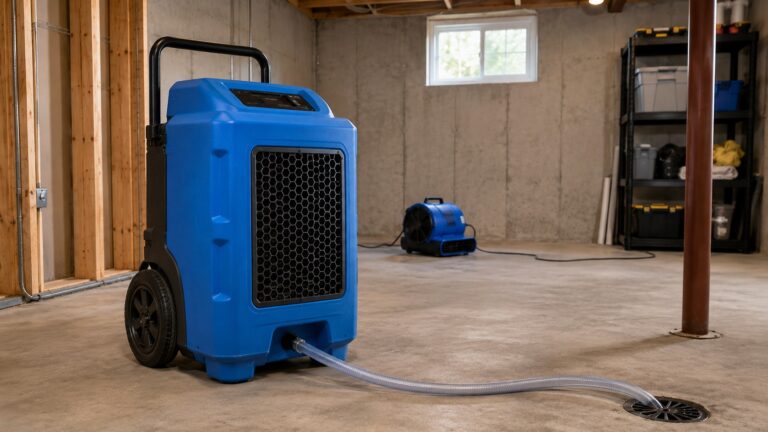
A crawl space dehumidifier can be useful when the space is reasonably controlled and needs ongoing humidity management. If the crawl space has standing water, exposed wet soil, missing vapor control, or drainage problems, those conditions should be corrected first.
When You Need Both
Some homes need both. Ventilation removes moisture, odors, and stale air at the source, while dehumidification controls lingering humidity that remains afterward.
This combination is common in bathrooms, laundry areas, basements, and homes in humid climates. The key is using each method for the right job instead of expecting one to solve every moisture problem.
Simple Decision Framework
| Situation | Better First Tool |
|---|---|
| Shower steam, cooking moisture, or laundry exhaust | Ventilation |
| Damp basement air during humid weather | Dehumidifier |
| Outdoor air is drier than indoor air | Ventilation may help, especially for stale rooms |
| Outdoor air is humid or muggy | Dehumidifier is usually safer |
| Crawl space with humid outdoor air | Controlled dehumidification, not simple venting |
| Stale indoor air without high outdoor humidity | Ventilation |
| Active leak, seepage, or wet materials | Fix the source first |
| High humidity plus poor air exchange | Both may be needed |
When Neither Method Is Enough
If moisture keeps returning because of a leak, seepage, poor drainage, wet crawl space soil, or damp building materials, neither ventilation nor dehumidification is the full fix. They may reduce symptoms, but the source still needs correction. Do not rely on airflow or a dehumidifier alone to dry hidden wet materials after flooding, sewage backup, or electrical exposure.
When the same area keeps getting damp, focus on source control and prevent recurring moisture damage instead of only changing airflow or runtime.
FAQ
Is ventilation better than a dehumidifier for humidity?
Ventilation is better for short moisture events, such as shower steam or cooking moisture, when the exhausted air is replaced with drier air. A dehumidifier is better for ongoing humidity, especially when outdoor air is damp.
Should I open windows or run a dehumidifier?
Open windows only when outdoor air is drier than indoor air. If outdoor humidity is high, run the dehumidifier instead of bringing more moisture inside.
Can ventilation make humidity worse?
Yes. Ventilation can increase indoor humidity when outdoor air is damp. This is common in basements, crawl spaces, and humid climates.
Should I use a bathroom fan or a dehumidifier?
Use the bathroom fan first during and after showers. A dehumidifier may help if humidity lingers, but it should be used safely away from splash zones.
Is a dehumidifier better for basements?
Often, yes. Basements are below grade and can become damper when humid outdoor air enters. A dehumidifier usually gives more reliable control than open-window ventilation.
Should crawl spaces be ventilated or dehumidified?
It depends on climate and crawl space condition. In humid conditions, simple venting can worsen moisture. Controlled drainage, vapor control, and dehumidification are often more reliable.
Can I run a fan and dehumidifier at the same time?
Yes, if the fan is exhausting source moisture or moving air safely through the room. Avoid using open-window ventilation during humid weather while expecting the dehumidifier to lower humidity quickly.
Key Takeaways Before You Choose
- Use ventilation for source moisture like showers, cooking, laundry, and stale air.
- Use a dehumidifier when indoor air is humid and outdoor air would not help.
- Opening windows can make humidity worse in humid weather.
- Basements and crawl spaces often need dehumidification more than simple venting.
- Bathrooms usually need exhaust ventilation first, with dehumidification only if humidity lingers.
- Neither method fixes leaks, seepage, drainage problems, or wet materials.
The safest rule is simple: ventilate source moisture, dehumidify lingering humidity, and fix any leak, seepage, drainage, or wet-material problem before relying on either method.