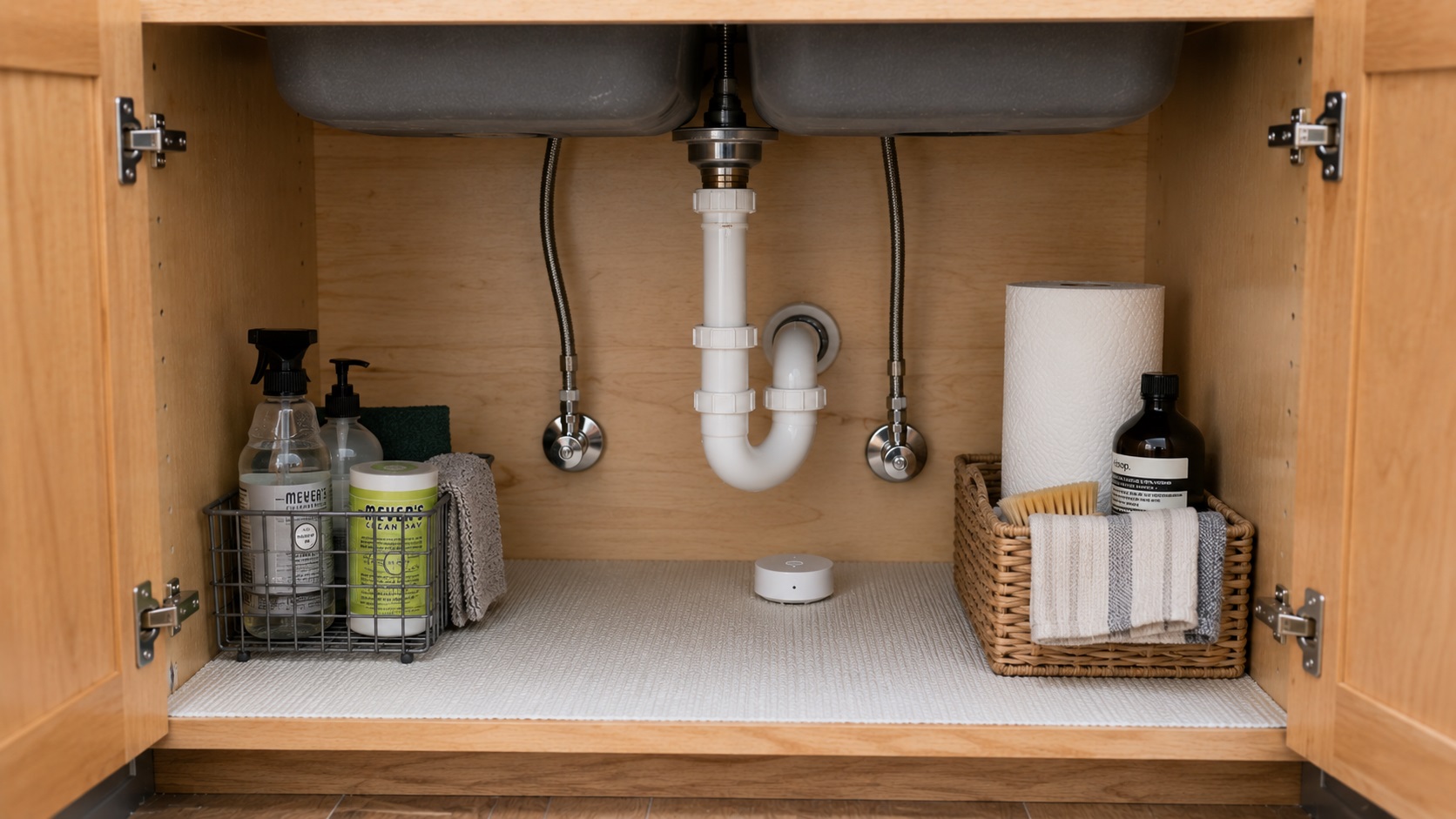
How to Prevent Mold Under Kitchen Sink Cabinets (Proven Prevention Methods)
To prevent mold under kitchen sink cabinets, keep the cabinet dry, stop slow leaks early, improve airflow, protect porous cabinet materials, and inspect the plumbing regularly. Mold usually forms in this area when small leaks, condensation, spills, or trapped humidity keep wood-based cabinet surfaces damp long enough for growth to begin.
Under-sink cabinets are especially vulnerable because they contain supply lines, drain fittings, dishwasher connections, enclosed corners, and cabinet floors that often absorb water. If moisture is already suspected, the inspection methods in how to detect slow leaks under kitchen sinks can help confirm whether a hidden drip is feeding the problem.
Because many under-sink mold problems begin with plumbing moisture, the broader moisture-risk patterns are also explained in how plumbing leaks cause structural damage.
Why Mold Forms Under Kitchen Sink Cabinets
Mold prevention starts with controlling the conditions that let mold grow: moisture, porous material, limited airflow, and enough time for damp surfaces to stay wet.
Mold growth depends on three primary factors:
- Moisture: Water leaks, condensation, or spills create damp surfaces.
- Organic material: Cabinet materials provide nutrients mold can feed on.
- Time: Persistent moisture allows mold colonies to establish.
Under-sink cabinets often contain wood-based materials such as particleboard or MDF, which absorb moisture quickly. Once moisture enters these materials, drying becomes slower, increasing the chance of mold development.
Many mold problems begin with minor moisture exposure rather than major flooding. Small leaks or condensation may seem harmless at first but create long-term damp conditions that support mold growth. If early warning signs of moisture damage are already visible, comparing them with the patterns described in signs of water damage under kitchen sinks helps confirm whether moisture exposure is ongoing.
Common Moisture Sources Under Kitchen Sink Cabinets
Moisture under kitchen sinks often builds up gradually from repeated small exposures rather than one obvious flood.
Common moisture sources under sink cabinets include:
- Slow plumbing leaks
- Condensation on cold water pipes
- Dishwasher hose seepage
- Minor spills during cleaning
- Humidity buildup inside closed cabinets
These moisture sources are particularly dangerous because they often go unnoticed. Enclosed cabinet spaces limit airflow, allowing moisture to remain trapped rather than evaporating.
Condensation on Cold Water Pipes
Condensation occurs when warm, humid air contacts cold pipe surfaces. Water droplets form on the pipe exterior and eventually drip onto cabinet surfaces.
Condensation risk increases when:
- Indoor humidity levels are high
- Cold water lines remain cool for extended periods
- Cabinet airflow is restricted
- Warm kitchen air enters enclosed spaces
Even small amounts of condensation can create repeated moisture exposure over time.
Slow Plumbing Leaks
Slow leaks are a major mold risk because they can keep cabinet materials damp without producing an obvious puddle. If you need to trace the source of a suspected drip, use the dedicated slow-leak detection guide instead of relying on surface drying alone.
Typical slow leak sources include:
- Loose compression fittings
- Worn rubber seals
- Drain trap connections
- Dishwasher hose joints
Because slow leaks develop quietly, regular inspection remains one of the most effective prevention strategies.
Preventing Leaks Before Mold Can Develop
Leak prevention is one of the most important steps in preventing mold under kitchen sink cabinets. Since plumbing connections are a common moisture source, keeping these components in good condition significantly reduces mold risk.
Inspect Plumbing Connections Regularly
Routine inspection helps identify small problems before they develop into larger leaks. Even minor seal wear can eventually allow moisture to escape.
During inspection, use a flashlight and dry paper towel to check:
- Supply line connections
- Shutoff valves
- Drain traps
- Dishwasher hose fittings
- Garbage disposal connections
Wipe around each connection with the paper towel, then run water through the sink and check again. New moisture on the towel usually indicates an active seep, even if no drip is visible.
Careful inspection methods described in how to inspect kitchen sink pipes for hidden leaks provide step-by-step guidance for identifying vulnerable connection points.
Monitor Plumbing After Repairs or Installations
Many leaks begin shortly after plumbing repairs or appliance installations. Monitoring connections after work is completed helps identify installation-related weaknesses.
After any plumbing changes:
- Check connections within the first 24 hours
- Reinspect after several days of use
- Watch for recurring moisture patterns
- Confirm all fittings remain secure
These follow-up checks prevent small installation issues from developing into long-term moisture problems.
For recurring drip patterns, loose fittings, or moisture that returns after tightening connections, use the prevention steps in how to prevent recurring leaks under kitchen sinks instead of relying on cabinet drying alone.
Improving Airflow Inside Sink Cabinets to Reduce Moisture
Airflow plays a major role in mold prevention because moving air helps moisture evaporate before it can accumulate. Under-sink cabinets often trap humidity due to limited ventilation and tightly packed storage. Improving airflow reduces moisture persistence and lowers the chance of mold growth.
Avoid Overcrowding Cabinet Storage
One of the simplest ways to improve airflow is to avoid overcrowding the cabinet interior. Stored items restrict airflow and trap humidity around plumbing components.
To improve airflow through storage organization:
- Leave open space around plumbing connections
- Avoid stacking containers tightly together
- Store items in removable trays when possible
- Keep cabinet corners accessible for inspection
Maintaining airflow space allows moisture to evaporate more effectively after minor spills or condensation events.
Allow Periodic Air Circulation
Opening cabinet doors periodically allows fresh air to enter and helps remove trapped humidity. This practice is especially helpful after activities that produce steam, such as washing dishes or running a dishwasher.
Situations when opening cabinet doors helps include:
- After heavy sink use
- After cleaning activities
- During humid weather conditions
- When moisture odors are detected
Allowing temporary ventilation helps reduce humidity buildup that would otherwise remain trapped inside the cabinet.
Improve Overall Kitchen Ventilation
Cabinet airflow depends partly on overall room ventilation. Kitchens with poor ventilation often maintain higher humidity levels, which increases condensation risk.
Ways to improve kitchen ventilation include:
- Using range hoods during cooking
- Running exhaust fans when washing dishes
- Opening windows when weather permits
- Maintaining adequate airflow throughout the kitchen
Improved room ventilation reduces humidity levels that contribute to condensation and mold growth.
Reducing Humidity Under Sink Areas
Humidity control helps prevent condensation on cold water lines, especially inside closed cabinets where damp air does not dry quickly.
Identify High-Humidity Conditions
Recognizing when humidity levels are elevated helps prevent moisture buildup before mold begins developing.
High-humidity conditions often occur during:
- Cooking activities that generate steam
- Dishwasher cycles
- Humid weather conditions
- Poor kitchen ventilation
Monitoring humidity conditions helps determine when additional ventilation or drying measures are needed.
Control Indoor Humidity Levels
Maintaining balanced humidity levels reduces condensation risk on cold pipes and cabinet surfaces.
Effective humidity control methods include:
- Using kitchen ventilation systems regularly
- Reducing steam buildup during cooking
- Allowing airflow after dishwashing
- Keeping indoor humidity near the normal 30%–50% range when possible
Homes with consistently high humidity may benefit from humidity monitoring tools. For those interested in measuring humidity accurately, reviewing recommended devices in best hygrometers for home humidity monitoring helps identify conditions that increase mold risk.
Prevent Condensation on Cold Pipes
Cold water pipes frequently develop condensation when humid air contacts cool surfaces. Over time, repeated condensation can create persistent moisture conditions inside cabinets.
Condensation prevention strategies include:
- Improving cabinet airflow
- Reducing humidity levels
- Monitoring moisture patterns on pipe surfaces
- Keeping stored items away from cold water lines so air can circulate around the pipes
Reducing condensation helps prevent moisture from accumulating repeatedly on cabinet surfaces.
Keeping Sink Cabinet Surfaces Dry
Cabinet surfaces do not have to stay perfect, but they should not remain damp. Quick drying prevents small spills, cleaning moisture, and plumbing drips from soaking into porous cabinet materials.
Clean Up Spills Immediately
Small spills often occur during routine cleaning or plumbing work. When moisture remains on cabinet surfaces, it gradually soaks into porous materials.
Prompt spill cleanup prevents:
- Surface absorption
- Material swelling
- Long-term moisture buildup
- Mold development
Immediate drying remains one of the simplest yet most effective prevention steps.
Dry Surfaces After Plumbing Work
Plumbing repairs frequently introduce moisture into cabinet spaces. Even careful work may leave small amounts of water behind.
After plumbing activity:
- Inspect surrounding surfaces
- Dry visible moisture completely
- Allow airflow inside the cabinet
- Check again after several hours
Ensuring surfaces remain dry after plumbing activity prevents moisture from lingering unnoticed.
Monitor Moisture After Cleaning Activities
Cleaning products and water exposure may introduce hidden moisture into cabinets. Monitoring surfaces after cleaning helps identify areas where moisture remains trapped.
Watch for:
- Damp cabinet flooring
- Wet cleaning cloth residue
- Water splashes near pipe connections
- Moisture trapped beneath containers
Maintaining dry surfaces significantly reduces long-term mold risk.
Using Moisture Barriers and Protective Liners
Protective liners and moisture barriers add an additional layer of defense against mold formation under kitchen sink cabinets. While airflow and leak prevention remain the most important factors, surface protection helps reduce moisture absorption when small leaks or spills occur.
Cabinet materials such as particleboard and MDF absorb water quickly. Once moisture enters these materials, drying becomes more difficult, increasing the likelihood of mold growth. Protective barriers reduce direct contact between moisture and cabinet surfaces.
Install Cabinet Liners to Protect Surfaces
Cabinet liners create a protective layer that prevents moisture from soaking directly into cabinet flooring. When moisture remains on the surface of a liner rather than penetrating wood materials, it becomes easier to detect and remove.
Benefits of cabinet liners include:
- Reduced moisture absorption into cabinet materials
- Easier cleanup of spills and leaks
- Improved visibility of developing leaks
- Lower risk of material swelling or deterioration
For best results, liners should cover the entire cabinet floor area and extend slightly up the cabinet sides to contain minor spills.
Use Protective Trays for Leak Containment
Leak containment trays provide an additional safety measure beneath plumbing components. These trays collect small amounts of water and prevent moisture from spreading across cabinet surfaces.
Protective trays are especially useful beneath:
- Drain traps
- Garbage disposal units
- Water supply connections
- Dishwasher hose attachments
By capturing small leaks early, trays help prevent moisture from spreading unnoticed.
Maintain Protective Materials Over Time
Protective liners and trays require periodic inspection to ensure they remain effective. Damaged or improperly installed barriers may allow moisture to bypass protective layers.
Routine maintenance includes:
- Inspecting liners for cracks or wear
- Cleaning trays regularly
- Replacing damaged materials promptly
- Ensuring proper placement around plumbing components
Maintaining protective materials supports long-term moisture control inside cabinet spaces.
Routine Inspection Practices That Prevent Mold
Regular inspection remains one of the most effective ways to prevent mold growth under kitchen sink cabinets. Most mold problems develop because moisture goes unnoticed for extended periods. Early detection allows moisture to be addressed before mold colonies form.
Establish a Monthly Inspection Routine
Monthly inspections help identify developing moisture problems before they become severe. These inspections require only a few minutes but significantly reduce the risk of long-term mold damage.
During monthly inspections:
- Look for damp cabinet flooring
- Check pipe connections for moisture
- Inspect cabinet corners and seams
- Feel surfaces for dampness
- Watch for odor changes
These simple checks allow homeowners to detect early warning signs of moisture buildup.
Perform Detailed Seasonal Inspections
Seasonal inspections provide deeper evaluation of cabinet conditions. These inspections involve more thorough examination of cabinet materials and plumbing connections.
During seasonal inspections:
- Remove stored items temporarily
- Inspect hidden cabinet areas
- Check behind plumbing lines
- Look for swelling or discoloration
- Confirm connections remain secure
Seasonal inspections help identify developing issues that monthly checks may not reveal.
Inspect After Plumbing Changes or Repairs
Many leaks begin shortly after plumbing repairs or appliance installations. Inspecting cabinets after plumbing changes helps identify early installation issues.
After plumbing work:
- Check cabinet surfaces immediately
- Inspect again after several days
- Watch for new moisture patterns
- Confirm all connections remain dry
If persistent moisture appears after repairs, the troubleshooting methods explained in how to fix persistent leaks under kitchen sinks provide guidance for resolving recurring problems.
When Preventive Measures Need Adjustment
Even well-maintained cabinets may occasionally develop moisture risks. Recognizing when prevention methods require adjustment helps maintain long-term mold protection.
Signs Prevention Methods Are Not Working
Certain warning signs indicate that preventive measures may need improvement. These signs often appear before visible mold develops.
Watch for:
- Persistent damp odors
- Recurring condensation patterns
- Repeated minor moisture accumulation
- Surface discoloration
- Material swelling or softening
If these conditions appear, remove stored items, dry the cabinet, inspect plumbing connections, and look for an active moisture source. If the cabinet stays damp, materials feel soft, or mold covers more than a small surface area, stop treating it as routine prevention and get professional help.
If staining, musty odor, or fuzzy surface growth is already present, compare those warning signs with signs of mold under kitchen sink cabinets before treating the area as a simple prevention issue.
Adjust Prevention Strategies for Changing Conditions
Household conditions change over time. Increased usage, seasonal humidity shifts, or aging plumbing components may require updated prevention strategies.
Situations requiring prevention adjustments include:
- Installation of new appliances
- Changes in household water usage
- Seasonal humidity increases
- Aging plumbing materials
- Past history of moisture problems
Respond Quickly to Early Moisture Signs
Quick response remains essential for preventing mold development. When moisture is addressed promptly, mold colonies have little opportunity to form.
If moisture is detected:
- Dry affected areas immediately
- Identify the moisture source
- Monitor for recurring dampness
- Increase airflow temporarily
If moisture persists after initial drying, following the recovery methods explained in how to dry kitchen sink cabinets after leaks helps restore safe moisture conditions.
Frequently Asked Questions About Preventing Mold Under Kitchen Sink Cabinets
How do I stop mold from growing under my kitchen sink?
Stopping mold growth under kitchen sinks requires controlling moisture before it persists long enough to support mold colonies. This includes preventing leaks, maintaining airflow, and drying surfaces quickly after exposure to water.
Effective prevention includes:
-Inspecting plumbing connections regularly
-Keeping cabinet interiors dry
-Improving airflow inside cabinets
-Reducing humidity levels
-Responding quickly to moisture
When moisture sources are eliminated quickly, mold cannot establish long-term growth.
Should I leave cabinet doors open to prevent mold?
Leaving cabinet doors open occasionally can help reduce humidity buildup and improve airflow. This is especially helpful after activities that produce steam or introduce moisture, such as dishwashing or cleaning.
However, cabinet doors do not need to remain open continuously. Instead, periodic ventilation provides sufficient airflow to reduce moisture buildup without disrupting normal cabinet use.
Can cabinet liners prevent mold under sinks?
While liners do not stop mold completely, they provide valuable protection by making moisture easier to detect and remove.
Liners work best when combined with:
-Routine inspection
-Leak prevention
-Moisture removal practices
-Airflow improvement
Used together, these strategies significantly reduce mold risk.
How often should I check under my kitchen sink?
Monthly inspections are recommended for most households. These checks take only a few minutes but help identify developing moisture problems before mold begins forming.
Additional inspections should occur:
-After plumbing repairs
-After appliance installation
-During seasonal humidity changes
-When unusual odors develop
Frequent inspections shorten the time moisture remains unnoticed.
Does humidity cause mold under kitchen sinks?
Yes, high humidity increases the likelihood of mold formation under sinks. Humid air promotes condensation on cold water pipes, which introduces moisture into cabinet spaces.
Maintaining balanced humidity levels reduces condensation risk and helps prevent mold growth over time.
Preventing Mold Under Kitchen Sink Cabinets Starts With Moisture Control
Preventing mold under kitchen sink cabinets depends primarily on controlling moisture before it can persist. Most mold problems develop gradually due to slow leaks, condensation, or humidity buildup rather than sudden flooding events. By identifying moisture sources early and maintaining proper airflow, homeowners can significantly reduce long-term mold risk.
The most reliable prevention routine is simple: inspect plumbing monthly, keep storage away from pipes, dry spills immediately, use a removable liner or tray, and respond quickly when odors, stains, swelling, or condensation appear.
If early warning signs of mold appear despite preventive measures, reviewing the detection guidance in signs of mold under kitchen sink cabinets helps identify whether mold growth has already begun.
For broader prevention strategies across leaks, damp materials, and recurring moisture problems, see how to prevent recurring moisture damage.
Key Takeaways
- Mold under kitchen sink cabinets forms when moisture persists over time.
- Leak prevention is one of the most important steps in mold prevention.
- Improving airflow reduces humidity buildup inside cabinets.
- Protective liners help prevent moisture absorption into cabinet materials.
- Routine inspections allow early detection of developing moisture problems.
- Quick response to moisture prevents long-term mold development.
- Consistent prevention practices significantly reduce mold risk.